
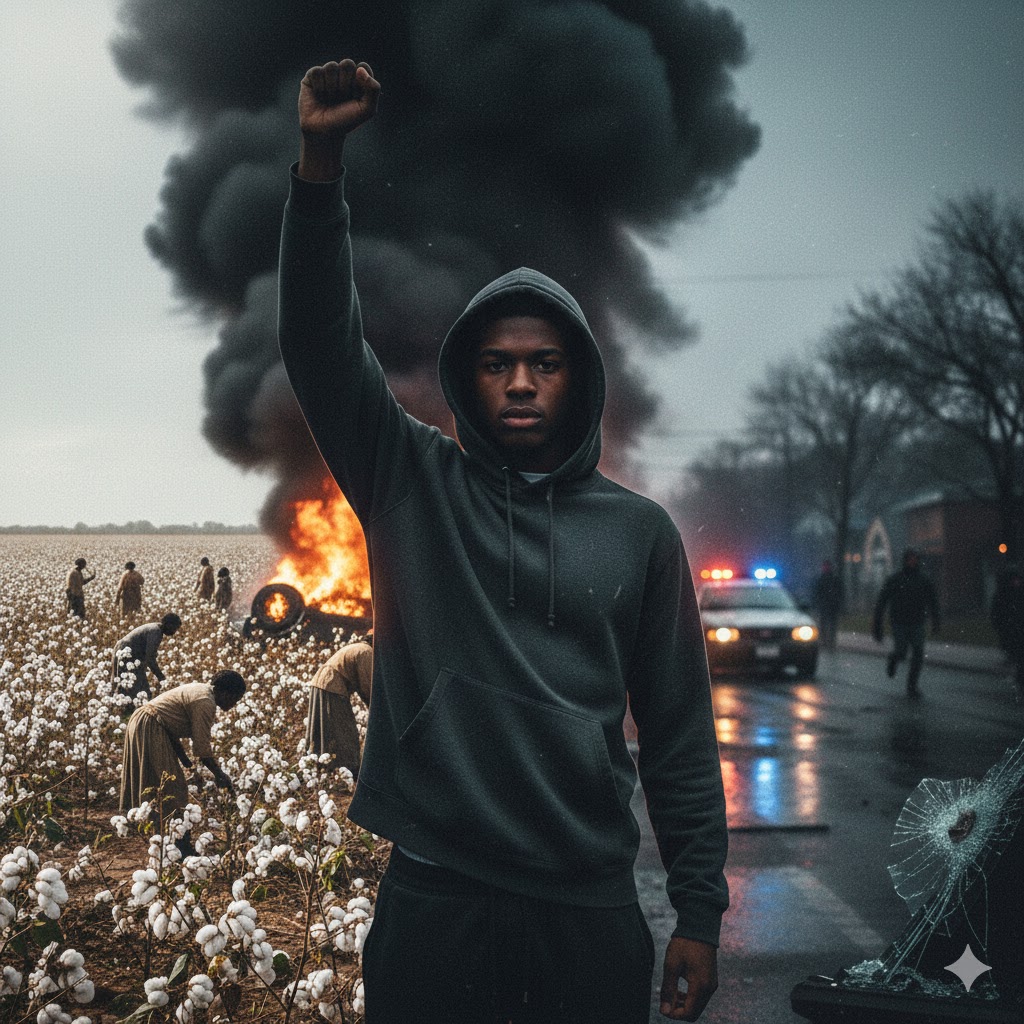
Black resilience is not a gentle force; it is a righteous wrath forged through centuries of pressure, pain, and perseverance. It is the fire that refuses to be extinguished, the power that rises from ashes with dignity still intact. This resilience is both a shield and a sword, shaped by generational survival and spiritual endurance.
The wrath of Black resilience is not destructive—it is transformative. It is the fierce determination to exist in a world that has tried, repeatedly, to erase, distort, or diminish Black life. This resilience emerges from the collision of suffering and hope, forming a strength unmatched in its depth and sacred in its origin.
This wrath carries memory. It remembers slave ships, plantations, whips, auctions, and chains. It remembers the cries of mothers whose children were torn from their arms and the prayers whispered in dark cabins to a God who seemed far yet remained present. Memory sharpens resilience into conviction.
It is a wrath tempered by wisdom. Black people have learned to survive without surrendering their humanity. The resilience that flows through the diaspora is a testimony to what happens when faith meets fire and refuses to break. It is refusal wrapped in courage—refusal to bow, to be silent, or to disappear.
The wrath of Black resilience is seen in the unyielding pursuit of justice. It is the righteous anger that propelled rebellions, marches, sit-ins, and court battles. It is the same spirit that fueled leaders like Malcolm X, Fannie Lou Hamer, Marcus Garvey, and Ida B. Wells—individuals who understood that survival alone was not enough; liberation was the goal.
It is a sacred wrath, aligned with the God of the oppressed. Scripture affirms that the Most High hears the cries of the afflicted. Black resilience draws strength from this divine truth, knowing that justice is not merely a human demand but a spiritual inheritance. This wrath becomes a holy resistance against systems of exploitation and dehumanization.
Yet, Black resilience also holds tenderness. Despite centuries of brutality, Black communities created art, music, family, culture, and spiritual practices that nourished life. This duality—wrath against injustice, tenderness toward each other—is the secret to its power.
This resilience is generational. From enslaved ancestors to modern activists, the flame of endurance has been passed down like a torch. Each generation fans it into something greater—revival, rebellion, restoration. The wrath of resilience ensures that the trauma of the past does not silence the future.
It also manifests in economic creativity. From sharecropping to Black Wall Street, from entrepreneurship to global influence, Black communities have repeatedly built and rebuilt despite sabotage and systemic barriers. This relentless reconstruction is a form of wrathful hope—hope that refuses to die.
The wrath of Black resilience is poetic. It sings through spirituals and hip-hop, dances through jazz and blues, and speaks through literature, sermons, and scholarship. Art becomes protest; creativity becomes survival; expression becomes liberation.
It is seen in Black love—the protective, enduring, healing love that withstands external assault. Black families have survived legal restrictions, targeted destabilization, and economic pressure. Yet the love still blossoms. That love is an act of defiance.
This resilience is intellectual as well. Black scholars have dismantled false histories, reconstructed truth, and reclaimed identity. The wrath here is quiet but profound—a refusal to let lies prevail. Knowledge becomes warfare, and scholarship becomes a pathway to cultural redemption.
The wrath of Black resilience also operates spiritually. Through Christianity, Islam, African traditional religions, and Hebrew Israelite faith practices, Black communities cultivated belief systems that affirmed their worth when the world denied it. Faith became resistance; prayer became strategy.
This resilience is communal. It is seen in mutual aid networks, church gatherings, neighborhood protection, and intergenerational mentorship. Black communities have learned that survival is collective work. Their wrath is unified; their resilience, intertwined.
Even in grief, Black resilience rises. Mourning becomes movement; sorrow becomes strategy. Whether after lynchings, massacres, police brutality, or generational trauma, the community finds a way to speak, march, organize, and heal without losing its soul.
The wrath of Black resilience is global. In Africa, the Caribbean, South America, and throughout the diaspora, colonization could not destroy the spirit of the people. Revolutions erupted; cultures survived; languages adapted; identities persisted. The global Black experience is one of endurance and rebirth.
This resilience is also prophetic. It does not simply react to injustice—it anticipates liberation. It sees beyond present oppression to future restoration. Black resilience believes in the possibility of a world made right, and it fights relentlessly until that vision becomes reality.
The wrath of resilience is not rage without direction—it is purpose wrapped in fire. It is the sharpened edge of survival and the disciplined determination to rise above systems built for destruction. It is righteousness standing firm against wickedness.
Ultimately, the wrath of Black resilience is a divine inheritance. It is the echo of ancestors, the strength of the present generation, and the promise of those yet to come. It is the collective heartbeat of a people who refuse to die, refuse to bend, and refuse to be forgotten.
References
Alexander, M. (2012). The new Jim Crow: Mass incarceration in the age of colorblindness. The New Press.
Cone, J. H. (1975). God of the oppressed. Orbis Books.
Davis, A. (2016). Freedom is a constant struggle: Ferguson, Palestine, and the foundations of a movement. Haymarket Books.
Gates, H. L. (2019). Stony the road: Reconstruction, white supremacy, and the rise of Jim Crow. Penguin Press.
Wells, I. B. (2020). Crusade for justice: The autobiography of Ida B. Wells. University of Chicago Press.
West, C. (2017). Race matters. Beacon Press.
 THE BROWN GIRL DILEMMA