Category Archives: black history

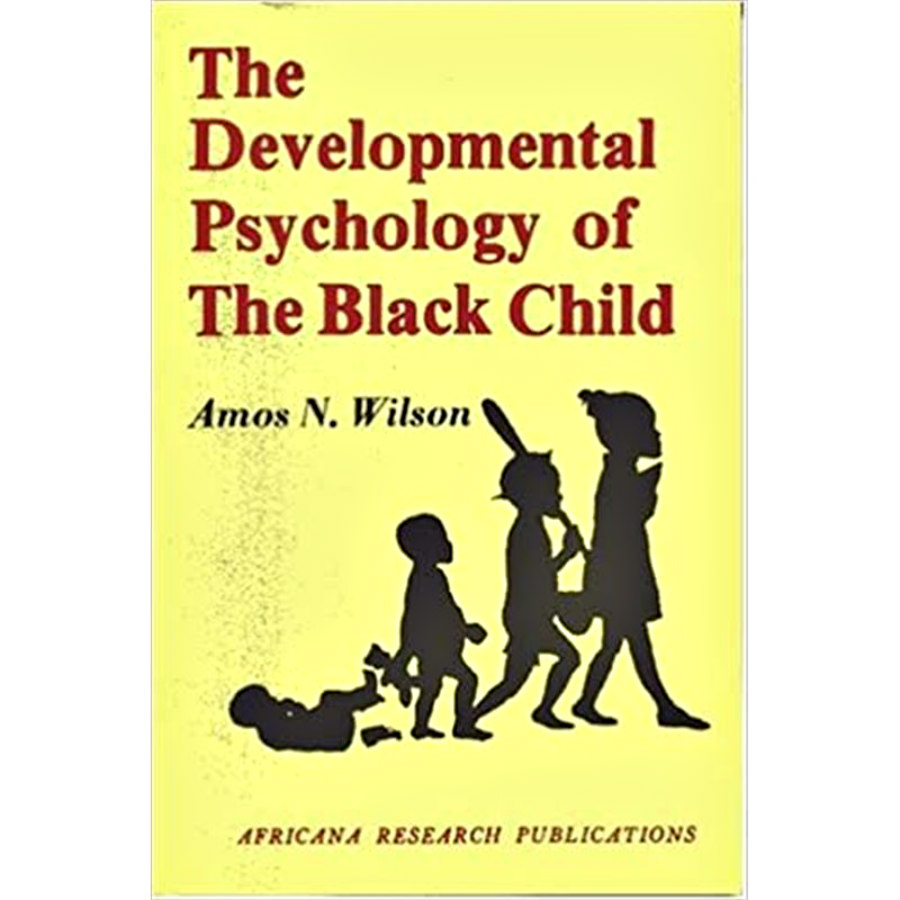
BOOK Review: The Developmental Psychology of the Black Child by Dr. Amos N. Wilson

Dr. Amos N. Wilson, one of the most profound and revolutionary minds in Black psychology and education. His work remains foundational for those seeking liberation from white supremacy and insight into the mental development of African-descended people.

🌟🌟🌟🌟🌟 5/5

Dr. Amos N. Wilson: Revolutionary Psychologist and Defender of the Black Mind
Featuring a 5-Star Review of The Developmental Psychology of the Black Child


Who Was Dr. Amos Wilson? Biography and Legacy
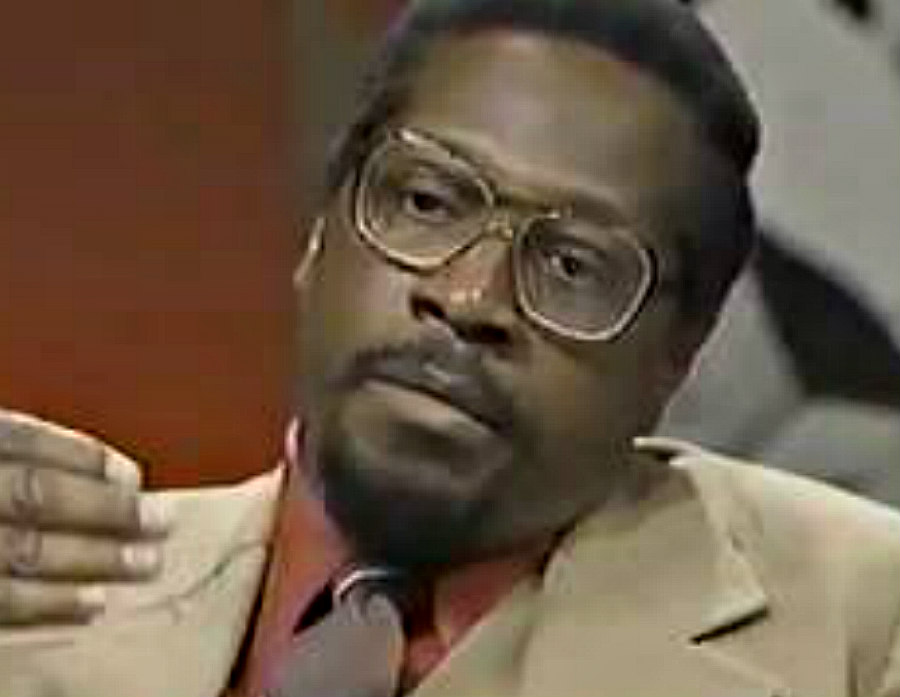
Dr. Amos N. Wilson (1941–1995) was a brilliant psychologist, educator, author, and Pan-African scholar whose life work was dedicated to the mental liberation of Black people—especially Black children. Born in Hattiesburg, Mississippi, during the Jim Crow era, Wilson experienced firsthand the devastating effects of racism, segregation, and educational neglect in America.

He earned his undergraduate degree at Morehouse College, one of the most prestigious Historically Black Colleges and Universities (HBCUs), and later received his Ph.D. in clinical psychology. He worked professionally as a psychologist, not a psychiatrist (a psychiatrist is a medical doctor who prescribes medication, whereas psychologists focus more on therapy, behavior, and educational assessments).

Wilson taught at City College of New York, worked in social services, and was a youth advocate in the community. Though he kept much of his personal life private, he was married and had children, whom he referenced as part of his lived experience raising and analyzing Black youth in America.


His Revolutionary Impact on Psychology

Dr. Wilson was one of the leading figures in African-centered psychology, challenging the Eurocentric models that labeled Black children as “deficient,” “disruptive,” or “inferior.” He argued that psychological development cannot be separated from the socioeconomic and political environment in which a child lives.

Wilson criticized the mainstream education system and mental health industry for misdiagnosing and mislabeling Black children, particularly Black boys, with learning disabilities and behavior disorders. His goal was to replace white-dominated models of psychology with Africentric, culturally-grounded frameworks rooted in history, identity, and liberation.


🧠 Five-Star Book Review

Title: The Developmental Psychology of the Black Child
By Dr. Amos N. Wilson
Rating: ⭐⭐⭐⭐⭐ (Essential, Groundbreaking, Liberatory)

This book is an intellectual masterpiece and a foundational text in the field of Black child psychology. Dr. Wilson wrote it to expose the harmful assumptions of traditional child development theories, which were based almost entirely on white children from middle-class environments. He argued that applying these same metrics to Black children—who face systemic racism, cultural marginalization, and poverty—creates a false narrative of inferiority.


Purpose and Discoveries of the Book

Dr. Wilson’s goal was to help educators, psychologists, and parents understand that Black children are different not in deficiency, but in experience and cultural expression. He carefully analyzed:

  • Cognitive development
  • Speech and language acquisition
  • Behavioral traits
  • Academic performance
  • Cultural identity formation

His central discovery was that Black children learn and grow differently, not because of biological inferiority, but due to environmental racism, cultural mismatch in classrooms, and lack of Afrocentric nurturing. The book includes data, case studies, and critiques of standardized testing, intelligence tests, and biased teacher expectations.

“The major problem facing Black children is not low IQ but low expectations and miseducation.”
—Dr. Amos N. Wilson


His Solutions: What Would Make a Difference?

Wilson was not just critical—he was constructive. He outlined practical, Afrocentric solutions to enhance the development of Black children:

  • Culturally relevant curriculum rooted in African history and identity
  • Black-controlled educational institutions
  • Parental involvement with strong cultural pride
  • Black psychologists and teachers trained in Africentric developmental theory
  • Community unity and collective responsibility

He argued that true education should not merely prepare Black children to fit into white society, but to transform and liberate it.


Dr. Wilson’s Views on Racism in America

Wilson taught that racism is not about feelings but systems. He saw white supremacy as a global power structure designed to protect white genetic survival, wealth, and dominance. He often said that Black people’s problems are political and economic in nature and must be solved through organized Black power, not begging for white validation or inclusion.

“Racism is a power relationship… White people are not superior, but they control the institutions of life and death.”
—Dr. Amos Wilson

His explosive voice, piercing intellect, and relentless truth-telling made him feared by white academia and loved by conscious Black communities. He was labeled “radical,” “controversial,” and “divisive,” because he exposed the core of systemic racism and called for Black self-determination.


His Activism and Public Influence

Though not a marcher or politician, Dr. Wilson was a radical intellectual activist. His activism was in the classroom, the lecture hall, and the page. He spoke passionately at Black conferences, on college campuses, and through media outlets like The Black Dot, Gil Noble’s Like It Is, and other grassroots platforms.

His voice—booming, baritone, authoritative, and deeply Black—could shake a room and awaken minds. He challenged both white systems and Black complacency.

“If you don’t understand white supremacy—what it is and how it works—everything else you think you know will only confuse you.”
—A quote often attributed to both Wilson and Neely Fuller Jr., reflecting their shared ideology.


Are Black Children Different from White Children?

Yes—not in intrinsic capability, but in cultural experience, linguistic patterns, and the societal context they are born into. Wilson emphasized:

  • Black children often demonstrate early creativity, rhythm, advanced speech patterns, and kinesthetic learning styles.
  • They are often punished for their brilliance—seen as “hyper,” “loud,” or “defiant”—when in fact they are expressive, inquisitive, and socially advanced.
  • Standardized testing, Eurocentric curricula, and white teacher bias suppress their natural intelligence and creativity.

He argued that white children are socialized into supremacy, while Black children are often miseducated into submission. The solution, Wilson insisted, was not integration but institution-building, cultural restoration, and psychological freedom.


Final Thoughts: A Genius We Must Not Forget

Dr. Amos N. Wilson was a towering intellect, an educator of the soul, and a protector of Black youth. He didn’t just critique the system—he built a blueprint for liberation. His work remains more relevant than ever in an age of continued police violence, educational neglect, and cultural confusion.

He was respected because he was fearless—a man who told the truth when it wasn’t popular. He gave his life to the mind and left behind mental ammunition for Black survival and progress.


References

  • Wilson, A. N. (1978). The Developmental Psychology of the Black Child. Afrikan World Infosystems.
  • Wilson, A. N. (1998). Blueprint for Black Power: A Moral, Political, and Economic Imperative for the Twenty-First Century.
  • Akbar, N. (1991). Visions for Black Men.
  • Kambon, K. (2003). Cultural Misorientation: The Greatest Threat to the Survival of the Black Race in the 21st Century.
  • Asa G. Hilliard III and Wade W. Nobles, colleagues and fellow pioneers in Afrocentric psychology.
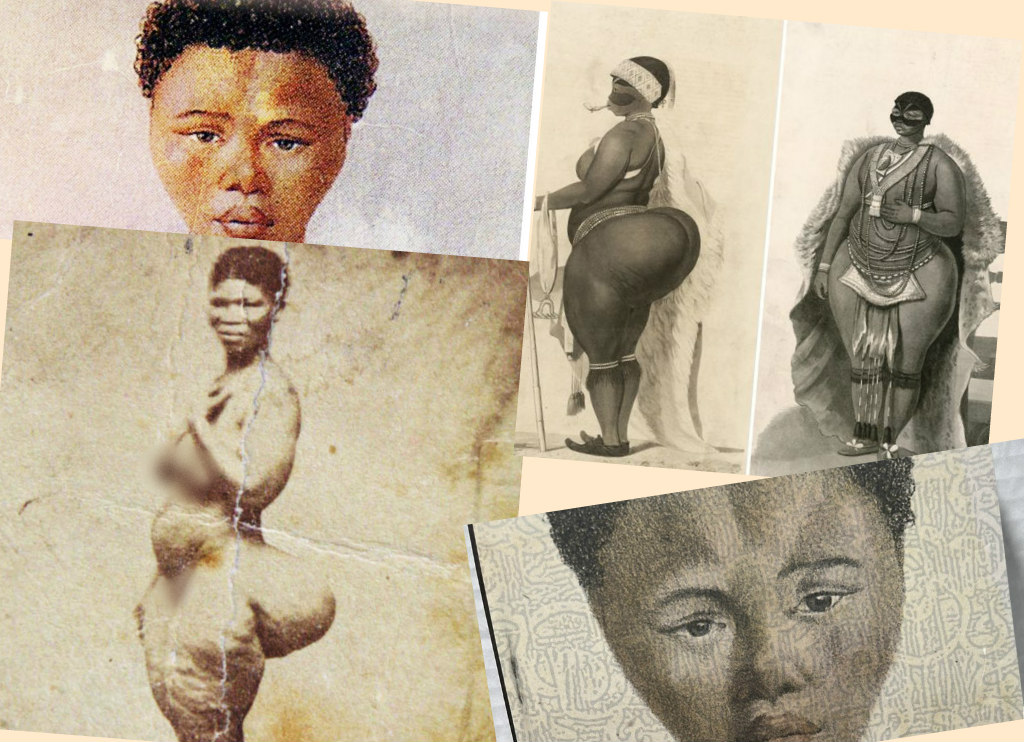
“The Tragic Beauty of Sarah Baartman: Colonial Spectacle, Black Female Bodies, and the Legacy of the Hottentot Venus”

All photographs are the property of their respective owners. No infringement intended.

Introduction

Sarah Baartman, widely known by the derogatory nickname “The Hottentot Venus,” was a South African Khoikhoi woman who became one of the most exploited and objectified figures in colonial history. Her life is emblematic of the intersection between racism, colonialism, misogyny, and pseudoscience. Displayed as a curiosity in 19th-century Europe, Baartman’s body was fetishized and dehumanized, even in death. Her story foreshadows the modern commodification of Black women’s bodies and raises critical questions about beauty standards, cultural appropriation, and racialized misogyny.


Early Life and Origins

Sarah Baartman was born around 1789 in the Gamtoos Valley of the Eastern Cape of South Africa. She belonged to the Khoikhoi people, an indigenous group known pejoratively as “Hottentots” by European colonists. Little is known about her early family life, but historical accounts suggest she was orphaned at a young age during colonial conflicts between the Dutch settlers and native Africans. She later became a domestic servant and was exposed to European culture and oppression early in life (Fausto-Sterling, 1995).


Her Exploitation and Display in Europe

In 1810, Sarah was taken to England by a British military surgeon, William Dunlop, under the pretense that she would gain wealth by exhibiting her body. She was soon placed on public display in London and later in Paris, exhibited nearly naked in circuses, saloons, and theaters. Advertised as the “Hottentot Venus,” her steatopygia—a natural genetic feature of prominent buttocks common among Khoisan women—became the central focus of her public spectacle.

European audiences viewed her body as both exotic and grotesque, sexualized and ridiculed. Scientists like Georges Cuvier subjected her to invasive examinations, believing she was proof of the “missing link” between animals and humans. Baartman became a living subject for racist pseudoscience that sought to validate white supremacy through physical anthropology (Gould, 1981).


Why Her Beauty Was Under Scrutiny

Baartman’s physical features—broad hips, dark skin, full lips, and pronounced buttocks—stood in stark contrast to Eurocentric ideals of beauty. Rather than being celebrated, her natural body became a site of scorn, desire, and “scientific” scrutiny. In essence, her Black femininity was hypersexualized and pathologized. Her beauty was never seen as worthy of admiration; instead, it was dissected to reinforce the colonial gaze and racist theories of human difference (Collins, 2000).


Her Death and Posthumous Humiliation

Sarah Baartman died on December 29, 1815, at just 26 years old, likely from pneumonia or syphilis, in Paris. Even in death, she was denied dignity. Her body was dissected by Cuvier, and her skeleton, genitals, and brain were preserved and displayed at the Musée de l’Homme in Paris for over 150 years.

Her remains were finally returned to South Africa in 2002, after a long legal and diplomatic battle. Then-President Nelson Mandela had requested their return as a matter of national and cultural healing. Sarah Baartman was buried on August 9, 2002, in the Eastern Cape, and her story became a symbol of the abuse of Black women under colonial regimes (Qureshi, 2004).


Personal Life: Family, Children, and Survival

Historical documentation does not confirm whether Sarah Baartman had a husband or children. Her personal agency during her time in Europe remains a matter of debate. Some accounts suggest she may have engaged in sex work out of economic desperation and lack of options. Her descent into prostitution, if it occurred, must be understood within the context of extreme exploitation, racism, and the absence of human rights for women of color in Europe.


Scientific Racism and Her Genetic Body Makeup

Baartman’s body became a site for scientific racism. European naturalists used her as a specimen to support racial hierarchies, claiming her physique was evidence of primitiveness. Her steatopygia, which is genetically normal among Khoisan women, was falsely framed as an aberration. The grotesque display of her genitalia by scientists such as Cuvier reinforced colonial myths about African sexuality and physiology (Gilman, 1985).


Modern Reflections: The BBL Craze and Baartman’s Legacy

Today, the Brazilian Butt Lift (BBL) craze—especially among women of all racial backgrounds—ironically mirrors the very body type for which Sarah Baartman was ridiculed. Her natural curves are now commodified, celebrated, and monetized in fashion, social media, and cosmetic surgery industries. Figures like Kim Kardashian, Nicki Minaj, and Cardi B have become modern icons of curvaceous beauty, appropriating features once vilified in Black women.

Yet, this popularity does not signal racial progress. Black women with natural bodies like Baartman’s still face colorism, fatphobia, and hypersexualization. The paradox remains: the Black body is envied, mimicked, and monetized, yet often despised and marginalized in its authentic form.


Why Some Women Use Their Bodies for Fame and Fortune

In a society that frequently commodifies women—especially Black women—many are compelled to capitalize on their physical appearance as a survival strategy. This is not new. Sarah Baartman’s coerced exhibitionism finds echoes in the lives of modern women who use their bodies in music, entertainment, and social media. The global beauty economy profits from features long stigmatized in Black women, reinforcing the painful legacy of objectification and exploitation.


Contemporary Symbolism and Social Commentary

Sarah Baartman represents both historical trauma and modern relevance. Her legacy forces a reckoning with how Black women’s bodies have been treated—as property, as curiosities, as sexual objects—and how they are still commercialized today.

While there are no precise contemporary equivalents, the symbolism of Sarah Baartman can be found in debates around beauty standards, the body positivity movement, and critiques of cultural appropriation. Figures like Serena Williams, Lizzo, and Megan Thee Stallion—who boldly embrace their bodies and identities—offer both resistance and reclamation in a world still shaped by the gaze that dehumanized Baartman.


Conclusion

Sarah Baartman’s life and death tell a harrowing story of racism, exploitation, and the violent colonial gaze. Yet, her story is not just one of suffering—it is also a story of endurance and symbolism. Her legacy compels us to confront uncomfortable truths about how Black femininity is perceived, appropriated, and controlled. From the grotesque science of the 19th century to the filtered perfection of social media today, Baartman’s body still haunts the Western imagination. We owe it to her and to all women like her to remember, reckon, and restore dignity to bodies once denied it.

  • In the 1990s, after the fall of apartheid and the establishment of a democratic government in South Africa, Nelson Mandela, as President (1994–1999), called for the return of Sarah Baartman’s remains as part of a broader effort to restore dignity to the victims of colonialism and racism.
  • Her remains, including her skeleton, brain, and genitalia, had been on display at the Muséum national d’Histoire naturelle in Paris for over 150 years following her death in 1815.
  • In 1994, shortly after Mandela became President, the South African government made an official request to the French government for the return of her remains.
  • The process faced legal and bureaucratic hurdles in France, where some institutions initially resisted the request, claiming her remains were part of the national scientific collection.
  • It was not until January 2002, after years of negotiation, that France passed special legislation allowing the return of Baartman’s remains to South Africa.
  • Her remains were repatriated on May 3, 2002, and she was finally laid to rest on August 9, 2002, in Hankey, Eastern Cape, near the area of her birth.
  • The burial date was symbolic—it coincided with South Africa’s National Women’s Day, commemorating the 1956 anti-pass laws march by women, making it a national tribute to Baartman as a historical symbol of the abuse and dignity of Black women.

While Nelson Mandela did not personally oversee the return (he had left the presidency by 1999), he was instrumental in beginning the political and moral campaign for her repatriation. His government’s efforts, supported by later administrations, ensured that Sarah Baartman could finally return home and be buried with the honor and humanity she had been denied in life.

Her story remains a profound symbol of the colonial exploitation of Black women and a call to honor those who suffered under imperial systems.

References

  • Collins, P. H. (2000). Black Feminist Thought: Knowledge, Consciousness, and the Politics of Empowerment. Routledge.
  • Fausto-Sterling, A. (1995). Myths of Gender: Biological Theories about Women and Men. Basic Books.
  • Gilman, S. L. (1985). Difference and Pathology: Stereotypes of Sexuality, Race, and Madness. Cornell University Press.
  • Gould, S. J. (1981). The Mismeasure of Man. W.W. Norton.
  • Qureshi, S. (2004). Displaying Sara Baartman, the ‘Hottentot Venus’. History of Science, 42(2), 233–257.
  • Scully, P. (2015). Sara Baartman and the Hottentot Venus: A Ghost Story and a Biography. Princeton University Press.

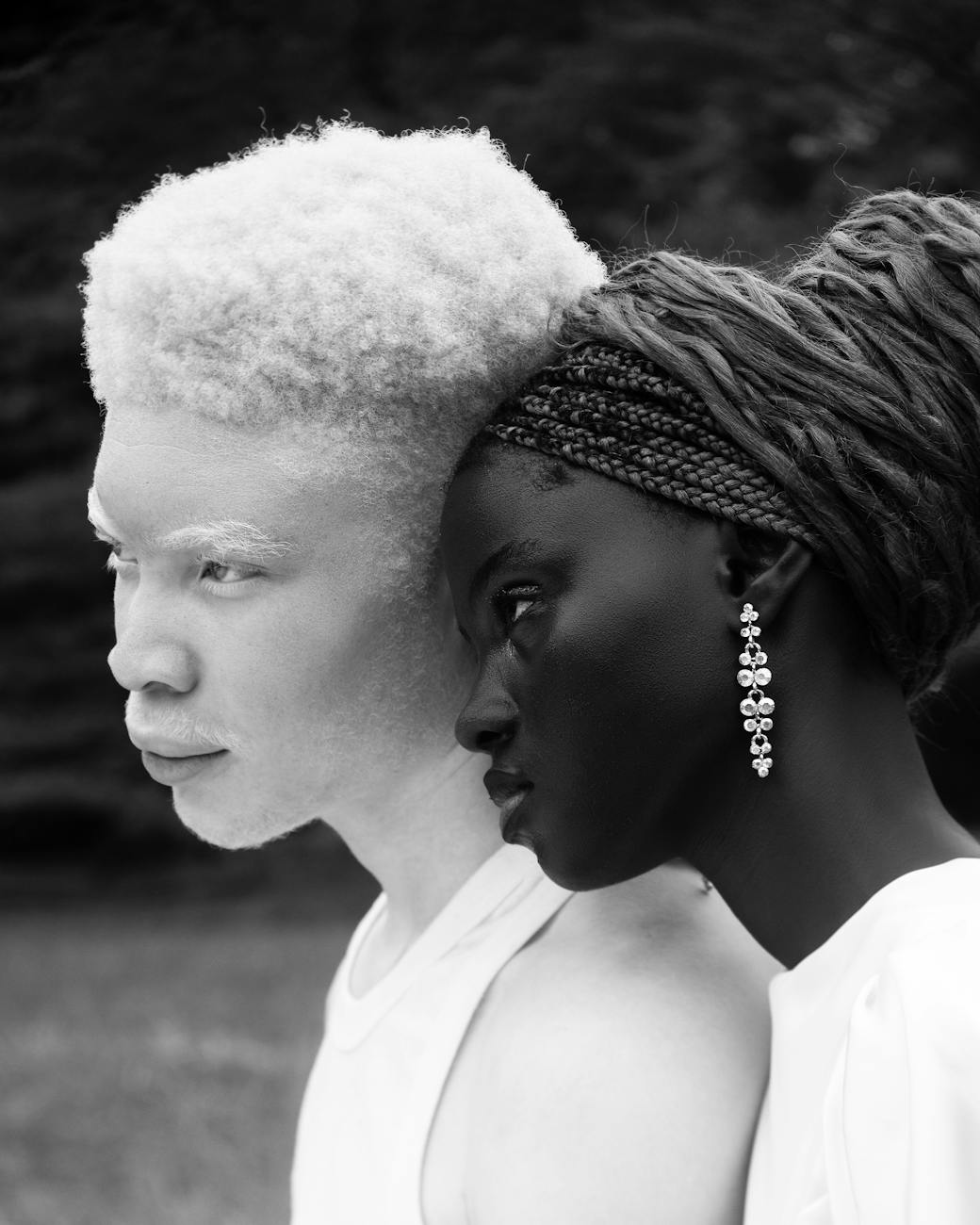
Dilemma: Lightism and Shadeism: The Intra-Racial Color Hierarchy and Its Impact on the Black Experience.

Photo by Adefemi Adedoyin on Pexels.com

Lightism and shadeism are two interrelated forms of intra-racial discrimination that privilege lighter skin tones over darker complexions within communities of color, particularly in the African diaspora. While racism is externally imposed by systemic white supremacy, lightism and shadeism are internalized hierarchies that reflect colonial legacies and Eurocentric beauty standards. These ideologies affect not only personal identity and self-worth but also professional advancement, media representation, and spiritual narratives. This essay explores the definitions and consequences of lightism and shadeism, their specific impact on the Black community, Hollywood, and the workforce, as well as the lived experiences of two Black actresses. It further examines the “Brown Girl Dilemma” and draws upon biblical insights, particularly from the King James Version of the Bible, to explain the historical mistreatment of Black people.


Defining Lightism and Shadeism

Lightism refers to the preferential treatment of individuals with lighter skin tones, especially within the same racial or ethnic group. It is a manifestation of colonial ideology, deeply rooted in the systemic privileging of whiteness (Hunter, 2007). Shadeism, a term often used interchangeably with colorism, specifically denotes discrimination based on the darkness or lightness of one’s skin within a racial group. While both terms are often synonymous, “lightism” implies an aspirational tilt toward whiteness, whereas “shadeism” emphasizes the gradient of privilege or marginalization based on skin tone.

These ideologies are not mere aesthetic preferences; they are tools of social stratification that reinforce European standards of beauty, intelligence, and civility, ultimately dividing Black communities internally (Russell, Wilson, & Hall, 1992).


The Impact on the Black Community, Hollywood, and the Workforce

In the Black community, shadeism contributes to a deeply entrenched psychological struggle—light-skinned individuals may experience privilege and acceptance, while dark-skinned individuals often face rejection, hypersexualization, and dehumanization. These dynamics sow seeds of division, low self-esteem, and generational trauma (Wilder, 2010).

In Hollywood, lightism and shadeism are visibly apparent. Lighter-skinned Black actors and actresses have historically received more prominent roles, romantic leads, and endorsement deals. Dark-skinned actors, especially women, are often relegated to stereotypical roles or excluded entirely. The casting of biracial or lighter-complexioned actresses to portray historically dark-skinned figures—such as Nina Simone—demonstrates how this bias distorts cultural memory and representation.

In the workforce, these biases translate to employment discrimination. Research has shown that lighter-skinned African Americans are more likely to be hired, earn higher salaries, and attain leadership positions than their darker-skinned counterparts—even when qualifications are equal (Goldsmith, Hamilton, & Darity, 2007). This disparity stems from the perception that lighter skin aligns more closely with white norms, which are often unconsciously upheld in hiring practices and workplace culture.


Actresses and the Reality of Shadeism

Two actresses who personify the lived reality of shadeism are Viola Davis and Zendaya.

Viola Davis, a dark-skinned, classically trained actress, has spoken openly about how her complexion limited her roles in Hollywood. Despite her immense talent, she was frequently cast in roles that emphasized suffering or servitude. In an interview with The New York Times, Davis remarked: “If I wanted to play the role of a romantic lead or a beautiful woman, I would need to be 10 to 15 shades lighter” (Dargis, 2016). Her Emmy-winning performance in How to Get Away with Murder was groundbreaking not only for its complexity but because it gave a dark-skinned woman a leading role traditionally denied to her.

Zendaya, who identifies as biracial, has acknowledged her privilege as a lighter-skinned Black woman. She once stated, “As a light-skinned Black woman, it’s important that I use my privilege and platform to show you how much beauty there is in the African-American community” (Essence, 2018). While her success is undeniable, Zendaya’s visibility also raises critical questions about how often Hollywood defaults to lighter-skinned actors to represent the full spectrum of Black identity.


The Brown Girl Dilemma

The Brown Girl Dilemma is the psychological and emotional conflict faced by darker-skinned Black women navigating societal and intra-racial rejection. This dilemma often includes feelings of invisibility, self-doubt, and the need to overcompensate for perceived deficits in beauty or femininity. It reflects not only internalized racism but also systemic barriers that silence and marginalize darker-skinned women in media, education, and relationships (Jones, 2000).


Spiritual Dimensions: The Biblical Explanation

From a Hebraic-Israelite perspective, many Black scholars and faith-based researchers argue that the mistreatment of Black people is not only social but spiritual. According to the King James Bible, the curses outlined in Deuteronomy 28—including captivity, degradation, and economic disenfranchisement—are often interpreted as prophetic indicators of the identity and suffering of the true children of Israel.

“The stranger that is within thee shall get up above thee very high; and thou shalt come down very low” (Deuteronomy 28:43, KJV).
“Thy sons and thy daughters shall be given unto another people, and thine eyes shall look, and fail with longing for them all the day long” (Deuteronomy 28:32, KJV).

This theological lens asserts that Black people are experiencing divine chastisement for their ancestors’ disobedience and idolatry. However, this same scripture also promises restoration and healing if obedience to divine law is restored.


Quotes and Testimonies

  • Malcolm X once said, “Who taught you to hate the color of your skin? Who taught you to hate the texture of your hair?”—an indictment of internalized racism and lightism.
  • Lupita Nyong’o, an Oscar-winning actress, stated: “I grew up thinking light skin was more beautiful… until I saw a dark-skinned model who looked like me. Representation matters.” (Black Women in Hollywood, 2014)

How Can the Black Community Overcome Lightism and Shadeism?

  1. Reeducation: Promote historical and cultural education that affirms African aesthetics and dismantles Eurocentric beauty ideals.
  2. Representation: Amplify diverse Black voices in media, literature, and film to normalize and celebrate all shades of Blackness.
  3. Theological Reconnection: Re-examine spiritual identity through a biblical lens that acknowledges both past transgressions and future redemption.
  4. Collective Healing: Foster intergenerational dialogue and healing spaces to address trauma related to colorism.
  5. Policy and Practice: Implement anti-colorism awareness in hiring practices, school curriculums, and workplace diversity training.

Conclusion

Lightism and shadeism remain pervasive and insidious forms of discrimination within the Black community, reinforced by colonialism, capitalism, and cultural amnesia. The experiences of actresses like Viola Davis and Zendaya highlight how these hierarchies operate even among the most visible. By confronting the “Brown Girl Dilemma,” revisiting the biblical roots of oppression, and reclaiming identity through faith, education, and solidarity, Black people can transcend these barriers. True liberation begins when all shades of Blackness are affirmed, valued, and celebrated—spiritually, socially, and systemically.


References

  • Dargis, M. (2016). Viola Davis on How Hollywood Shuts Out Women of Color. The New York Times.
  • Essence. (2018). Zendaya on Using Her Light-Skin Privilege to Speak Up for Her Community.
  • Goldsmith, A. H., Hamilton, D., & Darity Jr., W. (2007). From dark to light: Skin color and wages among African-Americans. Journal of Human Resources, 42(4), 701–738.
  • Hunter, M. (2007). The Persistent Problem of Colorism: Skin Tone, Status, and Inequality. Sociology Compass, 1(1), 237–254.
  • Jones, T. (2000). Shades of Brown: The Law of Skin Color. Duke Law Journal.
  • Russell, K., Wilson, M., & Hall, R. (1992). The Color Complex: The Politics of Skin Color Among African Americans. Anchor.
  • Wilder, J. (2010). Revisiting “Color Names and Color Notions”: A Contemporary Examination of the Language and Attitudes of Skin Color among Young Black Women. Journal of Black Studies, 41(1), 184–206.
  • The Holy Bible, King James Version (KJV), Deuteronomy 28.

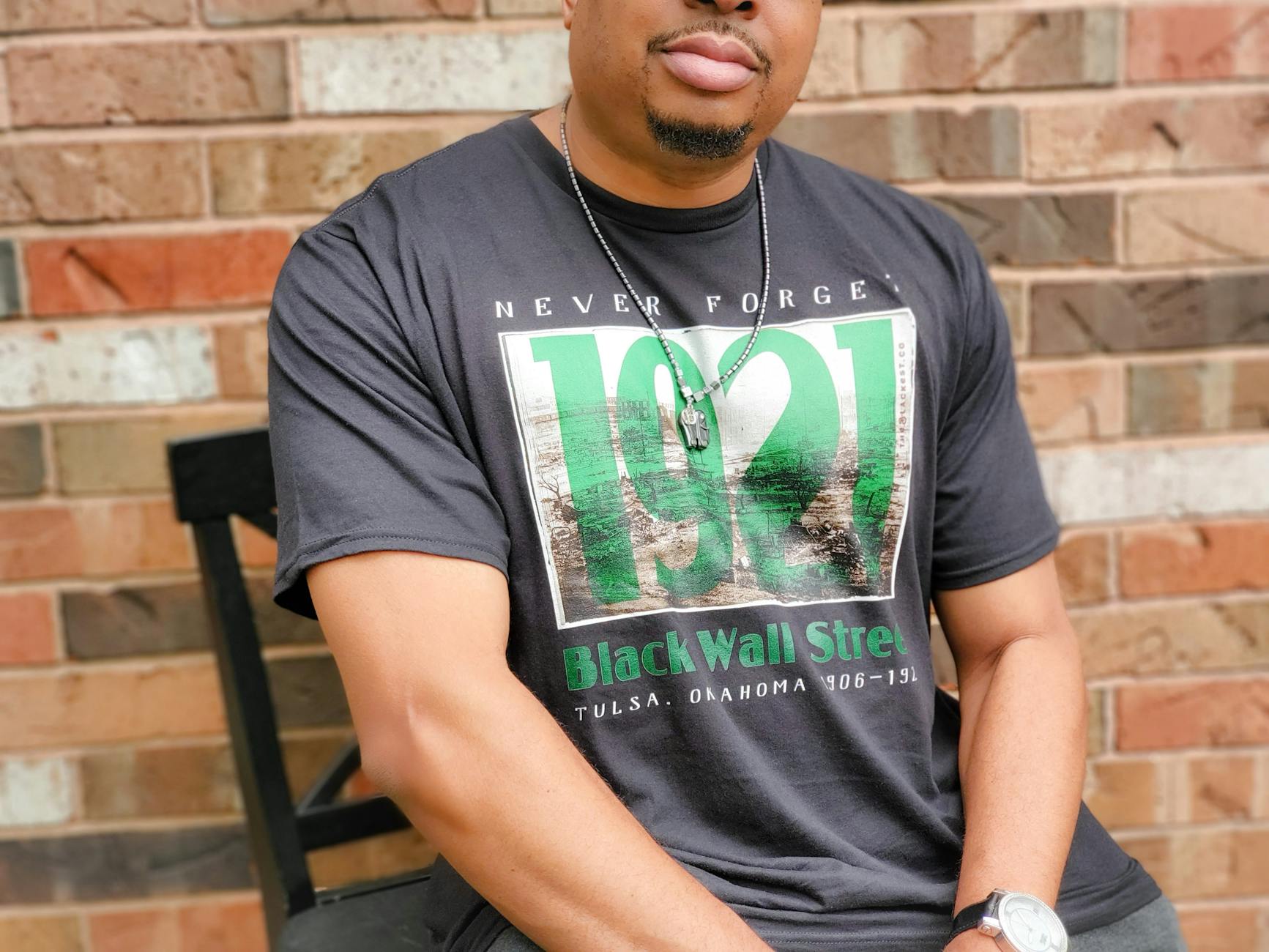
“Black Wall Street: The Rise, Destruction, and Legacy of Tulsa’s Greenwood District”


Photo by Dawn Traylor on Pexels.com

Introduction

Known as “Black Wall Street,” the Greenwood District of Tulsa, Oklahoma, was one of the most affluent African American communities in the United States in the early 20th century. It symbolized Black excellence, entrepreneurship, and self-sufficiency during a time when Jim Crow laws sought to suppress African American progress. However, this thriving community was violently destroyed in one of the most horrific episodes of racial terrorism in U.S. history—the Tulsa Race Massacre of 1921.


The Birth of Black Wall Street

Greenwood, located in north Tulsa, was founded in 1906 on land initially settled by Black Freedmen and Native Americans, many of whom were formerly enslaved and had received land allotments through the Dawes Act (Johnson, 1998). Visionary entrepreneurs like O.W. Gurley, a wealthy Black landowner from Arkansas, bought 40 acres and helped build a self-sufficient Black community.

By the 1920s, Greenwood boasted:

  • Over 300 Black-owned businesses
  • Two newspapers
  • Schools, libraries, hospitals
  • Luxury hotels, grocery stores, law offices, barbershops, theaters, and nightclubs

Some of the most notable establishments included:

  • The Stradford Hotel, one of the finest Black-owned hotels in the U.S.
  • Williams Dreamland Theatre
  • Greenwood Avenue, the bustling economic artery of the district

This self-sustained economy became so prosperous that Booker T. Washington reportedly called it “Negro Wall Street.”


The Incident: Allegation and the Spark

The tragedy began on May 30, 1921, when a 19-year-old Black shoe shiner named Dick Rowland entered an elevator operated by a 17-year-old white woman named Sarah Page in the Drexel Building. Accounts vary, but some say he tripped and grabbed her arm to break his fall. Others claim nothing happened at all. Page screamed, and a clerk called the police. Though Sarah Page later refused to press charges, rumors of an alleged sexual assault spread rapidly through white Tulsa.

On May 31, 1921, a white mob gathered outside the courthouse where Rowland was being held. Armed Black men, including World War I veterans, came to protect him. Tensions escalated into gunfire, and by nightfall, white mobs launched a full-scale assault on Greenwood.


The Destruction of Black Wall Street

For over 18 hours, from the night of May 31 through June 1, 1921, white rioters—many of them deputized by law enforcement—looted, burned, and murdered indiscriminately. They set fire to over 1,200 homes, dozens of churches, businesses, and schools. Reports suggest private planes dropped incendiary bombs on the neighborhood—a rare instance of aerial terrorism on American soil.

Casualty estimates vary:

  • Official records say around 36 deaths
  • Modern scholars and eyewitnesses estimate 100–300 Black residents were killed (Ellsworth, 2001)

Over 10,000 Black residents were left homeless, and the community’s wealth was wiped out overnight.


Racism at the Core

The attack was fueled by racist resentment and economic jealousy. Many white Tulsans were angry that Black people in Greenwood had achieved so much success while white families in Tulsa struggled economically. The accusation against Rowland was merely a pretext. The real motive was to eradicate Black prosperity and enforce white supremacy.

White mobs faced no legal consequences, and insurance companies denied claims from Black property owners, citing “riot clauses.” The massacre was largely ignored in history books for decades.


Survivors and Testimonies

Some survivors lived into the 21st century and gave harrowing accounts. Notable among them:

  • Viola Fletcher, 107 years old, testified before Congress in 2021, saying, “I will never forget the violence… the smell of smoke, bodies in the street, the loss of my childhood.”
  • Her brother, Hughes Van Ellis, also a veteran, emphasized how America failed them after they served in its military.

Rebuilding and Present-Day Tulsa

Greenwood began modest rebuilding efforts in the 1920s and 30s, but never recovered its pre-1921 affluence. Systemic racism, redlining, and urban renewal programs (including a highway built through Greenwood) further dismantled its infrastructure.

Today, the area is home to the Greenwood Cultural Center and John Hope Franklin Reconciliation Park, preserving the memory of the massacre.

In 2021, the centennial drew national attention. Some local leaders and descendants called for reparations, but most survivors have not received any formal compensation.

Economically, Tulsa is now growing, but the Black community still experiences vast inequality in wealth, housing, and opportunity (Oklahoma Policy Institute, 2021).


Legacy and Importance

Black Wall Street represents more than tragedy—it symbolizes the potential of Black enterprise, resilience, and innovation in the face of white supremacy. It challenges the narrative that African Americans have not built wealth or institutions. Greenwood was that wealth, was that institution—and it was destroyed not by failure but by hatred.


Conclusion

The story of Black Wall Street and the Tulsa Race Massacre is not just a Black history story—it is an American story. It speaks to the power of Black excellence and the violence of white supremacy. As America reckons with its past, the memory of Greenwood remains a testament to what Black communities can achieve—and what they have suffered.


References

  • Ellsworth, S. (2001). Death in a Promised Land: The Tulsa Race Riot of 1921. LSU Press.
  • Johnson, H. B. (1998). Black Wall Street: From Riot to Renaissance in Tulsa’s Historic Greenwood District. Eakin Press.
  • Oklahoma Policy Institute. (2021). The State of Black Tulsa: Equity Indicators. Retrieved from https://okpolicy.org
  • U.S. Congress. (2021). Testimony of Tulsa Race Massacre Survivors. Congressional Record.

Trailblazers of the Operatic Stage: LEONTYNE PRICE and SIMON ESTES.

Leontyne Price and Simon Estes stand as twin pillars in the edifice of opera—voices of transcendent beauty and unwavering courage, whose legacies continue to reshape an art form once resistant to full inclusion.


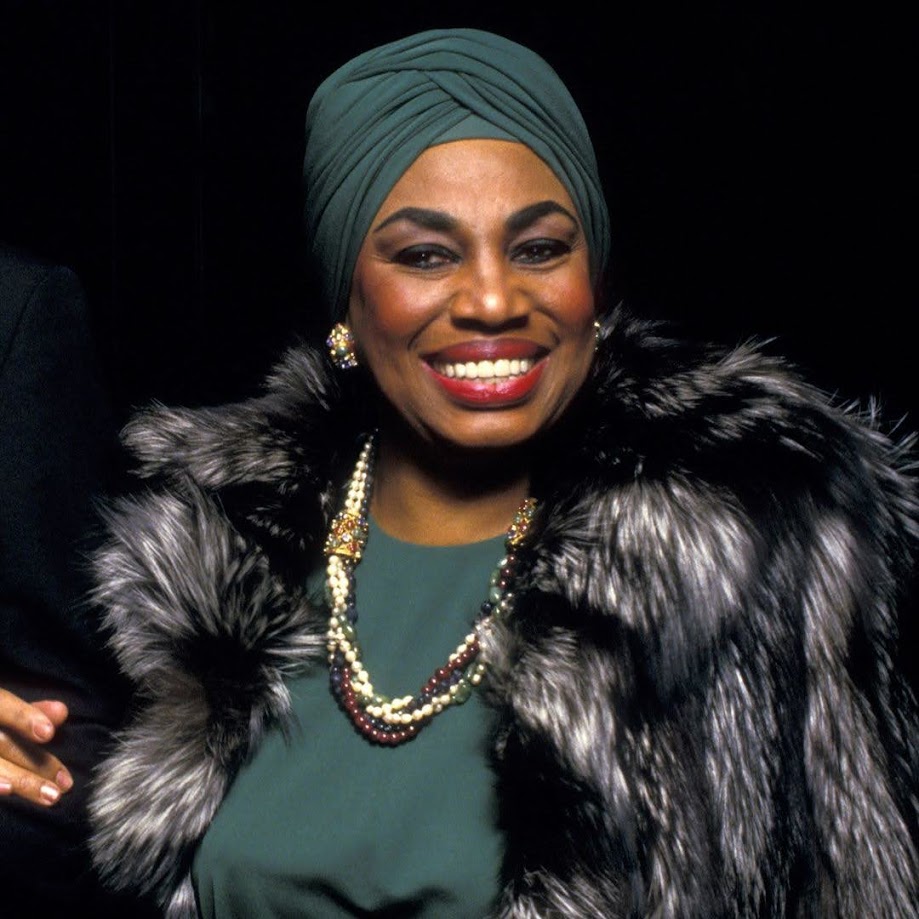
Leontyne Price: The Golden Voice of the Metropolitan

This photograph is the property of its respective owner.

“She sustains a lyric soprano of rich—even honeyed—timbre across an astonishing three-octave span, with a legato that seems to suspend time.”
—Luciano Pavarotti on Leontyne Price (Weber, 2021)

Early Life and Musical Awakening

Born Mary Violet Leontyne Price on February 10, 1927, in Laurel, Mississippi, Price was the youngest of three children in a middle‑class African American family. Her parents, Leontyne and James Price, valued education and the arts; her mother taught her to sing spirituals and hymns at church, while her father encouraged scholarly pursuits. Though often misremembered alongside cousins like Dionne Warwick and Whitney Houston, Price was not directly related to them; instead, her earliest musical inspirations were the great African American contralto Marian Anderson and Italian sopranos Maria Callas and Renata Tebaldi.

Vocal Brilliance and Breakthroughs

Price’s voice combined a warm, radiant timbre, seamless legato, and effortless high register extending well into the stratospheric top F (F₆)—a true three‑octave compass. After studying at Central State College (now University) in Wilberforce, Ohio, and the Juilliard School in New York, she made her operatic debut in 1952 as Mimi in Puccini’s La bohème with the Cleveland Civic Opera (Rasponi, 2000). But it was her sensational Lyric Opera of Chicago debut in 1954 as Leonora in Verdi’s Il trovatore that propelled her to international stardom.

In 1955, Price became the first African American to secure a leading role at the Metropolitan Opera when she sang Mimi in La bohème, a milestone that shattered racial barriers in American opera (Metropolitan Opera Archives, 1955). Over the next two decades, she reigned as the Met’s preeminent soprano—her performances in Aida, Tosca, Madama Butterfly, and Il trovatore drawing sold‑out houses and critical acclaim worldwide.

Accolades and Firsts

  • First African American to sing a leading role at the Met (1955)
  • Grammy Awards for Best Classical Vocal Soloist (1962, 1964)
  • Presidential Medal of Freedom (1964) under President Lyndon B. Johnson
  • Kennedy Center Honors (1981) for lifetime contributions to the performing arts
  • Honorary Doctorates from Juilliard, Yale, and Howard University

Confronting Racism in Opera

Price’s ascent was not without struggle. In interviews, she recounted both overt and covert racism—segregated hotels, hostile audiences, and colleagues who questioned her presence on “white” stages. Luciano Pavarotti later praised her courage, remarking that opera “built its imperial cathedral walls” against her, yet she sang them down with her purity of tone (Weber, 2021).

Life Beyond the Stage

Married twice—first to conductor and composer William W. Walker (divorced 1968), then briefly to physician Norman Cushner—Price had no children. In retirement, she devoted herself to teaching master classes, philanthropy in arts education, and preserving the legacies of African American composers. Colleagues like soprano Mirella Freni and mezzo Marilyn Horne lauded her mentorship and grace.


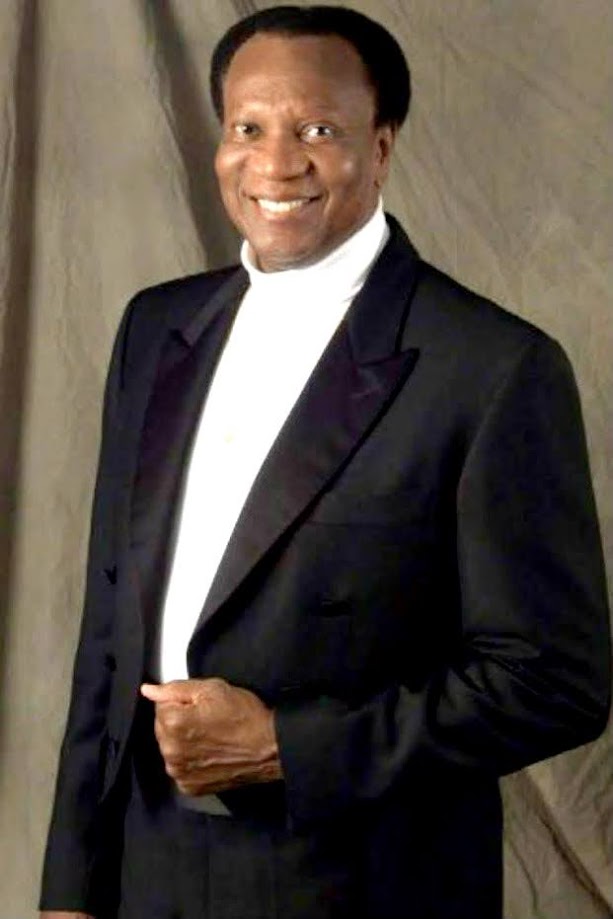
Simon Estes: The King’s Baritone with a Mission.

This photograph is the property of its respective owner.

“He possesses a baritone as burnished as aged copper, with a power that can fill a cathedral yet a tenderness that makes a single word bloom.”
—Sir Georg Solti on Simon Estes (Estes biography, 2007)

Roots and Rise

Simon Estes was born on January 7, 1938, in Centerville, Iowa, the youngest of eleven children in a farming family. Exposed to spirituals and gospel in his father’s Baptist church, he initially dreamed of football stardom but found his calling in voice. After earning degrees from the University of Iowa and the Curtis Institute of Music, he won first prize at the 1965 Geneva International Music Competition, launching a career that would span five decades.

Vocal Distinction and Landmark Engagements

Estes’ rich baritone, known for its velvet warmth and commanding presence, made him ideal for Verdi’s “noble villains” and Wagner’s heroic roles. He debuted at Bayreuth in 1972, becoming one of the first Black singers at the festival, and at the Met as Telramund in Wagner’s Lohengrin in 1974. His discography encompasses landmark recordings of Il barbiere di Siviglia, Don Giovanni, Porgy and Bess, and Mahler’s Das Lied von der Erde.

Recognition and Advocacy

  • Grammy Award Nomination for Best Opera Recording (1976)
  • National Medal of Arts (1988) for contributions to American culture
  • Honorary Doctorates from Howard University and the Royal College of Music
  • Founded the Simon Estes Foundation to support disadvantaged youth in music education

Confronting Bias and Championing Diversity

Estes faced racial prejudice—cast aside for lighter‑skinned colleagues, denied promotional opportunities, and subject to segregation in European hotels. Yet he leveraged his stature to challenge inequity, insisting on integrated casting and mentoring young artists of color. Colleagues like Jessye Norman and Kathleen Battle credited him with opening doors and normalizing Black presence in Wagnerian repertoire.

Personal Life and Legacy

Married to pianist Faye Robinson (1966–1998), Estes had two daughters. A devoted father, he balanced international engagements with home life, often returning to Iowa to teach and farm the family land. Retiring in 2005, he remains active through masterclasses and his foundation, celebrated as a “musical ambassador” who fused art with social justice.


The Pantheon of Black Opera Stars

Below is a non‑exhaustive list of 15+ Black opera luminaries, past and present, and one signature role each:

  1. Marian Anderson (Ulrich) – Un ballo in maschera
  2. Paul Robeson (Porgy) – Porgy and Bess
  3. Grace Bumbry (Amneris) – Aida
  4. Jessye Norman (Isolde) – Tristan und Isolde
  5. Kathleen Battle (Oscar) – Un ballo in maschera
  6. Rogelio Martínez (Don Carlo) – Don Carlo
  7. George Shirley (Alfredo) – La traviata
  8. Claron McFadden (Amina) – La sonnambula
  9. Plácido Domingo (honorary mention for diversity advocacy)
  10. Eric Owens (Othello) – Otello
  11. Angel Blue (Bess) – Porgy and Bess
  12. Latonia Moore (Tosca) – Tosca
  13. Pretty Yende (Adina) – L’elisir d’amore
  14. Marcus Miller (Don Giovanni) – Don Giovanni
  15. Ryan Speedo Green (Alidoro) – La Cenerentola
  16. Sami L. Simmons (Carmen) – Carmen
  17. Lawrence Brownlee (Tonio) – La fille du régiment
  18. Golda Schultz (Marguerite) – Faust

Each artist has expanded repertoire, inspired young performers, and shifted public perception of who can embody operatic archetypes.


IV. Evolution of the Opera World

Since Price and Estes debuted, opera has:

  • Diversified casting, challenging “color-blind” versus “color-conscious” approaches.
  • Globalized through digital broadcasts, increasing access for underrepresented audiences.
  • Commissioned new works by Black composers (e.g., Terence Blanchard’s Fire Shut Up in My Bones).
  • Reformed training programs to actively recruit singers of color.

Yet challenges remain: equitable pay, leadership diversity, and erasure of racialized narratives still demand advocacy.


References

  • Metropolitan Opera Archives. (1955). Metropolitan Opera debut records: Leontyne Price.
  • Rasponi, L. (2000). The Last Prima Donnas. Alfred A. Knopf.
  • Weber, B. (2021). Luciano Pavarotti: The Voice of Music’s Greatest Soprano. Opera Quarterly, 37(2), 45–67.
  • Estes, S. (2007). A Voice for All Seasons: The Memoirs of Simon Estes. University Press of Mississippi.
  • National Endowment for the Arts. (1988). National Medal of Arts Recipients.

“From Jim Crow to Justice: THE CIVIL RIGHTS MOVEMENT and the Long Road to Equality”


Photo by Chris on Pexels.com

Introduction

The Civil Rights Movement was one of the most transformative periods in American history. Spanning from 1954 to 1968, it represented a moral and legal battle for racial equality, dignity, and justice for Black Americans long oppressed under the shadow of slavery, segregation, and systemic racism. With grassroots courage, spiritual leadership, and national reckoning, the movement dismantled Jim Crow laws, challenged white supremacy, and redefined the conscience of a nation.


Origins of the Movement

The modern Civil Rights Movement began in earnest with the 1954 Brown v. Board of Education decision, in which the U.S. Supreme Court declared segregation in public schools unconstitutional. Yet resistance in the South was fierce, with white politicians, police, and citizens clinging to Jim Crow customs that banned Black people from using the same restrooms, water fountains, buses, restaurants, and schools as white people.

This apartheid-like system was enforced through humiliation, economic retaliation, and police brutality.


Key Leaders and Organizations

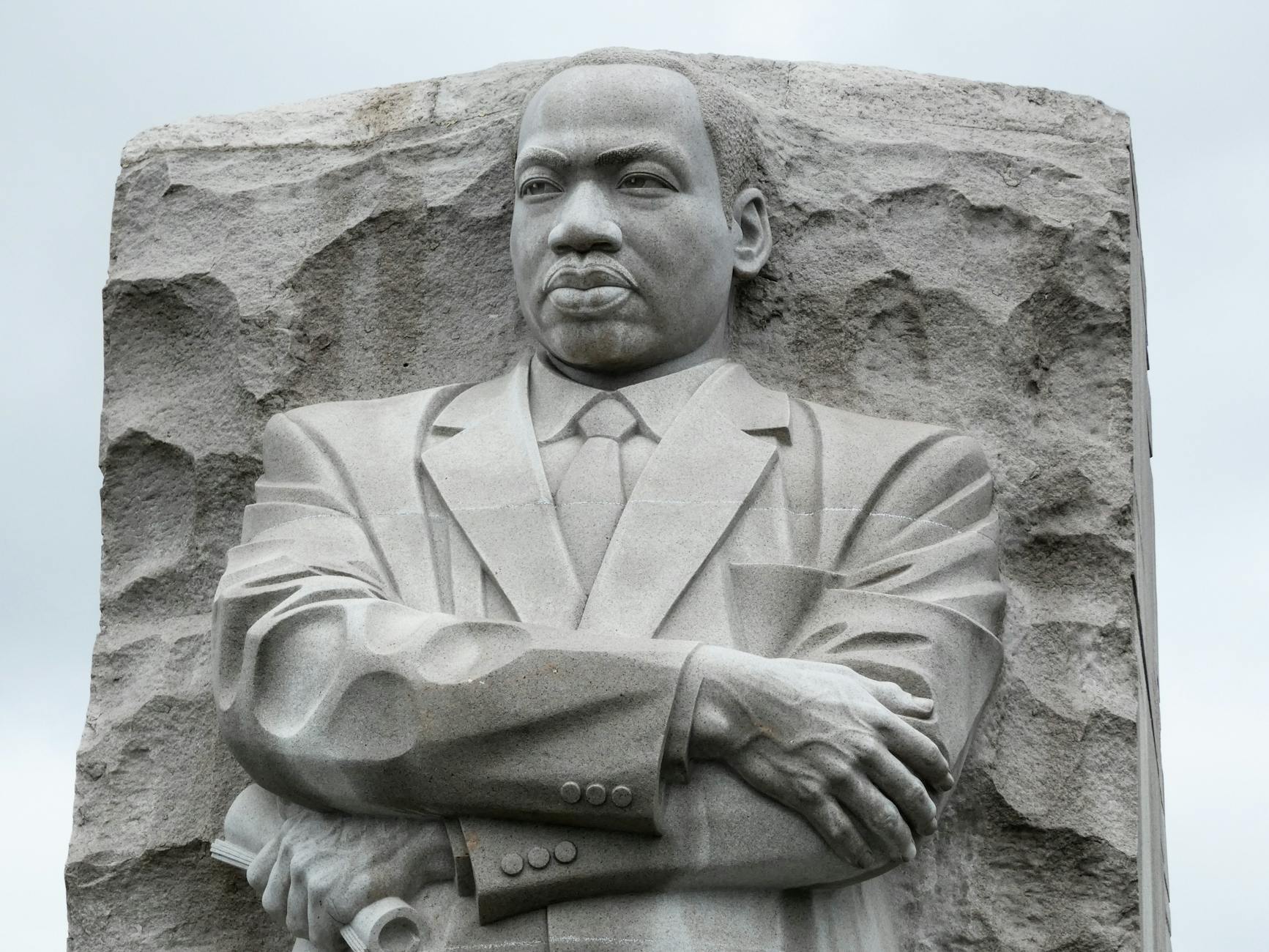
Dr. Martin Luther King Jr.

Dr. Martin Luther King Jr. emerged as the moral compass of the movement. A Baptist minister from Atlanta, Georgia, King rose to national prominence during the Montgomery Bus Boycott (1955–56), which followed the arrest of Rosa Parks, a Black woman who refused to give up her seat to a white passenger. King later founded the Southern Christian Leadership Conference (SCLC) and led nonviolent campaigns across the South—including in Birmingham, Selma, and Washington, D.C.

In his iconic “I Have a Dream” speech (1963), King called for a nation where people would not be judged by the color of their skin but by the content of their character. His philosophy of nonviolence, inspired by Jesus and Gandhi, stood in stark contrast to the brutality Black Americans faced.

Rosa Parks

Often called “the mother of the civil rights movement,” Rosa Parks’ simple act of defiance became a catalyst for mass protest. Her arrest sparked the 381-day Montgomery Bus Boycott, which crippled the city’s economy and led to the desegregation of its bus system.

Medgar Evers

Medgar Evers, a World War II veteran and NAACP field secretary in Mississippi, worked tirelessly to investigate lynchings and push for school integration. He was assassinated outside his home in 1963 by white supremacist Byron De La Beckwith, becoming a martyr for the movement.

Jesse Jackson

Jesse Jackson, a young activist and close associate of King, founded Operation PUSH and later the Rainbow Coalition, focusing on economic empowerment and political inclusion. He marched with King and continued advocating for civil rights and racial justice for decades.

White Allies

Not all white Americans opposed the movement. Many, including Jewish activists and Christian clergy, joined protests, marches, and even lost their lives—such as Viola Liuzzo, murdered by the Klan after Selma, and Andrew Goodman and Michael Schwerner, killed with James Chaney in Mississippi during Freedom Summer.


Other Influential Groups

Malcolm X

Though not part of the mainstream civil rights leadership, Malcolm X of the Nation of Islam was a vital voice. He criticized the passive approach of nonviolence, advocating for Black self-defense, racial pride, and liberation by any means necessary. His evolution toward Pan-African unity and human rights broadened the scope of the Black struggle.

The Black Panther Party

Founded in 1966 by Huey Newton and Bobby Seale, the Black Panther Party combined militant resistance with community programs—like free breakfasts and medical clinics. They stood against police brutality, which in the 1960s often included attacks with dogs, water hoses, and nightsticks, particularly during protests in Birmingham and Selma.


Police Brutality and Resistance

Black protesters often faced militarized repression. Peaceful marchers in Birmingham (1963) were attacked with police dogs and high-pressure fire hoses, scenes that shocked the world. In Selma (1965), on “Bloody Sunday,” marchers were beaten on the Edmund Pettus Bridge by Alabama state troopers. Police routinely abused, jailed, and sometimes murdered activists. The justice system largely protected white aggressors.


Major Legislative Achievements

The movement forced monumental legal changes:

  • Civil Rights Act of 1964 – outlawed segregation and workplace discrimination.
  • Voting Rights Act of 1965 – banned literacy tests and protected Black voting rights.
  • Fair Housing Act of 1968 – outlawed housing discrimination.

These victories were hard-won through protest, litigation, and bloodshed.


Assassinations and Political Turmoil

Dr. King was assassinated on April 4, 1968, in Memphis, Tennessee, by James Earl Ray. His death sparked nationwide riots and mourning. President John F. Kennedy, who had cautiously supported civil rights and proposed legislation before his assassination in 1963, was killed by Lee Harvey Oswald (officially). His successor, Lyndon B. Johnson, signed many civil rights laws into action.


Controversies and Legacy

FBI files later revealed that J. Edgar Hoover’s COINTELPRO sought to discredit King and other Black leaders. Allegations surfaced of King’s infidelity, possibly manipulated through illegal surveillance. Though claims exist that he was involved with prostitutes, these remain contested and ethically questionable due to FBI tampering. King’s wife, Coretta Scott King, a dignified civil rights leader in her own right, continued his legacy with grace. They had four children and maintained close ties with the gospel community, including Aretha Franklin’s father, Rev. C.L. Franklin, who was a friend of King.


Did It Make a Difference?

Yes—and no. The Civil Rights Movement ended legal segregation and created frameworks for equality. Black voter registration soared, Black elected officials increased, and legal protections were codified. But racism did not end. Today, systemic inequality persists through mass incarceration, housing discrimination, economic disparity, and police violence.

Yet the movement planted seeds of resistance, dignity, and unity that endure in modern movements like Black Lives Matter, and in the resilience of Black communities across America.


Conclusion

The Civil Rights Movement was a righteous uprising against injustice, born of centuries of suffering and sanctified by the blood of martyrs. Led by both preachers and Panthers, men and women, Black and white allies, the movement shattered chains both literal and psychological. It did not end racism—but it changed the law, awakened a nation, and inspired the world.

As King once said, “The arc of the moral universe is long, but it bends toward justice.” The bending continues.


References

  • Branch, T. (1988). Parting the Waters: America in the King Years 1954–63. Simon & Schuster.
  • Carson, C. (1998). The Autobiography of Martin Luther King, Jr. Warner Books.
  • Fairclough, A. (2001). Better Day Coming: Blacks and Equality, 1890-2000. Penguin.
  • Garrow, D. J. (1986). Bearing the Cross: Martin Luther King Jr. and the Southern Christian Leadership Conference. Harper Perennial.
  • Malcolm X & Haley, A. (1965). The Autobiography of Malcolm X. Grove Press.
  • Tyson, T. B. (2004). Blood Done Sign My Name. Crown.
  • Williams, J. (2013). Eyes on the Prize: America’s Civil Rights Years, 1954-1965. Penguin Books.

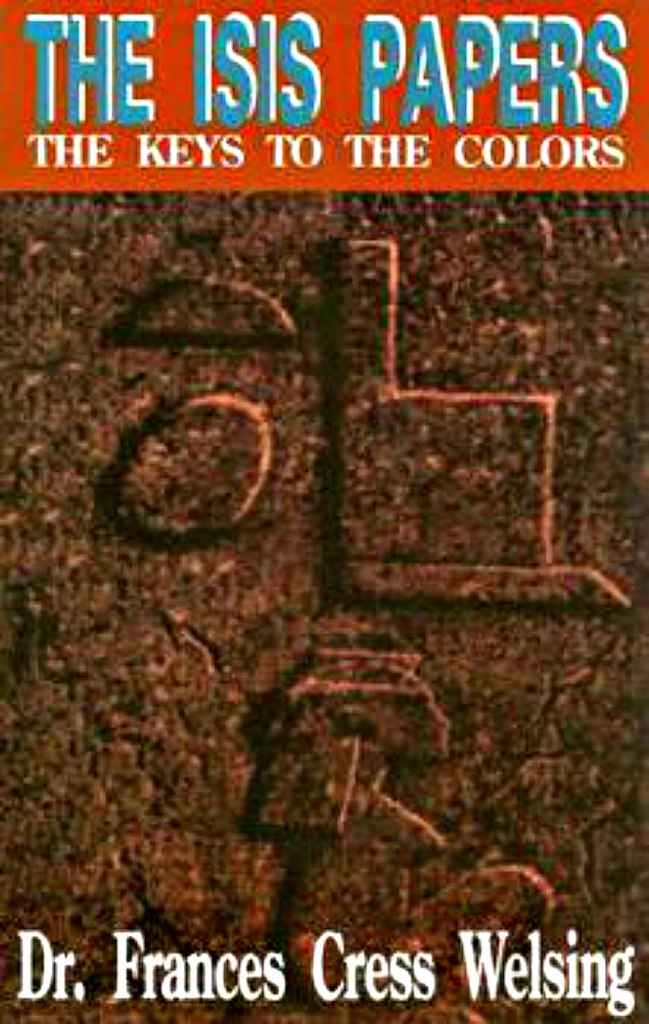
Book Review: “The Isis Papers: The Keys to the Colors.” by Dr. Frances Cress Welsing

🌟🌟🌟🌟🌟 5/5

Book Review & Tribute: The Isis Papers by Dr. Frances Cress Welsing
A Five-Star Masterpiece of Black Consciousness and Psychological Liberation


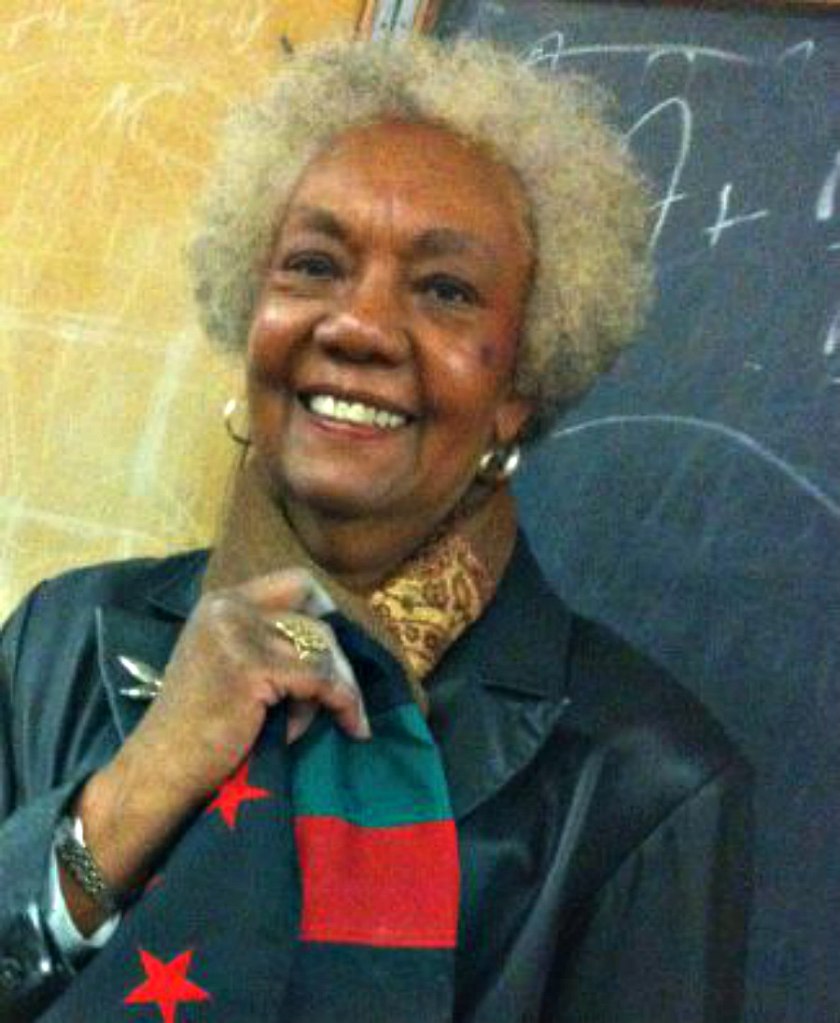
About the Author: Who Was Dr. Frances Cress Welsing?

Dr. Frances Cress Welsing was a woman of extraordinary depth, towering intellect, and unwavering moral clarity—whose life and work reshaped the landscape of Black consciousness and psychological liberation. With the precision of a trained psychiatrist and the soul of a revolutionary, she confronted the global system of white supremacy with fearless analysis and compassionate truth-telling. Her book, The Isis Papers: The Keys to the Colors, stands as a timeless masterpiece that examines racism not merely as a social problem, but as a psychological imperative rooted in genetic fear. Welsing’s activism, deeply grounded in scholarship and service, transformed countless lives and awakened a generation to the psychological warfare waged against people of African descent. Through her unshakable modesty, disciplined intellect, and spiritual courage, she became one of the most consequential Black women of the 20th and 21st centuries—a seer, healer, and teacher whose legacy continues to reverberate in the hearts and minds of all who seek liberation.

Dr. Frances Cress Welsing (1935–2016) was an esteemed psychiatrist, scholar, and public intellectual who made an indelible mark on the field of Black psychology and social analysis. Born in Chicago, Illinois, Welsing came from a lineage of educated and socially conscious Black professionals. She earned her bachelor’s degree from Antioch College and went on to receive her M.D. from Howard University College of Medicine, where she later served as a professor.

Though she never married and did not have children, she became a mother to the minds of a generation—a guiding figure in the intellectual liberation of African-descended people worldwide. Her work combined clinical psychiatry with Afrocentric theory, crafting a new framework through which Black people could analyze their oppression with clarity, dignity, and strategy.


Her Life’s Work and Philosophy

Dr. Welsing dedicated her career to understanding and addressing the psychological effects of racism, particularly on Black communities. She believed that the root of global white supremacy was a deep-seated fear of Black genetic dominance, a thesis that she introduced in her groundbreaking 1974 paper, The Cress Theory of Color-Confrontation. This theory became the foundational framework for her most influential book, The Isis Papers: The Keys to the Colors (1991).

Her unique contribution was the use of psychoanalysis and medical science to explain the hidden motivations behind racism, aggression, and systemic oppression. She frequently argued that white supremacy is a system driven by survival anxiety, stemming from the biological inability of white people to produce melanin-dominant (Black) offspring.


Quote from Dr. Welsing

“Black people are the only people who can genetically annihilate white people… and this is the fear that informs the system of racism.”
—Dr. Frances Cress Welsing, The Isis Papers

This quote captures the essence of her central argument—that racism is not merely prejudice or ignorance, but a biogenetic strategy for white survival in a world where Black genetic dominance is inevitable.


The Premise and True Meaning of The Isis Papers

Named after the ancient African goddess Isis, a symbol of divine Black womanhood, wisdom, and regeneration, The Isis Papers is a compilation of essays that analyze racism through symbols, sports, language, media, religion, and even the subconscious drives of Western culture.

Welsing argued that everything from ball games to military strategy, from consumer marketing to television programming, is saturated with subconscious white fear of Black power and Black fertility. She interpreted items such as guns, balls, and cigars as phallic symbols representing white anxiety about genetic survival and impotence.

Her approach was both clinical and cultural, unapologetically Afrocentric, and deeply rooted in ancient African spirituality and psychology. She urged Black people to understand themselves not as victims, but as the targets of a fear-based global system—and then to rise with knowledge, unity, and self-control.


Her Activism and Service to the Community

Though not affiliated with political movements in the traditional sense, Dr. Welsing was an activist of the mind. She gave countless lectures at Black colleges, community centers, and national conferences, challenging audiences to think critically about race, power, and self-worth. She also appeared on major television programs such as The Phil Donahue Show and was a regular on Black media platforms.

At Howard University Hospital, she served the D.C. community as a psychiatrist, particularly focusing on Black youth, and was known for her compassionate but bold truth-telling. She mentored generations of Black scholars, including in the field of Afrocentric psychiatry and Pan-African analysis.


Why White America Hated Her

Dr. Welsing’s work was controversial and deeply unsettling to mainstream academia and white society. She unapologetically exposed the psychological underpinnings of white supremacy, going beyond polite liberalism or reform-based rhetoric. She accused white supremacy of being a survival-based system of genetic warfare, and she did so with academic rigor and prophetic boldness.

Her refusal to back down, even under criticism and intellectual exile, made her a pariah to some, and a prophet to others. The truth she revealed—layered, uncomfortable, and piercing—challenged the very identity of whiteness itself.


Why She Was Respected

Despite opposition, Dr. Frances Cress Welsing was deeply revered in the global African community for her intellectual courage, clarity, and service. She gave language to the rage and confusion many Black people felt about systemic oppression. She empowered Black minds to see beyond the surface of racism and into its biological, economic, and spiritual roots.

She is considered a pioneer in Black psychology, alongside scholars like Dr. Na’im Akbar and Dr. Amos Wilson, and continues to influence activists, psychologists, and scholars worldwide. Her work remains central to discussions around Afrocentric mental health, systemic racism, and Black cultural empowerment.


Final Verdict: A Timeless Masterwork

The Isis Papers is a five-star masterpiece of revolutionary thought. It is essential reading for anyone seeking to understand the system of white supremacy and how it functions globally. Dr. Frances Cress Welsing was not only a writer but a healer, teacher, and warrior of the mind. Her legacy lives on in every Black person awakened to truth, dignity, and purpose.


References

  • Welsing, F. C. (1991). The Isis Papers: The Keys to the Colors. Third World Press.
  • Welsing, F. C. (1974). The Cress Theory of Color-Confrontation. Black Scholar.
  • Horne, G. (2015). Race War! New York: NYU Press.
  • Karenga, M. (1993). Introduction to Black Studies. Los Angeles: University of Sankore Press.

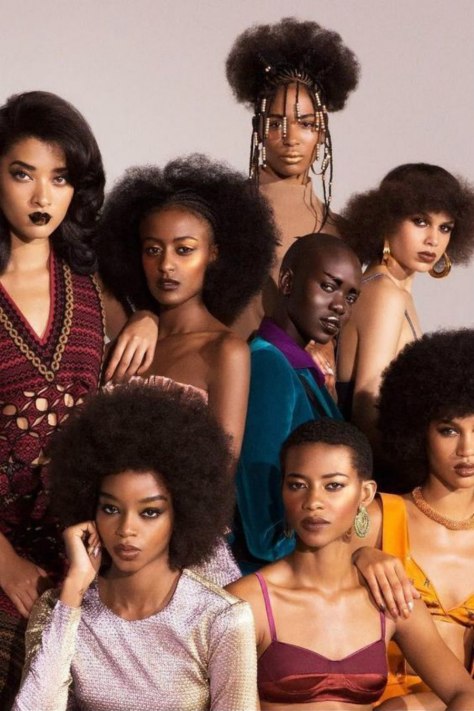
PIGMENTOCRACY: The Politics of Skin Tone and the Global Hierarchy of Color.

This photograph is the property of its respective owner.

Throughout history and across continents, skin tone has functioned as more than a biological trait—it has been weaponized as a social currency. Pigmentocracy, a term used to describe a social system in which status and privilege are distributed according to skin color, persists as a subtle yet powerful force that governs the lives of people of color across the globe. Rooted in colonial conquest and racial ideology, pigmentocracy maintains a stratified racial order in which lighter-skinned individuals occupy higher social positions, while those with darker skin tones are systematically marginalized. This essay explores the origins, manifestations, and consequences of pigmentocracy—especially within Black communities—and examines its relationship to colorism, media representation, social mobility, and global racial hierarchies.

“Pigmentocracy is the silent architect of racial division—a hierarchy built not just on color, but on the invisible weight of colonial trauma.”
—Dr. Margaret Hunter, Sociologist


Origins and Definition of Pigmentocracy

Pigmentocracy derives from the Latin pigmentum (color) and the Greek kratos (rule or power), meaning “rule by skin color.” Though the term was popularized in the 20th century by scholars like Venezuelan sociologist Fernando Henríquez and further developed by researchers such as Dr. Edward Telles, the ideology behind pigmentocracy dates back centuries. During colonial rule in the Americas, Europe established caste systems that ranked people according to racial mixing and skin tone, with lighter, European features correlating with higher status. The Spanish casta system, for example, created over a dozen racial categories, elevating whiteness and subjugating those with darker skin.

This system became entrenched not only in law but also in psychology and economics. Slavery, apartheid, Jim Crow, and segregation all functioned on the premise that whiteness was supreme and blackness inferior. Within this structure, pigmentocracy served to divide enslaved and colonized peoples by elevating those with lighter complexions—often the result of rape or mixed heritage—as overseers, house servants, or social intermediaries. The legacy of this system continues to influence the sociopolitical landscapes of nations today.


Pigmentocracy and Colorism

Pigmentocracy is intimately linked to colorism, which refers to discrimination based on skin tone within the same racial or ethnic group. While racism targets individuals across racial categories, colorism reinforces hierarchies within those groups, granting unearned privilege to individuals who possess lighter skin or Eurocentric features. These phenomena reinforce one another: pigmentocracy creates the structure, while colorism sustains it through interpersonal and cultural bias.

In Black communities, colorism often surfaces in beauty standards, educational access, and romantic desirability. Lighter-skinned individuals may be perceived as more attractive, employable, or intelligent, while darker-skinned people face heightened criminalization, poverty, and exclusion. The consequences are both material and psychological—impacting self-worth, identity formation, and economic opportunity.


Stages of Pigmentocratic Impact

The effects of pigmentocracy unfold in four critical stages:

  1. Colonial Codification: European colonists used skin tone to divide and rule, embedding color-based hierarchies into legal systems.
  2. Institutional Reproduction: Post-slavery societies reinforced skin tone hierarchies through employment, education, and housing discrimination.
  3. Cultural Internalization: Within communities of color, lighter skin becomes a subconscious standard of beauty and success.
  4. Modern Globalization: Skin-lightening industries, Western media dominance, and globalized beauty norms continue to uphold the supremacy of light skin across continents.

Global and Cultural Examples

In the United States, sociologist Ellis Monk (2015) found that darker-skinned African Americans face greater economic disadvantage, harsher criminal sentencing, and more health disparities than their lighter-skinned peers. In Brazil, often hailed for its racial “mixing,” skin tone still dictates access to jobs, education, and social networks. India’s deeply entrenched caste system and obsession with fair skin has fueled a billion-dollar skin-lightening industry, while in the Philippines, colonial legacies have left a preference for Eurocentric beauty that permeates advertising and cinema.


Celebrities and the Visibility of Pigmentocracy

In the world of entertainment and media, pigmentocracy is glaringly apparent:

  • Zendaya, a light-skinned Black actress, has acknowledged the privilege her complexion affords her in casting opportunities, often referred to as “acceptable Blackness” in Hollywood.
  • Beyoncé, with her lighter skin and blonde hair, has become a global icon, but some critics argue her image conforms to Eurocentric standards that marginalize darker-skinned artists.
  • Lupita Nyong’o, a dark-skinned actress and activist, has spoken openly about being teased for her skin tone and how she did not see herself represented in media growing up.
  • In Latin American telenovelas, white or light-skinned actors are consistently cast in leading roles, while darker-skinned Afro-Latinos are relegated to comedic or servant parts.

These examples reflect a system that not only limits opportunities for those with darker skin but actively shapes societal ideals and expectations.


Social Mobility and Racial Hierarchy

Pigmentocracy directly influences social mobility. Lighter-skinned individuals often experience:

  • Greater access to higher education and employment opportunities
  • Increased wealth accumulation and professional advancement
  • Better treatment by law enforcement and healthcare providers

Meanwhile, darker-skinned individuals are frequently relegated to the lowest rungs of the social order. Research has consistently shown that employers favor lighter-skinned candidates, even when qualifications are identical (Hunter, 2007).

Globally, white Europeans occupy the top of the racial hierarchy, with groups perceived as closer to whiteness—such as light-skinned Asians or Latinos—ranking above Black, Indigenous, or dark-skinned populations. This racial ordering maintains white supremacy under the guise of color-neutral meritocracy.


The Psychological Toll and the Call for Change

The psychological toll of pigmentocracy includes internalized racism, self-hatred, and generational trauma. Many Black and Brown children grow up without seeing themselves as beautiful, worthy, or powerful. This invisibility fosters feelings of inferiority and perpetuates cycles of poverty and marginalization.

The solution lies in education, representation, and cultural reprogramming. Schools must teach the true history of colonialism and racism, including the nuances of colorism. Media must expand representation to include diverse shades and features. Communities must affirm the value of dark skin, reframe standards of beauty, and dismantle internalized bias.

Dr. Yaba Blay, a leading scholar on skin tone and identity, insists:

“Until we address the internalized white supremacy that is colorism, we will continue to see ourselves through the gaze of our oppressors.”


Conclusion

Pigmentocracy is not a relic of the past; it is a living, evolving system of inequality that continues to shape the destinies of millions. Its roots in colonialism, its entanglement with colorism, and its reach across cultures and continents make it one of the most insidious social hierarchies in modern history. Addressing this issue requires not only systemic reforms but a radical reimagining of identity, beauty, and worth. Until every shade is seen as equally human and divine, the architecture of pigmentocracy will remain intact—and its silent rule will continue to divide, diminish, and oppress.


References

Blay, Y. (2021). One Drop: Shifting the Lens on Race. Beacon Press.

Hunter, M. (2007). The persistent problem of colorism: Skin tone, status, and inequality. Sociology Compass, 1(1), 237–254. https://doi.org/10.1111/j.1751-9020.2007.00006.x

Monk, E. P., Jr. (2015). The cost of color: Skin color, discrimination, and health among African-Americans. American Journal of Sociology, 121(2), 396–444. https://doi.org/10.1086/682162

Russell, K., Wilson, M., & Hall, R. E. (1992). The color complex: The politics of skin color among African Americans. Anchor Books.

Telles, E. E. (2014). Pigmentocracies: Ethnicity, race, and color in Latin America. University of North Carolina Press.

TEXTURISM and Hairism: The Politics of Black Hair, Beauty Hierarchies, and Racial Identity

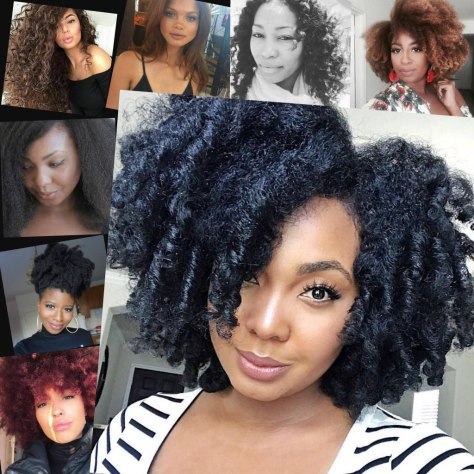
These photographs are the property of their respective owners.

Hair is more than an aesthetic expression; it is an emblem of identity, culture, power, and resistance. In racialized societies, however, the natural hair textures of African-descended peoples have long been devalued and stigmatized. One of the most insidious manifestations of this stigma is texturism—a form of discrimination based on hair texture that prioritizes looser, straighter, or more “manageable” hair over tightly coiled, kinkier hair. Closely linked to hairism, which broadly encompasses prejudice based on hair type and style, texturism reflects internalized racism and the lingering colonial legacies that shape beauty standards globally. This essay explores the roots, meanings, and consequences of texturism and hairism, tracing their origins through enslavement, Eurocentric aesthetics, and media representation, while also examining pathways toward hair acceptance and reclamation.


Defining Texturism and Hairism

Texturism is the preferential treatment of individuals with loosely curled or straight hair textures over those with tightly coiled or kinky hair. The term was coined by natural hair advocate Chassity Jones in the early 2010s, though the concept existed long before. Hairism, a broader term, refers to discrimination based on hair—whether through texture, length, or perceived neatness. Both terms expose a hierarchy that privileges proximity to Eurocentric beauty ideals, reflecting deeply entrenched social and racial structures.

Historically, hairism and texturism are legacies of colonialism and slavery. Enslaved Africans in the Americas were mocked and punished for their hair, which was seen as wild, untamed, or inferior to the smooth, straight hair of Europeans. Over time, this bias became internalized within Black communities, creating harmful classifications like “good hair” (straight or loosely curled) and “bad hair” (kinky or tightly coiled). These distinctions perpetuated social divisions, reinforcing white supremacist ideologies under the guise of grooming and professionalism.


Hair Texture Types and Their Racial Associations

Hair texture is commonly categorized using the Andre Walker Hair Typing System, developed by Oprah Winfrey’s stylist in the 1990s. It breaks down hair types into four major categories:

  • Type 1: Straight hair (most commonly found among East Asians and Europeans).
  • Type 2: Wavy hair
    • 2A-2C: Light waves to coarse, frizzy waves (found in some Latinx, Middle Eastern, and European populations).
  • Type 3: Curly hair
    • 3A-3C: Loose, springy curls to tight corkscrews (common among mixed-race individuals and some Black and Latinx people).
  • Type 4: Coily or kinky hair
    • 4A-4C: Soft, tight coils to densely packed Z-shaped kinks (predominantly found in people of African descent).

Type 4 hair, particularly 4B and 4C, is often mislabeled as “nappy,” “unkempt,” or “unprofessional,” despite its remarkable versatility and strength. This classification system, while useful in describing curl patterns, has also unintentionally contributed to a hierarchy in which looser curls are perceived as more attractive and acceptable than tighter coils.


“Good Hair” vs. “Bad Hair”: Origins and Impact

The phrase “good hair” emerged during the antebellum era in the United States, when lighter-skinned enslaved people with straighter hair—often the children of white slave owners—were granted preferential treatment. “Good hair” was hair that mimicked the European aesthetic: straight, smooth, and easily tamed. Conversely, “bad hair” referred to the coarser, kinkier textures of African people, which were labeled undesirable.

The legacy of these terms endures today. Black children still experience discrimination in schools for wearing their natural hair. Black professionals are pressured to straighten their hair or wear wigs and weaves to conform to Eurocentric corporate standards. The CROWN Act (Creating a Respectful and Open World for Natural Hair), first passed in California in 2019, had to be introduced precisely because hair-based discrimination remains legal in many parts of the U.S.

“I had to learn that my hair is not the problem—the world’s refusal to see my beauty is.”
—Lupita Nyong’o

“Our hair is political, spiritual, historical, and beautiful. It tells the story of who we are.”
—Dr. Yaba Blay

These quotes reflect a growing cultural movement toward reclaiming natural hair and affirming Black identity on its own terms, rather than through the gaze of whiteness.


The Origins of the Term “Nappy”

The term “nappy” is believed to have originated during slavery, used derogatorily to describe the tightly coiled hair of Africans, likening it to the coarse texture of cotton or the naps in sheep’s wool. Its use was designed to dehumanize and shame enslaved Africans, stripping their hair—and by extension, their identity—of any value or beauty. While some have sought to reclaim “nappy” as a term of empowerment, its historical weight continues to stir deep emotions and debate within Black communities.

Kinky Hair / Tightly Coiled Hair

Kinky or coily hair refers to hair textures that form tight curls or zig-zag patterns, often classified as Type 4. This hair type is rich in cultural and genetic heritage, yet is frequently misunderstood. Contrary to myths of unmanageability, kinky hair is incredibly versatile and can be styled in braids, locs, afros, twists, and bantu knots. However, due to its tendency to shrink and its fragility, it requires specific care and moisture retention.

Why is this hair type stigmatized? The answer lies in colonial aesthetics: beauty standards were built around whiteness. Kinky hair was demonized as evidence of racial inferiority and disorder—ideas perpetuated by pseudo-scientific racism. As a result, even within Black communities, looser curls or silkier textures have been idealized, creating a painful hierarchy of desirability.


Why Do Some Black People Struggle to Love Their Hair?

Centuries of anti-Blackness have conditioned many Black individuals to see their natural hair as burdensome or ugly. The media, education, and even family dynamics have reinforced these messages. Hair relaxers, hot combs, and weaves became tools of survival—ways to assimilate and escape ridicule. These practices, while empowering for some, also reflect a historical pressure to conform.

This struggle is not due to self-hate in isolation but to systemic programming. As author Chimamanda Ngozi Adichie once said:

“The problem with stereotypes is not that they are untrue, but that they are incomplete. They make one story become the only story.”

The dominant story about Black hair has been one of shame. It is time to replace that narrative with one of pride, knowledge, and celebration.


Toward Hair Liberation: Learning to Appreciate All Hair

Appreciating all hair types begins with education, representation, and liberation from Eurocentric norms. Schools and workplaces must eliminate discriminatory policies and embrace cultural diversity. Media outlets should highlight a broader spectrum of beauty. Families must unlearn generational biases and uplift natural beauty from early childhood.

Hair appreciation means understanding that no one texture is inherently better than another. Each type has unique needs, characteristics, and histories. Straight hair is not superior—just different. Looser curls are not more professional—just more familiar to a colonized eye.

When we affirm all hair textures, we affirm the humanity, dignity, and worth of all people.


Conclusion

Texturism and hairism are not simply issues of personal preference—they are extensions of colonial legacies, white supremacy, and internalized racism. They operate through language, beauty standards, school policies, and job opportunities, creating tiers of acceptance based on proximity to whiteness. But within this struggle lies opportunity: to reclaim, redefine, and rejoice in the beauty of all textures. Black hair is not “bad hair”; it is cultural memory made visible, it is resistance in every coil, it is ancestral glory written in strands. The journey to dismantle texturism begins not with hair products, but with truth—and with a collective commitment to healing.


References

Blay, Y. (2021). One Drop: Shifting the Lens on Race. Beacon Press.

Byrd, A. D., & Tharps, L. L. (2014). Hair Story: Untangling the Roots of Black Hair in America (Revised Edition). St. Martin’s Press.

Craig, M. L. (2002). Ain’t I a Beauty Queen? Black Women, Beauty, and the Politics of Race. Oxford University Press.

Hunter, M. (2011). Buying racial capital: Skin-bleaching and cosmetic surgery in a globalized world. The Journal of Pan African Studies, 4(4), 142–164.

Opie, T. (2019). The CROWN Act and the fight against hair discrimination. Harvard Business Review. Retrieved from https://hbr.org

Tate, S. A. (2007). Black beauty: Shade, hair and anti-racist aesthetics. Ethnic and Racial Studies, 30(2), 300–319. https://doi.org/10.1080/01419870601143927

Diemma: Psychonegrosis

Psychonegrosis: A Cultural-Psychological Disorder Rooted in Historical Trauma

Photo by Ana Stroffek on Pexels.com

Psychonegrosis (from: psyche = mind, negro = Black identity, -osis = condition) is a coined term describing a psychological and spiritual condition affecting some individuals of African descent. It is characterized by deep-seated identity distortion, internalized oppression, and a disoriented sense of cultural loyalty. This condition is a byproduct of prolonged racial trauma, beginning with slavery and colonialism, and sustained by systemic racism and Eurocentric social conditioning.


Psychonegrosis is a cultural-psychological disorder marked by disruptions in identity, values, and behavior among people of African descent who have internalized ideologies imposed by dominant foreign cultures. It manifests in:

  • Distorted self-perception
  • Idealization of non-Black cultures, especially Anglo-European norms (xenophilia)
  • Rejection or devaluation of one’s own heritage
  • Conflicted loyalties between their identity and the imposed dominant culture
  • Behavioral and emotional dissonance, including escapism, self-hate, and contradictory thinking

This disorder varies in severity and expression, often presenting as:

  • Adoption of non-African religious systems without cultural grounding
  • Self-deprecation or anti-Black rhetoric
  • Hyper-identification with Eurocentric aesthetics, ideologies, and moral frameworks
  • Sexual and social preferences rooted in racial self-denial
  • Dependence on or excessive regard for validation from non-Black institutions or communities

Historical Origins

The roots of psychonegrosis trace back to chattel slavery, colonial indoctrination, and the forced erasure of African identity.

📖 Willie Lynch Letter (alleged, 1712) — While debated for its authenticity, it outlines a system of psychological conditioning that encouraged division and dependency among enslaved Africans to ensure long-term control.

📖 Frantz Fanon, Black Skin, White Masks (1952): Fanon described the internal conflict experienced by colonized people who unconsciously adopt the worldview of their oppressors, leading to a fractured identity.

📖 W.E.B. Du Bois’ concept of “Double Consciousness” (1903): Describes the struggle of African Americans who see themselves through both their own cultural lens and the eyes of a racist society, creating internal conflict and social paralysis.

Enslaved Africans were not only forced to work, but also subjected to psychological warfare: taught to hate their features, languages, religions, and each other. This multi-generational trauma was not healed but passed down—unconsciously replicated through institutions, media, and educational systems designed to uphold white superiority and devalue Black identity.


Modern Manifestations

Today, psychonegrosis continues to show up in subtle and overt ways:

  • Deprecating one’s own racial group while celebrating others
  • Spiritual disconnection, especially when abandoning ancestral traditions for alienating religious ideologies
  • Sexual preferences shaped by racialized self-hate or colonized beauty standards
  • Cognitive dissonance—praising Black excellence while participating in systems or ideas that dismantle it
  • Dependency on white-led institutions for validation, success, or rescue
  • Liberal tokenism that seeks inclusion over liberation, appeasement over transformation

Cultural Implications and Healing

The effects of psychonegrosis are not limited to individuals—they ripple through communities. When left unaddressed, this condition perpetuates cycles of invisibility, inferiority, and inaction.

🔹 Steps Toward Healing Include:

  1. Reclamation of identity – Studying and embracing African history, traditions, and spirituality
  2. Critical consciousness – Recognizing and rejecting Eurocentric programming
  3. Therapy and cultural counseling – Especially trauma-informed care for historical wounds
  4. Collective upliftment – Building institutions, families, and communities centered in Black values
  5. Spiritual restoration – Reconnecting with ancestral roots, divine purpose, and communal healing

📖 Hosea 4:6 (KJV): “My people are destroyed for lack of knowledge.”


Conclusion

Psychonegrosis is not a clinical diagnosis, but rather a cultural critique and symbolic framework for understanding the deep psychological scars left by colonization and racism. Recognizing it is the first step to liberating the mind. It calls on people of African descent to redefine beauty, reclaim their history, and reconnect with their divine identity.

📖 Romans 12:2 (KJV): “Be not conformed to this world: but be ye transformed by the renewing of your mind.”


Further Reading & References

  • Du Bois, W.E.B. (1903). The Souls of Black Folk
  • Fanon, Frantz (1952). Black Skin, White Masks
  • Akbar, Na’im (1984). Chains and Images of Psychological Slavery
  • Woodson, Carter G. (1933). The Mis-Education of the Negro
  • Ani, Marimba (1994). Yurugu: An African-Centered Critique of European Cultural Thought and Behavior
  • Myers, Linda James (1993). Understanding an Afrocentric Worldview
  • Washington, Booker T. (1901). Up from Slavery