
Category Archives: black-hair

Black Women and Hair Activism: From Nappy Roots to #BlackGirlMagic

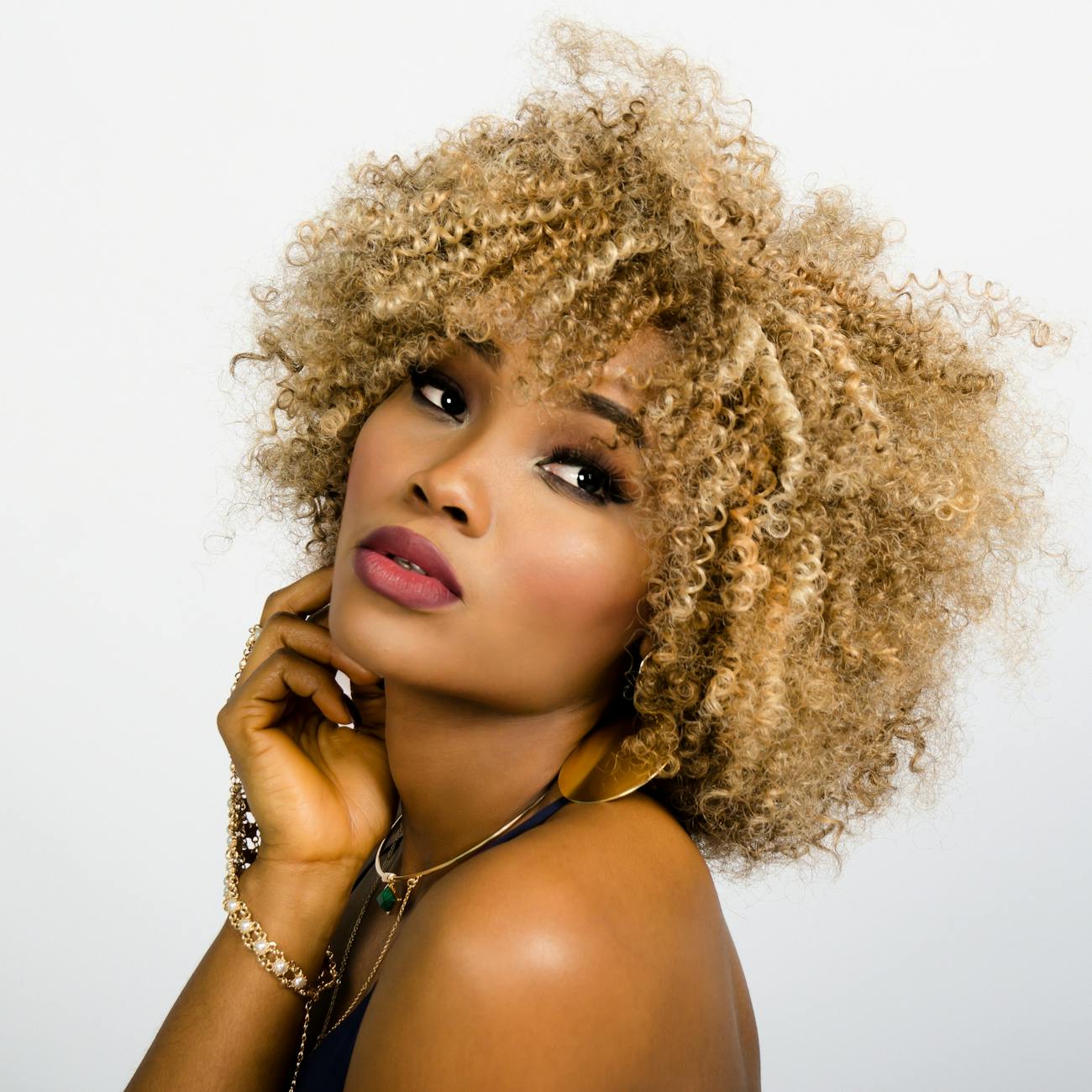
Photo by Pixabay on Pexels.com

Hair has always been a central marker of identity, culture, and resistance for Black women. From the era of slavery, where enslaved women were forced to conform to Eurocentric beauty standards, to the modern-day #BlackGirlMagic movement, hair has served as both a site of oppression and empowerment. Hair activism represents a form of social and political engagement, challenging systemic discrimination while affirming Black women’s cultural identity.

Historical Context: Slavery and Eurocentric Standards

During slavery in the Americas, Black women were often compelled to alter their natural hair to fit European ideals of beauty, sometimes being shaved or chemically straightened (Byrd & Tharps, 2014). These practices symbolized a broader attempt to erase African identity and enforce subservience, embedding the politics of hair into social hierarchies.

The Civil Rights Era and Nappy Roots

The 1960s and 1970s saw a rise in natural hair as a political statement. The Afro became a symbol of pride, resistance, and Black identity, captured in the phrase “Black is beautiful.” Movements like Nappy Roots (both the cultural reference and musical group) emphasized embracing natural hair, celebrating Black aesthetics, and challenging societal norms.

Workplace and Legal Activism

Despite cultural shifts, Black women continue to face discrimination for natural hairstyles in professional and educational settings. Legal efforts, such as the CROWN Act (Creating a Respectful and Open World for Natural Hair) in the U.S., address hair-based discrimination and underscore the ongoing struggle for equity (Tharps, 2019). Hair activism thus extends beyond aesthetics—it’s about civil rights and self-determination.

The Rise of #BlackGirlMagic

In the 2010s, movements like #BlackGirlMagic and natural hair communities online created global spaces celebrating Black women’s hair, beauty, and accomplishments. Social media platforms have enabled activism, awareness, and community-building, empowering women to reclaim agency over their hair and identity.

Hair as Resistance and Empowerment

Hair activism encompasses education, advocacy, and personal empowerment. For Black women, embracing natural hair is not just an aesthetic choice but a political act, affirming self-worth and resisting systemic bias. It communicates pride, autonomy, and a refusal to conform to oppressive standards.

Psychology and Identity

Research indicates that hair significantly impacts self-esteem and identity formation among Black women (Banks, 2000). Wearing natural hairstyles or participating in hair activism is linked to higher self-confidence, stronger cultural identity, and resistance to internalized oppression.

Conclusion

From Nappy Roots to #BlackGirlMagic, Black hair activism reflects a dynamic intersection of culture, politics, and identity. By embracing natural hair and challenging societal norms, Black women assert autonomy, demand respect, and celebrate their heritage, transforming a personal expression into a collective movement for empowerment.


References

  • Banks, I. (2000). Hair matters: Beauty, power, and Black women’s consciousness. New York: NYU Press.
  • Byrd, A., & Tharps, L. (2014). Hair Story: Untangling the Roots of Black Hair in America. St. Martin’s Press.
  • Tharps, L. L. (2019). The CROWN Act: Natural Hair, Discrimination, and Social Change. Harvard Journal of African American Public Policy, 1(1), 45–60.
  • Robinson, T. (2018). Social media and Black hair activism: #BlackGirlMagic and the politics of identity. Journal of Black Studies, 49(7), 657–676.
  • Tate, S. A. (2007). Hair and the politics of Black women’s identity. Cultural Studies, 21(5), 641–655.
From Kinky to Crown: The Politics and Pride of Black Hair

“Black hair is beautiful, but society has often told us otherwise. It is a statement of identity, resistance, and pride.” — Dr. Ayana Byrd, author of Hair Story

“My hair is my crown, and I wear it with pride. Every curl tells a story.” — Lupita Nyong’o


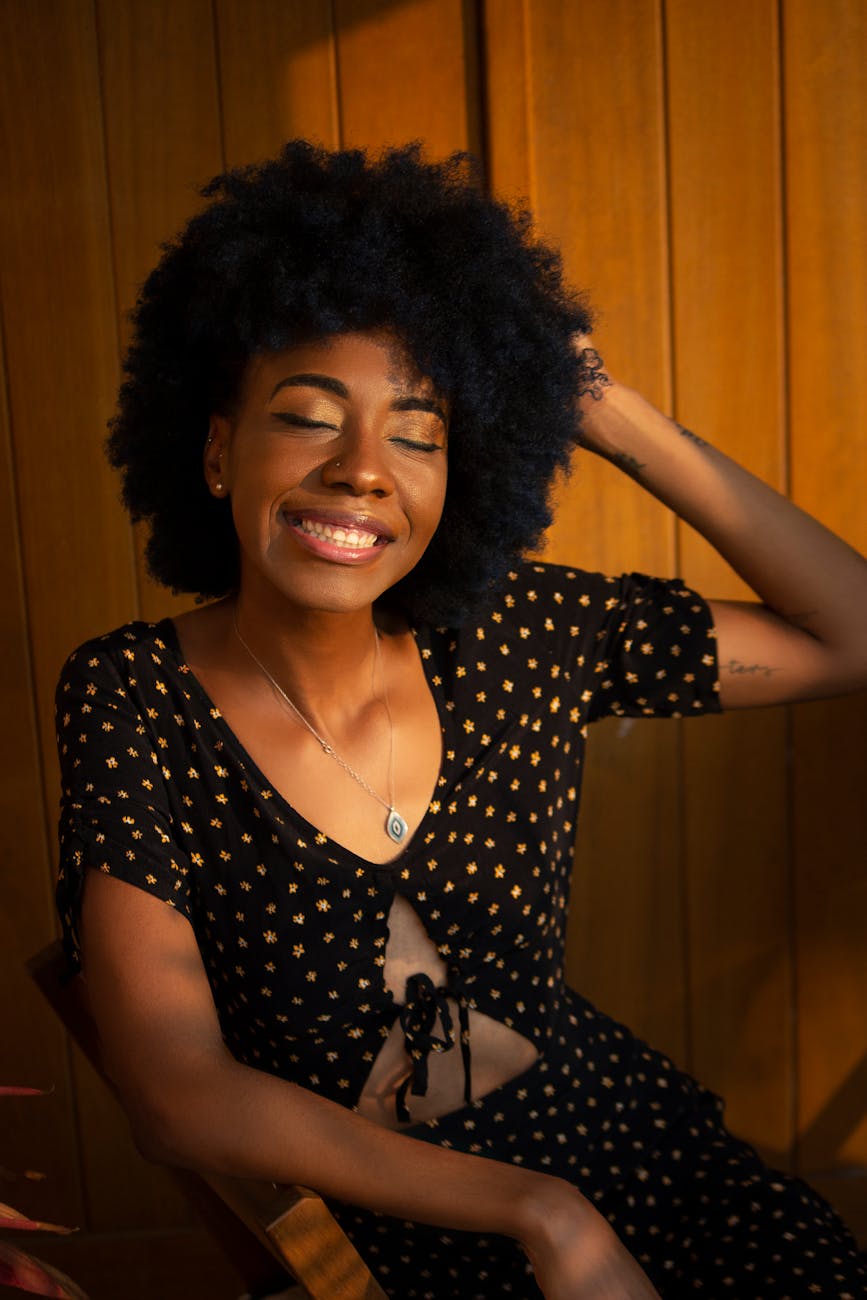
Photo by TUBARONES PHOTOGRAPHY on Pexels.com

Black hair has long been a symbol of identity, heritage, and culture. The textures range from tightly coiled kinks to soft waves, each reflecting the rich diversity of African ancestry. However, the politics surrounding Black hair are deeply tied to historical and social power structures. Eurocentric standards of beauty have positioned straight hair as the “universal standard,” often marginalizing naturally textured hair. This has created a spectrum of discrimination, from overt workplace bias to subtler societal messaging about what constitutes “good” versus “bad” hair. Understanding the textures, cultural history, and politics of Black hair is essential to fostering pride, resilience, and self-acceptance within the Black community.


The Textures and Cultural Significance

Black hair textures vary widely, commonly classified into four types (1–4), with subcategories (A–C) based on curl tightness and pattern. Type 1 is straight hair, which is rare among people of African descent. Type 2 is wavy, Type 3 is curly, and Type 4 is coily/kinky, characterized by tightly packed curls. Each texture carries cultural significance: in African societies, hairstyles represented social status, tribal affiliation, and spiritual beliefs. The Bible also references hair as a sign of strength and identity; for example, Samson’s hair was a symbol of his God-given strength (Judges 16:17, KJV). These textures have been politicized in modern society, where natural hair has often been stigmatized in favor of straightened, chemically relaxed styles.


The Impact of Media and Societal Standards

Media representations reinforce the notion that straight hair is the universal standard of beauty, creating a pervasive hierarchy of hair textures. “Good hair,” often described as straight or loosely curled, is historically linked to proximity to whiteness, while kinky or coily hair has been labeled “bad” or unprofessional (Byrd & Tharps, 2001). These messages have psychological and emotional impacts, influencing self-esteem, identity formation, and social mobility. Mothers, aware of societal bias, often teach children to view their natural hair as needing taming or improvement, inadvertently perpetuating internalized bias. Celebrities and public figures like Lupita Nyong’o challenge this narrative, celebrating natural hair as a crown of heritage and a statement of self-worth.


Care, Products, and Community Perspectives

Caring for Black hair requires attention to moisture, protective styling, and gentle handling to prevent breakage. Recommended products include shea butter, coconut oil, jojoba oil, and sulfate-free shampoos and conditioners. Popular protective styles include braids, twists, locs, and cornrows. Black men have expressed diverse opinions on Black hair, ranging from appreciation of natural textures to preferences shaped by societal norms. These perspectives highlight the ongoing negotiation of identity, beauty, and social perception within the community. Scholars emphasize that reclaiming pride in natural hair fosters empowerment and combats internalized oppression (Banks, 2016).


Conclusion

Black hair is more than aesthetic; it is a political and cultural statement that reflects history, identity, and resilience. From kinky coils to loose curls, hair embodies a legacy of survival, pride, and spiritual significance. By understanding hair textures, rejecting media-imposed hierarchies, and embracing culturally affirming care practices, the Black community can reclaim the crown of natural beauty. As Lupita Nyong’o asserts, each curl tells a story, and through this recognition, Black hair can be celebrated rather than stigmatized. Embracing the politics and pride of Black hair is a step toward self-love, cultural affirmation, and generational healing.


References

  • Banks, I. (2016). Hair Matters: Beauty, Power, and Black Women’s Consciousness. NYU Press.
  • Byrd, A., & Tharps, L. (2001). Hair Story: Untangling the Roots of Black Hair in America. St. Martin’s Press.
  • Lupita Nyong’o. (2014). Personal Interview: Celebrating Natural Hair. Essence Magazine.
  • Roberts, D. (2010). Shaping Beauty, Shaping Race: African American Women and Hair Politics. Duke University Press.
  • The Holy Bible, King James Version.

Crowning Glory: The Record-Breaking Hair Journey of Asha Mandela and the Global Narrative of Black Women’s Hair.

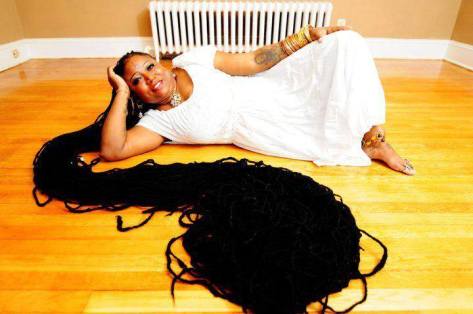
This photograph is the property of its respective owner.

Asha Mandela, widely recognized as “The Black Rapunzel,” has captivated the world with her extraordinary crown—locs that measure over 110 feet long. As the Guinness World Record holder for the longest dreadlocks on a living person, her story is not merely about length but about patience, pride, and the spiritual and cultural journey of Black womanhood. In a world where Black hair has often been politicized, exoticized, or misunderstood, Asha Mandela’s story reclaims agency, celebrates heritage, and offers insight into the sacred beauty of natural hair care. This essay explores Mandela’s biography, hair routine, the science of Black hair growth, societal views on Afro-textured hair, and the rising global fascination—particularly in Asia—with natural Black hairstyles.


Asha Mandela: A Biography of Beauty and Resilience

Born in Trinidad and Tobago and raised in the Caribbean before relocating to the United States, Asha Mandela began her loc journey in her early 20s, over 40 years ago. At the time, she was experiencing serious health issues and believed that growing her locs was part of a spiritual calling—a holistic lifestyle decision meant to connect her to her roots and protect her energy. She credits her locs not only as a beauty statement but as an extension of her identity and strength.

According to the Guinness World Records (2021), her longest lock measures over 110 feet (33.5 meters)—longer than a London double-decker bus. Maintaining and growing her hair to such incredible lengths has been a labor of love, discipline, and faith.


The Art and Ritual of Hair Care

Asha Mandela’s hair is styled in traditional locs, a natural hairstyle created by allowing textured hair to mat and lock over time. She has stated in interviews that caring for her hair can take up to two full days, especially during washing and drying. She uses homemade essential oil blends, nutrient-rich shampoos, and organic treatments. Because of the weight and length of her locs, which can exceed 25 pounds when wet, she sleeps with them wrapped and often carries them in a scarf or pouch to avoid strain on her spine.

Mandela emphasizes that growing hair to such lengths requires spiritual intention, patience, and internal harmony. “It’s a part of me,” she says. “They’re my life force and my connection to the universe” (Essence Magazine, 2014).


Understanding Black Women’s Hair: Texture, Growth, and Myths

Black women’s hair is genetically diverse and uniquely structured. Afro-textured hair typically falls under the Type 3 (curly) and Type 4 (coily/kinky) hair classification. These strands grow in tight spirals or coils, giving the appearance of less length due to shrinkage, even though the hair continues to grow like any other hair type.

Contrary to stereotypes, Black hair grows at the same average rate—about 0.5 inches per month—as other ethnicities, but its coily nature and fragility make length retention more difficult. Frequent breakage, excessive manipulation, or chemical treatments can hinder growth. However, with protective styling, moisture-rich routines, and low-manipulation methods such as locs or braids, Black hair can grow very long, as demonstrated by Asha Mandela.


The World’s Gaze: Black Hair in Global Culture

Historically, Black hair has been burdened by social stigma. In many Western societies, Afro-textured hair has been labeled “unprofessional” or “unkempt,” leading to discriminatory practices in schools and workplaces (Byrd & Tharps, 2014). Yet simultaneously, Black hair has also become a site of global fascination and cultural admiration.

In recent years, a trend known as the “Fro Craze” has taken root in parts of Asia, particularly Japan and South Korea. Young people in these countries have embraced Afro wigs, dreadlocks, and cornrows as symbols of rebellion or high fashion. Some even undergo perms to create the look of a natural Afro. While some view this as cultural appreciation, others critique it as cultural appropriation—enjoying the aesthetics of Blackness without the lived realities that come with it.

Nonetheless, the interest reveals a broader shift: Black hair is no longer being hidden—it is being celebrated globally as a symbol of boldness, authenticity, and ancestral pride.


Public Reactions to Asha Mandela’s Hair

Public responses to Mandela’s hair are as layered as her locs themselves. Many see her as a living legend and a symbol of natural beauty. Others question the practicality or even the health of such extreme hair lengths. Some have unfairly labeled her hair “unclean” or “eccentric,” which speaks more to societal discomfort with Black hair that does not conform.

Yet Mandela remains unfazed. “My hair has never been a burden to me,” she said. “It’s been a blessing. It’s who I am.” (Guinness World Records, 2021).


Spirituality and Black Hair

For many women of African descent, hair is not merely fashion—it is spiritual. In African cosmologies, hair is considered a conduit for divine energy. In the Bible, Samson’s strength was in his hair (Judges 16:17), and many Rastafarians, like Mandela, view dreadlocks as a holy connection to Jah (God), resisting Babylon (oppression).


Conclusion

Asha Mandela’s record-breaking locs symbolize far more than a Guinness certificate. Her hair tells a story of resilience, cultural pride, self-acceptance, and sacred beauty. In a world where Black hair has been misunderstood, criminalized, or commodified, Mandela offers a bold reminder that natural hair is a crown—not to be tamed, but to be revered. Her journey also invites a deeper understanding of Black women’s hair, its science, cultural depth, and global influence. Ultimately, Asha Mandela’s story is a testament to the power of patience, pride, and authenticity in a society that often demands conformity.


References