Category Archives: Biblical Precepts

Dilemma: Unequally Yoked

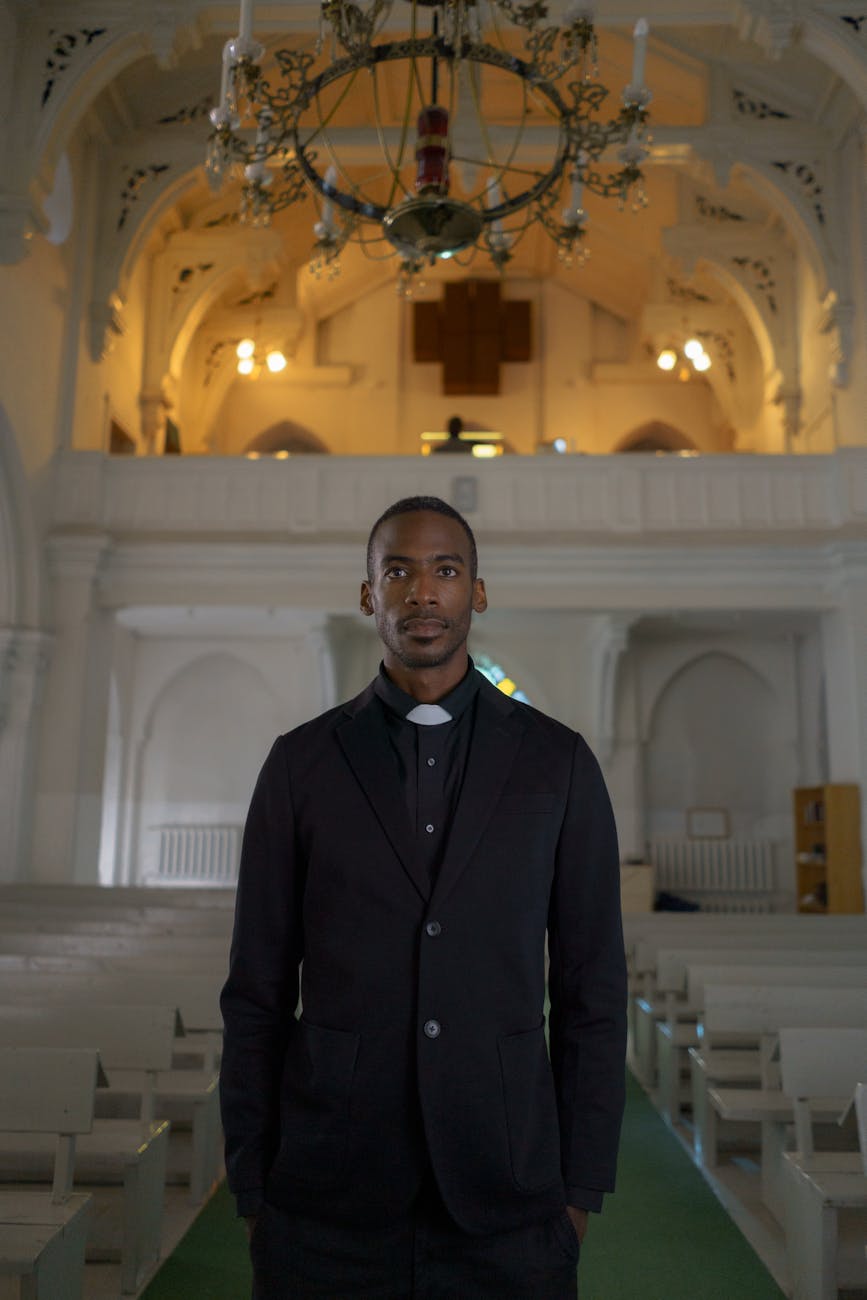
Photo by Diva Plavalaguna on Pexels.com

Biblical Guidance, Psychology, and Practical Insights

Understanding Unequally Yoked

The phrase “unequally yoked” comes from 2 Corinthians 6:14 (KJV): “Be ye not unequally yoked together with unbelievers: for what fellowship hath righteousness with unrighteousness? and what communion hath light with darkness?” In biblical terms, being unequally yoked refers to entering partnerships—whether marriage, business, or close relationships—where core values, beliefs, or spiritual commitments are fundamentally misaligned. A yoke symbolizes shared labor and direction; two partners must move in harmony, or one will hinder the other.

Unequally Yoked in Relationships and Business

In romantic relationships, being unequally yoked often occurs when one partner is spiritually or morally aligned with God while the other is not. This can manifest in incompatible priorities, conflicting worldviews, and relational tension. In business, unequal yoking may appear when partners have differing ethical standards, work ethics, or long-term goals. Psychologically, such relationships often produce stress, resentment, and a lack of shared vision. The growth mindset—a willingness to learn, adapt, and align with Godly principles—cannot flourish in unequal partnerships, as the spiritual and moral dissonance blocks mutual development.

Marriage is intended to be a sacred union of shared purpose, faith, and values. When a couple is unequally yoked, as warned in 2 Corinthians 6:14 (KJV): “Be ye not unequally yoked together with unbelievers: for what fellowship hath righteousness with unrighteousness? and what communion hath light with darkness?”, the union faces unique challenges. Unequal yoking in marriage occurs when partners differ fundamentally in spirituality, morals, priorities, or life goals, creating relational tension, spiritual stagnation, and emotional strain.

Spiritual and Moral Disalignment

A marriage between a spiritually committed partner and one who rejects or neglects Godly principles creates imbalance. The believer may struggle with frustration, disillusionment, or resentment, while the non-believer may feel constrained or misunderstood. Psychologically, this dissonance can lead to chronic conflict, emotional fatigue, and decreased marital satisfaction. Couples in such marriages often experience difficulty making joint decisions or aligning parenting, financial, and household practices with shared values.

Emotional and Communication Challenges

Unequal yoking in marriage affects emotional intelligence and communication. One partner may value empathy, forgiveness, and spiritual growth, while the other prioritizes personal freedom or secular pursuits. Conflicts over ethics, daily routines, and long-term goals become frequent. Research in relational psychology suggests that mismatched moral and emotional frameworks hinder compromise, reduce trust, and increase relational stress (Gottman & Silver, 2015). In biblical terms, marriage is meant to reflect unity and harmony, which is compromised when partners are pulling in different directions.

Signs of Unequal Yoking in Marriage

Married couples can identify unequal yoking through several indicators:

  1. Frequent conflict over moral or spiritual issues
  2. Persistent frustration with decision-making
  3. Imbalance in spiritual or religious practice (e.g., prayer, church, ethical commitments)
  4. Emotional disconnect or feeling unsupported
  5. Lack of shared vision for family, finances, or life goals
  6. One partner discouraging or resisting the other’s Godly practices
  7. Repeated compromise of values for relational peace
  8. Spiritual stagnation or growth only on one side of the partnership

These warning signs often intensify over time if not addressed with wisdom, prayer, and mutual accountability.

Practical Guidance and Conclusion

Preventing or correcting unequal yoking requires discernment, honesty, and alignment of core values before marriage, or a recommitment to spiritual and moral unity during marriage. Couples are encouraged to:

  • Pursue shared spiritual practices (prayer, study, worship)
  • Discuss life goals and ethical priorities openly
  • Seek counseling or mentorship rooted in Godly principles
  • Establish boundaries to maintain spiritual and emotional integrity

Marriage is intended to reflect the harmony of light and light, not light and darkness. When both partners pursue Godly alignment, spiritual growth, and emotional intelligence, the marriage thrives in intimacy, purpose, and fulfillment. Unequally yoked marriages, in contrast, often face long-term challenges that require careful discernment, prayer, and, in some cases, separation for spiritual well-being (Amos 3:3; Ecclesiastes 4:9–12, KJV).

Sinner vs. Godly: The Core of Unequal Yoking

A sinner and a saint, by definition, are unequally yoked if they hold fundamentally opposing values. While all humans are sinners (Romans 3:23, KJV), the distinction lies in who actively seeks to live by God’s righteousness versus who rejects or disregards it. Light and darkness, righteousness and sin, operate on different wavelengths: “And what communion hath light with darkness?” (2 Corinthians 6:14, KJV). The unequally yoked dynamic creates friction, spiritual stagnation, and often relational instability because the partners are not moving toward the same moral or spiritual destination.

Signs and Warning Traits of Being Unequally Yoked

Recognizing unequal yoking is vital for spiritual, emotional, and relational health. Key warning signs include:

  • Conflicting core beliefs (faith, morality, ethics)
  • Imbalance in spiritual commitment (one prays, the other rejects faith)
  • Persistent conflict over values
  • Lack of shared goals or vision
  • Manipulation or control over spiritual choices
  • Emotional exhaustion or resentment
  • Tolerance of sin in the relationship without mutual accountability
  • Disconnection in long-term priorities or family values

These traits may appear subtly at first, but over time, they erode trust, intimacy, and mutual growth.

Practical Implications and Conclusion

Unequal yoking can occur in marriage, dating, friendships, or business partnerships. It undermines collaboration, spiritual growth, and emotional stability. A relationship aligned with Godly principles, where both parties share faith, values, and vision, creates synergy, peace, and growth. Conversely, when light is yoked with darkness, relational friction, spiritual compromise, and disappointment are likely. Awareness and discernment are crucial: evaluate the spiritual and moral alignment of any partnership, and be willing to set boundaries where God’s guidance is ignored or dismissed.


Lastly, Unequally Yoked Traits to Look For

  1. Spiritual or moral incompatibility
  2. Different life priorities or visions
  3. Disregard for Godly principles
  4. Constant relational tension over values
  5. Lack of mutual respect or accountability
  6. Resistance to growth, learning, or compromise
  7. Emotional manipulation or neglect
  8. Habitual sin or ethical compromise
  9. Inability to communicate effectively on core issues
  10. Spiritual discouragement or emotional depletion

Biblical References (KJV)

  1. 2 Corinthians 6:14“Be ye not unequally yoked together with unbelievers: for what fellowship hath righteousness with unrighteousness? and what communion hath light with darkness?”
  2. Amos 3:3“Can two walk together, except they be agreed?”
  3. Ephesians 5:22–33 – Instructions on marriage roles and spiritual unity.
  4. Ecclesiastes 4:9–12“Two are better than one; because they have a good reward for their labour… a threefold cord is not quickly broken” (unity and shared purpose).
  5. Romans 12:2“Be not conformed to this world: but be ye transformed by the renewing of your mind…” (importance of shared spiritual values).
  6. Proverbs 14:29“He that is slow to wrath is of great understanding: but he that is hasty of spirit exalteth folly.” (emotional intelligence in relationships).

Psychology and Relational References

  1. Goleman, D. (1995). Emotional Intelligence: Why It Can Matter More Than IQ. Bantam Books.
  2. Gottman, J., & Silver, N. (2015). The Seven Principles for Making Marriage Work. Harmony Books.
  3. Twenge, J. M., & Campbell, W. K. (2009). The Narcissism Epidemic: Living in the Age of Entitlement. Free Press.
  4. Mayer, J. D., Caruso, D. R., & Salovey, P. (2004). Emotional Intelligence: Theory, Findings, and Implications. Psychological Inquiry, 15(3), 197–215.
  5. Bar-On, R. (2006). The Bar-On Model of Emotional-Social Intelligence (ESI). Psicothema, 18, 13–25.


🌱 How Not to Become Toxic: A Guide to Healthy Living and Relationships 🌱

Photo by Godisable Jacob on Pexels.com

🌱🌱🌱

Toxicity is not always intentional. Many people who exhibit toxic behaviors repeat patterns learned from pain, insecurity, or culture. The good news is that no one is doomed to stay toxic—healing, growth, and spiritual renewal are possible. Here are key steps to prevent yourself from becoming toxic in relationships and communities.


1. Develop Self-Awareness

Self-reflection is the first defense against toxicity. Journaling, prayer, or therapy helps you identify negative habits like blaming, criticizing, or manipulating. Psychology emphasizes “emotional intelligence” (Goleman, 1995), the ability to recognize and regulate your emotions while understanding how they affect others. The Bible encourages the same: “Examine yourselves, whether ye be in the faith” (2 Corinthians 13:5).


2. Heal from Past Trauma

Unresolved pain is one of the strongest roots of toxic behavior. Seek professional counseling, spiritual mentorship, or support groups to process grief, abuse, or rejection. Trauma unhealed will often resurface as anger, control, or envy. Psalm 147:3 reminds us: “He healeth the broken in heart, and bindeth up their wounds.”


3. Practice Accountability

Toxic people deflect blame, but growth comes when we admit faults. Surround yourself with honest friends, mentors, or faith leaders who will lovingly correct you. Accountability prevents pride from hardening into toxicity. Proverbs 27:6 says: “Faithful are the wounds of a friend; but the kisses of an enemy are deceitful.”


4. Cultivate Gratitude and Contentment

Envy and jealousy are at the heart of toxic behavior. Instead of comparing, focus on gratitude for your blessings. Gratitude rewires the brain for joy and reduces envy (Emmons & McCullough, 2003). Spiritually, Philippians 4:11 teaches contentment: “I have learned, in whatsoever state I am, therewith to be content.”


5. Strengthen Empathy

Empathy—the ability to feel and understand others’ experiences—counters selfishness and narcissism. Actively listen, validate others’ feelings, and celebrate their victories. Psychology calls this “prosocial behavior,” which fosters cooperation and trust (Batson, 2011). Romans 12:15 reinforces empathy: “Rejoice with them that do rejoice, and weep with them that weep.”


6. Set and Respect Boundaries

Healthy people understand that love is not control. Practice saying “no” respectfully and allow others to do the same. Boundaries prevent manipulation, resentment, and unhealthy dependency. Biblically, even Jesus set boundaries by retreating to pray alone (Mark 1:35), showing that separation can be holy and necessary.


7. Choose Growth Over Ego

Toxicity thrives on pride, stubbornness, and resistance to change. Instead, adopt a growth mindset—believing you can learn, improve, and be transformed. Carol Dweck’s research (2006) shows that people with growth mindsets build resilience and healthier relationships. Spiritually, James 4:10 instructs: “Humble yourselves in the sight of the Lord, and he shall lift you up.”


8. Seek Godly Transformation

Ultimately, breaking the cycle of toxicity requires more than psychology—it requires spiritual renewal. Through repentance, prayer, and the guidance of the Holy Spirit, toxic traits can be replaced with the fruit of the Spirit: “love, joy, peace, longsuffering, gentleness, goodness, faith, meekness, temperance” (Galatians 5:22–23).


Summary: To avoid becoming toxic, one must heal old wounds, embrace accountability, and cultivate gratitude, empathy, and humility. Toxicity is a choice—but so is transformation. By guarding your heart and seeking wisdom, you can become a source of life, not poison, in the lives of others.


📚 References (APA Style)

  • Batson, C. D. (2011). Altruism in humans. Oxford University Press.
  • Dweck, C. S. (2006). Mindset: The new psychology of success. Random House.
  • Emmons, R. A., & McCullough, M. E. (2003). Counting blessings versus burdens: Experimental studies of gratitude and subjective well-being. Journal of Personality and Social Psychology, 84(2), 377–389.
  • Goleman, D. (1995). Emotional intelligence. Bantam Books.

The Double-Edged Tongue: Flattery, Manipulation, and the Power of Speech

Photo by August de Richelieu on Pexels.com

The tongue is a small member of the body, yet it holds immense power. According to Proverbs 18:21 (KJV), “Death and life are in the power of the tongue: and they that love it shall eat the fruit thereof.” This scripture is not metaphorical poetry—it is a sober warning. Words shape perceptions, open doors, destroy reputations, and alter destinies. In a culture flooded with flattering lips and silver-tongued manipulation, it is critical to examine how language can both edify and entrap.

Flattery: A Hidden Weapon
Flattery is not genuine praise; it is strategic speech designed to disarm, seduce, or deceive. The flatterer speaks to your ego, not your soul. According to Proverbs 29:5 (KJV), “A man that flattereth his neighbour spreadeth a net for his feet.” In other words, flattery is a trap—a carefully constructed snare designed to manipulate. People often use flattering words not out of sincerity, but to extract something: affection, sex, money, influence, or power.

Men may tell women, “You’re the most beautiful woman I’ve ever seen,” or, “No one understands me like you do,” not because they believe it, but because they are working toward a sexual conquest. This kind of verbal manipulation uses charm as bait. On the other hand, some women may use seductive or sweet talk to persuade men into providing money, gifts, or attention. This behavior, often referred to as finessing, is a form of verbal exploitation where emotional triggers are used to gain material advantage.

The Psychology of Talking Too Much
Talking excessively is often a symptom of deeper psychological patterns. It may stem from anxiety, narcissism, or the need for control. According to cognitive behavioral psychology, excessive talking can be a defense mechanism to avoid silence or introspection. Moreover, Proverbs is replete with warnings against this habit: “In the multitude of words there wanteth not sin: but he that refraineth his lips is wise” (Proverbs 10:19, KJV). Those who talk too much often reveal secrets, speak carelessly, or fall into boasting—all of which can lead to ruin.

Verbal Traps and Gaslighting
Speech is not only a tool of communication but of psychological warfare. Manipulators use words to confuse, distort, and dominate. This is seen in gaslighting, a psychological tactic wherein someone deliberately causes another to question their reality. A gaslighter may repeatedly deny events, twist narratives, or say things like, “You’re just being sensitive,” or “That never happened,” to erode a person’s confidence and sense of self. Their goal is to gain control by making their victim dependent on their version of reality.

Verbal traps often begin with charm and end in confusion. A manipulator may gain your trust with praise, only to later weaponize that trust through guilt or coercion. This is especially dangerous in intimate relationships, where emotional investment blinds individuals to deceit. The tongue becomes a tool not of connection, but of conquest.

Speech as a Gateway to Sin
The Scriptures make clear that the tongue is a portal through which sin often enters. James 3:5–6 (KJV) declares: “Even so the tongue is a little member, and boasteth great things… and setteth on fire the course of nature; and it is set on fire of hell.” Words can kindle lust, spread gossip, incite violence, or break covenants. With a few spoken sentences, reputations are tarnished, marriages collapse, and friendships dissolve.

Consider how lies, gossip, and false promises lead to social division and spiritual decay. According to Proverbs 6:16–19, among the seven things the Lord hates are “a lying tongue” and “a false witness that speaketh lies.” When people use their tongues to manipulate, seduce, or deceive, they align themselves with spiritual darkness, regardless of how harmless their speech may seem.

Protecting Ourselves from Flattery and Manipulation
To guard against the trap of flattering lips and manipulative speech, one must develop spiritual and emotional discernment. First, recognize that not all compliments are sincere. Flattery often feels excessive or overly timed. Wise people test words against patterns of behavior. Proverbs 14:15 (KJV) reminds us: “The simple believeth every word: but the prudent man looketh well to his going.”

Second, stay grounded in the truth of Scripture. When you know your identity in Christ, you are less vulnerable to those who seek to exploit your insecurities. People-pleasing and approval addiction are spiritual weaknesses that flattery exploits. But when your value is rooted in God—not in compliments, likes, or gifts—you are not easily swayed.

Third, limit your own tongue. Learn the discipline of silence. When you talk less, you listen more. When you stop revealing every emotion, plan, or vulnerability, you become less susceptible to manipulation. Proverbs 17:27–28 (KJV) says, “He that hath knowledge spareth his words… Even a fool, when he holdeth his peace, is counted wise.”

Conclusion: The Call to Speak Life
Speech is sacred. Our words can heal or harm, free or enslave. The tongue, though small, reveals the condition of the heart. As Matthew 12:37 (KJV) affirms, “For by thy words thou shalt be justified, and by thy words thou shalt be condemned.” Those who use their words to deceive, seduce, or manipulate walk a path of destruction. But those who speak truth, encouragement, and righteousness give life to those around them.

Let us be people whose words reflect the wisdom of God and not the cunning of the serpent. Let us guard our hearts, our tongues, and our ears, so that we are not ensnared by flattery nor guilty of offering it deceptively. In a world full of persuasive voices, may we remain anchored in truth, speaking life—not death.


References (APA Style):

  • American Psychiatric Association. (2013). Diagnostic and Statistical Manual of Mental Disorders (5th ed.).
  • Glouberman, M. (2021). The Psychology of Gaslighting and Manipulative Speech. Psychology Today.
  • Twenge, J. M., & Campbell, W. K. (2009). The Narcissism Epidemic: Living in the Age of Entitlement. Free Press.
  • The Holy Bible, King James Version. Scriptures cited: Proverbs 10:19; Proverbs 18:21; Proverbs 29:5; Proverbs 6:16–19; Proverbs 14:15; James 3:5–6; Matthew 12:37; Proverbs 17:27–28; 2 Timothy 3:2.
  • Lundy, B. (2007). Why Does He Do That? Inside the Minds of Angry and Controlling Men. Berkley Books.

Timeless Virtues: Lessons from Women of the Bible and Their Relevance Today

Photo by RDNE Stock project on Pexels.com

Daughters of Zion

Daughters of Zion, clothed in grace,
Wisdom and courage shine on each face.
Faithful and gentle, yet strong in mind,
With hearts of gold and spirits kind.

Guardians of home, and seekers of truth,
Their beauty endures from age to youth.
In prayer and in purpose, they rise above,
A crown of virtue, a mantle of love.

Throughout biblical and Apocryphal texts, women have been portrayed as agents of faith, wisdom, courage, and beauty. From matriarchs to prophets, queens to devoted followers, their lives reflect a multidimensional character that blends spiritual devotion, strategic intelligence, and familial contribution. This paper examines selected women—Sarah, Judith, Rebecca, Mary Magdalene, the Virgin Mary, Susanna, Leah, Rachel, Abigail, and the Queen of Sheba—highlighting their individual attributes, beauty, missions, and legacies. It also draws a comparison to modern women navigating the workforce and home life.


Sarah: Faith and Patience

Sarah, the wife of Abraham, is a model of patience and faith. Though initially barren, she trusted in God’s promise and bore Isaac in her old age (Genesis 17:15–19; 21:1–3, KJV). Her beauty is noted both physically and spiritually; she was called “a woman of surpassing excellence” (Genesis 12:11, KJV). Sarah’s mission centered on nurturing the covenant lineage, demonstrating the enduring value of faith and resilience in marriage and motherhood.


Judith: Courage and Strategic Wisdom

Judith, from the Apocrypha (Book of Judith), embodies courage and strategic acumen. She risked her life to save Israel from enemy oppression, deceiving Holofernes and thereby delivering her people. Her beauty was a tool of divine purpose, highlighting that God can use attractiveness for righteous ends (Judith 8:7–9). Judith’s mission was protective and sacrificial, illustrating the power of courage and intellect in leadership roles.


Rebecca: Loyalty and Discernment

Rebecca, Isaac’s wife, displayed loyalty and spiritual discernment (Genesis 24:12–20, KJV). Her kindness and decisiveness in guiding Jacob’s future showed foresight and devotion to God’s plan. Rebecca’s contribution was ensuring the continuity of God’s covenant, balancing domestic responsibilities with influence in shaping Israel’s patriarchal lineage.


Mary Magdalene: Devotion and Witness

Mary Magdalene was a devoted follower of Yahawashi, witnessing His crucifixion and resurrection (Luke 8:2; John 20:1–18, KJV). Her spiritual beauty—faithful love and unwavering courage—made her a key messenger of salvation. She exemplifies the impact of women in spiritual leadership, even in societies where their voices were often marginalized.


The Virgin Mary: Obedience and Purity

Mary, mother of Yahawashi, is the epitome of humility, obedience, and purity (Luke 1:26–38, KJV). Her acceptance of God’s plan demonstrates profound faith and submission, making her a model for both religious and familial devotion. She contributed immeasurably to God’s mission through motherhood, demonstrating strength in silence and service.


Susanna: Righteousness and Integrity

In the Apocryphal Book of Daniel, Susanna exemplifies moral integrity, facing false accusations with steadfast trust in God (Daniel 13:1–64). Her courage to maintain virtue despite threats illustrates a commitment to righteousness above personal safety, serving as a moral exemplar for all generations.


Leah and Rachel: Sacrifice and Devotion

Leah and Rachel, wives of Jacob, reflect differing dimensions of love, sacrifice, and maternal influence (Genesis 29:16–30, KJV). Leah, often overlooked, demonstrated patience and loyalty, bearing several of Israel’s tribes. Rachel, admired for her beauty (Genesis 29:17, KJV), showed deep devotion to her husband. Both women’s contributions were foundational in shaping the nation of Israel.


Abigail: Wisdom and Peacemaking

Abigail’s intelligence and diplomacy prevented bloodshed in 1 Samuel 25:18–35 (KJV). She combined beauty, prudence, and assertiveness to protect her household and serve justice. Her story demonstrates the importance of discernment, negotiation, and active participation in family and societal matters.


Queen of Sheba: Leadership and Curiosity

The Queen of Sheba, though not in the canonical Hebrew Bible, appears in 1 Kings 10:1–13 (KJV) as a symbol of wisdom, leadership, and admiration for God’s wisdom. Her visit to Solomon reflects a proactive pursuit of knowledge, diplomacy, and strategic leadership. Her contribution lies in bridging nations and cultures, exemplifying influence beyond domestic boundaries.


Comparative Analysis: Biblical Women vs. Modern Women

Biblical women navigated complex societal roles, balancing obedience, wisdom, and personal influence. Modern women—whether in the workforce or as stay-at-home mothers—face similar challenges: balancing family, career, and spiritual or personal integrity. Biblical examples encourage women to exercise discernment, leadership, and virtue in contemporary life, demonstrating that spiritual character and practical wisdom are timeless.


Who Was the Most Beautiful Woman?

Beauty in the Bible is not merely physical but encompasses character, virtue, and influence. Among these women, Rachel is often celebrated for her physical beauty (Genesis 29:17, KJV), while Mary, the mother of Yahawashi, embodies spiritual beauty—purity, obedience, and grace. True beauty, the Scriptures suggest, combines virtue with purpose, impacting both family and society.


Conclusion

The women of the Bible, whether Sarah’s faith, Judith’s courage, or Mary’s devotion, demonstrate that beauty, intelligence, virtue, and leadership are deeply intertwined. Their lives offer timeless lessons for modern women: pursue wisdom, cultivate integrity, and fulfill God-given missions, whether at home or in the public sphere. As Psalm 112:1 (KJV) states: “Blessed is the man that feareth the LORD, that delighteth greatly in his commandments.” The same applies to women—blessing comes through reverence, obedience, and righteous living.


References (KJV and Apocrypha)

  • Genesis 12:11–20; 17:15–19; 21:1–3; 24:12–20; 29:16–30
  • 1 Samuel 25:18–35
  • 1 Kings 10:1–13
  • Luke 1:26–38; 8:2; John 20:1–18
  • Daniel 13:1–64 (Apocrypha)
  • Judith 8:7–9 (Apocrypha)
  • Psalm 112:1

📖🤎Spirituality and Survival🤎📖

Photo by cottonbro studio on Pexels.com

📖🖤🤎 The Role of Faith in the Black Resistance.🤎🖤📖


Faith has long been the bedrock of survival and resilience within the Black community. Defined broadly, faith is the confident belief in the unseen, the trust in divine providence, and the commitment to spiritual principles that guide moral and practical decision-making (Hebrews 11:1, KJV: “Now faith is the substance of things hoped for, the evidence of things not seen.”). Within the Black diaspora, faith is not merely a personal experience but a collective force that sustains communities in the face of historical and contemporary oppression. Spirituality and religious adherence have provided emotional, social, and psychological scaffolding during slavery, Jim Crow, and modern systemic racism, functioning as both a coping mechanism and a source of empowerment.


Faith as a Tool for Survival

The role of faith in survival is evident throughout history. During slavery, enslaved Africans relied on spiritual practices, hymns, and biblical narratives to endure dehumanization and forced labor. Passages from the KJV Bible, including Psalm 34:19 (“Many are the afflictions of the righteous: but the LORD delivereth him out of them all.”), offered hope and reinforced resilience. The spiritual emphasis on justice, redemption, and liberation allowed enslaved communities to maintain a sense of identity, dignity, and purpose despite systemic oppression. Faith also structured community life, creating spaces for collective worship, education, and resistance.


Spirituality and Resistance

Faith functions as a cornerstone in the Black resistance against racism and marginalization. It shapes cultural values, ethical decision-making, and collective mobilization. Historically, Black churches were not merely religious spaces but hubs for social activism, political organization, and education. Faith-based movements, such as those led by Dr. Martin Luther King Jr., demonstrate the capacity of spirituality to inspire action against injustice. As King noted, “Faith is taking the first step even when you don’t see the whole staircase.” The integration of faith into resistance underscores its role in shaping both personal perseverance and systemic change.


Incorporating Faith in Daily Life

Faith in contemporary Black communities manifests in diverse practices, including Sabbath observance, Sunday church attendance, prayer, scripture study, and acts of service. According to Pew Research (2021), approximately 57% of Black Americans report attending religious services at least once a month, and many maintain daily devotional practices, illustrating that spirituality remains central to emotional and communal well-being. Faith shapes decision-making, ethical perspectives, and relational practices, offering a framework for coping with contemporary challenges, including economic inequities, police brutality, and social marginalization.


Faith as Psychological and Emotional Anchor

Psychologically, faith provides a sense of meaning, reduces anxiety, and fosters resilience in the face of adversity. Studies in social psychology suggest that religious coping mechanisms increase hope, decrease depressive symptoms, and reinforce community support systems (Mattis, 2002). Spirituality offers a lens through which individuals interpret suffering, contextualizing personal and collective pain within narratives of redemption and endurance. Without spirituality, the Black community risks losing a vital mechanism for emotional regulation, cultural continuity, and intergenerational resilience.


Can We Survive Without Spirituality?

Survival without spirituality is theoretically possible, yet historical and contemporary evidence indicates that faith significantly enhances endurance and identity formation. Spiritual frameworks have historically sustained Black people through slavery, segregation, systemic racism, and cultural erasure. Faith provides both a moral compass and a source of hope, allowing individuals and communities to persevere where material or social resources are insufficient. Spirituality fosters solidarity, ethical accountability, and an understanding of purpose that extends beyond immediate survival into generational continuity.


The Role of Faith in Identity and Community

Faith informs cultural identity, self-perception, and community cohesion. Black spirituality often blends biblical teachings with African cultural heritage, creating a unique framework for resilience. Churches, mosques, and spiritual collectives serve as centers for education, mentorship, and leadership cultivation. Faith sustains intergenerational bonds and teaches values of justice, service, and endurance. Proverbs 3:5–6 (KJV) emphasizes reliance on God: “Trust in the LORD with all thine heart; and lean not unto thine own understanding. In all thy ways acknowledge him, and he shall direct thy paths.”


Faith and Modern Challenges

In the present day, Black Americans continue to confront structural inequalities that threaten physical, emotional, and social well-being. Faith remains integral to navigating these challenges, providing both coping mechanisms and inspiration for activism. Leaders, scholars, and ordinary individuals rely on spiritual practices to maintain hope, resist despair, and cultivate moral and ethical fortitude. Faith reinforces resilience in family structures, education, and community advocacy, demonstrating its enduring significance as both personal and collective sustenance.


Conclusion

Faith is inseparable from the Black struggle for survival, identity, and dignity. It has historically enabled communities to endure slavery, segregation, and systemic racism while offering hope, resilience, and moral guidance. Spirituality functions as both an internal compass and a collective anchor, sustaining relationships, reinforcing community cohesion, and fostering resistance to oppression. The Black experience underscores that survival is not merely physical but spiritual, and the cultivation of faith remains critical to personal, familial, and communal flourishing. By understanding, practicing, and passing down spiritual traditions, the Black community ensures both survival and the reclamation of agency in a historically broken world.


References

  • Mattis, J. S. (2002). African American women’s definitions of spirituality and religiosity. Journal of Black Psychology, 28(2), 101–125.
  • Pew Research Center. (2021). Religion and public life: Religious landscape study. Retrieved from https://www.pewresearch.org/religion/
  • King, M. L. Jr. (1963). Strength to Love. Harper & Row.
  • The Holy Bible, King James Version.
  • Lincoln, C. E., & Mamiya, L. H. (1990). The Black Church in the African American Experience. Duke University Press.
  • Cone, J. H. (1997). God of the Oppressed. Orbis Books.

Dilemma: Generational Trauma

Pain as an Inheritance

Photo by Mensah Shot on Pexels.com

Generational trauma is not merely a poetic metaphor—it is a psychological and physiological reality. For Black people, the wounds of the past are not confined to history books; they live within our bodies, our minds, and our cultural memory. The transatlantic slave trade, Jim Crow laws, lynchings, segregation, mass incarceration, and systemic racism have left indelible marks on the collective psyche of African-descended peoples. According to trauma theory, unhealed pain can be transmitted across generations through learned behaviors, family dynamics, and even epigenetic changes that alter stress responses (Yehuda et al., 2016). Dr. Joy DeGruy (2005) calls this Post Traumatic Slave Syndrome, where the legacy of slavery manifests in self-doubt, internalized racism, and fractured community trust. The Bible affirms the reality of inherited struggle, stating, “The fathers have eaten sour grapes, and the children’s teeth are set on edge” (Jeremiah 31:29, KJV), illustrating how the consequences of one generation’s suffering can shape the lives of those yet unborn.

Our ancestors endured unimaginable cruelty—chains cutting into their wrists, the lash of the whip, the ripping apart of families, the erasure of native languages, and the stripping away of names, culture, and heritage. They survived slave ships where human beings were packed like cargo, brutal plantation labor from sunrise to sundown, and laws that declared them three-fifths of a person. These experiences did not vanish when emancipation came; instead, they morphed into racial terror, voter suppression, economic exclusion, and the daily indignities of being treated as “less than.” Such trauma imprinted a deep sense of hypervigilance, mistrust of institutions, and generational patterns of resilience and caution. Maya Angelou once said, “You may not control all the events that happen to you, but you can decide not to be reduced by them.” This speaks to the dual reality of our inheritance: the pain that seeks to bind us and the strength that pushes us to overcome.

Psychologically, generational trauma manifests in patterns of parenting, communication styles, and survival strategies that were essential in hostile environments but may become maladaptive in modern contexts. The legacy of white supremacy perpetuates this cycle by embedding inequality into laws, housing policies, education systems, and media narratives. Microaggressions, racial profiling, wage gaps, and health disparities are not isolated incidents; they are the aftershocks of centuries of oppression. According to the American Psychological Association (2019), chronic exposure to racism creates toxic stress, increasing risks for depression, anxiety, hypertension, and shortened life expectancy among Black Americans. As Exodus 3:7 (KJV) records, “I have surely seen the affliction of my people…and have heard their cry by reason of their taskmasters; for I know their sorrows.” God’s acknowledgment of suffering affirms the depth of our pain while offering hope for deliverance.

The pain we face today—police brutality, mass incarceration, economic inequality, and cultural erasure—is both the shadow of our history and the continuation of an oppressive system. White supremacy’s greatest cruelty is that it not only inflicts harm in the present but also manipulates the past, making it harder for us to heal. Yet healing is possible. Breaking the cycle requires collective acknowledgment, truth-telling, cultural restoration, and both psychological and spiritual liberation. As Galatians 5:1 (KJV) declares, “Stand fast therefore in the liberty wherewith Christ hath made us free, and be not entangled again with the yoke of bondage.” To reject the inheritance of pain is not to forget our ancestors’ suffering, but to honor them by reclaiming our wholeness, our joy, and our future.


References

  • American Psychological Association. (2019). Stress effects on the body. https://www.apa.org
  • DeGruy, J. (2005). Post Traumatic Slave Syndrome: America’s Legacy of Enduring Injury and Healing. Uptone Press.
  • Yehuda, R., et al. (2016). Holocaust exposure induced intergenerational effects on FKBP5 methylation. Biological Psychiatry, 80(5), 372–380.
  • The Holy Bible, King James Version.

❤️💓💞💗*LOVE Is….*❤️💓💞💗

A Biblical and Psychological Perspective

Photo by 10 Star on Pexels.com

❤️Love According to the Bible (KJV)❤️

In the King James Version of the Bible, love is presented not merely as a fleeting emotion but as a divine command and a reflection of God’s nature. 1 Corinthians 13:4–8 describes love (charity) as patient, kind, without envy, not proud, not easily provoked, and rejoicing in truth. The Bible asserts that “God is love” (1 John 4:8), indicating that love is both the essence and the expression of His being. Love in Scripture is sacrificial, enduring, and rooted in righteousness—calling believers to love God, themselves, and others (Matthew 22:37–39).

Love According to Psychology

Psychology views love as a complex set of emotions, behaviors, and cognitive processes involving intimacy, passion, and commitment (Sternberg, 1986). It encompasses attachment, care, trust, and empathy. Neuroscientifically, love activates the brain’s reward system, releasing dopamine, oxytocin, and serotonin—chemicals linked to pleasure, bonding, and happiness (Zeki, 2007). While psychology focuses on the human mechanisms of love, Scripture addresses its divine origin and moral responsibility.

The Three Greek Words for Love

  1. Agápē – Selfless, unconditional love; the type God has for humanity (John 3:16).
  2. Phileō – Brotherly or affectionate love; a warm friendship and deep connection (John 15:13).
  3. Éros – Romantic and passionate love; physical attraction and desire (Song of Solomon 1:2).

These distinctions help us understand love’s various expressions and contexts.

How We Show Love

Love is both a feeling and an action word. Biblically, love is demonstrated through kindness, service, forgiveness, generosity, and sacrifice (1 John 3:18). In everyday life, love is expressed through active listening, quality time, physical affection, encouragement, and meeting the needs of others.

10 Signs a Person Loves You (KJV & Practical Life)

  1. Selflessness – They put your needs before their own (Philippians 2:3–4).
  2. Kindness – Their actions are consistently gentle and uplifting (1 Corinthians 13:4).
  3. Patience – They wait and endure without frustration (1 Corinthians 13:4).
  4. Faithfulness – They remain loyal through challenges (Proverbs 17:17).
  5. Honesty – They speak truth in love (Ephesians 4:15).
  6. Forgiveness – They do not hold grudges (Colossians 3:13).
  7. Sacrifice – They are willing to give up something for your well-being (John 15:13).
  8. Encouragement – They lift you up in hard times (1 Thessalonians 5:11).
  9. Protection – They seek to guard your heart and safety (Psalm 91:14).
  10. Consistency – Their love does not change with circumstances (Romans 8:38–39).

The Author of Love

God Himself is the author and source of love. From creation to redemption, His nature demonstrates perfect love toward humanity (Jeremiah 31:3). Love flows from Him, enabling people to truly love others.

Hate vs. Love

Love builds, unites, and gives life; hate destroys, divides, and brings death (1 John 3:14–15). For example, Martin Luther King Jr. once said, “Hate cannot drive out hate; only love can do that.” Love heals wounds that hate deepens.


References

  • Holy Bible, King James Version.
  • Sternberg, R. J. (1986). A triangular theory of love. Psychological Review, 93(2), 119–135.
  • Zeki, S. (2007). The neurobiology of love. FEBS Letters, 581(14), 2575–2579.
  • King, M. L. Jr. (1963). Strength to Love. Harper & Row.

Dilemma: 🤔gods🤔

Photo by Dino Uniyal on Pexels.com

In Scripture, the term “god” (Hebrew: elohim, אֱלֹהִים) refers to any being, entity, or object to which humans attribute supreme power, reverence, or devotion—whether real or imagined. A god can be the true and living Creator, YHWH (Yahweh), or a false entity that receives misplaced loyalty and worship (Psalm 82:6; Deuteronomy 10:17).

The Human Psyche and the Urge to Worship

Humans are innately spiritual beings (Ecclesiastes 3:11), created with a longing for transcendence, meaning, and connection to something greater than themselves. Psychologically, people often seek gods because:

  1. Security: A god—whether divine or false—represents protection against chaos and uncertainty.
  2. Identity: People derive self-worth and belonging through alignment with their chosen deity or ideology.
  3. Control: By pleasing or appeasing a “god,” humans believe they can influence their destiny or environment.
  4. Projection: Often, gods are human ideals magnified—projecting human desires, fears, and values into a divine image.

When people reject the Most High, this spiritual vacuum is filled with substitutes (Romans 1:21-23).


Can a Person Be a God to Themselves?

Yes—self-worship is one of the most dangerous forms of idolatry. In modern psychology, this aligns with narcissism and self-deification, where one’s own desires, opinions, and ambitions override divine authority. The serpent’s temptation to Eve—“Ye shall be as gods” (Genesis 3:5)—remains a core seduction today, manifesting in philosophies that glorify self-rule, self-sufficiency, and self-exaltation above God’s will.


Can We Make People Into Gods?

Absolutely. Throughout history, rulers, celebrities, and leaders have been elevated to godlike status—given unquestioned loyalty, devotion, and imitation. In biblical times, Pharaoh and Nebuchadnezzar demanded worship (Daniel 3:4-6). Today, celebrity culture, political cults, and even certain religious leaders receive reverence that rivals or replaces God (Acts 14:11-15).


What Is an Idol?

An idol (pesel, פֶסֶל in Hebrew) is a physical or conceptual representation of a false god. Idolatry is not limited to carved statues—it includes anything that replaces God as the ultimate object of trust, love, and obedience. Paul warns that covetousness itself “is idolatry” (Colossians 3:5), showing that the heart can worship possessions, not just figures.


Present-Day Gods

In modern society, gods often disguise themselves as “normal” pursuits or values, but they carry the same spiritual consequences as ancient idols:

  1. Money & Wealth (Mammon) – Matthew 6:24 warns we cannot serve God and riches.
  2. Celebrities & Influencers – People mimic lifestyles and values that oppose biblical truth.
  3. Government & Political Systems – When allegiance to a political ideology supersedes loyalty to God’s kingdom.
  4. Technology & Social Media – Consuming devotion, shaping thought, and determining self-worth.
  5. Self & Personal Ambition – The rise of “manifest your own destiny” culture, ignoring God’s sovereignty.
  6. Relationships & Romantic Partners – Placing human love above God’s will.
  7. Pleasure & Entertainment – Prioritizing comfort and leisure over holiness and service.

Impact on Humanity

Modern gods subtly reshape human values, causing moral relativism, loss of reverence for God, and increasing self-centeredness. They fragment societies by promoting division, consumerism, and endless comparison. Most dangerously, they redirect worship from the Creator to the creation (Romans 1:25), blinding people to truth and righteousness.

(Exodus 20:3, KJV)

Meaning in Biblical Context

This is the first commandment, and it sets the foundation for all the others. In Hebrew, it literally means, “You shall not have any other gods in My presence.” God is declaring that He alone is to be worshiped, loved, obeyed, and trusted as the ultimate authority.

In ancient times, “gods” often referred to literal idols or deities worshiped by surrounding nations (Baal, Ashtoreth, Ra, Zeus, etc.). For Israel, this command was a direct rejection of polytheism and idolatry, calling for exclusive covenant loyalty to the one true God (Deuteronomy 6:4–5).


Spiritual Principle

  • God desires exclusive devotion.
  • Anything we place above Him in importance—whether physical, emotional, or spiritual—becomes a “god” to us.
  • Worship is not just bowing to an idol—it’s where we give our deepest loyalty, time, trust, and affection.

How People Break This Commandment Today

Even without bowing to statues, people still violate this commandment through modern forms of idolatry. Here’s how:

  1. Materialism & Consumerism
    • Treating wealth, possessions, or luxury brands as the highest goal in life.
    • Example: Someone who sacrifices integrity, relationships, and health just to get more money or status symbols is effectively worshiping material wealth.
      (Matthew 6:24 – “Ye cannot serve God and mammon.”)
  2. Career or Ambition as a “God”
    • Obsessing over professional success to the point where it overshadows faith, morality, and relationships.
    • Example: A person who neglects worship, family, and personal well-being for a job promotion.
  3. Celebrity and Influencer Worship
    • Idolizing musicians, actors, athletes, or social media figures—treating their opinions or lifestyles as more important than God’s Word.
    • Example: Mimicking every fashion, belief, or action of a celebrity, even when it goes against biblical principles.
  4. Self-Worship
    • Prioritizing personal image, pleasure, and independence over God’s will.
    • Example: Living by “my truth” rather than God’s truth, and valuing personal comfort above obedience to Scripture.
  5. Technology and Entertainment
    • Allowing social media, gaming, or streaming platforms to consume most waking hours.
    • Example: Spending 6–8 hours a day online but having “no time” for prayer or Scripture.
  6. Relationships as Idols
    • Placing a romantic partner, spouse, or friend in the place of God.
    • Example: Compromising moral convictions just to keep someone’s affection.
  7. New Age or Occult Practices
    • Seeking spiritual power, guidance, or protection from crystals, astrology, or witchcraft instead of God.
    • Example: Checking a horoscope daily for decision-making rather than praying for guidance.

Why This Commandment Still Matters

Placing anything “before God” distorts our priorities, erodes our moral compass, and draws us away from our source of life and truth. As Jesus said, the greatest commandment is to “love the Lord thy God with all thy heart, and with all thy soul, and with all thy mind” (Matthew 22:37, KJV).

When God is truly first, every other area—relationships, work, health, finances—finds its proper balance.


“DEF by TEMPTATION: The War Within the Soul”


Photo by Meli Meraki on Pexels.com

Introduction: What Is Temptation?

Temptation is the internal or external enticement to do something contrary to one’s moral, spiritual, or rational values. It often presents itself in seductive, desirable forms—yet beneath the surface lies destruction, regret, and loss. The 1990 cult horror film Def by Temptation, directed by James Bond III, uses supernatural storytelling to explore the consequences of yielding to carnal desires and spiritual weakness. But the deeper meaning of the title resonates with an ancient truth: that temptation is not just a personal struggle—it is a battlefield of the soul.

In the King James Bible, temptation is understood as both a test of faith and a lure toward sin. James 1:14-15 warns:

“But every man is tempted, when he is drawn away of his own lust, and enticed. Then when lust hath conceived, it bringeth forth sin: and sin, when it is finished, bringeth forth death.”

This passage outlines the progression of temptation—from desire to enticement, to sin, and ultimately to spiritual and sometimes literal death. It is not temptation itself that is the sin, but the yielding to it.


The Psychology of Temptation

From a psychological perspective, temptation is the cognitive-emotional conflict between impulse and self-control. It activates the brain’s reward system, particularly the dopamine pathways, which are responsible for pleasure and anticipation. Temptation becomes powerful when the reward is immediate, while the consequences are delayed. This is why people give in to behaviors like overeating, cheating, compulsive spending, or substance abuse—even when they know the risks.

Psychologist Walter Mischel’s famous “marshmallow test” illustrated how children with delayed gratification skills (resisting the temptation of one marshmallow for the promise of two later) had better life outcomes in adulthood. The study underscored that resisting temptation requires maturity, foresight, and emotional regulation.


Types of Temptation: The Allure of the Flesh and the World

The most common temptations fall into several categories:

  1. Sexual Temptation: One of the most destructive and common temptations. It involves the desire for illicit or immoral sexual pleasure outside of covenant or purity. Proverbs 6:25-26 (KJV) says, “Lust not after her beauty in thine heart; neither let her take thee with her eyelids. For by means of a whorish woman a man is brought to a piece of bread.”
  2. Gluttony and Food: The craving for food beyond physical need, often used to satisfy emotional emptiness. Eve’s first sin involved eating forbidden fruit, highlighting that even food can be used as a weapon of spiritual downfall.
  3. Materialism and Shopping: The compulsion to buy, possess, or indulge in consumerism is a modern form of idolatry, where happiness is equated with having more.
  4. Power and Pride: The temptation to elevate oneself above others, to manipulate or dominate, as seen in Lucifer’s fall (Isaiah 14:12-15).
  5. Addiction and Substance Abuse: A temptation that hijacks both mind and body, leading individuals to dependency and destruction.

Example: A Man Who Fell to Temptation

One of the most publicized downfalls in recent memory is that of Tiger Woods, the world-famous golf legend. In 2009, Woods admitted to multiple infidelities, which led to the collapse of his marriage, loss of endorsements, damaged reputation, and a long career setback.

According to The New York Times and Forbes, the aftermath of his sexual indiscretions cost him upwards of $100 million in lost sponsorships and legal settlements. More importantly, it exposed how even the most disciplined and successful individuals can be brought low by unbridled desire. He later sought rehabilitation and publicly apologized, but the price of yielding to temptation was enormous.


Lust, Addiction, and the Trap of Temptation

Lust, as described in Scripture, is a disordered and excessive desire. It often disguises itself as love or attraction but is rooted in selfish gratification. Lust clouds judgment, weakens character, and leads to enslavement. Proverbs 7 offers a chilling narrative of a young man seduced by a wayward woman, ending in this solemn line (v. 27):

“Her house is the way to hell, going down to the chambers of death.”

Addiction is the clinical extension of temptation—when one repeatedly yields to a desire until it becomes a psychological or physical dependency. Temptation becomes a cycle: desire, indulgence, guilt, and repetition. Overcoming it requires not just willpower but renewed thinking, support, and sometimes divine intervention.


The Origin of Temptation

Temptation has spiritual origins. According to Christian theology, the first temptation occurred in Genesis 3, when Satan in the form of a serpent lured Eve to eat the forbidden fruit. He appealed to her desire for knowledge and power, saying, “Ye shall be as gods” (Genesis 3:5). This act of disobedience introduced sin and death into the world. In the New Testament, Satan also tempted Jesus in the wilderness (Matthew 4), offering Him food, glory, and power. But unlike Adam and Eve, Jesus resisted by using Scripture, showing believers how to overcome temptation through truth and spiritual strength.


Overcoming Temptation: Practical and Spiritual Solutions

  1. Renewing the Mind: Romans 12:2 says, “Be transformed by the renewing of your mind.” Spiritual transformation begins in thought.
  2. Accountability: Surrounding oneself with wise, honest, and supportive people helps break the secrecy of temptation.
  3. Fasting and Prayer: These spiritual disciplines weaken the flesh and strengthen the spirit.
  4. Avoiding Triggers: Removing oneself from tempting environments is essential (Matthew 5:29-30 teaches metaphorically to “cut off” what causes you to sin).
  5. Scripture and Faith: Jesus resisted temptation by declaring the Word of God (Matthew 4:4).
  6. Repentance and Grace: Even after failure, forgiveness is available. 1 Corinthians 10:13 assures us, “There hath no temptation taken you but such as is common to man… but God is faithful, who will not suffer you to be tempted above that ye are able.”

Conclusion: The Price of Temptation and the Path to Victory

Temptation is universal, but the cost of surrender can be devastating—broken homes, lost careers, spiritual emptiness, and even physical death. Yet, resisting temptation is not merely about avoidance; it is about fortification of the soul, development of character, and alignment with truth. Lust and addiction are symptoms of deeper spiritual hunger—only divine purpose and self-discipline can truly satisfy.

In a world where temptations are everywhere—from screens to stores to seduction—the battle must be fought with intention, wisdom, and the Word of God. Temptation may knock, but we are not required to answer.


References

Holy Bible. (1611). King James Version. Thomas Nelson.

Mischel, W. (2014). The Marshmallow Test: Mastering Self-Control. Little, Brown.

Goldman, T. (2009, December). Tiger Woods and the fall from grace. The New York Times.

Blum, D. (2021). Addiction and the Brain: Understanding the Science of Dependency. Harvard Health Publications.

Tripp, P. D. (2008). Whiter Than Snow: Meditations on Sin and Mercy. Crossway Books.

Dilemma: The Lust of the Flesh, the Lust of the Eyes, and the Pride of Life—The War Between Spirit and Worldliness


Photo by cottonbro studio on Pexels.com

“For all that is in the world, the lust of the flesh, and the lust of the eyes, and the pride of life, is not of the Father, but is of the world.” – 1 John 2:16 (KJV)


In a world consumed by materialism, sexual permissiveness, and status worship, the biblical warning found in 1 John 2:16 remains prophetically relevant. The “lust of the flesh, the lust of the eyes, and the pride of life” are not mere poetic expressions but real and destructive temptations that derail moral character, spiritual growth, and social integrity. These three forces are the foundational pillars of worldliness—leading not only to individual downfall but to societal decay. Understanding their significance and how to overcome them is essential for those who strive to live a life of righteousness and purpose.


The Lust of the Flesh

The lust of the flesh refers to the unrestrained craving for bodily pleasures—especially sexual indulgence, gluttony, and sensual gratification. It prioritizes feelings over faith, passion over principle. This lust is condemned throughout scripture. Galatians 5:16-17 teaches:

“This I say then, Walk in the Spirit, and ye shall not fulfil the lust of the flesh. For the flesh lusteth against the Spirit…”

Sexual temptation is a core aspect of this lust. From Samson, who lost his strength and calling over Delilah (Judges 16), to David, who committed adultery with Bathsheba (2 Samuel 11), the Bible warns how powerful and perilous fleshly desire can be. Today, it manifests in hypersexualized media, pornography, adultery, and transactional relationships—including the infamous “casting couch” culture of Hollywood, where sexual favors have historically been exchanged for roles, wealth, or recognition.


The Lust of the Eyes

The lust of the eyes is the desire triggered by visual stimuli—coveting what we see and do not possess. It is the seed of materialism, envy, and greed. Eve’s temptation began here:

“And when the woman saw that the tree was good for food…and a tree to be desired to make one wise, she took of the fruit thereof” (Genesis 3:6, KJV).

Modern society is plagued by this obsession with appearance and acquisition. People go into debt to impress, financing cars, homes, and luxury items to compete with others. This phenomenon is encapsulated in the phrase “keeping up with the Joneses,” a dangerous pursuit that leads to financial bondage, low self-esteem, and mental burnout.

Envy drives people to despise their own blessings. Proverbs 14:30 warns,

“A sound heart is the life of the flesh: but envy the rottenness of the bones.”

Whether envying someone’s wealth, beauty, relationship, or social standing, the eyes become the gateway to discontentment. Instead of rejoicing in what they have, people obsess over what they lack, never attaining true peace.


The Pride of Life

The pride of life involves arrogance, self-importance, and the insatiable need for recognition and status. It is the temptation to exalt oneself above others. Lucifer himself fell due to pride (Isaiah 14:12-15), seeking to ascend above the Most High.

In Luke 18:18-23, Jesus confronts the rich young ruler who claimed to keep the commandments but could not part with his wealth to follow Christ. His pride in his possessions and position outweighed his desire for eternal life. Similarly, the parable of the rich man and Lazarus (Luke 16:19-31) illustrates how earthly riches can blind people to spiritual poverty. The rich man enjoyed luxury while ignoring the suffering of Lazarus at his gate, only to find himself tormented in the afterlife.


The Trap of Idolatry and Chasing the World

These three lusts are intricately tied to idolatry—placing anything before God. Idolatry today looks like celebrity worship, career obsession, sexual conquest, and worship of wealth. The Bible warns against chasing worldly things. Matthew 6:19-21 declares:

“Lay not up for yourselves treasures upon earth, where moth and rust doth corrupt… For where your treasure is, there will your heart be also.”

Paul further emphasizes in 1 Timothy 6:10:

“For the love of money is the root of all evil: which while some coveted after, they have erred from the faith…”

Many celebrities have allegedly “sold their souls to the devil” in exchange for fame and fortune, often hinted at in music, interviews, and symbolism. Some, like Bob Dylan, have openly referred to making a “deal” with the “chief commander of this world” (as he alluded in a 60 Minutes interview). Artists have confessed to compromising values or engaging in dark rituals to achieve success. The cost is often mental health struggles, spiritual emptiness, or early death—a modern echo of Esau selling his birthright for a bowl of stew (Genesis 25:29-34).


The World’s Esteem for the Rich and the Dismissal of the Poor

Scripture warns that God does not value people by wealth. James 2:1-6 condemns favoritism toward the rich, reminding believers that it is often the wealthy who oppress the poor. And yet, society still idolizes billionaires, celebrities, and influencers while ignoring the homeless, the widow, and the orphan. This contradicts God’s command in Sirach (Ecclesiasticus) 4:1 (Apocrypha):

“My son, defraud not the poor of his living, and make not the needy eyes to wait long.”

The Apocrypha and biblical text often instruct the redistribution of wealth. In Tobit 4:7-9, we are told:

“Give alms of thy substance… and turn not thy face from any poor, and the face of God shall not be turned away from thee.”


Overcoming the Worldly Dilemma

To overcome the lust of the flesh, eyes, and pride of life:

  1. Cultivate contentment – Hebrews 13:5: “Let your conversation be without covetousness; and be content with such things as ye have…”
  2. Seek God first – Matthew 6:33: “But seek ye first the kingdom of God… and all these things shall be added unto you.”
  3. Renew the mind – Romans 12:2: “Be not conformed to this world… but be ye transformed by the renewing of your mind…”
  4. Live generously – Proverbs 19:17: “He that hath pity upon the poor lendeth unto the Lord…”
  5. Stay vigilant – Luke 21:34 warns against being overcome by the cares of this life.

Conclusion: Eternal Value vs Temporary Temptation

The lust of the flesh, the lust of the eyes, and the pride of life are not just personal struggles—they are systemic weapons of spiritual warfare, used to deceive, detain, and ultimately destroy. They pit eternal value against temporary pleasure. This dilemma is not merely about resisting bad behavior—it’s about rejecting the illusion of fulfillment outside of God. True wealth is measured in love, integrity, wisdom, and righteousness. As Matthew 16:26 reminds us:

“For what is a man profited, if he shall gain the whole world, and lose his own soul?”


References

Holy Bible. (1611). King James Version. Thomas Nelson.

DeSilva, D. A. (2002). Introducing the Apocrypha: Message, Context, and Significance. Baker Academic.

Miller, L. (2009). The Casting Couch and the Culture of Misogyny in Hollywood. Palgrave Macmillan.

Forbes Staff. (2020). The Financial Price of Celebrity Image and Fame. Forbes Magazine.

Dylan, B. (2004). Interview with Ed Bradley. 60 Minutes, CBS News.