

Category Archives: Betrayal

Psychology Series: (Case Study) – Bianca’s Story: When Your Mother Sleeps with Your Husband

Bianca never imagined that betrayal could come from two directions at once. The discovery that her husband and her mother were involved shattered not only her marriage but her foundational sense of safety, identity, and trust. Psychologically, this type of betrayal is classified as dual betrayal trauma—harm inflicted simultaneously by two primary attachment figures—making it uniquely devastating.

The first psychological impact Bianca faced was shock and cognitive dissonance. The mind struggles to reconcile the image of “mother” as protector and “husband” as partner with behaviors that violently contradict those roles. This dissonance often results in numbness, dissociation, and delayed emotional processing as the psyche attempts to survive the emotional overload.

Betrayal trauma theory explains that when those we depend on violate us, the brain may suppress reality to preserve attachment. Bianca found herself questioning her own memory, intuition, and worth. This is not weakness—it is a survival response developed when safety is abruptly destroyed from within trusted bonds.

Grief followed swiftly. Bianca was not grieving one loss, but several: the loss of her marriage, the loss of her mother as she believed her to be, the loss of family structure, and the loss of innocence. This layered grief is often an ambiguous loss, because the people involved are still alive, yet psychologically “gone.”

Anger soon emerged, but it was complicated. Rage toward her husband felt socially understandable; rage toward her mother felt forbidden. Many adult children are unconsciously conditioned to protect parental images, even when those parents cause harm. This internal conflict can turn anger inward, manifesting as depression, shame, or self-blame.

A crucial step in Bianca’s healing was understanding that this betrayal was not about her inadequacy. Infidelity within families is not driven by the victim’s shortcomings, but by severe boundary violations and unresolved pathology in the offenders. No healthy mother competes sexually with her daughter.

From a psychological standpoint, a mother who engages in such behavior often exhibits traits associated with narcissistic, enmeshed, or emotionally incestuous parenting. These mothers may see their children not as separate individuals, but as extensions or rivals. Sexual betrayal is an extreme manifestation of boundary collapse.

In some cases, such mothers exhibit narcissistic entitlement—believing they deserve admiration, validation, or desire at any cost. Aging, insecurity, and fear of irrelevance can intensify this pathology, especially if the daughter’s life appears stable, youthful, or fulfilled.

Another psychological profile involves emotional enmeshment, where the parent lacks a clear sense of self apart from the child. In these dynamics, the mother may unconsciously compete with her daughter rather than support her, perceiving the daughter’s marriage as a threat rather than a milestone.

There are also cases rooted in unresolved trauma. A mother who has never healed her own sexual, relational, or abandonment wounds may reenact trauma through destructive behavior. Trauma does not excuse harm, but it does explain repetition. Hurt people sometimes harm in the most catastrophic ways.

For Bianca, healing required separating explanation from forgiveness. Psychology emphasizes that understanding why something happened does not require reconciling or maintaining access. Forgiveness, if it comes, is for the survivor’s peace—not for restoring unsafe relationships.

Therapeutically, Bianca’s recovery depended on reclaiming agency. Trauma strips victims of control, so healing must restore choice. This included setting firm boundaries, potentially severing contact, and refusing to participate in family narratives that minimized or rationalized the betrayal.

Another critical step was rebuilding self-trust. Betrayal often damages intuition—survivors question their judgment and perception. Trauma-informed therapy focuses on helping individuals reconnect with their inner voice, bodily signals, and emotional truth without self-judgment.

Community support played a vital role. Betrayals of this magnitude can be isolating due to shame and disbelief from others. Safe, validating spaces—whether therapy, support groups, or trusted friends—counteract the gaslighting that often follows family betrayal.

Bianca also had to grieve the mother she never truly had. Many survivors realize that the betrayal did not create dysfunction; it revealed it. This realization is painful but freeing, as it releases the survivor from chasing a version of the parent that never existed.

Psychologically, post-traumatic growth is possible. Survivors of extreme betrayal often develop heightened emotional intelligence, stronger boundaries, and a deeper commitment to authenticity. What was meant to destroy becomes a catalyst for transformation.

Reframing identity was essential. Bianca learned she was not “the daughter whose mother betrayed her,” but a woman who survived profound relational trauma. Identity reconstruction is a cornerstone of trauma recovery—it shifts the narrative from victimhood to resilience.

Trust, however, had to be rebuilt slowly and selectively. Therapy emphasizes earned trust—trust based on consistent behavior over time, not proximity or titles. Blood relation and marital vows no longer held automatic authority.

One of the hardest truths Bianca faced was that accountability matters more than apologies. Genuine remorse requires ownership, empathy, and changed behavior. Without those, reconciliation becomes re-traumatization.

Biblical References on Betrayal, Family Sin, and Boundaries (KJV)

Betrayal by those closest

  • “For it was not an enemy that reproached me… but it was thou, a man mine equal, my guide, and mine acquaintance.” — Psalm 55:12–14
  • “A man’s enemies are the men of his own house.” — Matthew 10:36

Parental failure and moral corruption

  • “The fathers have eaten sour grapes, and the children’s teeth are set on edge.” — Ezekiel 18:2
  • “Like mother, like daughter” (descriptive, not prescriptive) — Ezekiel 16:44
  • “Woe unto them that call evil good, and good evil.” — Isaiah 5:20

Sexual sin and violation

  • “Marriage is honourable in all, and the bed undefiled: but whoremongers and adulterers God will judge.” — Hebrews 13:4
  • “Know ye not that the unrighteous shall not inherit the kingdom of God?” — 1 Corinthians 6:9–10

God as defender when family fails

  • “When my father and my mother forsake me, then the Lord will take me up.” — Psalm 27:10
  • “The Lord is nigh unto them that are of a broken heart.” — Psalm 34:18

Boundaries and separation

  • “Remove thy way far from her, and come not nigh the door of her house.” — Proverbs 5:8
  • “Have no fellowship with the unfruitful works of darkness, but rather reprove them.” — Ephesians 5:11

Justice and accountability

  • “Be not deceived; God is not mocked.” — Galatians 6:7
  • “Vengeance is mine; I will repay, saith the Lord.” — Romans 12:19

Trauma-Informed Healing Framework (Psychology + Faith)

Stabilization (Safety First)
Healing begins with emotional and physical safety. This may require no-contact or strict boundaries. Biblically, this aligns with fleeing harm rather than tolerating it (Proverbs 22:3).

Truth Naming (No Minimization)
Survivors must name the betrayal honestly. Scripture affirms truth as healing: “Ye shall know the truth, and the truth shall make you free” (John 8:32).

Grief and Lament
God allows lament. Many Psalms validate anger, sorrow, and confusion without condemnation (Psalm 13; Psalm 55).

Identity Restoration
Trauma distorts identity. Healing involves reclaiming who you are in God, not in the betrayal (Isaiah 43:1).

Boundary Formation
Boundaries are biblical, not bitter. Jesus Himself withdrew from unsafe people (Luke 5:16).

Forgiveness (Optional, Not Forced)
Forgiveness is a process, not a demand. It does not require reconciliation. Even God separates forgiveness from access (Matthew 18:21–35).

Post-Traumatic Growth
God redeems suffering for purpose (Romans 8:28). Survivors often develop stronger discernment, compassion, and spiritual authority.


Devotional Reflection: God When Mothers Fail

Some wounds feel unspeakable because they violate sacred roles. A mother is meant to protect, not compete. When that role is broken, God does not ask the daughter to excuse the sin—He steps in as Father, Defender, and Healer.

God is not confused by family betrayal. He sees what others deny. He names what others minimize. And He restores what others destroy.

You are not cursed because your mother sinned. You are not rejected because your husband failed. You are not broken beyond repair.

You are seen.
You are believed.
You are upheld by a God who keeps covenant even when humans do not.

“The Lord shall judge the people… Give strength unto thy people, O Lord; bless thy people with peace.” — Psalm 29:11

Ultimately, Bianca learned that survival did not require understanding everything, forgiving everyone, or keeping the family intact. It required choosing herself—her safety, her sanity, and her future.

Her story stands as a sobering reminder that betrayal by a parent is not a reflection of the child’s worth, but of the parent’s brokenness. Healing is not forgetting what happened—it is refusing to let it define who you become.

References

Freyd, J. J. (1996). Betrayal trauma: The logic of forgetting childhood abuse. Harvard University Press.

Freyd, J. J., & Birrell, P. J. (2013). Blind to betrayal: Why we fool ourselves we aren’t being fooled. John Wiley & Sons.

Herman, J. L. (1992). Trauma and recovery: The aftermath of violence—from domestic abuse to political terror. Basic Books.

Bowlby, J. (1988). A secure base: Parent-child attachment and healthy human development. Basic Books.

Courtois, C. A., & Ford, J. D. (2013). Treatment of complex trauma: A sequenced, relationship-based approach. Guilford Press.

van der Kolk, B. A. (2014). The body keeps the score: Brain, mind, and body in the healing of trauma. Viking.

Minuchin, S. (1974). Families and family therapy. Harvard University Press.

Forward, S., & Buck, C. (2002). Toxic parents: Overcoming their hurtful legacy and reclaiming your life. Bantam.

Brown, B. (2012). Daring greatly: How the courage to be vulnerable transforms the way we live, love, parent, and lead. Gotham Books.

Janoff-Bulman, R. (1992). Shattered assumptions: Towards a new psychology of trauma. Free Press.

Glass, S. P. (2004). Not “just friends”: Rebuilding trust and recovering your sanity after infidelity. Free Press.

Johnson, S. M. (2004). The practice of emotionally focused couple therapy: Creating connection. Brunner-Routledge.

Karpman, S. (1968). Fairy tales and script drama analysis. Transactional Analysis Bulletin, 7(26), 39–43.

Tedeschi, R. G., & Calhoun, L. G. (2004). Posttraumatic growth: Conceptual foundations and empirical evidence. Psychological Inquiry, 15(1), 1–18.

Linehan, M. M. (1993). Cognitive-behavioral treatment of borderline personality disorder. Guilford Press.

Dilemma: Domestic Violence

Photo by Anete Lusina on Pexels.com

My dear friend Jacqueline, who tragically lost her life in 2011 at the hands of her husband, was a remarkable woman—a loving friend, devoted wife, and an exceptional mother. She carried herself with grace, always putting the needs of others before her own, and her warmth and kindness touched everyone who knew her. Behind closed doors, however, she suffered at the hands of a man who abused and controlled her. Her husband repeatedly beat her, and one day he went too far, taking her life. Jacqueline’s story is a stark and heartbreaking reminder that abuse can escalate quickly, and no one should stay in a relationship where fear and violence exist. I share her story to warn women everywhere: pay attention to warning signs, trust your instincts, and seek help immediately. No act of love or loyalty should ever cost you your life.

Domestic violence is a pattern of behavior in which one person seeks to gain power and control over another in an intimate relationship. It can include:

  • Physical abuse: hitting, slapping, choking, or any form of violence.
  • Emotional abuse: humiliation, intimidation, or verbal attacks.
  • Sexual abuse: coercion or assault.
  • Financial abuse: controlling money, preventing independence.
  • Psychological manipulation: gaslighting, threats, or isolation.

Domestic violence is not about anger alone; it is about control and dominance. Many abusers exhibit traits of narcissism, entitlement, or learned behavior from past trauma. Their actions escalate over time, often starting with verbal intimidation, emotional manipulation, and gradually moving to physical abuse.

Prevalence of Domestic Violence

Domestic violence is a pervasive issue affecting individuals worldwide. In the United States, approximately 1 in 3 women and 1 in 4 men have experienced rape, physical violence, or stalking by an intimate partner in their lifetime . Globally, the situation is equally alarming, with an estimated 140 women or girls killed every day by someone in their own family .


Psychology Behind Abusive Behavior

Understanding the psychology of abusers is crucial in addressing domestic violence. Abusers often exhibit behaviors rooted in a desire for control and power over their victims. Factors contributing to abusive behavior include:

  • Past Trauma: Many abusers have experienced abuse or neglect during childhood, which can influence their behavior in adulthood.
  • Cultural Norms: Societal beliefs about traditional gender roles and masculinity can perpetuate abusive behaviors.
  • Personality Disorders: Certain personality traits, such as narcissism or antisocial behavior, may be prevalent among abusers .

It’s important to note that these factors do not excuse abusive behavior but can provide insight into its origins.


How Does Domestic Violence Start?

  • Early warning signs: jealousy, controlling behavior, verbal insults, monitoring, isolation from friends or family.
  • Cycle of abuse: psychologists identify a recurring pattern—tension-building, incident of abuse, reconciliation or “honeymoon” phase, then calm before the cycle repeats.
  • Root causes: abuse can stem from a combination of social conditioning (to assert dominance), learned behaviors from family or culture, and personal psychological issues.

Important: No one “deserves” abuse. Responsibility always lies with the abuser.


Statistics show that leaving is the most dangerous time for victims. Many homicides occur when the victim attempts to leave.

Challenges in Leaving Abusive Relationships

Leaving an abusive relationship is often more complex than it appears. Survivors may face numerous barriers, including:

  • Fear of Retaliation: Abusers may threaten harm to the victim or their loved ones if they attempt to leave.
  • Financial Dependence: Victims may rely on their abuser for financial support, making independence challenging.
  • Emotional Manipulation: Abusers often use tactics like gaslighting or trauma bonding to maintain control over the victim.
  • Lack of Support: Victims may feel isolated or fear not being believed by friends, family, or authoriti

When Family and Law Enforcement Don’t Help

It can feel terrifying if authorities or family fail to act. However, there are options:

  • National Hotlines and Support Services:
    • U.S.: National Domestic Violence Hotline — 1-800-799-SAFE (7233) | Text “START” to 88788
    • International: Locate local domestic violence shelters or NGOs.
  • Safe Houses/Shelters: Many organizations provide emergency housing and resources for victims.
  • Legal Options: Protective orders, restraining orders, and reporting the abuser. In some cases, private legal advocacy services may assist if local police are unresponsive.
  • Community Support: Trusted neighbors, clergy, or friends can create safety plans, check in regularly, and provide escape routes.
  • If you or someone you know is experiencing domestic violence, it’s essential to seek help. In the United States, the National Domestic Violence Hotline provides confidential support 24/7. You can reach them at:
  • Phone: 1-800-799-SAFE (7233)
  • Text: Text “START” to 88788
  • Website: https://www.thehotline.org
  • For those outside the U.S., local shelters, community organizations, and law enforcement agencies can offer assistance.

Practical Steps to Help Yourself or a Friend

  1. Document everything: Keep records of threats, injuries, or abusive texts.
  2. Create a safety plan: Identify a safe place, pack essentials, and have emergency contacts ready.
  3. Reach out to professionals: Hotlines, shelters, and counselors can provide guidance.
  4. Build a support network: Friends, family, and community members can intervene when needed.
  5. Plan for the dangerous moments: If violence escalates, know how to exit safely and call for help immediately.

Safety Guide for Women Facing Domestic Violence

1. Recognize the Warning Signs

Early recognition is critical. Watch for patterns like:

  • Controlling behavior (who you see, where you go, what you wear)
  • Isolation from friends and family
  • Verbal or emotional abuse (insults, humiliation, threats)
  • Escalating anger or violent behavior
  • Financial control

Psychology insight: Abusers often use fear, intimidation, and manipulation to maintain control. Understanding this helps victims realize abuse is about power, not personal fault.


2. Create a Personal Safety Plan

Plan for both immediate danger and long-term escape. Include:

  • Safe locations: Identify a trusted friend’s home, shelter, or public place.
  • Escape route: Know exits in your home, workplace, or neighborhood.
  • Emergency kit: Pack essentials—ID, cash, keys, medication, and important documents.
  • Communication plan: Have a phone ready, consider a hidden or secondary phone. Memorize important numbers.

3. Document Abuse

Keep detailed records to protect yourself legally and emotionally:

  • Photos of injuries
  • Screenshots of abusive texts or messages
  • Written records of incidents (dates, times, witnesses)

This documentation can support legal action or protective orders.


4. Reach Out for Professional Help

  • Hotlines & Shelters:
  • Legal Advocacy: Seek attorneys or nonprofit organizations specializing in domestic violence cases.
  • Counseling & Support Groups: Therapy can provide emotional resilience and help break the trauma bond.

Global Resources: Local women’s shelters, NGOs, and consulates often provide assistance for non-U.S. residents.


5. Build a Trusted Support Network

  • Confide in friends, neighbors, or family you can trust.
  • Ask them to check in regularly or help you escape if necessary.
  • Consider connecting with faith-based organizations or community groups.

6. Know Your Rights

  • Protective Orders: Can legally prevent the abuser from approaching you.
  • Child Custody Considerations: Prioritize safety of children in all decisions.
  • Police Reporting: Even if initial responses are weak, repeated reporting and documentation are crucial.

7. Plan for High-Risk Situations

  • Most danger occurs when victims attempt to leave.
  • Always have an escape plan ready before confronting or leaving the abuser.
  • Keep essential items accessible and consider temporary relocation to a safe shelter.

8. Psychological Preparation

  • Understand that fear, guilt, or shame are natural but do not justify staying.
  • Trauma bonding may make leaving emotionally difficult; counseling can help.
  • Affirm your self-worth daily; you are not to blame for the abuse.

9. Learn from Survivors

  • Francine Hughes (“The Burning Bed”): Escaped years of abuse and became an advocate.
  • Kiranjit Ahluwalia: Survived decades of abuse; her story raised global awareness about domestic violence.

Lesson: Escape is possible, and no one should face abuse alone.


10. If No One Listens

  • Persist with legal and advocacy channels.
  • Reach out to multiple shelters, advocacy groups, or hotlines.
  • Consider media or faith-based organizations to amplify your case safely.

Biblical Encouragement

  • Proverbs 31:25 (KJV) – “Strength and honour are her clothing; and she shall rejoice in time to come.”
  • Psalm 34:18 (KJV) – “The Lord is nigh unto them that are of a broken heart; and saveth such as be of a contrite spirit.”

God values and protects the vulnerable; you are never alone in seeking safety.


How We Can Help Prevent Tragedies

  • Education and awareness: Recognize early signs of abuse.
  • Listen and believe survivors: Never blame the victim.
  • Advocate for accountability: Push for law enforcement and legal systems to respond to domestic violence reports.
  • Support policies and shelters: Funding and awareness campaigns save lives.
  • Be proactive in your community: Encourage neighbors, friends, and colleagues to check in with those who may be isolated.

Inspirational Stories of Survival

Francine Hughes (The Burning Bed):
In 1977, after enduring years of abuse, Francine Hughes set her husband’s bed on fire while he was asleep, resulting in his death. She was acquitted using the “battered woman syndrome” defense, a landmark case in domestic violence law.

Kiranjit Ahluwalia:
An Indian woman who suffered abuse for over a decade. After killing her husband in self-defense, she was initially convicted but later released after a successful appeal highlighted the severity of her abuse.

Jacqueline Davidson:
In 2020, Jacqueline Davidson died during a kayaking trip in Queensland, Australia. Initially ruled an accident, her husband’s subsequent actions and attempts to claim a large life insurance payout led to charges of murder and fraud against him.

Biblical Perspective

Scripture calls for justice and protection for the vulnerable. Proverbs 31:8–9 (KJV) says:
“Open thy mouth for the dumb in the cause of all such as are appointed to destruction. Open thy mouth, judge righteously, and plead the cause of the poor and needy.” From a follower of Christ’s viewpoint, the Bible emphasizes the inherent worth and dignity of every individual. Scriptures such as Proverbs 31:25 highlight the strength and honor of women, while Ephesians 5:25 calls for husbands to love their wives as Christ loves the church. These teachings advocate for mutual respect and love in relationships, condemning any form of abuse.

Conclusion

Domestic violence is a multifaceted issue requiring a comprehensive approach that includes understanding the psychology of abusers, recognizing the challenges victims face, and providing accessible support resources. By fostering awareness and compassion, society can work towards eradicating domestic violence and supporting survivors on their journey to healing and empowerment.

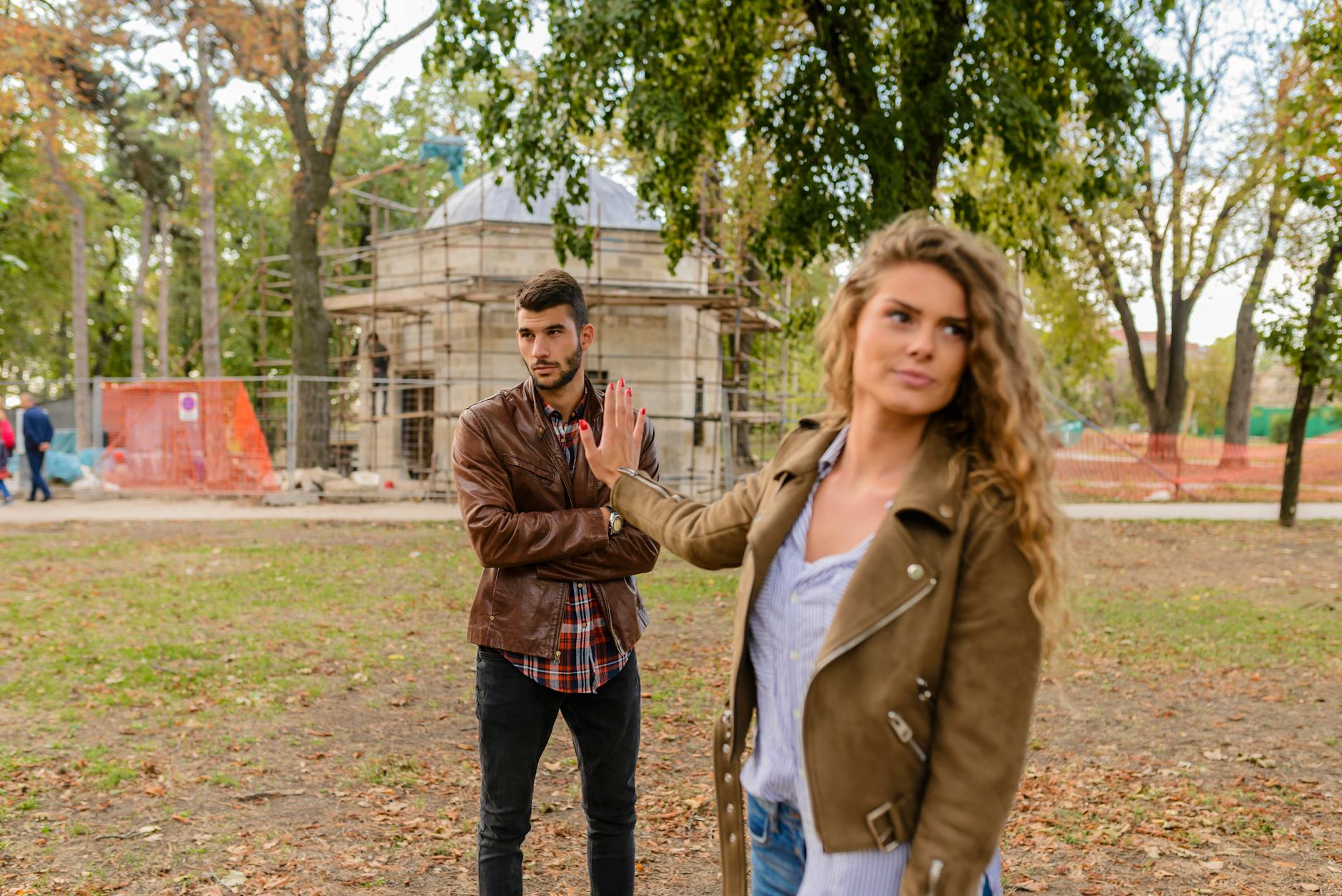
Red Flags in Relationships: Recognizing Emotional Manipulation, Healing After Betrayal, and Building Healthy Boundaries.

Photo by Vera Arsic on Pexels.com

Relationships are designed to provide love, support, and partnership. Yet not all relationships are healthy, and many people ignore warning signs until significant damage is done. Recognizing emotional manipulation, recovering from betrayal, and learning to set boundaries are essential skills for building lasting, God-centered relationships. This article outlines red flags, provides psychological and biblical insights, and offers practical tips for discernment and healing.


1. Understanding Emotional Manipulation

Emotional manipulation occurs when one partner uses guilt, gaslighting, or control to gain power. Psychology defines this as a form of coercive control that erodes self-esteem and autonomy (Simon, 2010). The Bible warns against deceitful hearts: “The heart is deceitful above all things, and desperately wicked” (Jeremiah 17:9, KJV).


2. Common Red Flags of Emotional Manipulation

  • Excessive jealousy or possessiveness
  • Guilt-tripping when you set boundaries
  • Minimizing your feelings (“You’re overreacting”)
  • Gaslighting—making you doubt your memory or perception
  • Isolating you from family and friends
  • Using the silent treatment as punishment
  • Constantly shifting blame

3. Questions for Reflection on Red Flags

  • Do I feel smaller or weaker when I’m with this person?
  • Am I constantly apologizing though I did nothing wrong?
  • Does this person respect my “no”?
  • Am I free to express my faith, opinions, and goals without ridicule?

🚩 50 Red Flags in Relationships

Emotional Manipulation

  1. Constant guilt-tripping
  2. Gaslighting (making you doubt your reality)
  3. Silent treatment as punishment
  4. Excessive jealousy
  5. Love-bombing (over-the-top affection, then withdrawal)
  6. Controlling who you see or where you go
  7. Minimizing your feelings (“You’re too sensitive”)
  8. Shifting blame onto you
  9. Withholding affection to get their way
  10. Making everything about them

Lack of Respect

  1. Dismissing your opinions or ideas
  2. Interrupting or talking over you
  3. Mocking your beliefs or faith
  4. Publicly embarrassing you
  5. Ignoring your boundaries
  6. Refusing to apologize
  7. Using past mistakes against you
  8. Acting superior or condescending
  9. Treating you like property, not a partner
  10. Disregarding your need for personal time

Betrayal & Trust Issues

  1. Hiding their phone or social media activity
  2. Flirting with others in your presence
  3. Secretive about finances
  4. History of cheating (unrepented)
  5. Lying about small things often
  6. Double standards (“I can, but you can’t”)
  7. Emotional intimacy with others while neglecting you
  8. Refusal to commit
  9. Keeping important life details from you
  10. Prioritizing others over you consistently

Control & Power Imbalances

  1. Making you ask permission for basic decisions
  2. Dictating how you should dress or speak
  3. Criticizing your career or education choices
  4. Using money to control you
  5. Monitoring your whereabouts excessively
  6. Expecting you to sacrifice but never doing so themselves
  7. Using scripture or religion to manipulate you
  8. Refusing to let you grow independently
  9. Gaslighting about spiritual callings or convictions
  10. Expecting blind obedience instead of mutual respect

Emotional Neglect & Abuse

  1. Never celebrating your successes
  2. Dismissing your emotional pain
  3. Explosive anger or unpredictable moods
  4. Making jokes at your expense
  5. Refusing to communicate openly
  6. Never taking responsibility for mistakes
  7. Making you feel unworthy or undeserving of love
  8. Always taking but never giving
  9. Creating fear of abandonment as control
  10. Discouraging your relationship with God

Reflection Questions

  • Do I feel safe expressing myself in this relationship?
  • Do I feel closer to God because of this relationship, or further away?
  • Am I losing my identity in order to please this person?
  • Do I consistently feel valued and respected?

📖 Biblical Insight:
“Can two walk together, except they be agreed?” (Amos 3:3, KJV)
“Love worketh no ill to his neighbour: therefore love is the fulfilling of the law.” (Romans 13:10, KJV)


4. The Psychology of Manipulation

Manipulators thrive on control and often target empathetic individuals. According to attachment theory, those with insecure attachments may be more vulnerable to toxic dynamics (Mikulincer & Shaver, 2007). Recognizing manipulation is the first step toward reclaiming emotional health.


5. The Biblical Warning Against Toxicity

Proverbs 14:7 teaches: “Go from the presence of a foolish man, when thou perceivest not in him the lips of knowledge.” God calls His people to walk in truth and not to remain entangled in webs of deceit.


6. Betrayal and Its Psychological Impact

Betrayal, such as infidelity, leaves deep wounds. Psychologically, betrayal trauma can result in anxiety, depression, and distrust of future partners. Spiritually, betrayal contradicts God’s covenant model of faithfulness in marriage (Hebrews 13:4).


7. Healing After Cheating: First Steps

  • Allow yourself to grieve without shame.
  • Seek counseling or trusted support.
  • Avoid rushing decisions about reconciliation or separation.
  • Pray for clarity and healing.

Psalm 34:18 reminds us: “The Lord is nigh unto them that are of a broken heart.”


8. Questions for Healing

  • Am I blaming myself for someone else’s choice to betray me?
  • Do I still believe I am worthy of love?
  • What boundaries must I set to protect my heart going forward?

9. Psychology of Recovery

Studies show that intentional self-care, therapy, and building social support networks are crucial in emotional recovery (Freyd, 1996). Self-compassion, not self-condemnation, is key.


10. Forgiveness and Discernment

Forgiveness is commanded (Matthew 6:14–15), but forgiveness does not mean foolish trust. Discernment and wisdom are required to determine if a relationship can be rebuilt.


11. Building Healthy Boundaries

Boundaries are not walls but protective guidelines that preserve emotional, spiritual, and physical well-being. Saying “no” is a biblical principle of stewardship over one’s life and body (1 Corinthians 6:19–20).


12. Examples of Healthy Boundaries in Love

  • Respecting personal space and time
  • Clear expectations around communication
  • Financial transparency
  • Spiritual agreement and freedom to worship God
  • Honesty in emotional sharing

13. Questions to Evaluate Boundaries

  • Does this person respect when I say no?
  • Do I feel guilty when prioritizing self-care?
  • Am I able to worship and serve God freely in this relationship?

14. God as the Guide in Relationships

Psalm 37:23 declares: “The steps of a good man are ordered by the Lord.” Relationships flourish when God is at the center. Seeking His wisdom through prayer and Scripture ensures that compromise never leads to self-destruction.


15. Conclusion: Love Rooted in Worth and Wisdom

Recognizing red flags, healing after betrayal, and setting boundaries are all acts of honoring one’s God-given worth. Psychology equips us with tools to understand emotional dynamics, while Scripture provides the ultimate guide. In choosing God as our compass, we learn that true love is not manipulation, betrayal, or abuse—but mutual respect, faith, and covenantal devotion.


References

  • Freyd, J. J. (1996). Betrayal trauma: The logic of forgetting childhood abuse. Harvard University Press.
  • Mikulincer, M., & Shaver, P. R. (2007). Attachment in adulthood: Structure, dynamics, and change. Guilford Press.
  • Simon, G. K. (2010). In sheep’s clothing: Understanding and dealing with manipulative people. Parkhurst Brothers.