
Otherworldly black muse of Cinema
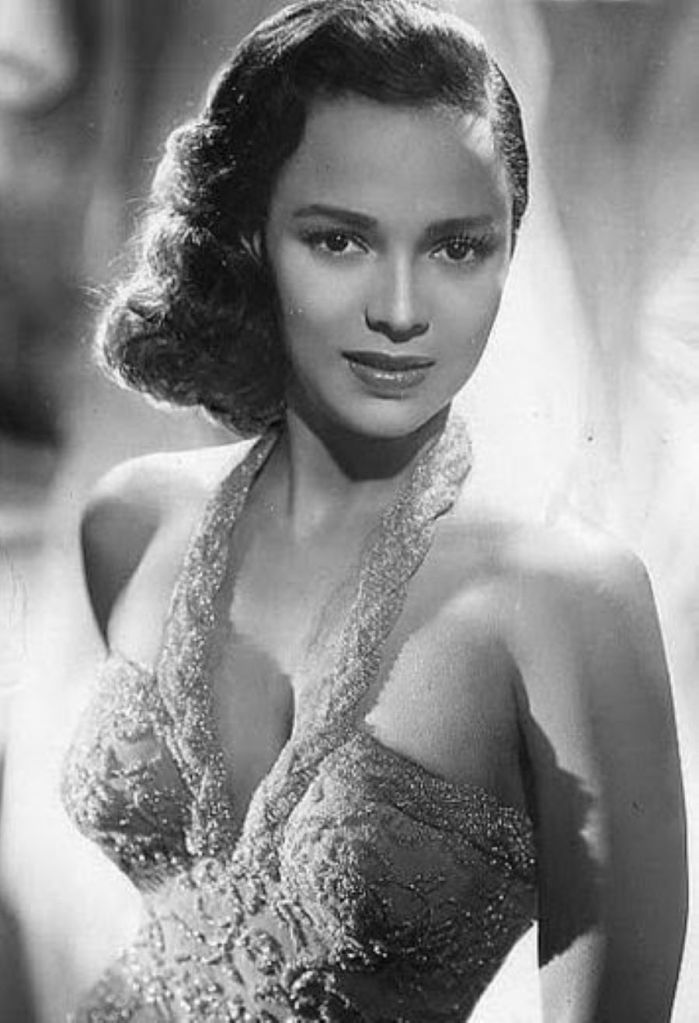
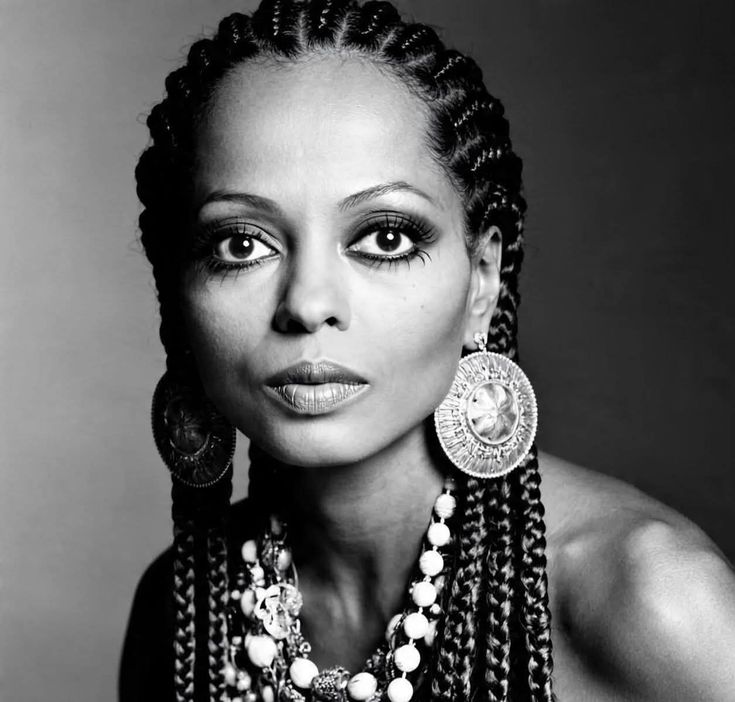
Dorothy Jean Dandridge remains one of the most luminous figures in the history of American cinema—a woman of breathtaking beauty, extraordinary talent, and profound courage who broke barriers for generations of Black actresses. Born on November 9, 1922, in Cleveland, Ohio, she emerged from humble beginnings to become the first African American woman nominated for an Academy Award for Best Actress. Her life was both a triumph and a tragedy, defined by grace, resilience, and the painful realities of racism and colorism in Hollywood’s golden age. With her flawless caramel complexion, delicate features, full lips, and almond-shaped eyes, she became the archetype of cinematic beauty—the original “Black Marilyn Monroe,” yet far deeper and more soulful.
Dorothy’s early life was marked by struggle and instability. Her parents separated before her birth, and she and her sister Vivian were raised by their mother, Ruby Dandridge, a stage performer who recognized her daughters’ natural talent. Ruby was determined that her children would escape poverty through performance. She created an act called “The Wonder Children,” in which Dorothy and Vivian sang and danced in churches throughout the South during the Great Depression. It was a tough childhood filled with long hours and racial discrimination, but it gave Dorothy a foundation in showmanship that would shape her later stardom.
As she grew older, Dorothy’s passion for performance evolved into a desire to act. Her beauty caught the attention of filmmakers, but Hollywood was not ready to embrace a Black actress in leading roles. Her earliest film appearances were minor, often uncredited, and she was typecast as a maid, chorus girl, or “exotic” background beauty. Despite the limited opportunities, her undeniable screen presence shone through. She soon realized that she would need to fight harder than most to be seen not just as a singer or a dancer, but as a serious actress.
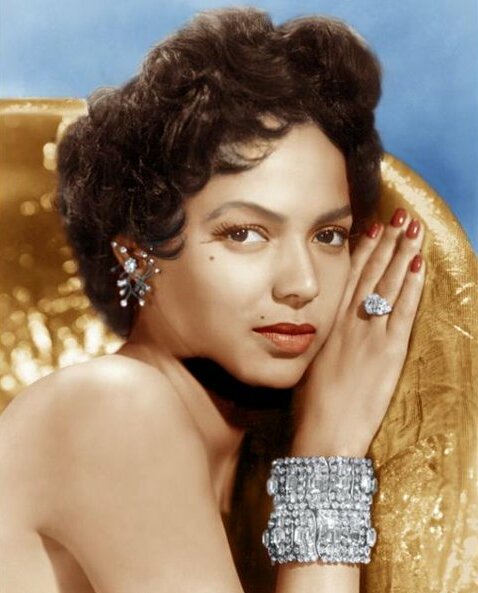
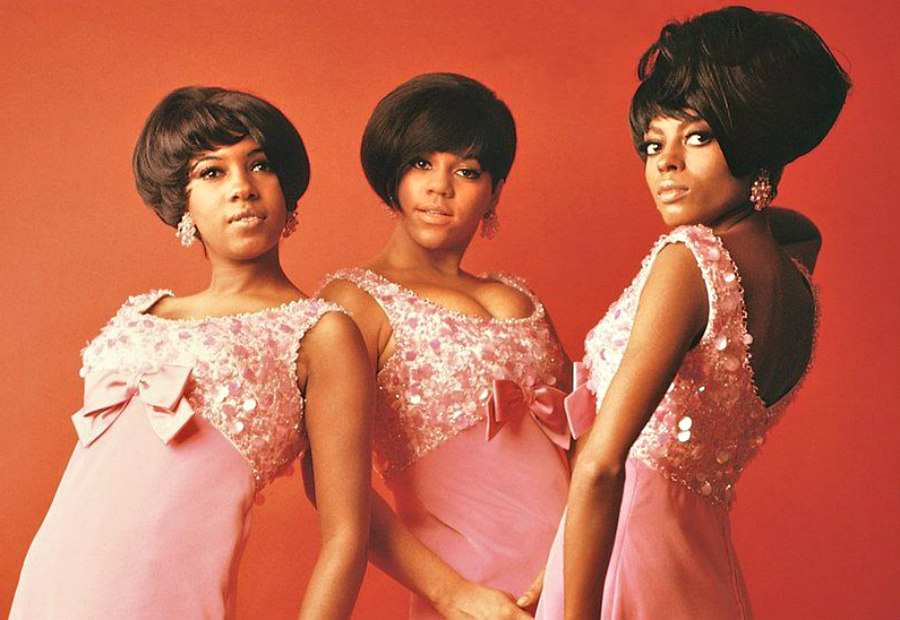
In the 1940s, Dorothy performed with the musical trio “The Dandridge Sisters,” alongside her sister Vivian and their friend Etta Jones. The group performed at the Cotton Club and other prestigious venues, dazzling audiences with their harmonies and elegance. These performances brought Dorothy into the orbit of Hollywood elites and introduced her to industry power players. Yet even as her popularity grew, she was often subjected to the cruelty of racism—barred from staying in the very hotels she performed in and forced to use side entrances to glamorous clubs that showcased her talent.
Her breakthrough came in 1954 when she starred as the seductive and complex Carmen Jones in Otto Preminger’s adaptation of Bizet’s opera Carmen. Her portrayal of Carmen was electrifying—sensual, intelligent, and layered with vulnerability. It was a defining performance that earned her an Academy Award nomination for Best Actress, making her the first Black woman in history to receive such an honor. Her role in Carmen Jones shattered Hollywood’s color barrier and proved that Black women could carry major motion pictures with the same magnetism and skill as their white counterparts.
Dorothy’s beauty was both her blessing and her curse. She was often described as “too beautiful for a Black actress” by studio executives who struggled to fit her into the narrow roles Hollywood reserved for women of color. Colorism played a cruel role in her career—she was considered light enough to be “acceptable” to white audiences but still Black enough to face discrimination from the industry. Directors and producers often fetishized her appearance, exoticizing her rather than recognizing her as a woman of depth and intellect.
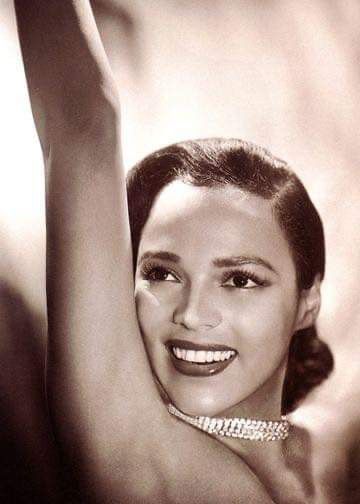
Her personal life reflected the same turbulence she faced professionally. Dorothy married dancer Harold Nicholas of the famed Nicholas Brothers in 1942. The marriage produced one child, Harolyn Suzanne Nicholas, who was born with brain damage and required lifelong care. The emotional and financial strain of caring for her daughter deeply affected Dorothy, contributing to the collapse of her marriage. She later had a relationship with director Otto Preminger, who cast her in Carmen Jones and later Porgy and Bess (1959), but their affair was marred by the racial politics of the time and his refusal to publicly acknowledge their relationship.
Her portrayal in Porgy and Bess alongside Sidney Poitier and Sammy Davis Jr. was another milestone in her career, though it was overshadowed by behind-the-scenes tension and the studio’s handling of the film. Despite the challenges, her performance once again displayed her remarkable ability to infuse complex emotion into her roles. She was not merely acting—she was expressing the frustrations, desires, and dreams of an entire generation of Black women who longed to be seen and respected.
Dorothy’s journey in Hollywood was marked by systemic racism and sexism. She was denied the roles her talent deserved, often replaced by white actresses in films she had been promised. She was invited to glamorous parties but forbidden to swim in hotel pools. Hollywood, while dazzled by her beauty, refused to offer her the humanity it extended to her white peers. She became a tragic symbol of a racist system that could idolize a Black woman’s image while destroying her spirit.
Behind the glamour, Dorothy struggled with loneliness and depression. Her finances suffered due to poor management, and her once-promising career began to fade in the 1960s. Yet even as her circumstances worsened, she continued to fight for her dignity and her art. She performed in nightclubs and continued to act in smaller roles, holding onto her dream that Hollywood would one day recognize her true worth.
Dorothy Dandridge’s untimely death in 1965 at the age of 42 shocked the world. Officially ruled an accidental overdose of antidepressants, many believed her death was a result of exhaustion and despair. She was buried in Los Angeles’ Forest Lawn Cemetery, leaving behind a legacy that was only fully appreciated decades later.
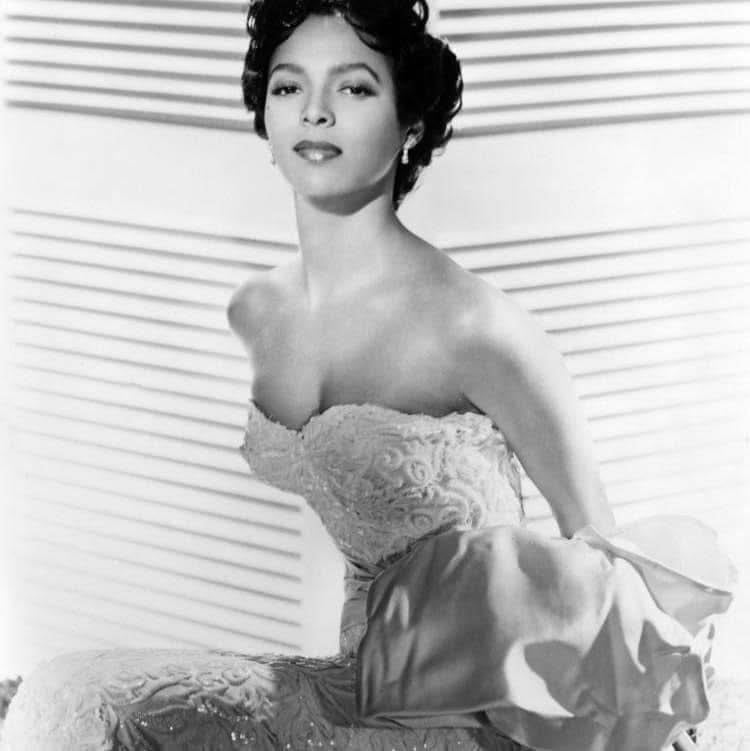
Her influence, however, endured. In 1999, Halle Berry portrayed Dorothy Dandridge in the HBO film Introducing Dorothy Dandridge, a performance that earned Berry both an Emmy and a Golden Globe Award. Halle Berry credited Dorothy as a personal inspiration, saying that her own success as the first Black woman to win an Oscar for Best Actress in 2002 was possible because Dorothy had walked that difficult path first. In many ways, Halle’s triumph was the completion of Dorothy’s interrupted dream.
Dorothy Dandridge contributed to the world not just through her artistry but through her courage. She challenged Hollywood’s racist boundaries, bringing dignity, sensuality, and sophistication to roles previously denied to Black women. She paved the way for actresses like Diahann Carroll, Cicely Tyson, Halle Berry, and countless others who followed in her footsteps.
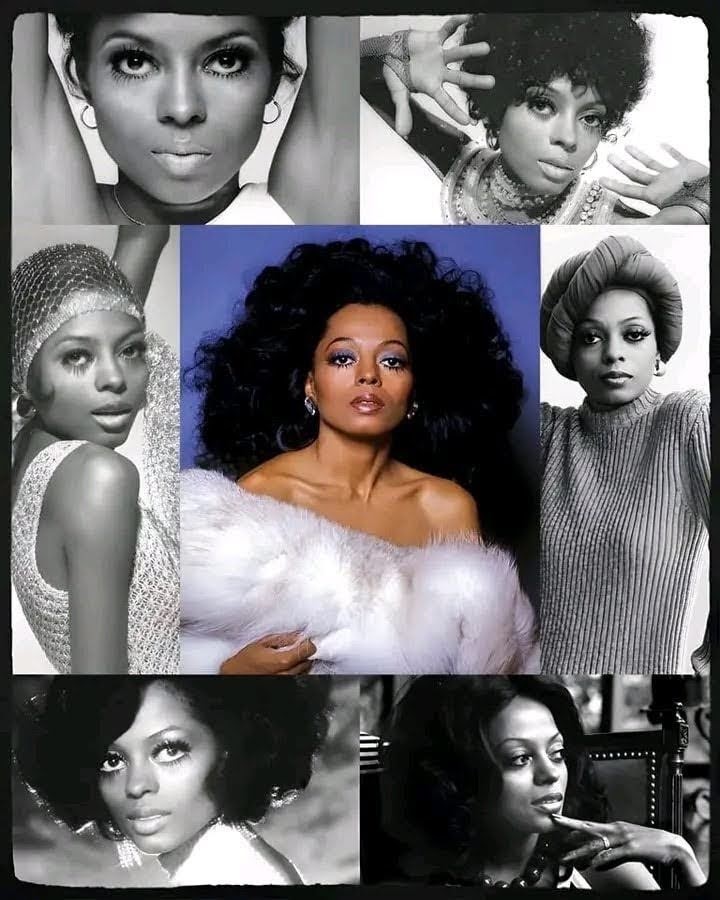
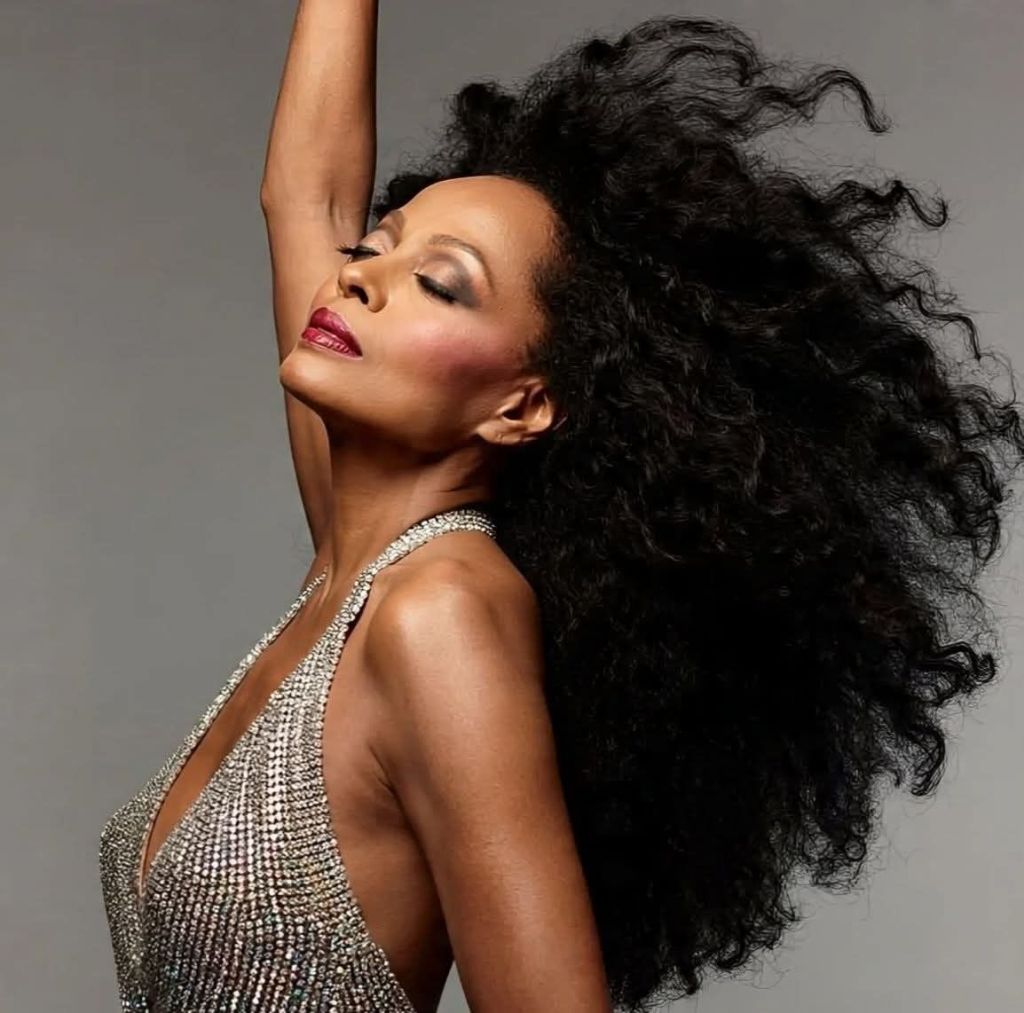
She also redefined Black beauty on the global stage, making her one of the epitomes of the Ebony Dolls series. Her elegance, grace, and poise influenced fashion, music, and film aesthetics, introducing a new archetype of the Black leading lady—refined, sensual, and complex. Her beauty was not just physical; it was spiritual and artistic, a reflection of her intelligence and emotional depth.
In her lifetime, Dorothy received numerous accolades, including a historic Academy Award nomination, a Golden Globe nomination, and multiple posthumous honors recognizing her contributions to cinema. In 1962, she was awarded a Hollywood Walk of Fame star, ensuring her name would remain immortalized among the legends of film.
Today, Dorothy Dandridge is remembered as more than an actress—she is a symbol of perseverance, artistry, and grace under oppression. Her story is one of triumph over systemic injustice, of beauty and brilliance in a world that often sought to dim her light.
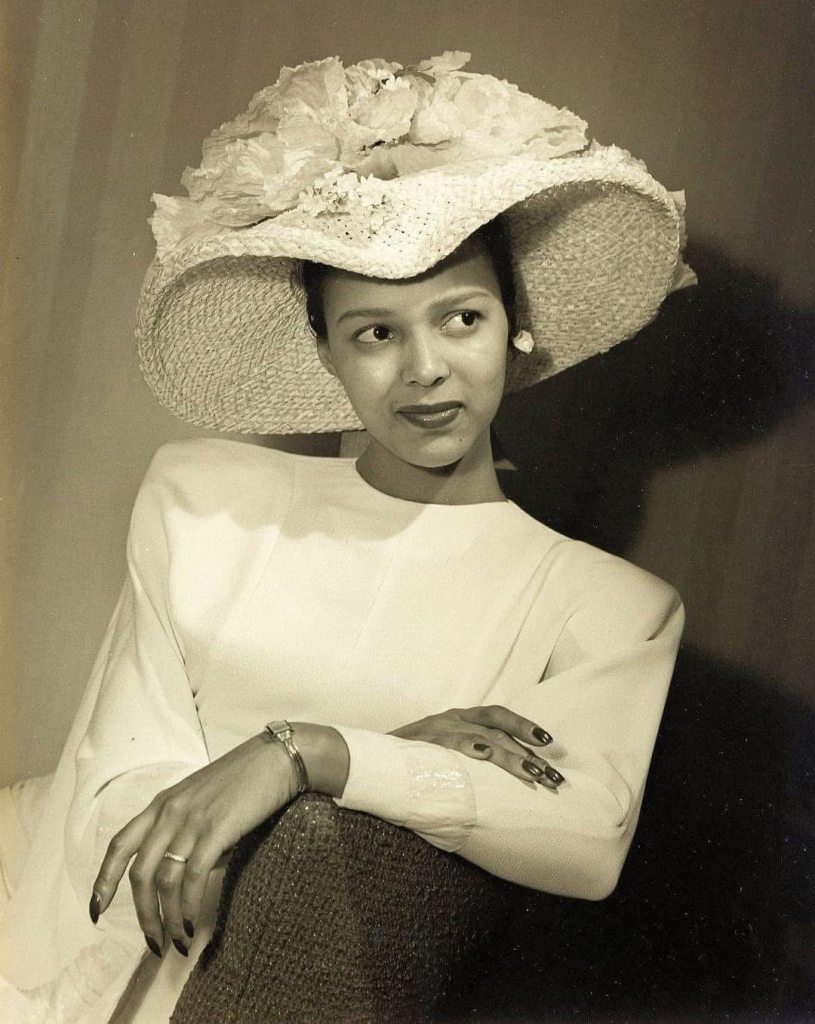
Through her voice, her movement, and her gaze, Dorothy gave dignity to desire, humanity to glamour, and truth to the illusion of Hollywood. She opened doors that others would one day walk through freely. Her beauty was never merely skin deep—it was the radiance of a soul that refused to be silenced.
Dorothy Dandridge’s legacy remains a beacon for artists and dreamers worldwide. She proved that even in a world built to deny her light, she could still shine—and in doing so, she illuminated the path for every Black woman who dared to dream after her.
References
- Donald Bogle. (2006). Dorothy Dandridge: A Biography. Amistad Press.
- Berry, H. (Producer). (1999). Introducing Dorothy Dandridge [Film]. HBO Films.
- Encyclopedia Britannica. (2024). Dorothy Dandridge. Retrieved from https://www.britannica.com
- IMDB. (2024). Dorothy Dandridge Biography. Retrieved from https://www.imdb.com
- Bogle, D. (2017). Toms, Coons, Mulattoes, Mammies, and Bucks: An Interpretive History of Blacks in American Films. Bloomsbury Publishing.















 THE BROWN GIRL DILEMMA