Category Archives: beauty bias

Beauty Series: The Halo Effect – How Attractiveness Shapes Perception

The concept of the “halo effect” has fascinated psychologists, sociologists, and everyday observers for decades. At its core, the halo effect describes a cognitive bias whereby one prominent positive trait, such as physical attractiveness, influences the perception of other unrelated traits. In other words, when someone appears beautiful, people often assume they are also intelligent, kind, successful, or trustworthy, even without evidence.

The halo effect was first formally studied by psychologist Edward Thorndike in 1920, who observed that commanding officers in the military rated subordinates more positively across unrelated categories if they excelled in one area. While Thorndike’s research did not focus on physical attractiveness, it laid the groundwork for understanding how first impressions can distort judgment across traits.

Later research explicitly explored how beauty generates this cognitive bias. Dion, Berscheid, and Walster (1972) coined the phrase “what is beautiful is good,” showing that physically attractive individuals were perceived as more socially competent, morally upright, and even happier than less attractive peers. Their experiments highlighted the enduring psychological power of appearance.

The halo effect operates unconsciously. People are rarely aware that their assessments are influenced by attractiveness. This automatic bias can affect evaluations in nearly every area of life, from employment decisions and leadership selection to dating preferences and legal judgments.

One of the most striking examples of the halo effect occurs in the workplace. Attractive employees are often assumed to be more competent and capable of leadership, even when performance metrics are identical. Studies show that attractive individuals receive better performance reviews, higher starting salaries, and more promotional opportunities.

In education, teachers may unconsciously give more favorable evaluations to students they perceive as attractive. This subtle form of bias reinforces social inequalities and demonstrates that the halo effect has tangible consequences beyond social perception.

The halo effect is not limited to positive traits. A single negative feature or action can produce a “horn effect,” in which one perceived flaw leads observers to assume other negative qualities. Both effects illustrate the same cognitive shortcut: humans generalize from salient cues to form overall impressions.

Physical attractiveness is closely tied to evolutionary psychology. Humans are wired to perceive health, symmetry, and vitality as indicators of genetic fitness. These evolutionary preferences amplify the halo effect, making beautiful people appear more capable or desirable.

Modern research expands the halo effect to digital spaces. Social media, filters, and photo-editing software amplify attractiveness cues, often creating inflated perceptions of competence, confidence, or social status. Gulati et al. (2024) demonstrate that AI-enhanced beauty can exacerbate the halo effect, influencing online hiring, social influence, and even dating behavior.

Cultural standards of beauty further shape the halo effect. What is considered attractive in one society may differ in another, yet the cognitive bias persists universally. Studies show that while facial symmetry and skin clarity are often valued cross-culturally, attributes such as height, body proportion, and grooming also contribute to halo-based judgments.

Celebrities and public figures benefit disproportionately from the halo effect. Actors, musicians, and politicians who are conventionally attractive often receive amplified media coverage, favorable reviews, and greater public trust, regardless of their actual competence or achievements.

The halo effect also influences judicial outcomes. Research indicates that defendants who are physically attractive receive more lenient sentences and more favorable juror assessments than less attractive defendants. This underscores how subconscious biases can infiltrate systems of justice.

In romantic relationships, attractiveness plays a dual role. Attractive individuals are often assumed to possess positive personality traits, leading to increased attention, dating opportunities, and perceived compatibility. However, these assumptions are not always accurate, and reliance on the halo effect can lead to misjudgment and disappointment.

Educational institutions, workplaces, and legal systems have developed training and awareness programs to mitigate the halo effect. By making evaluators conscious of their biases, organizations aim to reduce the disproportionate influence of attractiveness on decisions that should rely on objective criteria.

Despite its negative consequences, the halo effect can also have positive social functions. It can facilitate smoother social interactions, foster trust, and encourage prosocial behavior when applied unconsciously in small, everyday encounters. The challenge lies in balancing instinctual perceptions with critical assessment.

Media representation further entrenches halo-driven biases. Television, advertising, and film often equate beauty with moral virtue, intelligence, and social desirability, reinforcing societal beliefs about the link between appearance and character. These portrayals perpetuate stereotypes that extend the halo effect beyond personal observation.

The halo effect intersects with gender and race. Studies reveal that attractive women often experience both advantage and heightened scrutiny, while attractive men are perceived as more competent and dominant. Cultural biases also affect how attractiveness is perceived across different racial groups, revealing the interplay between beauty standards and systemic inequality.

Beauty standards evolve over time, yet the halo effect remains consistent. From Renaissance portraits to modern Instagram filters, humans are inclined to generalize from visible cues of beauty to judgments about competence, character, and social value.

Awareness of the halo effect empowers individuals to question first impressions. By actively seeking objective evidence and critically evaluating assumptions, people can reduce the unconscious influence of attractiveness on decisions, creating fairer evaluations in education, employment, and social judgment.

Ultimately, the halo effect demonstrates the profound power of perception in shaping human interactions. Beauty influences how people are treated, what opportunities they receive, and how society interprets their value. Recognizing this bias is a first step toward creating equitable systems that honor true merit over appearance.


References

Dion, K., Berscheid, E., & Walster, E. (1972). What is beautiful is good. Journal of Personality and Social Psychology, 24(3), 285–290.

Thorndike, E. L. (1920). A constant error in psychological ratings. Journal of Applied Psychology, 4(1), 25–29.

Talamas, S. N., Mavor, K. I., & Perrett, D. I. (2016). Blinded by beauty: Attractiveness bias and accurate perceptions of academic performance. PLoS ONE, 11(2), e0148284.

Gulati, A., Martínez-Garcia, M., Fernández, D., Lozano, M. A., Lepri, B., & Oliver, N. (2024). What is beautiful is still good: The attractiveness halo effect in the era of beauty filters. Computers in Human Behavior, 152, 107034.

Fiske, S. T., & Taylor, S. E. (2013). Social cognition: From brains to culture (2nd ed.). Sage Publications.

Nisbett, R. E., & Wilson, T. D. (1977). The halo effect: Evidence for unconscious alteration of judgments. Journal of Personality and Social Psychology, 35(4), 250–256.

Rosen, S., & Grossman, J. (2020). Attractiveness bias: Implications for education, employment, and justice. Social Science Review, 42(3), 112–128.


The Economics of Beauty Bias

Physical appearance has long influenced social and economic outcomes, but the intersection of beauty and economics extends beyond superficial preference. Scholars have demonstrated that “beauty bias” affects employment, wages, promotions, and even perceptions of competence. Those who conform more closely to socially sanctioned standards of attractiveness often receive tangible economic advantages, while those who do not face systemic disadvantages. Thus, beauty is not merely aesthetic — it functions as a form of social capital with measurable economic consequences.

Studies in labor economics have consistently identified a “beauty premium,” wherein attractive individuals earn higher wages and experience faster career advancement than their less conventionally attractive peers. This phenomenon transcends gender, though its magnitude is often greater for women due to historical gendered expectations and the commodification of female appearance. Employers’ implicit biases reinforce these disparities, translating societal beauty norms into financial outcomes.

The mechanisms behind beauty bias are multifaceted. Cognitive psychology suggests that physical attractiveness triggers a “halo effect,” where positive traits are inferred from appearance. Attractive individuals are often perceived as more competent, trustworthy, and socially adept. These perceptions influence hiring decisions, client relations, and peer evaluations, creating a feedback loop in which beauty becomes both a signal and a form of economic leverage.

Beauty bias is also intertwined with race and ethnicity. Historical and contemporary standards have privileged Eurocentric features, marginalizing people of color and reinforcing structural inequalities. For Black women, this manifests as compounded discrimination: societal devaluation of darker skin, hair texture, or features intersects with gendered expectations, limiting access to economic opportunities while amplifying pressure to conform to dominant ideals.

The media and advertising industries exacerbate economic disparities tied to appearance. Representation in fashion, television, and corporate imagery often favors specific beauty standards, signaling which appearances are socially desirable and economically valuable. This systemic visibility shapes consumer behavior, career aspirations, and self-perception, further reinforcing the economic advantages of beauty.

In addition to income effects, beauty bias influences access to professional networks, mentorship, and career capital. Attractive individuals are more likely to receive invitations to key social and professional spaces, creating opportunities for skill development, sponsorship, and advancement. Conversely, those who diverge from conventional standards may face subtle exclusion, limiting both tangible and intangible resources that drive career success.

The consequences of beauty bias extend beyond the individual, affecting societal efficiency and equity. Organizations that reward appearance over merit risk underutilize talent, reducing productivity and innovation. Furthermore, beauty-based economic stratification perpetuates social hierarchies, reinforcing inequality across race, class, and gender lines. Addressing this bias is therefore not only a moral imperative but also an economic one.

Policy interventions and organizational strategies can mitigate beauty bias. Blind hiring processes, diversity training, and structured evaluation criteria reduce the influence of appearance in decision-making. Similarly, promoting diverse representations of beauty challenges cultural norms and expands the range of socially and economically valued appearances, reducing systemic inequities.

From a theoretical standpoint, beauty bias illustrates the intersection of sociology, economics, and psychology. It demonstrates how social constructs translate into material outcomes and highlights the embeddedness of cultural values within economic systems. Appearance, in this framework, is both symbolic and instrumental: a social signal with quantifiable consequences.

Ultimately, the economics of beauty bias reveals the pervasive power of appearance in shaping opportunity, wealth, and social mobility. Recognizing and addressing these dynamics is critical for creating equitable systems in which merit, skill, and character — rather than conformity to aesthetic ideals — determine success. Beauty, as a form of economic capital, must be understood not as personal preference but as a structural force with measurable consequences.


References

Hamermesh, D. S., & Biddle, J. E. (1994). Beauty and the labor market. American Economic Review, 84(5), 1174–1194.

Kelley, H. H. (1973). The processes of causal attribution. American Psychological Association.

Langlois, J. H., Kalakanis, L., Rubenstein, A. J., Larson, A., Hallam, M., & Smoot, M. (2000). Maxims or myths of beauty? A meta-analytic and theoretical review. Psychological Bulletin, 126(3), 390–423.

Moss, P., & Tilly, C. (2001). Stories employers tell: Race, skill, and hiring in America. Russell Sage Foundation.

Stavins, R., & Hamermesh, D. (2017). Gender, attractiveness, and labor market outcomes: Cross-country evidence. Journal of Economic Behavior & Organization, 140, 232–252.

Wolf, N. (1991). The beauty myth: How images of beauty are used against women. HarperCollins.

Fiske, S. T., Cuddy, A. J. C., & Glick, P. (2007). Universal dimensions of social cognition: Warmth and competence. Trends in Cognitive Sciences, 11(2), 77–83.

Beauty Series: The Worship of Physical Beauty #physicalbeauty

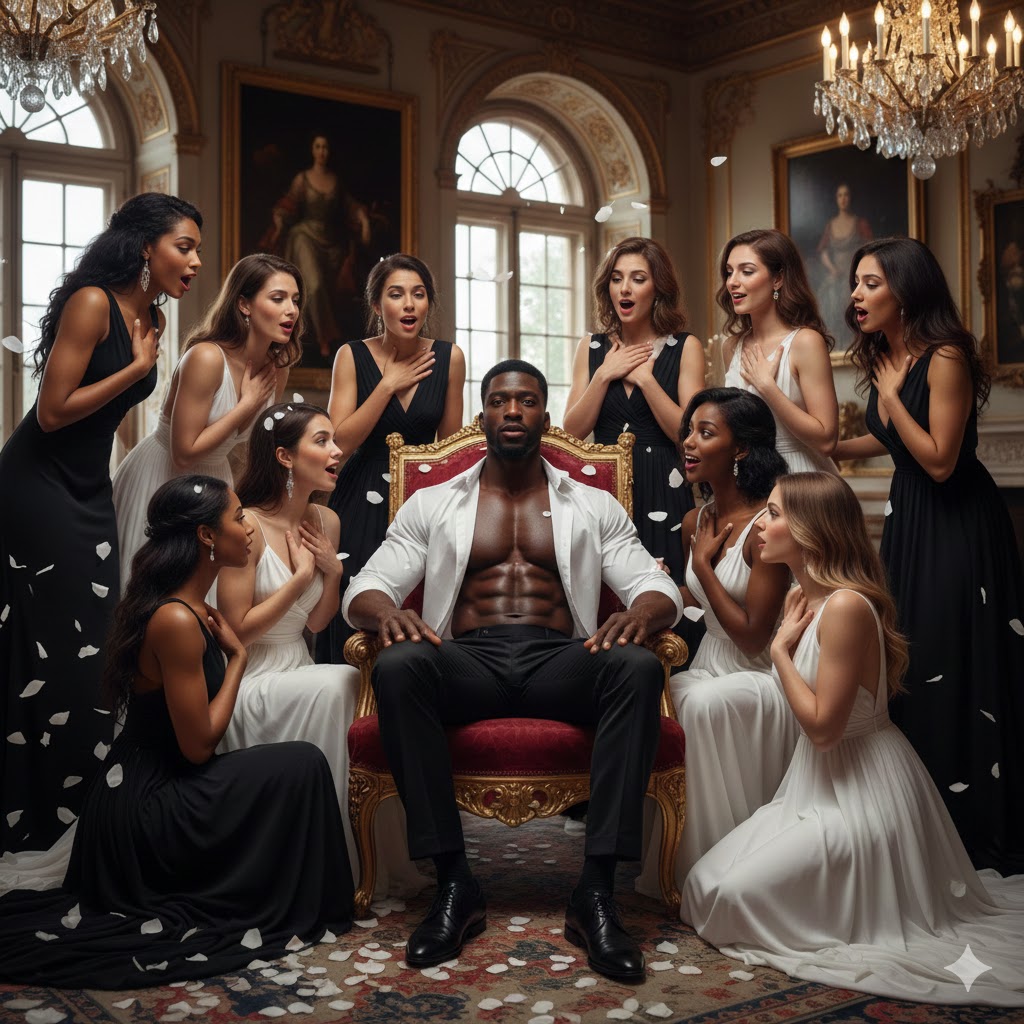
A man once told me that if he were not a man of God, he would worship me because of my physical beauty. What he likely intended as a compliment revealed something far deeper and more troubling—the ease with which admiration can slip into idolatry. His words exposed how modern culture elevates physical beauty beyond appreciation, transforming it into an object of reverence, desire, and spiritual misplacement.

The worship of physical beauty is not new, but it has intensified in an age driven by images, screens, and constant comparison. Beauty is no longer simply noticed; it is exalted. Bodies and faces are elevated to near-divine status, treated as sources of meaning, validation, and power rather than temporary attributes of human life.

When beauty becomes worshiped, it assumes a role reserved for God. Scripture warns against idolatry precisely because it displaces the Creator with the created. Physical beauty, when elevated above character, wisdom, and moral grounding, becomes a false god—demanding attention, sacrifice, and loyalty.

This worship is reinforced by social systems. Media, advertising, and entertainment industries monetize beauty by attaching worth, success, and desirability to physical appearance. The more beautiful the image, the greater its economic and social value. As a result, beauty becomes currency rather than a trait.

Psychologically, beauty worship shapes identity. Those deemed attractive are conditioned to understand themselves through the gaze of others. Research on objectification demonstrates that constant visual evaluation leads individuals to internalize an observer’s perspective, fragmenting the self into body parts rather than a whole person.

For women, especially, beauty worship carries moral contradiction. A beautiful woman is praised for her appearance, yet punished for the attention it attracts. She is admired publicly and judged privately, desired but distrusted, elevated yet reduced. This double bind creates emotional strain and self-surveillance.

Men are not immune to beauty worship, though it manifests differently. Masculine beauty is increasingly commodified, tied to status, sexual prowess, and dominance. The pressure to embody idealized physiques contributes to insecurity, steroid use, and body dysmorphia among men.

Spiritually, beauty worship distorts relationships. When admiration replaces reverence for God, attraction becomes entitlement. The beautiful are no longer seen as neighbors or equals but as objects to possess, conquer, or idolize. This dynamic erodes mutual respect and spiritual clarity.

The biblical narrative consistently resists this elevation of appearance. Scripture reminds readers that God does not see as humans see, for people look on the outward appearance, but the Lord looks on the heart. This principle directly confronts cultures that assign worth visually.

Beauty worship also fuels comparison and envy. Social media intensifies this process by presenting curated perfection as reality. Studies show that repeated exposure to idealized images increases dissatisfaction, depression, and anxiety, even among those who meet beauty standards.

The idolization of beauty is ultimately fragile. Physical attractiveness is temporary, vulnerable to age, illness, and time. When identity is built upon appearance, inevitable change becomes crisis. Fear of losing beauty often results in cosmetic obsession and psychological distress.

Those who are worshiped for beauty often experience isolation. Being admired does not equate to being known. Praise centered on appearance can silence deeper aspects of identity, discouraging vulnerability and reducing relational intimacy.

Faith traditions challenge beauty worship by redirecting attention toward inner transformation. Humility, discipline, and wisdom are presented as enduring virtues. In this framework, beauty is acknowledged but subordinated to righteousness and character.

The statement “I would worship you” reveals how easily admiration can cross into spiritual disorder. Worship involves surrender, devotion, and ultimate value. When these are directed toward a human body, both the admirer and the admired are harmed.

For the one being worshiped, such attention creates pressure to maintain an image rather than live freely. Beauty becomes obligation. The individual is no longer allowed to age, fail, or be ordinary without perceived loss of value.

Beauty worship also obscures accountability. Attractive individuals are often excused or condemned disproportionately based on appearance rather than behavior. This distortion undermines justice and moral clarity.

Healing requires dismantling beauty’s false divinity. Psychological research emphasizes grounding identity in values, purpose, and relationships rather than external validation. Spiritually, this means re-centering worship where it belongs.

Beauty itself is not sinful; worshiping it is. Appreciation honors creation, but worship replaces God. The distinction lies in whether beauty points beyond itself or demands reverence.

When beauty is properly ordered, it becomes an expression rather than an idol. It can be enjoyed without control, admired without possession, and recognized without exaltation.

The burden of beauty worship reveals a cultural hunger for meaning. In the absence of spiritual grounding, appearance becomes a substitute salvation. Yet it cannot sustain the soul.

True freedom emerges when beauty is dethroned and humanity restored. In that liberation, the beautiful are no longer worshiped, and the worshipers are no longer lost—both are returned to their rightful place as human beings, not gods.

References

Fredrickson, B. L., & Roberts, T. A. (1997). Objectification theory: Toward understanding women’s lived experiences and mental health risks. Psychology of Women Quarterly, 21(2), 173–206.

Eagly, A. H., Ashmore, R. D., Makhijani, M. G., & Longo, L. C. (1991). What is beautiful is good, but… A meta-analytic review of research on the physical attractiveness stereotype. Psychological Bulletin, 110(1), 109–128.

Langlois, J. H., Kalakanis, L., Rubenstein, A. J., Larson, A., Hallam, M., & Smoot, M. (2000). Maxims or myths of beauty? A meta-analytic and theoretical review. Psychological Bulletin, 126(3), 390–423.

Calogero, R. M., Tantleff-Dunn, S., & Thompson, J. K. (2011). Self-objectification in women: Causes, consequences, and counteractions. American Psychological Association.

Twenge, J. M., & Campbell, W. K. (2009). The narcissism epidemic: Living in the age of entitlement. Free Press.

Hunter, M. (2007). The persistent problem of colorism: Skin tone, status, and inequality. Sociology Compass, 1(1), 237–254.

Beauty Sins: Judged by the Flesh

In modern society, physical beauty operates as both a form of privilege and a source of scrutiny, shaping social interactions, professional opportunities, and relational dynamics. Individuals whose appearances align with conventional standards often receive favorable treatment, whereas those who deviate are marginalized, judged, or denied empathy. This phenomenon, often referred to as “pretty privilege,” has profound psychological, social, and cultural implications (Langlois et al., 2000; Eagly et al., 1991).

The “halo effect” explains why attractive individuals are assumed to possess desirable personality traits, such as intelligence, kindness, or competence (Dion, Berscheid, & Walster, 1972). Conversely, individuals considered less attractive may be unfairly perceived as flawed, lazy, or untrustworthy. These biases, though largely subconscious, perpetuate inequities and social hierarchies rooted in appearance.

Cultural expectations of beauty are gendered and racialized. Women, in particular, face pressures to maintain physical attractiveness, often measured against Eurocentric standards, while men encounter standards that emphasize muscularity or facial symmetry. For Black women, these pressures intersect with colorism and societal stereotypes, creating compounded challenges (Hunter, 2007).

Judgment based on fleshly appearance fosters social alienation and psychological distress. Research demonstrates that individuals marginalized for perceived unattractiveness are more susceptible to anxiety, depression, and reduced self-esteem, affecting both personal well-being and social mobility (Langlois et al., 2000).

The media reinforces appearance-based evaluation through idealized images in advertising, television, and social media. Constant exposure to curated beauty standards creates unrealistic expectations and normalizes judgment based on physical traits rather than character or competence (Wolf, 1991).

Social settings often reveal the stark consequences of beauty bias. Attractive individuals may gain access to social networks, career opportunities, and preferential treatment, while others, equally talented or morally virtuous, are overlooked. These disparities illustrate that beauty functions as a form of currency within contemporary culture (Hosoda, Stone-Romero, & Coats, 2003).

Colorism intensifies the judgment of Black bodies. Lighter-skinned individuals frequently receive positive attention and social advantage, while darker-skinned individuals are systematically devalued in social, professional, and romantic contexts. This inequity underscores how appearance-based biases intersect with racial hierarchies (Hunter, 2007).

In relational contexts, the privileging of beauty influences both romantic and platonic interactions. Attractive individuals often receive increased attention and favorable treatment, reinforcing social hierarchies based on appearance (Eagly et al., 1991). Less attractive individuals may struggle to achieve recognition or empathy, perpetuating feelings of exclusion and invisibility.

Religious and ethical perspectives challenge the primacy of physical appearance. Scripture reminds believers that God values character, virtue, and the heart over outward beauty (1 Samuel 16:7, KJV). Faith traditions encourage evaluating individuals by moral integrity rather than superficial attributes, promoting equity and compassion.

The consequences of beauty-based judgment extend to professional domains. Hiring decisions, promotions, and workplace evaluations are influenced by perceived attractiveness, disadvantaging those who do not conform to societal ideals (Hosoda et al., 2003). This systemic bias perpetuates structural inequities tied to appearance.

Psychological resilience can mitigate the effects of beauty-based discrimination. Developing self-worth independent of societal validation, cultivating supportive social networks, and emphasizing skill, intelligence, and moral character contribute to empowerment and reduced vulnerability to external judgment.

The commodification of beauty amplifies its social power. Cosmetic industries, fashion media, and influencer culture profit from insecurities about appearance, reinforcing the notion that attractiveness equates to social and economic advantage (Wolf, 1991).

Educational environments are similarly affected. Attractive students often receive favorable treatment from educators and peers, while those deemed less attractive may experience marginalization or underestimation of ability, shaping long-term outcomes (Langlois et al., 2000).

Intersecting identities, such as gender, race, and socioeconomic status, compound appearance-based bias. Black women, for example, may face both beauty-based and racialized discrimination, highlighting the layered nature of societal judgment (Hunter, 2007).

Legal outcomes also demonstrate the impact of beauty bias. Studies indicate that attractive defendants are more likely to receive lenient sentencing, whereas those considered less attractive face harsher treatment, revealing the systemic influence of physical appearance (Dion et al., 1972).

Media literacy and critical engagement are essential tools for mitigating the influence of beauty-based judgment. Encouraging diverse representations and challenging narrow beauty ideals fosters awareness and reduces the social and psychological harm of appearance bias (Marwick, 2017).

The ethical implications of judging by the flesh extend to everyday interactions. Valuing character, competence, and relational integrity over appearance promotes fairness, empathy, and social cohesion. Cultivating these values counters the superficiality reinforced by cultural norms.

Public discourse increasingly addresses the societal cost of beauty-based privilege. Awareness campaigns, research, and representation efforts highlight the importance of evaluating individuals beyond surface appearance, fostering equity and inclusivity (Zebrowitz & Montepare, 2008).

In conclusion, beauty sins—judging individuals based on their flesh—perpetuate social inequities, psychological distress, and systemic bias. A conscious shift toward evaluating character, virtue, and competence over outward appearance is necessary to foster fairness, empathy, and genuine human connection.

References

Dion, K., Berscheid, E., & Walster, E. (1972). What is beautiful is good. Journal of Personality and Social Psychology, 24(3), 285–290.

Eagly, A. H., Ashmore, R. D., Makhijani, M. G., & Longo, L. C. (1991). What is beautiful is good, but…: A meta-analytic review of research on the physical attractiveness stereotype. Psychological Bulletin, 110(1), 109–128.

Hosoda, M., Stone-Romero, E. F., & Coats, G. (2003). The effects of physical attractiveness on job-related outcomes: A meta-analysis of experimental studies. Personnel Psychology, 56(2), 431–462.

Hunter, M. (2007). The persistent problem of colorism: Skin tone, status, and inequality. Sociology Compass, 1(1), 237–254.

Langlois, J. H., Kalakanis, L., Rubenstein, A. J., Larson, A., Hallam, M., & Smoot, M. (2000). Maxims or myths of beauty? A meta-analytic and theoretical review. Psychological Bulletin, 126(3), 390–423.

Marwick, A. (2017). Status update: Celebrity, publicity, and branding in the social media age. Yale University Press.

Wolf, N. (1991). The beauty myth: How images of beauty are used against women. HarperCollins.

Zebrowitz, L. A., & Montepare, J. M. (2008). Social perception from the face: Mechanisms and meaning. Social and Personality Psychology Compass, 2(3), 1497–1517.

Holy Bible, King James Version (KJV). 1 Samuel 16:7.

Beauty Bias: The Silent Oppressor

Beauty has always been more than skin deep. Across societies, the standards of attractiveness are not merely aesthetic preferences—they are mechanisms of privilege, discrimination, and social control. Those who meet societal ideals are often rewarded, while those who diverge face subtle and overt marginalization. This phenomenon, widely referred to as beauty bias, operates silently but powerfully, influencing career trajectories, social opportunities, and interpersonal relationships (Hamermesh & Biddle, 1994).

From an early age, children learn who is “desirable” and who is not. Research shows that teachers often unconsciously favor students deemed more attractive, offering them more attention and positive reinforcement (Langlois et al., 2000). This early conditioning establishes a lifelong connection between appearance and social advantage. In many ways, it mirrors the biblical admonition that God judges the heart rather than outward appearance (1 Samuel 16:7, KJV). Yet society’s persistent fixation on outward beauty undermines this spiritual principle.

In professional spaces, beauty bias manifests as a measurable advantage in hiring, promotion, and salary. Attractive individuals are often perceived as more competent, intelligent, and socially adept, even when qualifications are identical (Riniolo et al., 2006). For Black women and men, this bias is compounded by colorism, where lighter skin tones receive preferential treatment within and outside their communities (Hunter, 2007). The resulting inequity is both economic and psychological, reinforcing systemic barriers.

Media and advertising perpetuate and normalize narrow beauty standards. From fashion magazines to television commercials, the celebration of Eurocentric features marginalizes those who do not conform. These representations create a cultural hierarchy that equates beauty with moral worth and social value (Wolf, 1991). The spiritual dimension of this bias cannot be overstated: scripture repeatedly warns against superficial judgment (Matthew 23:27-28, KJV), highlighting the danger of equating external beauty with inner virtue.

The psychological toll of beauty bias is profound. Individuals who fail to meet societal ideals experience lower self-esteem, higher rates of depression, and social anxiety (Cash & Pruzinsky, 2002). For adolescents, particularly girls, these pressures intensify as social media amplifies curated images of perfection. The silent oppressor thus infiltrates the mind, shaping identity, self-perception, and life choices.

Beauty bias intersects with race, gender, and socioeconomic status. Black women, for instance, face a dual burden: discrimination based on both race and deviation from Western beauty norms. Studies indicate that darker-skinned Black women earn less and are less likely to be considered for leadership positions than lighter-skinned peers (Hannon, 2019). In workplaces, schools, and social spaces, these compounded biases reinforce cycles of marginalization.

Cultural institutions often codify beauty bias. Lawsuits against companies for discrimination based on appearance reveal a troubling reality: while race, gender, and age are protected, appearance often remains a loophole for inequity (Eagly & Makhijani, 1992). The lack of formal recognition allows beauty bias to operate invisibly, shaping lives without accountability.

Historically, beauty bias has been weaponized to enforce social hierarchies. Colonialism and slavery manipulated perceptions of beauty to privilege Eurocentric features, fostering internalized inferiority among colonized populations (Hunter, 2007). This historical layering explains why contemporary beauty bias often overlaps with colorism and racialized ideals, particularly in the African diaspora.

In religious contexts, beauty bias is also evident. The biblical story of Leah and Rachel (Genesis 29:17, KJV) reflects societal preferences for outward beauty, highlighting how cultural values can distort human relationships and worth. Rachel’s favor due to her appearance sparked envy and relational tension, mirroring modern experiences of beauty-based preferential treatment.

Social media has amplified beauty bias to unprecedented levels. Algorithms prioritize images conforming to conventional attractiveness, creating a feedback loop of validation for some and exclusion for others (Fardouly et al., 2015). The constant exposure to idealized appearances magnifies the pressure to conform, often at the expense of mental health and authentic self-expression.

Education and intervention are key to combating beauty bias. Awareness campaigns and inclusive media representation can help dismantle harmful stereotypes. Research underscores the importance of cultivating environments where competence, character, and creativity are valued over appearance (Hosoda et al., 2003). This approach aligns with spiritual teachings emphasizing inner virtue over external form (Proverbs 31:30, KJV).

Beauty bias is not limited to women. Men also face societal pressures to conform to physical ideals, affecting employment opportunities, social acceptance, and self-perception (Grammer & Thornhill, 1994). These expectations create a gendered dimension to bias, showing that societal obsession with appearance impacts everyone, albeit differently.

Consumer culture intensifies beauty bias through commodification of attractiveness. Cosmetic procedures, fashion, and fitness industries profit from insecurities created by narrow beauty ideals (Wolf, 1991). This economic exploitation transforms appearance into currency, perpetuating inequality and reinforcing the silent oppressor.

Intersectionality offers a critical lens to understand beauty bias. Kimberlé Crenshaw’s framework illustrates how overlapping identities—race, gender, age, and class—shape the intensity and impact of appearance-based discrimination (Crenshaw, 1991). Black women, low-income individuals, and non-conforming genders often face compounded pressures that limit access to opportunities and social mobility.

The workplace remains a battleground for beauty bias. Studies show that attractive employees are often evaluated more favorably during performance reviews and receive more promotions, regardless of skill level (Hamermesh & Biddle, 1994). These inequities exacerbate existing disparities in income and professional advancement, particularly for marginalized groups.

Mental health consequences extend beyond self-esteem. Individuals targeted by beauty bias may develop body dysmorphic disorder, eating disorders, and chronic stress, creating long-term psychological harm (Cash & Pruzinsky, 2002). Addressing beauty bias, therefore, is not merely an aesthetic concern but a public health imperative.

Media representation can challenge beauty bias. Initiatives highlighting diverse body types, skin tones, and features disrupt conventional hierarchies and provide validation for marginalized groups (Hunter, 2007). Representation matters because it shapes cultural norms, informs perceptions of worth, and challenges the silent oppressor embedded in social consciousness.

Biblical scripture offers guidance on resisting societal fixation on appearance. In 1 Peter 3:3-4 (KJV), the apostle emphasizes inner beauty and a gentle spirit over external adornment, urging believers to cultivate virtues that endure beyond fleeting aesthetics. Such spiritual insight directly counters the societal obsession with physical attractiveness.

Ultimately, beauty bias operates as a form of structural and cultural oppression. It silently privileges some while disadvantaging others, creating invisible barriers in education, employment, social interaction, and personal development. Recognizing and addressing this bias requires intentionality, cultural critique, and systemic intervention.

By elevating character, competence, and inner virtue over superficial standards, societies can mitigate the silent oppressor of beauty bias. Through education, media representation, and spiritual alignment with biblical principles, individuals and institutions can begin to dismantle these inequities, creating a world where worth is measured by substance rather than appearance.


References

  • Cash, T. F., & Pruzinsky, T. (2002). Body image: A handbook of theory, research, and clinical practice. Guilford Press.
  • Crenshaw, K. (1991). Mapping the margins: Intersectionality, identity politics, and violence against women of color. Stanford Law Review, 43(6), 1241–1299.
  • Eagly, A. H., & Makhijani, M. G. (1992). Gender and the evaluation of leaders: A meta-analysis. Psychological Bulletin, 111(1), 3–22.
  • Fardouly, J., Diedrichs, P. C., Vartanian, L. R., & Halliwell, E. (2015). Social comparisons on social media: The impact of Facebook on young women’s body image concerns and mood. Body Image, 13, 38–45.
  • Grammer, K., & Thornhill, R. (1994). Human facial attractiveness and sexual selection: The role of symmetry and averageness. Journal of Comparative Psychology, 108(3), 233–242.
  • Hamermesh, D. S., & Biddle, J. E. (1994). Beauty and the labor market. American Economic Review, 84(5), 1174–1194.
  • Hannon, P. A. (2019). Colorism in the workplace: Skin tone and employment outcomes. Journal of Black Studies, 50(4), 350–372.
  • Hosoda, M., Stone-Romero, E. F., & Coats, G. (2003). The effects of physical attractiveness on job-related outcomes: A meta-analysis of experimental studies. Personnel Psychology, 56(2), 431–462.
  • Hunter, M. L. (2007). The persistent problem of colorism: Skin tone, status, and inequality. Sociology Compass, 1(1), 237–254.
  • Langlois, J. H., Kalakanis, L., Rubenstein, A. J., Larson, A., Hallam, M., & Smoot, M. (2000). Maxims or myths of beauty? A meta-analytic and theoretical review. Psychological Bulletin, 126(3), 390–423.
  • Riniolo, T. C., Johnson, K. D., Sherman, S. J., & Trezza, G. (2006). Is beauty best? Physical attractiveness and the accumulation of social resources. Personality and Social Psychology Bulletin, 32(9), 1157–1169.
  • Wolf, N. (1991). The beauty myth: How images of beauty are used against women. HarperCollins.