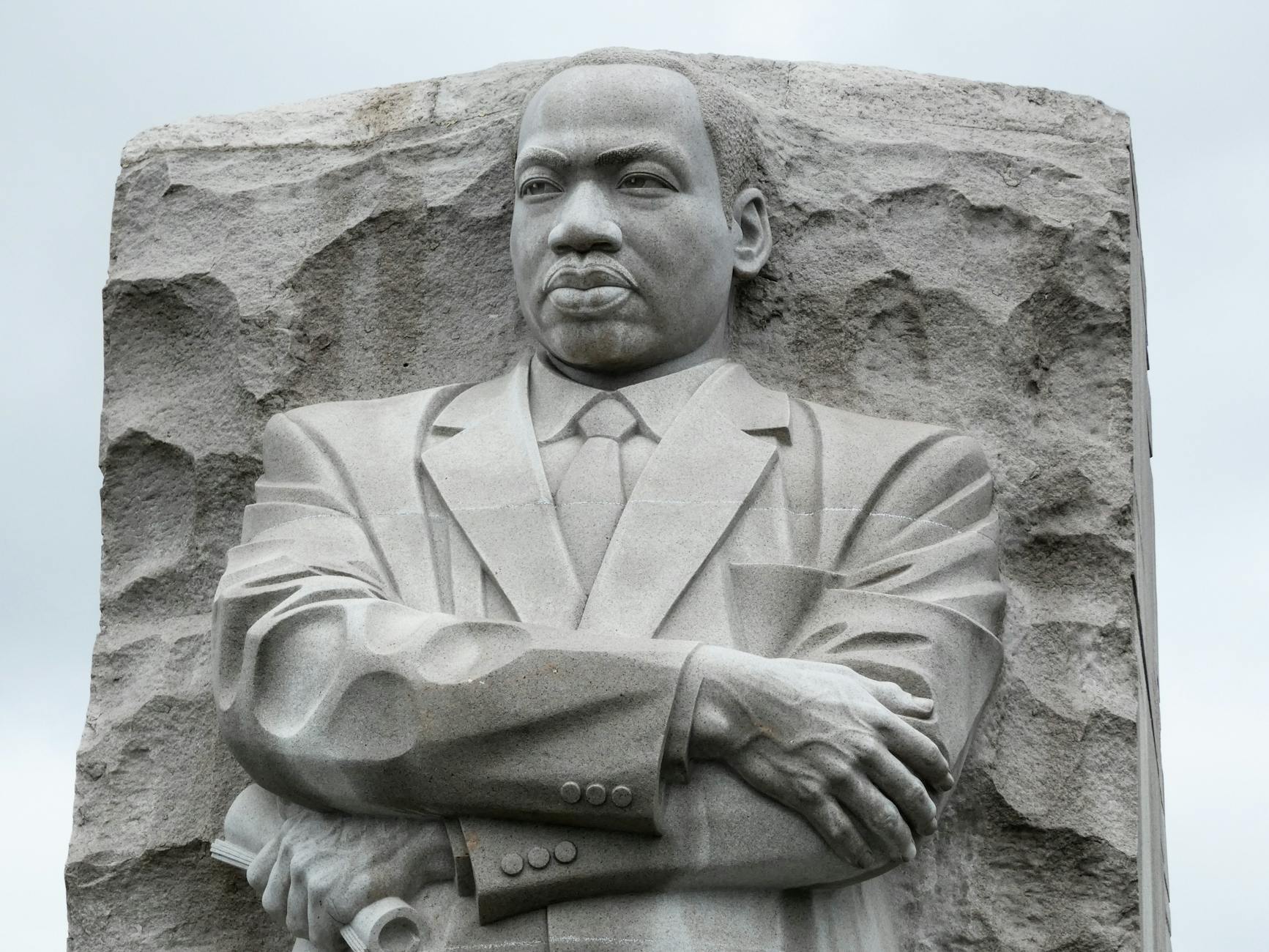
Category Archives: american history

Pathways to Liberation: The Freedom Fighters of the Underground Railroad and Their Legacy in Black Resistance.

Introduction

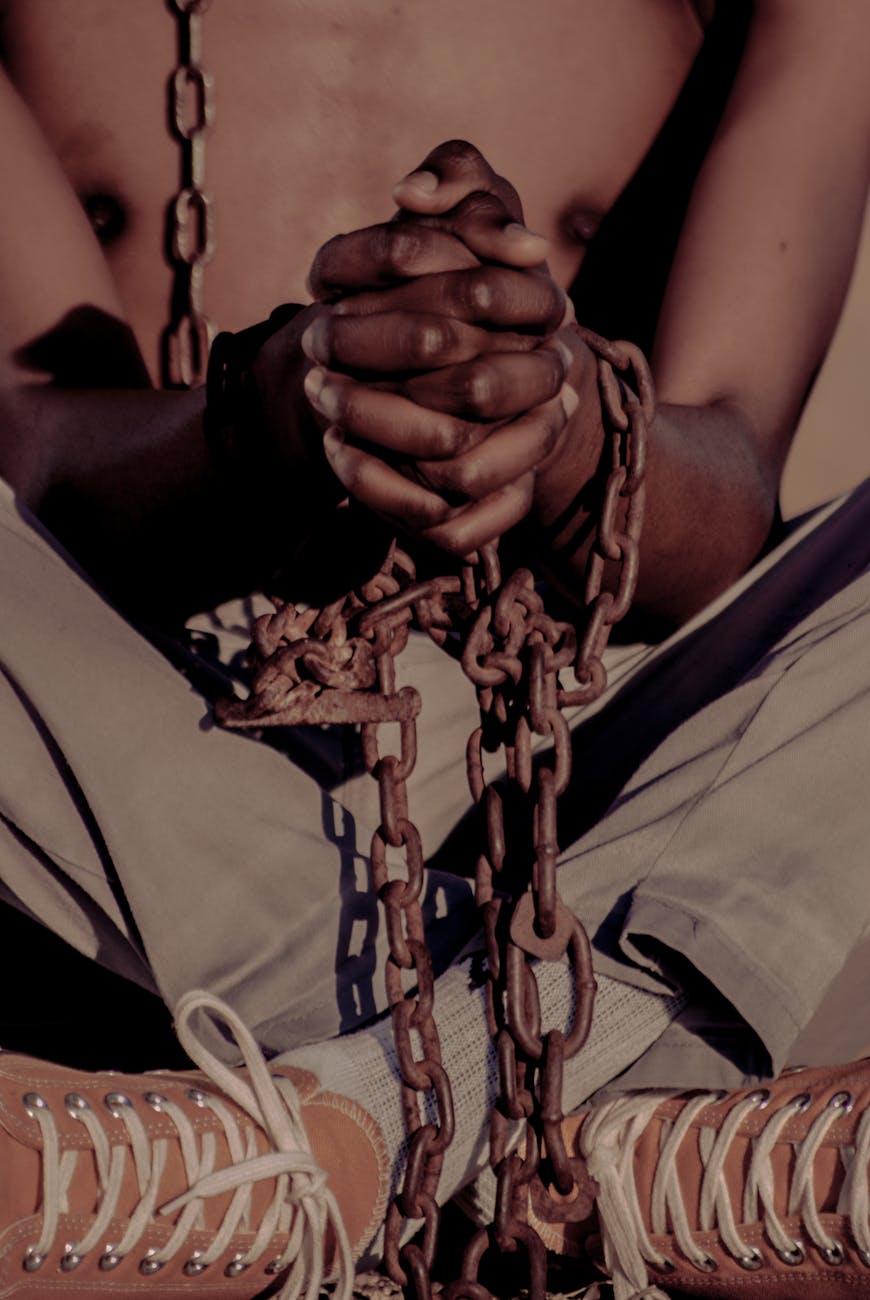
In the harrowing chapters of American history, few movements embody both the resilience of the oppressed and the defiance against systemic cruelty as powerfully as the Underground Railroad. This clandestine network of routes, safe houses, and allies helped thousands of enslaved African Americans flee bondage in pursuit of liberty. Central to this movement were extraordinary men and women—freedom fighters—who risked everything to resist the institution of slavery. Among them, figures like Harriet Tubman and Frederick Douglass emerged as enduring symbols of Black courage, leadership, and hope. This essay explores their biographies, the origins of the Underground Railroad, the treatment of African Americans during slavery, and the broader sociopolitical context under which this resistance occurred.


Understanding the Underground Railroad

The Underground Railroad was neither underground nor a literal railroad. It was a covert network established in the early 19th century, primarily between 1810 and 1860, that provided escape routes and safe havens for enslaved African Americans fleeing from Southern plantations to freedom in the North and Canada. Conductors, stationmasters, and abolitionist allies—both Black and white—worked in secrecy to protect fugitives from capture and re-enslavement.

The term was symbolic: “conductors” guided fugitives, “stations” were hiding places, and “cargo” referred to those escaping bondage. This movement represented a large-scale act of civil disobedience against federal laws like the Fugitive Slave Act (1850), which penalized those aiding escapees. The Underground Railroad was a revolutionary act of Black agency and interracial cooperation (Horton & Horton, 1997).


Top 5 Freedom Fighters of the Underground Railroad

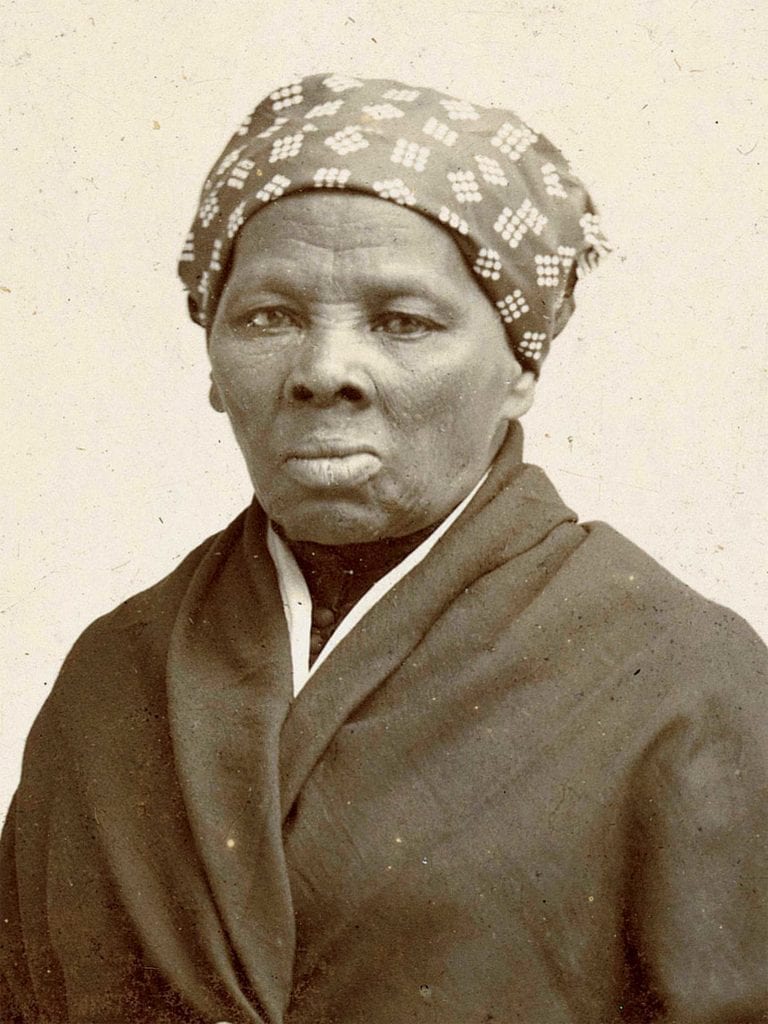
  1. Harriet Tubman (c. 1822–1913)
    Born Araminta Ross in Dorchester County, Maryland, Tubman escaped slavery in 1849 and went on to become the most famous conductor of the Underground Railroad. She made over 13 missions to the South, rescuing around 70 enslaved individuals, including family members. Tubman later served as a Union spy during the Civil War and advocated for women’s suffrage. She never had biological children but adopted a daughter, Gertie Davis, with her second husband, Nelson Davis. Her contribution is unparalleled in symbolizing Black resistance and unwavering commitment to freedom (Clinton, 2004).
  2. Frederick Douglass (1818–1895)
    Born Frederick Augustus Washington Bailey in Talbot County, Maryland, Douglass escaped slavery in 1838. He became a leading orator, abolitionist, writer, and statesman. His autobiographies, especially Narrative of the Life of Frederick Douglass, an American Slave, exposed the cruelty of slavery to a wide audience. Douglass married Anna Murray, a free Black woman who helped him escape, and they had five children. After Anna’s death, he married Helen Pitts, a white feminist. Douglass’s home in Rochester, New York, was a known stop on the Underground Railroad. He was also an advisor to President Abraham Lincoln (Blight, 2018).
  3. William Still (1821–1902)
    Often called the “Father of the Underground Railroad,” Still was a free Black man born in New Jersey. He documented the stories of hundreds of fugitives he helped through Philadelphia. His records, later published in The Underground Railroad (1872), are a crucial historical source. Still coordinated operations with conductors like Tubman and was instrumental in the Philadelphia Vigilance Committee. His brother, Peter Still, was enslaved, which gave William a personal stake in the cause (Still, 1872).
  4. Sojourner Truth (c. 1797–1883)
    Born Isabella Baumfree in Ulster County, New York, Truth escaped slavery in 1826. She became a powerful abolitionist and women’s rights advocate. Known for her speech “Ain’t I a Woman?”, she traveled across the nation preaching the injustices of slavery and gender inequality. Truth had five children and legally fought to recover her son, making her one of the first Black women to win a court case against a white man. While not a conductor per se, her speeches inspired the abolitionist cause deeply (Painter, 1996).
  5. Levi Coffin (1798–1877)
    A white Quaker and businessman from North Carolina, Coffin helped an estimated 3,000 slaves to freedom, earning him the title “President of the Underground Railroad.” He and his wife, Catharine, used their home in Indiana—and later Ohio—as a major depot. Though not Black himself, Coffin’s lifelong dedication to abolition was a crucial link in the network, showing interracial cooperation in the fight for justice (Coffin, 1876).

A Brief History of Slavery in the United States

Slavery in America began in 1619 with the arrival of the first enslaved Africans in Virginia. By the 18th century, chattel slavery had become a cornerstone of the Southern economy. Enslaved people were legally considered property, denied basic rights, and subjected to inhumane conditions, forced labor, sexual violence, and family separations.

By the early 1800s, over 4 million African Americans were enslaved in the United States. Resistance took many forms—rebellions, literacy, culture, and escape via the Underground Railroad. The psychological and physical torment endured under this system forged a legacy of trauma, resilience, and cultural endurance that shapes Black identity today.


Black Treatment by Society During the Period

Enslaved Black people were denied citizenship, education, autonomy, and family stability. The Fugitive Slave Acts (1793 and 1850) criminalized escape and punished those aiding fugitives. Free Blacks faced racial violence, segregation, and systemic disenfranchisement. Society regarded African Americans as subhuman, a sentiment codified in the infamous 1857 Dred Scott v. Sandford decision, which declared that no Black person could claim U.S. citizenship (Fehrenbacher, 1978).


Presidential Response: Abraham Lincoln and the Slavery Question

During the height of Underground Railroad activity, Abraham Lincoln (1809–1865), the 16th president, played a complicated role. Elected in 1860, Lincoln initially prioritized preserving the Union over ending slavery. However, his views evolved under the pressures of war and abolitionist influence. He issued the Emancipation Proclamation in 1863, which declared freedom for slaves in Confederate territories. While limited in scope, it marked a turning point in U.S. policy and helped shift the Civil War into a moral battle over slavery (McPherson, 1988).


Conclusion

The story of the Underground Railroad is one of profound moral courage and strategic resistance against one of the greatest evils in American history. Harriet Tubman, Frederick Douglass, and their allies—Black and white—offered the enslaved more than just escape; they embodied the possibility of a new life and future. These freedom fighters’ legacy endures in the ongoing struggle for racial justice, freedom, and human dignity.


References

  • Blight, D. W. (2018). Frederick Douglass: Prophet of Freedom. Simon & Schuster.
  • Clinton, C. (2004). Harriet Tubman: The Road to Freedom. Little, Brown and Company.
  • Coffin, L. (1876). Reminiscences of Levi Coffin. Western Tract Society.
  • Fehrenbacher, D. E. (1978). The Dred Scott Case: Its Significance in American Law and Politics. Oxford University Press.
  • Horton, J. O., & Horton, L. E. (1997). In Hope of Liberty: Culture, Community and Protest Among Northern Free Blacks, 1700-1860. Oxford University Press.
  • McPherson, J. M. (1988). Battle Cry of Freedom: The Civil War Era. Oxford University Press.
  • Painter, N. I. (1996). Sojourner Truth: A Life, A Symbol. W. W. Norton & Company.
  • Still, W. (1872). The Underground Railroad: Authentic Narratives and First-Hand Accounts. Porter & Coates.

The Colorism Trap: When Skin Tone Becomes a Cage.

All photographs are the property of their respective owners.

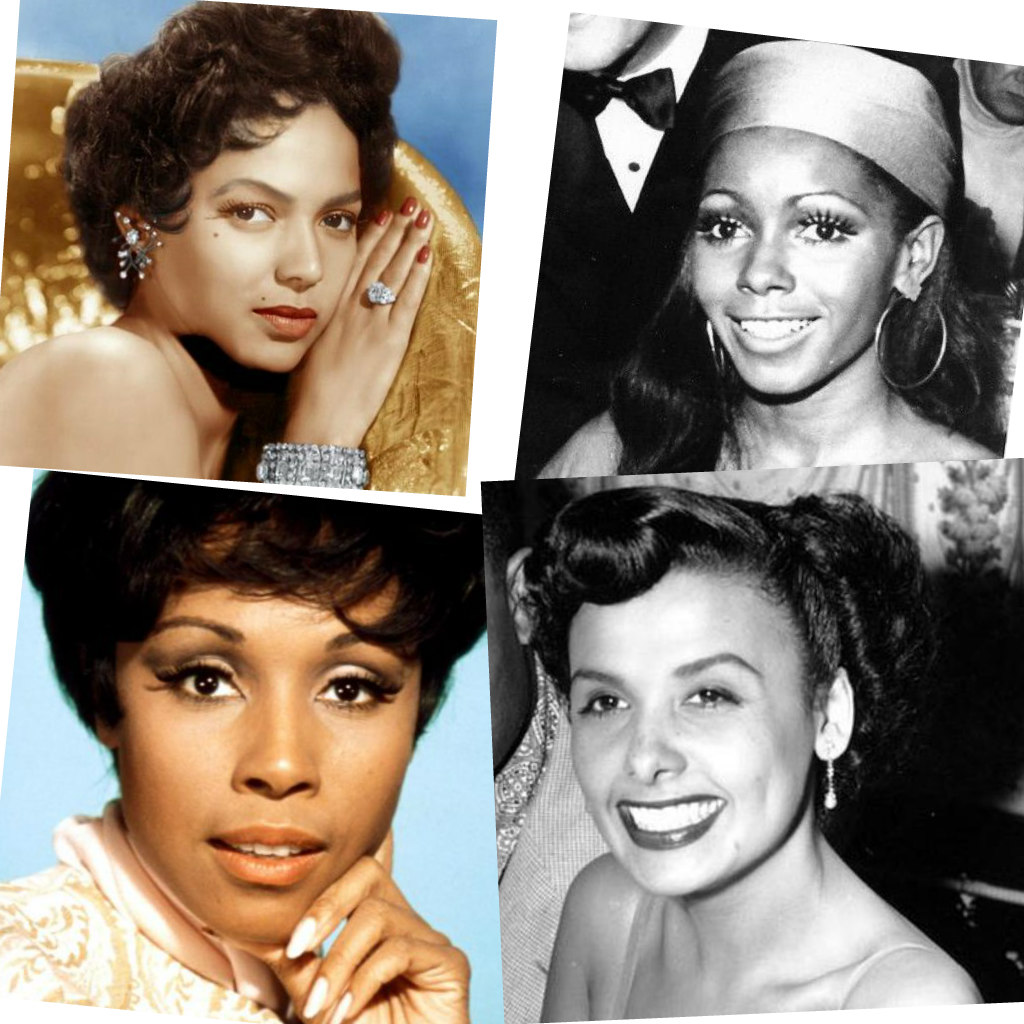
Colorism, the preferential treatment of lighter skin within communities of color and the entertainment industry, has long functioned as both a ladder and a cage for Black women. While it opened certain doors in Hollywood, it simultaneously confined actresses to narrow roles, stereotypes, and expectations. For legendary women such as Dorothy Dandridge, Lena Horne, and Diahann Carroll, their luminous beauty made them icons, but their careers were shaped and constrained by how closely their appearances aligned with Eurocentric ideals. At the same time, darker-skinned actresses like Judy Pace often faced underrepresentation and stereotyping, demonstrating how the “cage” of colorism traps women on both ends of the spectrum. Younger actresses like Nia Long and Sanaa Lathan inherited both the opportunities and burdens of this skin-tone hierarchy, proving that the cage still lingers today.

The Cage of Colorism: A Comparative View

Lighter-Skinned ActressesDarker-Skinned Actresses
Examples: Dorothy Dandridge, Lena Horne, Halle BerryExamples: Judy Pace, Viola Davis, Gabourey Sidibe 
Elevated as “acceptable” Black beauty by HollywoodOften excluded from leading roles altogether
Cast in glamorous or “palatable” rolesCast in stereotypical roles (sassy, tough, hypersexual)
Visibility increased, but freedom limited to narrow rolesVisibility decreased, opportunities scarce
They may win the awards but still face the same discrimination as their darker black peers. Used as symbols of progress for diversity, but only on Hollywood’s terms. They may win awards, but they still face racism in Hollywood
Trapped in an image of exoticized yet safe BlacknessTrapped in invisibility or typecasting
Their beauty opened doors, but they were rarely fully embraced as equals to white peersTheir talent often overlooked despite equal or greater ability

👉 This chart shows how colorism cages women on both sides of the spectrum:

  • Lighter-skinned actresses were celebrated but restricted.
  • Darker-skinned actresses were sidelined or stereotyped.

Dorothy Dandridge and Lena Horne: The “Acceptable” Faces of Black Beauty

Dorothy Dandridge, the first Black woman nominated for an Academy Award for Best Actress (Carmen Jones, 1954), embodied both progress and limitation. Hollywood celebrated her lighter complexion and Eurocentric features, casting her as the glamorous Black woman who could be exoticized yet palatable to white audiences (Levy, 2012). Lena Horne faced similar struggles. While MGM signed her to a long-term contract in the 1940s, the studio refused to cast her in leading roles opposite white actors. Instead, she was often placed in standalone musical numbers that could be cut from films when shown in segregated Southern theaters (Watkins, 1994). Their beauty allowed them entry, but their skin tone became a cage: they were “acceptable” but never fully embraced.

Diahann Carroll and Frieda Washington: Elegance in a Narrow Frame

Diahann Carroll, though groundbreaking as the first Black woman to star in a non-stereotypical television role (Julia, 1968), still found her career circumscribed by Hollywood’s narrow vision of Black femininity. Her elegance was celebrated, but darker-skinned actresses of equal talent were often excluded, revealing the industry’s entrenched bias (Hooks, 1992). Likewise, Frieda Washington, though talented and striking, was often overshadowed by Hollywood’s fixation on casting Black actresses who most resembled white ideals of beauty.

Judy Pace: The Other Side of the Cage

Unlike Dandridge and Horne, Judy Pace entered Hollywood in the late 1960s as a darker-skinned beauty. Best known for films like Cotton Comes to Harlem (1970) and for her role in the TV soap Peyton Place, Pace often found herself typecast in roles that leaned on stereotypes—the “sassy,” “dangerous,” or “seductive” Black woman. Her beauty was undeniable, but it did not grant her the same privileges as her lighter-skinned peers. Instead, colorism worked against her, limiting her access to leading romantic roles or “glamorous” portrayals reserved for actresses closer to Eurocentric standards. Her experience reveals how colorism cages darker-skinned women by reducing their range of opportunity, even as they carried immense talent and screen presence.

Nia Long, Sanaa Lathan, and the Modern Continuation of the Cage

In the 1990s and 2000s, actresses like Nia Long and Sanaa Lathan became household names, starring in films that defined Black romantic cinema (Love Jones, The Best Man). While they embodied a broader spectrum of beauty, colorism still influenced casting. These actresses were often positioned as “everywoman” love interests, while darker-skinned women were underrepresented or typecast into roles of hardship and struggle (Monk, 2014). Though progress has been made, the cage remains: opportunities are more accessible to women with complexions that fit within a certain range, while systemic bias continues to marginalize others.

How Did Skin Tone Become a Cage?

The origins of this cage lie not solely in Hollywood but in the long history of racial hierarchy in America. During slavery, lighter-skinned Black people were often granted preferential treatment as house slaves, while darker-skinned individuals were relegated to field labor (Hunter, 2007). This created a color-based caste system within the Black community, reinforced by white supremacy. Hollywood merely inherited and amplified this bias, shaping it into an industry-wide standard that continues to influence casting, beauty standards, and representation.

Racial Divide or Something Else?

While the racial divide rooted in white supremacy established the framework, it was internalized and perpetuated within the Black community through colorism. The divide was not just about race versus whiteness—it became intraracial, creating painful divisions based on shade. Colorism traps women in a paradox: lighter-skinned actresses were elevated but confined to roles that served Hollywood’s comfort with “palatable” Blackness, while darker-skinned actresses were sidelined, invisibilized, or limited to stereotypes. Thus, the cage was both racial and psychological, born of external oppression and internalized bias.

Conclusion: Breaking the Cage

The women named—Dandridge, Horne, Washington, Carroll, Pace, Long, and Lathan—demonstrate the painful duality of colorism. They were celebrated yet constrained, admired yet restricted, included yet never fully free. Their stories remind us that colorism is not just about aesthetics but about access, power, and systemic oppression. Breaking free from the cage requires both dismantling Eurocentric standards of beauty and celebrating the full spectrum of Blackness. Until then, the trap of colorism continues to shape how Black women are seen, cast, and valued in society.


References

  • Hooks, b. (1992). Black looks: Race and representation. South End Press.
  • Hunter, M. (2007). The persistent problem of colorism: Skin tone, status, and inequality. Sociology Compass, 1(1), 237–254.
  • Levy, P. (2012). Dorothy Dandridge: A biography. Amistad.
  • Monk, E. P. (2014). Skin tone stratification among Black Americans, 2001–2003. Social Forces, 92(4), 1313–1337.
  • Watkins, M. (1994). On the real side: Laughing, lying, and signifying. Simon & Schuster.

Brown Skin, Heavy Crown: The Weight of Expectations on Black Women

Photo by mahfuz visual on Pexels.com

“The most disrespected person in America is the Black woman. The most unprotected person in America is the Black woman. The most neglected person in America is the Black woman.” – Malcolm X, 1962

This piercing statement still resonates today, capturing the enduring reality that Black women carry a unique weight in society. The title Brown Skin, Heavy Crown: The Weight of Expectations on Black Women speaks to the duality of being both admired and burdened, resilient and weary. Their “crown” is both literal and symbolic—representing beauty, strength, responsibility, and the heavy expectations imposed upon them.


Day-to-Day Struggles of Black Women

The struggles of Black women are multifaceted and often invisible to those who do not share their experience. Day to day, many must navigate:

  • Workplace Bias: Stereotypes about competence, tone, and appearance force Black women to “prove themselves” beyond their peers.
  • Hair and Body Politics: Choices about hair, dress, and body image are scrutinized more harshly, often deemed “unprofessional” or “too much.”
  • Family and Community Expectations: Many are expected to be the “backbone” of families and communities, carrying immense emotional and financial burdens.
  • Healthcare Inequality: Black women face disproportionate maternal mortality rates and are often ignored or dismissed in medical settings.
  • Microaggressions and Racism: Subtle but constant reminders that their identity is undervalued, whether in classrooms, workplaces, or public spaces.

These struggles create a reality in which Black women are expected to endure more, speak less, and carry others—while often being denied rest, vulnerability, or protection.


The Weight of Expectations

The “heavy crown” symbolizes how society demands resilience from Black women, often at the cost of their well-being. The archetype of the “strong Black woman” can be both empowering and damaging. While it honors resilience, it also pressures Black women to suppress vulnerability and avoid asking for help. This results in what psychologists call the Superwoman Schema, a coping mechanism where Black women overperform in roles of strength while neglecting self-care, leading to stress, anxiety, and depression (Woods-Giscombé, 2010).

Society expects Black women to be endlessly strong, forgiving, nurturing, and graceful under pressure. Yet, when they resist these expectations, they risk being labeled “angry,” “difficult,” or “unfeminine.” The crown of strength becomes a weight rather than a jewel.


Biblical Reflections on Burden and Strength

The Bible acknowledges the weight of burdens but also offers encouragement:

  • “Cast thy burden upon the Lord, and he shall sustain thee: he shall never suffer the righteous to be moved” (Psalm 55:22, KJV).
  • “Come unto me, all ye that labour and are heavy laden, and I will give you rest” (Matthew 11:28, KJV).
  • “She girdeth her loins with strength, and strengtheneth her arms” (Proverbs 31:17, KJV).

These verses affirm both the strength and the humanity of women. While society demands that Black women carry impossible burdens, Scripture reminds them that strength is not found in perpetual suffering but in faith, rest, and divine sustenance. The Bible does not glorify exploitation—it calls for justice and care for the oppressed (Isaiah 1:17).


Psychological Insights

The expectations placed on Black women have measurable psychological impacts.

  • Superwoman Schema: Over-identification with strength creates barriers to seeking help and worsens stress-related health outcomes (Woods-Giscombé, 2010).
  • Stereotype Threat: Fear of confirming stereotypes about anger or incompetence forces Black women into emotional suppression (Rosenthal & Lobel, 2011).
  • Resilience and Coping: Despite these challenges, research shows that spiritual practices, community ties, and cultural affirmation are key coping strategies for Black women’s mental health (Watson & Hunter, 2015).

These insights reveal that the “heavy crown” is not only social but psychological—demanding constant balance between external expectations and inner well-being.


Conclusion

Brown Skin, Heavy Crown: The Weight of Expectations on Black Women reminds us that while Black women have been celebrated for their resilience, they are too often denied softness, rest, and protection. The crown they wear should symbolize dignity, beauty, and divine strength, not relentless exploitation. To break free, society must dismantle oppressive expectations and affirm Black women as whole human beings—vulnerable, valuable, and beloved.

As Scripture says, “For my yoke is easy, and my burden is light” (Matthew 11:30, KJV). The true crown is not the one society imposes but the one God gives—of honor, peace, and eternal worth.


References

  • Rosenthal, L., & Lobel, M. (2011). Explaining racial disparities in adverse birth outcomes: Unique sources of stress for Black American women. Social Science & Medicine, 72(6), 977–983.
  • Watson, N. N., & Hunter, C. D. (2015). Anxiety and depression among African American women: The costs of strength and negative attitudes toward psychological help-seeking. Cultural Diversity and Ethnic Minority Psychology, 21(4), 604–612.
  • Woods-Giscombé, C. L. (2010). Superwoman schema: African American women’s views on stress, strength, and health. Qualitative Health Research, 20(5), 668–683.
  • The Holy Bible, King James Version.

Form Chains to Change: The Generational Impact of Slavery on Black Identity.

“The most disrespected person in America is the Black woman. The most unprotected person in America is the Black woman. The most neglected person in America is the Black woman.” — Malcolm X
(This quote underscores the systemic marginalization central to the shaping of Black identity, extended to men and the collective African American community.)


Photo by Pavel Danilyuk on Pexels.com

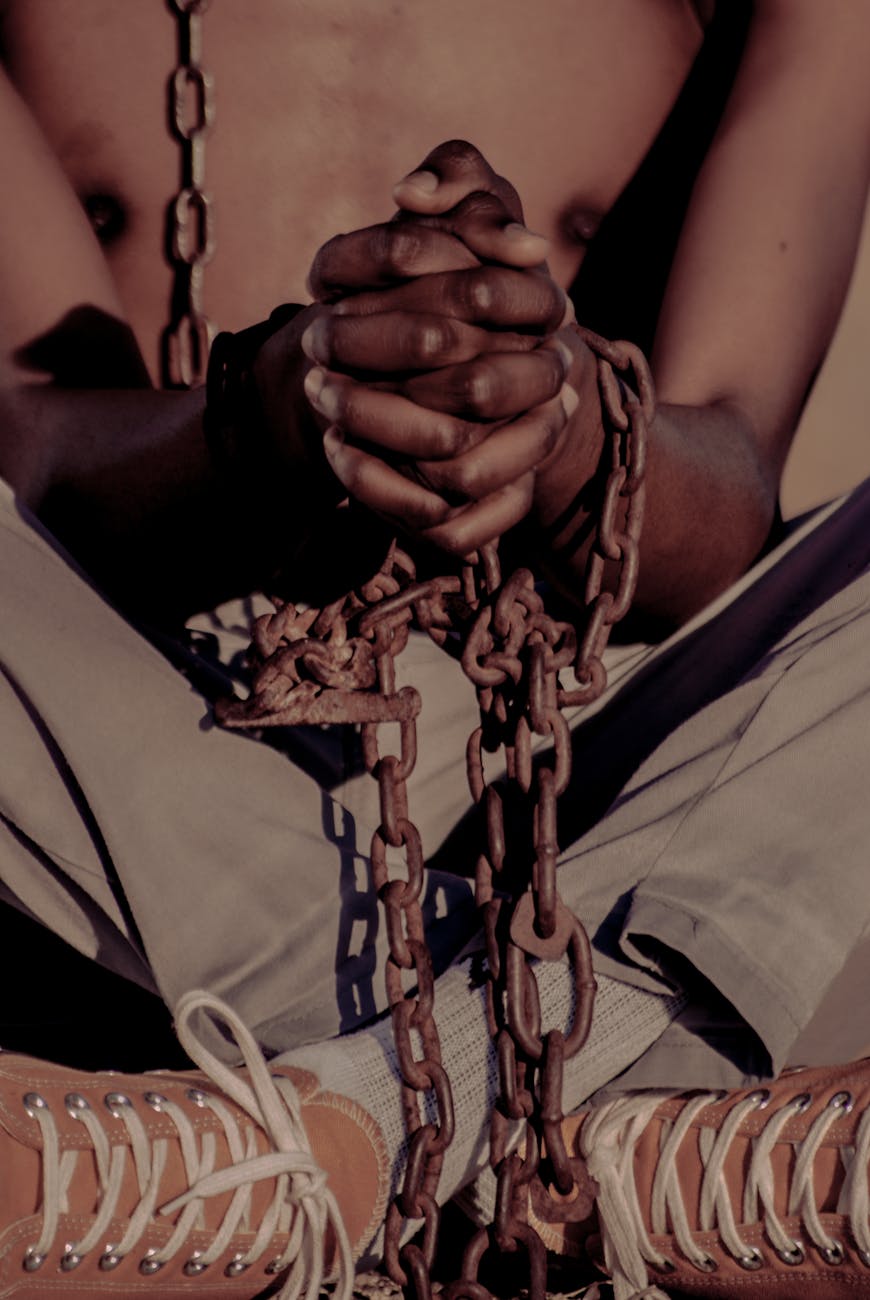
Black identity is a dynamic construct shaped by history, culture, resilience, and resistance. It encompasses heritage, spirituality, values, and communal bonds that define self-perception, social behavior, and relational understanding. The legacy of slavery has profoundly influenced this identity, leaving psychological, social, and cultural marks that persist across generations. Slavery was not merely the forced labor of Africans in the Americas; it was a system designed to strip individuals of lineage, dignity, and autonomy. The chains were physical, yes, but they were also mental, emotional, and spiritual, creating enduring trauma that shaped how Black people see themselves, their communities, and their place in society.


The Generational Impact of Slavery

Slavery systematically disrupted family structures, cultural transmission, and self-definition. Children were separated from parents, languages were suppressed, and cultural traditions were erased. As a result, Black identity was fragmented, and individuals were often forced to reconstruct their sense of self within an oppressive system. Intergenerational trauma, documented in Dr. Joy DeGruy’s Post-Traumatic Slave Syndrome (2005), demonstrates that behaviors such as hyper-vigilance, mistrust of authority, low self-esteem, and coping mechanisms like code-switching are inherited psychological patterns linked to slavery’s brutal legacy. These patterns continue to shape relationships, economic opportunities, and mental health outcomes within the African diaspora.


Slavery and Its Psychological Effects

From a psychological perspective, slavery inflicted both acute and chronic trauma. The denial of autonomy, physical punishment, and social dehumanization resulted in post-traumatic stress-like symptoms, internalized oppression, and the phenomenon of identity conflict. Scholars have compared some aspects of this to Stockholm Syndrome, wherein oppressed groups may internalize the perspectives or values of the oppressor to survive. Moreover, the consistent invalidation and marginalization by dominant society have led to cumulative psychological burdens, often manifesting as anxiety, depression, and intergenerational mistrust. These impacts are not confined to history; they influence educational attainment, community cohesion, and interpersonal relationships today.


Systemic Denial and White Supremacy

One reason white society has often refused to fully acknowledge Black contributions or humanity is the perpetuation of white supremacy. By minimizing African achievements, denying historical truths, and controlling narratives in media, education, and politics, dominant groups reinforced hierarchies and justified oppression. This intentional erasure disrupts the recognition of Black identity, contributing to internalized oppression and societal marginalization. The chains of slavery, therefore, were extended by ideology and policy, leaving psychological imprints that influence racial dynamics today.


Biblical Perspective on Chains and Liberation

The Bible offers insight into the spiritual and symbolic dimensions of bondage. In Exodus 6:6 (KJV), God declares: “Wherefore say unto the children of Israel, I am the LORD, and I will bring you out from under the burdens of the Egyptians, and I will rid you out of their bondage, and I will redeem you with a stretched out arm, and with great judgments.” Chains, in biblical terms, represent oppression, but they also reflect divine awareness and the promise of liberation. Similarly, Psalm 107:14 (KJV) states: “He brought them out of darkness and the shadow of death, and brake their bands in sunder.” These passages underscore that freedom is both physical and spiritual, resonating with the African American struggle to reclaim identity and agency across generations.


The Reflection of the Past in the Present

The generational impact of slavery continues to shape Black identity in the 21st century. Relationships within families, communities, and broader society often reflect inherited trauma: difficulties in trust, overcompensation in professional or social spaces, and complex responses to authority. Psychologists recognize that historical trauma affects not just individuals but entire populations. For instance, intergenerational transmission of trauma can manifest as collective stress, influencing patterns of parenting, community organization, and resilience-building. Yet, this recognition also presents an opportunity: by understanding the chains of history, the Black community can consciously break them and rebuild identity on foundations of knowledge, pride, and spiritual alignment.


Reclaiming Identity and Breaking Chains

Reclaiming Black identity requires multifaceted approaches:

  1. Education: Teaching accurate historical narratives that celebrate African contributions and highlight resistance to oppression.
  2. Psychological Intervention: Addressing intergenerational trauma through therapy, community support, and culturally sensitive mental health practices.
  3. Spiritual Reclamation: Embracing biblical and cultural narratives that affirm dignity, divine purpose, and collective identity.
  4. Community and Cultural Revival: Promoting arts, literature, and practices that reinforce heritage and self-definition.

By addressing these domains, African descendants can transform the lingering impacts of slavery into sources of empowerment, resilience, and self-awareness.


Conclusion

The chains of slavery were both literal and metaphorical, shaping Black identity across generations in profound ways. Psychological scars, systemic marginalization, and cultural erasure are enduring legacies of bondage, yet they also reveal the resilience and strength of African descendants. By studying history, engaging in spiritual and psychological reclamation, and fostering cultural continuity, the Black community can transform generational trauma into conscious identity formation. As Malcolm X and Cornel West emphasize, the acknowledgment of past oppression is the first step toward liberation, self-determination, and collective progress. The future of Black identity depends on understanding the chains of the past and consciously forging paths toward freedom and self-realization.


References

  • DeGruy, J. (2005). Post Traumatic Slave Syndrome: America’s Legacy of Enduring Injury and Healing. Uptone Press.
  • Franklin, J. H., & Moss, A. A. (2000). From Slavery to Freedom: A History of African Americans (8th ed.). McGraw-Hill.
  • West, C. (1993). Race Matters. Beacon Press.
  • Malcolm X. (1965). The Autobiography of Malcolm X. Ballantine Books.
  • Jones, R. (2010). Intergenerational Transmission of Trauma in African Americans. Journal of Black Psychology, 36(1), 1–25. https://doi.org/10.1177/0095798409353752
  • The Holy Bible, King James Version.

“Rosewood: A Massacre Fueled by Lies and White Supremacy in 1923 Florida”


Photo by Alexander Zvir on Pexels.com

Introduction

The story of Rosewood, Florida is one of prosperity, racial pride, and horrifying destruction. Once a thriving Black town in Levy County, Rosewood was obliterated in January 1923 due to a racially charged lie that incited white mob violence. Like the tragedies of Tulsa’s Black Wall Street and the Devil’s Punchbowl, Rosewood exemplifies how Black success in early 20th-century America was often met with white rage, systemic racism, and historical erasure.


The Founding and Prosperity of Rosewood

Founded in the late 1800s, Rosewood was a small, self-sufficient, predominantly African American town. Located near the Gulf Coast of Florida, the town was originally established as a timber and turpentine community. Over time, the Black residents of Rosewood built homes, churches, a school, and several successful businesses. By the early 1920s, Rosewood had become a symbol of Black independence.

The town was made up of about 25 Black families, most of whom were landowners—a rarity in the Jim Crow South. Occupations included blacksmiths, carpenters, midwives, and educators. One notable figure was Sarah Carrier, a well-known midwife and one of the community’s matriarchs.

Rosewood residents lived peacefully—until a white woman in a nearby town falsely accused a Black man of assault, setting off a chain of racial terror.


The Incident: Lies and Racial Violence

On January 1, 1923, Fannie Taylor, a white woman from the neighboring town of Sumner, claimed she had been beaten and assaulted by a Black man while her husband was at work. In truth, she had been injured by her white lover, but to hide her infidelity, she blamed an anonymous Black man. This lie sparked a mob of angry white residents, who began scouring the area for any Black man they could find.

The first victim was Sam Carter, a Black craftsman tortured and lynched when he refused to divulge the whereabouts of the alleged assailant. Soon after, white mobs, some from as far as Gainesville and Jacksonville, stormed Rosewood with rifles, torches, and a thirst for vengeance.


The Massacre and Destruction

Between January 1 and January 7, 1923, the town of Rosewood was burned to the ground. Homes, churches, and schools were set ablaze. Eyewitnesses described the scene as a hellish blaze with smoke rising above the pine trees. At least six Black residents were killed, including Sarah Carrier, who died protecting children hiding in her home. Others were shot as they fled or tortured for information.

The number of deaths is still debated. While official records confirm around six to eight, survivors and descendants estimate that dozens were killed, with bodies either burned in the fires or dumped in mass graves.

Most of the survivors hid in the swamps for days without food, before being evacuated by a few courageous white allies, including John and William Bryce, local train conductors who secretly transported Black families to safety.


Why Did It Happen?

The massacre was rooted in racism, economic envy, and the fear of Black advancement. Rosewood’s prosperity challenged the status quo of white supremacy. Many white residents were resentful that Black citizens owned land, ran businesses, and lived independently.

The lie told by Fannie Taylor was simply a spark that ignited deep-seated hatred. As journalist Gary Moore, who helped revive the story in the 1980s, said:

“It was not just a lynching. It was ethnic cleansing.”


The Aftermath and Silence

After the massacre, Rosewood ceased to exist. Survivors never returned, and many were too traumatized or afraid to speak about what happened. For decades, the story of Rosewood remained buried.

Law enforcement never prosecuted any of the perpetrators, and state officials did nothing to investigate or compensate the victims. The fear of retribution or being labeled a “troublemaker” kept survivors silent.

It wasn’t until the 1990s that survivors came forward with their stories. In 1994, the state of Florida passed the Rosewood Compensation Bill, awarding $2.1 million in reparations to nine survivors and establishing scholarships for descendants. This was one of the first instances of reparations in U.S. history for racial violence (D’Orso, 1996).


Personal Testimonies and Survivors

One of the most vocal survivors was Minnie Lee Langley, who was 7 years old at the time of the massacre. In later interviews, she recalled:

“They burned everything. Everything. We hid in the woods. My mama told me to keep quiet so the white folks wouldn’t hear us.”

Another survivor, Arnett Doctor, helped spearhead the movement for recognition and reparations. He later became known as the “father of the Rosewood legislation.”


Economic Impact and Racial Injustice

The destruction of Rosewood devastated families economically and emotionally. Land that once belonged to Black residents was never returned. This contributed to the racial wealth gap that persists today.

The massacre also underscored the legal impunity enjoyed by white mobs. Local sheriffs did nothing to intervene. White silence and complicity made justice impossible.


Legacy and Rebuilding

Though Rosewood was never rebuilt, its legacy lives on in books, documentaries, and even film. The 1997 movie Rosewood, directed by John Singleton and starring Ving Rhames and Don Cheadle, brought national attention to the tragedy.

In recent years, efforts have been made to preserve the memory of Rosewood:

  • A historical marker was erected in 2004
  • Descendants meet annually to commemorate the lost town
  • Florida’s education system has slowly integrated the story into its curriculum

Still, many argue that true justice has not been served.


Conclusion

The Rosewood Massacre was a deliberate act of racial terrorism, rooted in lies, jealousy, and the desire to uphold white supremacy at the cost of Black lives. It represents more than just a violent episode—it exemplifies how racism, unchecked by law or conscience, destroyed Black progress and stole generational wealth.

The tragedy of Rosewood must be remembered, not only to honor the victims and survivors, but to understand how systemic racism shaped American history and continues to shape the Black experience today.


References

  • D’Orso, M. (1996). Like Judgment Day: The Ruin and Redemption of a Town Called Rosewood. Putnam Publishing Group.
  • Moore, G. (1982, July). “Rosewood Massacre.” St. Petersburg Times.
  • U.S. House of Representatives. (1994). Rosewood Compensation Act. Florida State Archives.
  • Singleton, J. (Director). (1997). Rosewood [Film]. Warner Bros.

“The Emancipation Proclamation: Abraham Lincoln’s Fight to Free a Divided Nation”

Photo by Thato Moiketsi on Pexels.com

The Emancipation Proclamation and Its Impact

The Emancipation Proclamation, issued on January 1, 1863, was a wartime executive order that declared all enslaved people in Confederate-held territory to be free (Foner, 2010). Although it did not immediately free all enslaved people, it transformed the character of the war, shifting its aim from merely preserving the Union to also including the abolition of slavery. It allowed Black men to enlist in the Union Army, leading to the formation of over 180,000 Black soldiers who fought for their freedom and the Union cause.

The Emancipation Proclamation did not apply to the border slave states (Delaware, Kentucky, Maryland, Missouri) or areas of the Confederacy already under Union control. It applied only to states in active rebellion. Here’s what it declared:

That on the first day of January, A.D. 1863, all persons held as slaves within any State or designated part of a State, the people whereof shall then be in rebellion against the United States, shall be then, thenceforward, and forever free.

Main Points:

  1. Freedom for enslaved people in Confederate-controlled territories (not the entire U.S.).
  2. Authorized Black men to serve in the Union Army and Navy, transforming the war into a fight for human liberty.
  3. Called for the U.S. military to recognize and maintain the freedom of formerly enslaved people.
  4. Framed as a “fit and necessary war measure” for suppressing the rebellion.

Lincoln concluded with a solemn declaration:

“And upon this act, sincerely believed to be an act of justice, warranted by the Constitution, upon military necessity, I invoke the considerate judgment of mankind and the gracious favor of Almighty God.”


Limitations of the Emancipation Proclamation

Despite its powerful rhetoric, the Proclamation did not immediately free a single slave in practice. Why?

  • It only applied to areas outside of Union control.
  • It excluded the border states and certain regions within Confederate states that had already surrendered or been reclaimed.
  • Enforcement depended entirely on Union military success.

However, its symbolic and legal significance was profound.


Impact on Black Americans and the War

  1. Moral Clarity: It transformed the Civil War from a battle for union into a crusade against slavery, giving the war a moral imperative that resonated globally.
  2. Black Enlistment: Over 180,000 Black men joined the Union Army and Navy, shifting the tide of the war and demonstrating extraordinary valor (Berlin et al., 1992).
  3. Pathway to the 13th Amendment: Though not a constitutional law, the Emancipation Proclamation paved the way for the 13th Amendment (ratified in 1865), which permanently abolished slavery in the United States.
  4. Global Message: It discouraged foreign powers (especially Britain and France) from supporting the Confederacy, as they had already abolished slavery in their own empires.

Historical Interpretation

  • Frederick Douglass called the Emancipation Proclamation “the immortal paper” that turned a war for Union into a war for freedom.
  • Historian Eric Foner notes that although it was limited in scope, it was “a revolutionary act of immense consequence” (Foner, 2010).
  • Lincoln later said, “I never, in my life, felt more certain that I was doing right, than I do in signing this paper.”

Though legally narrow and strategically calculated, the Emancipation Proclamation was a turning point in American history. It elevated the struggle of enslaved African Americans onto the national and international stage, set the foundation for constitutional abolition, and forced the United States to reckon with its original sin—slavery.

It was not merely a document of war; it was a moral declaration that the U.S. could no longer be a nation divided between slavery and freedom.

Abraham Lincoln: The Reluctant Liberator and the Legacy of Freedom

Abraham Lincoln, the 16th President of the United States, stands as one of the most pivotal figures in American history. Born on February 12, 1809, in a log cabin in Hardin County, Kentucky, Lincoln rose from humble beginnings to the nation’s highest office. Self-taught and profoundly principled, he guided the country through its most divisive era—the Civil War—preserving the Union and paving the way toward the abolition of slavery.

Lincoln’s motivations were both moral and strategic. While he personally opposed slavery, he prioritized saving the Union. In a famous letter to Horace Greeley in 1862, Lincoln wrote, “If I could save the Union without freeing any slave, I would do it… and if I could save it by freeing all the slaves, I would do it” (Lincoln, 1862). The proclamation was as much a military strategy as a moral statement—aimed at weakening the Confederacy’s economic base and preventing foreign nations from supporting the South.

Why Lincoln Helped Black People: A Shift in Moral Clarity

Lincoln’s evolution on slavery was gradual. Initially, he supported compensated emancipation and colonization schemes to send freed slaves to Africa or the Caribbean. However, as the war progressed, he began to recognize the moral and constitutional necessity of abolition. Influenced by abolitionists like Frederick Douglass and the courage of Black soldiers, Lincoln’s policies matured, culminating in his push for the Thirteenth Amendment, which permanently abolished slavery in the United States.

The Division Between North and South

The Civil War exposed the deep ideological divide between the industrialized North and the agrarian, slaveholding South. The North viewed slavery as economically backward and morally indefensible, while the South saw it as integral to its economy and social order. Lincoln’s leadership during this period forced the issue to the national forefront, resulting in radical social and constitutional changes that reshaped American society.

His Rise to the Presidency

Lincoln’s political career began in the Illinois State Legislature, and he later served a single term in Congress. It was his debates with Senator Stephen Douglas during the 1858 Illinois Senate race that catapulted him to national prominence. Though he lost that race, his powerful oratory and moral conviction caught the attention of the newly-formed Republican Party, which nominated him for President in 1860. His election triggered Southern secession, plunging the nation into civil war.

Family, Legacy, and Lineage

Lincoln married Mary Todd, a woman from a wealthy Kentucky family, and together they had four sons—Robert, Edward, William, and Thomas (Tad). Only Robert lived to adulthood. Lincoln’s ancestry was primarily English, and while there have been unsubstantiated rumors that he had African ancestry, there is no verified genealogical evidence supporting this claim (Oates, 1977). However, the cultural symbolism of his role in ending slavery has often led Black Americans to claim a spiritual kinship with him.

Was Lincoln the Greatest President for Black Americans?

While Lincoln is often hailed as the “Great Emancipator,” his legacy is nuanced. He took critical steps toward ending slavery, but not always out of an abolitionist conviction. Later presidents such as Lyndon B. Johnson, who signed the Civil Rights Act of 1964 and the Voting Rights Act of 1965, also played pivotal roles in advancing Black civil rights. Barack Obama, the first Black president, holds a symbolic and historical significance that echoes Lincoln’s foundational impact.

The Tragic End: Assassination by John Wilkes Booth

Lincoln was assassinated on April 14, 1865, by John Wilkes Booth, a Confederate sympathizer, at Ford’s Theatre in Washington, D.C., just days after the Confederate surrender at Appomattox. Booth believed Lincoln’s actions had destroyed the South and sought to avenge its downfall. Lincoln died the next morning, becoming a martyr for the Union and for liberty.


Conclusion

Abraham Lincoln remains one of the most consequential leaders in American history. His legacy, especially in the Black community, is one of complex admiration. Though not without contradictions, his leadership during the Civil War and his eventual commitment to abolition fundamentally reshaped the nation. His decisions laid the groundwork for future civil rights advancements, and his vision of a united, free America continues to inspire generations.


References

  • Foner, E. (2010). The Fiery Trial: Abraham Lincoln and American Slavery. W. W. Norton & Company.
  • Lincoln, A. (1862). Letter to Horace Greeley, August 22, 1862.
  • Oates, S. B. (1977). With Malice Toward None: A Life of Abraham Lincoln. Harper & Row.
  • Berlin, I., Reidy, J. P., & Rowland, L. (1992). Freedom: A Documentary History of Emancipation, 1861–1867. Cambridge University Press.
  • Foner, E. (2010). The Fiery Trial: Abraham Lincoln and American Slavery. W. W. Norton & Company.
  • Lincoln, A. (1863). The Emancipation Proclamation. U.S. National Archives.

America’s Ten Unpaid Debts to Black Citizens.

A Historical and Moral Reckoning

Photo by Alfo Medeiros on Pexels.com

The history of the United States is marked by both the rhetoric of liberty and the reality of systemic exclusion. From slavery to present-day racial inequities, the nation has accumulated what Dr. Martin Luther King Jr. famously described as a “promissory note” to Black Americans—an unfulfilled promise of equality, justice, and opportunity (King, 1963). These unpaid debts are not merely metaphorical; they are tangible, measurable, and rooted in centuries of institutionalized oppression. This essay examines ten of the most significant debts owed to Black citizens, explaining their historical origins and ongoing impact.


1. Reparations for Slavery

From 1619 to 1865, millions of African people were enslaved, generating immense wealth for the United States without receiving wages, property, or restitution (Baptist, 2014). The labor of enslaved Africans built the economic foundation of the nation, particularly in agriculture and trade. The failure to provide “forty acres and a mule” after emancipation represents a broken promise (Foner, 1988). Today, the racial wealth gap is a direct legacy of this uncompensated labor.


2. Unpaid Wages of Sharecropping and Convict Leasing

After slavery, sharecropping and convict leasing perpetuated forced labor under exploitative contracts, often leaving Black workers in perpetual debt (Blackmon, 2008). This system enriched landowners, railroads, and industrialists while trapping Black families in generational poverty. Psychological trauma from this economic exploitation remains embedded in communities.


3. Land Theft and Dispossession

Throughout the late 19th and early 20th centuries, Black farmers lost millions of acres through discriminatory lending practices, violence, and fraudulent legal tactics (Mitchell, 2005). Entire Black towns—such as Rosewood, Florida, and Tulsa’s Greenwood District—were destroyed by white mobs, erasing economic gains and property inheritance.


4. Denial of GI Bill Benefits

Following World War II, the GI Bill offered veterans home loans, education, and business assistance. However, discriminatory administration by banks and colleges meant Black veterans were largely excluded (Katznelson, 2005). This hindered upward mobility and the ability to pass wealth to future generations.


5. Housing Discrimination and Redlining

From the 1930s through the 1970s, the federal government sanctioned redlining—refusing mortgages in Black neighborhoods—which restricted home ownership and property value appreciation (Rothstein, 2017). This structural exclusion solidified racial segregation and the wealth divide.


6. Unequal Education

For centuries, Black children were denied equal education, from the prohibition of literacy under slavery to segregated and underfunded schools after Brown v. Board of Education (1954). Even today, predominantly Black school districts receive significantly less funding, perpetuating educational inequities (Darling-Hammond, 2010).


7. Mass Incarceration

The disproportionate policing, arrest, and imprisonment of Black Americans—especially since the 1970s “War on Drugs”—represents another unpaid debt. Mass incarceration has stripped millions of voting rights, broken families, and drained economic potential (Alexander, 2010). Biblically, this parallels unjust imprisonment condemned in Isaiah 10:1–2 (KJV).


8. Healthcare Inequities

Black Americans have historically faced medical neglect, from the Tuskegee Syphilis Study to present disparities in maternal mortality and access to care (Washington, 2006). Structural racism in healthcare has cost countless lives, a debt measured in both mortality and moral failure.


9. Cultural Appropriation without Compensation

Black creativity has been a driving force in American music, fashion, sports, and art. Yet, cultural appropriation often strips Black innovators of credit and financial benefit, enriching corporations and others while leaving the originators marginalized (Love, 2019).


10. Political Disenfranchisement

From poll taxes and literacy tests to modern voter ID laws and gerrymandering, Black citizens have been systematically denied full political participation (Anderson, 2018). This exclusion undermines the democratic promise of equal representation and self-determination.


Conclusion

These ten unpaid debts—spanning economic, political, social, and cultural domains—reveal that the promise of America remains partially unfulfilled for Black citizens. Addressing them is not merely about restitution but about moral accountability and the biblical imperative to “do justly, and to love mercy” (Micah 6:8, KJV). Until these debts are acknowledged and addressed, the dream of a truly equal America will remain deferred.


References

Alexander, M. (2010). The new Jim Crow: Mass incarceration in the age of colorblindness. The New Press.
Anderson, C. (2018). One person, no vote: How voter suppression is destroying our democracy. Bloomsbury Publishing.
Baptist, E. E. (2014). The half has never been told: Slavery and the making of American capitalism. Basic Books.
Blackmon, D. A. (2008). Slavery by another name: The re-enslavement of Black Americans from the Civil War to World War II. Anchor Books.
Darling-Hammond, L. (2010). The flat world and education. Teachers College Press.
Foner, E. (1988). Reconstruction: America’s unfinished revolution, 1863–1877. Harper & Row.
Katznelson, I. (2005). When affirmative action was white: An untold history of racial inequality in twentieth-century America. W.W. Norton & Company.
Love, B. L. (2019). We want to do more than survive: Abolitionist teaching and the pursuit of educational freedom. Beacon Press.
Mitchell, T. (2005). From reconstruction to deconstruction: Undermining black landownership, political independence, and community through partition sales of tenancies in common. Northwestern University Law Review, 95(2), 505–580.
Rothstein, R. (2017). The color of law: A forgotten history of how our government segregated America. Liveright Publishing.
Washington, H. A. (2006). Medical apartheid: The dark history of medical experimentation on Black Americans from colonial times to the present. Doubleday.

Dilemma: Deuteronomy 28

The Black Experience: Prophecy or History Repeating?

Photo by Thato Moiketsi on Pexels.com


The twenty-eighth chapter of Deuteronomy in the King James Version (KJV) is one of the most striking passages in the Bible because of its detailed account of blessings for obedience and curses for disobedience. For centuries, many have read this chapter as a prophetic warning to ancient Israel. However, within the Black community—particularly among African Americans and the African diaspora—Deuteronomy 28 has been seen as more than distant history. Its descriptions of exile, suffering, and generational struggle resonate deeply with the legacy of slavery, systemic oppression, and the enduring trials faced by Black people today.


What Deuteronomy 28 Means (KJV Context)

Deuteronomy 28 outlines two distinct paths:

  • Verses 1–14 – Blessings for obedience to God’s commandments: prosperity, victory over enemies, fruitful land, and respect among nations.
  • Verses 15–68 – Curses for disobedience: poverty, disease, oppression, exile, enslavement, and a loss of identity.

For example:

“The LORD shall cause thee to be smitten before thine enemies… thou shalt be removed into all the kingdoms of the earth.” (Deut. 28:25, KJV)
“And the LORD shall bring thee into Egypt again with ships… and there ye shall be sold unto your enemies for bondmen and bondwomen, and no man shall buy you.” (Deut. 28:68, KJV)

In biblical times, “Egypt” symbolized bondage. The reference to ships in verse 68 has been interpreted by many in the African diaspora as a prophetic mirror to the transatlantic slave trade.


How It Affects Black People Today

For many descendants of the transatlantic slave trade, Deuteronomy 28 feels eerily personal:

  • Loss of Homeland & Identity – The scattering of Israelites into foreign nations parallels the forced removal of Africans from their native lands, stripping away language, culture, and heritage.
  • Generational Oppression – The curses describe cycles of poverty and violence that continue to plague Black communities worldwide.
  • Cultural Disconnection – Enslavement replaced ancestral traditions with foreign religions, names, and lifestyles, creating a fractured sense of self.

This sense of displacement—spiritual, cultural, and physical—has left an imprint that still affects Black people’s self-perception, unity, and empowerment.


Is History Repeating Itself?

While the transatlantic slave trade has ended, its legacy persists in new forms:

  • Mass Incarceration – A modern system echoing the chains of the past.
  • Police Brutality – Public killings and abuse as an extension of historical racial violence.
  • Economic Inequality – Wealth gaps between Black communities and white counterparts remain rooted in systemic barriers from slavery and Jim Crow.
  • Global Displacement – Migration crises and gentrification uproot Black families from established communities.

These parallels suggest that although the methods have changed, the core patterns of oppression remain. In this sense, history is not merely repeating—it is evolving in ways that still reflect the curses described in Deuteronomy 28.


Trials and Tribulations of the Black Experience

From enslavement to present-day systemic injustice, Black people have endured:

  • Enslavement & Forced Labor – Centuries of physical bondage and exploitation.
  • Lynchings & Racial Terrorism – The use of fear to maintain racial hierarchies.
  • Educational Barriers – Underfunded schools and restricted access to higher learning.
  • Cultural Appropriation – The theft and monetization of Black creativity without proper recognition or benefit.
  • Health Disparities – Higher rates of preventable diseases due to unequal access to care.

These struggles align with the “yoke of iron” (Deut. 28:48) that speaks not just to physical chains, but to social, economic, and psychological oppression.


Why Are We Going Through This?

From a biblical perspective, the trials faced by Black people can be seen through the lens of covenant relationship. In the Hebrew Scriptures, disobedience to God brought consequences upon Israel. Theologically, some interpret the suffering of the African diaspora as part of a divine chastisement that calls for repentance, unity, and a return to God’s commandments.

From a historical lens, the reason lies in systemic exploitation and white supremacy, which have sought to control, divide, and profit from Black labor and culture for centuries. Both spiritual and political explanations reveal that our suffering has roots deeper than mere coincidence.


Why Did This Separate Us?

Deuteronomy 28 speaks of being “scattered among all people” (v. 64). The scattering of African peoples through slavery physically separated families and tribes. Colonialism and forced assimilation further divided communities, creating:

  • Fragmented Identity – Different surnames, languages, and religions within the same bloodline.
  • Division by Colorism – A lingering byproduct of slavery’s “divide and rule” tactics.
  • Cultural Amnesia – Loss of collective memory about African kingdoms, traditions, and biblical heritage.

This separation weakens unity, making it harder for Black communities to mobilize for collective liberation.


Conclusion: Prophecy and Purpose

Whether one views Deuteronomy 28 as ancient prophecy directly describing the African diaspora or as an allegorical warning, the parallels are undeniable. The chapter reads like both a historical account and a prophetic mirror reflecting the Black experience—past and present.

Yet within the same chapter lies hope: the blessings that come with obedience, unity, and spiritual restoration. If the curses came to pass, so too can the promises of restoration, prosperity, and freedom. Our history may feel like it’s repeating, but prophecy also offers the possibility of breaking the cycle.

“And the LORD thy God will turn thy captivity, and have compassion upon thee, and will return and gather thee from all the nations…” (Deut. 30:3, KJV)

The call, then, is not only to recognize the pattern but to rise above it—spiritually, culturally, and collectively—so history’s repetition ends with us.

“Black Wall Street: The Rise, Destruction, and Legacy of Tulsa’s Greenwood District”


Photo by Dawn Traylor on Pexels.com

Introduction

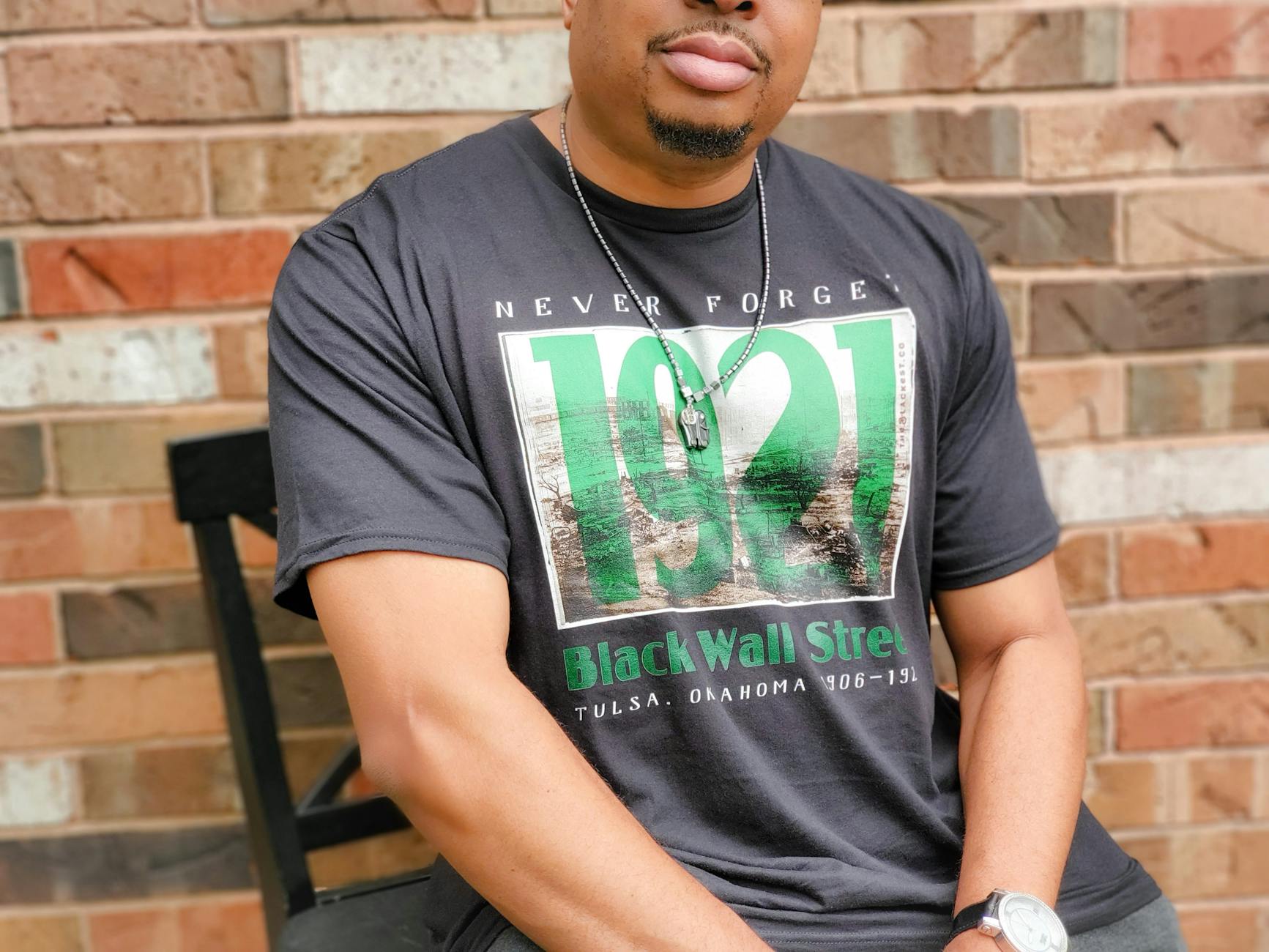
Known as “Black Wall Street,” the Greenwood District of Tulsa, Oklahoma, was one of the most affluent African American communities in the United States in the early 20th century. It symbolized Black excellence, entrepreneurship, and self-sufficiency during a time when Jim Crow laws sought to suppress African American progress. However, this thriving community was violently destroyed in one of the most horrific episodes of racial terrorism in U.S. history—the Tulsa Race Massacre of 1921.


The Birth of Black Wall Street

Greenwood, located in north Tulsa, was founded in 1906 on land initially settled by Black Freedmen and Native Americans, many of whom were formerly enslaved and had received land allotments through the Dawes Act (Johnson, 1998). Visionary entrepreneurs like O.W. Gurley, a wealthy Black landowner from Arkansas, bought 40 acres and helped build a self-sufficient Black community.

By the 1920s, Greenwood boasted:

  • Over 300 Black-owned businesses
  • Two newspapers
  • Schools, libraries, hospitals
  • Luxury hotels, grocery stores, law offices, barbershops, theaters, and nightclubs

Some of the most notable establishments included:

  • The Stradford Hotel, one of the finest Black-owned hotels in the U.S.
  • Williams Dreamland Theatre
  • Greenwood Avenue, the bustling economic artery of the district

This self-sustained economy became so prosperous that Booker T. Washington reportedly called it “Negro Wall Street.”


The Incident: Allegation and the Spark

The tragedy began on May 30, 1921, when a 19-year-old Black shoe shiner named Dick Rowland entered an elevator operated by a 17-year-old white woman named Sarah Page in the Drexel Building. Accounts vary, but some say he tripped and grabbed her arm to break his fall. Others claim nothing happened at all. Page screamed, and a clerk called the police. Though Sarah Page later refused to press charges, rumors of an alleged sexual assault spread rapidly through white Tulsa.

On May 31, 1921, a white mob gathered outside the courthouse where Rowland was being held. Armed Black men, including World War I veterans, came to protect him. Tensions escalated into gunfire, and by nightfall, white mobs launched a full-scale assault on Greenwood.


The Destruction of Black Wall Street

For over 18 hours, from the night of May 31 through June 1, 1921, white rioters—many of them deputized by law enforcement—looted, burned, and murdered indiscriminately. They set fire to over 1,200 homes, dozens of churches, businesses, and schools. Reports suggest private planes dropped incendiary bombs on the neighborhood—a rare instance of aerial terrorism on American soil.

Casualty estimates vary:

  • Official records say around 36 deaths
  • Modern scholars and eyewitnesses estimate 100–300 Black residents were killed (Ellsworth, 2001)

Over 10,000 Black residents were left homeless, and the community’s wealth was wiped out overnight.


Racism at the Core

The attack was fueled by racist resentment and economic jealousy. Many white Tulsans were angry that Black people in Greenwood had achieved so much success while white families in Tulsa struggled economically. The accusation against Rowland was merely a pretext. The real motive was to eradicate Black prosperity and enforce white supremacy.

White mobs faced no legal consequences, and insurance companies denied claims from Black property owners, citing “riot clauses.” The massacre was largely ignored in history books for decades.


Survivors and Testimonies

Some survivors lived into the 21st century and gave harrowing accounts. Notable among them:

  • Viola Fletcher, 107 years old, testified before Congress in 2021, saying, “I will never forget the violence… the smell of smoke, bodies in the street, the loss of my childhood.”
  • Her brother, Hughes Van Ellis, also a veteran, emphasized how America failed them after they served in its military.

Rebuilding and Present-Day Tulsa

Greenwood began modest rebuilding efforts in the 1920s and 30s, but never recovered its pre-1921 affluence. Systemic racism, redlining, and urban renewal programs (including a highway built through Greenwood) further dismantled its infrastructure.

Today, the area is home to the Greenwood Cultural Center and John Hope Franklin Reconciliation Park, preserving the memory of the massacre.

In 2021, the centennial drew national attention. Some local leaders and descendants called for reparations, but most survivors have not received any formal compensation.

Economically, Tulsa is now growing, but the Black community still experiences vast inequality in wealth, housing, and opportunity (Oklahoma Policy Institute, 2021).


Legacy and Importance

Black Wall Street represents more than tragedy—it symbolizes the potential of Black enterprise, resilience, and innovation in the face of white supremacy. It challenges the narrative that African Americans have not built wealth or institutions. Greenwood was that wealth, was that institution—and it was destroyed not by failure but by hatred.


Conclusion

The story of Black Wall Street and the Tulsa Race Massacre is not just a Black history story—it is an American story. It speaks to the power of Black excellence and the violence of white supremacy. As America reckons with its past, the memory of Greenwood remains a testament to what Black communities can achieve—and what they have suffered.


References

  • Ellsworth, S. (2001). Death in a Promised Land: The Tulsa Race Riot of 1921. LSU Press.
  • Johnson, H. B. (1998). Black Wall Street: From Riot to Renaissance in Tulsa’s Historic Greenwood District. Eakin Press.
  • Oklahoma Policy Institute. (2021). The State of Black Tulsa: Equity Indicators. Retrieved from https://okpolicy.org
  • U.S. Congress. (2021). Testimony of Tulsa Race Massacre Survivors. Congressional Record.

“From Jim Crow to Justice: THE CIVIL RIGHTS MOVEMENT and the Long Road to Equality”


Photo by Chris on Pexels.com

Introduction

The Civil Rights Movement was one of the most transformative periods in American history. Spanning from 1954 to 1968, it represented a moral and legal battle for racial equality, dignity, and justice for Black Americans long oppressed under the shadow of slavery, segregation, and systemic racism. With grassroots courage, spiritual leadership, and national reckoning, the movement dismantled Jim Crow laws, challenged white supremacy, and redefined the conscience of a nation.


Origins of the Movement

The modern Civil Rights Movement began in earnest with the 1954 Brown v. Board of Education decision, in which the U.S. Supreme Court declared segregation in public schools unconstitutional. Yet resistance in the South was fierce, with white politicians, police, and citizens clinging to Jim Crow customs that banned Black people from using the same restrooms, water fountains, buses, restaurants, and schools as white people.

This apartheid-like system was enforced through humiliation, economic retaliation, and police brutality.


Key Leaders and Organizations

Dr. Martin Luther King Jr.

Dr. Martin Luther King Jr. emerged as the moral compass of the movement. A Baptist minister from Atlanta, Georgia, King rose to national prominence during the Montgomery Bus Boycott (1955–56), which followed the arrest of Rosa Parks, a Black woman who refused to give up her seat to a white passenger. King later founded the Southern Christian Leadership Conference (SCLC) and led nonviolent campaigns across the South—including in Birmingham, Selma, and Washington, D.C.

In his iconic “I Have a Dream” speech (1963), King called for a nation where people would not be judged by the color of their skin but by the content of their character. His philosophy of nonviolence, inspired by Jesus and Gandhi, stood in stark contrast to the brutality Black Americans faced.

Rosa Parks

Often called “the mother of the civil rights movement,” Rosa Parks’ simple act of defiance became a catalyst for mass protest. Her arrest sparked the 381-day Montgomery Bus Boycott, which crippled the city’s economy and led to the desegregation of its bus system.

Medgar Evers

Medgar Evers, a World War II veteran and NAACP field secretary in Mississippi, worked tirelessly to investigate lynchings and push for school integration. He was assassinated outside his home in 1963 by white supremacist Byron De La Beckwith, becoming a martyr for the movement.

Jesse Jackson

Jesse Jackson, a young activist and close associate of King, founded Operation PUSH and later the Rainbow Coalition, focusing on economic empowerment and political inclusion. He marched with King and continued advocating for civil rights and racial justice for decades.

White Allies

Not all white Americans opposed the movement. Many, including Jewish activists and Christian clergy, joined protests, marches, and even lost their lives—such as Viola Liuzzo, murdered by the Klan after Selma, and Andrew Goodman and Michael Schwerner, killed with James Chaney in Mississippi during Freedom Summer.


Other Influential Groups

Malcolm X

Though not part of the mainstream civil rights leadership, Malcolm X of the Nation of Islam was a vital voice. He criticized the passive approach of nonviolence, advocating for Black self-defense, racial pride, and liberation by any means necessary. His evolution toward Pan-African unity and human rights broadened the scope of the Black struggle.

The Black Panther Party

Founded in 1966 by Huey Newton and Bobby Seale, the Black Panther Party combined militant resistance with community programs—like free breakfasts and medical clinics. They stood against police brutality, which in the 1960s often included attacks with dogs, water hoses, and nightsticks, particularly during protests in Birmingham and Selma.


Police Brutality and Resistance

Black protesters often faced militarized repression. Peaceful marchers in Birmingham (1963) were attacked with police dogs and high-pressure fire hoses, scenes that shocked the world. In Selma (1965), on “Bloody Sunday,” marchers were beaten on the Edmund Pettus Bridge by Alabama state troopers. Police routinely abused, jailed, and sometimes murdered activists. The justice system largely protected white aggressors.


Major Legislative Achievements

The movement forced monumental legal changes:

  • Civil Rights Act of 1964 – outlawed segregation and workplace discrimination.
  • Voting Rights Act of 1965 – banned literacy tests and protected Black voting rights.
  • Fair Housing Act of 1968 – outlawed housing discrimination.

These victories were hard-won through protest, litigation, and bloodshed.


Assassinations and Political Turmoil

Dr. King was assassinated on April 4, 1968, in Memphis, Tennessee, by James Earl Ray. His death sparked nationwide riots and mourning. President John F. Kennedy, who had cautiously supported civil rights and proposed legislation before his assassination in 1963, was killed by Lee Harvey Oswald (officially). His successor, Lyndon B. Johnson, signed many civil rights laws into action.


Controversies and Legacy

FBI files later revealed that J. Edgar Hoover’s COINTELPRO sought to discredit King and other Black leaders. Allegations surfaced of King’s infidelity, possibly manipulated through illegal surveillance. Though claims exist that he was involved with prostitutes, these remain contested and ethically questionable due to FBI tampering. King’s wife, Coretta Scott King, a dignified civil rights leader in her own right, continued his legacy with grace. They had four children and maintained close ties with the gospel community, including Aretha Franklin’s father, Rev. C.L. Franklin, who was a friend of King.


Did It Make a Difference?

Yes—and no. The Civil Rights Movement ended legal segregation and created frameworks for equality. Black voter registration soared, Black elected officials increased, and legal protections were codified. But racism did not end. Today, systemic inequality persists through mass incarceration, housing discrimination, economic disparity, and police violence.

Yet the movement planted seeds of resistance, dignity, and unity that endure in modern movements like Black Lives Matter, and in the resilience of Black communities across America.


Conclusion

The Civil Rights Movement was a righteous uprising against injustice, born of centuries of suffering and sanctified by the blood of martyrs. Led by both preachers and Panthers, men and women, Black and white allies, the movement shattered chains both literal and psychological. It did not end racism—but it changed the law, awakened a nation, and inspired the world.

As King once said, “The arc of the moral universe is long, but it bends toward justice.” The bending continues.


References

  • Branch, T. (1988). Parting the Waters: America in the King Years 1954–63. Simon & Schuster.
  • Carson, C. (1998). The Autobiography of Martin Luther King, Jr. Warner Books.
  • Fairclough, A. (2001). Better Day Coming: Blacks and Equality, 1890-2000. Penguin.
  • Garrow, D. J. (1986). Bearing the Cross: Martin Luther King Jr. and the Southern Christian Leadership Conference. Harper Perennial.
  • Malcolm X & Haley, A. (1965). The Autobiography of Malcolm X. Grove Press.
  • Tyson, T. B. (2004). Blood Done Sign My Name. Crown.
  • Williams, J. (2013). Eyes on the Prize: America’s Civil Rights Years, 1954-1965. Penguin Books.