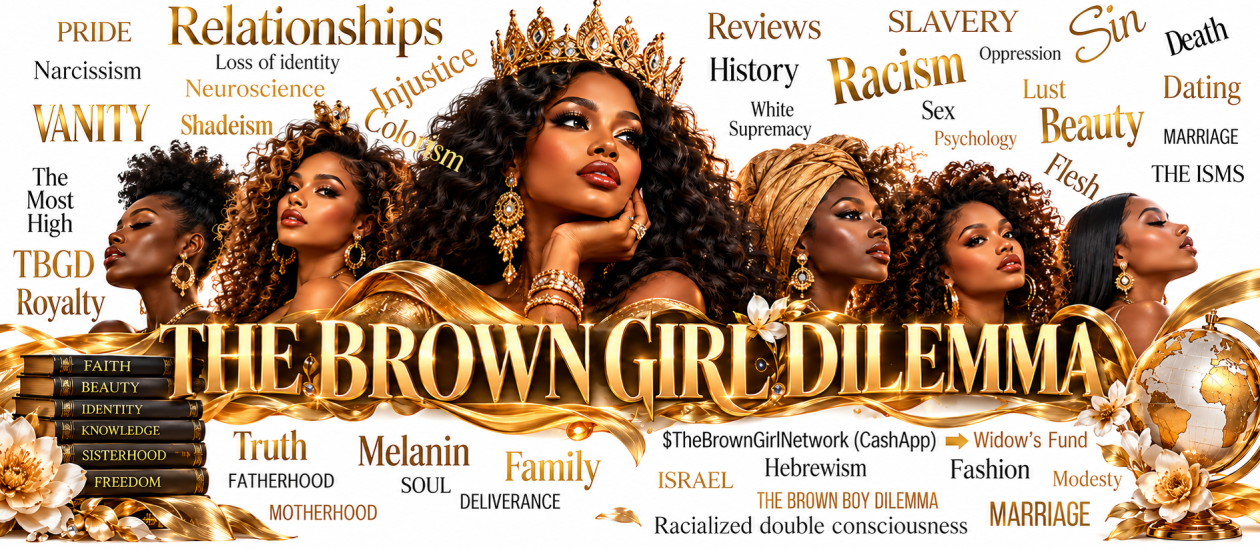


A Black woman’s beauty does not belong to one decade of her life. It can be present in the freshness of youth, the changing features of middle age, and the silver-haired elegance of later years. Yet women are often invited to admire their younger selves while treating their present appearance as something to correct. A fuller understanding of beauty allows a woman to recognize herself today without making yesterday the standard she must continually meet.
Ageism helps explain why that recognition can become difficult. The World Health Organization describes ageism through stereotypes, prejudice, and discrimination based on age. When applied to women’s appearance, it can surface in the assumption that looking older means becoming less attractive, less interesting, or less worthy of attention. Challenging this thinking requires more than praising a few unusually youthful-looking women. It requires making room for women who visibly look their age.
Black beauty also carries a history of affirmation against exclusion. The Smithsonian’s National Museum of African American History and Culture documents how the Black Is Beautiful movement celebrated Black identity, features, and natural hair. That inheritance invites a further question: can our celebration remain expansive as Black women grow older? An affirmation loses something essential when it welcomes our complexion and texture but becomes uncomfortable with our wrinkles, gray hair, or changing bodies.
Youth deserves appreciation without becoming a lifelong assignment. A young Black woman should be able to enjoy her appearance while developing an identity that can grow with her. She needs examples of older women who remain stylish, expressive, loved, and visible. When every compliment emphasizes how young a woman looks, girls may learn to anticipate aging as a loss of belonging. We can offer them a more generous future by admiring women across generations.
Middle age can bring a fresh relationship with personal style. A woman may discover colors she once avoided, cut hair she spent years growing, or choose clothing that better expresses who she has become. She may also feel uncertain about changes she did not choose. Both experiences deserve honesty. Confidence need not arrive automatically with a birthday, and a woman should not feel she has failed simply because embracing her appearance takes time.
Hair offers a particularly personal expression of these choices. The Smithsonian’s exploration of Black hair highlights its relationship with identity, history, and artistic expression. Across a woman’s life, curls, braids, locs, close cuts, straight styles, and silver strands can all become part of that expression. She may color her gray hair or welcome it, wear a wig or enjoy her natural texture. No single choice establishes whether she respects her age or loves herself.
Even affectionate sayings deserve thoughtful consideration. “Black don’t crack” may communicate pride, but it should never become a demand that Black women show no evidence of aging. A woman with lines around her eyes deserves the same admiration as one whose skin remains smooth. Her body has no obligation to uphold a slogan. We can celebrate the variety of Black women’s appearances without turning youthful looks into another competition.
Beauty through every season must also include women experiencing illness, disability, grief, exhaustion, or financial hardship. These circumstances can change how someone looks and how much energy she has for grooming. A woman may miss her former appearance, enjoy small rituals of care, or simply need to get through the day. She deserves tenderness in each circumstance. Her dignity cannot depend upon looking radiant while carrying a difficult life.
Older Black women deserve representation that includes pleasure, fashion, romance, creativity, and ambition alongside their wisdom. They should be able to appear in photographs as the central subject, wear beautiful clothing, pursue companionship, and begin something new without being treated as a novelty. Their lives continue to unfold. Respecting an older woman means remaining curious about what she wants now, rather than assuming that her most meaningful experiences are behind her.
Beauty beyond youth begins with permission to remain fully present in one’s own life. A Black woman can cherish an old photograph and still deserve a beautiful portrait today. She can acknowledge change without apologizing for it, enjoy adornment without hiding her age, and seek love without explaining why she still desires it. Every season deserves to be seen with care. Her beauty may change in expression, but growing older does not disqualify her from possessing it.
References
- National Museum of African American History and Culture. (n.d.). Black is beautiful: The emergence of Black culture and identity in the 60s and 70s. Smithsonian Institution. Read the resource.
- National Museum of African American History and Culture. (n.d.). Strands of inspiration: Exploring Black identities through hair. Smithsonian Institution. Read the resource.
- World Health Organization. (n.d.). Ageism. Read the resource.