Category Archives: Actors/Actresses

Masculine Perfection Series: LaKeith Stanfield, Ali Amin Carter & Louis Allen III

From the moment they enter a room, these three men command attention—LaKeith Stanfield with his piercing, soul-searching eyes that seem to look straight through you; Ali Amin Carter with his refined, boyish good looks that blend innocence and masculine poise; and Louis Allen III with his breathtaking green orbs and sculpted physique that define him as a genetic marvel. Their appearances alone make them unforgettable, but their talent, charisma, and artistic versatility elevate them into the realm of cinematic and modeling excellence.

LaKeith Stanfield

“The Enigmatic Soul: A gaze that speaks, a talent that transforms.”

LaKeith Stanfield stands as one of the most intriguing and enigmatic actors of his generation. Born in California, he began acting in high school before training at the John Casablancas Modeling & Career Center, where he developed the poise and facial precision that now define his screen presence. His breakout came with Short Term 12, which earned him an Independent Spirit Award nomination, and he continued rising with roles in Selma, Get Out, Sorry to Bother You, Knives Out, and Judas and the Black Messiah, for which he received an Academy Award nomination. Among his most captivating roles is his leading performance in The Photograph (2020), where his deep, expressive eyes created a magnetic intensity—particularly in the scene where he gazes at Issa Rae’s character with a mix of longing, vulnerability, and desire. The moment became iconic because Stanfield’s eyes communicate an entire emotional universe, piercing straight into the viewer’s heart just as they pierce Issa Rae’s.

On the personal front, Stanfield married model Kasmere Trice and together they welcomed a baby in 2023. He is also father to two daughters from previous relationships and describes fatherhood as “something that completely changes” you. His commitment to protecting the privacy of his family and framing the narrative of his own story underscores a grounded side to the actor’s life amid public visibility.

Ali Amin Carter

“Attractiveness in Motion: Where quiet masculinity meets undeniable screen presence.”
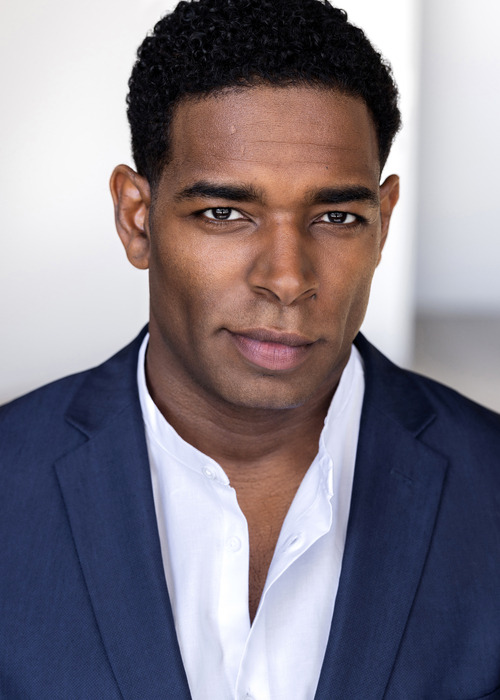
This photograph is the property of its respective owner. No copyright infringement intended.

Ali Amin Carter is a striking talent whose tall, elegant frame and natural good looks positioned him for success in both modeling and acting. Beginning his career on the runway, he eventually transitioned into theatre, earning recognition through the acclaimed stage production Ruined. His screen roles include appearances in Lovecraft Country and The Good Lord Bird, each showcasing his ability to blend emotional depth with quiet masculinity. More recently, Carter starred in the feature film Love Unexpected (2023/24), portraying Chase, a college-playboy figure whose world is challenged by love and transformation. His modeling roots gave him the visual confidence and stature that translate naturally to the screen, and he extended his reach further by starring in a music-video production by the singer Joe, demonstrating a versatility that spans modeling, film, and music.

Louis Allen III (LA3)

“The Green-Eyed Hunk: Athletic strength, masculine beauty, and unforgettable allure.”
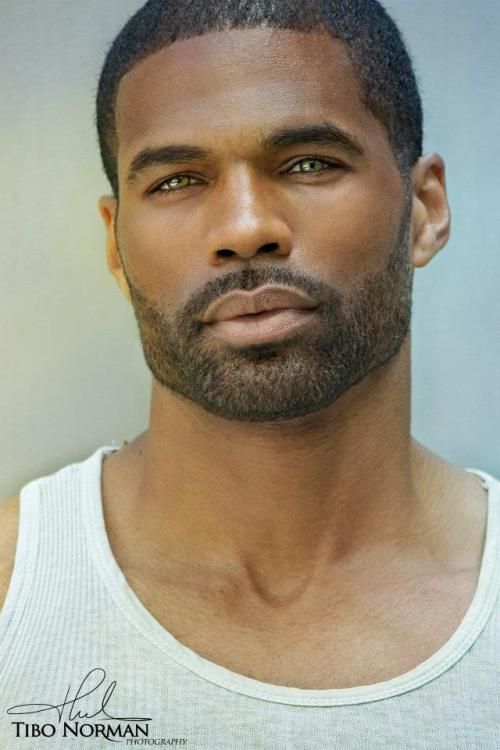
Photo Credit: Tibo Norman

Louis Allen III, known professionally as LA3, emerged from New Jersey as a modeling force defined by his remarkable green eyes, warm brown complexion, and athletic physique honed from his earlier years in minor-league football. His modeling journey began in high school, and he quickly became known for his commanding appearance in editorial spreads and grooming campaigns. Allen’s features made him a favorite for “Eye Candy” showcases and brand ambassador roles, where he represents the fusion of masculine beauty, athletic power, and classic photogenic appeal. Although his acting portfolio is smaller, he continues to expand his influence in fashion, fitness, and men’s grooming culture.

Together, these three men represent different dimensions of modern Black male beauty—intense, elegant, and powerfully photogenic. Their stories show how physical presence, combined with talent and ambition, opens doors across film, modeling, and public life. Each of them brings a unique energy to the screen or lens: Stanfield with soulful complexity, Carter with polished charm, and Allen with athletic grandeur. They reflect a new era in representation where Black men can embody sensitivity, strength, mystery, and beauty simultaneously. Their careers not only highlight their personal evolution but also expand the cultural imagination of what masculine perfection looks like in the twenty-first century.


References
“Ali Amin Carter – Biography,” IMDb.
“Love Unexpected,” IMDb.
“LaKeith Stanfield – Personal Life,” Essential Magazine.
“LaKeith Stanfield – Biography,” Wikipedia.

IMDb. LaKeith Stanfield – Biography.
Time Magazine. LaKeith Stanfield: Contemporary Chameleon.
Empire Magazine. LaKeith Stanfield Profile.
IMDb. Ali Amin Carter – Biography.
Essence Magazine. Eye Candy: Louis Allen III.
Blinging Beauty. The Face of Blinging Beauty’s Manly Man is LA

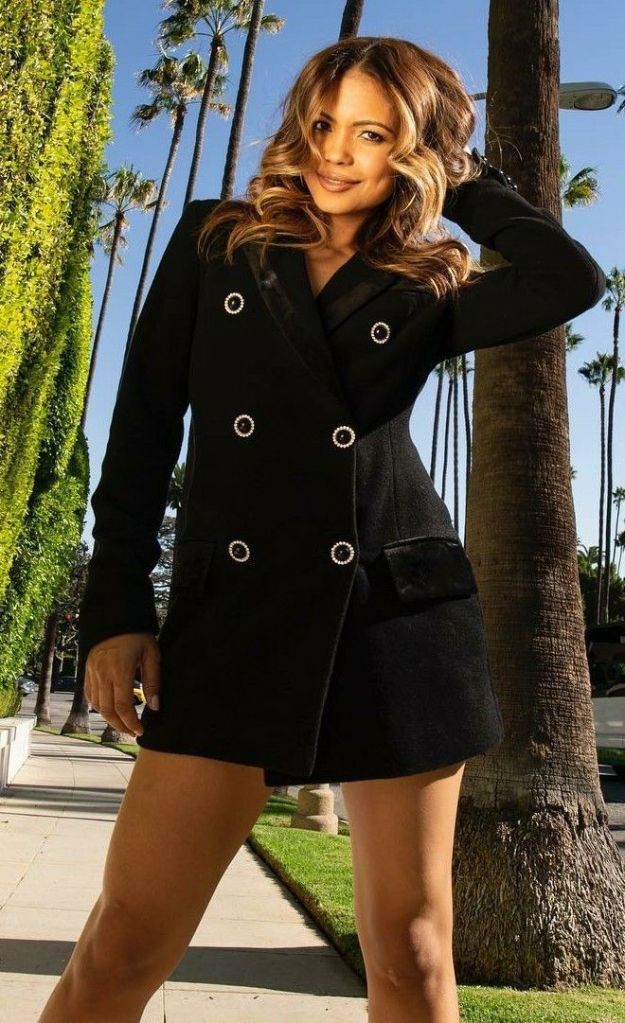
The “It Girl” Series: Jennifer Freeman

The sitcom sweetheart who grew into grace, resilience, and grown-woman reinvention.

This photograph is the property of its respective owner.

Jennifer Freeman represents a distinctive era of early 2000s Black television—where youthful beauty, comedic timing, and cultural relatability converged. With her soft features, almond-shaped eyes, and girl-next-door charm, Freeman quickly became one of the most recognizable young faces on prime-time Black sitcom television. Yet her story, like many child-to-adult stars, reflects both the glow of early fame and the complexities of personal growth under public scrutiny.

Born October 20, 1985, in Los Angeles, California, Freeman began acting at a young age, appearing in television series such as 7th Heaven and Even Stevens before landing her breakout role. Her defining career moment came in 2001 when she was cast as Claire Kyle on My Wife and Kids, starring opposite Damon Wayans and Tisha Campbell. As the stylish and often mischievous teenage daughter in the Kyle household, Freeman embodied the modern Black teen navigating family, identity, and humor. Her performance blended sass with innocence, making her a fan favorite and helping solidify the show’s place in early-2000s sitcom history.

After My Wife and Kids, Freeman transitioned into film and independent projects, including roles in You Got Served and Johnson Family Vacation. Though her mainstream visibility fluctuated, she remained active in television movies and urban cinema, gradually reintroducing herself to audiences as an adult actress.

This photograph is the property of its respective owner.

In 2022, Freeman joined the cast of The Black Hamptons, a drama series created by Carl Weber and streamed on BET+. The series explores generational wealth, class tension, and power struggles within an affluent Black coastal community. Freeman’s involvement marked a significant return to ensemble television, aligning her with contemporary narratives centered on Black prosperity and elite social circles. The show situates her within a more mature, dramatic space, contrasting sharply with her teenage sitcom origins.

Freeman’s personal life has also intersected with her public narrative. In 2009, she married former NBA player Earl Watson. The marriage ended in 2010 amid publicized allegations of domestic conflict, leading to a highly scrutinized divorce. Freeman later spoke about the emotional challenges of the relationship and her spiritual journey toward healing and self-restoration. The experience reframed her public image—from youthful sitcom star to a woman navigating trauma, faith, and personal rebuilding. Her openness about growth and accountability contributed to a broader cultural conversation about domestic relationships and emotional resilience.

While Freeman has not amassed a large collection of mainstream awards, her cultural recognition stems from generational impact. My Wife and Kids remains syndicated and streamed, continuously introducing her to new audiences. Within Black pop culture, she is often remembered as one of the quintessential “It Girls” of the early 2000s—an era when Black family sitcoms were central to network programming.

Jennifer Freeman’s legacy rests in evolution. She transitioned from teen star to adult actress, from public marital controversy to spiritual transparency, from sitcom daughter to dramatic ensemble player. Her story reflects not simply fame, but endurance—an arc familiar to many women in Hollywood who must reinvent themselves while the world watches.


References

BET+. (2022). The Black Hamptons series information.

IMDb. (n.d.). Jennifer Freeman filmography. Retrieved from https://www.imdb.com

People Magazine. (2010). Coverage of Jennifer Freeman and Earl Watson divorce.

Wayans, D. (Producer). (2001–2005). My Wife and Kids [TV series]. ABC.

Celebrity Spotlight: Omotola Jalade Ekeinde #Nollywood

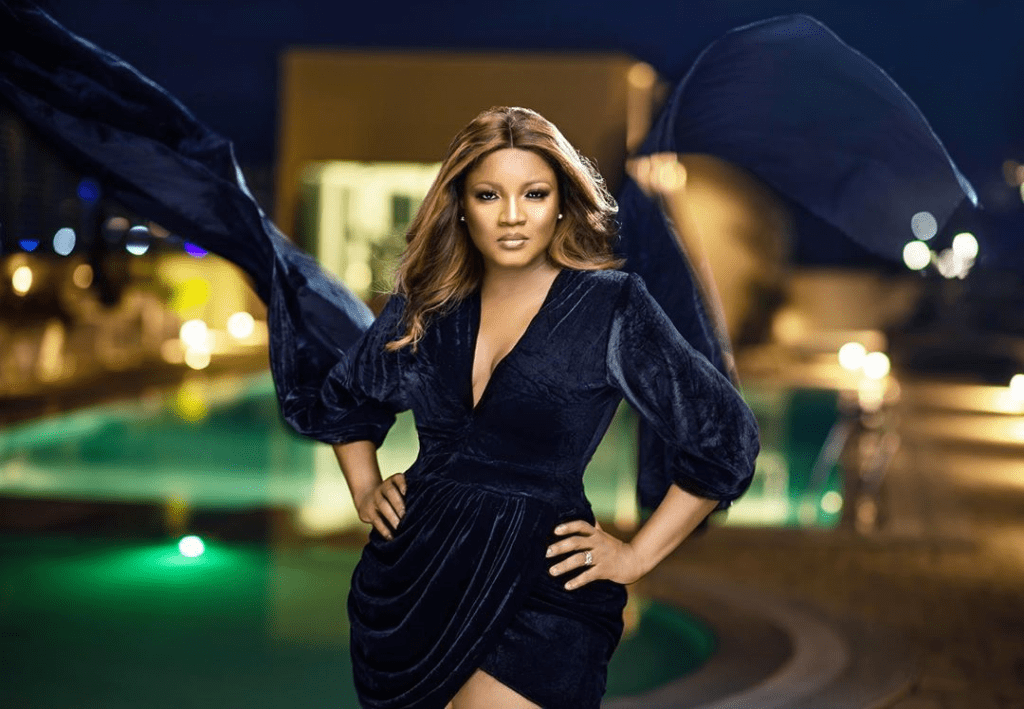
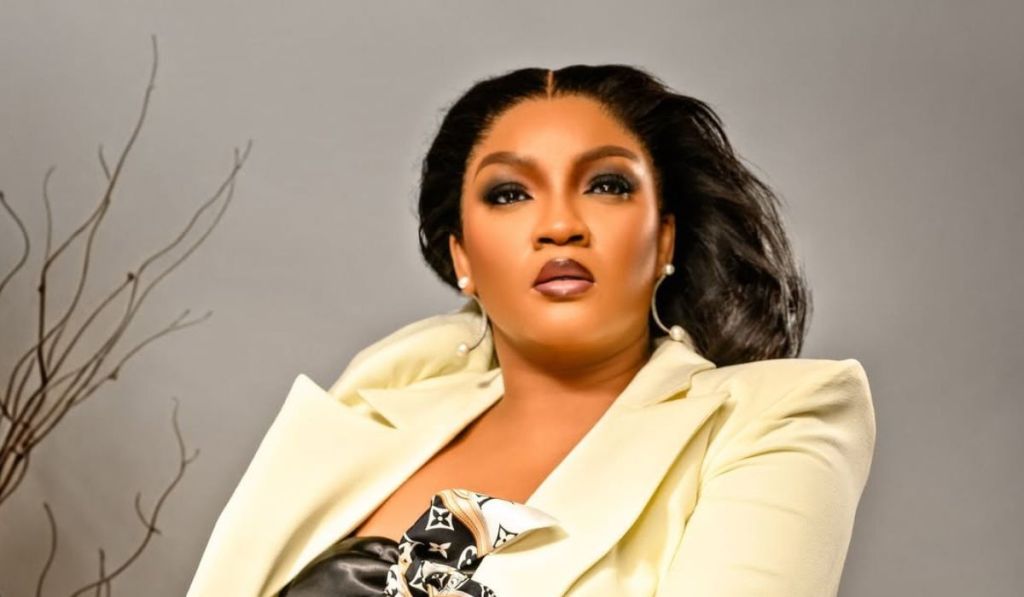
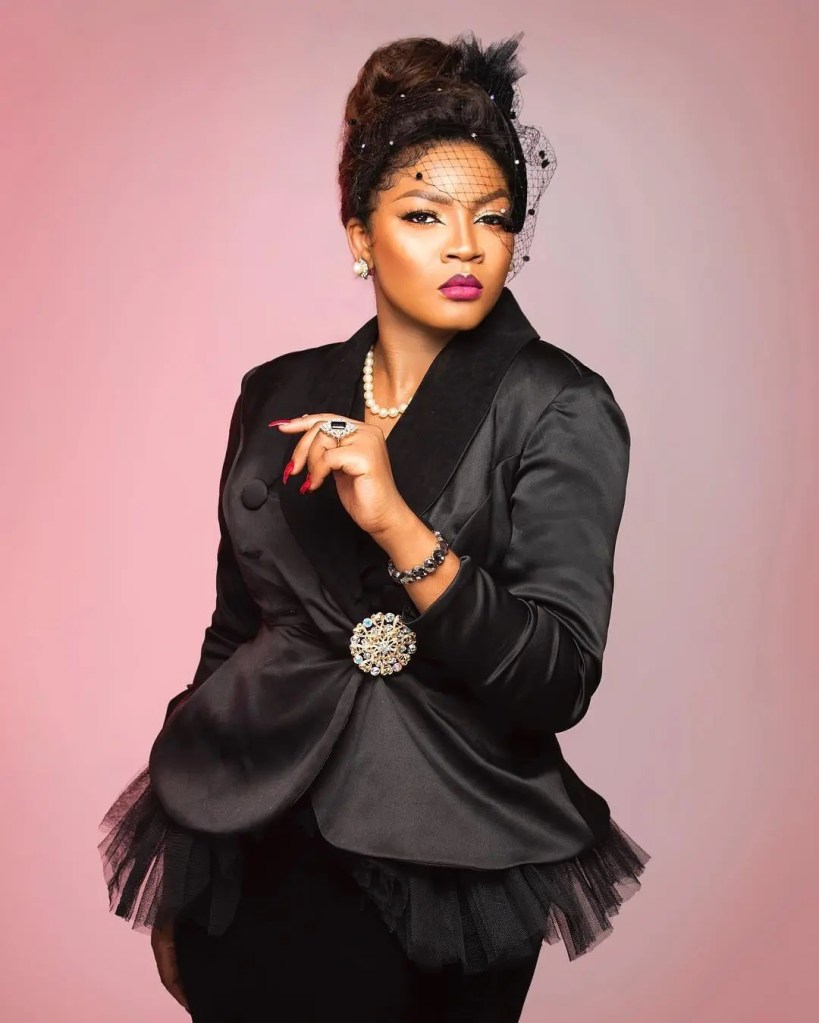
There are women whose presence commands admiration before they even speak — and Omotola Jalade Ekeinde, fondly called “Omosexy,” is one of them. With her radiant light caramel complexion, captivating almond eyes, and statuesque physique, she embodies a perfect fusion of African grace, sensuality, and sophistication. Her beauty is not only physical but regal — the kind that glows from confidence, faith, and purpose. She is not merely a Nollywood actress; she is a global phenomenon, humanitarian, wife, and mother whose impact extends far beyond the screen.


Early Life and Family Background

Omotola Jalade Ekeinde was born on February 7, 1978, in Lagos, Nigeria, to Oluwashola Jalade, a manager with the Lagos Country Club, and Oluwatoyin Jalade, a businesswoman. Raised in a disciplined Christian household, Omotola grew up with strong moral values, a sense of independence, and an early appreciation for education and service. She attended Chrisland School, Opebi, Oxford Children School, and Command Secondary School, Kaduna, before studying Estate Management at Yaba College of Technology.

At the age of 18, Omotola married her long-time partner, Captain Matthew Ekeinde, a respected Nigerian airline pilot, in a union that has become one of the most admired and enduring celebrity marriages in Africa. Together, they have four beautiful children, and their family stands as a symbol of stability, love, and faith within the entertainment industry.


Journey into Nollywood and Rise to Stardom

Omotola’s path to stardom began unexpectedly. Initially aspiring to a career in business management, she accompanied a friend to a movie audition and was encouraged to try out for a role herself. This spontaneous decision became destiny. Her acting debut came in 1995 with the film Venom of Justice, but it was her performance in Mortal Inheritance (1995) that catapulted her to fame. The film, which explored interracial marriage and sickle-cell anemia, showcased her emotional depth and established her as one of Nollywood’s most gifted talents.

Since then, Omotola has appeared in over 300 films, portraying complex characters that explore themes of love, justice, and womanhood. Her commanding performances have made her a household name, not only in Nigeria but across Africa and the diaspora.


Awards, Honors, and Global Recognition

Omotola’s contributions to film and society have earned her an impressive array of awards and distinctions. She received the Africa Movie Academy Award (AMAA) for Best Actress in a Leading Role and has won numerous Africa Magic Viewers’ Choice Awards (AMVCA) honors for her outstanding acting.

In 2013, Time Magazine named her one of the “100 Most Influential People in the World”, alongside Michelle Obama, Beyoncé, and Kate Middleton — an honor that solidified her status as a global icon. She was also recognized by the Nigerian government with the Member of the Order of the Federal Republic (MFR) for her contributions to Nigerian cinema.

Her film Alter Ego (2017) earned widespread critical acclaim for tackling issues of trauma and justice, further demonstrating her evolution as an actress of depth and conviction.


Endorsements and Humanitarian Work

Beyond the screen, Omotola is a dedicated humanitarian. She is a long-time UN World Food Programme Ambassador, advocating for the rights of women and children across Africa. She also works with the Amnesty International campaign on human rights awareness. Her commitment to social justice has earned her the nickname “The Real Life African Superwoman.”

Her beauty, intelligence, and authenticity have also made her one of the most sought-after brand ambassadors in Africa. She has partnered with major brands including Knorr, Ghandour Cosmetics, and BO16 Hair Care, using her platform to promote empowerment and self-confidence among African women.


Personal Life and Legacy

Despite her global fame, Omotola’s humility and devotion to her family remain at the heart of her identity. She often speaks openly about the importance of faith, balance, and maintaining one’s integrity in the entertainment industry. Her marriage to Captain Ekeinde remains one of the longest and most respected in Nollywood, defying the stereotype of fleeting celebrity unions.

Affectionately called “Omosexy” by fans, she redefines sensuality with grace — not as a tool of vanity, but as an expression of confidence and self-love. Her legacy is not only in film but also in her example of womanhood: strong, intelligent, nurturing, and unapologetically powerful.


Is Omotola the Highest-Paid Nollywood Actress?

For years, Omotola has ranked among the highest-paid actresses in Nollywood, often commanding premium fees per film. Alongside Genevieve Nnaji, she helped elevate the professional standards of pay and production quality in the Nigerian film industry. Her business acumen and professionalism have set new precedents for African actors, helping Nollywood evolve into a billion-dollar global industry.


Impact and Cultural Influence

Omotola Jalade Ekeinde’s influence reaches far beyond cinema. She represents the evolution of African womanhood — bold yet humble, beautiful yet principled, powerful yet nurturing. Her presence has inspired countless women to pursue their dreams without compromise. She is not only admired for her radiant ebony beauty but for her substance, discipline, and heart.

Her life is a living parable of excellence — proof that true beauty radiates from purpose and character. Omotola’s journey from a young Lagos girl to a world-renowned icon embodies the strength, resilience, and divine elegance of the modern African woman.


Conclusion

Omotola Jalade Ekeinde remains an enduring symbol of Black femininity and excellence. With her gleaming brown skin, sculpted face, and regal aura, she is a masterpiece of nature and nurture — a woman who moves with both grace and authority. As an actress, wife, and humanitarian, she continues to inspire a generation to dream boldly and love deeply. In every sense, she is carved by destiny, refined by faith, and crowned by legacy.


References

Amnesty International. (2015). Omotola Jalade Ekeinde joins campaign for human rights in Africa. Amnesty International. https://www.amnesty.org

BBC News. (2013, April 18). Time 100: Omotola Jalade Ekeinde among world’s most influential people. BBC. https://www.bbc.com/news

IMDb. (n.d.). Omotola Jalade Ekeinde biography. IMDb. https://www.imdb.com/name/nm1069989/

Nigerian Government Gazette. (2011). National honors list: Member of the Order of the Federal Republic (MFR). Federal Republic of Nigeria.

Pulse Nigeria. (2022, September 6). Omotola Jalade Ekeinde: Biography, family, and career success. Pulse Nigeria. https://www.pulse.ng

Time Magazine. (2013, April). The 100 Most Influential People in the World: Omotola Jalade Ekeinde. TIME Magazine. https://time.com

Vanguard Nigeria. (2021, August 12). Omotola Jalade Ekeinde: The timeless beauty of Nollywood. Vanguard Nigeria. https://www.vanguardngr.com

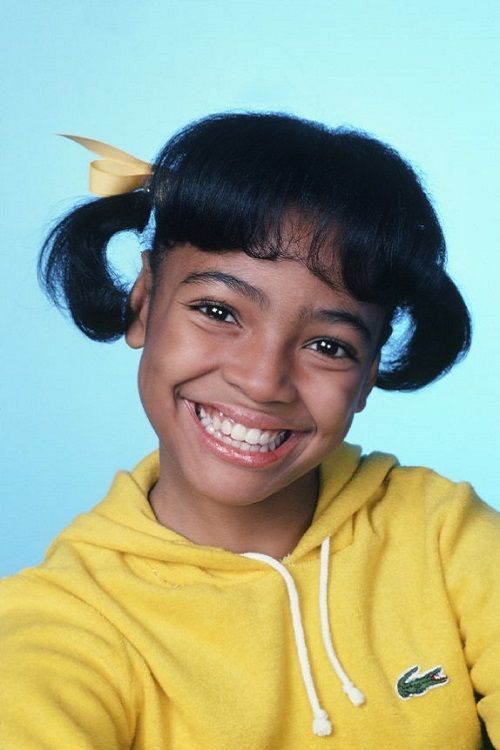
The “It Girl” Series: Kim Fields

From Tootie to Television Royalty

This photograph is the property of its respective owner.

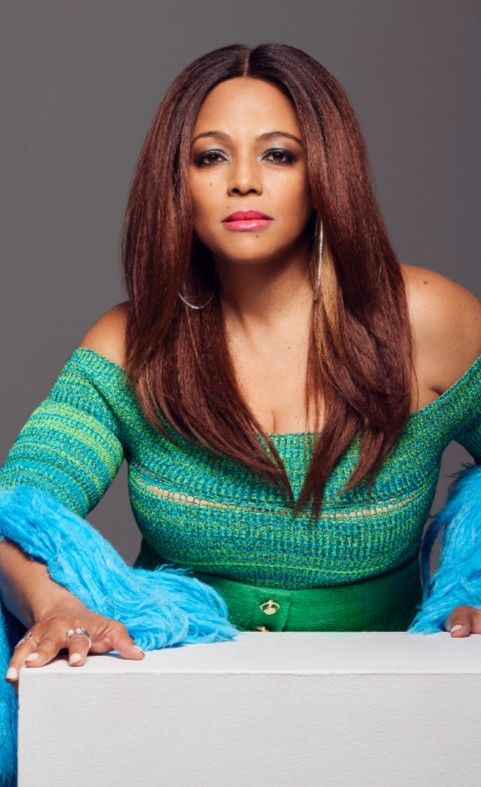
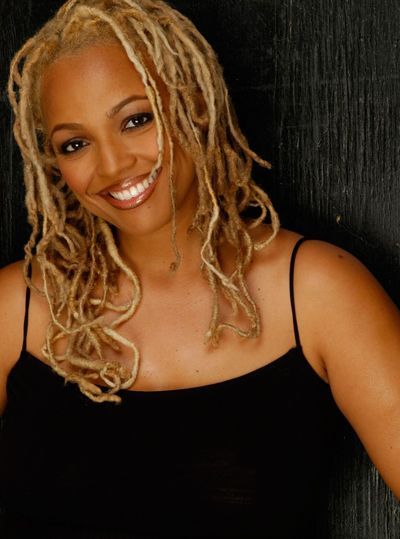
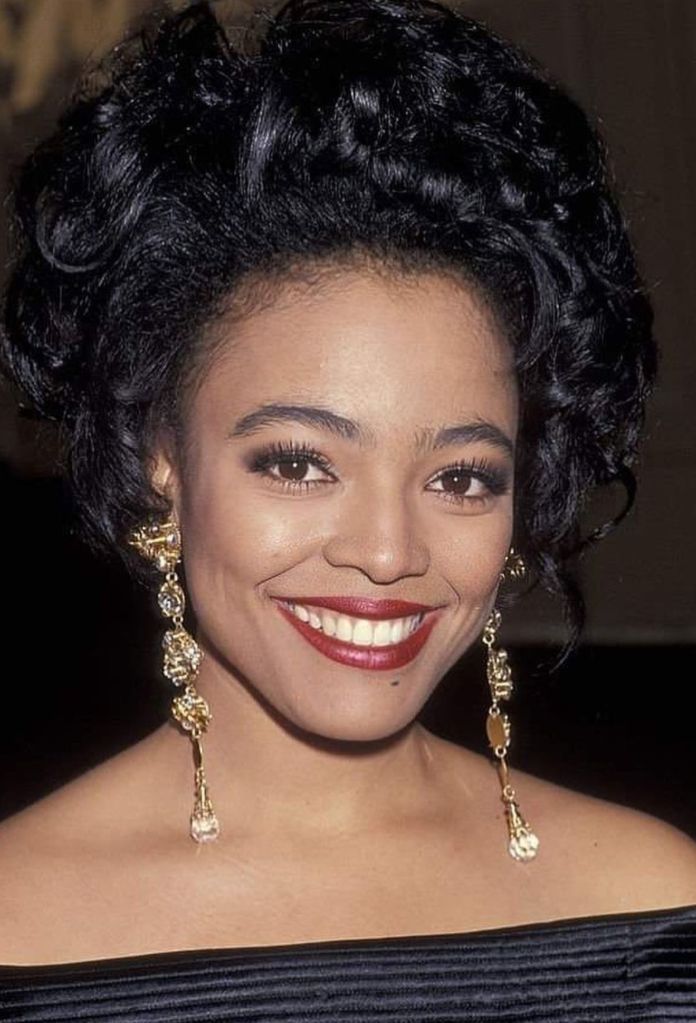
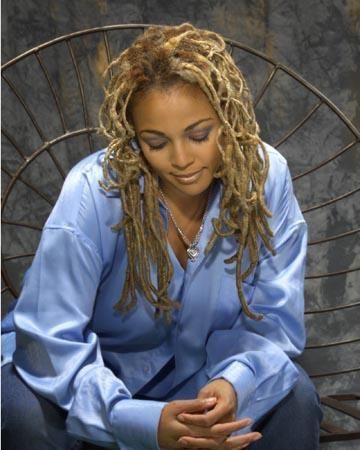
Few actresses in American television have grown up before the public with as much grace, talent, and longevity as Kim Fields. Known for her radiant smile, expressive eyes, and confident presence, Fields became a beloved figure in popular culture during the late twentieth century. Her statuesque beauty, warm personality, and sharp comedic timing made her one of television’s most recognizable young stars. Over the decades, she has successfully transitioned from child star to accomplished actress, director, producer, and author. Through her perseverance and professionalism, Kim Fields has earned her place among the women who embody the timeless cultural allure of an “It Girl.”

Kim Victoria Fields was born on May 12, 1969, in New York City. She was born into an entertainment family, as her mother, Chip Fields, was an accomplished actress and singer who appeared in numerous television shows and stage productions. Growing up in a creative environment exposed Fields to acting at a very early age. Her mother’s guidance and experience helped her navigate the demanding world of television while maintaining a strong sense of identity and discipline.

Fields spent much of her childhood in California, where the entertainment industry offered abundant opportunities for young performers. Even as a child, she demonstrated natural charisma and confidence before the camera. Her bright personality and expressive features made her a standout during auditions, and she quickly began appearing in commercials and small television roles.

This photograph is the property of its respective owner.

Her breakthrough came when she was cast as Dorothy “Tootie” Ramsey on the hit sitcom The Facts of Life. Debuting in 1979, the series followed a group of girls attending a boarding school and navigating adolescence together. Tootie, known for her roller skates and witty observations, quickly became one of the show’s most beloved characters. Fields’ youthful charm and comedic delivery endeared her to audiences across the United States.

During the show’s nine-season run, Fields matured both personally and professionally. Viewers watched her grow from a playful child into a confident young woman. This rare opportunity allowed audiences to witness a genuine coming-of-age journey on television, strengthening her connection with fans and solidifying her place in pop culture history.

Beyond acting, Fields also pursued music during the 1980s. She released several pop and R&B songs, including the single “He Loves Me He Loves Me Not,” which showcased her singing ability. Although music did not become the central focus of her career, it demonstrated her versatility and artistic curiosity.

After The Facts of Life concluded in 1988, Fields continued her education and expanded her career goals. She attended Pepperdine University, where she studied communications and film. Her academic pursuits reflected a desire to understand the entertainment industry from multiple perspectives, including directing and producing.

In the early 1990s, Fields returned to television with another memorable role on the hit sitcom Living Single. She portrayed Regine Hunter, a fashionable, witty, and glamorous socialite living in Brooklyn. The role allowed Fields to showcase a more mature comedic style and impeccable timing. Regine’s sharp humor and stylish personality made her one of the show’s most iconic characters.

This photograph is the property of its respective owner.

Living Single became an important cultural milestone in television history. The series portrayed successful Black professionals navigating friendship, romance, and careers in New York City. Fields’ performance contributed to the show’s enduring popularity and cultural significance.

The Upshaws is a popular family sitcom that premiered on Netflix in 2021. The series follows the working-class Upshaw family in Indianapolis as they navigate everyday struggles, relationships, and personal growth with humor and heart. Kim Fields plays Regina Upshaw, the intelligent, strong-willed wife who works as a nurse and often serves as the moral and emotional center of the household. The show blends classic sitcom comedy with realistic themes about marriage, parenting, financial challenges, and resilience, making it both relatable and culturally meaningful for modern audiences.

While continuing to act, Fields also developed a successful career behind the camera. She became a respected television director, working on episodes of popular sitcoms such as Kenan & Kel and Tyler Perry’s House of Payne. Her transition into directing demonstrated both leadership and creative insight, allowing her to shape stories from a new perspective.

Fields’ directing work also reflected her dedication to mentoring younger performers. Having grown up in the industry herself, she understood the challenges faced by young actors and often provided guidance and encouragement on set.

Her career continued to evolve as she appeared in numerous television films and reality programs. Fields competed on the popular dance competition series Dancing with the Stars, where audiences were reminded of her vibrant personality and determination. Her participation revealed a playful and adventurous side that fans appreciated.

In addition to her entertainment career, Fields is also an author. Her memoir, Blessed Life: My Surprising Journey of Joy, Tears, and Tales from Harlem to Hollywood, offers a personal reflection on her experiences in the entertainment industry and her faith. The book explores the lessons she learned while growing up in the spotlight.

This photograph is the property of its respective owner.

Fields’ beauty has always been characterized by elegance and authenticity. With warm brown eyes, glowing skin, and a poised demeanor, she embodies a natural charm that transcends fashion trends. Her style combines classic sophistication with a welcoming, approachable presence.

Throughout her life, Fields has also emphasized the importance of faith, family, and personal integrity. She has spoken openly about the value of maintaining spiritual grounding while navigating the pressures of Hollywood. This balance has contributed to her reputation as both a talented performer and a respected individual.

Today, Kim Fields continues to act, direct, and produce television projects while participating in speaking engagements and community initiatives. Her experience and wisdom have made her a mentor for younger performers entering the industry.

What makes Kim Fields an “It Girl” is not merely her early fame but her enduring relevance. She successfully reinvented herself across multiple decades, transitioning from child star to accomplished creative professional without losing the warmth and authenticity that audiences admire.

Her legacy also reflects the importance of representation in television history. Through roles like Tootie Ramsey and Regine Hunter, Fields helped shape the portrayal of intelligent, complex Black women on screen.

Longevity in entertainment is rare, especially for child actors. Yet Fields managed to sustain her career with grace, intelligence, and strategic reinvention. Her journey demonstrates resilience, adaptability, and unwavering dedication to her craft.

This photograph is the property of its respective owner.

For many viewers, Kim Fields represents a comforting familiarity—a performer who has accompanied them through different stages of life. Her presence evokes nostalgia while continuing to inspire new audiences.

Ultimately, Kim Fields stands as a testament to perseverance and talent. From a young girl skating through the halls of Eastland School to a respected director and actress, she has consistently demonstrated professionalism and grace.

In every sense, Kim Fields remains an “It Girl”—a woman whose charm, beauty, intelligence, and cultural impact continue to resonate across generations.


References

Britannica. (2026). Kim Fields. Encyclopaedia Britannica.

Fields, K. (2017). Blessed Life: My Surprising Journey of Joy, Tears, and Tales from Harlem to Hollywood. Howard Books.

IMDb. (2026). Kim Fields Filmography. IMDb Database.

Smith, S. (2018). Black Women in Television: A Cultural History. New York University Press.

The Ebony Dolls: Jayne Kennedy Overton

A Vision in Bronze: The Iconic Beauty of Jayne

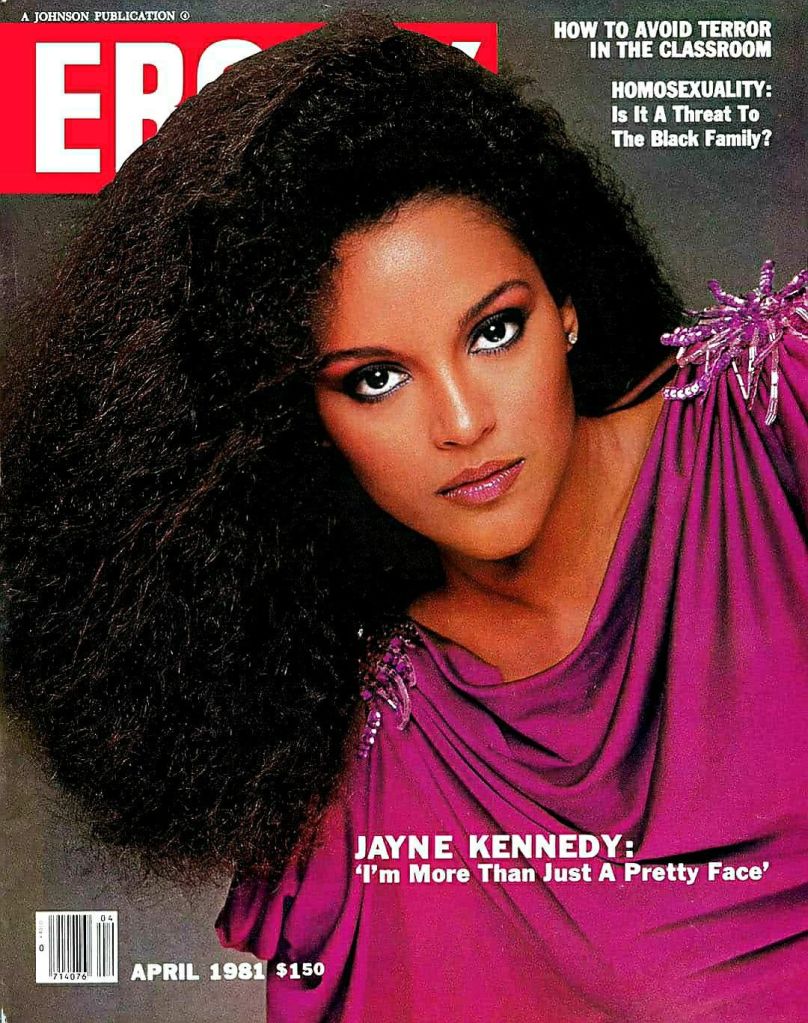
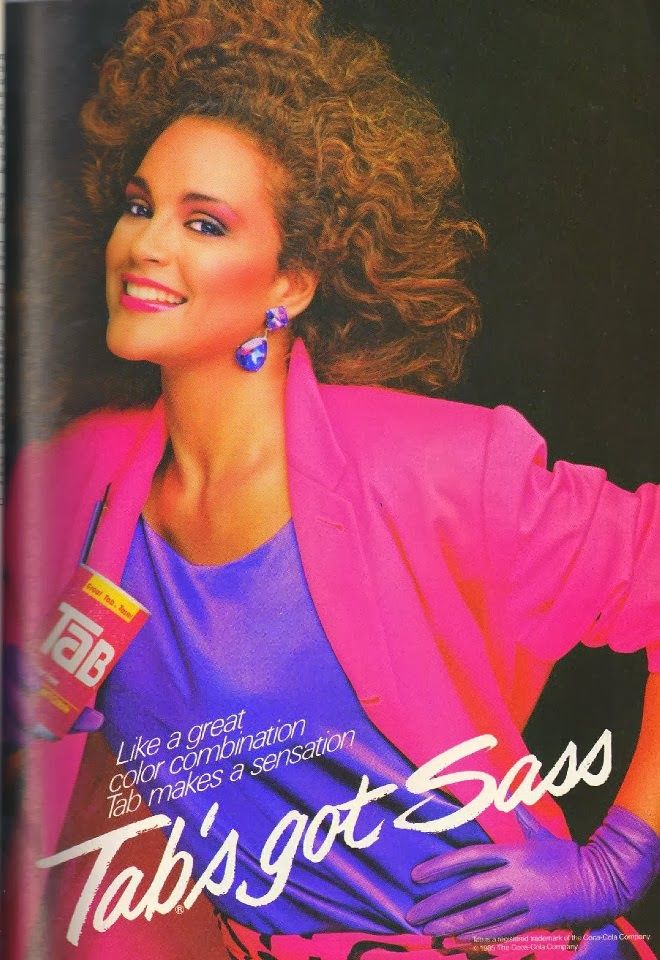
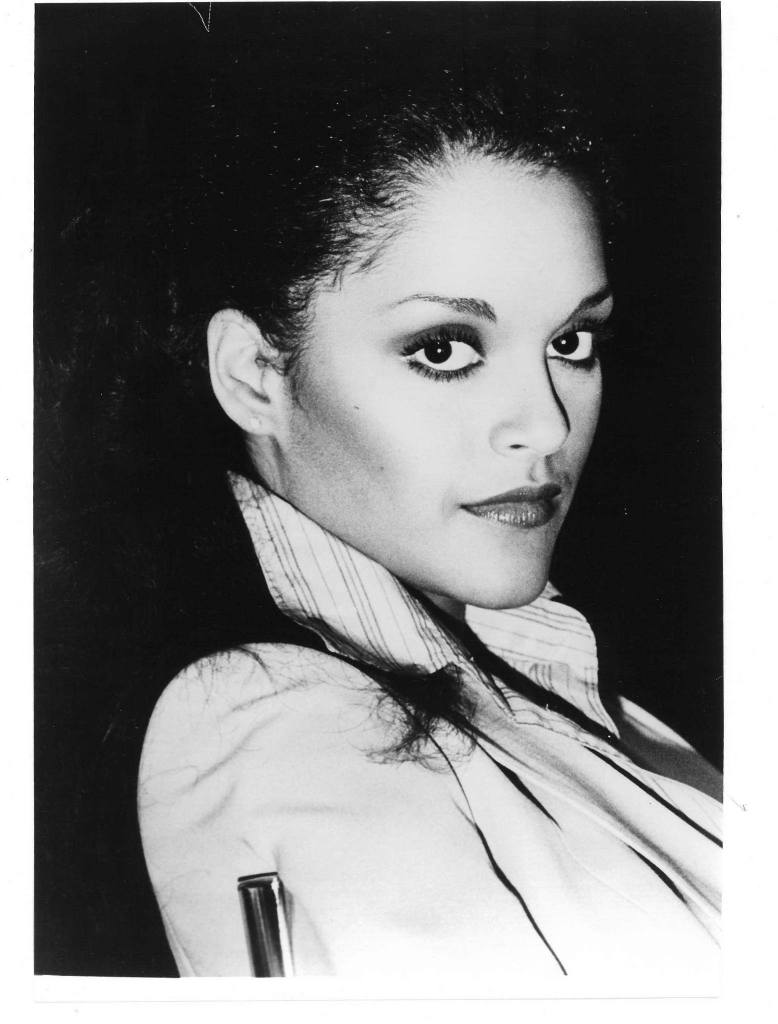
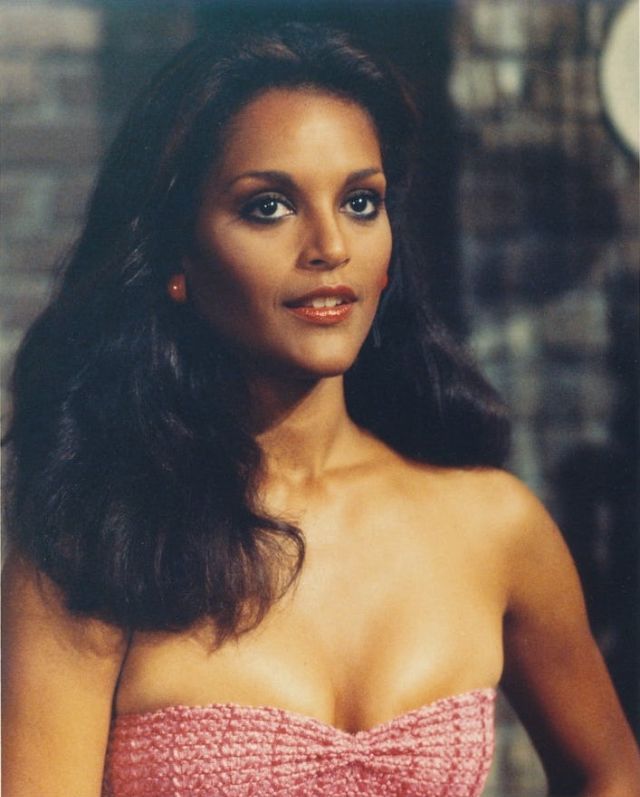
In an era when Hollywood rarely celebrated Black beauty, Jayne Kennedy emerged like a vision— radiant, regal, and revolutionary. With her luminous bronze complexion, captivating smile, and eyes that reflected both warmth and wisdom, she redefined what glamour could look like in America. Jayne wasn’t merely beautiful; she was a lovely vision in motion—graceful as a dancer, poised as royalty, and powerful as a pioneer. As one of the first Black women to host a national sports broadcast, model and secured endorsement deals. Appearing on magazine covers and starring in film and television, she shattered barriers with elegance and determination. Her beauty carried more than aesthetic appeal—it carried purpose, destiny, and representation.

This photograph is the property of its respective owner.

Kennedy’s career was a masterclass in versatility. From Miss Ohio USA to The NFL Today, and from her acting roles in Body and Soul and The Muthers to her fitness empire that inspired a generation, she embodied excellence with integrity. Yet beyond the spotlight, Jayne’s faith, family devotion, and philanthropic spirit reflected an inner beauty as dazzling as her outer glow. She became a symbol of beauty and empowerment for Black women who saw themselves finally reflected in grace, style, and strength. Decades later, her influence still reverberates—proof that true beauty never fades; it evolves, enlightens, and endures.

Photo by  LaMonte McLemore

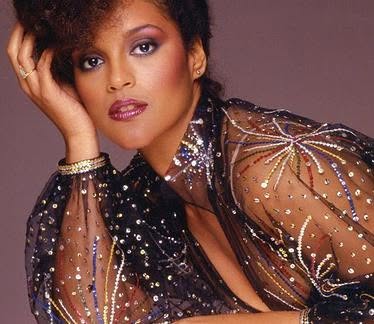
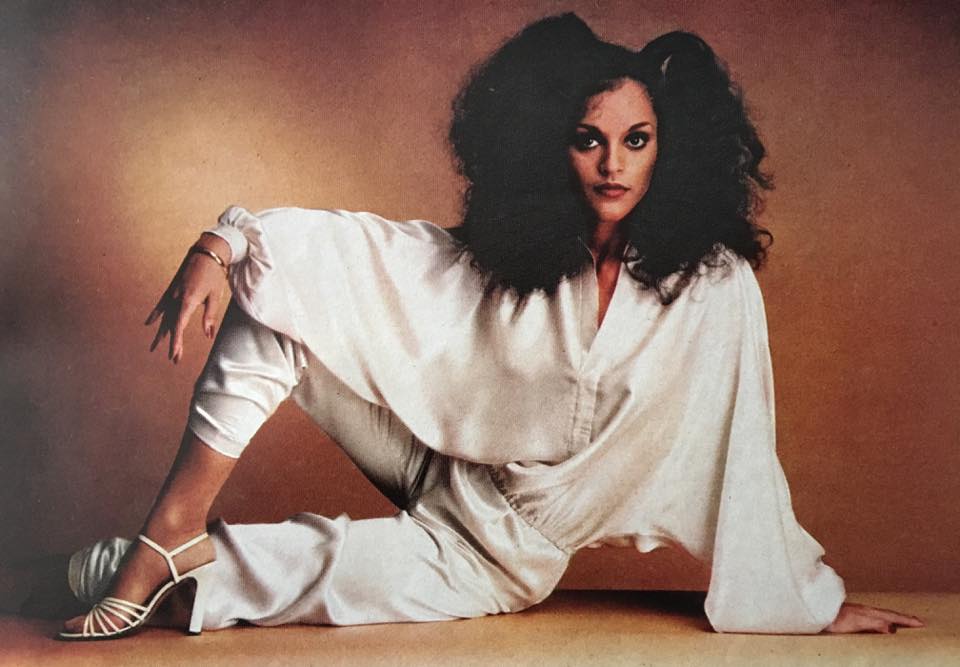
Jayne Kennedy Overton epitomized the ideal of Black beauty during the 1970s and 1980s. With her rich caramel skin, flawless facial symmetry, and long, silky hair, she became the poster child for the most beautiful Black woman of her era. Her striking appearance made her the envy of many women and the object of desire for countless men. Alongside Billy Dee Williams, she was among the most desired figures of her time, captivating audiences with her elegance and grace.

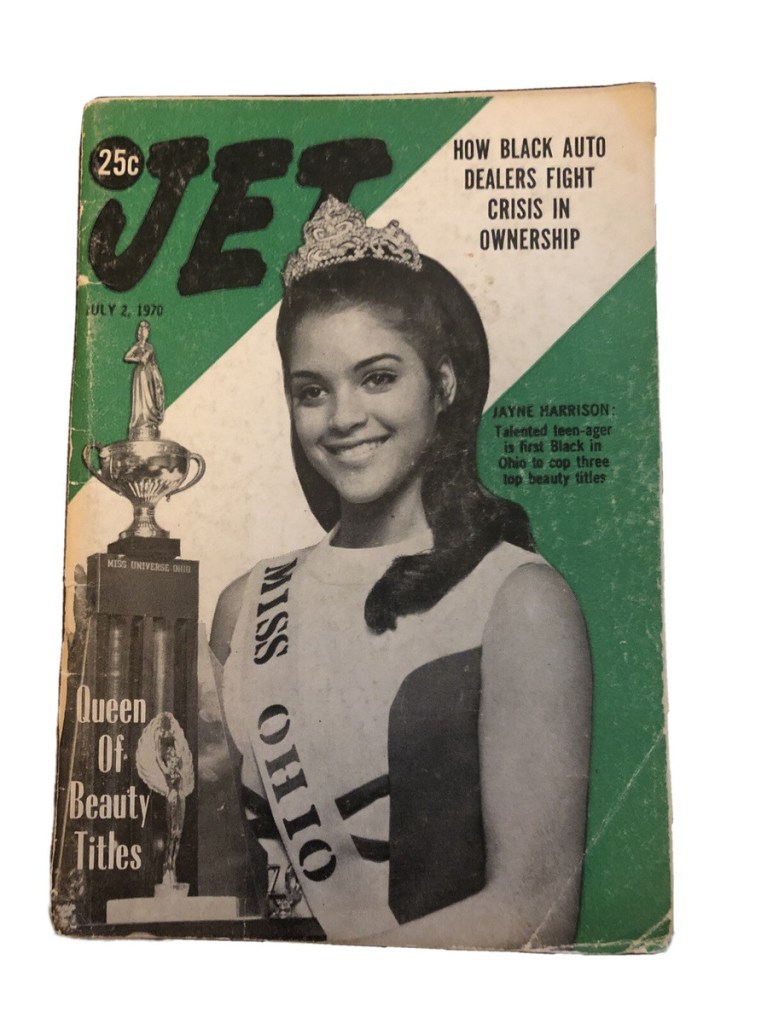
Born Jayne Harrison on October 27, 1951, in Washington, D.C., she was one of six children raised by Herbert and Virginia Harrison. Her parents instilled in her the values of ambition, humility, and resilience. In high school, she excelled academically and socially, serving as vice president of her sophomore class and president of her junior class. Her beauty and poise led her to be crowned Miss Ohio USA in 1970, making her the first African American woman to hold the title. She went on to compete in the Miss USA pageant, finishing in the top ten.

Her pageant success opened doors to a flourishing career in entertainment. She began as a dancer on “Rowan & Martin’s Laugh-In” and later joined “The Dean Martin Show” as a singer and dancer. Throughout the 1970s, she appeared in various television shows, including “The Six Million Dollar Man,” “Sanford and Son,” and “Starsky & Hutch.” Her film credits include “Group Marriage” (1973), “Let’s Do It Again” (1975), and “Body and Soul” (1981), for which she won the NAACP Image Award for Outstanding Actress in a Motion Picture.

In the late 1970s, Kennedy made history by becoming the first African American woman to host “The NFL Today” on CBS, breaking significant racial barriers in sports broadcasting. She later hosted “Greatest Sports Legends,” interviewing luminaries like Kareem Abdul-Jabbar and Johnny Unitas. Her presence in the sports world was groundbreaking, paving the way for future generations of Black women in media.

Beyond acting and broadcasting, Kennedy ventured into fitness with the release of her own exercise video, “Love Your Body,” in 1983. The video emphasized self-love and body positivity, encouraging viewers to appreciate their bodies and maintain physical health. She also became the face of Coca-Cola’s Tab soda and Jovan Musk perfume, further solidifying her status as a cultural icon.

Kennedy’s personal life was marked by both challenges and triumphs. She married actor Leon Isaac Kennedy in 1971, and the couple had a tumultuous relationship that ended in divorce in 1982. In 1985, she married actor Bill Overton in a small ceremony in Bermuda. Together, they have four children: daughters Savannah Re, Kopper Joi, and Zaire Ollyea, and Overton’s daughter from a previous relationship, Cheyenne. Despite facing health challenges, including a battle with endometriosis, Kennedy has remained a devoted mother and wife, balancing her family life with her professional endeavors.

Photo by  LaMonte McLemore

Throughout her career, Kennedy faced the complexities of being a Black woman in Hollywood, often encountering limited roles and opportunities. However, she used her platform to advocate for diversity and representation in media. She has been involved in various charitable causes, including co-hosting “The Lou Rawls Parade of Stars” in 1986, which raised $10 million for The United Negro College Fund, and serving as a keynote speaker at the Evanston Martin Luther King celebration in 1987.

This photograph is the property of its respective owner.

Kennedy’s beauty was not only physical but also radiated from her confidence, intelligence, and compassion. She once stated, “One of the most significant is to be acknowledged as a woman of elegance, femininity, and grace. None of which has anything to do with the way you look.” This perspective underscores her belief that true beauty encompasses more than just appearance.

Her legacy continues to inspire, and she remains a beloved figure in the entertainment industry. In recent years, she has been active in various projects and continues to engage with her audience through social media platforms. Her enduring influence serves as a testament to her talent, resilience, and the timeless allure that captivated a generation.

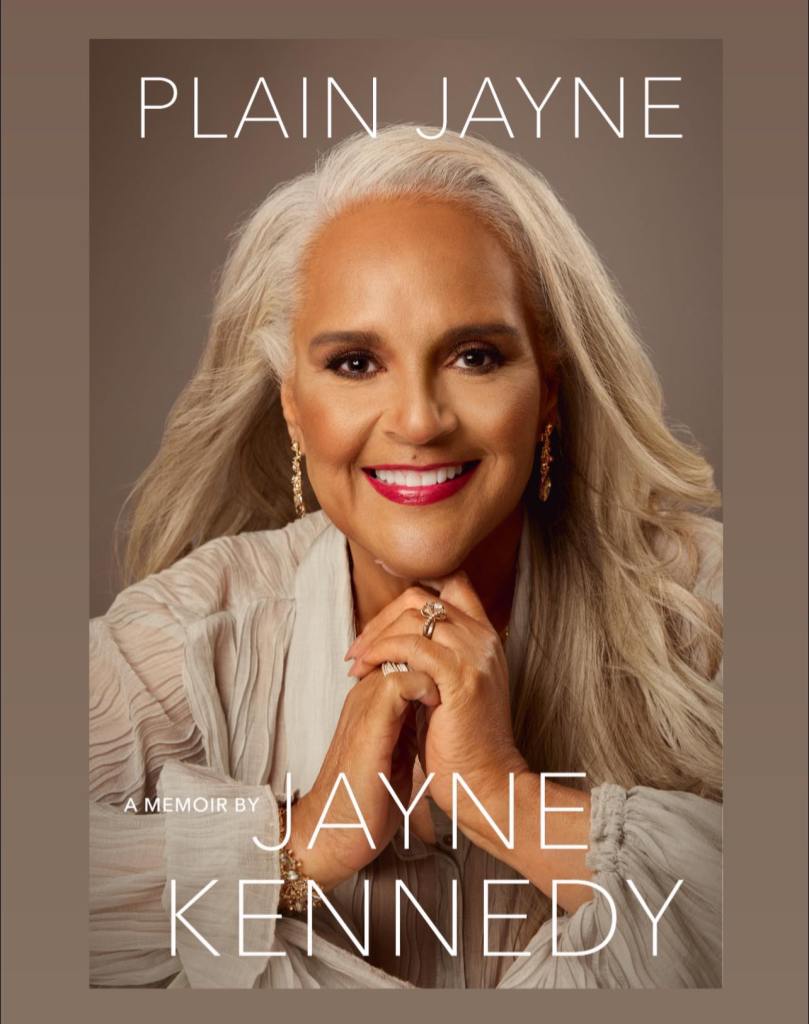
In recent years, Jayne Kennedy released her inspiring memoir, Plain Jayne, a reflective journey through her extraordinary life. The book chronicles her humble beginnings in Ohio, her rise through the world of beauty pageants—including her crowning as Miss Ohio USA—and her groundbreaking transition into entertainment and sports broadcasting. Through candid storytelling, Kennedy reveals the determination, faith, and resilience that shaped her into the trailblazing icon she is today.

To purchase her book, hit the link: https://amzn.to/4oWRMHL

Jayne Kennedy’s story is not merely one of fame—it is a symphony of faith, elegance, and endurance. From the quiet streets of Ohio to the dazzling lights of Hollywood, she moved with the poise of a queen and the heart of a servant, turning obstacles into stepping stones and criticism into conviction. Her beauty opened doors, but her character kept them open for others. Plain Jayne is more than a memoir—it is a mirror reflecting the strength, dignity, and divine grace of a woman who refused to be defined by limitations. Today, Jayne Kennedy’s light still shimmers across generations, reminding us that true beauty is eternal—it is the glow of purpose, courage, and the unyielding belief that you were born to shine.

References:

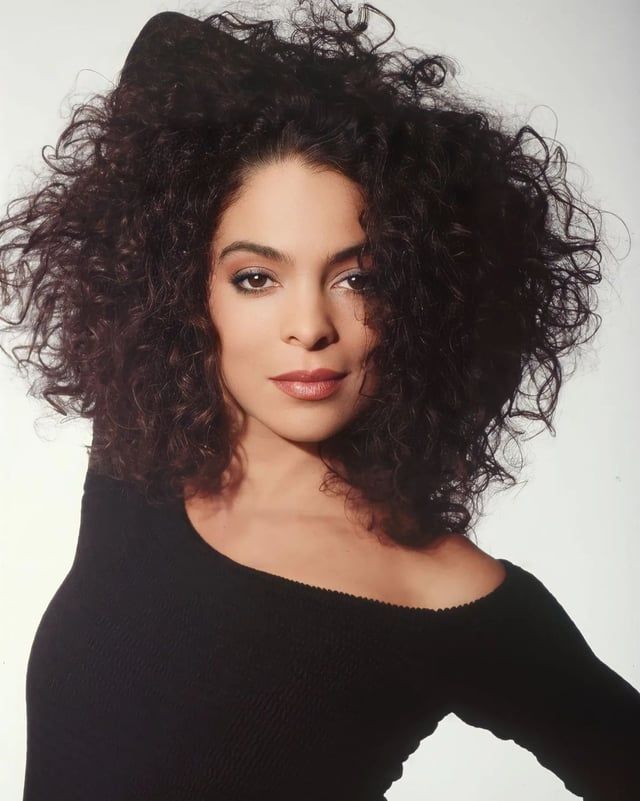
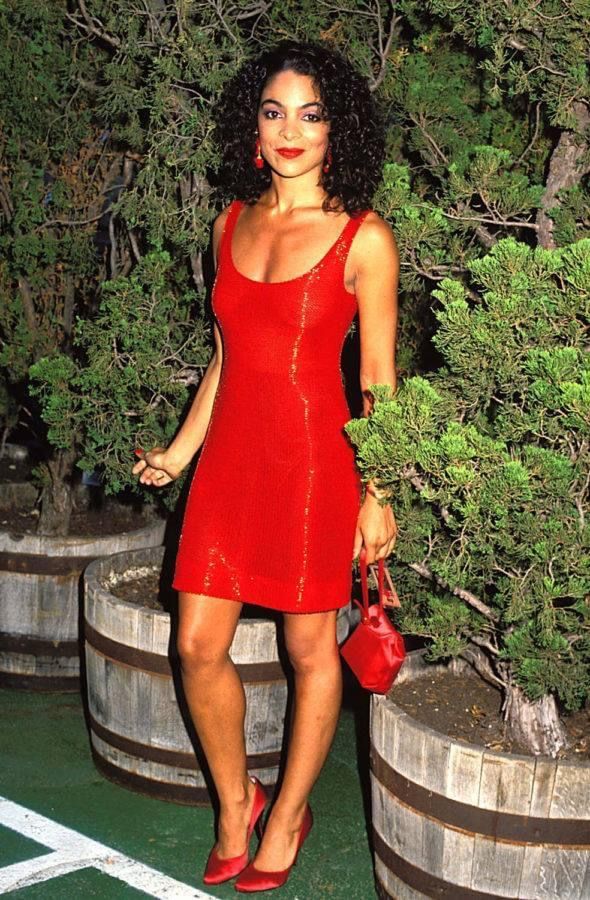
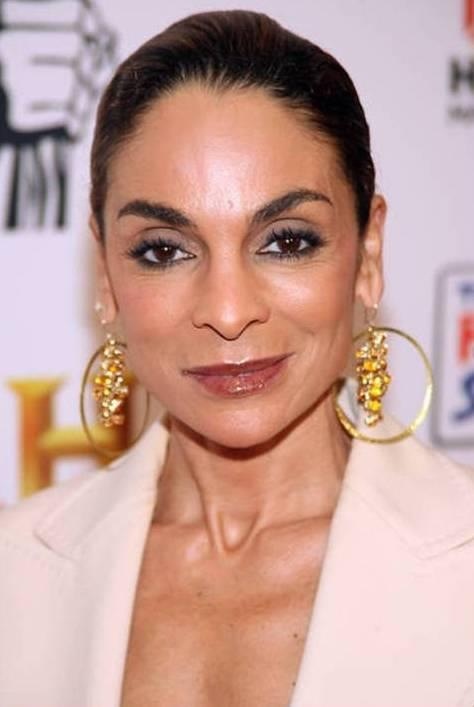
The “It Girl” Series: Jasmine Guy

A vision of sophistication with a dancer’s poise and an actress’s emotional depth, Jasmine Guy captivated audiences and helped redefine the image of the modern Black woman on television.

This photograph is the property of its respective owner.

With regal poise, luminous beauty, and a voice that blended Southern charm with artistic sophistication, Jasmine Guy became one of television’s most unforgettable “It Girls,” captivating audiences with intelligence, elegance, and multi-talented artistry.

This photograph is the property of its respective owner.

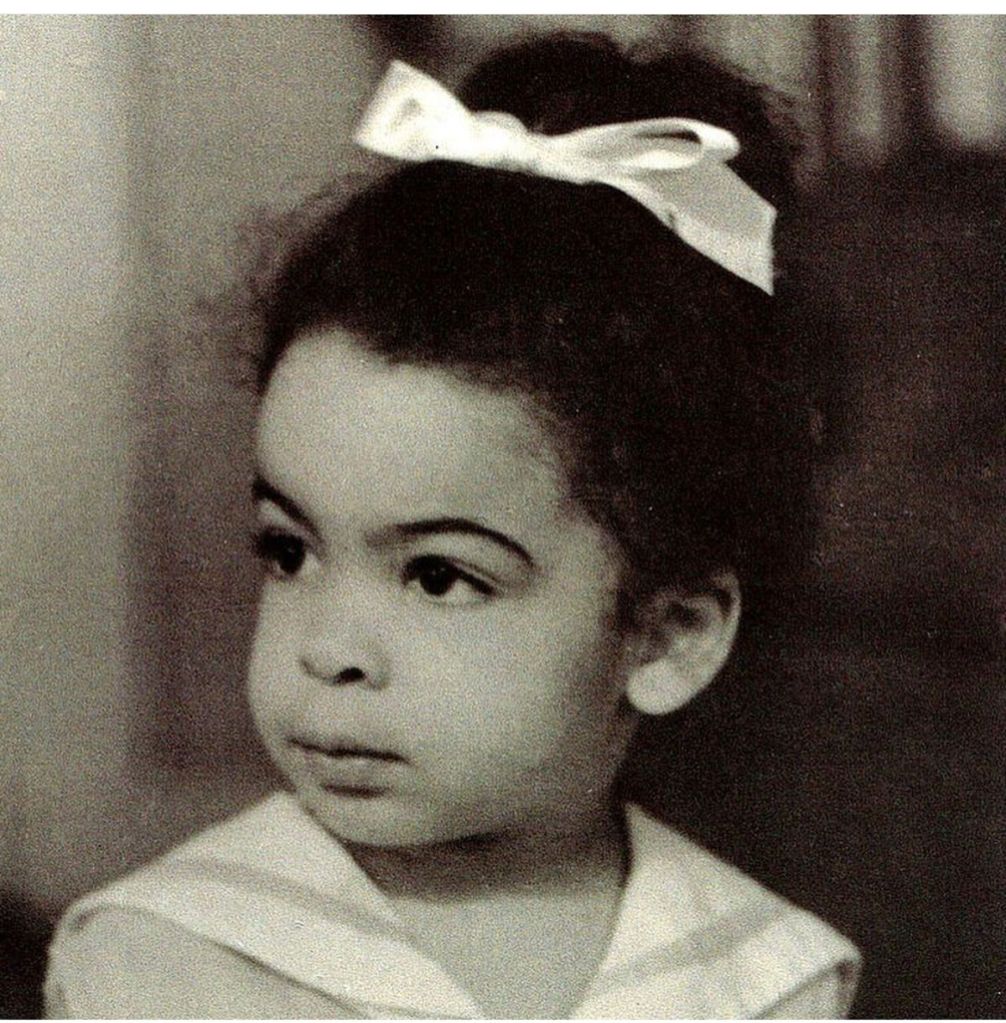
Jasmine Guy was born on March 10, 1962, in Boston, Massachusetts, but she was primarily raised in Atlanta, Georgia. She grew up in a culturally rich and intellectually stimulating household. Her father, William Guy, was an African American Baptist minister and professor of philosophy and religion who served as pastor of the historic Friendship Baptist Church in Atlanta. Her mother, Jaye Rudolph, was a Portuguese-American high school teacher. Growing up in a biracial household exposed Jasmine Guy to diverse cultural influences that shaped her worldview and artistic identity. Raised in the historic Collier Heights neighborhood—one of Atlanta’s first affluent Black communities—Guy was surrounded by educators, professionals, and leaders who emphasized excellence and achievement.

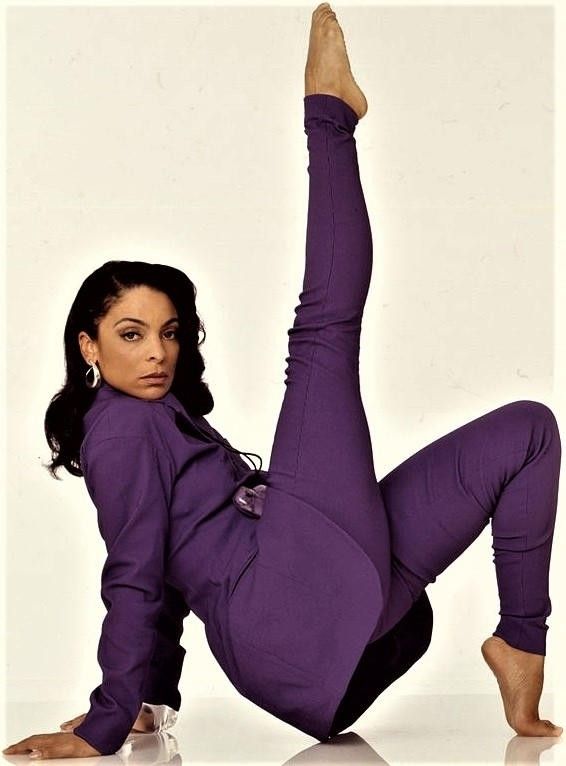
From childhood, Guy displayed remarkable artistic ability. She sang in the church choir where her father preached, developing a love for music and performance at an early age. She later attended Northside Performing Arts High School in Atlanta, where her talents in dance, theater, and singing began to flourish. Determined to pursue a professional career in the arts, she moved to New York City at age seventeen to study dance at the prestigious Alvin Ailey American Dance Theater school. This rigorous training refined her technical abilities and prepared her for a career in entertainment that would span television, film, music, and theater.

This photograph is the property of its respective owner.

Guy’s professional career began in the early 1980s when she appeared as a dancer on the television series Fame in 1982. Though a small role, it marked her official entry into the entertainment industry. She soon began performing in stage productions and appeared in the Broadway musical revival of The Wiz in 1984. Her work in theater helped her develop the triple-threat talent—acting, singing, and dancing—that would define her career.

Her major breakthrough came in 1987 when she was cast as Whitley Gilbert on the NBC sitcom A Different World, a spin-off of The Cosby Show. Whitley Gilbert was a wealthy Southern debutante attending the fictional historically Black Hillman College. The character quickly became one of the most iconic figures on television due to her dramatic personality, distinctive Southern accent, impeccable fashion sense, and complex emotional development. Initially portrayed as a privileged socialite, Whitley evolved into a thoughtful and independent woman over the course of the show’s six seasons from 1987 to 1993. Guy’s performance made the character unforgettable and cemented her place in television history. Her portrayal resonated with audiences, particularly Black viewers, who saw a sophisticated and multidimensional representation of young Black womanhood.

Guy’s work on A Different World brought her significant recognition. She won four NAACP Image Awards for Outstanding Lead Actress in a Comedy Series, reflecting both her acting talent and the cultural impact of the show. The series itself became an influential program that highlighted historically Black colleges and universities, inspiring many young viewers to pursue higher education.

This photograph is the property of its respective owner.

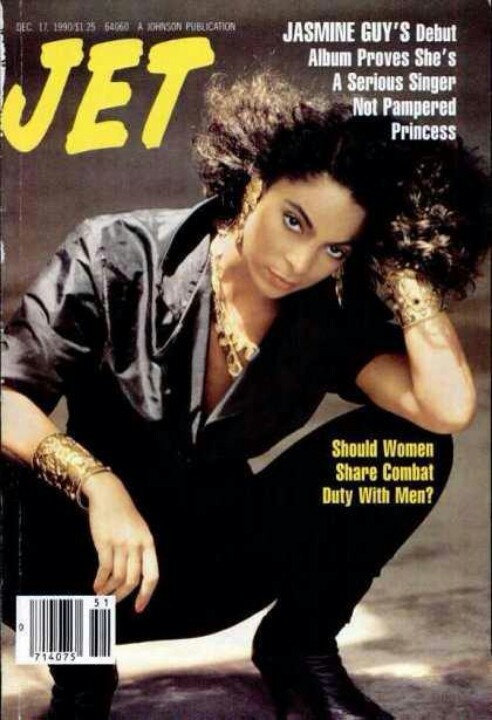
At the height of her television fame, Guy expanded her artistic career into music. In 1990, she released her self-titled debut album Jasmine Guy through Warner Bros. Records. The album blended R&B, pop, and new jack swing, a sound popular during the early 1990s. It produced several singles, including “Try Me,” “Another Like My Lover,” and “Just Want to Hold You.” The song “Another Like My Lover” became her biggest hit, reaching the Top 10 on the Billboard R&B chart. Though she did not pursue a long-term recording career, the album demonstrated her versatility as an entertainer and further enhanced her public image as a multi-talented performer.

Alongside her television success, Guy built a notable film career. One of her earliest film roles was in School Daze (1988), directed by Spike Lee. The film explored issues of colorism and social identity within Black college culture, and Guy’s role as Dina contributed to the movie’s cultural commentary. She later appeared in Harlem Nights (1989), starring alongside Eddie Murphy and Richard Pryor. Her film work also included voice acting in the animated film Cats Don’t Dance (1997).

This photograph is the property of its respective owner.

Guy continued appearing in numerous television projects throughout the 1990s and 2000s. Her television credits include guest roles in The Fresh Prince of Bel-Air, Dead Like Me, and the supernatural drama The Vampire Diaries. Her continued presence on television demonstrated her longevity as an actress and her ability to adapt to new genres and audiences. In addition to acting, Guy worked behind the scenes as a director and choreographer, further expanding her influence in the entertainment industry.

Beyond performing, Jasmine Guy is also an accomplished writer. In 2004, she authored the biography Afeni Shakur: Evolution of a Revolutionary, chronicling the life of activist Afeni Shakur, the mother of legendary rapper Tupac Shakur. Guy had been a close friend of Tupac and worked closely with Afeni Shakur to document her experiences as a member of the Black Panther Party and a social activist.

In her personal life, Guy married Terrence Duckett in 1998. The couple welcomed a daughter, Imani Guy Duckett, in 1999. After approximately ten years of marriage, Guy and Duckett divorced in 2008. Following the divorce, she returned to Atlanta, where she continued acting while focusing on raising her daughter and participating in local theater and cultural projects.

Throughout her career, Jasmine Guy has received numerous honors and recognitions. In addition to her NAACP Image Awards, she received critical acclaim for her stage performances and later earned a Daytime Emmy Award in 2023 for her work in the short-form series Chronicles of Jessica Wu. The recognition demonstrated the lasting relevance of her talent decades after her breakthrough role.

This photograph is the property of its respective owner.

Jasmine Guy became an “It Girl” because she represented the rare combination of beauty, intelligence, artistic versatility, and cultural significance. Her elegant appearance, expressive voice, and commanding presence made her unforgettable, while her portrayal of Whitley Gilbert defined an era of Black television. The character’s memorable lines, emotional depth, and iconic romance with Dwayne Wayne remain among the most beloved moments in sitcom history.

More than just a television star, Jasmine Guy symbolizes the power of multidimensional Black artistry. Actress, singer, dancer, author, and director, she built a career that reflects both creativity and resilience. Her influence continues to resonate with audiences who grew up watching A Different World and with new generations discovering her work. In the legacy of Black entertainment icons, Jasmine Guy stands as a timeless example of the grace, intellect, and talent that define a true “It Girl.”


References

BlackPast.org. (2016). Jasmine Guy.
IMDb. (2024). Jasmine Guy Biography and Filmography.
The Famous People. (2024). Jasmine Guy Biography.
Billboard. (1990). R&B Chart History – Jasmine Guy.
Wikipedia contributors. (2024). Jasmine Guy.
Wikipedia contributors. (2024). Jasmine Guy (album).

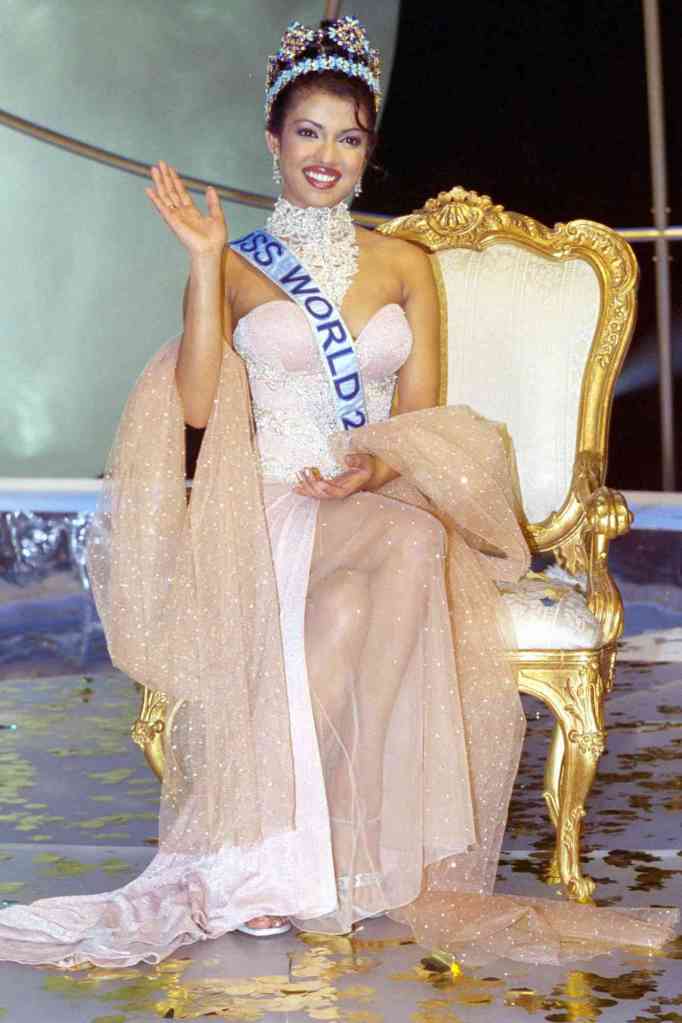
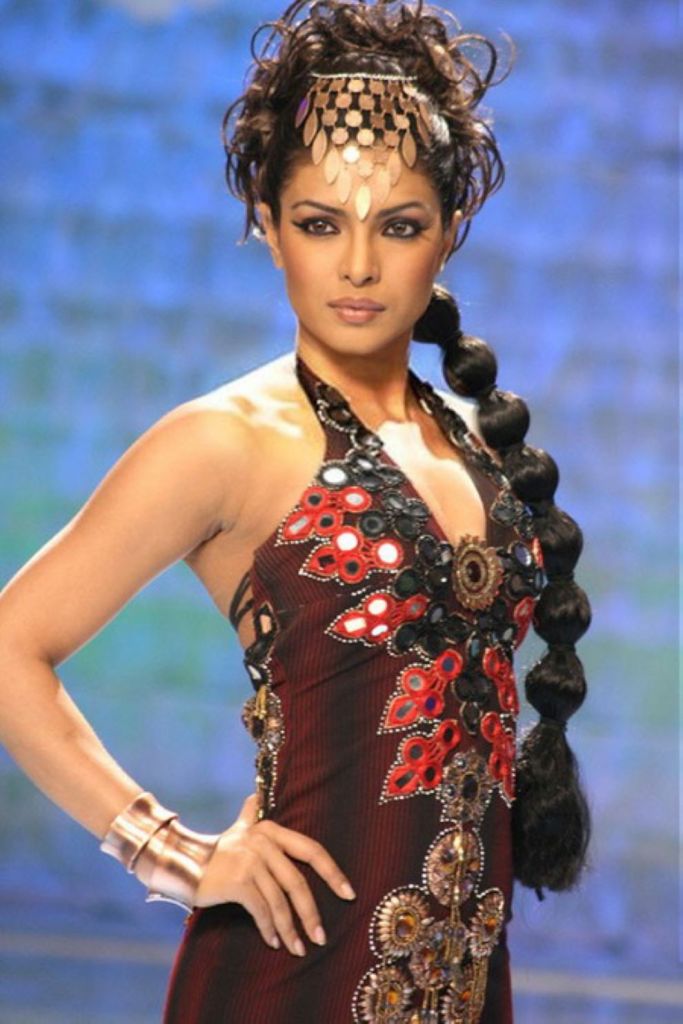
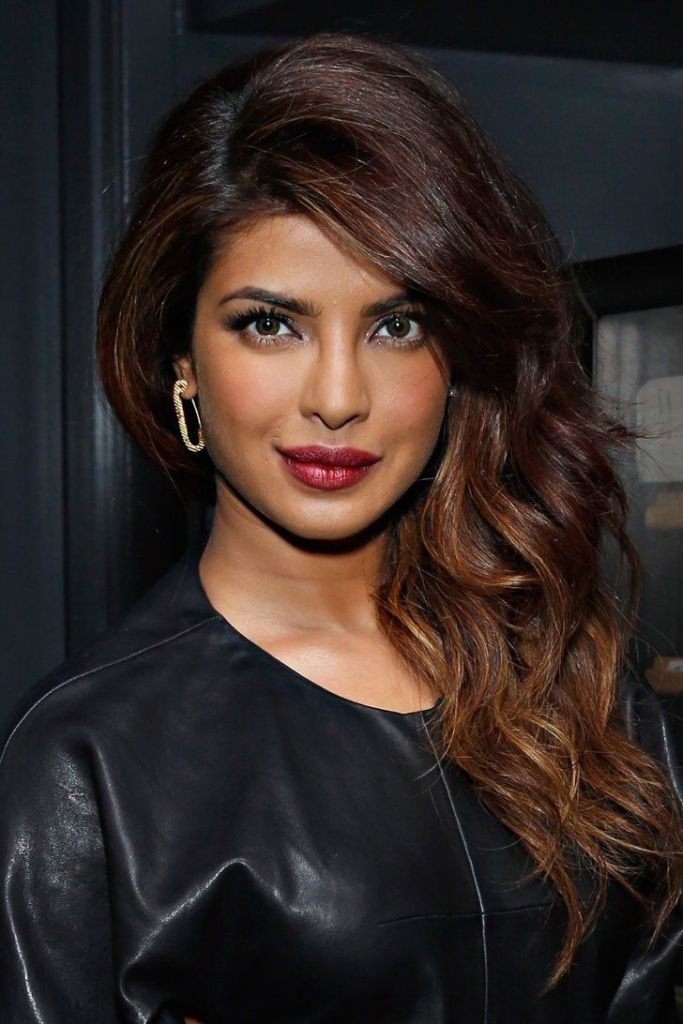
The Indian Dolls: Priyanka Chopra Jonas

This photograph is the property of its respective owner. No copyright infringement intended.

Priyanka Chopra Jonas is one of the most celebrated figures to emerge from India’s entertainment industry and transition successfully into Hollywood. Known for her mesmerizing beauty, intelligence, and fierce determination, she has transcended cultural and cinematic boundaries, becoming a symbol of global Indian excellence. With her captivating eyes, flawless features, and commanding presence, Chopra embodies the allure of what many describe as the “exotic Indian beauty” — timeless, radiant, and powerful.

Born on July 18, 1982, in Jamshedpur, Bihar (now Jharkhand), India, Priyanka Chopra grew up in an army household, which meant constant relocation and exposure to diverse cultures across India. This nomadic upbringing shaped her adaptability and confidence. Educated in both India and the United States, she was a bright student who initially aspired to study engineering or psychiatry. Her life took a dramatic turn when she entered the world of beauty pageants, ultimately capturing the Miss World crown in 2000 — a victory that catapulted her into the spotlight overnight.

This photograph is the property of its respective owner. No copyright infringement intended.

Her Miss World win marked the beginning of an illustrious career. Priyanka’s beauty was often described as “regal yet approachable,” her almond-shaped brown eyes often noted as her most striking feature. In India, she was hailed as a national treasure — the perfect blend of modernity and tradition. The Bollywood industry quickly embraced her, recognizing not only her looks but also her immense potential as a performer.

Priyanka’s entry into Bollywood began with the 2003 film The Hero: Love Story of a Spy, followed by her breakout performance in Andaaz (2003), for which she won the Filmfare Award for Best Female Debut. Her versatility became evident as she took on diverse roles, from romantic comedies to action thrillers. Audiences admired her charisma and screen presence, describing her as both glamorous and grounded — a rare combination in the Indian film industry.

The year 2008 marked a turning point in her career with Fashion, directed by Madhur Bhandarkar. Playing the role of Meghna Mathur, a small-town girl navigating the ruthless world of high fashion, Priyanka delivered one of the most powerful performances of her career. The film not only won critical acclaim but also earned her the National Film Award for Best Actress, solidifying her position as one of Bollywood’s finest talents.

Fashion 2008. This photograph is the property of its respective owner. No copyright infringement intended.

Her portrayal in Fashion was hailed as bold and transformative. Critics praised her for breaking stereotypes about female-led films in India. It was a defining moment that proved she was not just another beauty queen but a serious actress capable of carrying a film on her shoulders. Fashion also symbolized her personal philosophy — to reinvent herself continuously and rise stronger from every fall.

Following Fashion, Chopra delivered memorable performances in films such as Kaminey (2009), 7 Khoon Maaf (2011), Barfi! (2012), and Mary Kom (2014). Her ability to embody a wide range of characters earned her several awards, including five Filmfare Awards and numerous international honors. In Barfi!, she portrayed an autistic woman with depth and sensitivity, earning global recognition for her emotional range and commitment to complex roles.

Priyanka’s ambition extended beyond Bollywood. In 2015, she made history as the first South Asian woman to headline an American television series, starring as Alex Parrish in ABC’s Quantico. The role showcased her strength, intelligence, and allure to a global audience, earning her the People’s Choice Award — another first for an Indian actress. Her transition to Hollywood was seen as groundbreaking, symbolizing a cultural bridge between East and West.

This photograph is the property of its respective owner. No copyright infringement intended.

In Hollywood, she continued to expand her repertoire with roles in films like Baywatch (2017), Isn’t It Romantic (2019), and The Matrix Resurrections (2021). Priyanka’s success in both industries demonstrated her adaptability and tenacity. Hollywood insiders often described her as a “global powerhouse” — an artist who commands attention not merely for her looks, but for her intelligence and presence.

Priyanka’s beauty remains one of her most discussed attributes. Her skin tone, eyes, and classic features have inspired discussions on representation and inclusivity in Western media. She has often used her platform to challenge stereotypes about Indian women and advocate for diversity in entertainment. Her elegance and confidence have made her a red-carpet favorite at the Met Gala, the Oscars, and Cannes.

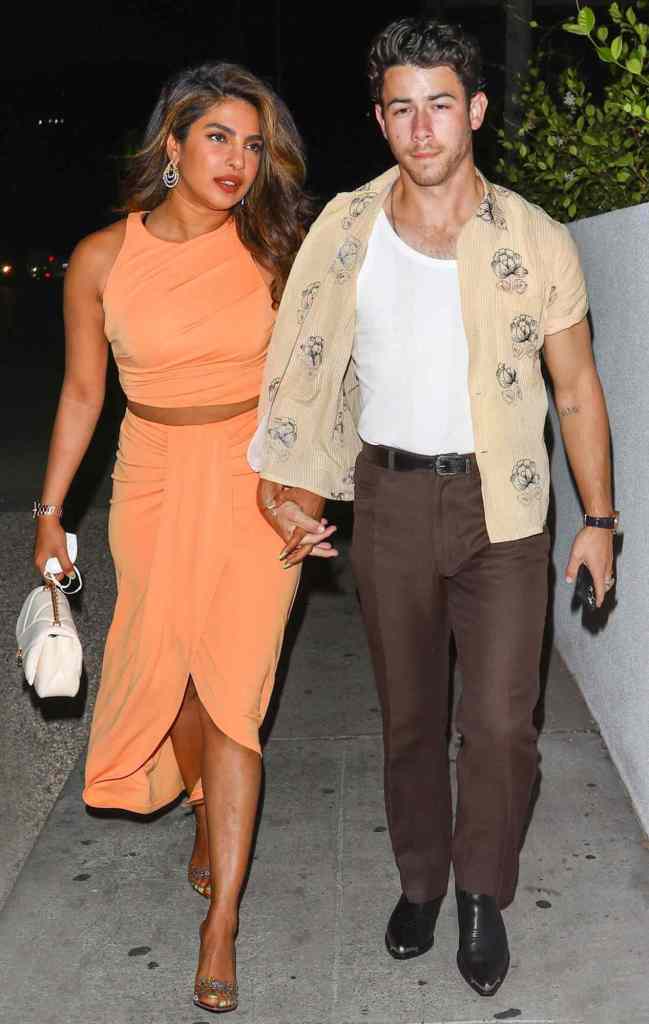
Her love story with American singer Nick Jonas captivated the world. The couple first met in 2017 at the Vanity Fair Oscars afterparty, where Jonas reportedly fell in love at first sight. After a year of dating, they married in December 2018 in a lavish ceremony at the Umaid Bhawan Palace in Jodhpur, blending Hindu and Christian traditions. Their union was celebrated globally as a symbol of cultural harmony and modern love.

This photograph is the property of its respective owner. No copyright infringement intended.

The Chopra-Jonas marriage also sparked widespread admiration for how the couple balances their cultural differences with mutual respect. Nick Jonas often praises Priyanka’s intelligence, work ethic, and sense of humor, while she affectionately calls him her “cheerleader.” Together, they represent a merging of East and West, tradition and modernity.

Priyanka’s influence extends beyond film. She has been a UNICEF Goodwill Ambassador since 2010, advocating for children’s rights, gender equality, and education. Her humanitarian work reflects the same passion and discipline she brings to her acting career. In 2016, Time magazine named her one of the 100 most influential people in the world, and Forbes consistently listed her among the highest-paid actresses globally.

Her entrepreneurial ventures include her haircare brand Anomaly, which emphasizes clean beauty and inclusivity. She is also a published author; her memoir Unfinished (2021) offers an intimate look into her journey, struggles, and triumphs. The book became a bestseller, further cementing her status as a multifaceted global figure.

In both Bollywood and Hollywood, people describe Priyanka as disciplined, ambitious, and fearless. Industry peers admire her for breaking barriers and representing India on a world stage with dignity. In Bollywood, she is remembered as one of the last true “movie stars,” while in Hollywood, she is respected as a cultural trailblazer.

Priyanka’s career has redefined what it means to be an Indian actress in a globalized world. Her ability to navigate different cultures, languages, and cinematic traditions makes her one of the most versatile and influential artists of her generation. She stands as a beacon for women of color striving to succeed in industries historically dominated by Western ideals of beauty and stardom.

Beyond fame, Priyanka remains grounded in her roots. She frequently expresses pride in her Indian heritage and continues to celebrate her culture through fashion, film, and philanthropy. Her journey from Miss World to international superstar illustrates the power of resilience, reinvention, and purpose.

Today, Priyanka Chopra Jonas represents far more than glamour — she symbolizes empowerment, diversity, and global unity. Her beauty may have opened doors, but it is her determination, intelligence, and heart that keep them open. Through her art, activism, and authenticity, she continues to inspire millions around the world. Priyanka Chopra is often described metaphorically as an “Indian doll” because of her striking beauty, polished poise, and global elegance—qualities that blend classical Indian femininity with modern cosmopolitan power. The term, when used respectfully, reflects admiration for her refined features, expressive eyes, symmetrical face, and statuesque presence that photographs and films with remarkable grace.

References

  • Bhandarkar, M. (Director). (2008). Fashion [Film]. UTV Motion Pictures.
  • Chopra Jonas, P. (2021). Unfinished: A Memoir. Ballantine Books.
  • Filmfare Awards Archives. (2024). Priyanka Chopra Jonas Awards and Nominations. Filmfare.
  • TIME Magazine. (2016). 100 Most Influential People: Priyanka Chopra.
  • UNICEF. (2022). Priyanka Chopra Jonas: Goodwill Ambassador Profile.
  • Variety. (2023). Priyanka Chopra: The Global Powerhouse Bridging Bollywood and Hollywood.
  • Vogue India. (2020). Priyanka Chopra on Love, Beauty, and Global Identity.

The Caste System in India: Social Hierarchy, Skin Color, and Cultural Impact. #Bollywood

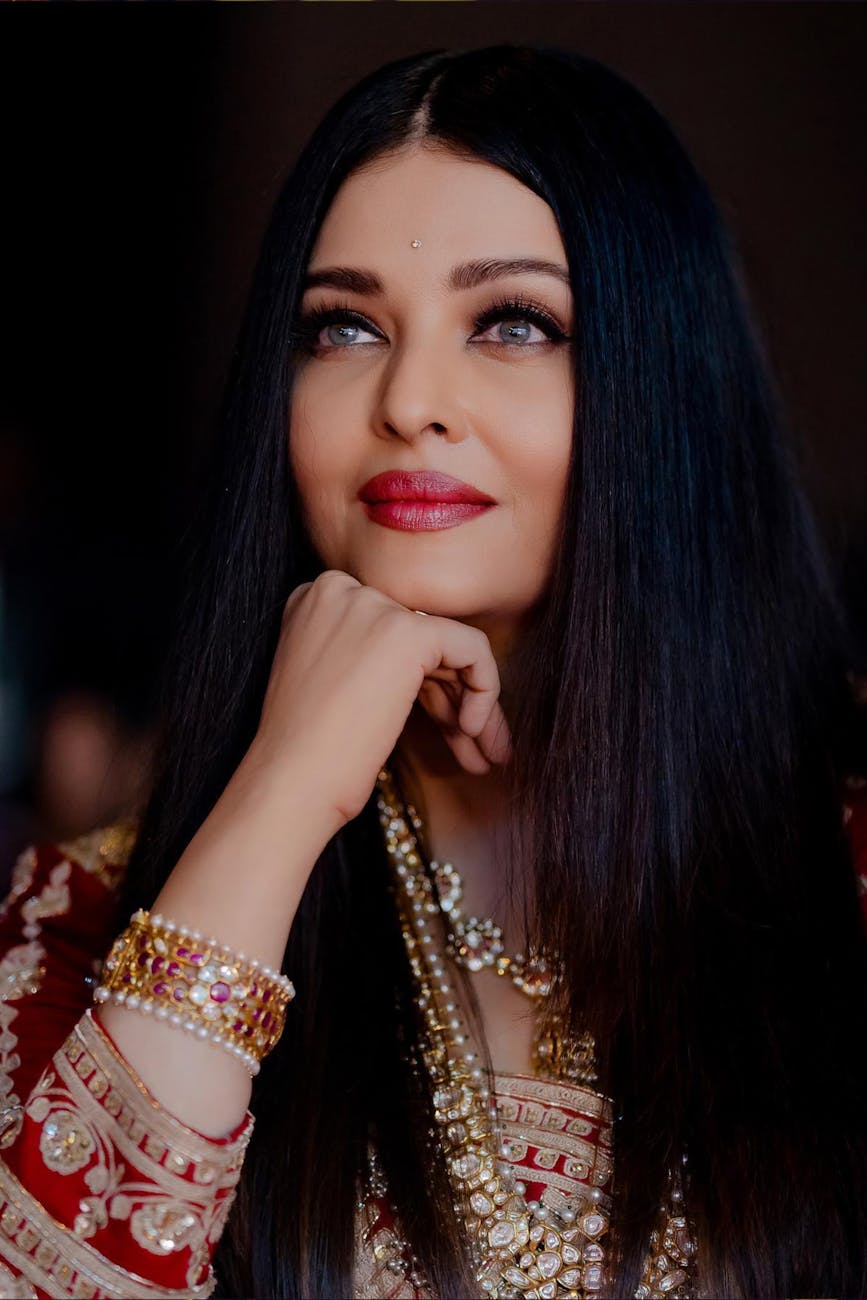
Photo by Praveen kumar on Pexels.com

The caste system in India is a rigid social hierarchy that has existed for over 2,000 years. Traditionally, it divides people into four primary varnas—Brahmins (priests), Kshatriyas (warriors), Vaishyas (merchants), and Shudras (laborers)—with a fifth group, Dalits, often marginalized as “untouchables.” Although modern India legally abolished caste discrimination in 1950, social and cultural practices still maintain significant influence, affecting employment, education, marriage, and social interactions (Bayly, 1999).

Impact on Relationships and Marriage

Caste strongly influences marriage in India. Most families prefer arranged marriages within the same caste to preserve social status and family honor. Matchmaking considers lineage, family background, education, and skin color. Darker-skinned women often face bias, as lighter skin is culturally associated with beauty, wealth, and status (Sen, 2017). This colorism affects marital prospects, sometimes limiting opportunities for women from lower castes or darker skin tones.

Bollywood and Skin Color Prejudice

India’s film industry, Bollywood, reflects and reinforces color-based prejudices. Lighter-skinned actors and actresses are often cast in lead roles, while darker-skinned performers are more likely to play supporting roles or stereotyped characters. According to film historians, the ideal Bollywood star often embodies fair skin, light eyes, and a “Westernized” appearance (Gokulsing & Dissanayake, 2013). Actresses like Deepika Padukone and Priyanka Chopra rose to stardom in part due to their lighter skin tones, which align with societal beauty ideals.

Origins and Cultural Prejudice

The caste system is deeply rooted in ancient Hindu texts like the Manusmriti, which codified social roles based on birth. Its enforcement over centuries reinforced discrimination against lower castes and darker-skinned populations. The prejudice is twofold: caste-based discrimination and colorism, which favors fairer skin and marginalizes darker-skinned individuals. This has profound effects on self-esteem, professional opportunity, and social mobility.

Consequences of Dark Skin in India

Dark-skinned individuals often experience social exclusion, lower marriage prospects, and workplace bias. Studies indicate that skin-lightening products are a multi-billion-dollar industry in India, reflecting widespread desire to conform to fair-skinned beauty standards (Sen, 2017). This obsession with light skin perpetuates cycles of discrimination, influencing education, career opportunities, and media representation.

Priyanka Chopra: Beauty, Career, and Commentary

Priyanka Chopra, Miss World 2000, emerged from this complex cultural context. Born in 1982 in Jamshedpur, India, Chopra became a global icon through her beauty, talent, and versatility. She has often spoken about the pressure of beauty standards and colorism in India, advocating for diversity and challenging traditional prejudices. Her light skin, height, and striking features contributed to her rise in Bollywood and Hollywood, illustrating how societal bias toward fair skin affects professional opportunities.

Bollywood and Skin Color Hierarchy

In Bollywood, skin color has long influenced casting, popularity, and career opportunities. Fair or “light” skin is often idealized, while darker skin is associated—wrongly—with lower social status, less beauty, and supporting roles. This hierarchy is rooted in historical caste and colonial influences, where lighter skin was equated with higher social standing, wealth, and attractiveness.

Bollywood Skin Color Hierarchy

TierSkin ToneTypical RolesExamplesBrand Endorsements & Visibility
Tier 1: Top LeadsFair / LightRomantic lead, hero/heroine, glamorous rolesDeepika Padukone, Priyanka Chopra, Aishwarya Rai Bachchan,Hrithik Roshan, Ranveer SinghHigh-profile endorsements (luxury brands, beauty products), magazine covers, global recognition
Tier 2: Semi-Fair / MediumMedium tanSupporting lead, secondary romance, “girl-next-door” rolesAlia Bhatt, Varun DhawanModerate endorsements, some brand visibility, prominent film roles
Tier 3: Dusky / DarkMedium-dark / DuskySupporting roles, “rustic” characters, comedic or villainous partsVidya Balan (early roles), Rani Mukerji (early roles)Limited endorsements, rarely cast as glamorous leads, faces typecasting
Tier 4: Very Dark / Deeply MelanatedDeep brown / very darkMinor roles, stereotypical portrayalsVery few lead examples historicallyMinimal endorsements, often invisible in top films, underrepresented in media

Key Observations

  1. Gender Bias: Women face stricter color-based scrutiny than men, though lighter-skinned men are also preferred for lead romantic roles.
  2. Endorsement Bias: Brands favor lighter-skinned actors to promote beauty products, luxury items, and aspirational lifestyles.
  3. Career Mobility: Darker-skinned actors often must prove exceptional talent or charisma to break into lead roles, highlighting systemic colorism.
  4. Cultural Reinforcement: Bollywood films reinforce societal beauty standards, connecting fairness with desirability, wealth, and power.
  5. Emerging Change: Social media and global exposure are slowly allowing talent to be recognized regardless of skin tone, and stars like Priyanka Chopra are using their platform to challenge colorism.

Historical Context

  • During British colonial rule, lighter skin became associated with proximity to power and privilege.
  • Indian society internalized these ideals, linking beauty and desirability with fairness.
  • Early Bollywood films reflected these societal biases, favoring actors and actresses with lighter complexions for lead roles.

Actor and Actress Examples

  • Fair-skinned leading actresses: Deepika Padukone, Kareena Kapoor, Alia Bhatt, Aishwarya Rai Bachchan. These actresses often get top billing, major brand endorsements, and high-paying roles.
  • Darker-skinned actresses: Despite talent, they are frequently typecast into supporting roles or roles emphasizing “rustic” or “villainous” characters. Examples include Vidya Balan (who has spoken about facing discrimination) and Rani Mukerji early in her career.
  • Male actors: Light skin is also favored, though the bias is more pronounced for women. Actors like Shah Rukh Khan, Hrithik Roshan, and Ranveer Singh are often celebrated for their fairer appearance alongside their acting skills.

Media and Branding

  • Fairness cream advertisements and endorsements perpetuate the bias, promoting light skin as desirable and powerful.
  • Bollywood films frequently pair fair-skinned leads, reinforcing the perception that light skin equals romance, wealth, and success.
  • Actors with darker skin often have to overcome additional barriers, even when talented, due to entrenched societal and industry biases.

Psychological Impact

  • This hierarchy creates colorism, leading to internalized self-esteem issues, obsession with skin-lightening products, and societal pressure for actors and the general population.
  • Frances Cress Welsing’s theories on melanin power and the psychological envy of darker skin can be applied cross-culturally to understand why lighter skin has been commodified and preferred in media industries like Bollywood.

Shifts and Modern Changes

  • Some recent films and campaigns are challenging colorism, promoting diverse skin tones, and redefining beauty standards.
  • Actors like Priyanka Chopra have used their platform to discuss colorism and advocate for broader acceptance of melanated beauty.
  • Social media allows fans to challenge biases and celebrate talent and charisma over complexion.

Conclusion

The caste system in India, combined with entrenched colorism, continues to shape social structures, marriage practices, and media representation. Darker-skinned individuals face prejudice that limits opportunities and reinforces societal hierarchies. Bollywood, while globally influential, often perpetuates these biases by privileging light-skinned actors. Figures like Priyanka Chopra challenge these norms but also reflect how beauty standards tied to skin color and caste still influence success and perception in India. Awareness, legal reforms, and cultural shifts are necessary to dismantle these deeply rooted prejudices.


References

Bayly, S. (1999). Caste, Society and Politics in India from the Eighteenth Century to the Modern Age. Cambridge University Press.

Gokulsing, K. M., & Dissanayake, W. (2013). Routledge Handbook of Indian Cinemas. Routledge.

Sen, C. (2017). Skin Deep: The Persistent Problem of Colorism in India. Journal of South Asian Studies, 40(3), 567-585.

Priyanka Chopra. (n.d.). Biography. Biography.com. https://www.biography.com/actor/priyanka-chopra

The Colorism Trap: When Skin Tone Becomes a Cage.

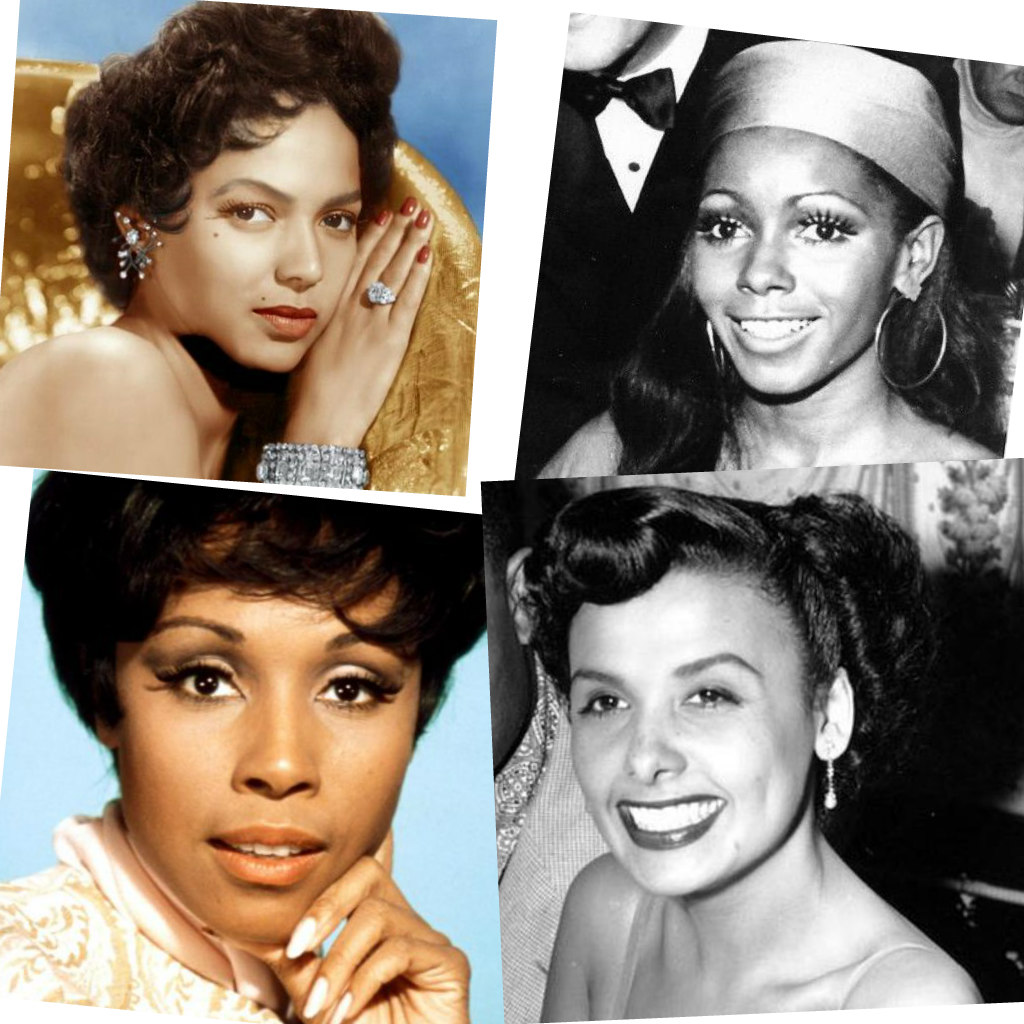
All photographs are the property of their respective owners.

Colorism, the preferential treatment of lighter skin within communities of color and the entertainment industry, has long functioned as both a ladder and a cage for Black women. While it opened certain doors in Hollywood, it simultaneously confined actresses to narrow roles, stereotypes, and expectations. For legendary women such as Dorothy Dandridge, Lena Horne, and Diahann Carroll, their luminous beauty made them icons, but their careers were shaped and constrained by how closely their appearances aligned with Eurocentric ideals. At the same time, darker-skinned actresses like Judy Pace often faced underrepresentation and stereotyping, demonstrating how the “cage” of colorism traps women on both ends of the spectrum. Younger actresses like Nia Long and Sanaa Lathan inherited both the opportunities and burdens of this skin-tone hierarchy, proving that the cage still lingers today.

The Cage of Colorism: A Comparative View

Lighter-Skinned ActressesDarker-Skinned Actresses
Examples: Dorothy Dandridge, Lena Horne, Halle BerryExamples: Judy Pace, Viola Davis, Gabourey Sidibe 
Elevated as “acceptable” Black beauty by HollywoodOften excluded from leading roles altogether
Cast in glamorous or “palatable” rolesCast in stereotypical roles (sassy, tough, hypersexual)
Visibility increased, but freedom limited to narrow rolesVisibility decreased, opportunities scarce
They may win the awards but still face the same discrimination as their darker black peers. Used as symbols of progress for diversity, but only on Hollywood’s terms. They may win awards, but they still face racism in Hollywood
Trapped in an image of exoticized yet safe BlacknessTrapped in invisibility or typecasting
Their beauty opened doors, but they were rarely fully embraced as equals to white peersTheir talent often overlooked despite equal or greater ability

👉 This chart shows how colorism cages women on both sides of the spectrum:

  • Lighter-skinned actresses were celebrated but restricted.
  • Darker-skinned actresses were sidelined or stereotyped.

Dorothy Dandridge and Lena Horne: The “Acceptable” Faces of Black Beauty

Dorothy Dandridge, the first Black woman nominated for an Academy Award for Best Actress (Carmen Jones, 1954), embodied both progress and limitation. Hollywood celebrated her lighter complexion and Eurocentric features, casting her as the glamorous Black woman who could be exoticized yet palatable to white audiences (Levy, 2012). Lena Horne faced similar struggles. While MGM signed her to a long-term contract in the 1940s, the studio refused to cast her in leading roles opposite white actors. Instead, she was often placed in standalone musical numbers that could be cut from films when shown in segregated Southern theaters (Watkins, 1994). Their beauty allowed them entry, but their skin tone became a cage: they were “acceptable” but never fully embraced.

Diahann Carroll and Frieda Washington: Elegance in a Narrow Frame

Diahann Carroll, though groundbreaking as the first Black woman to star in a non-stereotypical television role (Julia, 1968), still found her career circumscribed by Hollywood’s narrow vision of Black femininity. Her elegance was celebrated, but darker-skinned actresses of equal talent were often excluded, revealing the industry’s entrenched bias (Hooks, 1992). Likewise, Frieda Washington, though talented and striking, was often overshadowed by Hollywood’s fixation on casting Black actresses who most resembled white ideals of beauty.

Judy Pace: The Other Side of the Cage

Unlike Dandridge and Horne, Judy Pace entered Hollywood in the late 1960s as a darker-skinned beauty. Best known for films like Cotton Comes to Harlem (1970) and for her role in the TV soap Peyton Place, Pace often found herself typecast in roles that leaned on stereotypes—the “sassy,” “dangerous,” or “seductive” Black woman. Her beauty was undeniable, but it did not grant her the same privileges as her lighter-skinned peers. Instead, colorism worked against her, limiting her access to leading romantic roles or “glamorous” portrayals reserved for actresses closer to Eurocentric standards. Her experience reveals how colorism cages darker-skinned women by reducing their range of opportunity, even as they carried immense talent and screen presence.

Nia Long, Sanaa Lathan, and the Modern Continuation of the Cage

In the 1990s and 2000s, actresses like Nia Long and Sanaa Lathan became household names, starring in films that defined Black romantic cinema (Love Jones, The Best Man). While they embodied a broader spectrum of beauty, colorism still influenced casting. These actresses were often positioned as “everywoman” love interests, while darker-skinned women were underrepresented or typecast into roles of hardship and struggle (Monk, 2014). Though progress has been made, the cage remains: opportunities are more accessible to women with complexions that fit within a certain range, while systemic bias continues to marginalize others.

How Did Skin Tone Become a Cage?

The origins of this cage lie not solely in Hollywood but in the long history of racial hierarchy in America. During slavery, lighter-skinned Black people were often granted preferential treatment as house slaves, while darker-skinned individuals were relegated to field labor (Hunter, 2007). This created a color-based caste system within the Black community, reinforced by white supremacy. Hollywood merely inherited and amplified this bias, shaping it into an industry-wide standard that continues to influence casting, beauty standards, and representation.

Racial Divide or Something Else?

While the racial divide rooted in white supremacy established the framework, it was internalized and perpetuated within the Black community through colorism. The divide was not just about race versus whiteness—it became intraracial, creating painful divisions based on shade. Colorism traps women in a paradox: lighter-skinned actresses were elevated but confined to roles that served Hollywood’s comfort with “palatable” Blackness, while darker-skinned actresses were sidelined, invisibilized, or limited to stereotypes. Thus, the cage was both racial and psychological, born of external oppression and internalized bias.

Conclusion: Breaking the Cage

The women named—Dandridge, Horne, Washington, Carroll, Pace, Long, and Lathan—demonstrate the painful duality of colorism. They were celebrated yet constrained, admired yet restricted, included yet never fully free. Their stories remind us that colorism is not just about aesthetics but about access, power, and systemic oppression. Breaking free from the cage requires both dismantling Eurocentric standards of beauty and celebrating the full spectrum of Blackness. Until then, the trap of colorism continues to shape how Black women are seen, cast, and valued in society.


References

  • Hooks, b. (1992). Black looks: Race and representation. South End Press.
  • Hunter, M. (2007). The persistent problem of colorism: Skin tone, status, and inequality. Sociology Compass, 1(1), 237–254.
  • Levy, P. (2012). Dorothy Dandridge: A biography. Amistad.
  • Monk, E. P. (2014). Skin tone stratification among Black Americans, 2001–2003. Social Forces, 92(4), 1313–1337.
  • Watkins, M. (1994). On the real side: Laughing, lying, and signifying. Simon & Schuster.

Ancient Beauty Secrets: Anti-Aging and Timeless Practices for Skin and Health.

Photo by Boat Ntswaneng on Pexels.com

Throughout history, beauty has been closely tied to health, wellness, and natural remedies. Ancient civilizations cultivated rituals that not only enhanced appearance but also preserved vitality. From the milk baths of Cleopatra to the turmeric masks of India, these practices reveal the ingenuity of traditional medicine and the importance of nature in self-care. Many of these secrets have endured for thousands of years, demonstrating that the foundation of beauty often lies in holistic wellness.

🌿 DIY Ancient-Inspired Facial Mask (Best for Glow and Detox)

Ingredients:

  • 1 tablespoon raw honey (antibacterial, moisturizing)
  • 1 teaspoon turmeric powder (anti-inflammatory, brightening)
  • 2 tablespoons plain yogurt (exfoliating, lactic acid)
  • A few drops of olive oil (hydration)

Instructions: Mix all ingredients into a paste, apply evenly to face, leave for 15–20 minutes, rinse with lukewarm water.


🌱 Best Herbs and Remedies for Skin Health

  • Turmeric – anti-inflammatory, brightens skin.
  • Aloe Vera – soothes burns, hydrates.
  • Neem – antibacterial, clears acne.
  • Rose Water – toner, reduces redness.
  • Green Tea – antioxidant, fights aging.
  • Chamomile – calms sensitive skin.
  • Shea Butter – deep moisturizer, skin barrier repair.

The ancient Egyptians were pioneers in skincare. Cleopatra, the last queen of Egypt, was renowned for bathing in milk infused with honey, a treatment rich in lactic acid, which gently exfoliates and softens the skin (James, 2015). Egyptians also used olive oil for hydration and aloe vera for healing burns and blemishes. In Africa, particularly West Africa, shea butter was prized for moisturizing and protecting the skin against harsh climates, a tradition still widely practiced today (Agyare et al., 2016). Similarly, in ancient China, women used rice water rinses for the skin and hair, enhancing brightness and strengthening hair strands (Zhang, 2013).

Anti-Aging Tips: Herbal, Nutritional, and Skincare Strategies for Youthful Skin

Aging is a natural process, but modern science and traditional herbal wisdom provide tools to slow visible signs of skin aging. Aging skin is characterized by the breakdown of collagen and elastin, loss of hydration, fine lines, wrinkles, hyperpigmentation, and reduced cell turnover. Strategies for maintaining youthful skin involve topical treatments, dietary habits, lifestyle choices, and herbal interventions.

1. Herbal & Natural Anti-Aging Remedies

  • Green Tea (Camellia sinensis): Rich in polyphenols, green tea reduces oxidative stress, improves elasticity, and protects against UV damage (Weber et al., 2018).
  • Turmeric (Curcuma longa): Contains curcumin, an anti-inflammatory and antioxidant compound that can help prevent collagen degradation and pigmentation (Huang et al., 2019).
  • Aloe Vera: Promotes hydration, reduces inflammation, and stimulates collagen production (Choi et al., 2009).
  • Rosehip Oil: High in vitamin C and essential fatty acids; supports skin regeneration and reduces fine lines.
  • Licorice Root: Brightens skin and reduces hyperpigmentation due to its glabridin content.
  • Gotu Kola (Centella asiatica): Stimulates collagen synthesis and enhances skin elasticity.

2. Topical Anti-Aging Skincare

  • Retinoids (Retinol, Retin-A/Tretinoin): Stimulate collagen production, increase cell turnover, and reduce fine lines (Mukherjee et al., 2006). Retinol is milder and suitable for over-the-counter use; tretinoin is prescription-strength.
  • Antioxidants: Vitamin C, E, and coenzyme Q10 neutralize free radicals, protect skin from environmental damage, and improve firmness (Pullar et al., 2017).
  • Hyaluronic Acid: Hydrates and plumps skin, reducing the appearance of fine lines.
  • Sunscreen (Broad Spectrum SPF 30+): Daily UV protection is critical to prevent photoaging.

3. Nutrition for Youthful Skin

  • Antioxidant-rich foods: Berries, leafy greens, nuts, and seeds combat oxidative stress.
  • Healthy fats: Omega-3 fatty acids from salmon, flaxseed, and walnuts maintain skin barrier integrity and hydration.
  • Hydration: Adequate water intake ensures proper skin moisture and elasticity.
  • Protein: Collagen synthesis depends on amino acids from lean meats, eggs, and legumes.
  • Limit sugar and processed foods: Advanced glycation end products (AGEs) from high sugar diets damage collagen and elastin (Vlassara & Uribarri, 2014).

4. Lifestyle and Physical Practices

  • Regular facial exercises (“face yoga”): Strengthen facial muscles, improve circulation, and promote firmness.
  • Ice facials: Constrict capillaries, reduce puffiness, and stimulate collagen production.
  • Stress management: Chronic stress accelerates skin aging; meditation, yoga, and deep breathing help maintain youthfulness.
  • Sleep: Adequate sleep enables repair and regeneration of skin cells.
  • Avoid smoking and excessive alcohol: Both accelerate collagen breakdown and oxidative damage.

In India, the Ayurvedic tradition developed powerful remedies still used in modern wellness. Turmeric facials, often mixed with yogurt or honey, provided anti-inflammatory and antibacterial benefits, giving the skin a natural glow (Mukherjee et al., 2011). Steam facials infused with herbs were also common, opening pores and detoxifying the skin. Ancient Greeks and Romans emphasized nutrition for beauty, encouraging the consumption of fresh fruits, vegetables, and abundant water, while also practicing olive oil massages to promote circulation and skin elasticity (Liversidge, 2017).

Culture / RegionBeauty Practice / SecretKey Ingredients / ToolsPurpose / Benefits
Ancient EgyptMilk bathsMilk, honeyGentle exfoliation, softening skin, hydration
Olive oil massageOlive oilMoisturization, improved circulation
Aloe vera applicationAloe veraHealing burns, soothing skin
West AfricaShea butter applicationShea butterDeep moisturization, skin barrier protection
Black soap cleansingPlant ash, palm oilDetoxifies, gentle exfoliation
India (Ayurveda)Turmeric facial maskTurmeric, yogurt, honeyBrightening, anti-inflammatory, antibacterial
Herbal steam facialsNeem, tulsi, chamomileOpens pores, detoxifies, soothes skin
Ancient ChinaRice water rinseRice waterBrightens skin, strengthens hair
Green tea masksGreen tea, honeyAntioxidant, anti-aging, soothes skin
Greece & RomeOlive oil massagesOlive oilHydration, circulation, elasticity
Wine or honey masksRed wine, honeyAntioxidant, softening skin
Middle EastRose water tonerRose waterSoothes irritation, balances pH
Sandalwood pasteSandalwood, milk or waterCooling, anti-inflammatory
JapanGeisha skincare ritualCamellia oil, rice branHydration, brightening, anti-aging
Indigenous AmericasCornmeal scrubCornmeal, honeyExfoliation, skin softening
Herbal infusionsCalendula, chamomileSoothing, healing minor skin issues

Insights from the Chart:

  • Hydration & moisturization were universally emphasized (milk, honey, shea butter, oils).
  • Exfoliation & brightening came from natural acids or abrasives (milk, rice water, cornmeal).
  • Healing & anti-inflammatory herbs were central in most traditions (turmeric, aloe, neem, chamomile).
  • Ritual & consistency mattered; daily or weekly treatments were part of lifestyle, not just cosmetic.

Other global practices further highlight the universality of natural skincare. Japanese geishas employed green tea extracts for their antioxidant properties. Indigenous peoples of the Americas used cornmeal scrubs for exfoliation, while Middle Eastern traditions included rose water to soothe and tone the skin. Across cultures, beauty was intertwined with rituals of self-preservation and respect for the natural environment. These ancient practices underscore the fact that wellness and beauty are inseparable, rooted in mindful living and harmony with nature.

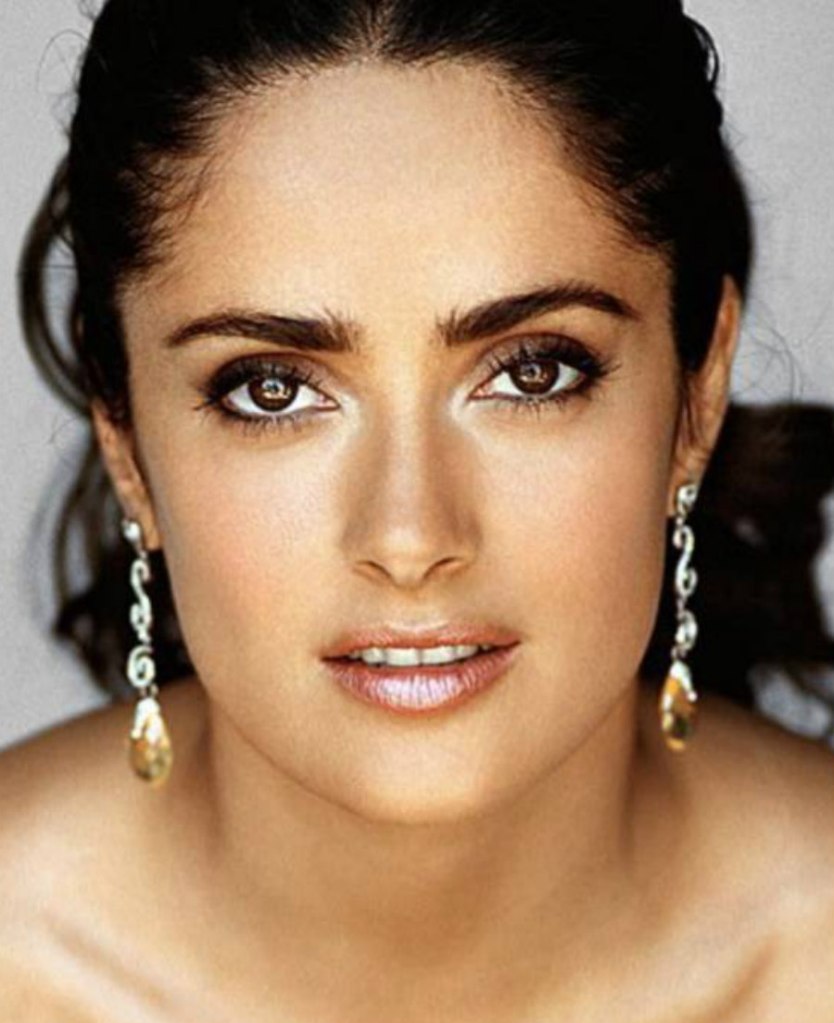
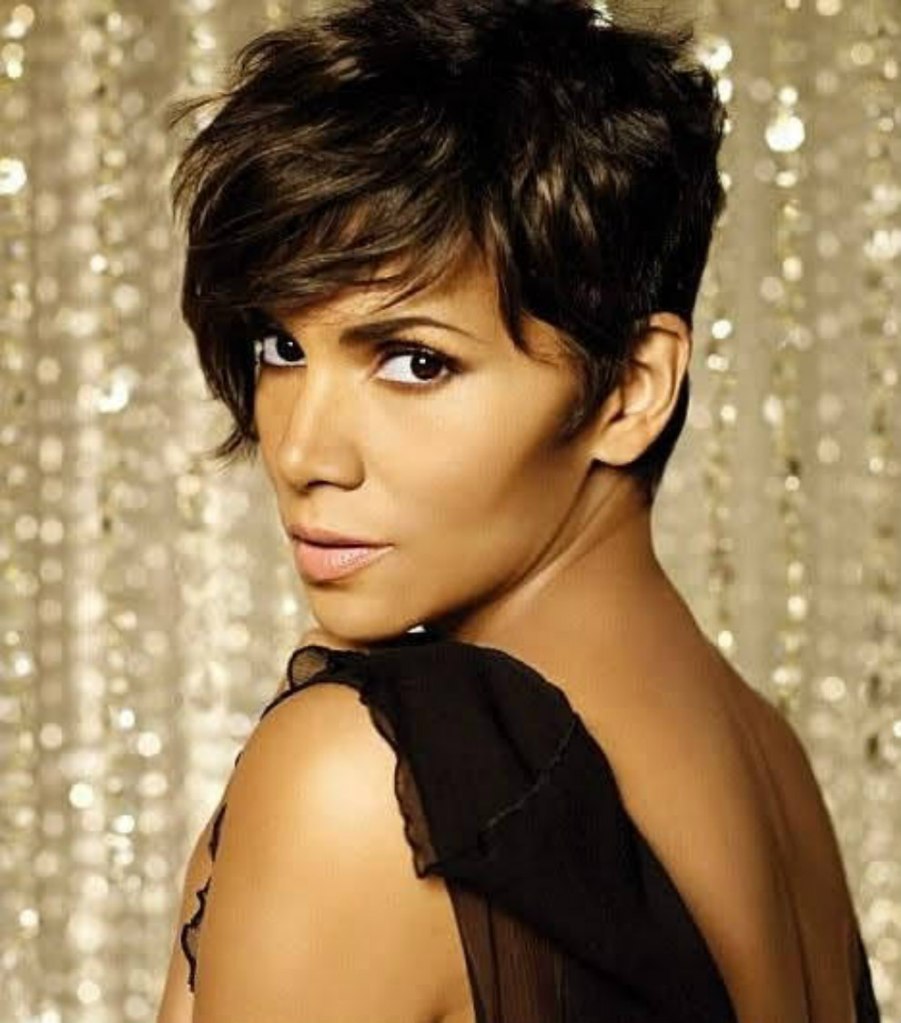
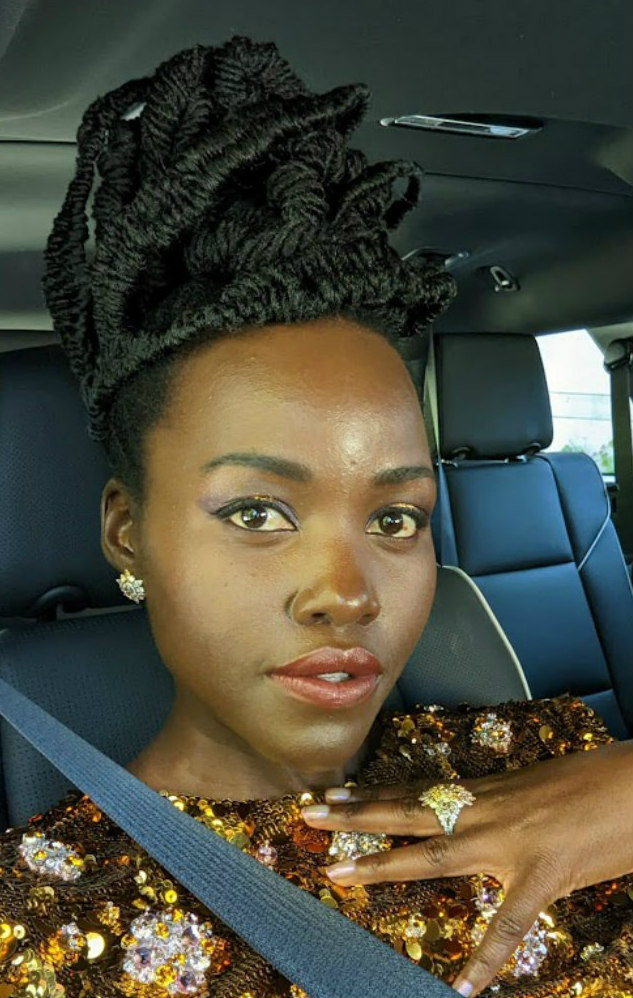
An overview of the skincare routines and beauty secrets of three renowned celebrities: Salma Hayek, Halle Berry, and Lupita Nyong’o. Each of these stars has shared insights into their beauty regimens, highlighting both luxurious and accessible products, as well as natural approaches to skincare.


🌟 Salma Hayek

This photograph is the property of its respective owners. No infringement intended.

Salma Hayek emphasizes a flexible skincare routine that adapts to her skin’s needs. She often starts her day with rose water, a practice inspired by her grandmother’s use of aloe vera and papaya in homemade creams. Hayek incorporates high-end products like Augustinus Bader’s Rich Cream and Forest Essentials’ Advanced Eternal Youth Formula Anti-Aging Night Cream into her regimen. She also swears by Patchology Rejuvenating Eye Gels, which she finds both effective and affordable. Her approach combines luxury with simplicity, focusing on hydration and nourishment. ByrdieGood Housekeeping+1Page Six+1


🌟 Halle Berry

This photograph is the property of its respective owners. No infringement intended.

Halle Berry maintains a consistent skincare routine that includes cleansing, exfoliating, masking, and moisturizing. She uses products like the Olga Lorencin Lactic Acid Hydrating Serum and the Knesko Gold Repair Collagen Face Mask. Berry also incorporates facial massage tools, such as the Flawless Cleanse Hydro-Vibrating Facial Cleanser, to enhance her skincare regimen. Her routine reflects a commitment to maintaining youthful skin through consistent care and the use of high-quality products. eCosmeticsOlga Lorencin Skincare+3The Sun+3Entertainment Tonight+3PreventionEntertainment Tonight


🌟 Lupita Nyong’o

This photograph is the property of its respective owners. No infringement intended.

Lupita Nyong’o is renowned for her radiant complexion and commitment to natural beauty. Her skincare routine emphasizes simplicity, hydration, and the use of natural oils. She often incorporates products like Honest Beauty’s Hydrogel Cream, which contains jojoba, squalane, and hyaluronic acid, to achieve a plump, dewy glow. Additionally, she utilizes avocado oil and Hawaiian kukui oil for moisturizing and makeup removal, appreciating their effectiveness and versatility. Allure+3Vanity Fair+3bombshellbybleu.com+3InStyle+1Momtastic+1


Summary:

  • Salma Hayek: Combines luxurious products with natural ingredients, focusing on hydration and nourishment.
  • Halle Berry: Maintains a consistent skincare routine with high-quality products and tools for youthful skin.
  • Lupita Nyong’o: values the healing properties of calendula ointment, which she carries during travels to address skin issues like burns and scars. This natural remedy reflects her preference for clean beauty products.
CelebritySkincare Products / ToolsNatural Ingredients / RemediesRoutine Highlights / Rituals
Lupita Nyong’oHonest Beauty Hydrogel Cream, calendula ointmentAvocado oil, Hawaiian kukui oil, calendulaEmphasizes hydration, dewy glow; uses natural oils for moisturizing and makeup removal; carries healing ointments while traveling; consistent cleansing, toning, and moisturizing; stress management through meditation & exercise
Salma HayekAugustinus Bader Rich Cream, Forest Essentials Advanced Eternal Youth Night Cream, Patchology Rejuvenating Eye GelsRose water, aloe vera, papaya (inspired by grandmother)Focuses on hydration and nourishment; combines luxury with simple remedies; under-eye gels for puffiness and rejuvenation; flexible routine based on skin needs
Halle BerryOlga Lorencin Lactic Acid Hydrating Serum, Knesko Gold Repair Collagen Face Mask, Flawless Cleanse Hydro-Vibrating Facial CleanserNoted use of masks with natural extractsMaintains youthful skin through consistent cleansing, exfoliation, masking, and moisturizing; incorporates facial massage tools; committed to high-quality products and structured regimen

Key Takeaways:

  1. Hydration is a core focus for all three celebrities—whether through creams, oils, or serums.
  2. Natural ingredients (like rose water, avocado oil, aloe vera, kukui oil) are incorporated alongside high-end products.
  3. Consistency and ritual matter: cleansing, moisturizing, masking, and stress management are prioritized.
  4. Luxury products are often combined with simple, natural remedies for maximum effect.

Each of these celebrities showcases a unique approach to skincare, blending luxury, consistency, and natural ingredients to maintain their radiant complexions.

Layer antioxidants in the morning and retinoids at night for maximal effect.

Combine herbal masks (turmeric, aloe, rosehip) with gentle exfoliation once or twice weekly.

Incorporate adaptogenic herbs like ashwagandha and holy basil to combat stress-related aging.

Modern science has validated many of these traditions. For example, ice facials constrict blood vessels, reduce puffiness, and stimulate circulation, leaving the skin firmer and refreshed. Facial exercises, sometimes called “face yoga,” strengthen underlying muscles, promoting firmness and slowing the appearance of wrinkles. Combined with herbal remedies and nutrient-rich diets, these timeless methods reveal that ancient beauty was less about vanity and more about cultivating balance, resilience, and natural radiance.

📚 References

  • Agyare, C., Boakye, Y. D., Bekoe, E. O., Hensel, A., Dapaah, S. O., & Appiah, T. (2016). African medicinal plants with skin healing properties. Journal of Ethnopharmacology, 177, 85–100.
  • James, T. G. H. (2015). The British Museum Concise Introduction to Ancient Egypt. Thames & Hudson.
  • Liversidge, J. (2017). Everyday Life in the Roman Empire. Routledge.
  • Mukherjee, P. K., Maity, N., Nema, N. K., & Sarkar, B. K. (2011). Bioactive compounds from natural resources against skin aging. Phytomedicine, 19(1), 64–73.
  • Zhang, X. (2013). Beauty Secrets of Ancient China. Beijing Press.

Choi, S., Chung, M. H., & Lee, H. (2009). Effects of Aloe Vera on skin collagen and hydration. Journal of Ethnopharmacology, 124(1), 104–108.

Huang, W., et al. (2019). Curcumin and skin health: A review. Phytotherapy Research, 33(2), 351–366.

Mukherjee, S., Date, A., Patravale, V., Korting, H. C., Roeder, A., & Weindl, G. (2006). Retinoids in the treatment of skin aging: An overview. Indian Journal of Dermatology, 51(4), 255–261.

Pullar, J., Carr, A., & Vissers, M. (2017). The roles of vitamin C in skin health. Nutrients, 9(8), 866.

Vlassara, H., & Uribarri, J. (2014). Advanced glycation end products (AGEs) and skin aging. Journal of Cosmetic Dermatology, 13(4), 288–292.

Weber, C., et al. (2018). Green tea polyphenols and skin protection. Dermato-Endocrinology, 10(1), e1465713.

ET Online. (n.d.). Halle Berry’s skincare routine is the ultimate at-home facial. Retrieved from https://www.etonline.com/halle-berrys-skincare-routine-is-the-ultimate-at-home-facial-shop-the-stars-favorite-beauty