All posts by The Brown Girl Dilemma

I welcome everyone— women and men of all nationalities—to read, reflect, and gather insight across the many topics about black people explored here. To the Brown girl and the Brown boy who walk into rooms already carrying history, beauty, and burden—this space is for you. You stand at the intersection of visibility and erasure, desirability and disregard, reverence and resistance, often praised, questioned, desired, dismissed, and debated all at once. In a world that studies your skin more than your soul and distorts what God designed with intention, may truth, healing, and divine purpose meet you here. This is a conversation created to name your journey without silencing your truth, to restore what society has tried to redefine, and to remind you that your worth was never the problem—only the world’s inability to honor it.

Is Your Relationship Poisoning You?

Understanding Toxic Patterns and How to Overcome Them
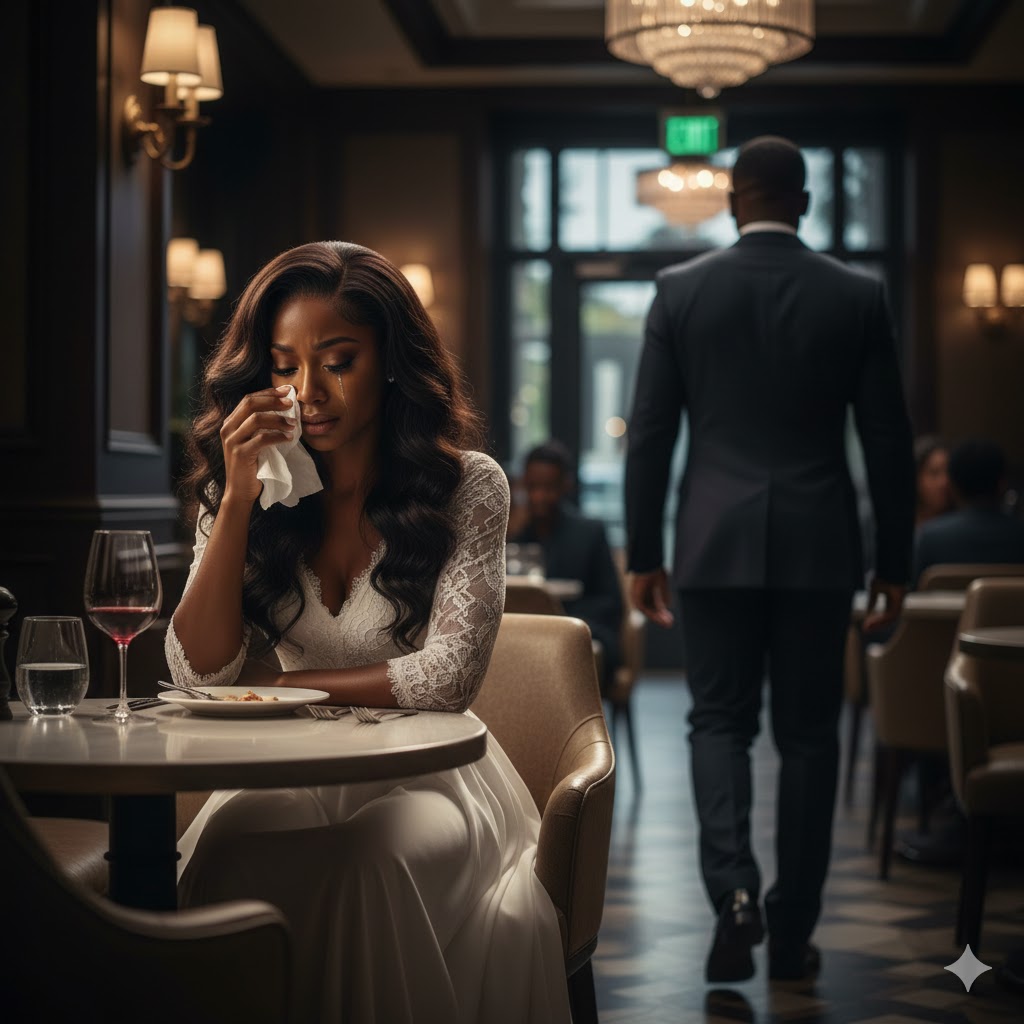
Relationships are meant to bring joy, growth, and mutual support. Yet, not every relationship fulfills these promises. Sometimes, subtle or overt toxicity can seep in, eroding emotional, mental, and even physical well-being. Recognizing the warning signs and understanding the ways to heal are essential steps in safeguarding your health and reclaiming your sense of self.

Toxic relationships often involve repeated patterns of emotional harm, manipulation, or neglect. These patterns can manifest in many forms, including criticism, jealousy, controlling behavior, dishonesty, or constant conflict. Over time, the person on the receiving end may feel diminished, anxious, or trapped.

One of the first indicators of a toxic relationship is a consistent feeling of unease or anxiety around your partner. If interactions leave you drained, fearful, or emotionally depleted rather than energized and supported, this may signal toxicity. Emotional imbalance is a core hallmark of relationships that poison rather than nourish.

Another warning sign is control and manipulation. This can range from overt demands about how you spend your time to subtle attempts to isolate you from friends and family. Abusers may use guilt, intimidation, or passive-aggressive tactics to maintain dominance. Recognizing these behaviors is critical to reclaiming autonomy.

Communication patterns are also telling. Healthy relationships encourage open dialogue, active listening, and mutual respect. Toxic dynamics, in contrast, often involve gaslighting, dismissiveness, or constant criticism. Over time, these behaviors can distort your perception of reality and self-worth.

Some relationships are toxic due to persistent negativity or pessimism. Constant complaining, blaming, or cynicism can create an environment where hope and joy are stifled. Being exposed to relentless negativity can affect mental health, increasing stress and risk of depression or anxiety.

Physical and verbal abuse are clear markers of toxicity. Threats, insults, and harmful physical contact are never acceptable. Beyond immediate danger, exposure to abuse can leave long-lasting emotional scars. Recognizing abuse early is crucial for safety and intervention.

Substance abuse or addiction within a relationship can exacerbate toxicity. Partners struggling with addiction may engage in manipulative, unpredictable, or harmful behaviors that affect both their own well-being and that of their partner. Supporting recovery while maintaining boundaries is a delicate but necessary task.

Self-esteem erosion is another sign. If your partner frequently belittles, undermines, or dismisses your achievements and feelings, your self-confidence can suffer. Low self-esteem in turn makes it harder to set boundaries, creating a cycle that perpetuates the toxicity.

Jealousy and possessiveness are common toxic traits. A partner who monitors your movements, criticizes friendships, or discourages outside interests often seeks control rather than companionship. Healthy love fosters independence alongside intimacy.

To overcome a toxic relationship, the first step is awareness. Journaling, therapy, or confiding in trusted friends can help you identify harmful patterns and distinguish between occasional conflict and systemic toxicity. Awareness empowers you to make conscious decisions rather than react instinctively.

Setting boundaries is essential. Clearly communicate what behaviors are unacceptable and enforce consequences if boundaries are crossed. Boundaries are not punitive—they are protective, fostering respect and personal safety.

Seeking professional help is often necessary. Licensed therapists or counselors can provide guidance, coping strategies, and validation for feelings often dismissed within toxic dynamics. Couples therapy may help in some cases, but individual therapy is critical if safety or emotional well-being is compromised.

Creating a support network outside the relationship is vital. Friends, family, faith communities, or support groups provide perspective, encouragement, and reinforcement of self-worth. Isolation is a common tool of toxicity; counteracting it strengthens resilience.

Self-care is another pillar of recovery. Prioritizing mental, emotional, and physical health—through exercise, meditation, hobbies, and spiritual practices—helps rebuild confidence and clarity. Self-care is not selfish; it is essential to restoring balance and perspective. Flee Fornication.

In some cases, ending the relationship is necessary. Leaving can be emotionally complex, especially when attachment or shared responsibilities exist. Planning safety, logistics, and emotional support in advance can ease the transition. Exiting does not signify failure—it is an act of self-preservation.

After leaving a toxic relationship, processing emotions is essential. Grief, anger, and relief may coexist. Journaling, therapy, and reflective practices help integrate lessons learned and prevent the repetition of harmful patterns in future relationships.

Forgiveness—both of oneself and sometimes of the other—can facilitate healing. Forgiveness does not imply condoning abuse; rather, it allows release of emotional burdens that can impede growth. Holding on to resentment may perpetuate pain and prevent emotional freedom.

Learning to recognize healthy relationship traits is part of recovery. Mutual respect, trust, honesty, support, and effective communication are markers of a nourishing partnership. Observing these qualities in friends, family, and future partners reinforces positive relational models.

Rebuilding self-esteem and personal identity is crucial. Toxic relationships often blur individuality. Pursuing personal goals, cultivating talents, and reaffirming values restores autonomy and confidence. This self-empowerment lays the foundation for healthier future relationships.

Ultimately, overcoming a poisonous relationship is a process of awareness, boundary-setting, support-seeking, self-care, and personal growth. Recognizing the patterns, valuing your worth, and taking proactive steps can transform past pain into wisdom and resilience.


References

Cloud, H. (2007). Boundaries in Marriage: Understanding the Choices That Make or Break Loving Relationships. Zondervan.

Forward, S. (2011). Toxic Parents: Overcoming Their Hurtful Legacy and Reclaiming Your Life. Bantam Books.

Lutgen-Sandvik, P., Tracy, S. J., & Alberts, J. K. (2007). Burned by Bullying in the Workplace: Cognitive, Emotional, and Behavioral Responses. Management Communication Quarterly, 21(3), 356–381.

Jackson, T. (2015). Emotional Abuse in Intimate Relationships: A Practical Guide to Identification and Recovery. Routledge.

Psychology Today. (n.d.). Signs of a Toxic Relationship. Retrieved from https://www.psychologytoday.com/us/blog/communication-success/201905/10-signs-toxic-relationship

American Psychological Association. (2020). Healthy Relationships: Tips for Couples and Individuals. APA.

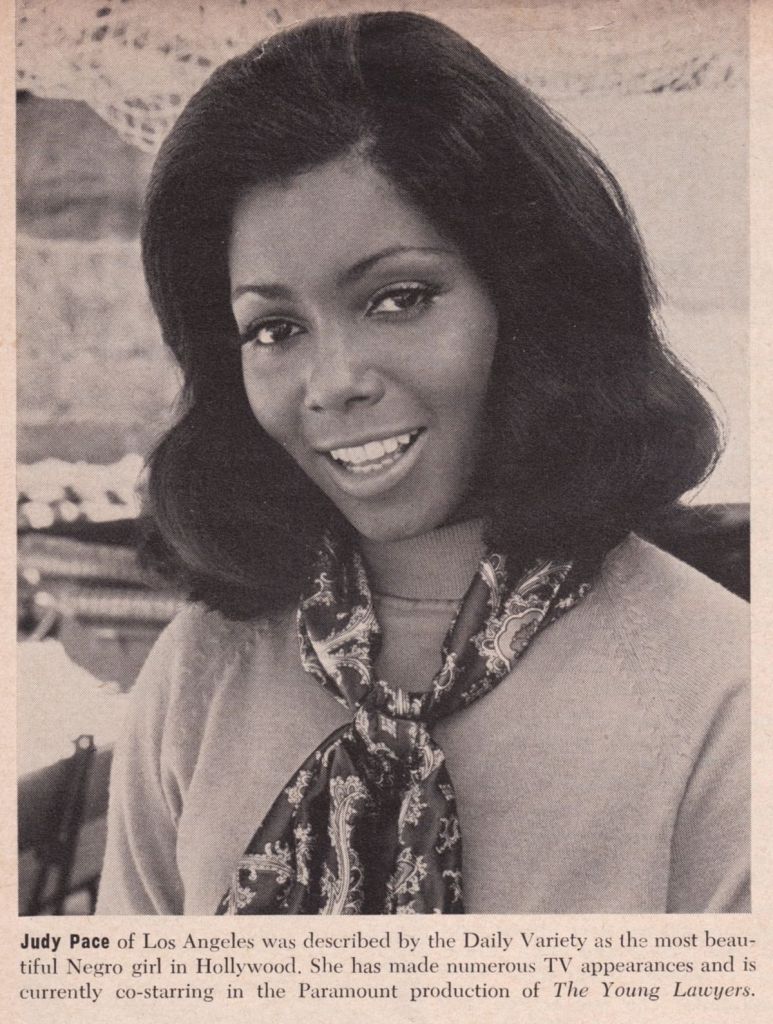
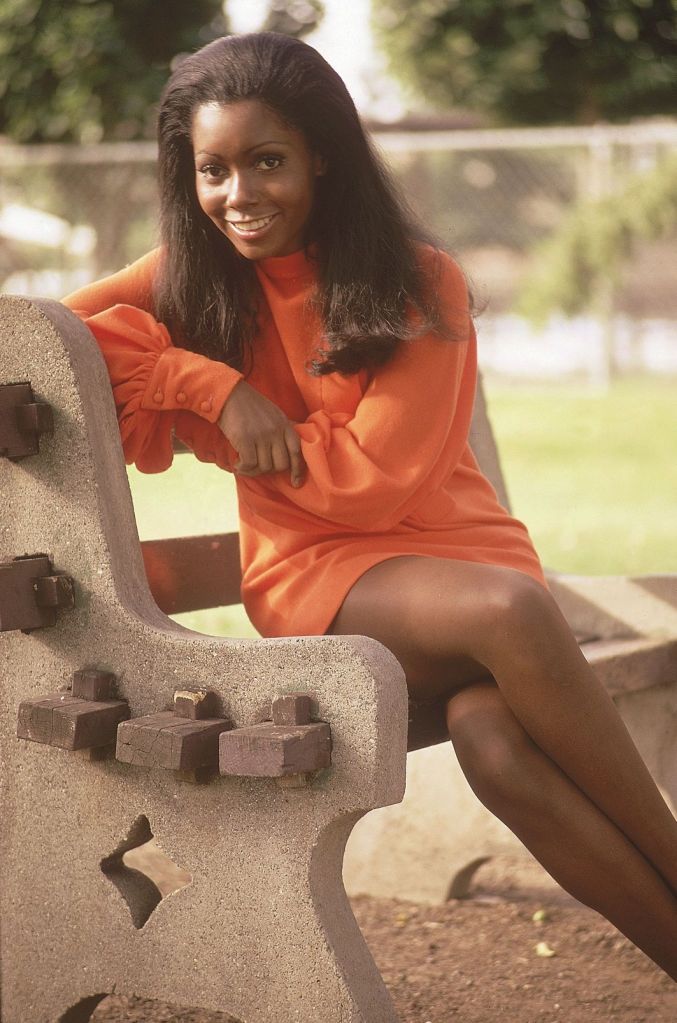
The Ebony Dolls: Judy Pace

The Black Barbie

This photograph is the property of its owner. No copyright infringement intended.

Judy Pace is an American actress and model whose beauty, talent, and groundbreaking presence helped reshape Hollywood’s portrayal of Black women during the 1960s and 1970s. Born Judy Lenteen Pace on June 15, 1942, in Los Angeles, California, she emerged at a time when opportunities for dark-skinned Black actresses were limited, yet she transcended barriers with elegance and strength. She was not simply a performer; she became a symbol of refined Black beauty during an era of cultural transformation.

Raised in Los Angeles, Pace grew up in a creative and supportive household. Her father worked as an airplane mechanic and her mother was a dressmaker. She attended Los Angeles City College, where she studied sociology before transitioning into modeling. Her entry into the entertainment industry came through fashion, and she quickly distinguished herself as the youngest model to participate in the prestigious Ebony Fashion Fair. That platform placed her before national audiences and positioned her as a rising figure in Black fashion and media.

This photograph/article is the property of its respective owner.

Her modeling success opened the door to film. She made her screen debut in 1963 in 13 Frightened Girls, marking the beginning of a steady acting career. However, her true breakthrough came in 1968 when she joined the cast of the television drama Peyton Place, becoming the first Black female villainess in American prime-time television history. This role was culturally significant; it disrupted the narrow stereotypes assigned to Black women and introduced complexity and intrigue to their representation onscreen.

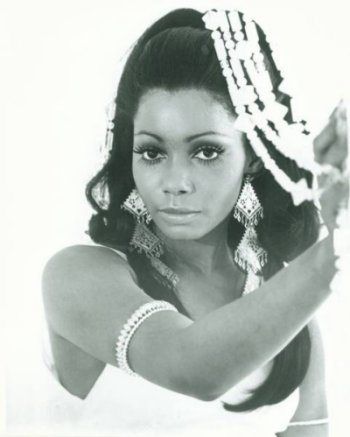
This photograph is the property of its owner. No copyright infringement intended.

Pace continued her television success with a starring role in The Young Lawyers from 1969 to 1971. Her performance earned her the NAACP Image Award for Outstanding Actress in a Drama Series in 1970, affirming both her talent and her cultural impact. Throughout the 1970s, she appeared in numerous popular television shows, including Batman, Bewitched, I Dream of Jeannie, Sanford and Son, and Good Times. Her film credits include Three in the Attic and Cotton Comes to Harlem, further solidifying her versatility across genres.

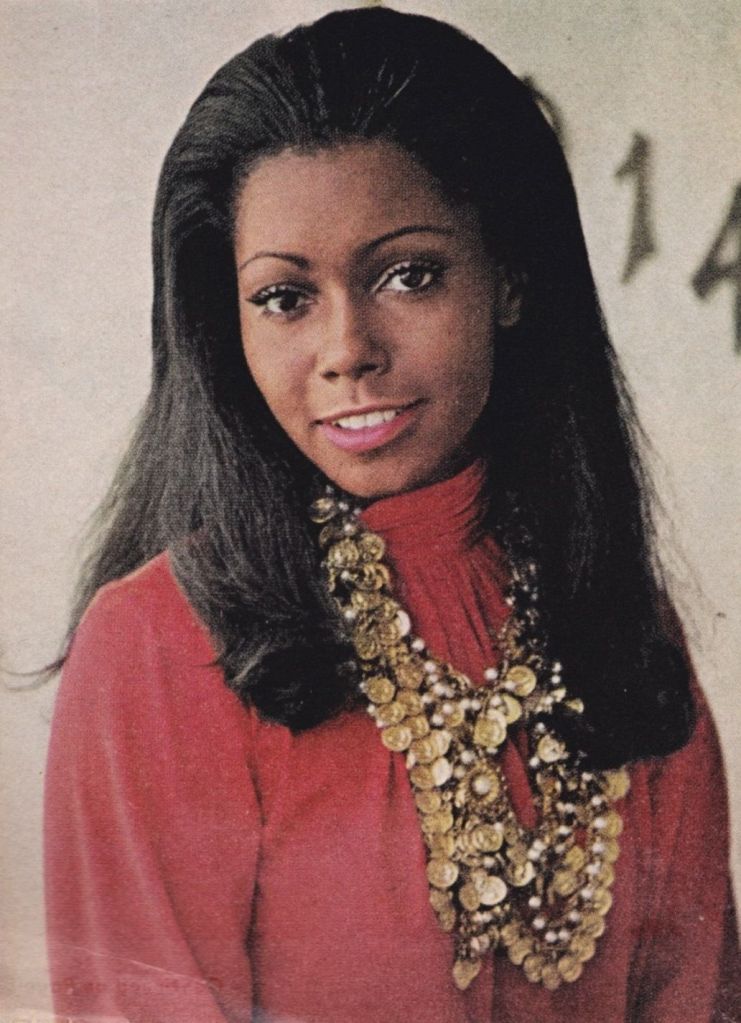
This photograph is the property of its respective owner.

Beyond her acting, Judy Pace was widely celebrated for her striking appearance. Her dark chocolate complexion, luminous skin, and expressive eyes captivated photographers and audiences alike. During a period when colorism often privileged lighter complexions, she stood unapologetically as a dark-skinned beauty icon. Industry publications described her as one of the most beautiful women to appear on screen. She was affectionately referred to as “The Black Barbie” and “The Black Babydoll,” titles that reflected both admiration and her doll-like elegance.

Her beauty, however, was never detached from intellect or poise. Pace represented a refined femininity that balanced strength with softness. She carried herself with composure and confidence, embodying the spirit of the “Black is Beautiful” movement that was redefining aesthetic standards in America. In this sense, she became more than a glamorous figure; she became a cultural affirmation.

This photograph is the property of its owner. No copyright infringement intended.

In her personal life, she married actor Don Mitchell in 1972. The couple had two daughters, including actress Julia Pace Mitchell. After their divorce in 1984, Pace later married baseball legend Curt Flood in 1986. Flood was a pivotal figure in Major League Baseball’s fight for free agency, and their union linked two pioneering spirits—one in sports justice and the other in entertainment representation. They remained married until Flood’s passing in 1997.

Judy Pace’s lineage reflects African American heritage rooted in Los Angeles, and her life represents the postwar generation of Black Americans who navigated integration, civil rights transformation, and evolving media landscapes. Her career unfolded during a critical historical moment when Black visibility in Hollywood was expanding but still constrained. She stepped into that space with confidence and sophistication.

Why is she a great “Ebony Doll”? Because she embodied grace under pressure. She broke barriers without loud proclamations, simply by being excellent. She proved that dark-skinned Black women could be leading ladies, complex characters, and national beauty icons. She expanded what America saw when it looked at Black womanhood.

This photograph is the property of its respective owner.

Judy Pace is elegant. She is a representation. She is cinematic history. She is the quiet revolution of beauty and talent walking through Hollywood’s doors when they were only slightly open.


References

BlackPast.org. (n.d.). Judy Lenteen Pace (1942– ).
IMDb. (n.d.). Judy Pace – Biography.
NAACP Image Awards archives. (1970). Outstanding Actress in a Drama Series.
Wikipedia contributors. (n.d.). Judy Pace.
Wikipedia contributors. (n.d.). Julia Pace Mitchell.
Wikipedia contributors. (n.d.). Curt Flood.

Voices of the Americas: Black, Hispanic, Asian, Italian, and the Tapestry of Minority Sacrifice

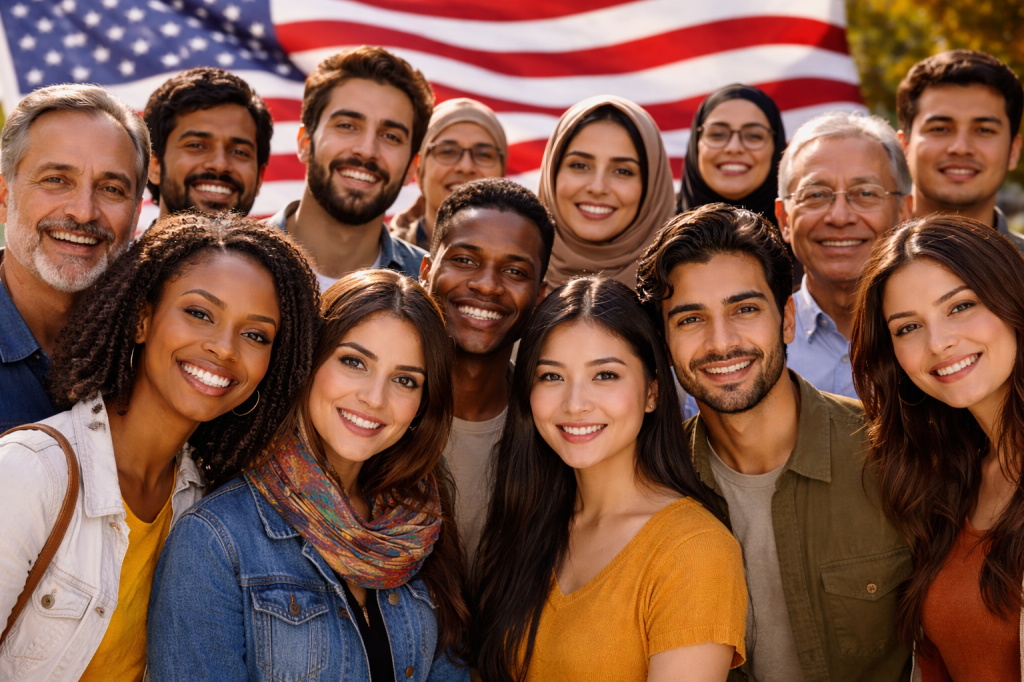
The story of the United States is inseparable from the stories of its minorities. America’s economic strength, cultural vitality, and democratic evolution were built not by a single people, but by a convergence of nations, languages, and bloodlines. From forced migration to voluntary arrival, each community has carried both hope and hardship into the American narrative.

African Americans represent one of the oldest continuous minority presences in the nation, arriving first through the transatlantic slave trade in 1619. Enslaved Africans were forcibly transported, stripped of homeland and lineage, yet they laid the agricultural and economic foundation of early America. Their labor undergirded plantation wealth and national expansion, even as their humanity was denied.

Following emancipation, Black Americans faced Reconstruction’s collapse, Jim Crow segregation, racial terror, and systemic exclusion. The Great Migration reshaped northern cities as millions sought industrial opportunity and safety. The Civil Rights Movement, led by figures such as Martin Luther King Jr., transformed American law and conscience, yet disparities in wealth, policing, and healthcare persist.

Hispanic and Latino Americans trace their roots to Spanish colonization long before the United States existed. Regions such as California, Texas, and Florida were once part of Spain and later Mexico. After the Mexican-American War, many Mexicans became Americans overnight when borders shifted rather than people moving.

Immigration from Mexico, Puerto Rico, Cuba, and Central America increased in the twentieth century due to labor demands, political instability, and economic opportunity. Programs such as the Bracero Program recruited Mexican workers during World War II. Today, Latinos face immigration debates, labor inequities, and language-based discrimination, even as they contribute profoundly to agriculture, construction, military service, and entrepreneurship.

Asian Americans arrived in significant numbers during the nineteenth century, beginning with Chinese laborers who helped build the Transcontinental Railroad. Their sacrifice was met with exclusionary policies such as the Chinese Exclusion Act of 1882. Despite this discrimination, Chinese communities established resilient cultural and economic enclaves.

Japanese immigrants faced incarceration during World War II under Executive Order 9066, despite many being American citizens. Korean, Filipino, Indian, and Vietnamese immigrants followed in later waves, often shaped by war, colonial ties, or refugee resettlement policies. Asian Americans today continue to confront stereotypes and periodic surges of xenophobia, particularly during geopolitical tensions.

Italian Americans migrated in large numbers between 1880 and 1920, fleeing poverty and political instability in southern Italy. Upon arrival, they often encountered nativist hostility and were stereotyped as criminals or anarchists. Over time, they built tight-knit communities, contributing to urban labor, cuisine, art, and public service.

Irish Americans, though now often perceived as fully integrated, endured severe discrimination during the nineteenth century. Fleeing the Great Famine, they were met with “No Irish Need Apply” sentiments. They filled industrial jobs, shaped urban political machines, and gradually ascended into mainstream civic life.

Native Americans represent the original inhabitants of the Americas and have endured forced displacement, broken treaties, and cultural suppression. The Trail of Tears and the reservation system stand as painful reminders of conquest and survival. Despite systemic marginalization, Indigenous communities preserve language, sovereignty, and cultural identity.

Arab Americans began migrating in the late nineteenth century, often from Lebanon and Syria, and later from other parts of the Middle East. Many arrived seeking economic opportunity. Post-9/11 suspicion intensified scrutiny and discrimination, yet Arab Americans remain active in business, medicine, and public service.

Caribbean Americans, including Haitian and Jamaican immigrants, have shaped music, healthcare, and entrepreneurship. Migration increased in the twentieth century due to economic and political pressures in the Caribbean basin. These communities often navigate racial identity within broader Black American experiences while maintaining distinct cultural traditions.

African immigrants, distinct from descendants of enslaved Africans, have arrived in increasing numbers since the Immigration and Nationality Act of 1965. Highly educated and entrepreneurial, they contribute to academia, healthcare, and technology sectors while adapting to America’s racial frameworks.

Filipino Americans, whose migration ties date to U.S. colonial governance of the Philippines, have long served in the U.S. Navy and healthcare professions. Their presence illustrates how imperial history shaped migration patterns.

South Asian Americans, including Indian and Pakistani immigrants, expanded significantly after 1965 immigration reforms favored skilled labor. They have made substantial contributions in medicine, engineering, and technology while navigating religious discrimination and post-9/11 scrutiny.

Latina and Asian women have played pivotal roles in garment factories, domestic labor, and nursing, often underpaid and underrecognized. Their sacrifices fueled urban economies while supporting transnational families.

Military service stands as a shared thread across minority communities. From the Buffalo Soldiers to Hispanic Medal of Honor recipients, from Japanese American units in World War II to contemporary immigrant enlistments, minority sacrifice has defended freedoms not always fully extended to them.

Today, minorities collectively face wealth gaps, educational inequities, healthcare disparities, and political polarization. Yet they also represent demographic growth, entrepreneurial dynamism, and cultural innovation. American music, cuisine, language, and art reflect their imprint.

The American experiment is thus not a singular inheritance but a chorus. Black resilience, Hispanic heritage, Asian diligence, Italian and Irish perseverance, Jewish scholarship, Indigenous endurance, Arab entrepreneurship, Caribbean rhythm, and African ambition form a mosaic rather than a monolith.

Voices of the Americas are not peripheral to the nation’s story—they are foundational. Their migrations, whether forced or chosen, their sacrifices in labor and war, and their ongoing pursuit of equity define the evolving meaning of American identity.


References

Daniels, R. (2002). Coming to America: A History of Immigration and Ethnicity in American Life. HarperCollins.

Foner, E. (2014). Give Me Liberty!: An American History. W.W. Norton.

Takaki, R. (2008). A Different Mirror: A History of Multicultural America. Back Bay Books.

The Holy Bible, King James Version (for general themes of migration and diaspora).

U.S. Census Bureau. (2023). Demographic Profile of the United States.

Covenant Echoes in the Latin World

The Latin world represents one of the most complex intersections of empire, faith, language, and covenant memory in global history. Stretching from the Iberian Peninsula to the Americas, Latin identity emerged from Roman foundations, Catholic expansion, Indigenous civilizations, African diaspora currents, and layered migrations. To understand covenant echoes in this world is to examine how sacred narratives are intertwined with conquest, colonization, and cultural survival.

The term “Latin” derives from Latium, the region surrounding ancient Rome. The expansion of the Roman Empire institutionalized the Latin language, law, and governance across Europe. After Rome’s Christianization under Constantine the Great, Christianity fused with imperial administration, creating a theological-political framework that would later shape Iberian expansion.

Spain and Portugal, inheritors of Roman Catholic identity, carried this fusion into the Age of Exploration. Under monarchs such as Isabella I of Castile and Ferdinand II of Aragon, Spain unified religiously and politically. The 1492 expulsion of Jews and Muslims from Spain marked a turning point, intertwining covenant theology with national consolidation.

The same year witnessed the voyage of Christopher Columbus, which initiated sustained European contact with the Americas. Spanish and Portuguese explorers justified expansion through missionary zeal, often framing colonization as a divine mandate. Biblical imagery of covenant and chosen mission shaped rhetoric, though practice frequently contradicted Christian ethics.

Indigenous civilizations such as the Aztec, Maya, and Inca possessed complex spiritual systems prior to European arrival. Conquest imposed Catholic structures upon these societies, yet syncretism emerged. Indigenous cosmologies blended with biblical motifs, producing unique Latin Christian expressions that endure in festivals, iconography, and communal rituals.

African covenantal memory entered the Latin world through the transatlantic slave trade. Millions of Africans were forcibly transported to Brazil, the Caribbean, and Spanish America. They carried with them spiritual traditions that merged with Catholic symbolism, giving rise to syncretic faith expressions such as Candomblé and Santería.

Theological scholarship in colonial Latin America wrestled with moral questions about Indigenous humanity. Figures like Bartolomé de las Casas argued for Indigenous rights, challenging the brutality of encomienda systems. His advocacy demonstrates early covenantal debates about justice and dignity.

The Bible itself became a contested text in the Latin world. For centuries, Catholic authority restricted vernacular translations. With Protestant missions in the nineteenth century, Spanish and Portuguese Bibles became more widely accessible, reshaping lay engagement with scripture.

Liberation theology in the twentieth century reinterpreted covenant through the lens of the oppressed. Thinkers such as Gustavo Gutiérrez framed the Exodus narrative as paradigmatic for Latin American struggles against poverty and dictatorship. Covenant became a language of social justice rather than imperial mandate.

Migration reshaped covenant echoes once more. Latin Americans migrated northward in the twentieth and twenty-first centuries, carrying Marian devotion, Pentecostal fervor, and communal Catholic traditions into the United States. Spanish-language congregations transformed urban religious landscapes.

The concept of covenant also intersects with Sephardic Jewish memory in the Iberian diaspora. Following expulsion, conversos and crypto-Jews carried fragments of Hebrew tradition into the Americas. Recent genealogical research has revived awareness of these hidden lineages in regions of Mexico and the American Southwest.

Brazil, the largest Portuguese-speaking nation, embodies covenant complexity. Its colonial society intertwined Catholic orthodoxy, African resilience, and Indigenous survival. Afro-Brazilian religious traditions illustrate how covenant identity adapts under coercion yet persists symbolically.

Political upheavals in Latin America often invoked biblical language. Revolutionary leaders employed Exodus imagery, while authoritarian regimes sometimes claimed divine sanction. Covenant rhetoric thus oscillated between liberation and control.

Language itself carries covenant echoes. Spanish and Portuguese, Romance languages rooted in Latin, preserve ecclesiastical vocabulary shaped by centuries of theological discourse. Words like alianza (covenant) reflect deep scriptural inheritance.

The relationship between the Latin world and the United States adds another layer. Economic interdependence, migration policy, and cultural exchange create ongoing dialogue. Religious networks span borders, forming transnational faith communities.

Modern Latin America faces challenges of inequality, political instability, and violence. Yet churches often function as social anchors, providing education, healthcare, and communal solidarity. Covenant in this context signifies resilience amid systemic strain.

Pentecostal growth across Latin America represents one of the most significant religious shifts of the last century. Emphasis on personal covenant with God, spiritual gifts, and communal worship reshapes Catholic-majority landscapes.

Indigenous movements increasingly reclaim precolonial spiritual identities while engaging Christian frameworks. This dual negotiation reflects a broader pattern: covenant memory in the Latin world is neither static nor singular but layered and adaptive.

Diaspora communities in North America reinterpret Latin covenant identity within multicultural contexts. Faith becomes a bridge between heritage and assimilation, preserving language and communal bonds.

Ultimately, covenant echoes in the Latin world reveal a history marked by conquest and compassion, oppression and advocacy, syncretism and reform. From Iberian monarchies to liberation theologians, from Sephardic memory to Afro-Latin spirituality, the Latin world demonstrates how sacred narratives travel, fracture, and reform across continents. Covenant here is not merely theological—it is historical, cultural, and profoundly human.


References

Brading, D. A. (1991). The First America: The Spanish Monarchy, Creole Patriots, and the Liberal State. Cambridge University Press.

Gutiérrez, G. (1973). A Theology of Liberation. Orbis Books.

Las Casas, B. de. (1992). A Short Account of the Destruction of the Indies. Penguin Classics.

Noll, M. A. (2012). The New Shape of World Christianity. IVP Academic.

Pew Research Center. (2023). Religion in Latin America.

Black History: 15 Pioneering Black Inventors Who Transformed the Modern World.

The history of innovation in the United States and across the African diaspora is incomplete without acknowledging the profound contributions of Black inventors. Working under the crushing weight of enslavement, segregation, patent discrimination, and limited access to capital, these men and women forged breakthroughs that reshaped agriculture, medicine, communication, transportation, and daily life. Their stories reveal brilliance tempered by struggle and perseverance refined by adversity.

Benjamin Banneker was a mathematician, astronomer, and almanac author whose scientific calculations helped survey the boundaries of Washington, D.C. Self-taught in astronomy, he published almanacs predicting eclipses and weather patterns. Despite racial prejudice in the 18th century, Banneker corresponded boldly with Thomas Jefferson, challenging the hypocrisy of slavery. His intellectual contributions undermined racist assumptions about Black inferiority and demonstrated scholarly excellence in the early republic.

Granville T. Woods, often called the “Black Edison,” held more than 50 patents. His improvements to telegraphy and railway communication, particularly the multiplex telegraph, enhanced train safety and efficiency. Woods faced constant legal battles, including challenges from Thomas Edison, yet successfully defended his patents. His perseverance ensured that rail transport systems became safer and more reliable during rapid industrial expansion.

Madam C.J. Walker, born Sarah Breedlove, revolutionized Black hair care with specialized products designed for African American women. She developed manufacturing methods and sales distribution systems that created one of the first self-made female millionaire enterprises in America. Walker overcame poverty and widowhood, building not only a business but also funding scholarships and civil rights initiatives, thereby linking invention to economic empowerment.

George Washington Carver transformed Southern agriculture by promoting crop rotation and alternative crops such as peanuts and sweet potatoes. While myths exaggerate the number of peanut inventions, his agricultural bulletins provided practical, life-saving knowledge to formerly enslaved farmers trapped in sharecropping cycles. Carver faced racial limitations in funding and recognition, yet became a global symbol of agricultural science and sustainability.

Garrett Morgan invented the three-position traffic signal and an early gas mask known as the safety hood. His gas mask saved lives during a 1916 tunnel disaster in Cleveland, though he initially hired white actors to demonstrate his invention due to racial bias. Morgan’s contributions continue to influence traffic management systems and emergency response technologies worldwide.

Elijah McCoy engineered an automatic lubricating device for steam engines, dramatically improving railroad efficiency. So respected was his design that buyers allegedly requested “the real McCoy” to avoid inferior imitations. Despite holding numerous patents, McCoy struggled financially later in life, reflecting the economic instability many Black inventors endured.

Lewis Latimer improved the carbon filament for light bulbs, extending their lifespan and making electric lighting affordable. A skilled draftsman, he contributed to patents for Alexander Graham Bell and worked closely with Thomas Edison. Latimer’s technical manuals standardized electrical engineering practices, though his name often remained overshadowed in popular narratives.

Sarah Boone patented an improved ironing board designed to better fit women’s garments. Living during Reconstruction, Boone innovated in domestic technology at a time when Black women’s labor was undervalued. Her contribution enhanced garment care efficiency and reflects how everyday needs sparked practical invention.

Jan Ernst Matzeliger revolutionized shoe manufacturing with a lasting machine that mechanized the process of attaching shoe uppers to soles. His invention dramatically reduced shoe prices, making footwear affordable for working-class families. Matzeliger endured racism and exhausting labor conditions, and he died young, but his innovation industrialized a global industry.

Alexander Miles patented automatic elevator doors that significantly improved passenger safety. Prior to his innovation, manual doors caused frequent accidents. Miles’ design became foundational in modern elevator systems, enhancing urban architecture and vertical expansion.

Charles Drew pioneered blood plasma preservation techniques and organized large-scale blood banks during World War II. Though he resigned from the American Red Cross in protest of racial segregation policies in blood donation, his research saved thousands of lives and laid the foundation for modern transfusion medicine.

Lonnie Johnson, a former NASA engineer, invented the Super Soaker water gun, generating billions in retail sales. Johnson’s earlier work involved energy systems and spacecraft power sources. Despite early business setbacks, he leveraged engineering expertise into entrepreneurial success and now focuses on advanced battery technology.

Marie Van Brittan Brown co-invented the first home security system with a closed-circuit television monitor in 1966. Concerned about slow police response times in her neighborhood, she designed a system allowing homeowners to see and communicate with visitors remotely. Modern security and surveillance systems trace conceptual roots to her patent.

Patricia Bath invented the Laserphaco Probe, improving cataract surgery precision and restoring sight to patients worldwide. As the first Black woman to receive a medical patent, Bath confronted gender and racial discrimination in academic medicine. Her contributions expanded access to vision care globally.

Mark Dean co-developed the IBM personal computer architecture and holds multiple patents related to computing systems. His work on the ISA bus and color PC monitor technology advanced modern computing. Rising to become an IBM vice president, Dean helped democratize digital technology in an era when Black engineers were vastly underrepresented.

These inventors did more than create devices; they altered economic systems, saved lives, and reshaped daily living. Their innovations contributed to safer transportation, medical breakthroughs, mass communication, agricultural sustainability, and home security. Yet many endured exploitation, lack of credit, financial hardship, and systemic racism. Their resilience underscores a broader historical narrative: innovation flourished even when opportunity was denied.

The legacy of these Black inventors reverberates through contemporary society. Traffic lights regulate our streets, elevators rise in skyscrapers, blood banks sustain hospitals, computers power industries, and agricultural science feeds nations. To study their lives is to recognize that ingenuity is not bound by race, but opportunity often is. Their stories demand both celebration and continued scholarly examination of structural barriers in science and industry.


References

Banneker, B. (1792). Banneker’s Almanac.

Brown, M. V. B. (1969). U.S. Patent No. 3,482,037.

Carver, G. W. (1920). Agricultural bulletins, Tuskegee Institute.

Drew, C. (1940). Banked Blood. Columbia University.

Latimer, L. (1890). Incandescent Electric Lighting: A Practical Description of the Edison System.

McCoy, E. (1872). U.S. Patent No. 129,843.

Miles, A. (1887). U.S. Patent No. 371,207.

Morgan, G. (1923). U.S. Patent No. 1,475,024.

National Inventors Hall of Fame. (n.d.). Biographical entries on listed inventors.

Smithsonian Institution. (n.d.). African American Inventors Initiative.

U.S. Patent and Trademark Office. (n.d.). Patent archives and historical records.

Discover Paris: The City of Lights Awaits

Paris, often called La Ville Lumière or the City of Lights, is the capital of France and one of the most iconic cities in the world. Located in northern central France, along the Seine River, Paris is not only the political and economic heart of the country but also a cultural and artistic hub that attracts millions of visitors each year (UNESCO, 2023). Its strategic location in Europe has historically made it a center for trade, diplomacy, and innovation.

The city is renowned for its architectural landmarks and scenic views. Among the most famous is the Eiffel Tower, a symbol of Paris since 1889, offering panoramic views of the city from its observation decks. Another must-visit is the Notre-Dame Cathedral, an example of French Gothic architecture, known for its intricate façade and historical significance (UNESCO, 2023).

Art lovers flock to the Louvre Museum, home to thousands of masterpieces, including the Mona Lisa and the Venus de Milo. The museum itself is an architectural marvel, blending classical and modern design with the iconic glass pyramid entrance (Louvre Museum, 2023). Other notable museums include Musée d’Orsay, known for its Impressionist collection, and Centre Pompidou, a modern art landmark.

Paris is also a city of gardens and promenades. The Luxembourg Gardens and Tuileries Gardens offer serene escapes amid bustling city life. Walking along the Seine, visitors can enjoy bookstalls, street performances, and scenic bridges, enhancing the city’s romantic reputation (Paris Convention and Visitors Bureau, 2023).

The culinary scene in Paris is legendary. Traditional French cuisine, from flaky croissants to rich coq au vin, is celebrated worldwide. The city boasts numerous Michelin-starred restaurants, such as Le Meurice and L’Ambroisie, offering exquisite dining experiences. Cafés like Café de Flore provide a more casual atmosphere, perfect for people-watching and sampling pastries (Michelin Guide, 2023).

For opera and classical music enthusiasts, Paris is home to prestigious venues like the Palais Garnier and Opéra Bastille. These opera houses host performances ranging from grand ballets to world-class operas, reflecting the city’s deep artistic heritage (Palais Garnier, 2023).

The city is famous for its fashion and style. Paris Fashion Week, held twice a year, showcases the latest collections from top designers such as Chanel, Dior, and Louis Vuitton. The city has long been considered a global fashion capital, influencing trends worldwide (Paris Fashion Week, 2023). Iconic shopping districts include the Champs-Élysées, Le Marais, and Saint-Germain-des-Prés, offering luxury boutiques and vintage finds.

History permeates every corner of Paris. Founded in the 3rd century BC by a Celtic tribe called the Parisii, the city has grown into a symbol of French culture and power. Throughout centuries, Paris has witnessed revolutions, wars, and artistic renaissances that have shaped both France and the wider world (Horne, 2003).

Paris’ reputation as a center of learning and philosophy is also notable. The city has long hosted intellectuals, writers, and philosophers. The Sorbonne University and the Latin Quarter have been pivotal in shaping Western thought, from the Enlightenment to modern academia (Kaiser, 2008).

Tourism in Paris is fueled not only by its monuments and art but also by its vibrant neighborhoods. Montmartre, with its bohemian charm, attracts artists and tourists alike, while Le Marais offers a mix of historic architecture, trendy shops, and cultural diversity. The Seine River’s banks are perfect for leisurely strolls, boat tours, and picnics.

The nightlife of Paris is as dynamic as its daytime offerings. From jazz clubs in Saint-Germain-des-Prés to cabaret shows at the Moulin Rouge, the city offers entertainment for every taste. Cafés, bars, and rooftop terraces provide a cosmopolitan experience that has made Paris a favorite destination for travelers worldwide (Paris Convention and Visitors Bureau, 2023).

Paris is also celebrated for its desserts and pastries. Macarons from Ladurée, éclairs from Pierre Hermé, and crème brûlée in classic bistros reflect the city’s dedication to culinary artistry. Local markets, such as Marché Bastille and Marché d’Aligre, provide fresh produce, cheese, and artisanal goods for food lovers.

Beyond its attractions, Paris remains a global hub for arts, culture, and diplomacy. International events, exhibitions, and conferences frequently take place here, solidifying its status as a world city. Its influence extends into cinema, literature, and music, making it a cultural touchstone across continents (UNESCO, 2023).

🌟 Must‑See Attractions in Paris

Top cultural and historical sites to visit:

  • Eiffel Tower – Iconic symbol of Paris with panoramic city views.
  • Louvre Museum – One of the world’s greatest art museums.
  • Notre-Dame Cathedral of Paris – Historic Gothic cathedral recently restored and welcoming visitors again.
  • Arc de Triomphe – Monument honoring those who fought for France.
  • Tuileries Garden – Elegant landscaped gardens perfect for a stroll.
  • Jardin du Luxembourg – Beautiful formal gardens in the heart of the city.
  • Panthéon – Mausoleum containing the remains of distinguished French figures.
  • Sainte-Chapelle – Stunning chapel famous for its stained‑glass windows.
  • Conciergerie – Former royal palace and prison on Île de la Cité.
  • Basilique du Sacré‑Cœur de Montmartre – White‑domed basilica with sweeping city views.
  • Jardin des Plantes – Botanical gardens and zoo in the 5th arrondissement.
  • Musée National Picasso‑Paris – Museum dedicated to Pablo Picasso’s work.
  • Musée d’Orsay – Former train station housing Impressionist masterpieces.
  • Musée Rodin – Museum and gardens showcasing Rodin’s sculptures.
  • Place des Vosges – Historic square in the Marais district.

✨ For shopping and wandering, explore Rue Montorgueil — a lively street full of cafés, bakeries, and markets.

🍽️ Top Restaurants & Eateries in Paris

Fine dining & Michelin‑level experiences:

  • Restaurant Guy Savoy – Renowned haute French cuisine.
  • Le Cinq – Elegant fine dining at Four Seasons George V.
  • Epicure – Legendary three‑Michelin‑star restaurant at Le Bristol.
  • Sphère – Highly acclaimed modern French gastronomy.
  • L’Orangerie – Sophisticated dining with refined seasonal menus.
  • ASPIC – Exceptional contemporary French cuisine.
  • Le Clarence – Elegant dining with French flair.
  • Pur’ – Jean‑François Rouquette – Stylish fine dining.
  • La Scène – Artful, creative French tasting menus.
  • Aldehyde – Michelin‑starred gem with inventive flavors.
  • La Dame de Pic – Contemporary French cuisine by Anne‑Sophie Pic.
  • Ze Kitchen Galerie – French cuisine with Asian influence.

Classic & local favorites:

  • Pink Mamma – Beloved Italian restaurant with stylish interiors.
  • La Réserve Du Terroir – Restaurant Paris 4 – Great French bistro in the Marais.
  • Bel Canto – Unique dining with opera vocals.
  • C’est Comme À La Maison – CCALM – Charming local French cuisine.
  • Boutary – Highly rated French eatery.
  • Chouchou – Friendly classic French restaurant.
  • L’Aubergeade – Wonderful French bistro.
  • Le Ju’ – Popular casual restaurant with local flair.
  • Le Petit Châtelet – Cozy eatery near the Seine.
  • Le Maxan – Stylish mid‑range option.
  • Assanabel – Top Lebanese choice within Paris.
  • Eataly – Italian marketplace with eateries ideal for casual meals.

🍴 Insider Tip

When dining in Paris, local cafés like Café de Flore in Saint‑Germain‑des‑Prés are great for leisurely coffee or brunch and offer an authentic Parisian ambiance.

Public transportation in Paris is efficient, with a comprehensive metro system, buses, and RER trains connecting the city and suburbs. This accessibility allows both locals and tourists to explore neighborhoods, historical sites, and cultural venues with ease.

Ultimately, Paris’ blend of history, art, cuisine, fashion, and culture makes it a city that continues to captivate hearts worldwide. Its moniker, the City of Lights, reflects both its literal illumination and its metaphorical role as a beacon of human achievement, beauty, and creativity.


References

  1. UNESCO. (2023). Paris, France: World Heritage Sites. Retrieved from https://whc.unesco.org/en/statesparties/fr
  2. Louvre Museum. (2023). Collections and History. Retrieved from https://www.louvre.fr/en
  3. Paris Convention and Visitors Bureau. (2023). Visit Paris: Attractions and Neighborhoods. Retrieved from https://en.parisinfo.com
  4. Michelin Guide. (2023). Best Restaurants in Paris. Retrieved from https://guide.michelin.com
  5. Palais Garnier. (2023). History and Performances. Retrieved from https://www.operadeparis.fr/en
  6. Paris Fashion Week. (2023). Official Site. Retrieved from https://fhcm.paris/en/paris-fashion-week-en
  7. Horne, A. (2003). Seven Ages of Paris. New York, NY: Vintage Books.
  8. Kaiser, R. (2008). The Cultural History of Paris: From Medieval Times to Modernity. New York, NY: Palgrave Macmillan.

Black History: The History of Jazz, Soul, and Blues Music.

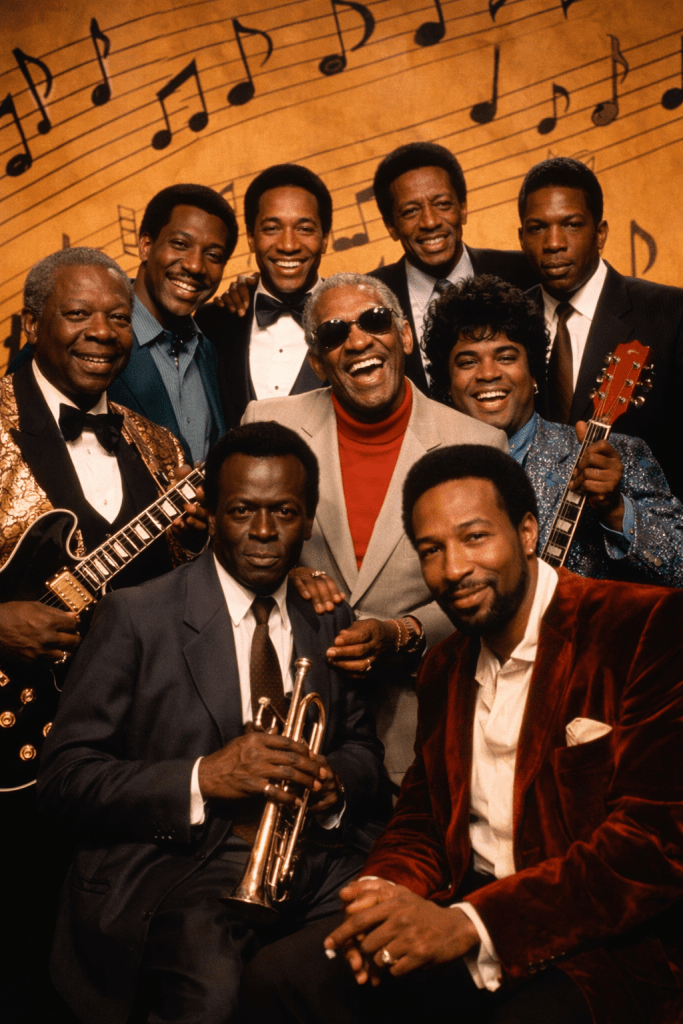
African American music is one of the richest contributions to global culture, shaping the soundscape of the modern world. Jazz, soul, and blues are not merely genres—they are historical chronicles of struggle, triumph, and creative ingenuity. Each arose from the African American experience, reflecting emotions, storytelling, and cultural resilience in the face of oppression. These genres have influenced each other profoundly, giving birth to rhythm and blues (R&B) and ultimately shaping popular music across the 20th and 21st centuries.

Blues music, often called the foundation of modern Black music, emerged in the late 19th and early 20th centuries in the Deep South. Rooted in African spirituals, work songs, and field hollers, the blues expressed the pain, resilience, and hope of formerly enslaved people. Instruments such as the guitar, piano, and harmonica became staples of the genre. Pioneering artists like Bessie Smith and Robert Johnson defined early blues, using emotive vocal techniques and twelve-bar structures that would influence generations.

Jazz, born in New Orleans around the early 1900s, blended African rhythms, European harmonics, and improvisational techniques. It was first popularized in brothels, dance halls, and clubs, creating a distinct urban culture. Iconic artists like Louis Armstrong, Duke Ellington, and Ella Fitzgerald transformed jazz into both a popular entertainment form and an artistic statement. Jazz’s improvisational nature, complex harmonies, and syncopated rhythms made it a revolutionary form of musical expression.

Soul music emerged in the 1950s and 1960s as an extension of gospel and rhythm and blues traditions. Soul fused emotional gospel singing with secular themes, creating music that was both spiritually powerful and deeply relatable. Artists like Otis Redding, Aretha Franklin, and Sam Cooke became voices of a generation, merging personal expression with social commentary during the Civil Rights era. Soul music emphasized vocal intensity, call-and-response patterns, and lyrical storytelling that spoke to everyday struggles and joys.

Rhythm and blues, commonly known as R&B, developed in the 1940s as a hybrid of jazz, blues, and gospel. This genre introduced strong backbeats, danceable rhythms, and smooth vocal harmonies that would later influence rock and pop music. Artists such as Jeffrey Osborne helped popularize R&B in the late 1970s and 1980s, building on the traditions established by earlier performers like Ray Charles and Ruth Brown. R&B bridged the gap between blues, jazz, and contemporary soul, making African American music accessible to mainstream audiences while retaining its cultural essence.

All three genres—blues, jazz, and soul—share common threads. They are deeply rooted in African musical traditions, emphasizing improvisation, rhythm, and emotional storytelling. They reflect the collective African American experience, using music as a tool to narrate personal and communal struggles. The interplay of call-and-response, improvisation, and emotional intensity creates a continuum that links early field songs to modern R&B and hip-hop.

The historical impact of these genres is monumental. Jazz broke racial barriers in performance spaces and recording studios, giving African American musicians international acclaim. Blues provided a raw emotional outlet during eras of severe oppression and economic hardship. Soul became a voice of empowerment during the Civil Rights movement, connecting music with social change and identity. Together, they laid the foundation for future musical innovation across all genres.

Notable jazz artists include Charlie Parker, Miles Davis, Thelonious Monk, and John Coltrane. Their improvisational brilliance, technical mastery, and innovative approaches to melody and harmony defined jazz as an art form and influenced countless musicians across genres.

Blues innovators include Muddy Waters, B.B. King, and Etta James. These artists refined the twelve-bar blues, expressive vocal phrasing, and guitar techniques that remain central to modern music.

Soul music pioneers like Marvin Gaye, Curtis Mayfield, and Gladys Knight showcased the intersection of spiritual intensity and secular themes, bridging church traditions with contemporary musical expression. Their work also informed the development of funk and disco.

R&B evolved further with artists such as Luther Vandross, Teddy Pendergrass, and Jeffrey Osborne, who infused modern production techniques while retaining emotional depth and vocal virtuosity. Their success in the 1970s and 1980s solidified R&B as a mainstream genre with mass appeal.

The interconnections between these genres are undeniable. Jazz improvisation influenced soul phrasing. Blues chord structures informed R&B songwriting. Gospel-inspired call-and-response techniques permeated all three styles. These shared elements demonstrate the continuity of African American musical innovation across decades.

Each genre also shaped dance, fashion, and social culture. From jazz clubs in New York and Chicago to soul concerts and R&B television performances, music became a catalyst for social gatherings, identity expression, and community solidarity. Television programs like Soul Train highlighted this evolution by showcasing Black artistry to national audiences.

Jazz

  • Louis Armstrong – Trumpeter, singer, and bandleader; a pioneer of solo improvisation.
  • Duke Ellington – Composer and bandleader known for sophisticated orchestration.
  • Charlie Parker – Bebop innovator and saxophone virtuoso.
  • Miles Davis – Revolutionary in cool jazz, modal jazz, and fusion.
  • John Coltrane – Innovator in improvisation and modal jazz.
  • Thelonious Monk – Composer known for unique harmonic and rhythmic style.
  • Ella Fitzgerald – “First Lady of Song,” famous for scat singing and vocal improvisation.

Blues

  • B.B. King – Guitar legend and emotive vocalist.
  • Muddy Waters – Father of modern Chicago blues.
  • Robert Johnson – Delta blues pioneer whose guitar work inspired rock and blues.
  • Etta James – Soulful voice blending blues, R&B, and jazz.
  • Bessie Smith – Empress of the Blues, iconic early 20th-century vocalist.

Soul

  • Otis Redding – Iconic voice of Southern soul and heartfelt ballads.
  • Aretha Franklin – “Queen of Soul,” blending gospel with R&B.
  • Sam Cooke – Smooth vocals and socially conscious lyrics.
  • Marvin Gaye – Social commentary and romantic themes in Motown soul.
  • Curtis Mayfield – Political soul and funk pioneer.
  • Gladys Knight – Powerful voice and emotive performances.

Rhythm & Blues (R&B)

  • Jeffrey Osborne – 1980s R&B crooner with hits like On the Wings of Love.
  • Luther Vandross – Smooth vocals, ballads, and love songs.
  • Teddy Pendergrass – Soulful, romantic style that bridged soul and R&B.
  • Ray Charles – Fused gospel, jazz, blues, and R&B, innovating soul music.
  • Ruth Brown – Early R&B pioneer, sometimes called “Miss Rhythm.”

Technological advancements, including radio, recording studios, and later television, helped spread jazz, blues, and soul to broader audiences. The migration of African Americans to northern urban centers during the Great Migration brought regional musical styles into contact, facilitating fusion and innovation.

The legacy of these genres continues today. Contemporary R&B, neo-soul, jazz fusion, and blues-rock all trace their roots to the pioneering artists of the 20th century. Musicians still draw inspiration from the improvisational freedom, emotional depth, and rhythmic complexity of early jazz, blues, and soul.

In summary, jazz, soul, and blues reflect the historical and cultural journey of African Americans. They document pain, resilience, love, and joy. The emergence of R&B and contemporary music owes a debt to these foundations, as seen in the works of artists like Jeffrey Osborne and Otis Redding. Together, they embody a musical continuum that celebrates creativity, identity, and the enduring power of Black culture.


References

Gioia, T. (2011). The History of Jazz (2nd ed.). Oxford University Press.

Ward, B., & Burns, K. (2000). Jazz: A History of America’s Music. Knopf.

Evans, D. (2010). Blues: The Basics. Routledge.

George, N. (1988). The Death of Rhythm and Blues. Pantheon Books.

Werner, C. (2006). A Change is Gonna Come: Music, Race, and the Soul of America. University of Michigan Press.

Smithsonian National Museum of African American History and Culture. (n.d.). Jazz, Blues, and Soul Collections.

AllMusic. (n.d.). Artist biographies for Jeffrey Osborne, Otis Redding, Louis Armstrong, and other key figures.

Black History: Origin of Soul Food

Soul food is far more than a collection of dishes; it is a living historical record of resistance, survival, ingenuity, and cultural pride for African Americans (Britannica Editors, 2026). Its origins are deeply rooted in the history of slavery, the adaptation of African culinary traditions, and the remaking of limited resources into food that sustains both body and community.

The roots of soul food stretch back to the era of slavery in the Southern United States. Enslaved Africans brought with them culinary knowledge from West and Central Africa, including cooking methods and flavor profiles that would later be foundational to the cuisine (Wikipedia, 2026). These skills—shaping flavor, stewing greens, and combining ingredients into nourishing meals—were essential for sustaining life in brutal, undernourishing conditions.

During slavery, African Americans were typically given meager rations consisting of cornmeal and scraps of pork or other discarded animal parts. Slave owners kept prime cuts for themselves, leaving enslaved people with offal, bones, and less desirable cuts of meat (Wikipedia, 2026). Rather than waste, these ingredients became opportunities for creative cooking that ultimately formed the backbone of soul food.

Enslaved cooks adapted traditional West African techniques to combine these limited foodstuffs with local ingredients. They melded their ancestral knowledge with Indigenous American and European cooking methods, creating new dishes that were both resourceful and flavorful. In this way, soul food is a hybrid cuisine reflecting the intersecting histories of Africans, Native Americans, and Europeans in the South (Wikipedia, 2026).

Because of the harsh conditions on plantations, enslaved people often supplemented their diets through hunting, fishing, and gardening. Small private gardens became sources of okra, greens, and other vegetables that remained central to soul food after emancipation (Wikipedia, 2026). These foods were combined with what was available from rations or the landscape to create hearty, high‑calorie meals necessary for laboring bodies.

The term “soul food” itself didn’t emerge until the 1960s and 1970s, during the Black Power and Black Pride movements, when “soul” became a broader cultural expression of identity and resistance. During this era, African Americans began to reclaim and celebrate their culinary traditions as symbols of cultural pride rather than shame (The Soul Food Pot, 2026).

Before the term was popularized, these dishes were often called “down‑home food,” “country cooking,” or “real good cooking.” They were the meals families prepared for Sunday dinners, communal gatherings, and everyday survival (Chicago Crusader, 2026). These communicative food traditions connected generations and helped maintain cultural memory.

After emancipation and especially during the Great Migration, African Americans brought this culinary tradition north and west to urban centers. Soul food restaurants began to appear in cities with significant Black populations, transforming regional rural cooking into a national cuisine associated with African American culture (Britannica Editors, 2026).

At its core, soul food reflects adaptability in the face of oppression. Greens such as collards, mustard, and turnips became staples because these crops could be grown in small gardens and were rich in nutrients. Beans, black‑eyed peas, and okra similarly became key components of the repertoire, often stewed with smoked meat for additional flavor (Afro.com, 2026).

Dishes we now think of as quintessential soul food—gumbos, stews, and rice dishes—trace back to West African foodways. For example, gumbo is closely linked to West African stews, thickened with okra or filé powder and seasoned with local spices, reflecting the blend of cultures in the South (The DO, 2026).

Pork played a significant role because it was widely available in the antebellum South. Ham hocks, jowls, and other parts of the hog that slave owners discarded were transformed into flavor bases for greens, beans, and stews. The use of pork fat also enhanced flavor and calories in otherwise lean vegetable dishes (Wikipedia, 2026).

Fried chicken—one of the most iconic soul food dishes—exemplifies the cuisine’s blended heritage. While frying chicken was practiced in some West African cultures, the technique was reinforced in the American South by enslaved cooks and adapted alongside European frying methods. Over time, African Americans perfected the seasoning, frying style, and presentation that distinguished it as soul food (Mercer University, 2026).

Despite its cultural richness, the association of fried chicken with Black Americans has also been shaped by racist stereotyping. As soul food historian Adrian Miller notes, African Americans who sold fried chicken or cooked it under oppression were later depicted in derogatory media imagery that trafficked in harmful tropes (Eater, 2018).

This duality—celebration and stereotype—highlights how soul food occupies both pride and pain within the broader American imagination. The food that sustained families through hardship has also been used to demean the very people who created it (Eater, 2018).

While traditional soul food involved pork heavily, modern adaptations often substitute smoked turkey, chicken, or vegetarian proteins to make the cuisine healthier or to accommodate dietary restrictions without losing the essence of the dishes (AA Registry, 2026).

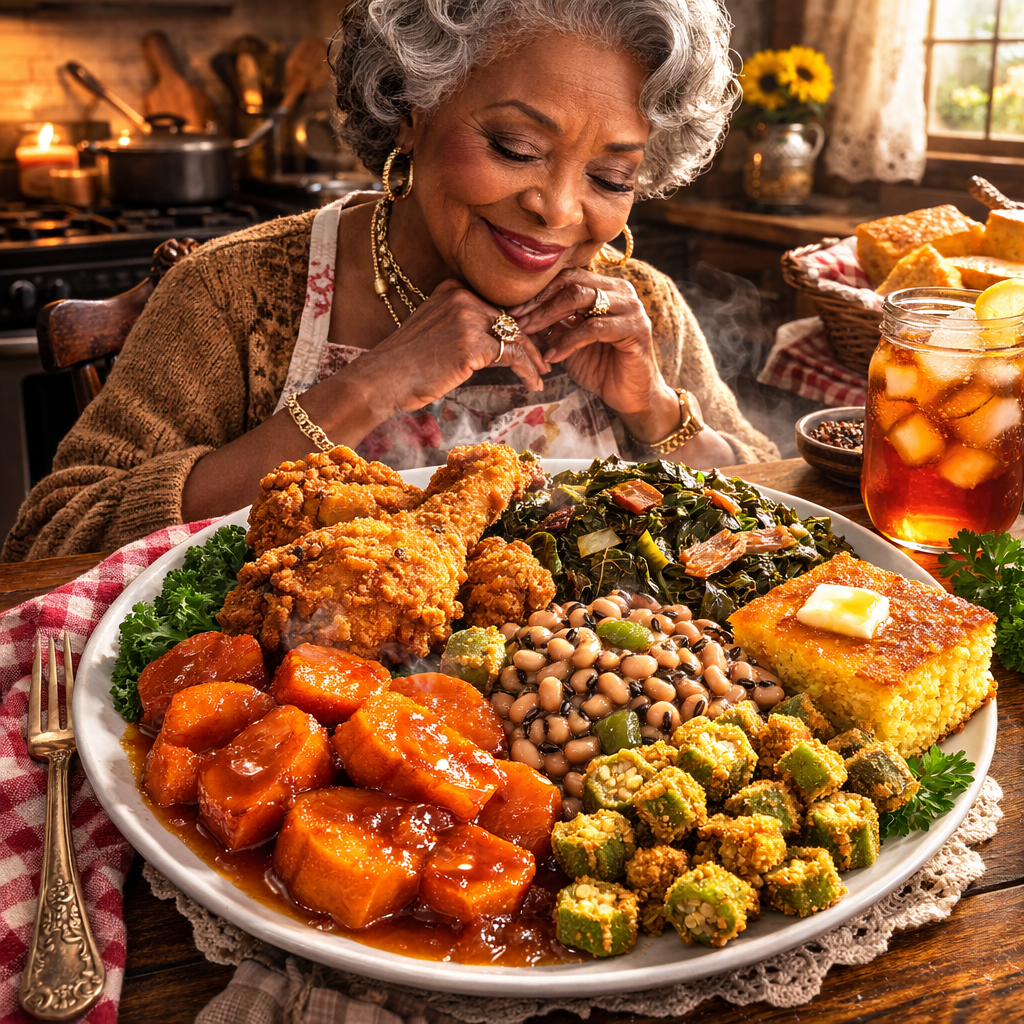
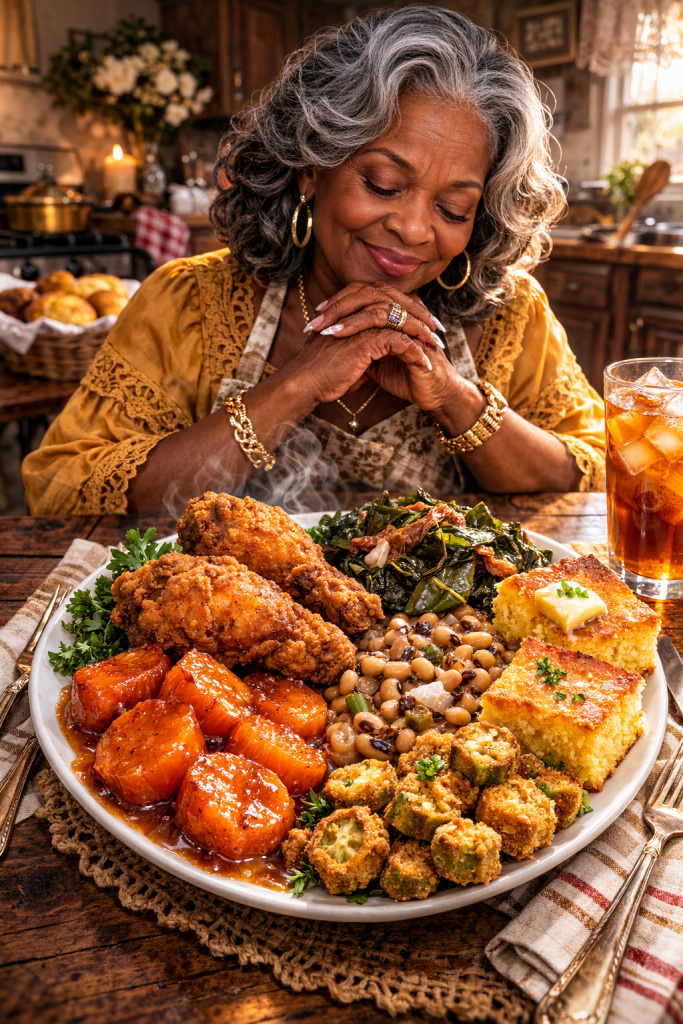
A traditional soul food plate without pork might include fried chicken or baked chicken, stewed collard greens seasoned with smoked turkey, black‑eyed peas, cornbread, candied yams, and okra. Each element reflects the historical journey of an ingredient—whether cultivated, foraged, or inherited from ancestral cooking traditions (Afro.com, 2026).

Soul food has endured because it is cultural memory on a plate. It functions as an edible archive of survival, community, and identity—passed down through families, celebrated at gatherings, and shared across generations as a testament to resilience (Chicago Crusader, 2026).

KFC: The History of Kentucky Fried Chicken

Kentucky Fried Chicken, commonly known as KFC, was founded by Harland David “Colonel” Sanders in 1952 in Salt Lake City, Utah, though Sanders had been cooking and selling fried chicken in Kentucky decades earlier (Wall Street Journal, 2023). His original recipe, featuring 11 secret herbs and spices, became the foundation for one of the world’s most recognized fast-food brands.

Sanders first operated a small roadside restaurant during the Great Depression, catering to travelers with fried chicken and other home-cooked Southern meals. In the 1930s and 1940s, he experimented with pressure-frying, a method that reduced cooking time while keeping chicken crispy—a key innovation that helped KFC expand nationwide.

By the 1960s, KFC began franchising aggressively, spreading across the U.S. and then internationally. Today, KFC operates in over 150 countries, with a unique global footprint where the menu is adapted to local tastes, such as spicy fried chicken in Asia, halal options in the Middle East, and rice-based sides in Latin America.

KFC’s cultural significance lies not only in its branding but also in its role in popularizing fried chicken as fast food worldwide, bridging Southern American culinary traditions with global consumption.


Fried Chicken in Asia: Origins and Popularity

Fried chicken was not invented in Asia, but certain Asian countries adopted and adapted the dish to their own culinary traditions centuries ago. For example:

  • China: Historical records suggest that frying chicken in oil has existed since the Tang dynasty (618–907 CE). Chinese cooks used light coatings of flour or starch and seasonings for fried poultry, predating widespread Western fried chicken. (Asia Society, 2020)
  • Japan: Fried chicken became popular with karaage, a Japanese cooking method where bite-sized pieces of chicken are marinated in soy sauce, ginger, and garlic, then coated lightly in starch and fried. This style was influenced by Chinese techniques but adapted to local flavors. (Japan Times, 2021)
  • Korea: Korean fried chicken, or “chikin”, emerged in the 1960s–70s and became widely popular through fried chicken chains. Unlike Western fried chicken, Korean fried chicken is often double-fried for extreme crispiness and coated with spicy or sweet sauces. It is now a staple in Korean cuisine and social culture. (Korea Herald, 2022)

In essence, while fried chicken as we know it in KFC form originates from Southern U.S. cooking traditions, many Asian countries have parallel fried chicken traditions that predate modern fast-food chains. Today, these countries have also influenced global fried chicken flavors, including the sweet, spicy, or soy-based styles now sold in KFC outlets worldwide.

Its evolution from necessity to pride underscores how African Americans reclaimed what was once a symbol of marginalization and transformed it into one of cultural affirmation. Soul food remains one of the most beloved and influential contributions African Americans have made to the broader landscape of American cuisine (Britannica Editors, 2026).


References

Afro.com. (2026). Soul food: African culture embedded in American cuisine. Retrieved from https://afro.com/soul-food-african-culture-embedded-in-american-cuisine/?utm_source=chatgpt.com

AA Registry. (2026). Soul food: A brief history. Retrieved from https://aaregistry.org/story/soul-food-a-brief-history/?utm_source=chatgpt.com

Britannica Editors. (2026). Soul food. In Encyclopedia Britannica. Retrieved from https://www.britannica.com/topic/soul-food-cuisine?utm_source=chatgpt.com

Chicago Crusader. (2026). The Black plate: Soul food’s long march to freedom. Retrieved from https://chicagocrusader.com/the-black-plate-soul-foods-long-march-to-freedom/?utm_source=chatgpt.com

Eater. (2018, October 3). Fried chicken is common ground: The history and stereotypes. Retrieved from https://www.eater.com/2018/10/3/17926424/fried-chicken-is-common-ground?utm_source=chatgpt.com

Mercer University. (2026). Southern food and African-American culinary traditions. Retrieved from https://faculty.mercer.edu/davis_da/southernfood/blog.html?utm_source=chatgpt.com

The DO. (2026). Food from the soul: A history of African-American culture and nutrition. Retrieved from https://thedo.osteopathic.org/columns/food-from-the-soul-a-history-of-african-american-culture-and-nutrition/?utm_source=chatgpt.com

The Soul Food Pot. (2026). Soul food history. Retrieved from https://thesoulfoodpot.com/soul-food-history/?utm_source=chatgpt.com

Wikipedia. (2026). Soul food. Retrieved from https://en.wikipedia.org/wiki/Soul_food?utm_source=chatgpt.com

Black History: The Soul Train… The hippest trip in America.

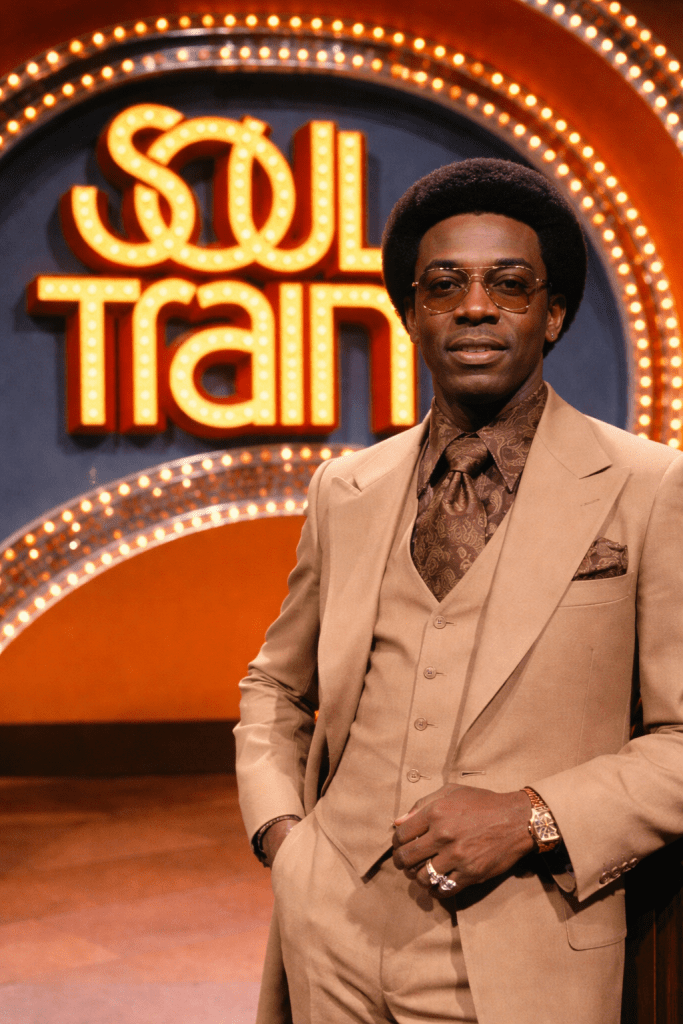
When Soul Train first aired in 1971, it was more than a television program—it was a cultural declaration. Branded “the hippest trip in America,” the show became a weekly sanctuary where Black music, fashion, and joy were broadcast unapologetically into millions of homes. At a time when mainstream television offered limited and often distorted portrayals of African Americans, Soul Train centered Black artistry with elegance, style, and pride.

The visionary behind the show was Don Cornelius, a former Chicago police officer and radio DJ whose deep baritone voice and calm authority became synonymous with the program. Born on September 27, 1936, in Chicago, Illinois, Cornelius developed an early love for broadcasting. After working in insurance sales and law enforcement, he transitioned into radio at WVON, a prominent Black-oriented station in Chicago.

In 1970, Cornelius created a local dance program on Chicago’s WCIU-TV featuring live performances and dancing teens. Its immediate success demonstrated a demand for authentic Black entertainment. With ambition and business acumen, Cornelius syndicated the show nationally in 1971, launching Soul Train into living rooms across America.

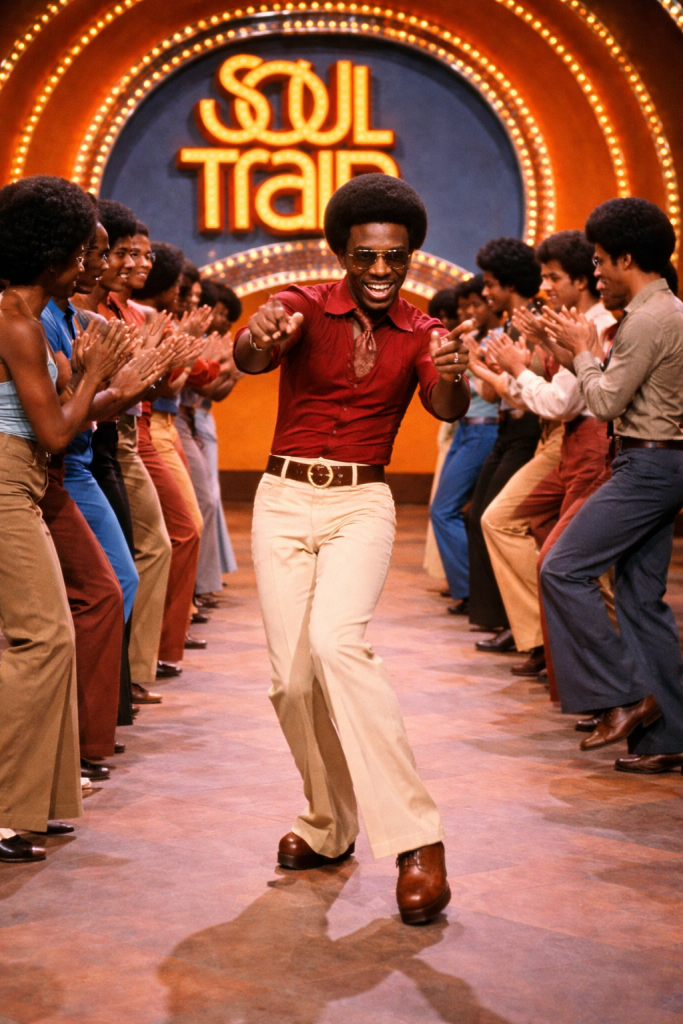
The show’s format was revolutionary. It featured live performances from emerging and established R&B, soul, and later funk and disco artists, alongside high-energy dancers whose style influenced fashion and street culture. The famed “Soul Train Line,” where dancers formed two rows and showcased individual flair, became an iconic symbol of self-expression.

Throughout the 1970s and 1980s, Soul Train hosted legendary performers including Aretha Franklin, Stevie Wonder, James Brown, The Jackson 5, and Whitney Houston. For many artists, appearing on Soul Train was a rite of passage and a gateway to broader audiences.

Cornelius maintained strict control over his production. He insisted on Black ownership at a time when few African Americans controlled nationally syndicated programs. His business model was groundbreaking, ensuring that the cultural capital generated by Black creativity benefited Black entrepreneurs.

In 1987, Cornelius expanded the brand by creating the Soul Train Music Awards, which celebrated achievements in R&B, soul, gospel, and later hip-hop. The awards show provided recognition for artists often overlooked by mainstream institutions like the Grammys.

Don Cornelius’s personal life, however, was complex. He was married twice and had two sons, Anthony and Raymond. Despite his professional success, he faced personal struggles, including depression and legal issues stemming from domestic disputes in the late 2000s.

On February 1, 2012, Cornelius died in Los Angeles from a self-inflicted gunshot wound. His death was ruled a suicide. The loss stunned the entertainment world, prompting tributes that underscored his immense cultural impact. He was 75 years old.

Cornelius’s signature closing phrase—“And as always in parting, we wish you love, peace, and soul”—became etched into American memory. His voice carried authority, smoothness, and dignity, reinforcing the show’s ethos of unity and cultural pride.

The theme song “Soul Train (Hot Potato),” performed by King Curtis in the early years, helped define the show’s sonic identity. Later, the most recognized theme, “TSOP (The Sound of Philadelphia),” performed by MFSB featuring The Three Degrees, became a number-one hit in 1974 and cemented the show’s musical legacy.

The program also served as a launching pad for artists who would later dominate popular culture. The exposure provided by Soul Train often translated into record sales, touring opportunities, and mainstream visibility. It helped integrate Black musical innovation into the broader American soundtrack.

Beyond music, the show influenced fashion trends. Afros, bell-bottoms, platform shoes, sequins, and bold prints became staples of 1970s style, broadcast weekly to a national audience. The dancers were not merely background performers; they were cultural ambassadors.

In 1993, Cornelius stepped down as host, though the show continued with guest hosts until its final episode in 2006. By then, it had aired for 35 years, making it one of the longest-running first-run syndicated programs in American television history.

The legacy of Soul Train extended into film and documentary. In 2021, Summer of Soul and other retrospectives reignited conversations about Black music archives and cultural preservation, though specifically in 2022, the series American Soul dramatized the creation of Soul Train, portraying Cornelius’s rise and personal struggles.

Official Hosts of Soul Train

Don Cornelius (1971–1993)
Creator and original host. His deep baritone voice, calm delivery, and signature closing line defined the show for over two decades.

Guest Host Era (1993–1997)
After Cornelius stepped down in 1993, the show used rotating celebrity guest hosts for several seasons rather than appointing a permanent replacement immediately.

Mystro Clark (1997–2000)
The first permanent host after Cornelius. He brought a youthful, late-90s R&B/hip-hop energy to the show.

Shemar Moore (2000–2003)
Yes — Shemar Moore was one of the official hosts. Before becoming widely known for acting roles on The Young and the Restless and later Criminal Minds, he hosted Soul Train during its early 2000s era. His charisma, physique, and charm appealed to a new generation of viewers and added a modern flavor to the brand.

Dorian Gregory (2003–2006)
The final permanent host before the show ended in 2006. Gregory carried the program through its concluding seasons.

The influence of Soul Train can be traced in later music television programs, including 106 & Park and other platforms that center Black youth culture. Its DNA is embedded in award shows, dance competitions, and music video aesthetics.

In 2012, Cornelius was posthumously honored with tributes at the BET Awards, affirming his foundational role in shaping Black entertainment media. Industry leaders credited him with building an institution that validated generations of artists.

Academically, Soul Train is often examined as a site of cultural resistance and representation. Scholars argue that it countered dominant narratives by showcasing Black excellence, entrepreneurship, and aesthetic innovation during the post–Civil Rights era.

The program also functioned as a historical archive. Episodes now serve as visual documentation of evolving Black style, choreography, and musical trends from soul and funk to early hip-hop. It captured cultural shifts in real time.

Today, Soul Train remains a symbol of unapologetic Black joy. Don Cornelius’s vision transformed a local dance show into a global brand that honored the rhythm of a people. His life story—marked by ambition, struggle, triumph, and tragedy—reflects both the promise and pressure of pioneering success.

“Soul Train” was never just a show; it was a movement. And as Cornelius always reminded viewers, its journey was guided by love, peace, and soul.


References

George, N. (1988). The Death of Rhythm and Blues. Pantheon Books.

Guerrero, E. (1993). Framing Blackness: The African American Image in Film. Temple University Press.

Harris, M. (2014). “Soul Train and the Construction of Black Cool.” Journal of Popular Culture, 47(3), 567–585.

Jet Magazine Archives (1971–2012). Johnson Publishing Company.

Robinson, E. (2012). Don Cornelius, ‘Soul Train’ Creator, Dies at 75. Los Angeles Times.

Smithsonian National Museum of African American History and Culture. (n.d.). Soul Train Collection Archives.

The “It Girl” Series: Viola Davis

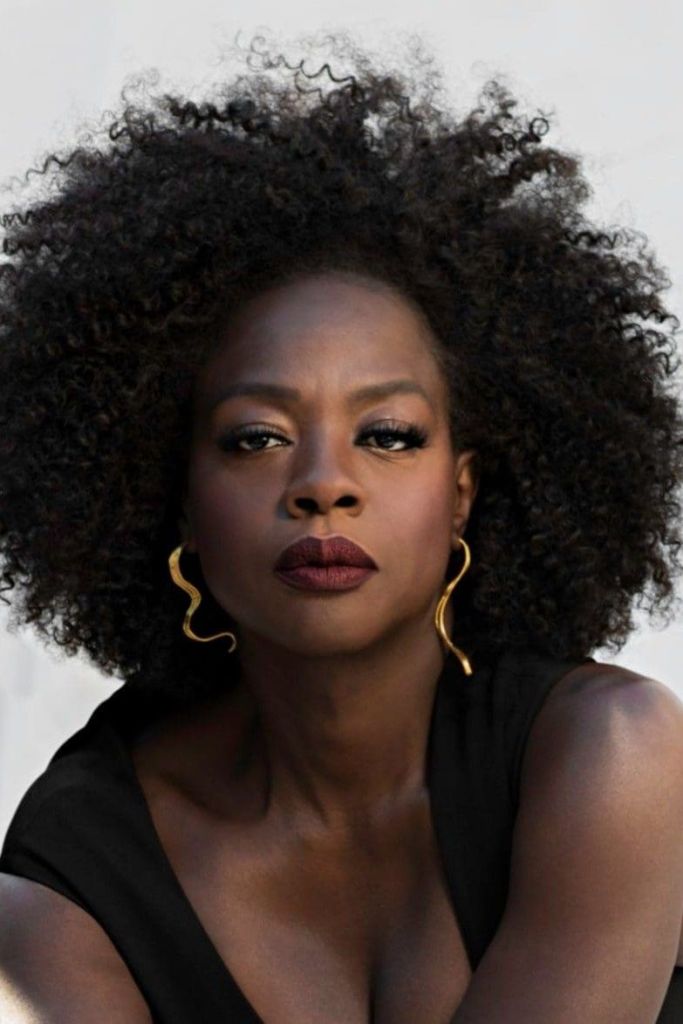
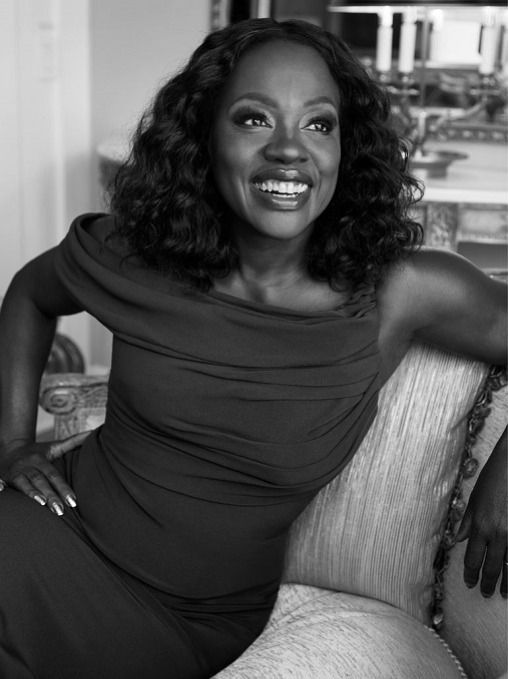
In Hollywood and beyond, few women shine as brightly and powerfully as Viola Davis. This extraordinary actress not only captivates audiences with their unparalleled talent, but they also embody the richness and beauty of Black womanhood—her deep, radiant “chocolate” skintone celebrated as a symbol of elegance, strength, and resilience. From commanding the stage to dominating the silver screen, she has carved a path defined by hard work, brilliance, and groundbreaking accomplishments. Viola Davis, often hailed as the “Black Meryl Streep,” has achieved the rare EGOT status in Hollywood.

This photograph is the property of its respective owners. No copyright infringement intended.

From poverty in Rhode Island to Hollywood’s highest honors, Viola Davis is a transformative talent whose piercing presence, emotional depth, and unparalleled achievements have made her one of the most acclaimed actors of her generation.

Viola Davis was born on August 11, 1965, in Saint Matthews, South Carolina, and raised in Central Falls, Rhode Island, where her family lived in poverty. Growing up, she often felt unseen by society but nurtured a powerful imaginative spirit and a dream of acting as both escape and purpose. Her early life shaped her relentless work ethic, emotional honesty, and drive to portray complex, truthful stories about Black women and human experience.

Davis’s formal training began with a scholarship to the prestigious Juilliard School, where she honed her craft and prepared for a career that would break barriers in theater, film, and television. Her Broadway debut in August Wilson’s Seven Guitars earned critical praise and her first Tony nomination, setting the stage for a career defined by depth, gravitas, and transformative performances.

Viola Davis’s screen career spans gripping dramas, powerful historical adaptations, and commercial successes. Early attention came from roles in films such as Doubt (2008), earning her first Academy Award nomination, and The Help (2011), for which she received another Oscar nomination. Her range expanded into thrillers (Prisoners), biopics (Get On Up), and blockbusters (Suicide Squad), all while continuing to bring unparalleled intensity and truth to her characters.

This photograph is the property of its respective owner.

Her iconic television role as Annalise Keating in How to Get Away with Murder (2014–2020) marked a historic milestone: she became the first Black actress to win the Primetime Emmy Award for Outstanding Lead Actress in a Drama Series. That performance, fierce and emotionally layered, influenced a generation of actresses and redefined representation on primetime TV.

In film, Davis reached new heights with Fences (2016), directed by and starring Denzel Washington, earning her the Academy Award for Best Supporting Actress—a performance widely regarded as one of the most courageous and textured portrayals of a struggling Black woman in cinema. In Ma Rainey’s Black Bottom (2020), she delivered another powerful performance as the blues legend Bessie Smith, further cementing her range and emotional depth.

Viola Davis’s list of honors is historic and unparalleled. She has won the four major American entertainment awards—Emmy, Grammy, Oscar, and Tony—earning her EGOT status, one of the rarest distinctions in the industry. In 2023, her Grammy win for the audiobook narration of her memoir Finding Me completed the quartet, making her only the 18th person in history and the third Black woman ever to achieve EGOT. In addition, she has received multiple Screen Actors Guild Awards, Golden Globe, BAFTA, and Critics’ Choice Awards, as well as the Cecil B. DeMille Award (Golden Globe lifetime achievement) in 2025.

Davis is frequently described as one of the most powerful actors of her generation—often likened to a “Black Meryl Streep” for her emotional precision, versatility, and ability to disappear into roles while still projecting fierce authenticity. Her performances are marked by piercing, expressive eyes and a remarkable capacity to reveal inner turmoil, strength, and vulnerability through minimal gesture, a quality that elevates every character she embodies. Critics, peers, and audiences alike note her uncanny ability to deliver performances that are both profoundly human and culturally transformative.

This photograph is the property of its respective owner.

In her personal life, Viola Davis married producer Julius Tennon in 2003, and together they co‑founded JuVee Productions, a company dedicated to elevating underrepresented voices and stories in film, television, and theater. She balances her professional success with family life and philanthropy, using her platform to advocate for equity, representation, and opportunities for diverse artists.

Beyond awards and accolades, Davis’s influence extends into cultural discourse about race, representation, beauty standards, and women’s stories in entertainment. Her ascendancy—from humble beginnings to EGOT winner and global icon—serves as a testament to perseverance, intelligence, and artistic integrity.

References:

  1. Viola Davis | Biography, Movies, Plays, The Help, EGOT, & Facts. (2026). Britannica. https://www.britannica.com/biography/Viola-Davis
  2. EGOT (Viola Davis). (2026). Wikipedia. https://en.wikipedia.org/wiki/EGOT
  3. Viola Davis. (2026). Wikipedia. https://en.wikipedia.org/wiki/Viola_Davis
  4. Viola Davis | National Women’s History Museum. (2026). https://www.womenshistory.org/about-us/our-people/viola-davis
  5. Viola Davis Completes EGOT After Winning a Grammy For Her Audiobook. (2023). Vanity Fair. https://www.vanityfair.com/style/2023/02/viola-davis-egot-grammy-award-win-audiobook-finding-me
  6. Viola Davis achieves EGOT status at the 2023 Grammys. (2023). The Independent. https://www.the-independent.com/arts-entertainment/films/news/viola-davis-egot-grammys-b2276280.html