All posts by The Brown Girl Dilemma

I welcome everyone— women and men of all nationalities—to read, reflect, and gather insight across the many topics about black people explored here. To the Brown girl and the Brown boy who walk into rooms already carrying history, beauty, and burden—this space is for you. You stand at the intersection of visibility and erasure, desirability and disregard, reverence and resistance, often praised, questioned, desired, dismissed, and debated all at once. In a world that studies your skin more than your soul and distorts what God designed with intention, may truth, healing, and divine purpose meet you here. This is a conversation created to name your journey without silencing your truth, to restore what society has tried to redefine, and to remind you that your worth was never the problem—only the world’s inability to honor it.

🚀 How to Start a Business: Foundations, Funding, and Lessons from Global Leaders

🔹🔹🔹

From Vision to Venture: Starting Businesses, Nonprofits, and Foundations.

Photo by Ylanite Koppens on Pexels.com

“The way to get started is to quit talking and begin doing.” – Walt Disney


🔹 🔹🔹🔹🔹🔹

Starting a business is both an act of courage and strategy. It involves transforming an idea into a structured enterprise that provides value, generates income, and sustains growth. In today’s competitive market, understanding how to build a business from scratch, secure funding, and model success after leading entrepreneurs is critical. This paper explores the process of starting a business, the difference between business ownership and entrepreneurship, successful business models, and case studies of business leaders such as Elon Musk.


🔹 Steps to Start a Business

  1. Idea Generation – Identify a need in the market or a problem to solve.
  2. Market Research – Analyze industry demand, competition, and target audience.
  3. Business Plan Development – Outline mission, vision, goals, financial projections, and marketing strategy.
  4. Legal Structure & Registration – Decide on sole proprietorship, LLC, corporation, or partnership.
  5. Funding & Capital – Secure startup capital through personal savings, loans, or investors.
  6. Operations Setup – Obtain licenses, permits, equipment, and hire staff if necessary.
  7. Branding & Marketing – Develop a strong identity through logo, website, and social media.
  8. Launch & Growth Strategy – Introduce the product/service, gather feedback, and scale.

🔹 Funding Options for Startups

  • Bootstrapping – Using personal savings or reinvesting early profits.
  • Bank Loans & Credit – Traditional financing with repayment terms.
  • Angel Investors – Individuals investing in exchange for equity.
  • Venture Capitalists (VCs) – Firms funding high-growth startups for ownership stakes.
  • Crowdfunding – Raising small contributions from a large group online (e.g., Kickstarter).
  • Government Grants & SBA Loans – Small Business Administration programs and innovation grants.

🔹 Entrepreneurship vs. Business Ownership

While often used interchangeably, the two are distinct:

  • Business Ownership – Managing an existing model for profit, often in stable markets (e.g., running a franchise or retail store).
  • Entrepreneurship – Innovating and creating new solutions, often involving higher risk and disruption (Schumpeter, 1942).

Entrepreneurs are creators of new ventures, while business owners are managers of proven models.


📘 The Difference Between a Nonprofit and a Foundation

1. Definition

  • Nonprofit Organization (NPO):
    A nonprofit is an organization established to provide services, support, or advocacy for a public or community cause (such as education, healthcare, social justice, poverty relief, or religious work). Its main goal is not to make profit but to reinvest any surplus funds back into its mission (Worth, 2021).
  • Foundation:
    A foundation is a special type of nonprofit, usually created to give out money in the form of grants to other organizations or individuals. Foundations are often funded by a wealthy individual, family, or corporation (e.g., the Bill & Melinda Gates Foundation). They don’t usually provide direct services but instead support nonprofits that do.

2. Purpose

  • Nonprofit: Focused on programs and services (running a shelter, providing food, mentoring youth).
  • Foundation: Focused on funding and grants (giving money to other nonprofits to do the work).

3. How to Start

  • Starting a Nonprofit:
    1. Choose a mission.
    2. File articles of incorporation.
    3. Apply for 501(c)(3) tax-exempt status (in the U.S.).
    4. Create bylaws and a board of directors.
    5. Register with your state and IRS.
    6. Start fundraising and running programs.
  • Starting a Foundation:
    1. Decide whether it’s a private foundation (funded by one person/family/company) or a public foundation (funded by donations from the public).
    2. Establish an endowment or funding pool.
    3. File incorporation papers and apply for tax-exempt status.
    4. Develop grant-making guidelines.
    5. Build a board to review and approve grants.

4. Pros and Cons

Nonprofit Pros

  • Can directly serve and impact the community.
  • Eligible for donations, grants, and tax exemptions.
  • Build programs that align with your vision.

Nonprofit Cons

  • Requires constant fundraising.
  • Heavy regulation and paperwork.
  • Must stay transparent with finances and operations.

Foundation Pros

  • Greater control over funds and how they are distributed.
  • Can operate long-term through an endowment.
  • High social prestige and influence.

Foundation Cons

  • Requires significant startup capital.
  • Restricted in political activity and lobbying.
  • Less direct community engagement (usually just funding others).

5. Key Differences at a Glance

FeatureNonprofit OrganizationFoundation
PurposeProvides services/programsGives grants/funding
FundingDonations, grants, membership feesEndowment, family/corporate wealth
IRS Status501(c)(3) or other categoriesUsually 501(c)(3) private foundation
Community RoleDirect service providerFinancial supporter of nonprofits
Startup CostLow to moderateHigh (needs endowment/funding pool)

6. Biblical & Ethical Connection

The Bible emphasizes charitable giving and stewardship: “He that hath pity upon the poor lendeth unto the LORD” (Proverbs 19:17, KJV).

  • Nonprofits reflect this by serving the needy directly.
  • Foundations reflect this by empowering others financially to continue God’s work.

Most Successful Foundation and Nonprofit Organizations in the World

1. Foundation: Bill & Melinda Gates Foundation

  • Overview: Established in 2000 by Bill Gates and Melinda French Gates, this foundation stands as one of the largest and most influential philanthropic institutions globally, particularly in global health, poverty reduction, and education.AP NewsWikipedia
  • Assets & Impact: As of 2024, its endowment is approximately $77.2 billion.Wikipedia Over its first 25 years, it spent around $100 billion—about half on health initiatives, notably funding major vaccine and public-private campaigns like Gavi and the Global Fund.AP News
  • Legacy & Criticism: While revolutionary in philanthropy, the foundation has faced critique for favoring quick, scalable interventions over systems-building in health.AP News Bill Gates plans to close the foundation by 2045, accelerating its giving to spend over $200 billion in the next two decades.VoxAP News

2. Other Major Foundations by Endowment

According to recent rankings, the top endowments globally include:Wikipedia

RankFoundationEndowment (USD)
1Novo Nordisk Foundation~$167 billion
2Tata Trusts~$100 billion+
3Bill & Melinda Gates Foundation~$50.2 billion
4Wellcome Trust~$42.8 billion
Others like Mastercard, La Caixa, Howard Hughes, Ford, etc.
  • Novo Nordisk Foundation (Denmark) leads in sheer endowment with ~$167 billion.
  • Tata Trusts (India) holds ~$100B+ globally.
  • Wellcome Trust (UK) and Ford Foundation (US) are also among the wealthiest and most impactful.Wikipedia

3. Nonprofit: Open Society Foundations

  • Overview: Founded by George Soros in 1984, this organization works globally to promote democracy, human rights, education, public health, and independent media.
  • Scale: In its early 2000s activity period, it was making $400M–$900M in annual global development spending.DevexFunds for NGOs
  • Global Reach: Operates across more than 70 countries, supporting civil society and democratic initiatives.Devex

Why These Organizations Stand Out

  • Bill & Melinda Gates Foundation—unmatched in both financial endowment and global health impact, with innovative public-private models.
  • Novo Nordisk Foundation & Tata Trusts—massive funding capabilities with regional and global influence.
  • Open Society Foundations—unique for its role in civic rights, governance, and media empowerment rather than direct service delivery.

  • Largest have enormous endowments, allowing them to sustain multi-decade impact.
  • Strategic influence and grantmaking are key: foundations like Gates deploy capital deliberately across public-private partnerships.
  • Diverse missions: from global health (Gates), scientific research (Wellcome), to civil society and democracy (Open Society).
  • Structural transparency and scrutiny: While impact is substantial, these entities also face criticism around governance and focus.AP NewsFinancial TimesReddit

🔹 Four Successful Business Models

  1. Technology Startups – e.g., software, artificial intelligence, and fintech companies.
  2. E-commerce & Retail – Online shops, dropshipping, and subscription-based services.
  3. Real Estate – Property investment, rentals, and real estate development.
  4. Health & Wellness – Fitness, nutrition, and mental health industries.

These industries thrive due to scalability, consistent demand, and adaptability in shifting markets.


🔹 Case Study: Elon Musk

Elon Musk began as an entrepreneur in the 1990s with Zip2, a city guide software company sold to Compaq for $307 million. He reinvested his earnings into X.com, an online payments platform that became PayPal, later acquired by eBay for $1.5 billion. Musk then shifted into industries others avoided—electric vehicles (Tesla), private space exploration (SpaceX), and renewable energy (SolarCity). His success stems from risk tolerance, relentless innovation, and reinvestment of profits into new ventures (Vance, 2015).


🔹 Most Successful Businesses & Leaders of All Time

  • Amazon (Jeff Bezos) – Revolutionized global e-commerce.
  • Apple (Steve Jobs & Tim Cook) – Leading in design, technology, and consumer products.
  • Microsoft (Bill Gates) – Software dominance and philanthropy.
  • Berkshire Hathaway (Warren Buffett) – Investment empire through value-based strategies.
  • Ford Motor Company (Henry Ford) – Pioneer of mass production and the modern assembly line.

These leaders represent innovation, resilience, and adaptability—cornerstones of business longevity.


🔹 Conclusion

Starting a business requires vision, discipline, and adaptability. Entrepreneurs create disruption, while business owners sustain stability. With the right funding, structure, and innovation, small beginnings can evolve into world-changing enterprises. From Walt Disney’s creativity to Elon Musk’s futuristic vision, the blueprint for success lies in combining risk with strategy, persistence, and reinvestment.


📚 References

  • Schumpeter, J. A. (1942). Capitalism, socialism and democracy. Harper & Brothers.
  • Vance, A. (2015). Elon Musk: Tesla, SpaceX, and the quest for a fantastic future. HarperCollins.
  • Drucker, P. (1985). Innovation and entrepreneurship: Practice and principles. Harper & Row.
  • U.S. Small Business Administration. (2023). Funding programs.

Worth, M. J. (2021). Nonprofit Management: Principles and Practice (6th ed.). SAGE Publications.

IRS. (2023). Charitable Organizations. U.S. Internal Revenue Service. https://www.irs.gov/charities-non-profits

Anheier, H. K. (2014). Nonprofit Organizations: Theory, Management, Policy. Routledge.
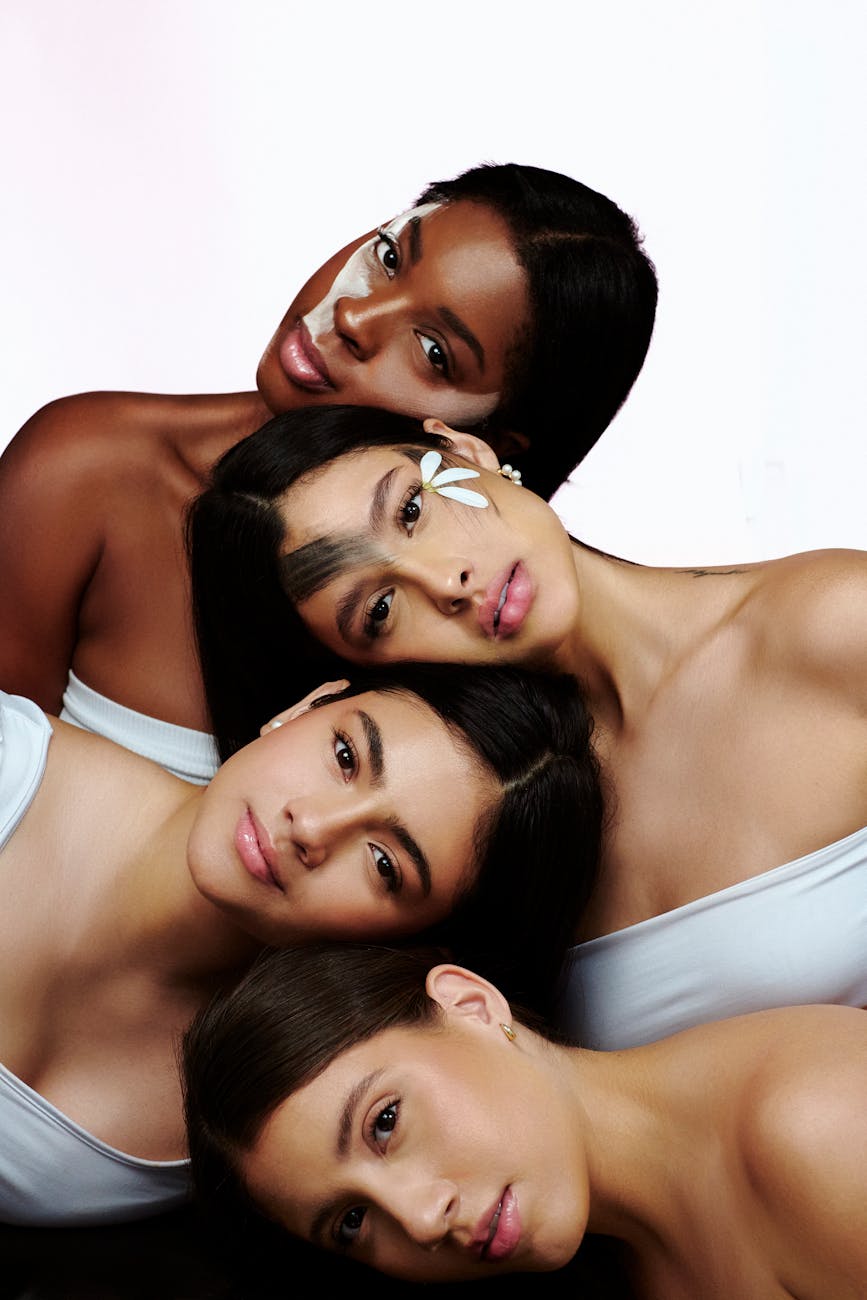
Colorism and Beauty Hierarchies: Skin Tone as a Social Currency.

Photo by Jonatan Galvis on Pexels.com

Colorism—the preferential treatment of lighter-skinned individuals over those with darker complexions—represents one of the most enduring legacies of colonialism, slavery, and global white supremacy. Unlike racism, which is discrimination across races, colorism functions within racial and ethnic groups, ranking people based on proximity to whiteness. Beauty becomes the battleground where skin tone acts as a form of social currency, shaping opportunities, desirability, and identity. The title Colorism and Beauty Hierarchies: Skin Tone as a Social Currency underscores how complexion functions not merely as aesthetic variation but as a deeply entrenched system of value that structures societies worldwide.

Understanding “Beauty Hierarchies”

A hierarchy implies an order—some features are placed above others, with privilege and prestige awarded to those who align most closely with the dominant ideal. Within communities of African, Latin American, Asian, and South Asian descent, this hierarchy is evident in the differential treatment of light- and dark-skinned individuals. These beauty hierarchies operate silently yet powerfully, dictating access to media representation, romantic desirability, economic mobility, and even political leadership.

The Social Currency of Skin Tone

The concept of “social currency” refers to intangible assets—respect, desirability, access, and visibility—that an individual gains through certain traits. In societies shaped by colonialism, light skin is often equated with refinement, education, and beauty, while darker skin is stigmatized as less desirable, less intelligent, or even “dangerous” (Hunter, 2007). Thus, complexion is not neutral—it functions as a form of symbolic capital that either opens or restricts doors.

Hierarchies of Skin Tone

Light Skin Privilege

  • Media Representation: Light-skinned women are often cast as the romantic lead or beauty ideal, while dark-skinned women are portrayed as side characters or villains.
  • Perceived Femininity: Light skin is associated with “delicacy” and “purity,” especially in patriarchal cultures.
  • Marriage Prospects: Studies show lighter-skinned women are often considered more “marriageable” due to cultural perceptions linking them to higher social status.
  • Economic Advantage: Lighter-skinned individuals within the same racial group statistically earn more than their darker counterparts (Keith & Herring, 1991).
  • Global Beauty Market: Billions are spent on skin-lightening creams in Africa, Asia, and the Caribbean, reflecting how light skin is commodified as a marker of beauty and advancement.

Medium/Brown Skin

  • Conditional Acceptance: Medium-toned individuals may experience partial privilege depending on cultural context. In some communities, they are “acceptable” if their features lean toward Eurocentric ideals (narrow noses, straighter hair).
  • In-Between Status: They may face pressure to either “pass” as lighter through cosmetic means or defend their proximity to darker identities.
  • Representation: Often celebrated as “exotic” or “ambiguous” in media, commodified for their perceived versatility.

Dark Skin Marginalization

  • Stereotyping: Dark-skinned women are often cast as aggressive, hypersexual, or undesirable in media and social narratives (Wilder, 2015).
  • Romantic Disadvantage: Dark-skinned women report lower rates of being approached for serious relationships, often fetishized rather than appreciated for their full humanity.
  • Economic Exclusion: Darker-skinned individuals face higher unemployment rates and lower wages, even when qualifications are equal.
  • Policing and Violence: Dark-skinned individuals are disproportionately criminalized, reflecting the dangerous intersection of colorism and systemic racism.
  • Psychological Toll: Internalized colorism leads to lower self-esteem, increased anxiety, and generational trauma.

Explaining the Title: “Skin Tone as a Social Currency”

The phrase skin tone as a social currency captures how complexion functions much like wealth—it can be traded, leveraged, and inherited, but it also reflects unequal distribution. Light skin operates as a form of privilege that generates unearned benefits, while dark skin becomes a social “debt” that individuals must constantly negotiate. Unlike financial capital, however, this currency is inscribed onto the body—it cannot be easily discarded or changed. Thus, navigating society means contending with how much “value” one’s skin tone holds within a given cultural and historical context.

Global Contexts of Colorism

  • Africa & the Caribbean: Legacies of colonialism foster the association of lighter skin with elite status. Skin-lightening remains a booming industry.
  • South Asia: Bollywood and matrimonial ads explicitly valorize “fair brides,” perpetuating caste and complexion bias.
  • East Asia: In countries like China and Korea, pale skin is linked with class (indoor labor vs. outdoor labor).
  • United States: Within Black communities, the “paper bag test” historically excluded darker-skinned individuals from certain schools, jobs, and organizations.

Resistance and Reclamation

Movements such as #MelaninMagic, #BlackGirlMagic, and campaigns like “Dark Is Beautiful” in India have sought to dismantle these hierarchies by affirming the beauty of darker skin tones. Increasing representation of dark-skinned women in media—from Lupita Nyong’o to Viola Davis—signals a cultural shift, though systemic hierarchies remain.

Conclusion

Colorism and Beauty Hierarchies: Skin Tone as a Social Currency speaks to the way complexion is not just surface-level—it is a passport or barrier, a burden or advantage, depending on where one falls in the hierarchy. To dismantle these structures, societies must not only broaden beauty standards but also confront the historical systems that created skin tone hierarchies in the first place. Until then, beauty will continue to function as social currency, unequally distributed along the color line.


References

  • Hunter, M. (2007). The persistent problem of colorism: Skin tone, status, and inequality. Sociology Compass, 1(1), 237–254.
  • Keith, V. M., & Herring, C. (1991). Skin tone and stratification in the Black community. American Journal of Sociology, 97(3), 760–778.
  • Wilder, J. (2015). Color stories: Black women and colorism in the 21st century. Praeger.

Faces of Resilience: Black Women, Genetics, and the Global Beauty Standard

Photo by Ante Emmanuel on Pexels.com

Beauty has always been more than appearance; it is a cultural, genetic, and historical narrative that reflects the dynamics of power, resilience, and identity. For Black women, beauty is not only inherited in their features but also shaped by the resistance against imposed ideals. While global beauty standards have often been defined through Eurocentric frameworks, Black women embody a resilient beauty that transcends cultural erasure and genetic marginalization. Their faces, marked by distinct phenotypic traits, carry histories of ancestry, struggle, and triumph.

Genetics and the Foundations of Black Beauty

Black women’s beauty is deeply rooted in genetics. Phenotypic traits such as fuller lips, broader noses, higher melanin levels, and diverse hair textures are the result of evolutionary adaptations to Africa’s climate and geography. Melanin, for example, not only provides skin richness but also serves as a biological shield against UV radiation, signifying health and resilience (Jablonski & Chaplin, 2010). These genetic traits—once denigrated under colonial ideologies—are increasingly celebrated in global beauty industries, though often commodified without acknowledgment of their origins.

Historical Erasure and Eurocentric Standards

From enslavement to the twentieth century, Eurocentric standards of beauty dominated global narratives. Straight hair, narrow noses, and lighter skin tones were positioned as the “ideal,” relegating Black women’s natural features to stereotypes of “savagery” or “unfemininity” (Hooks, 1992). This erasure was psychological as well as cultural, creating generational struggles with self-perception and identity. The global beauty market reinforced this hierarchy, with skin-lightening products, hair relaxers, and cosmetic surgeries marketed heavily to women of African descent.

The Resilience of Representation

Despite these challenges, Black women have redefined beauty on their own terms. Figures such as Naomi Campbell, Lupita Nyong’o, and Alek Wek have challenged the narrow global beauty standard by celebrating features historically deemed undesirable. Wek’s presence in the fashion industry in the 1990s, for instance, disrupted ideals of European symmetry and championed the elegance of dark skin and Sudanese features. Their influence shows that representation matters: it not only validates natural features but also reshapes cultural perceptions of what is beautiful.

The Globalization of Black Beauty

The twenty-first century has seen a gradual shift in how beauty is defined globally. Social media platforms amplify diverse aesthetics, and Black women are at the forefront of these movements. Hashtags such as #BlackGirlMagic and #MelaninPoppin serve as cultural affirmations, celebrating resilience through self-love and visibility. However, this global recognition exists in tension with appropriation. Features such as fuller lips, curvier body shapes, and braided hairstyles—once stigmatized on Black women—are now monetized when worn by non-Black influencers and celebrities, highlighting ongoing inequities.

Psychological Dimensions of Beauty and Identity

The resilience of Black women’s beauty also has a psychological dimension. Studies in racial identity show that positive self-perception among Black women correlates with higher levels of resilience, community engagement, and well-being (Thomas et al., 2008). In resisting harmful stereotypes, embracing natural hair movements, and reclaiming African aesthetics, Black women enact resilience not just in appearance but in spirit. This process becomes both personal and collective: a refusal to be confined by imposed ideals and a reaffirmation of ancestral pride.

Beauty as a Site of Power and Liberation

Beauty, for Black women, is inseparable from power. Wearing natural hairstyles, rejecting skin-lightening practices, or embracing African-inspired fashion becomes an act of resistance. These choices challenge colonial legacies and affirm that beauty is not a universal standard but a cultural expression rooted in history. In this sense, beauty becomes liberation—a way of reclaiming agency and dignity in a world that has historically denied it.

Toward an Inclusive Beauty Standard

The conversation around global beauty standards is slowly shifting from exclusivity to inclusivity. However, true progress requires more than token representation. It demands structural changes within the fashion, film, and cosmetic industries to honor Black women’s contributions and dismantle systemic biases. Only then can the global beauty standard reflect the true diversity of human genetics and cultural expression.

Conclusion

The faces of Black women tell stories of resilience, genetics, and beauty that defy narrow definitions. Their features are not deviations from a standard but reflections of humanity’s diversity and adaptability. In embracing their heritage and reclaiming their beauty, Black women continue to reshape global narratives. Ultimately, their resilience demonstrates that beauty is not imposed—it is lived, embodied, and celebrated across generations.


References

  • Hooks, B. (1992). Black looks: Race and representation. South End Press.
  • Jablonski, N. G., & Chaplin, G. (2010). Human skin pigmentation as an adaptation to UV radiation. Proceedings of the National Academy of Sciences, 107(Supplement 2), 8962–8968.
  • Thomas, A. J., Hacker, J. D., & Hoxha, D. (2008). Gendered racial identity of Black young women. Sex Roles, 59(5-6), 417–428.

Girl Talk Series: 💍Courting Vs Dating❤️

Photo by Mika Photogenius on Pexels.com

Understanding God’s Design for Relationships

💍❤️💍

Ladies, let’s talk honestly. In today’s world, “dating” has become the norm—casual dinners, flirty texts, and oftentimes intimacy without commitment. But if we’re being real, dating often leaves women feeling used, broken, and confused because it lacks the depth of God’s design. Courting, on the other hand, is intentional. It is the path that leads to covenant, to marriage, to something holy and lasting. The difference is not just cultural—it’s biblical.

What Is Dating?

Dating, as we know it today, is largely a modern invention of Western society. It emphasizes emotional pleasure, physical attraction, and companionship without necessarily requiring long-term commitment. Psychology even warns that casual dating can create cycles of attachment and detachment, leading to emotional fatigue and insecurity (Eastwick et al., 2019). From a biblical perspective, dating as it is practiced today often encourages fornication (sexual intimacy outside of marriage), which Scripture condemns:

  • “Flee fornication. Every sin that a man doeth is without the body; but he that committeth fornication sinneth against his own body.” (1 Corinthians 6:18, KJV)
  • “Marriage is honourable in all, and the bed undefiled: but whoremongers and adulterers God will judge.” (Hebrews 13:4, KJV)

Dating thrives on the superficial—looks, charm, and temporary excitement. It does not demand accountability, family involvement, or covenantal responsibility.

What Is Courting?

Courting is entirely different. It is not about passing time; it is about preparing for marriage. Courting requires intentionality, where both a man and woman seek to know each other with the goal of covenant. This aligns with the biblical principle that a man who desires a wife should seek her honorably:

  • “Whoso findeth a wife findeth a good thing, and obtaineth favour of the Lord.” (Proverbs 18:22, KJV)
  • “Husbands, love your wives, even as Christ also loved the church, and gave himself for it.” (Ephesians 5:25, KJV)

In biblical times, courting often involved families, community, and spiritual accountability. The man demonstrated his ability to provide, protect, and lead. He didn’t just say “I love you”; he showed his intentions through consistent actions, sacrificial love, and a readiness to commit.

📊 Courting vs. Dating (Comparison Chart)

AspectCourtingDating
PurposeIntentional with the goal of marriage.Often recreational, no long-term goal.
FoundationBuilt on biblical principles, family involvement, and spiritual compatibility.Built on attraction, feelings, and social experimentation.
CommitmentExclusive, preparing for covenant marriage.Non-committal, can involve multiple partners.
Physical BoundariesEncourages purity, waiting until marriage for intimacy.Often involves casual intimacy or premarital sex.
GuidanceInvolves parents, mentors, and spiritual covering.Independent, peer-influenced, little accountability.
FocusCharacter, values, and long-term responsibility.Looks, popularity, and short-term pleasure.
Biblical View“He that findeth a wife findeth a good thing, and obtaineth favour of the LORD.” (Proverbs 18:22, KJV)“Flee fornication. Every sin that a man doeth is without the body; but he that committeth fornication sinneth against his own body.” (1 Corinthians 6:18, KJV)

Key Differences Between Courting and Dating

  • Purpose: Dating often seeks fun or companionship; courting seeks marriage.
  • Boundaries: Dating may blur sexual boundaries; courting honors purity (1 Thessalonians 4:3-4, KJV).
  • Accountability: Dating is private and hidden; courting welcomes community and family oversight.
  • Duration: Dating can be indefinite; courting is purposeful and moves toward a clear decision.

Why Courting Matters

Psychologically, women thrive when relationships are secure, consistent, and stable. Courting provides emotional safety and direction, reducing anxiety about “where things are going.” Spiritually, it aligns with God’s order—protecting your heart, body, and spirit until the covenant of marriage.


In conclusion, sis, know this: A man who is serious about you will not keep you wandering in confusion. If he is courting you, he will make his intentions clear. Dating leaves you chasing hope, but courting gives you peace because it is grounded in God’s order.

Neuroscience, African Ancestry, and the Contributions of Black Neuroscientist.

Photo by RDNE Stock project on Pexels.com

1. Introduction: Defining Neuroscience

Neuroscience is the interdisciplinary scientific study of the nervous system, with a primary focus on the brain’s structure, function, and its role in behavior, cognition, and mental health. This field integrates biology, psychology, physics, and computational sciences to address questions about perception, memory, consciousness, and disease. The scope of neuroscience ranges from molecular studies of neurons to neuroimaging, brain–computer interface technology, and neuromodulation therapies (StudyRaid, 2024).


2. Neuroscience and Black Communities

Historically, neuroscience research has often lacked representation from people of African ancestry, which has contributed to knowledge gaps in understanding the prevalence, onset, and progression of neurological and psychiatric disorders among Black populations (Wolfe, 2024). Initiatives such as the African Ancestry Neuroscience Research Initiative (AANRI), a collaboration between Morgan State University, the Lieber Institute for Brain Development, and Duke University, aim to bridge this gap. AANRI studies postmortem brain tissue from African American donors to better understand how genetics, epigenetics, and environmental stressors—such as systemic racism—affect brain health (AANRI, 2024). Findings suggest that while genetic variation explains much of the difference in brain profiles, environmental exposures significantly influence neural function and gene expression, underscoring the importance of culturally inclusive neuroscience research (HBCU News, 2024).


3. Prominent Black Neuroscientists and Their Contributions

Emery N. Brown, M.D., Ph.D.

One of the most prominent Black neuroscientists globally, Emery N. Brown is renowned for his expertise in computational neuroscience and anesthesiology. He has developed advanced statistical models for analyzing neuronal data and pioneered research into the neural mechanisms of anesthesia, redefining clinical approaches and safety protocols (MIT News, 2023). His work has not only advanced brain science but has also saved lives in surgical contexts worldwide.

Uraina S. Clark, Ph.D.

Clark’s research uses functional MRI to examine how life stressors—such as discrimination and chronic illness—affect brain structure and function, particularly in African American communities. Her work links social determinants of health to neural outcomes, highlighting the interplay between lived experience and brain physiology (Clark, 2022).

Sherilynn Black, Ph.D.

Black focuses on the neurobiology of emotion regulation. Using optogenetics, her work demonstrates how precise stimulation of cortical neurons can produce antidepressant-like effects and restore coordinated activity across emotion-related brain networks (Black, 2019).

Crystal C. Watkins Johansson, M.D., Ph.D.

A neuropsychiatrist at Johns Hopkins University, Johansson specializes in geriatric psychiatry and neuroimaging. Her work on cognitive health in aging African Americans has advanced the understanding of Alzheimer’s disease and led to patented treatments for diabetic gastrointestinal dysfunction (Johns Hopkins Medicine, 2021).


4. How Neuroscience Has Changed the World

Neuroscience has revolutionized medicine through technologies like deep brain stimulation, transcranial magnetic stimulation, and brain–computer interfaces (BCIs), enabling communication and motor control for paralyzed individuals (FT, 2025). In education, neuroscience informs teaching strategies by explaining how the brain learns and retains information. In ethics and law, neuroethics addresses concerns about “cognitive liberty” and the protection of brain data. The corporate sector uses neuroscience principles for improving productivity and leadership (SpringerOpen, 2024).


References

African Ancestry Neuroscience Research Initiative. (2024). First study from AANRI. https://aanri.org/first-study-from-aanri/

Black, S. (2019). Neural circuits of emotion and their modulation in depression. Duke University Neuroscience Center.

Clark, U. S. (2022). Neurocognitive consequences of discrimination and chronic disease in African Americans. Columbia University Medical Center.

Financial Times. (2025). Brain–computer interface technology advances. https://www.ft.com/content/f4cd1130-6adc-4dbd-b74b-9813ae008166

HBCU News. (2024). How a Baltimore neuroscience study is rewriting Black America’s relationship with medical research. https://hbcunews.com/2024/06/25/how-a-baltimore-neuroscience-study-is-rewriting-black-americas-relationship-with-medical-research/

Johns Hopkins Medicine. (2021). Crystal Watkins Johansson profile. https://www.hopkinsmedicine.org

MIT News. (2023). Emery N. Brown receives National Medal of Science. https://news.mit.edu

SpringerOpen. (2024). The impact of neuroscience on society. https://fbj.springeropen.com/articles/10.1186/s43093-024-00369-7

StudyRaid. (2024). The impact of neuroscience on society. https://app.studyraid.com/en/read/2345/46219/the-impact-of-neuroscience-on-society

Wolfe, J. (2024). Neuroscience has a race problem. Nautilus. https://nautil.us/neuroscience-has-a-race-problem-262340/

Your First Book, Published: A Step-by-Step Guide to Self-Publishing and Breaking Into Traditional Publishing.

Photo by Monstera Production on Pexels.com

“If there’s a book that you want to read, but it hasn’t been written yet, then you must write it.” —Toni Morrison

You can do this. Below is a clear, practical roadmap—first for self-publishing, then for traditional publishing—plus how to pick a genre, shape a storyline, protect your rights, and polish your manuscript like a pro. I’ll also show you where to find reputable editors and list leading publishers. References are included so you can double-check anything important.


Part 1: How to self-publish (step by step)

  1. Finish the draft, then let it rest. Put it aside for 1–2 weeks. You’ll see it with fresh eyes.
  2. Revise for structure and clarity. Tighten scenes/sections, sharpen stakes, and cut repetition.
  3. Hire the right editor(s).
    • Developmental (big-picture), line/copyediting (sentence-level), and proofreading (final typos).
    • Use respected directories/marketplaces: the Editorial Freelancers Association (EFA), the Chartered Institute of Editing and Proofreading (CIEP), and Reedsy. The Editorial Freelancers AssociationEFA CommunityReedsy
  4. Cover design + interior formatting. Professional covers sell; format both ebook (EPUB) and print (PDF).
  5. ISBNs. In the U.S., buy ISBNs from Bowker (MyIdentifiers). Platforms like Amazon KDP offer free ISBNs for print, but those are platform-specific and not transferable.
  6. Choose your platforms.
    • Ebooks/Print: Amazon Kindle Direct Publishing (KDP) is the largest retailer; ebooks can earn 70% or 35% royalties depending on price/territory; paperbacks/hardcovers pay a set % of list minus print costs. U.S. Copyright Office+1
    • Wide distribution: IngramSpark distributes to bookstores/libraries via Ingram; Draft2Digital aggregates to Apple Books, Kobo, libraries, and more. Amazon Kindle Direct Publishing+1
  7. Metadata that sells. Nail your title, subtitle, description, keywords, BISAC categories, and author bio.
  8. Pricing + formats. Set competitive price points; consider ebook + paperback; audiobook later.
  9. Proof copies + final proofread. Order print proofs. Fix anything that bugs you.
  10. Launch plan. ARC readers, email list, retailer pages optimized, early reviews, and steady promo.

Why KDP + IngramSpark + Draft2Digital? KDP gives you Amazon’s reach and known royalty tiers; IngramSpark increases bookstore/library access; Draft2Digital simplifies “going wide.” U.S. Copyright OfficeAmazon Kindle Direct Publishing+1


Part 2: How to pursue traditional publishing (step by step)

  1. Know the landscape. The trade market is dominated by the “Big Five” (Penguin Random House, Hachette Book Group, HarperCollins, Macmillan, Simon & Schuster), plus strong independents. U.S. Copyright Office
  2. Finish the manuscript (for fiction) or prepare a full proposal + sample chapters (for nonfiction).
  3. Polish to professional standard. (See editing resources above.)
  4. Research literary agents who represent your genre using vetted sources (AALA—Association of American Literary Agents—member listings, agency sites, Poets & Writers, etc.). Major houses typically do not consider unagented submissions. PenguinRandomhouse.com
  5. Write a tight query letter + 1–2 page synopsis.
  6. Query in batches. Personalize each email; follow each agent’s guidelines exactly.
  7. Field requests. Send partials/full manuscripts when asked; be gracious and patient.
  8. Representation. If offered, discuss editorial vision, submission strategy, and contract terms.
  9. On-submission to editors. Your agent pitches acquiring editors at Big Five and notable indies.
  10. Deal terms. Expect an advance against royalties; typical print royalties in trade contracts often start around 10–12% (with escalators), and ebooks commonly pay ~25% of net at many houses. (These vary—your agent negotiates.) The Authors GuildPublishersWeekly.com

Part 3: Self-publishing vs. traditional—what’s the difference?

Speed & control

  • Self-pub: Fast release, full creative control (cover, pricing, schedule).
  • Traditional: Slower (often 12–24 months) but with expert teams and wider print distribution.

Money

  • Self-pub: Higher per-unit ebook royalties (KDP 70%/35%; print minus costs), but you fund editing/design/ads. U.S. Copyright Office
  • Traditional: Advance + royalties; typical print rates often start around 10–12% with escalators; publisher funds production/marketing but controls pricing/metadata. The Authors GuildPublishersWeekly.com

Access

  • Self-pub: Best online reach; bookstore placement depends on your distribution (IngramSpark helps). Amazon Kindle Direct Publishing
  • Traditional: Strong bookstore/library presence; award/press pathways can be broader.

Which is best? It depends on your goals: control & speed vs. institutional reach & support.


Part 4: How to choose a genre and build a storyline

Find your genre by asking:

  • Who is the core reader?
  • What shelf would this sit on in a bookstore?

Common genres (fiction): Literary, romance, fantasy, sci-fi, mystery/thriller, historical, horror, young adult, middle grade, women’s fiction, contemporary, speculative, dystopian.

Common categories (nonfiction): Memoir, biography, self-help, business, health/fitness, spirituality, history, true crime, science, parenting, education, travel, cookbooks.

Snap-to-fit storyline builder (fiction):

  • Premise: a one-sentence “what if…”
  • Protagonist want vs. wound: What do they want? What past hurt blinds them?
  • Antagonistic force: Who/what makes achieving the goal hard?
  • Stakes + consequences: What happens if they fail?
  • Turning points: Inciting incident → midpoint reversal → dark night → climax → denouement.

For nonfiction: Define your promise to the reader, your unique angle, and a chapter-by-chapter outcome plan (each chapter solves something specific).


Part 5: Manuscript formatting & editing—doing it right

  • Use Standard Manuscript Format (title page, double-spaced, readable font, proper headers). See the canonical reference by William Shunn. simonandschuster.biz
  • Editing ladder:
    1. Developmental edit (structure/plot/argument),
    2. Line/copyedit (language/consistency),
    3. Proofread (typos after layout).
  • Where to find vetted editors:

Part 6: Copyright, ISBNs, and protecting your work

  • In the U.S., copyright protection begins the moment your original work is fixed in a tangible form (you wrote it). Registration isn’t required to own copyright, but registration provides important legal benefits (e.g., the ability to sue for infringement and, in some cases, statutory damages/attorneys’ fees). See the U.S. Copyright Office’s Circular 1: Copyright Basics and its toolkit. U.S. Copyright Office+1
  • ISBNs uniquely identify book editions/formats. In the U.S., purchase from Bowker; platform-issued “free” ISBNs (like KDP’s) are convenient but may list the platform as the “imprint” and aren’t portable.

Part 7: Create a working outline (template)

Three-Act outline (fiction)

  • Act I (setup): Hook; introduce protagonist, ordinary world, and central problem; end with a point-of-no-return decision.
  • Act II (confrontation): Rising complications; midpoint shock; stakes escalate; false victory/defeat.
  • Act III (resolution): Dark night; decisive action; climax; transformation; restoration.

Nonfiction outline (example):

  • Part I—Problem & Promise (Ch. 1–3)
  • Part II—Framework (Ch. 4–8)
  • Part III—Application (Ch. 9–12)
  • Part IV—Sustain (Ch. 13–14 + resources)

Part 8: Mini “case study” on a character (plug-and-play)

Name: Amina Okoro — Role: Protagonist
Goal: Open a community makerspace before her neighborhood’s old factory is demolished.
Wound/Backstory: Her father’s shop failed; she equates asking for help with weakness.
Contradictions: Brilliant with machines, terrible with people.
Moral Choice: Compromise with a developer (fast money) or unite rival groups (slow, risky).
Arc: Learns collaboration; redefines strength as shared effort.
Climactic Test: Public hearing where she must cede the spotlight to a teen mentee whose testimony turns the vote.
Aftermath: Makerspace opens; Amina mentors new leaders—healed wound, new identity.

Use this as a model for your own cast: goal, wound, flaw, contradictions, moral test, transformed identity.


Part 9: A quick list of major publishers

Trade (the “Big Five”):

  • Penguin Random House, Hachette Book Group, HarperCollins, Macmillan, Simon & Schuster. U.S. Copyright Office

Notable others by category:

(For the Big Five, most imprints accept submissions only via agents.) PenguinRandomhouse.com


Part 10: Pros, cons, and a smart hybrid path

Many authors “hybridize”: self-publish certain projects for speed/control and query others (especially prestige nonfiction or upmarket/literary fiction). Knowing both playbooks lets you choose the best route per project.


References & resources


What to do this week (a quick checklist)

  • Pick your publishing path (self, trad, or hybrid) for this book.
  • Draft your 1-sentence premise and 250-word synopsis.
  • Block editing budget and shortlist 5 editors via EFA/CIEP/Reedsy. EFA CommunityLinkedInReedsy
  • If going traditional: shortlist 10 agents who rep your genre; prepare query + sample pages.
  • If self-publishing: decide KDP-only vs. going wide; purchase ISBNs if needed; book a cover designer.

Form Chains to Change: The Generational Impact of Slavery on Black Identity.

“The most disrespected person in America is the Black woman. The most unprotected person in America is the Black woman. The most neglected person in America is the Black woman.” — Malcolm X
(This quote underscores the systemic marginalization central to the shaping of Black identity, extended to men and the collective African American community.)


Photo by Pavel Danilyuk on Pexels.com

Black identity is a dynamic construct shaped by history, culture, resilience, and resistance. It encompasses heritage, spirituality, values, and communal bonds that define self-perception, social behavior, and relational understanding. The legacy of slavery has profoundly influenced this identity, leaving psychological, social, and cultural marks that persist across generations. Slavery was not merely the forced labor of Africans in the Americas; it was a system designed to strip individuals of lineage, dignity, and autonomy. The chains were physical, yes, but they were also mental, emotional, and spiritual, creating enduring trauma that shaped how Black people see themselves, their communities, and their place in society.


The Generational Impact of Slavery

Slavery systematically disrupted family structures, cultural transmission, and self-definition. Children were separated from parents, languages were suppressed, and cultural traditions were erased. As a result, Black identity was fragmented, and individuals were often forced to reconstruct their sense of self within an oppressive system. Intergenerational trauma, documented in Dr. Joy DeGruy’s Post-Traumatic Slave Syndrome (2005), demonstrates that behaviors such as hyper-vigilance, mistrust of authority, low self-esteem, and coping mechanisms like code-switching are inherited psychological patterns linked to slavery’s brutal legacy. These patterns continue to shape relationships, economic opportunities, and mental health outcomes within the African diaspora.


Slavery and Its Psychological Effects

From a psychological perspective, slavery inflicted both acute and chronic trauma. The denial of autonomy, physical punishment, and social dehumanization resulted in post-traumatic stress-like symptoms, internalized oppression, and the phenomenon of identity conflict. Scholars have compared some aspects of this to Stockholm Syndrome, wherein oppressed groups may internalize the perspectives or values of the oppressor to survive. Moreover, the consistent invalidation and marginalization by dominant society have led to cumulative psychological burdens, often manifesting as anxiety, depression, and intergenerational mistrust. These impacts are not confined to history; they influence educational attainment, community cohesion, and interpersonal relationships today.


Systemic Denial and White Supremacy

One reason white society has often refused to fully acknowledge Black contributions or humanity is the perpetuation of white supremacy. By minimizing African achievements, denying historical truths, and controlling narratives in media, education, and politics, dominant groups reinforced hierarchies and justified oppression. This intentional erasure disrupts the recognition of Black identity, contributing to internalized oppression and societal marginalization. The chains of slavery, therefore, were extended by ideology and policy, leaving psychological imprints that influence racial dynamics today.


Biblical Perspective on Chains and Liberation

The Bible offers insight into the spiritual and symbolic dimensions of bondage. In Exodus 6:6 (KJV), God declares: “Wherefore say unto the children of Israel, I am the LORD, and I will bring you out from under the burdens of the Egyptians, and I will rid you out of their bondage, and I will redeem you with a stretched out arm, and with great judgments.” Chains, in biblical terms, represent oppression, but they also reflect divine awareness and the promise of liberation. Similarly, Psalm 107:14 (KJV) states: “He brought them out of darkness and the shadow of death, and brake their bands in sunder.” These passages underscore that freedom is both physical and spiritual, resonating with the African American struggle to reclaim identity and agency across generations.


The Reflection of the Past in the Present

The generational impact of slavery continues to shape Black identity in the 21st century. Relationships within families, communities, and broader society often reflect inherited trauma: difficulties in trust, overcompensation in professional or social spaces, and complex responses to authority. Psychologists recognize that historical trauma affects not just individuals but entire populations. For instance, intergenerational transmission of trauma can manifest as collective stress, influencing patterns of parenting, community organization, and resilience-building. Yet, this recognition also presents an opportunity: by understanding the chains of history, the Black community can consciously break them and rebuild identity on foundations of knowledge, pride, and spiritual alignment.


Reclaiming Identity and Breaking Chains

Reclaiming Black identity requires multifaceted approaches:

  1. Education: Teaching accurate historical narratives that celebrate African contributions and highlight resistance to oppression.
  2. Psychological Intervention: Addressing intergenerational trauma through therapy, community support, and culturally sensitive mental health practices.
  3. Spiritual Reclamation: Embracing biblical and cultural narratives that affirm dignity, divine purpose, and collective identity.
  4. Community and Cultural Revival: Promoting arts, literature, and practices that reinforce heritage and self-definition.

By addressing these domains, African descendants can transform the lingering impacts of slavery into sources of empowerment, resilience, and self-awareness.


Conclusion

The chains of slavery were both literal and metaphorical, shaping Black identity across generations in profound ways. Psychological scars, systemic marginalization, and cultural erasure are enduring legacies of bondage, yet they also reveal the resilience and strength of African descendants. By studying history, engaging in spiritual and psychological reclamation, and fostering cultural continuity, the Black community can transform generational trauma into conscious identity formation. As Malcolm X and Cornel West emphasize, the acknowledgment of past oppression is the first step toward liberation, self-determination, and collective progress. The future of Black identity depends on understanding the chains of the past and consciously forging paths toward freedom and self-realization.


References

  • DeGruy, J. (2005). Post Traumatic Slave Syndrome: America’s Legacy of Enduring Injury and Healing. Uptone Press.
  • Franklin, J. H., & Moss, A. A. (2000). From Slavery to Freedom: A History of African Americans (8th ed.). McGraw-Hill.
  • West, C. (1993). Race Matters. Beacon Press.
  • Malcolm X. (1965). The Autobiography of Malcolm X. Ballantine Books.
  • Jones, R. (2010). Intergenerational Transmission of Trauma in African Americans. Journal of Black Psychology, 36(1), 1–25. https://doi.org/10.1177/0095798409353752
  • The Holy Bible, King James Version.

Dilemma: By-Words

The History, Psychology, and Biblical Prophecy of Names Forced Upon Black People

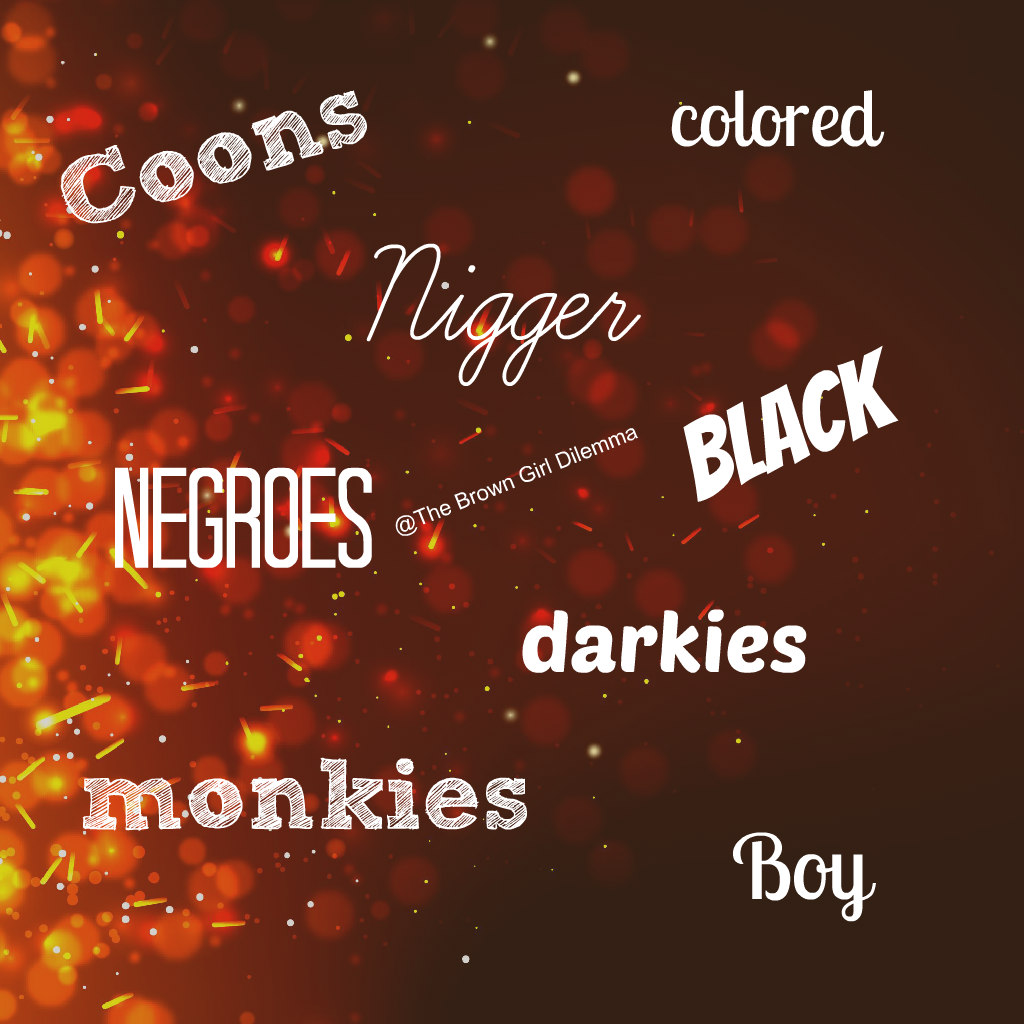
Words carry power. They shape identity, influence perception, and preserve history. Yet words can also wound, distort, and dehumanize. Throughout history, Black people across the diaspora have been branded with derogatory labels—negro, n****, coon, black, colored,* and many more—terms that did not emerge from neutrality but from systems of slavery, colonization, and racial subjugation. The Bible calls these humiliating labels “by-words”—a prophetic sign of oppression and displacement (Deuteronomy 28:37, KJV). To understand the psychology and history of by-words, one must look at the intersection of language, power, slavery, and identity.


What Are By-Words?

The term by-word is defined as a word or phrase used to mock, ridicule, or demean a people or individual. In Scripture, by-words are linked with curses upon nations or peoples who fall under oppression.

  • Deuteronomy 28:37 (KJV): “And thou shalt become an astonishment, a proverb, and a byword, among all nations whither the Lord shall lead thee.”
  • 1 Kings 9:7 (KJV): “Then will I cut off Israel out of the land which I have given them… and Israel shall be a proverb and a byword among all people.”

Biblically, being reduced to a by-word is more than an insult—it signifies loss of sovereignty, dignity, and divine identity.

he Meaning and History of the Word “Nigger”

Origin of the Word

The word nigger is one of the most notorious racial slurs in history. It traces back to the Latin word niger (meaning “black”), which passed into Spanish and Portuguese as negro. When Europeans began enslaving Africans during the transatlantic slave trade (1500s–1800s), the term negro became a racial descriptor.

Over time, particularly in English-speaking countries, negro was corrupted in spelling and pronunciation into n**r—a derogatory term. By the 1700s, it was entrenched in slave societies like the United States as the ultimate label of dehumanization.


Purpose of the Word

The purpose of calling Black people “n****r” was not just insult but domination. It functioned as a psychological weapon in several ways:

  1. Dehumanization:
    • Reduced Black people to something less than human, justifying slavery and racism.
    • Equated Africans with animals, objects, or commodities.
  2. Control and Social Order:
    • Whites used the word to constantly remind enslaved people of their “place” in society.
    • It reinforced racial hierarchy: white = superior, Black = inferior.
  3. Cultural Shaming:
    • Denied African names and identities, replacing them with a word rooted in contempt.
    • Made Blackness itself synonymous with worthlessness or evil.

In short, the word was never neutral. It was created and weaponized to wound, degrade, and keep Black people submissive.


Historical Use in America

  • Slavery Era (1600s–1865): The word was common in plantation speech, laws, and slave advertisements. It was how enslavers referred to Africans as property.
  • Jim Crow (1877–1950s): White people used it as a daily insult to enforce segregation and white supremacy. It became paired with violence—lynching, beatings, and systemic humiliation.
  • Civil Rights Movement (1950s–1970s): The slur was hurled at marchers, students, and leaders fighting for justice. Signs like “Go home n****rs” were common.
  • Modern Era (1980s–Present): The word remains a lightning rod. It is still used by racists as hate speech but also controversially re-appropriated within some Black communities (e.g., in hip-hop, as a term of brotherhood).

How Black People Feel About It

Reactions vary, but the word remains one of the deepest wounds in the Black collective memory:

  1. Pain and Trauma:
    • Many associate it with slavery, Jim Crow, lynching, and racist violence. Hearing it can trigger anger, shame, or grief.
  2. Rage and Resistance:
    • Black leaders like Malcolm X, James Baldwin, and Maya Angelou condemned the word as an instrument of oppression. Baldwin once said: “What you say about somebody else reveals you.”
  3. Division Over Re-appropriation:
    • Some Black people reject the word entirely, seeing it as irredeemable.
    • Others, especially in music and street culture, have attempted to strip it of its power by reclaiming it (e.g., turning it into “n***a” as a casual or friendly address).
    • This re-use, however, is controversial—many feel that no amount of “reclaiming” erases its bloody history.

Biblical & Psychological Perspective

From a biblical standpoint, being called a by-word (Deuteronomy 28:37) is part of a curse—a stripping of honor and identity. Psychologically, constant exposure to the slur can lead to internalized racism: self-doubt, reduced self-worth, and generational trauma.


The word n**r is not just an insult—it is a historical weapon of white supremacy. Born from slavery, cemented during Jim Crow, and still alive today, it carries centuries of blood, pain, and oppression. While some attempt to neutralize it, for most Black people it remains a raw reminder of what their ancestors endured. It is a word heavy with history, one that symbolizes not only racism but also the resilience of a people who refuse to be defined by it.

Timeline: The Evolution of By-Words

1. African Names Before Slavery (Pre-1500s)

Before European colonization, Africans bore names tied to ancestry, geography, spirituality, and meaning: Kwame (born on Saturday, Akan), Makeda (Ethiopian queen), Oluwaseun (God has done this, Yoruba). Names carried memory, culture, and lineage.


2. The Transatlantic Slave Trade (1500s–1800s)

  • Africans kidnapped into slavery were renamed with European surnames (Smith, Johnson, Williams, Brown).
  • By-words such as Negro (from Portuguese/Spanish for “black”) became a racial classification.
  • Slurs like n****,* sambo, and coon emerged on plantations to dehumanize enslaved Africans, comparing them to animals or buffoons.

This was the era of identity erasure: Africans became “property,” marked not by heritage but by by-words.


3. Reconstruction & Jim Crow (1865–1950s)

  • After emancipation, Black people were still denied full humanity. Terms like Negro and Colored became official in laws, schools, and public signs.
  • The Jim Crow system used language to reinforce racial hierarchy: calling Black men “boy” denied manhood, while calling women “mammies” denied femininity.
  • Racist caricatures—coon songs, minstrel shows, Zip Coon, Uncle Tom—spread by-words into mass culture.

By-words became institutionalized, shaping how whites saw Black people and how Black people sometimes internalized those labels.


4. Civil Rights Era (1950s–1970s)

  • The term Negro was challenged, as leaders like Malcolm X urged African Americans to reclaim Black as a badge of pride.
  • The phrase Black is Beautiful emerged as resistance to centuries of being told “black” meant evil or shameful.
  • The name shift to African-American in the late 1980s (championed by Jesse Jackson) reflected a demand for heritage, identity, and cultural recognition.

By-words in this era were confronted with counter-language: affirmations of dignity and identity.


5. Modern Times (1980s–Present)

  • Slurs like n****,* coon, and monkey still circulate, especially online and in extremist circles.
  • The N-word has been re-appropriated in some Black communities as a term of endearment or solidarity—though its use remains deeply divisive.
  • The term Black has been embraced as an ethnic identity marker, while African-American underscores historical and diasporic roots.
  • Psychological studies show that derogatory labeling still impacts self-esteem, racial perception, and systemic bias.

By-words have not disappeared; they have shifted, adapted, and remain central to ongoing struggles over language and identity.


Racism and the Weaponization of By-Words

Racism explains why by-words persisted. These terms justified inequality by painting Black people as inferior, dangerous, or less civilized. By-words reinforced stereotypes in:

  • Law: segregation signs labeled “Colored” vs. “White.”
  • Media: cartoons and films normalized caricatures (Amos ‘n’ Andy, minstrel shows).
  • Society: casual insults reduced Black people to slurs even outside slavery.

By-words were not simply products of ignorance; they were deliberate strategies of domination.


The Psychology of By-Words

From a psychological perspective, by-words operate as verbal shackles.

  1. Identity Erasure: Replacing African names with slave surnames broke ancestral continuity.
  2. Internalized Racism: Constant exposure to insults produced self-doubt and sometimes self-hatred.
  3. Generational Trauma: By-words passed down through history embedded racial inferiority into the subconscious.
  4. Resistance & Reclamation: Language also became a battlefield—turning Black from insult to empowerment, or challenging derogatory names with affirmations.

As psychologist Na’im Akbar (1996) argues, the greatest chains of slavery are not physical but mental—reinforced through language.


Biblical Parallels

The use of by-words against Black people echoes Israel’s fate in exile. Losing names, mocked by nations, and scattered across the earth, they became living fulfillments of Deuteronomy 28. Just as Israel became “a byword among nations,” the descendants of Africa in the diaspora bear the marks of a name-stripping oppression.


Historical Roots of By-Words in Slavery

The transatlantic slave trade, spanning the 16th to 19th centuries, uprooted millions of Africans from their homelands. In the process, enslavers deliberately stripped them of their ethnic names, languages, and tribal lineages. African names like Kwame, Amina, Oluwaseun, Kofi, or Makeda were replaced with European surnames—Smith, Johnson, Williams, Washington—marking forced assimilation into a white supremacist order.

Enslaved Africans were not merely chained physically; they were renamed into invisibility. The imposition of white surnames erased genealogical connections, making it nearly impossible for descendants to trace their ancestral lineage back to their original African nations. This renaming process was a tool of control: to own someone’s name is to own their identity.

At the same time, enslaved Africans became subjects of derogatory by-words. Slave masters, traders, and colonial authorities popularized racial slurs that defined Blackness not by heritage but by supposed inferiority. Terms such as n****,* coon, boy, and Negro reduced a diverse people into a caricature of servitude and subjugation.


The Catalog of By-Words Used Against Black People

Over centuries, Black people have been labeled with words that belittled, animalized, and mocked them:

  • Negro – Derived from the Spanish/Portuguese word for “black,” it became a racial classification imposed by European colonizers.
  • N*** – A perversion of Negro, weaponized as one of the most dehumanizing insults in modern history.
  • Coon – A derogatory word portraying Black people as lazy and buffoonish, rooted in racist minstrel shows of the 19th century.
  • Boy – Used particularly in the Jim Crow South to deny Black men adult dignity and manhood.
  • Colored – Institutionalized through organizations like the NAACP (“National Association for the Advancement of Colored People”), reflecting segregationist terminology.
  • Black – Once synonymous with evil, dirt, or shame in European etymology, rebranded as an identity marker but originally imposed as a contrast to “white purity.”

Each of these terms is a linguistic scar, born of systems that sought to strip away humanity and replace it with inferiority.


Was Racism to Blame?

Yes. The proliferation of by-words was not incidental but systemic, tied directly to racism. By-words allowed dominant groups to control narratives, reinforcing hierarchies of superiority. Racism justified slavery, segregation, colonization, and social exclusion by codifying these by-words into cultural, legal, and political systems.

  • Social Control: Language ensured that Black people were seen not as equals but as perpetual outsiders.
  • Psychological Warfare: By-words internalized shame, often producing generational trauma and fractured self-esteem.
  • Legal Segregation: In the U.S., terms like “colored” and “Negro” were legally inscribed in Jim Crow laws, embedding racism into governance.

The Psychology of By-Words

Psychologists argue that repeated exposure to derogatory labels can produce internalized racism and identity conflict. When a people are constantly described as inferior or less than, the message penetrates deep into the collective psyche.

  • Internalized Oppression: Some Black people began to reject African heritage, aspiring toward whiteness as a form of survival.
  • Group Identity Crisis: By-words created confusion over racial identity—was one “Negro,” “Colored,” “Black,” or “African-American”? This constant renaming fragmented collective identity.
  • Reclamation and Resistance: Over time, Black communities also resisted by re-appropriating terms like “Black” and “N*****” as symbols of empowerment—though still contested.

Biblical Parallels: Israel as a By-Word

The plight of Black people in slavery and colonization parallels biblical Israel’s experience. Just as the Israelites were scattered and mocked with by-words, enslaved Africans endured a loss of name, land, and identity. Deuteronomy 28 not only describes economic curses and enslavement but the stripping away of cultural dignity.

Thus, many Black theologians and scholars interpret the condition of the African diaspora as prophetic: a people renamed, scorned, and marginalized, fulfilling the biblical imagery of becoming “a by-word among nations.”


Conclusion

By-words are more than insults; they are historical markers of oppression. They tell the story of a people kidnapped, enslaved, renamed, and linguistically reshaped to fit the mold of subjugation. From biblical prophecy to the auction blocks of slavery, from Jim Crow to today, the history of by-words reveals how language has been wielded as a weapon against Black identity.

Yet, history also shows resistance. Just as names were stripped, they were reclaimed. Just as by-words mocked, voices rose to redefine them. Understanding the psychology and history of by-words helps restore dignity, while the biblical lens reminds us that identity is ultimately God-given, not man-imposed.

By-words are more than words; they are historical monuments of oppression. They trace a journey from stolen African names to the plantation, from Jim Crow insults to modern re-appropriation. They demonstrate how racism weaponizes language, reshaping identity and memory.

Yet, within that history lies resilience. Every reclaiming of Black as beautiful, every embrace of African names, every refusal to be defined by slurs is a declaration of freedom. In the end, names carry divine weight: not what the oppressor calls us, but what God calls us.


📖 Key Scripture References:

  • Deuteronomy 28:37
  • 1 Kings 9:7
  • Jeremiah 24:9
  • Psalm 44:14

📚 References for Further Reading:

  • Du Bois, W. E. B. (1903). The Souls of Black Folk.
  • Akbar, N. (1996). Breaking the Chains of Psychological Slavery.
  • Davis, A. (1981). Women, Race, and Class.
  • Patterson, O. (1982). Slavery and Social Death.

Kennedy, R. (2002). Nigger: The Strange Career of a Troublesome Word.

Baldwin, J. (1963). The Fire Next Time.

🌑 Afflictions and Toxic Misery: A Biblical and Psychological Perspective

“Many are the afflictions of the righteous: but the Lord delivereth him out of them all.” (Psalm 34:19, KJV)

Photo by cottonbro studio on Pexels.com

Affliction is one of the deepest realities of human existence, woven into our daily lives through trials, hardships, and painful experiences. Both the Bible and psychology recognize that affliction is not only unavoidable but also transformative. It can refine the spirit, discipline the heart, and reveal human weakness, but when mishandled, it leads to toxic misery—a condition of prolonged bitterness, hopelessness, and spiritual decay.


🔹 What Are Afflictions?

The term affliction means suffering, distress, or hardship that weighs heavily on the mind, body, or soul. Biblically, afflictions are often tied to human sin, divine discipline, or the testing of faith. The prophet Jeremiah declared:

  • “I know, O Lord, that thy judgments are right, and that thou in faithfulness hast afflicted me.” (Psalm 119:75, KJV).

Psychology, by contrast, defines affliction in terms of stressors that trigger emotional and physical distress. These may include grief, trauma, poverty, rejection, or illness (American Psychological Association [APA], 2023).


🔹 Afflictions We Face Daily

Everyday afflictions manifest in countless ways:

  • Emotional pain – anxiety, depression, rejection.
  • Physical struggles – sickness, fatigue, disability.
  • Relational wounds – betrayal, toxic people, broken homes.
  • Societal burdens – injustice, poverty, racism, violence.
  • Spiritual battles – temptation, guilt, doubt, and separation from God.

The Bible affirms that humanity’s transgressions often invite affliction. “For whom the Lord loveth he chasteneth, and scourgeth every son whom he receiveth.” (Hebrews 12:6, KJV). Afflictions are therefore not always punishment but divine correction designed to bring us back to righteousness.


🔹 When Affliction Turns Into Toxic Misery

Not all suffering produces growth. Sometimes afflictions morph into toxic misery, a state where pain is internalized and becomes destructive:

  • Bitterness and resentment (Hebrews 12:15).
  • Hopelessness and despair (Proverbs 13:12).
  • Isolation and withdrawal from community (Ecclesiastes 4:9–10).
  • Self-destructive coping mechanisms (substance abuse, anger, self-harm).

Psychology notes that when stress is chronic and unresolved, it fosters toxic outcomes such as trauma disorders, depression, and maladaptive behaviors (Selye, 1976; APA, 2023).


🔹 Modern-Day Afflictions

Today, afflictions manifest through unique cultural and social conditions:

  • Social media comparison → envy, insecurity, and toxic self-image.
  • Economic instability → poverty, homelessness, and survival stress.
  • Chronic illness and pandemics → prolonged fear and grief.
  • Systemic injustice → racism, sexism, and discrimination.
  • Family breakdown → fatherlessness, divorce, generational trauma.

These afflictions create what scholars call “toxic stress environments” (Shonkoff et al., 2012), breeding misery unless met with resilience and faith.


🔹 Overcoming Afflictions

Biblical Guidance

  1. Faith and Endurance: “My brethren, count it all joy when ye fall into divers temptations; knowing this, that the trying of your faith worketh patience.” (James 1:2–3, KJV).
  2. Prayer and Dependence on God: “Call upon me in the day of trouble: I will deliver thee.” (Psalm 50:15, KJV).
  3. Renewed Mindset: “Be not conformed to this world: but be ye transformed by the renewing of your mind.” (Romans 12:2, KJV).

Psychological Coping Strategies

  • Cognitive reframing – changing how we interpret hardships.
  • Resilience training – developing coping skills.
  • Therapy & counseling – addressing trauma and toxic thought patterns.
  • Community support – building healthy relationships that provide strength.

🔹 Conclusion

Afflictions are inescapable. They can be God’s way of disciplining us, a test of faith, or simply the natural outcome of living in a broken world. But when they are mismanaged, afflictions evolve into toxic misery—a destructive state of mind and spirit. Both psychology and the Bible agree that how we respond matters more than the suffering itself. When endured with faith, wisdom, and resilience, afflictions shape us into stronger vessels for God’s purpose.


📚 References

  • American Psychological Association. (2023). Stress: The different kinds of stress. APA.
  • Holy Bible, King James Version.
  • Selye, H. (1976). Stress in health and disease. Butterworth-Heinemann.
  • Shonkoff, J. P., Boyce, W. T., & McEwen, B. S. (2012). Toxic stress, brain development, and the early childhood foundations of lifelong health. Pediatrics, 129(1), e232–e246.

Girl Talk Series: What Is Beauty? 🌹Speaking to Women About True Worth.

Photo by Vitu00f3ria Santos on Pexels.com

Sisters, let us have a real conversation about beauty. From the moment we are born, society places us under a microscope: how we look, how we dress, the color of our skin, the shape of our bodies. Beauty is celebrated, envied, and even worshiped. Yet beauty can also be misunderstood, manipulated, and turned into a burden. So what is beauty really? Where does it come from, and what makes a woman truly beautiful—inside and out?


The Origin of Physical Beauty: Genetics and Inheritance

On a physical level, beauty has roots in genetics. Features such as symmetrical faces, clear skin, and healthy hair are linked to indicators of health and fertility (Rhodes, 2006). Science shows that facial symmetry and proportional features are often unconsciously perceived as “beautiful” because they reflect genetic stability. Our physical features—skin tone, hair texture, body type—are part of the inheritance of our ancestors. Black women, for example, carry unique genetic traits that the world both fetishizes and envies: melanin-rich skin, full lips, and natural curves that defy Western beauty ideals.

But while genetics play a role in shaping appearance, they do not define the fullness of beauty.


The Burden and Blessing of Beauty

Beauty can be both a blessing and a curse. It opens doors, captures attention, and even inspires admiration. Yet, it also provokes envy, jealousy, and objectification. Many women have learned that being considered beautiful can draw not only favor but also unwanted advances, superficial friendships, and false assumptions about character. Proverbs 31:30 reminds us: “Favour is deceitful, and beauty is vain: but a woman that feareth the Lord, she shall be praised” (KJV).


Why Men Worship Beauty

Across cultures and time, men have idolized beauty. In many cases, this “worship” is less about love and more about desire. Psychology calls this mate selection bias—men are often drawn to visible markers of health and fertility (Buss, 2019). Yet, when beauty is elevated above substance, it creates shallow relationships built on attraction rather than covenant.


Why Women Alter Themselves for Beauty

We live in an age where women feel pressured to modify themselves to fit an unattainable ideal. Cosmetic surgery, BBLs (Brazilian Butt Lifts), and fillers have grown into a multi-billion-dollar industry fueled by insecurity and comparison (American Society of Plastic Surgeons, 2023). Social media intensifies this pressure, showcasing airbrushed, filtered images that create unrealistic standards. Instead of celebrating natural uniqueness, society rewards conformity to artificial perfection.


Beauty According to the Bible

Scripture redirects our focus from the external to the eternal:

  • “Whose adorning let it not be that outward adorning of plaiting the hair, and of wearing of gold, or of putting on of apparel; But let it be the hidden man of the heart, in that which is not corruptible, even the ornament of a meek and quiet spirit, which is in the sight of God of great price” (1 Peter 3:3–4, KJV).
  • “Favour is deceitful, and beauty is vain: but a woman that feareth the Lord, she shall be praised” (Proverbs 31:30, KJV).
  • “Strength and honour are her clothing; and she shall rejoice in time to come” (Proverbs 31:25, KJV).

According to the Bible, true beauty is found in:

  1. A meek and quiet spirit (1 Peter 3:4).
  2. The fear of the Lord (Proverbs 31:30).
  3. Strength and honor (Proverbs 31:25).
  4. Wisdom and kindness (Proverbs 31:26).

🌸 Sarah: Beauty That Endured Through Age

Sarah, the wife of Abraham, is the first woman in Scripture described for her beauty. The Bible records that even in her old age, her beauty was so remarkable that Abraham feared men would kill him to take her.

  • Genesis 12:11–15 (KJV): “Behold now, I know that thou art a fair woman to look upon… the Egyptians beheld the woman that she was very fair.”
  • Genesis 20:2 (KJV): King Abimelech desired Sarah because of her beauty.

Her story reveals both the blessing and danger of physical attractiveness. Though admired, her beauty also placed her in vulnerable situations. Yet, Sarah’s true legacy was not her outward beauty but her faith—she became the mother of nations and is celebrated in Hebrews 11:11 for her belief in God’s promise.


🌸 Rachel: A Woman of Lovely Form and Countenance

Rachel, the beloved wife of Jacob, is described as both beautiful in form and face. Her beauty stirred deep love and devotion in Jacob, who labored 14 years to marry her.

  • Genesis 29:17 (KJV): “Leah was tender eyed; but Rachel was beautiful and well favoured.”
  • Genesis 29:20 (KJV): Jacob served seven years for Rachel, which “seemed unto him but a few days, for the love he had to her.”

Rachel’s beauty was undeniable, yet her story also shows that beauty alone does not protect from hardship. She endured barrenness, jealousy with her sister Leah, and eventually died giving birth to Benjamin (Genesis 35:16–19). Her beauty attracted love, but her life demonstrates that beauty cannot shield us from trials.


🌸 Judith: Beauty as a Weapon of Deliverance

Judith, from the Apocrypha (Book of Judith), is perhaps one of the most powerful examples of beauty being used by God for deliverance. She was a widow, known for her righteousness, wisdom, and striking appearance.

  • Judith 8:7 (KJV, Apocrypha): “Now Judith was a fair woman to look upon, and her husband left her gold, and silver, and menservants, and maidservants, and cattle, and lands: and she remained upon them.”
  • Judith 10:4 (KJV, Apocrypha): She adorned herself to appear even more beautiful before entering the Assyrian camp.
  • Judith 10:23 (KJV, Apocrypha): The Assyrian soldiers marveled, saying, “Who can despise this people, that have among them such women? Surely it is not good to leave one man of them alive, for if they be let go, they shall deceive the whole earth.”

Judith’s beauty captivated General Holofernes, but it was her courage, faith, and wisdom that saved Israel. She used beauty not for vanity but as a tool of deliverance ordained by God.


✨ Lessons from Their Beauty

  • Sarah shows us that beauty may endure across time, but faith leaves the truest legacy.
  • Rachel reminds us that beauty can inspire devotion, but it cannot prevent suffering.
  • Judith demonstrates that beauty coupled with faith and wisdom can be a powerful weapon for God’s purposes.

The Spiritual Dangers of Beauty

As much as beauty can be a gift, it can also be a snare when it leads to vanity, pride, or self-worship. Ezekiel 28 describes the downfall of Lucifer, who was corrupted by his own beauty and pride. Likewise, women today can fall into the trap of placing identity solely in appearance, chasing validation from men or social media instead of God.

  • Vanity: “Charm is deceitful” (Proverbs 31:30)—physical beauty fades, but women who idolize their looks risk losing focus on eternal values.
  • Pride: Excessive obsession with appearance breeds arrogance and comparison.
  • Idolatry of Self: When beauty becomes an idol, it replaces God with the worship of self, fame, or fleshly validation.

This is why Paul warned in Romans 1:25 about those who “worshipped and served the creature more than the Creator.” Beauty must never become a throne we sit on to exalt ourselves.


What Makes a Woman Truly Beautiful?

While the world elevates physical features, what endures is a woman’s mind, character, and spirit. Intelligence, kindness, resilience, and humility shine brighter than any physical trait. A beautiful woman is one who uplifts others, walks in purpose, and carries dignity. Her confidence is not rooted in her reflection but in her values.


The Most Beautiful Black Women and Their Reflections on Beauty

Throughout history, women like Cicely Tyson, Naomi Campbell, Halle Berry, and Lupita Nyong’o have redefined beauty. Lupita Nyong’o has spoken openly about overcoming colorism and learning to embrace her dark skin, calling beauty “something you have to cultivate yourself.” Cicely Tyson emphasized that beauty without purpose is shallow, while Halle Berry highlighted that true beauty is tied to kindness and authenticity.

These women remind us that Black beauty is not only physical—it is cultural, spiritual, and intellectual.


The Social Media Effect: Insecurity and Comparison

Platforms like Instagram and TikTok magnify beauty pressures. The constant stream of curated images fosters comparison, leading many women to feel inadequate. Studies show that excessive social media use is directly linked to body dissatisfaction and low self-esteem (Fardouly et al., 2018). Beauty has become performance-based, tied to likes, follows, and validation rather than authenticity.


Traits Greater Than Physical Beauty

A woman’s lasting legacy is not her looks but her personality traits and virtues:

  • Wisdom: Offering guidance rooted in truth.
  • Compassion: Seeing and serving others.
  • Integrity: Living with honesty and strength.
  • Resilience: Standing firm in trials.
  • Faith: Trusting God above all else.

These traits inspire respect and love that physical appearance alone can never secure.


Conclusion

Sisters, beauty is complex. It is part genetic, part cultural, and often a double-edged sword. While men may worship it, and while industries profit from our insecurities, the truth remains: beauty without character is empty. The Bible reminds us to seek the kind of beauty that cannot fade—the beauty of a God-fearing, wise, compassionate, and dignified spirit.

Let us not waste our energy chasing the world’s temporary standards but instead cultivate the eternal virtues that make us radiant in the sight of God.

“Strength and honour are her clothing; and she shall rejoice in time to come” (Proverbs 31:25, KJV).


References

  • American Society of Plastic Surgeons. (2023). Plastic surgery statistics report. https://www.plasticsurgery.org/
  • Buss, D. M. (2019). Evolutionary psychology: The new science of the mind. Routledge.
  • Fardouly, J., Diedrichs, P. C., Vartanian, L. R., & Halliwell, E. (2018). Social comparisons on social media: The impact of Facebook on young women’s body image concerns and mood. Body Image, 13, 38–45.
  • Rhodes, G. (2006). The evolutionary psychology of facial beauty. Annual Review of Psychology, 57, 199–226.