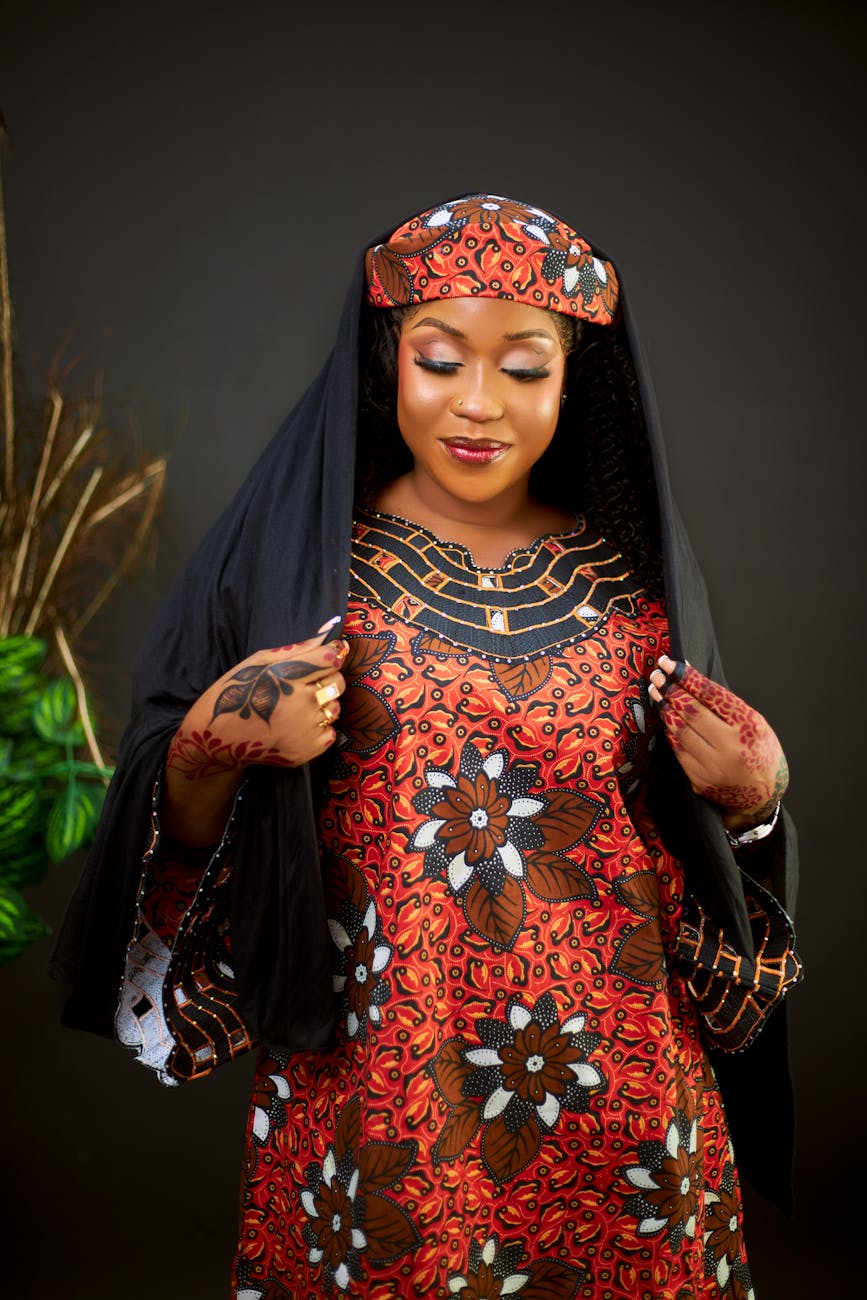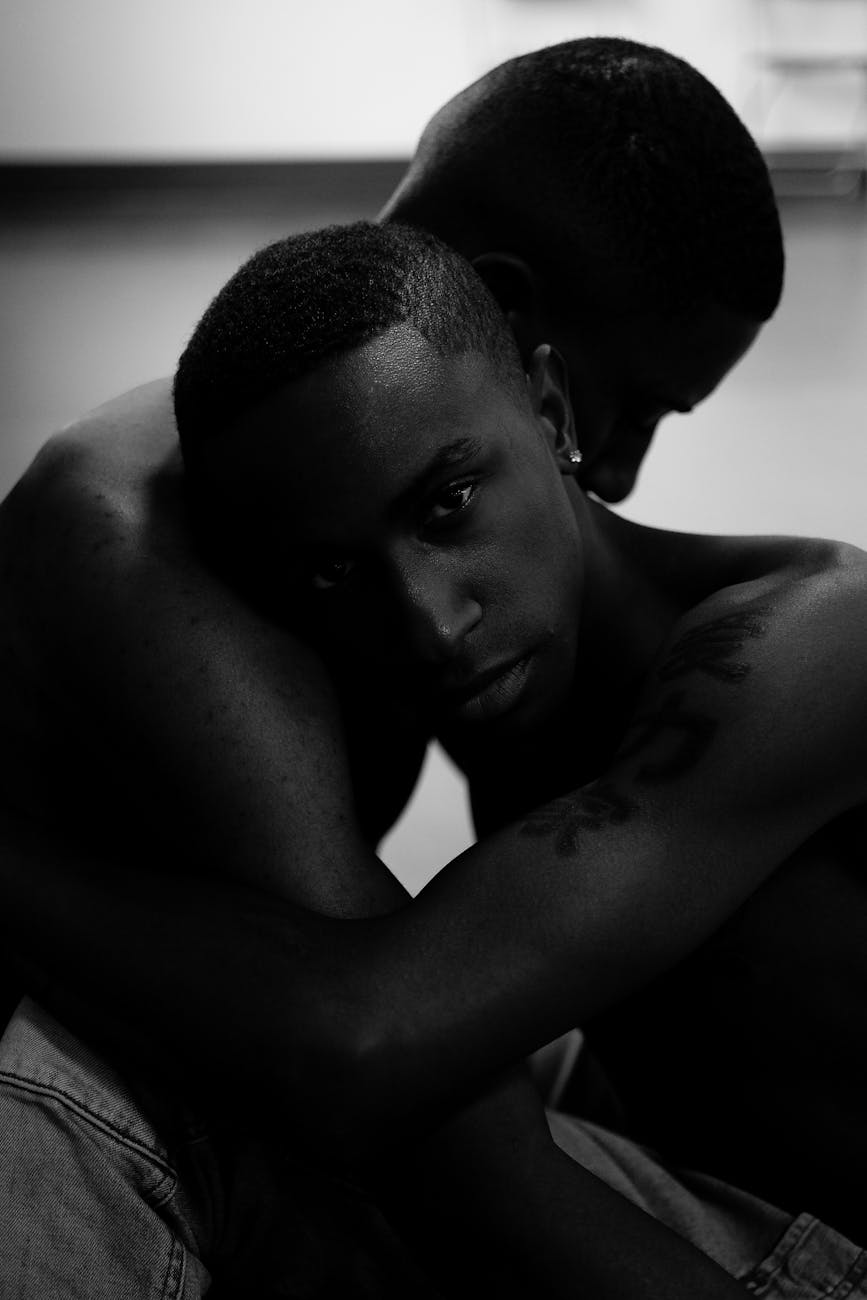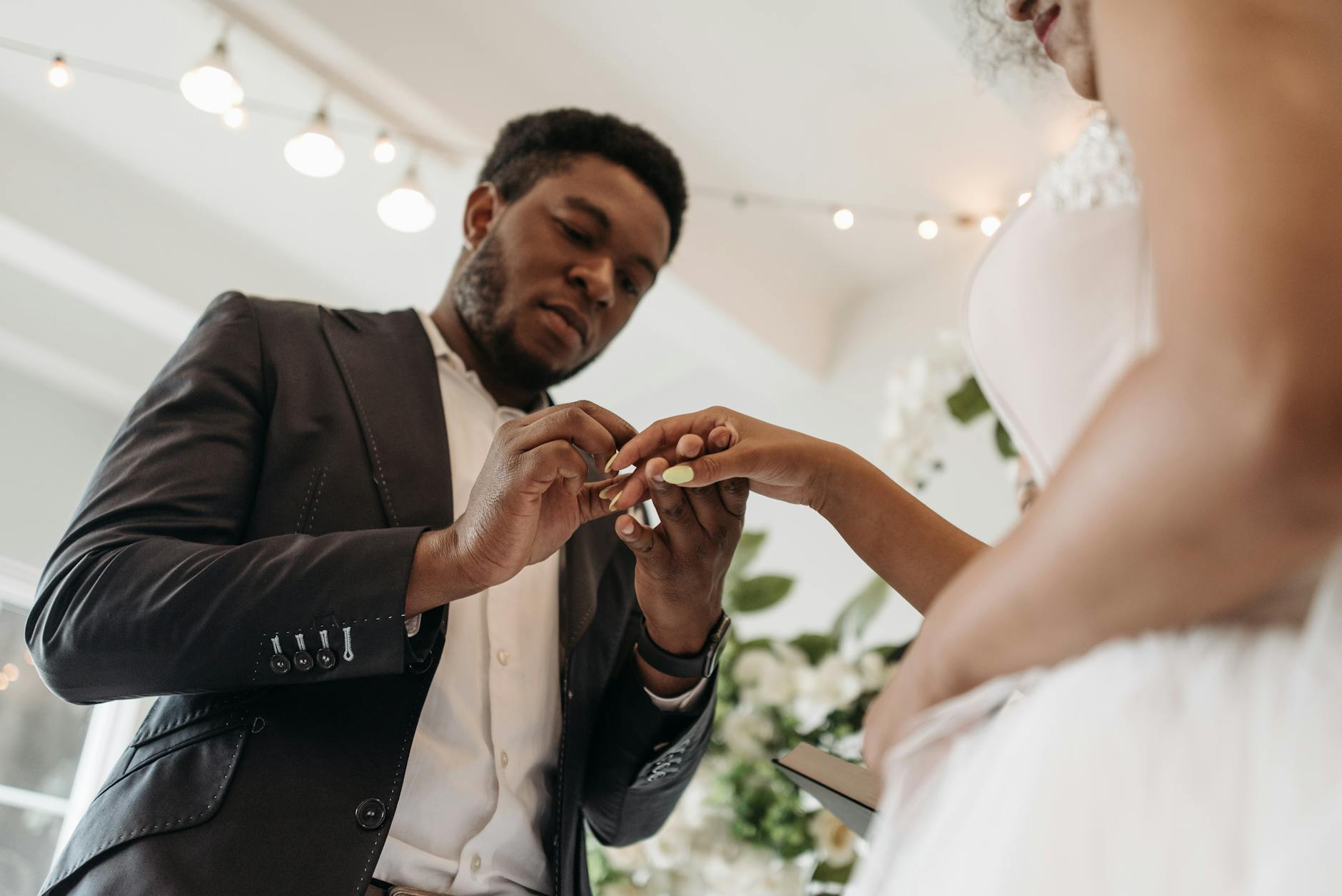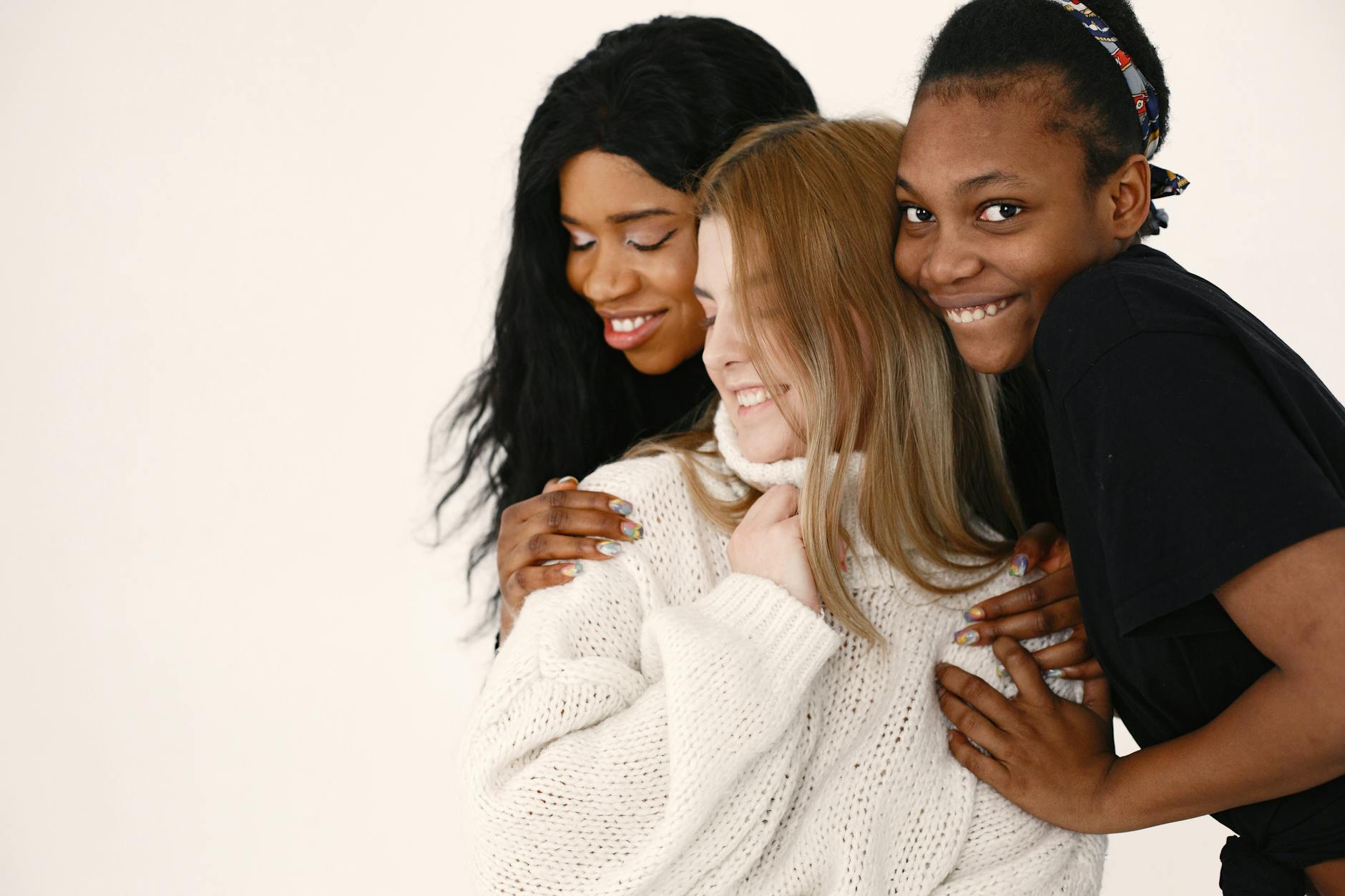
All posts by The Brown Girl Dilemma

I welcome everyone— women and men of all nationalities—to read, reflect, and gather insight across the many topics about black people explored here. To the Brown girl and the Brown boy who walk into rooms already carrying history, beauty, and burden—this space is for you. You stand at the intersection of visibility and erasure, desirability and disregard, reverence and resistance, often praised, questioned, desired, dismissed, and debated all at once. In a world that studies your skin more than your soul and distorts what God designed with intention, may truth, healing, and divine purpose meet you here. This is a conversation created to name your journey without silencing your truth, to restore what society has tried to redefine, and to remind you that your worth was never the problem—only the world’s inability to honor it.

Dilemma:🌹 Navigating Identity — Invisible Yet Indispensable: The Labor of Black Women in Society 🌹

🌹 The Brown Girl🌹

Photo by Ivan Samkov on Pexels.com

The journey of the Black woman is a complex tapestry woven with strands of resilience, faith, pain, and perseverance. Her voice, often muted by systemic oppression, resonates with both the echoes of ancestral struggle and the melody of survival. Despite her indispensable role in the shaping of societies, the Black woman remains caught between visibility and invisibility, celebrated yet silenced, desired yet devalued. This essay examines the layered dilemmas Black women face, focusing on silencing and gaslighting, mental health taboos, and generational trauma, while drawing upon psychology and the King James Bible (KJV) for insight and pathways toward healing.

Black women occupy a paradoxical position in society: they are both invisible and indispensable. Their labor has historically undergirded economies, families, and communities, yet their voices, bodies, and contributions are often dismissed or appropriated. This dilemma—rooted in slavery and perpetuated through systemic inequities—has created a cycle of resilience and exhaustion. Black women are expected to give endlessly while being denied the recognition and care they deserve. As scholar bell hooks (1981) argued, the exploitation of Black women’s labor is foundational to both racism and patriarchy, rendering them crucial yet overlooked participants in social progress.

The Price of Being Heard: Silencing and Gaslighting of Black Women’s Voices

One of the most profound challenges Black women face is the silencing of their voices. Whether in corporate boardrooms, political arenas, or healthcare settings, Black women are often dismissed, interrupted, or told their concerns are exaggerated. The tragic case of Serena Williams—who was ignored by medical staff during childbirth complications—illustrates how even wealthy, high-profile Black women experience silencing. Psychologically, this dismissal results in gaslighting: being made to question one’s reality or truth. Biblically, silencing echoes the injustice condemned in Proverbs 31:8 (KJV): “Open thy mouth for the dumb in the cause of all such as are appointed to destruction.” Scripture affirms that truth-telling is both a moral responsibility and a sacred act, underscoring the need to honor Black women’s testimonies.

Psychology of Silencing

From a psychological standpoint, constant silencing creates cognitive dissonance and internalized self-doubt. Research shows that being unheard increases anxiety and depressive symptoms, while persistent microaggressions erode self-esteem (Sue, 2010). For Black women, the compounded effect of race and gender means their silence is not merely personal but systemic. Overcoming this requires validating their voices, establishing platforms where they are centered, and teaching communities to listen with humility rather than defensiveness.

Solutions for Amplification

To counteract silencing, Black women must be given space in leadership, policy, and media representation. Mentorship programs, advocacy networks, and deliberate inclusion in decision-making structures can elevate voices long ignored. Churches and communities must also challenge patriarchal norms that discourage women from speaking openly. The Apostle Paul’s reminder in Galatians 3:28 (KJV)—“There is neither Jew nor Greek, there is neither bond nor free, there is neither male nor female: for ye are all one in Christ Jesus”—calls for dismantling hierarchies that devalue women’s contributions.

Black Women and Mental Health: Breaking the Taboo of Therapy and Healing

Mental health remains a taboo subject within many Black communities. Generational teachings to “pray it away” or “stay strong” have discouraged women from seeking professional help. The stigma is compounded by historical medical racism, such as the exploitation of Black bodies in the Tuskegee experiments. Psychologically, suppression of emotional struggles manifests as anxiety, depression, and even somatic illnesses like hypertension. Woods-Giscombé (2010) notes that the “Superwoman Schema” forces Black women to conceal vulnerability, worsening mental health outcomes.

Biblical and Psychological Perspective on Healing

The Bible affirms the importance of rest, restoration, and vulnerability. Matthew 11:28 (KJV) declares: “Come unto me, all ye that labour and are heavy laden, and I will give you rest.” This scripture reminds Black women that God does not demand unending strength but invites them into divine rest. Psychologically, therapy provides tools to unpack trauma, process grief, and build resilience. When paired with faith, therapy becomes not a contradiction to spirituality but a complement to healing.

Breaking the Stigma: Examples and Solutions

Examples of progress include the growing movement of Black female therapists, such as Dr. Joy Harden Bradford, founder of Therapy for Black Girls, which normalizes counseling within the community. Support groups, church-based wellness ministries, and culturally competent therapists are helping women dismantle stigma. Overcoming silence around mental health requires both education and representation—seeing women who look like them embrace therapy validates its importance.

Daughters of the Diaspora: Carrying Generational Trauma and Triumph

Black women also bear the dual inheritance of generational trauma and triumph. The legacies of slavery, colonization, and Jim Crow laws passed down unresolved pain—manifesting in patterns of fear, hypervigilance, and mistrust (DeGruy, 2005). At the same time, the triumph of survival, creativity, and spiritual faith continues to shape diasporic identity. For instance, the resilience of mothers and grandmothers who held families together amid oppression reflects triumph woven into trauma. This paradox forms the heart of diasporic womanhood: carrying both burden and brilliance.

Psychology of Intergenerational Trauma

Intergenerational trauma is supported by epigenetic research showing that stress can alter genetic expressions, passing heightened vulnerability to descendants (Yehuda & Lehrner, 2018). For Black women, inherited trauma manifests in hyper-responsibility, guardedness, and sometimes mistrust in relationships. Yet resilience is also passed down, enabling survival and cultural creativity. Psychologists argue that acknowledging both trauma and triumph is critical for holistic healing.

Biblical Understanding of Generational Struggles

The Bible acknowledges generational consequences: “Visiting the iniquity of the fathers upon the children unto the third and fourth generation” (Exodus 20:5, KJV). Yet it also emphasizes redemption: “But the mercy of the Lord is from everlasting to everlasting upon them that fear him” (Psalm 103:17, KJV). For Black women, this means generational pain is real but not final. Faith and intentional healing practices can break cycles of suffering.

Practical Solutions for Diasporic Healing

Healing generational trauma requires storytelling, therapy, and cultural reclamation. Practices such as oral history projects, mother-daughter healing circles, and reconnecting with African heritage provide pathways to empowerment. Community spaces that celebrate Black culture, music, and spirituality affirm the triumph that accompanies trauma. For example, the Gullah traditions in South Carolina preserve ancestral memory, providing cultural pride and connection.

Invisible Yet Indispensable: The Labor of Black Women

Throughout history, Black women have been the backbone of families, churches, and economies. From enslaved women sustaining households to domestic workers of the 20th century, their labor has often been invisible yet essential. Even today, Black women disproportionately fill caregiving roles—nurses, teachers, social workers—while also leading grassroots activism. Their indispensability, however, is rarely matched with recognition or protection. Ecclesiastes 3:13 (KJV) reminds us: “Every man should eat and drink, and enjoy the good of all his labour, it is the gift of God.” This affirms the dignity of labor that must be extended to Black women.

The Psychology of Overwork and Recognition

Psychologically, the invisibility of labor leads to burnout, resentment, and internalized feelings of worthlessness. When contributions are undervalued, women experience the psychological toll of invisibility—feeling unseen despite being overextended. Overcoming this requires systemic recognition of Black women’s work, pay equity, and shared household responsibilities. Within communities, honoring Black women means affirming their contributions without exploiting their endurance.

Toward Healing and Liberation

In overcoming these dilemmas, Black women must reclaim vulnerability, embrace therapy, and center their voices. Society must amplify rather than silence, honor rather than exploit, and protect rather than disregard. As Paul writes in 2 Corinthians 12:9 (KJV): “My grace is sufficient for thee: for my strength is made perfect in weakness.” This verse reframes weakness not as failure but as the gateway to divine empowerment. Solutions lie in a holistic embrace of faith, psychology, and cultural resilience—recognizing that Black women’s survival is not enough; their flourishing is essential for the healing of communities.


References

  • bell hooks. (1981). Ain’t I a woman? Black women and feminism. South End Press.
  • DeGruy, J. (2005). Post Traumatic Slave Syndrome: America’s legacy of enduring injury and healing. Uptone Press.
  • Sue, D. W. (2010). Microaggressions in everyday life: Race, gender, and sexual orientation. Wiley.
  • Woods-Giscombé, C. L. (2010). Superwoman schema: African American women’s views on stress, strength, and health. Qualitative Health Research, 20(5), 668–683.
  • Yehuda, R., & Lehrner, A. (2018). Intergenerational transmission of trauma effects: Putative role of epigenetic mechanisms. World Psychiatry, 17(3), 243–257.
Love, Loyalty, and Loneliness: The Dating Dilemmas of Black Women.

Photo by Meshack Emmanuel Kazanshyi on Pexels.com

The dating landscape for Black women has long been marked by complexities that reflect broader historical, cultural, and psychological realities. As they seek love, loyalty, and companionship, many find themselves navigating challenges shaped by systemic racism, gendered expectations, and the scarcity of men who meet traditional standards of commitment and provision. This has created a paradox where Black women, despite their educational, professional, and personal achievements, are often left facing the painful reality of loneliness or unfulfilling relationships.

One of the central dilemmas lies in the decreasing pool of “quality men.” Black men are disproportionately impacted by mass incarceration, unemployment, and systemic inequities that limit their socioeconomic mobility (Alexander, 2012). These realities drastically narrow the dating pool for Black women who desire stable, faithful, and responsible partners. As a result, many women confront the painful question of whether to compromise standards or risk prolonged singleness. In psychology, this contributes to chronic stress, lower relationship satisfaction, and a phenomenon termed “relationship scarcity” (Banks, 2011).

Another dimension is the increasing trend of Black men dating outside their race. While interracial love is not inherently negative, it becomes a source of tension when Black women—who are already culturally devalued—perceive themselves as less desirable partners. Studies show that Black women are among the least “swiped right” demographic on dating apps, revealing deep biases about beauty and desirability (Feliciano et al., 2009). The internalization of these biases leads some women to question their worth, even though Eurocentric standards of beauty fail to recognize the unique aesthetics of African heritage.

Compounding this issue are men who adopt exploitative approaches to dating. Many women encounter men who want only sexual access, with no intention of offering commitment or provision. The normalization of casual hookups has created a culture where women are asked, “What are you bringing to the table?”—a reductionist framing that treats relationships like business transactions rather than covenants of love. Instead of being honored as partners, Black women are often tested, judged, and dismissed based on narrow and materialistic criteria, further devaluing their femininity and humanity.

Additionally, the rise of “down low” culture, where men conceal same-sex relationships while engaging heterosexual partnerships, poses health and trust concerns. This hidden dynamic not only endangers Black women physically but also emotionally, as the betrayal of intimacy undermines trust. Alongside this, the prevalence of men lacking masculine responsibility—those unwilling to provide, protect, or commit—forces many Black women into roles of leadership and provision within relationships. This role reversal often leaves women drained, resentful, and longing for men who embody true biblical masculinity.

From a biblical perspective, the standards for how men should treat women are clear. Scripture emphasizes provision, love, and honor. Ephesians 5:25 (KJV) declares: “Husbands, love your wives, even as Christ also loved the church, and gave himself for it.” This verse establishes sacrificial love as the foundation of manhood. Likewise, 1 Timothy 5:8 (KJV) affirms that a man must provide: “But if any provide not for his own, and specially for those of his own house, he hath denied the faith, and is worse than an infidel.” These scriptures refute the cultural acceptance of men behaving like boys and underscore the divine mandate for men to be protectors and providers.

The dilemmas Black women face are also shaped by psychological dynamics in Black men. Centuries of racial emasculation, economic deprivation, and systemic disenfranchisement have left many men struggling with identity, motivation, and self-worth (Majors & Billson, 1992). This “cool pose” culture, where masculinity is performed through superficial bravado rather than authentic responsibility, often replaces genuine leadership with ego-driven behaviors. The consequence is a generational cycle where men fail to embody biblical husbandhood, leaving women disillusioned with romantic prospects.

Many Black women also struggle with the cultural stigma of spinsterhood. Remaining single past a certain age is often viewed negatively, yet for many, singleness is not by choice but by circumstance. While faith offers reassurance, the longing for companionship remains real. Proverbs 18:22 (KJV) states, “Whoso findeth a wife findeth a good thing, and obtaineth favour of the Lord.” This highlights the value of women in God’s design and emphasizes that men, not women, are to pursue and cherish this covenant. Yet in modern culture, pursuit is frequently replaced by games, inconsistencies, or fear of commitment.

Despite these challenges, there are still pathways for Black women to find quality men. Churches, professional networks, community organizations, and faith-based events can provide healthier contexts for meeting like-minded individuals compared to the superficial environment of dating apps. Furthermore, developing discernment through prayer and self-awareness is essential. Psalm 37:4 (KJV) encourages believers to “Delight thyself also in the Lord: and he shall give thee the desires of thine heart.” In this, women are reminded that God honors their desires for love and companionship when those desires are aligned with His will.

In conclusion, the dating dilemmas of Black women reflect deep intersections of systemic inequities, cultural stereotypes, and gendered expectations. From navigating scarcity of quality men to confronting betrayal, loneliness, and transactional relationship culture, Black women face unique challenges that demand both societal and spiritual attention. The Bible provides a timeless framework, affirming that men should love, provide, and protect, while women should be cherished, not devalued. The path to healing lies in reclaiming biblical order, challenging cultural stereotypes, and fostering environments where authentic, God-centered love can flourish.


References

  • Alexander, M. (2012). The new Jim Crow: Mass incarceration in the age of colorblindness. The New Press.
  • Banks, R. R. (2011). Is marriage for white people? How the African American marriage decline affects everyone. Penguin Press.
  • Feliciano, C., Robnett, B., & Komaie, G. (2009). Gendered racial exclusion among white internet daters. Social Science Research, 38(1), 39–54.
  • Majors, R., & Billson, J. M. (1992). Cool pose: The dilemmas of Black manhood in America. Simon & Schuster.

The Moors: The Children of the Crescent and Cross.

Photo by Edson Habacuc Rafael on Pexels.com

The Untold Legacy of the Moors in World History.

The Moors were a people of profound cultural, scientific, and political influence whose legacy shaped Europe, North Africa, and beyond. While the term “Moor” historically referred to Muslim inhabitants of the Maghreb (Northwest Africa), Iberian Peninsula, Sicily, and parts of southern Europe during the Middle Ages, their identity and contributions have often been obscured or misrepresented in modern narratives. Many scholars agree that a significant portion of the Moors were of African descent, including Black and Berber populations (Van Sertima, 1991). They were not only warriors and rulers but also scholars, architects, scientists, and traders whose intellectual and cultural gifts transformed European civilization.


I. Origins and Identity

The word “Moor” derives from the Latin Maurus, meaning an inhabitant of Mauretania, a region of ancient North Africa. By the Middle Ages, European Christian writers used “Moor” as a broad term for Muslims of African origin—especially those who came from the Maghreb and crossed into Spain in 711 CE under the leadership of Tariq ibn Ziyad (Fletcher, 1992). Historical evidence, including contemporary accounts, reveals that many of these people had dark skin and African features, confirming their Black African heritage alongside Berber ancestry (Snowden, 1970).


II. Geographic Location

The Moors’ power base stretched across:

  • Northwest Africa: Present-day Morocco, Algeria, Tunisia, Mauritania.
  • Al-Andalus: Muslim-ruled areas of Spain and Portugal from 711 to 1492.
  • Sicily and Southern Italy during parts of the 9th–11th centuries.

From these centers, they controlled vital trade routes linking Africa, Europe, and the Middle East.


III. Contributions to Europe

The Moors’ eight-century presence in Europe—especially in Spain—sparked what some historians call the European Renaissance before the Renaissance. Key contributions included:

  1. Education and Libraries – Córdoba alone had over 70 libraries, with one housing 400,000–600,000 manuscripts at a time when much of Europe was illiterate (Menocal, 2002).
  2. Science and Medicine – Introduced advanced surgical techniques, optics, and pharmacology (Savage-Smith, 1996).
  3. Mathematics – Brought Arabic numerals, algebra (al-jabr), and astronomical instruments like the astrolabe.
  4. Architecture – Built intricate palaces and mosques such as the Alhambra in Granada, blending geometric design with lush gardens and waterworks.
  5. Agriculture – Introduced new crops (rice, citrus fruits, sugarcane) and advanced irrigation systems.
  6. Philosophy – Preserved and translated works of Aristotle, Plato, and other Greek scholars, influencing Christian theologians such as Thomas Aquinas.

IV. Daily Life and Culture

The Moors lived in cosmopolitan cities with paved streets, public baths, markets, and universities. Their society valued literacy, hygiene, and cultural refinement. Women in elite Moorish households could be educated, and the culture encouraged poetry, music, and scholarly debate. The Moors also engaged in international trade, linking African gold and ivory routes to European markets.


V. Were the Moors Bible Believers?

The majority of Moors were Muslim, following Islam after the Arab expansion into North Africa in the 7th century. However, historical records show that Christian and Jewish communities lived under Moorish rule with relative tolerance compared to medieval Christian kingdoms (Fletcher, 1992). While the Moors were not primarily biblical Israelites in faith practice, some modern Afrocentric and Hebraic Israelite scholars argue that among them were remnants of dispersed Israelites who had migrated into North Africa before and after the Roman destruction of Jerusalem in 70 CE (Ben-Jochannan, 1993).


VI. Decline and Fall

The Reconquista—a centuries-long Christian campaign—gradually reduced Moorish territories. In 1492, Granada, the last Moorish stronghold in Spain, fell to Ferdinand and Isabella. This marked the end of Moorish political power in Europe, followed by forced conversions, expulsions, and persecution.


VII. Legacy

The Moors left a transformative legacy in Europe:

  • They catalyzed intellectual revival in the West.
  • They demonstrated advanced urban planning centuries ahead of much of medieval Europe.
  • Their African heritage challenges the narrative that European advancement came without African influence.
    Today, Moorish architecture, scientific texts, and agricultural practices stand as monuments to their ingenuity.

Conclusion

The Moors were not merely conquerors; they were cultural transmitters whose African and Islamic heritage reshaped Europe’s intellectual and material world. Their presence in Spain and beyond proves that African-descended peoples played a central role in shaping global history. As Psalm 24:1 (KJV) reminds us, “The earth is the LORD’s, and the fulness thereof,”—a truth reflected in the Moors’ bridging of continents, cultures, and civilizations.


References

Ben-Jochannan, Y. (1993). African origins of major “Western” religions. Black Classic Press.
Fletcher, R. (1992). Moorish Spain. University of California Press.
Menocal, M. R. (2002). The ornament of the world: How Muslims, Jews, and Christians created a culture of tolerance in medieval Spain. Little, Brown, and Company.
Savage-Smith, E. (1996). Islamic culture and the medical arts. National Library of Medicine.
Snowden, F. M. (1970). Blacks in antiquity: Ethiopians in the Greco-Roman experience. Harvard University Press.
Van Sertima, I. (1991). Golden age of the Moor. Transaction Publishers.

Stereotypes and Survival: Breaking Free from Mammy, Jezebel, and Sapphire

Photo by Boko Shots on Pexels.com

For centuries, the image of Black women has been shaped less by their lived experiences and more by stereotypes designed to control, marginalize, and dehumanize them. Among the most pervasive are the Mammy, the Jezebel, and the Sapphire archetypes. These caricatures originated in slavery and Jim Crow culture, yet their influence persists in media, relationships, and social institutions. To survive and thrive, Black women have been forced to navigate, resist, and redefine themselves beyond these harmful tropes. The title Stereotypes and Survival: Breaking Free from Mammy, Jezebel, and Sapphire reflects both the historical weight of these labels and the ongoing struggle for liberation.

The Mammy: Caretaker Without Desire

The Mammy stereotype portrays Black women as nurturing, asexual, and devoted to serving white families. Popularized in literature and films like Gone with the Wind, the Mammy is imagined as overweight, dark-skinned, and self-sacrificing—valued only for her labor and loyalty. This image justified the exploitation of enslaved women as caretakers while denying them femininity, desirability, or independence. Even today, Black women in caretaking professions such as nursing or domestic work are often expected to “give more” emotionally and physically without recognition or reward (Collins, 2000). The Mammy myth erases Black women’s right to vulnerability, rest, and self-care. Mammy vs. Servanthood in Scripture: The Mammy stereotype portrays Black women as self-sacrificing caretakers without personal desire, existing only to serve others. The Bible affirms servanthood as a noble quality when it is voluntary and rooted in love (Mark 10:44–45), but it rejects exploitation and dehumanization. Enslavement and forced servitude are condemned as oppression (Exodus 3:7–9). Scripture also teaches that women are not defined solely by labor but by their worth as image-bearers of God (Genesis 1:27). The virtuous woman in Proverbs 31 is hardworking, but she is also a leader, entrepreneur, and respected member of her community—not reduced to servitude.

The Jezebel: Hypersexual Object

In contrast, the Jezebel stereotype casts Black women as sexually insatiable, manipulative, and morally corrupt. During slavery, this myth served to rationalize the sexual assault of enslaved women by white men, framing exploitation as “consensual.” Today, Jezebel imagery survives in media portrayals that sexualize Black women’s bodies disproportionately—whether through music videos, advertising, or reality television. The stereotype undermines Black women’s ability to control their sexual agency, branding them either as promiscuous or as unworthy of protection. This myth also affects legal outcomes, where Black women who are victims of sexual violence are less likely to be believed or granted justice (West, 2004). Jezebel vs. Sexual Purity and Agency: The stereotype of the Jezebel depicts Black women as hypersexualized and immoral. In the Bible, Jezebel is a real historical figure—a Phoenician queen married to King Ahab—who became synonymous with idolatry, manipulation, and immorality (1 Kings 21; 2 Kings 9:30–37). However, to equate her story with all women, especially Black women, is a distortion. Scripture does not label women by stereotype but calls for sexual integrity for both men and women (1 Corinthians 6:18–20). Moreover, women like Ruth and Esther show that God honors women not for sexualized caricatures but for faith, wisdom, and courage. The Bible condemns the exploitation of women’s bodies and instead uplifts their agency and dignity (Song of Solomon 4:7, Proverbs 31:30).

The Sapphire: Angry Black Woman

The Sapphire stereotype, also known as the “Angry Black Woman,” depicts Black women as loud, emasculating, and irrationally angry. Rooted in minstrel shows, Sapphire imagery has been recycled in sitcoms and films, where outspoken Black women are mocked as aggressive and domineering. This caricature discourages Black women from expressing legitimate anger about injustice, as their emotions are dismissed as hostility rather than humanity. It also places an unfair burden on Black women to appear “pleasant” or “non-threatening” in workplaces, relationships, and public spaces, suppressing their voices in order to avoid punishment or isolation. Sapphire vs. Righteous Anger: The Sapphire stereotype depicts Black women as angry, loud, and emasculating. Scripture acknowledges that anger is a real human emotion, but it distinguishes between sinful wrath and righteous anger. Ephesians 4:26 states, “Be ye angry, and sin not: let not the sun go down upon your wrath.” Jesus Himself displayed righteous anger when confronting injustice (John 2:13–16). For Black women, anger at injustice is not sinful—it can be holy when directed toward dismantling oppression. The danger lies not in having a strong voice but in allowing bitterness to consume the soul. The Bible affirms that women can speak truth boldly, like Deborah the judge (Judges 4:4–9) or Mary Magdalene, the first witness of the resurrection (John 20:16–18).

The Survival Strategies

To survive under these stereotypes, Black women have developed strategies of resilience. Many practice code-switching, adjusting speech, tone, and appearance to counteract negative assumptions in professional or social settings. Others have turned to cultural and artistic expression—poetry, music, film—to reclaim their narratives. The rise of movements like #BlackGirlMagic and natural hair campaigns signal a collective resistance, affirming that Black women’s beauty, intellect, and complexity cannot be reduced to harmful archetypes.

Breaking Free: Redefining Representation

Breaking free requires dismantling not only the stereotypes themselves but also the systems that sustain them. Media representation is critical: when Black women are shown as multidimensional—leaders, scholars, mothers, entrepreneurs—the grip of Mammy, Jezebel, and Sapphire weakens. Equally important is education, where curricula must unpack these archetypes as tools of oppression rather than cultural “norms.” Black women’s storytelling, from Audre Lorde to Chimamanda Ngozi Adichie, provides counter-narratives that highlight lived truth over caricature.

Psychological Costs of Stereotyping

Surviving under these stereotypes comes at a psychological cost. Research shows that stereotype threat—fear of confirming a negative stereotype—contributes to stress, anxiety, and identity conflict among Black women (Rosenthal & Lobel, 2011). Constantly navigating how one will be perceived, whether as too angry or too sexual, creates a burden that undermines well-being. Breaking free, therefore, is not only a cultural project but a mental health necessity.

Toward Liberation

Liberation means imagining a world where Black women are no longer filtered through distorted lenses but valued in the fullness of their humanity. It requires structural change in how media, law, and institutions portray and treat Black women. It also demands that Black women themselves—and their communities—continue affirming narratives of resilience, love, and joy. Mammy, Jezebel, and Sapphire may have been imposed as cages, but Black women have long been breaking the locks, redefining survival as thriving.

Conclusion

Stereotypes and Survival: Breaking Free from Mammy, Jezebel, and Sapphire is a call to recognize how these archetypes have shaped history and continue to influence society. Yet, it is also a testament to resilience—the ability of Black women to resist, survive, and ultimately transcend these distorted images. In the face of stereotypes meant to confine them, Black women continue to write new narratives of freedom, power, and truth. The Bible does not endorse Mammy, Jezebel, or Sapphire archetypes. Instead, it reveals that these stereotypes are tools of oppression, rooted in lies. God calls Black women—and all women—to freedom, dignity, and purpose. Breaking free means rejecting labels that demean and embracing the identity God gives: beloved, chosen, and powerful vessels of His truth.

Breaking Free Through Biblical Identity

Each of these stereotypes strips Black women of their God-given identity. The Bible, however, grounds identity not in cultural caricatures but in being children of God.

  • Mammy: You are more than your labor—your worth is intrinsic (Psalm 139:14).
  • Jezebel: You are not defined by lustful labels—your body is a temple of the Holy Spirit (1 Corinthians 6:19).
  • Sapphire: Your voice matters—like Esther, you are called “for such a time as this” (Esther 4:14).

The gospel dismantles these stereotypes by affirming that “there is neither Jew nor Greek, there is neither bond nor free, there is neither male nor female: for ye are all one in Christ Jesus” (Galatians 3:28).


References

  • Collins, P. H. (2000). Black feminist thought: Knowledge, consciousness, and the politics of empowerment. Routledge.
  • Rosenthal, L., & Lobel, M. (2011). Explaining racial disparities in adverse birth outcomes: Unique sources of stress for Black American women. Social Science & Medicine, 72(6), 977–983.
  • West, C. M. (2004). Black women and intimate partner violence: New directions for research. Journal of Interpersonal Violence, 19(12), 1487–1493.

Girl Talk Series: Down Low (DL) Men

Photo by Joshua Mcknight on Pexels.com

The Hidden World of the Down Low Man

A “Down Low” (DL) man identifies publicly as heterosexual—often marrying women and fathering children—while secretly engaging in same-sex sexual relationships. The term originated in African American communities in the 1990s and gained national attention through media coverage and books such as On the Down Low by J. L. King (2004). This hidden behavior is often fueled by cultural stigma, fear of rejection, or religious condemnation. While homosexuality is openly embraced in some spaces, the DL phenomenon thrives in communities where being openly gay is heavily stigmatized, particularly within Black churches and conservative religious settings.

Homosexuality and the Bible’s Teachings

From a biblical standpoint, the King James Version (KJV) describes homosexual behavior as sin. Leviticus 18:22 (KJV) declares: “Thou shalt not lie with mankind, as with womankind: it is abomination.” Similarly, 1 Corinthians 6:9-10 lists “abusers of themselves with mankind” among those who shall not inherit the kingdom of God. The destruction of Sodom and Gomorrah in Genesis 19 is often cited as a biblical example of divine judgment against sexual immorality, including sodomy. While some modern theologians interpret these passages differently, the traditional biblical stance remains that homosexual acts are contrary to God’s design for sexuality.

The Psychology Behind the DL Lifestyle

Psychologically, the DL lifestyle is often linked to internalized homophobia, fear of social ostracization, and cultural pressures to conform to heterosexual norms. Men who live on the down low may marry women to uphold an image of masculinity, gain social acceptance, or avoid accusations of sin within religious circles (Millett et al., 2005). This deception often leaves wives devastated when the truth emerges. The secrecy is not only about sexual preference but about preserving a constructed identity. Lying becomes a coping mechanism to reconcile personal desires with external expectations.

Case Example: Public Exposure and Impact

One of the most notable cases was that of Ted Haggard, a Colorado megachurch pastor and president of the National Association of Evangelicals, who was exposed in 2006 for engaging in sexual activity with men while preaching against homosexuality. His downfall shocked his congregation and wife, who later admitted to feelings of betrayal and humiliation. Similarly, African American women in Atlanta and other urban hubs have spoken out about discovering their husbands’ secret lives, which often leads to broken marriages, mistrust, and increased risk of sexually transmitted infections (King, 2004). These stories reveal the profound emotional and spiritual harm DL behavior inflicts on unsuspecting spouses.

Spotting a DL Man and Cultural Trends

Women often ask how to recognize a DL man. While no single sign is definitive, psychologists and community leaders cite common red flags: (1) excessive secrecy about friendships or travel, (2) avoidance of intimacy with women while overemphasizing masculinity, and (3) an unusual obsession with maintaining a “straight” image. Culturally, cities like Atlanta have become known for large LGBTQ populations, with the Williams Institute (2020) noting Georgia ranks among the top states for openly gay individuals. California and New York also have some of the largest LGBTQ communities nationwide. The migration to such cities reflects both acceptance and opportunity for individuals seeking freedom from restrictive environments.

🔎 15 Possible Signs of a DL Man

  1. Overemphasis on Masculinity – Constantly proving he’s “manly,” avoiding anything that could be labeled feminine.
  2. Secretive Behavior – Hiding phone calls, text messages, or social media activity; sudden disappearing acts without explanation.
  3. Lack of Sexual Interest in Women – Married but avoids intimacy, makes excuses, or seems emotionally detached in the bedroom.
  4. Unusual Friendships – Very close “male friends” that take priority over his wife or girlfriend, with unexplained trips or overnights.
  5. Overcompensation in Public – Publicly criticizing or mocking gay men to deflect suspicion.
  6. Double Life Online – Use of multiple profiles, dating apps, or anonymous chat rooms.
  7. Frequent Trips to Gay-Friendly Cities – Regular travel to places like Atlanta, New York, or Los Angeles with vague reasons.
  8. Financial Secrets – Money unaccounted for, possibly spent on hotel stays or secret meetups.
  9. Strange Phone Habits – Guarding his phone, changing passwords frequently, or panicking when partner checks his devices.
  10. Unexplained STDs – Woman contracts sexually transmitted infections despite being faithful.
  11. Defensiveness About Sexuality – Overreacts or becomes angry when questioned about sexuality.
  12. Lack of Emotional Intimacy – Keeps emotional distance, struggles to connect deeply in the relationship.
  13. Suspicious Porn Habits – Secret stash or viewing patterns involving gay or bisexual content.
  14. Contradictions in Stories – Inconsistent explanations about where he’s been or who he’s with.
  15. Community Rumors – Word-of-mouth within church, work, or community about questionable behavior.

⚠️ Important Note

Not all men who show one or two of these signs are on the DL—sometimes secrecy, emotional distance, or lack of intimacy stem from other issues (depression, stress, trauma, etc.). The difference lies in consistent patterns of deception and hidden sexuality.

Healing and the Path Forward

For women who discover their husbands are DL men, the process of healing is painful but possible. Support groups, counseling, and faith-based ministries can help restore self-worth. The Bible reminds us in Psalm 34:18 (KJV), “The Lord is nigh unto them that are of a broken heart; and saveth such as be of a contrite spirit.” Forgiveness does not mean reconciliation but freedom from bitterness. Ultimately, the answer lies in honesty, community support, and biblical grounding. Recognizing the signs of deception, confronting the reality, and rebuilding through therapy and prayer are crucial steps to healing and empowerment.


References

  • King, J. L. (2004). On the Down Low: A Journey into the Lives of ‘Straight’ Black Men Who Sleep with Men. Broadway Books.
  • Millett, G., Malebranche, D., Mason, B., & Spikes, P. (2005). Focusing “down low”: Bisexual black men, HIV risk and heterosexual transmission. Journal of the National Medical Association, 97(7), 52-59.
  • The Holy Bible, King James Version (KJV).
  • Williams Institute. (2020). LGBT Demographic Data Interactive. UCLA School of Law.

Girl Talk Series: 💍❤️💍How to Know If A Man is Your Husband. 💍❤️💍

Photo by Pavel Danilyuk on Pexels.com

💍❤️💍

Ladies, let me speak to your heart for a moment. Too often, we as women are told to wait until the ring is on our finger to know if a man is serious, but the truth is, you can see whether a man has the heart of a husband long before the wedding day. A real husband doesn’t just show up at the altar—he reveals himself in the way he treats you, the way he honors God, and the way he carries himself in love, patience, and responsibility. If you pay attention, you’ll notice the difference between a man who only wants your body and a man who wants your future. I want to help you discern that difference so you don’t waste time on counterfeit love when God has called you to covenant love.

💍❤️💍 Discerning Covenant Love: Biblical and Psychological Signs That a Man Is Truly a Husband Before the Wedding 💍❤️💍

The search for a life partner is one of the most important journeys a woman can undertake. In today’s world of shallow relationships, performative affection, and counterfeit love, women must learn how to discern a man’s true intentions. The truth is, a man does not become a husband on the wedding day; he demonstrates the heart of a husband long before vows are exchanged. Scripture reminds us, “Whoso findeth a wife findeth a good thing, and obtaineth favour of the LORD” (Proverbs 18:22, KJV). Psychology also supports this principle: love is not merely an emotional feeling but a pattern of consistent behaviors, sacrifice, and long-term investment (Sternberg, 1986).

This article will guide women in identifying the qualities of a man who is a husband at heart—biblically, psychologically, and practically—while also exposing counterfeit traits of men who disguise lust or selfish ambition as love.


A Husband Is Known Before the Wedding

A genuine husband is not revealed by rings or ceremonies but by his character, actions, and devotion.

1. He Loves With Sacrifice, Not Lust

A man who is truly a husband does not pursue a woman merely for physical pleasure. He demonstrates self-control and values her purity, echoing Paul’s teaching: “Husbands, love your wives, even as Christ also loved the church, and gave himself for it” (Ephesians 5:25, KJV). This kind of love is sacrificial, patient, and nurturing.

2. He Provides and Protects

One of the clearest marks of a husband is his willingness to provide stability. Even before marriage, he shows generosity with his time, money, and efforts. In psychology, this aligns with attachment theory, where secure partners naturally give support and consistency (Mikulincer & Shaver, 2016).

3. He Honors and Respects You

Respect is a cornerstone of biblical manhood. A man with a husband’s heart honors a woman’s dignity and does not belittle, insult, or manipulate. Peter instructs, “Likewise, ye husbands, dwell with them according to knowledge, giving honour unto the wife, as unto the weaker vessel, and as being heirs together of the grace of life” (1 Peter 3:7, KJV).

4. He Is Emotionally Available

Emotionally unavailable men are not ready for marriage. A true husband learns his partner’s needs, listens deeply, and builds trust. Modern psychology defines this as empathic attunement, where a man can sense, validate, and respond to his partner’s emotions (Gottman & Silver, 1999).

5. He Demonstrates Commitment Early

A counterfeit man keeps a woman in confusion, offering words but not actions. A genuine husband makes his intentions clear from the beginning. He “locks it down” with exclusivity, declaring his desire for covenant without ambiguity.


Other Traits of a True Husband Before the Wedding

  • Consistency: He does what he says and keeps promises.
  • Visionary Leadership: He has direction for his life and includes you in it.
  • Humility: He is correctable, not prideful or controlling.
  • Prayer and Godliness: He seeks God and desires a spiritual foundation.
  • Selflessness: He prioritizes your well-being over his temporary desires.
  • Honest Communication: He tells the truth even when it costs him.
  • Protective Boundaries: He shields you from harm, rather than exposing you to it.

The Counterfeit: Signs He Is Not a Husband But a Deceiver

The Bible warns of men who appear godly but deny the power of true love. Paul cautions against those who are “lovers of pleasures more than lovers of God” (2 Timothy 3:4, KJV). Common red flags include:

  • He speaks of love but shows no consistent action.
  • He pressures you sexually outside of covenant.
  • He avoids conversations about the future.
  • He isolates you from family or community.
  • He borrows or exploits finances instead of giving.
  • He uses manipulation, guilt, or control to keep you bound.

Biblical Women and the Men Who Pursued Them

Scripture provides examples of men who showed husband qualities:

  • Boaz (Ruth 2–4): A man of provision, honor, and protection.
  • Isaac (Genesis 24): Patiently waited and prayed, receiving Rebekah with love.
  • Jacob (Genesis 29): Worked 14 years for Rachel, demonstrating commitment.

These examples show that true husbands are marked by sacrifice, honor, patience, and covenant love, not selfish ambition.


Conclusion: Learning to Discern Covenant Love

A husband before the wedding is revealed by his heart, his habits, and his honor toward God and women. Women must use both spiritual discernment and psychological awareness to separate genuine covenant love from counterfeit desire.

Instead of chasing empty promises, focus on observing consistency, sacrifice, and godliness. A true husband will show you long before he marries you that his love is not for your body alone but for your soul, your spirit, and your future together.

As Proverbs 31:10 reminds us: “Who can find a virtuous woman? for her price is far above rubies.” A man who is truly a husband knows your worth—and treats you accordingly.


📚 References

  • Gottman, J., & Silver, N. (1999). The Seven Principles for Making Marriage Work. Crown.
  • Mikulincer, M., & Shaver, P. R. (2016). Attachment in Adulthood: Structure, Dynamics, and Change. Guilford Press.
  • Sternberg, R. J. (1986). A triangular theory of love. Psychological Review, 93(2), 119–135.
  • The Holy Bible, King James Version.

Girl Talk Series: Talking Too Much

Photo by PICHA Stock on Pexels.com

Sister, let me speak directly to your heart. There is a weight in words that we often underestimate. Every sentence we release either builds bridges or burns them down. Have you noticed that when we talk too much, drama seems to find us? The Bible says, “In the multitude of words there wanteth not sin: but he that refraineth his lips is wise” (Proverbs 10:19, KJV). This means that the more freely we speak without restraint, the greater the chance we invite sin, offense, or unnecessary conflict. Holding your peace is not weakness—it is wisdom clothed in strength.

The Spiritual Dimension of Speech

Scripture repeatedly emphasizes the power of the tongue. “Death and life are in the power of the tongue” (Proverbs 18:21, KJV). Talking too much often leads to gossip, quarrels, or miscommunication, which are snares of the enemy. Silence, when led by the Spirit, protects us from spiritual warfare that thrives on careless words. This is not about suppressing your voice, but about aligning it with wisdom and discernment. Spirit-led silence is holy; manipulative silence—used to punish or control—is not.

Why You Should Never Tell All Your Business

One of the greatest dangers of over-talking is that people will use your own words against you. When you share too freely, you unknowingly place your weaknesses, struggles, and secrets into the hands of others. Some may seem friendly, but their hearts are not pure. The Bible warns us, “A fool uttereth all his mind: but a wise man keepeth it in till afterwards” (Proverbs 29:11, KJV). In other words, not everything that you feel or experience needs to be announced.

Psychologically, oversharing often leads to betrayal. Research shows that people who share personal details too quickly are often judged as less trustworthy or less competent (Wilmot & Hocker, 2018). Worse, toxic individuals—such as manipulators or narcissists—may store your words like ammunition, waiting for the right moment to turn them against you (Campbell & Miller, 2011). Protecting your privacy is not secrecy—it is wisdom.

The Psychology of Excessive Talking

From a psychological perspective, excessive talking may stem from anxiety, insecurity, or a subconscious desire for validation (McLeod, 2019). Over-talking is sometimes linked to nervous energy, attention-seeking behaviors, or even traits of narcissism where the individual dominates conversations (Raskin & Terry, 1988). Research also shows that people who overshare are more vulnerable to betrayal or judgment, since listeners may perceive them as lacking self-control or discretion (Wilmot & Hocker, 2018). Conversely, measured speech tends to attract respect and authority, making a person’s words more impactful.

Pros and Cons of Talking Too Much

Pros:

  • Can help build openness and trust when balanced.
  • Encourages social bonding and connection.
  • Provides emotional release and catharsis.
  • Helps clarify thoughts and process emotions.

Cons:

  • Increases risk of gossip, conflict, and misunderstandings.
  • May cause others to lose respect or see you as untrustworthy.
  • Can attract manipulators, narcissists, or those who exploit openness.
  • Leads to oversharing and regret.
  • Creates noise that drowns out opportunities to listen and discern.

The Power of Silence

Silence, when practiced wisely, is not emptiness—it is fullness. Studies in communication show that intentional pauses and silence can enhance the weight of one’s words, increase respect from others, and reduce interpersonal tension (Bruneau, 1973). Spirit-led silence allows space for the Holy Spirit to guide your response. As Ecclesiastes 3:7 (KJV) reminds us, there is “a time to keep silence, and a time to speak.” Knowing the difference is where wisdom resides.

Practical Application

Before speaking, ask yourself three questions: Is it true? Is it kind? Is it necessary? Filtering your words not only honors God but also protects your peace. Holding your tongue is not about silencing your identity; it is about strengthening your influence. A woman of wisdom is not loud in chaos—she is calm, discerning, and Spirit-led.


References

  • Bruneau, T. J. (1973). Communicative silences: Forms and functions. Journal of Communication, 23(1), 17–46.
  • McLeod, S. (2019). Maslow’s hierarchy of needs. Simply Psychology. https://www.simplypsychology.org/maslow.html
  • Raskin, R., & Terry, H. (1988). A principal-components analysis of the Narcissistic Personality Inventory and further evidence of its construct validity. Journal of Personality and Social Psychology, 54(5), 890–902.
  • Wilmot, W., & Hocker, J. (2018). Interpersonal conflict (10th ed.). McGraw-Hill Education.

Healing the Wounds of Colorism: Black Women vs. the Beauty Standard

Photo by Gustavo Fring on Pexels.com

Colorism in the Black community cannot be understood without revisiting slavery in the Americas. Enslavers deliberately separated light-skinned and dark-skinned Black people to maintain social hierarchy. Those with lighter skin, often the mixed-race children of enslaved women and white masters, were sometimes placed in domestic work within the “big house,” while darker-skinned enslaved people were relegated to field labor (Hunter, 2007). This hierarchy reinforced the false notion that proximity to whiteness was preferable. This early wound became a generational trauma, setting the stage for how Black women would be divided, compared, and judged long after slavery’s abolition.

The term colorism itself was popularized by Alice Walker in 1983, who defined it as “prejudicial or preferential treatment of same-race people based solely on skin color” (In Search of Our Mothers’ Gardens). While racism placed all Black people at a disadvantage, colorism operated within the community as a painful internalization of Eurocentric ideals. It continues to shape representation in beauty industries, film, and popular culture. At its root, colorism is tied to the current global beauty standard, which overwhelmingly favors fair skin, straight hair, slim facial features, and light eyes — characteristics historically associated with white women (Wilder, 2015).

Dr. Frances Cress Welsing, in The Isis Papers (1991), argued that colorism reflects white supremacy’s psychological strategy of self-preservation. She theorized that whiteness seeks to maintain dominance by promoting its features as superior, while devaluing darker skin and Afrocentric traits. This belief system ensures that Black women, regardless of their natural beauty, are positioned as “other” in the global imagination. Thus, white women have long been upheld as the epitome of beauty in mainstream media — from Marilyn Monroe to modern icons like Scarlett Johansson.

The wounds of colorism for Black women are deep and multilayered. They include internalized shame, family divisions, lowered self-esteem, and unequal treatment in workplaces, schools, and dating markets. The comparison between Black women and the beauty standard can be mapped out clearly:

Black Women’s TraitsEurocentric Beauty Standard
Darker or richly melanated skinFair or light skin
Kinky, coily, or natural hairStraight, silky hair
Full lips and broad nosesThin lips and narrow noses
Curvier body typesSlimmer, less curvaceous figures (though often appropriated later)
Diversity of tones, textures, and featuresHomogenized white ideals

Celebrities across racial lines have commented on this imbalance. For instance, Lupita Nyong’o has spoken openly about her struggles with self-acceptance in a world that glorifies light skin (Nyong’o, 2014). Viola Davis, too, has highlighted how her darker skin limited her Hollywood opportunities. On the other hand, white celebrities such as Adele and even Kim Kardashian have acknowledged the ways Black women’s aesthetics are appropriated without acknowledgment or respect. This dynamic reinforces the reality: Black women are often celebrated when their features are borrowed but devalued when they appear naturally.

While Black women’s phenotypic traits, such as melanin-rich skin, fuller lips, natural hair textures, and curvier body types, have been pathologized, Eurocentric features—light skin, narrow noses, thin lips, and straight hair—have been uplifted as the global beauty standard. Research suggests this dynamic is rooted in the colonial and slaveholding eras, where lighter skin was equated with privilege and proximity to whiteness (Hunter, 2007; Russell, Wilson, & Hall, 2013). The persistence of these standards contributes to psychological distress, self-esteem challenges, and ongoing struggles with identity formation among Black women (Wilder, 2015).

Psychologically, the effects of colorism manifest as internalized racism, body dysmorphia, depression, and self-doubt. Studies in evolutionary psychology suggest that symmetry and certain ratios (e.g., the golden ratio) are universally associated with beauty (Little, Jones, & DeBruine, 2011). However, these scientific standards do not negate cultural bias. Western media elevates one aesthetic as “universal,” ignoring the truth that beauty is also culturally constructed. This erasure pressures Black women to conform or modify themselves — through skin-lightening, straightening hair, or cosmetic surgery — to gain validation in systems not designed for them.

The question remains: how can Black women heal? Healing begins with redefining the standard. Movements like #BlackGirlMagic, natural hair advocacy, and diverse media representation are shifting narratives. The Black community must actively dismantle colorist language, uplift darker-skinned women, and celebrate the full range of Black beauty. Scholars argue that collective affirmation, media literacy, and intergenerational dialogue are keys to undoing centuries of psychological conditioning (Walker, 1983; Wilder, 2015).

Ultimately, the Bible offers a radical counter-narrative to the lies of colorism. Scripture declares: “I will praise thee; for I am fearfully and wonderfully made” (Psalm 139:14, KJV). The Song of Solomon even uplifts dark beauty: “I am black, but comely, O ye daughters of Jerusalem” (Song of Solomon 1:5, KJV). These verses remind Black women that their worth and beauty come not from Eurocentric systems but from the Creator who made them. Healing the wounds of colorism means reclaiming identity, refusing false cages of comparison, and walking boldly in God-given beauty.


References

  • Hunter, M. (2007). The Persistent Problem of Colorism: Skin Tone, Status, and Inequality. Sociology Compass, 1(1), 237-254.
  • Little, A. C., Jones, B. C., & DeBruine, L. M. (2011). Facial attractiveness: Evolutionary based research. Philosophical Transactions of the Royal Society B: Biological Sciences, 366(1571), 1638-1659.
  • Walker, A. (1983). In Search of Our Mothers’ Gardens: Womanist Prose. Harcourt.
  • Wilder, J. (2015). Color Stories: Black Women and Colorism in the 21st Century. Praeger.
  • Welsing, F. C. (1991). The Isis Papers: The Keys to the Colors. C.W. Publishing.
  • Nyong’o, L. (2014). Speech at Essence Black Women in Hollywood Luncheon.

Pretty for a Black Girl: The Burden of Backhanded Compliments.

Black girl, rise, you are the dawn,
Your skin is sunlight, rich and strong.
With coils that crown like royal thrones,
You carry beauty all your own.
No measure made by foreign eyes,
Can shrink the truth your soul implies.
You are the art, the song, the pearl—
The blueprint of a brighter world.

Photo by RDNE Stock project on Pexels.com

For generations, Black women have been subjected to the backhanded compliment: “You’re pretty for a Black girl.” Though cloaked in admiration, these words reveal deep prejudice. From schoolyards to Hollywood casting rooms, Black women have heard variations of this phrase: “You’re cute for a dark-skinned girl,” “You’re attractive, but not like most Black girls,” or “I don’t usually like Black women, but you’re different.” These comments expose a painful truth—society has long devalued Black femininity, suggesting that beauty is an exception rather than the norm within Blackness.

Other Backhanded Compliments Black Women Have Heard

“You’re attractive for a dark-skinned girl.”

“You’re pretty… are you mixed?”

“You’re exotic looking.”

“You’re cute, but not like most Black girls.”

“I don’t usually like Black women, but you’re different.”

“You’re beautiful… for a natural hair girl.”

    The History and Motive Behind the Comment

    This backhanded compliment has roots in white supremacy and colorism. During slavery, lighter-skinned women were often positioned as “desirable” due to proximity to whiteness, while darker-skinned women were degraded and caricatured (Hunter, 2007). Mainstream media reinforced these ideas through films, magazines, and advertisements that excluded or exoticized Black women (Craig, 2006). The motive behind such statements is to uphold Eurocentric beauty standards—suggesting that Black women can only be beautiful when they resemble white ideals. Thus, “pretty for a Black girl” is not praise; it is an insult wrapped in condescension.

    Psychology of the Backhanded Compliment

    Psychologically, backhanded compliments operate as microaggressions, subtle forms of racism that undermine self-worth (Sue et al., 2007). They communicate that beauty is unusual among Black women, reinforcing stereotypes and internalized oppression. For the speaker, such comments often serve as a way to elevate themselves within racial hierarchies, consciously or unconsciously. For the recipient, the effect is cumulative, eroding confidence and perpetuating the false idea that Black beauty is inferior or rare.

    The Bible and the Black Community’s Response

    The Bible offers a powerful counter-narrative to these lies. In Song of Solomon, the Shulamite woman declares, “I am black, but comely, O ye daughters of Jerusalem” (Song of Solomon 1:5, KJV). This affirmation reminds us that Blackness and beauty are not opposites—they coexist by divine design. Within the Black community, responses to such backhanded compliments have ranged from frustration to defiance. Movements celebrating natural hair, melanin, and diverse body types testify to the resilience of Black women reclaiming their beauty.

    Racism and the Burden of Beauty

    The phrase “pretty for a Black girl” cannot be separated from systemic racism. It reveals how Black women are measured against white standards rather than appreciated within their own cultural aesthetics. Racism constructed a false hierarchy of beauty, portraying Black women as either hypersexual or unattractive (Collins, 2000). This has left Black women carrying a double burden: to resist these stereotypes while affirming their rightful place in the spectrum of human beauty. Changing this narrative requires dismantling racist ideologies in media, education, and daily interactions.

    Conclusion: Breaking the Cage of Backhanded Compliments

    Affirmations for the Black Girl Crown

    • I am not “pretty for a Black girl.”
    • I am pretty, period.
    • My skin is not a limitation; it is liberation.
    • My melanin is poetry written by God’s own hand.
    • My hair is not “too much” — it is a crown of glory.
    • I am not “different”; I am divine.
    • I am not an exception; I am the example.
    • My beauty does not need comparison; it is complete on its own.
    • I am fearfully and wonderfully made (Psalm 139:14, KJV).
    • My Blackness is not a burden; it is brilliance.
    • I am the standard, not the stereotype.
    • I am the dream and the proof that beauty is infinite.

    The burden of these comments has weighed heavily on Black women for generations, but the response has been powerful. From Dorothy Dandridge to Lupita Nyong’o, Black women continue to redefine beauty and challenge racist narratives. To change this, society must confront the racism and colorism behind these words and uplift Black women’s beauty in its full diversity. Silence in the face of these insults only continues the cycle; speaking truth, celebrating diversity, and rooting identity in God’s Word breaks the chains.


    References

    • Collins, P. H. (2000). Black feminist thought: Knowledge, consciousness, and the politics of empowerment. Routledge.
    • Craig, M. L. (2006). Race, beauty, and the tangled knot of a guilty pleasure. Feminist Theory, 7(2), 159–177.
    • Hunter, M. (2007). The persistent problem of colorism: Skin tone, status, and inequality. Sociology Compass, 1(1), 237–254.
    • Sue, D. W., Capodilupo, C. M., Torino, G. C., Bucceri, J. M., Holder, A. M., Nadal, K. L., & Esquilin, M. (2007). Racial microaggressions in everyday life: Implications for clinical practice. American Psychologist, 62(4), 271–286.

    The “It Girl” Series: Regina Hall

    The brilliant beauty whose laughter disarms, but whose depth leaves a lasting imprint.

    This photograph is the property of its respective owner.

    Regina Hall represents a rare Hollywood alchemy: impeccable comedic timing fused with intellectual depth and dramatic restraint. With her luminous smile, expressive eyes, and effortless sophistication, Hall has sustained a career that defies typecasting. She is as comfortable delivering sharp satire as she is portraying layered, emotionally complex women navigating faith, grief, ambition, and desire.

    Born December 12, 1970, in Washington, D.C., Hall earned a bachelor’s degree in English from Fordham University and later completed a master’s degree in journalism at New York University. Initially aspiring to a career in journalism, she pivoted toward acting in the late 1990s. Her breakout came with the wildly successful Scary Movie franchise, where she portrayed the unforgettable Brenda Meeks. Across multiple installments, Hall transformed what could have been a one-note comedic character into a cultural staple—bold, animated, and endlessly quotable.

    Yet Hall’s trajectory did not remain confined to parody. In The Best Man and its sequel, The Best Man Holiday, she played Candace “Candy” Sparks, a former exotic dancer navigating respectability politics, marriage, and social mobility. Acting alongside Taye Diggs, Nia Long, and Sanaa Lathan, Hall demonstrated emotional nuance beneath comedic sparkle.

    Her critical renaissance emerged powerfully with Girls Trip, where she starred opposite Queen Latifah, Jada Pinkett Smith, and Tiffany Haddish. The film grossed over $140 million domestically and became a landmark in contemporary Black female ensemble cinema. Hall’s portrayal of Ryan Pierce—a successful author confronting marital betrayal—allowed her to oscillate between humor and heartbreak, reinforcing her range.

    In 2018, Hall delivered one of her most critically acclaimed performances in Support the Girls, earning the New York Film Critics Circle Award for Best Actress. The role marked a departure from broad comedy into understated realism, portraying a working-class manager balancing compassion with exhaustion. That same year, she starred in The Hate U Give, adapted from the novel by Angie Thomas, further solidifying her dramatic credibility.

    Hall continued to expand her artistic portfolio with Master, a psychological horror film released by Amazon Prime Video, in which she portrayed a college dean confronting racial tension at an elite institution. The role reflected a maturation of her on-screen presence—measured, restrained, and hauntingly internal.

    Throughout her career, Hall has received multiple NAACP Image Awards and nominations, along with critical accolades recognizing her versatility. Beyond awards, however, her cultural impact lies in redefining what comedic actresses can become. She has navigated the transition from satire to sophistication without losing her spark.

    Regina Hall is an “It Girl” of endurance. She is neither confined to an archetype nor defined by an era. She stands as proof that laughter and intelligence are not mutually exclusive—and that longevity in Hollywood requires both reinvention and restraint.


    References

    IMDb. (n.d.). Regina Hall. Retrieved from https://www.imdb.com

    Scary Movie franchise data retrieved from:
    Box Office Mojo. (n.d.). Scary Movie.

    Girls Trip box office information retrieved from:
    Box Office Mojo. (n.d.). Girls Trip.

    Support the Girls award recognition retrieved from:
    New York Film Critics Circle. (2018). Awards listing.

    Master distribution information retrieved from:
    Amazon Prime Video press materials (2022).

    Guerrero, E. (1993). Framing Blackness: The African American image in film. Temple University Press.

    Mask, M. (2009). Divas on screen: Black women in American film. University of Illinois Press.