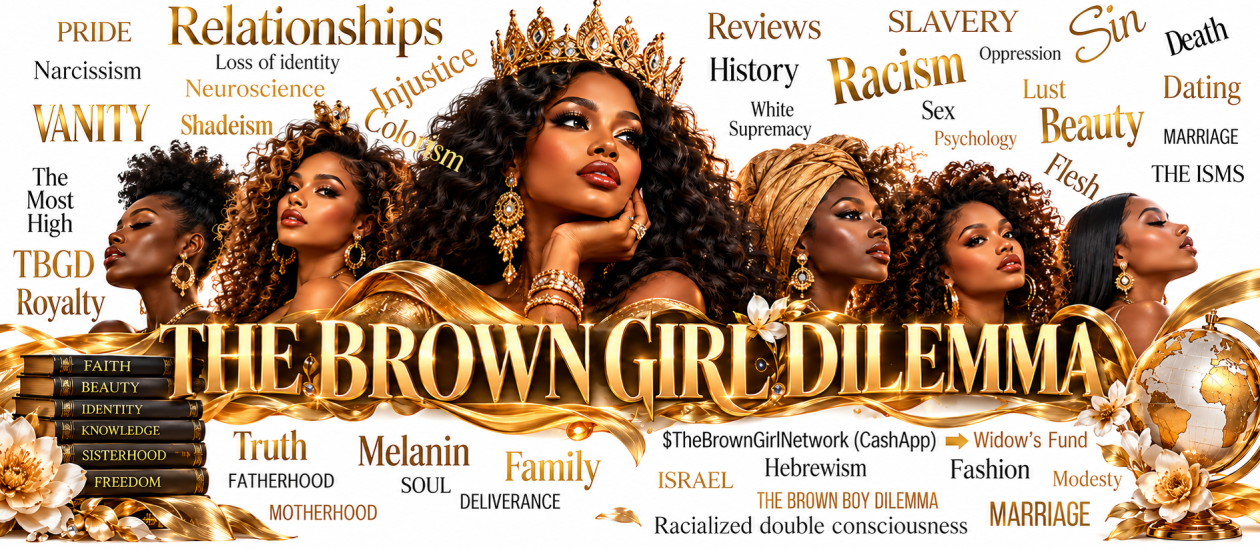


Envy between women is a complicated psychological and social phenomenon that deserves thoughtful examination. Although women are frequently encouraged to celebrate sisterhood, empowerment, and collective achievement, relationships between women can sometimes become complicated by comparison, competition, insecurity, and resentment. A woman’s beauty, intelligence, professional accomplishments, financial success, romantic relationship, or personal confidence may become a source of discomfort for someone who perceives her achievements as a reflection of her own shortcomings. Rather than appreciating another woman’s qualities, an envious individual may interpret her presence as a personal threat. This behavior reveals an important distinction between admiration and envy: admiration recognizes another person’s excellence, whereas envy may transform that excellence into a source of emotional dissatisfaction.
Social comparison theory, introduced by Festinger (1954), provides an important framework for understanding why individuals evaluate themselves in relation to others. People naturally compare their abilities, accomplishments, appearance, and social standing with those around them. Such comparisons can inspire personal development, but they can also produce feelings of inadequacy when individuals believe someone else possesses qualities they desire. Among women, these comparisons may involve physical beauty, complexion, body proportions, fashion, education, professional advancement, marriage, motherhood, or social recognition. The difficulty begins when another woman’s success is no longer viewed as inspiration but becomes evidence, in the observer’s mind, that she herself is somehow less valuable.
Physical beauty can become a particularly sensitive subject because society has historically attached social meaning to women’s appearance. Women are frequently evaluated according to standards involving facial features, complexion, hair texture, body shape, age, and presentation. These expectations can create environments in which women feel compelled to compete for recognition and validation. However, beauty is neither a limited resource nor an exclusive possession. One woman’s attractiveness does not diminish another woman’s attractiveness. A woman with dark skin does not diminish the beauty of a woman with lighter skin, and the reverse is equally true. Different complexions, facial structures, hair textures, and physical characteristics contribute to the remarkable diversity of human beauty. The inability to appreciate that diversity may reflect internalized beauty hierarchies and personal insecurity rather than any deficiency in the woman being envied.
Envy can also emerge when a woman experiences another woman’s accomplishments as an unwelcome reminder of her own unfulfilled ambitions. Consider a woman who earns an advanced degree, establishes a successful business, purchases a home, receives professional recognition, or develops a fulfilling marriage. Instead of celebrating these achievements, someone else may minimize her accomplishments, question how she obtained them, or suggest that she received opportunities through favoritism rather than ability. Such reactions can represent psychological attempts to reduce the perceived superiority of another person. Smith and Kim (2007) explain that envy involves an unpleasant emotional response associated with another person’s advantage. Importantly, envy does not always appear as open hostility. Sometimes it is expressed through backhanded compliments, subtle criticism, gossip, exclusion, or an unwillingness to acknowledge another woman’s achievements.
The relationship between self-esteem and envy is especially important. Individuals who possess a fragile sense of self-worth may become unusually sensitive to comparisons. When their identity depends heavily upon being considered the most attractive, successful, intelligent, or admired person in a particular environment, another woman’s accomplishments can feel threatening. This creates an exhausting psychological competition in which personal happiness depends upon maintaining an imagined position above someone else. Yet genuine confidence does not require superiority. A secure woman can recognize another woman’s beauty without questioning her own, applaud another woman’s success without feeling unsuccessful, and appreciate another woman’s marriage without believing that her own relationship has been diminished. Self-worth becomes healthier when it is grounded in personal values rather than constant external comparison.
Envy can also affect female friendships. A friendship should provide opportunities for encouragement, honesty, mutual respect, and emotional support. However, when competition enters the relationship, the friendship may become conditional. One woman may celebrate another’s accomplishments only when she believes her own achievements remain comparable. She may become distant when her friend receives attention, experiences romantic happiness, advances professionally, or improves her financial circumstances. In other situations, she may use private information shared in confidence as material for criticism or humiliation. These behaviors undermine trust and emotional intimacy. Healthy friendship does not require two women to possess identical lives, appearances, opportunities, or achievements. It requires the maturity to appreciate differences without turning them into reasons for resentment.
Media culture and digital platforms can intensify these comparisons. Social media exposes individuals to carefully selected images of beauty, luxury, travel, relationships, and professional achievement. Although these images may inspire, they can also encourage unrealistic comparisons because audiences rarely see the complete circumstances behind another person’s public presentation. A woman may compare her everyday life with someone else’s carefully curated highlights and conclude that she is falling behind. Research by Vogel et al. (2014) found associations between social media use, social comparison, and self-esteem. These findings help explain why constant exposure to other people’s apparent success can contribute to feelings of inadequacy. The solution is not to resent women who share their accomplishments but to develop a healthier relationship with comparison and recognize that another person’s progress does not determine one’s own potential.
There is also a cultural dimension to female envy that deserves attention. In societies where women’s opportunities have historically been restricted or where recognition has been distributed unequally, competition can become an unfortunate response to perceived scarcity. Women may be encouraged to compete for limited professional opportunities, social acceptance, romantic attention, or recognition of their beauty. These circumstances do not excuse cruelty or hostility, but they help explain why competition can become embedded in social relationships. Instead of directing resentment toward another woman, individuals can examine the structures and expectations that encourage women to view one another as rivals. Sisterhood becomes more meaningful when women advocate for equitable opportunities, acknowledge one another’s contributions, and reject the belief that another woman’s advancement must come at their own expense.
From a biblical perspective, envy is treated as a destructive disposition that interferes with love, humility, and spiritual maturity. Proverbs 14:30 states that a sound heart is the life of the flesh, while envy is associated with destructive consequences. Galatians 5:26 warns against provoking one another and envying one another. First Corinthians 13:4 teaches that love does not envy, while Romans 12:15 encourages believers to rejoice with those who rejoice. These principles offer a meaningful standard for relationships between women. A woman who sincerely practices love should be able to celebrate another woman’s blessings without attempting to diminish them. Spiritual maturity involves recognizing that another person’s beauty, success, marriage, or opportunities do not represent a personal loss. Gratitude and humility create room for appreciation rather than resentment.
Ultimately, a woman’s light should never require another woman to live in darkness. There is room for different kinds of beauty, intelligence, achievement, personality, and success. Women do not have to resemble one another, compete with one another, or measure their worth against one another to be valuable. A woman can be confident in her appearance while appreciating another woman’s elegance, accomplished in her profession while supporting another woman’s ambitions, and fulfilled in her relationship while celebrating someone else’s happiness. The ability to acknowledge excellence without hostility is a sign of emotional maturity. Rather than asking why another woman receives admiration, attention, or opportunity, it is far more productive to cultivate one’s own character, ambitions, and sense of fulfillment. A truly secure woman does not need another woman to become less beautiful, less successful, or less appreciated in order to recognize her own worth. Her light is not threatened by someone else’s brilliance.
References
Festinger, L. (1954). A theory of social comparison processes. Human Relations, 7(2), 117–140. https://doi.org/10.1177/001872675400700202
Smith, R. H., & Kim, S. H. (2007). Comprehending envy. Psychological Bulletin, 133(1), 46–64. https://doi.org/10.1037/0033-2909.133.1.46
Vogel, E. A., Rose, J. P., Roberts, L. R., & Eckles, K. (2014). Social comparison, social media, and self-esteem. Psychology of Popular Media Culture, 3(4), 206–222. https://doi.org/10.1037/ppm0000047
Biblical References
- Proverbs 14:30 — Envy and the importance of a peaceful heart.
- Galatians 5:26 — Avoiding provocation and envy.
- 1 Corinthians 13:4 — Love does not envy.
- Romans 12:15 — Rejoicing with those who rejoice.
- James 3:16 — The destructive consequences of envy and selfish ambition.
- Philippians 2:3–4 — Humility and consideration for others.
- Proverbs 31:30 — The enduring value of character over outward appearance.
Discover more from THE BROWN GIRL DILEMMA
Subscribe to get the latest posts sent to your email.