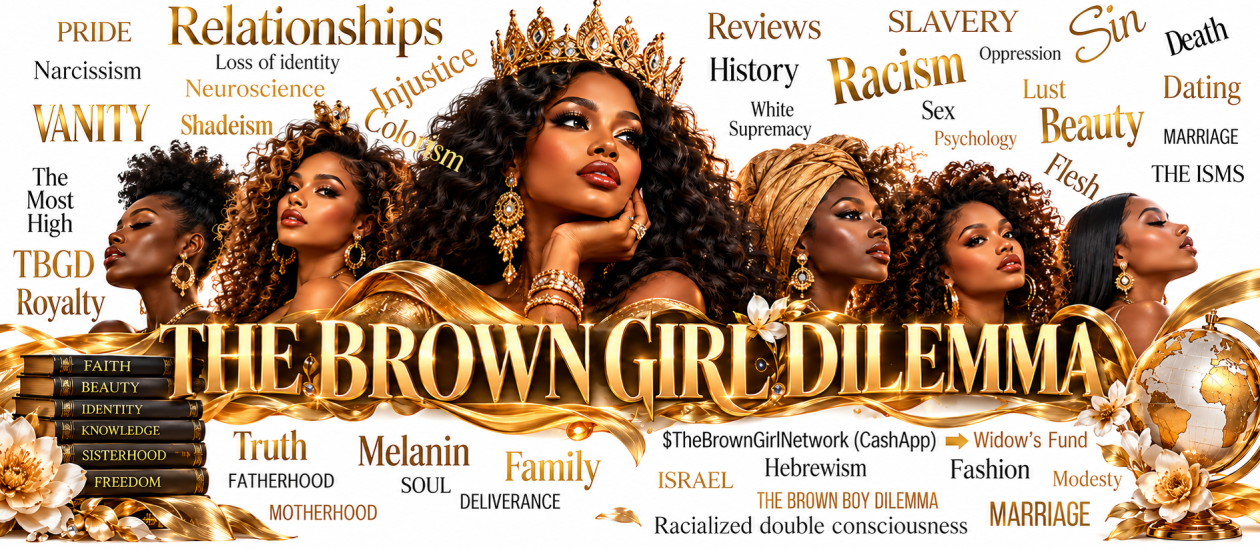


Black women deserve stories that begin with curiosity about who they are. Before a lesson is assigned to their lives, before their strength is celebrated or their beauty examined, there should be room to hear their voices. What does she want? What makes her laugh? What has she changed her mind about? A woman becomes more fully visible when her inner life matters as much as the role she plays for others.
There are stories of Black women that deserve to be told because they reveal injustice, and others that deserve telling simply because they reveal a life. A woman opening a business, falling in love, learning to swim, enjoying an afternoon alone, or beginning again at sixty does not need an extraordinary explanation to be interesting. The possibilities expand when Black women are allowed the same complexity, ordinary pleasures, contradictions, and unfinished questions that make any human story worth following.
The Black Woman Who Needs Gentleness, Too
A Black woman may be dependable, capable, and courageous while still needing someone to speak softly to her. She may know how to manage a crisis and wish she did not always have to manage it alone. Her competence tells us what she can do; it does not tell us how much she can carry without care. Gentleness becomes possible when the people around her stop treating her abilities as evidence that she has no needs.
Research on the Strong Black Woman stereotype examines the pressure to appear self-reliant, suppress emotion, and remain available to others. These expectations can complicate how distress is expressed and whether support is sought. Strength can be meaningful to a woman’s identity, but the expectation of constant strength can also make vulnerability feel costly. Understanding that distinction gives writers, families, and communities a more thoughtful way to recognize her experience. Wiley Online Library
The stories worth telling include the woman who receives care without first collapsing. Someone notices her hesitation, asks a sincere question, and stays long enough to hear the answer. A husband learns what comforts her. A friend offers help without making her feel indebted. These moments give tenderness a visible place in Black women’s lives and remind us that being cared for belongs in the story from the beginning.
Qualified, Overlooked, and Still Becoming
There is a particular frustration in preparing thoroughly for an opportunity and discovering that preparation does not guarantee fair consideration. A Black woman may arrive with experience, education, sound judgment, and a record of doing the work, yet still find herself explaining qualifications that others are permitted to assume. Her professional story deserves enough detail to show both her ability and the conditions under which that ability is judged.
The barriers are larger than individual confidence. McKinsey and LeanIn.Org’s Women in the Workplace 2025 report describes persistent gaps in advancement, including obstacles at the first promotion to management and uneven access to career support. Such findings challenge the idea that women can resolve every professional setback by becoming more polished or working harder. Organizations also shape opportunity through whom they recommend, sponsor, train, and trust. McKinsey
Still becoming should leave room for development without implying that a woman is currently insufficient. She can learn a new skill while already deserving fair pay. She can reconsider her career while remaining proud of her experience. A thoughtful story follows what she builds, questions, and chooses; it also allows her to recognize when an institution has failed her. Growth has greater meaning when it is connected to her own aspirations rather than an endless demand to prove her worth.
Visible on the Screen, Missing from the Story
A Black woman can appear in nearly every scene and still have little life of her own. She may advise the main character, deliver the funniest line, settle the argument, or provide the emotional wisdom that moves everyone else forward. Yet viewers may learn almost nothing about her desires. Her presence fills the screen while the story withholds the curiosity that would make her a complete person.
Research from USC Annenberg’s Inclusion Initiative documents continuing gaps in film representation. Its analysis of the top films of 2023 found that 39 did not include a Black girl or woman with a speaking role. Those absences matter, and they also invite another question: when Black women do appear, how much narrative space do they receive? Counting who is present provides one measure; examining whose choices shape the plot provides another. USC Annenberg
Imagine giving the familiar supporting character a scene after everyone else has gone home. What does she do when she no longer has an audience to entertain or a problem to solve? Perhaps she practices a speech, calls someone she misses, or sits quietly with a decision she has postponed. A few carefully observed moments can establish that her life continues beyond her usefulness to the other characters.
There Is More Than One Way to Be a Black Woman
No single personality, complexion, hairstyle, accent, profession, or family arrangement can contain Black womanhood. A quiet woman and an outspoken woman may both feel deeply connected to their identities. So may women whose interests, beliefs, and ambitions differ sharply. Representation becomes more honest when these differences are treated as part of the story rather than evidence that someone belongs less fully.
Even affectionate expectations can become restrictive. Calling Black women naturally nurturing, endlessly resilient, or universally confident may sound complimentary, but it can leave little room for those who feel differently. A woman should be able to admit that she dislikes being the center of attention, does not want children, loves solitude, or needs encouragement without having her identity questioned. The freedom to define herself includes the freedom to surprise people.
That freedom also changes how Black women relate to one another. Sisterhood can make space for disagreement, different circumstances, and different ways of living. One woman’s marriage does not diminish another woman’s single life; one woman’s ambition does not make another woman’s quieter priorities unworthy. Stories that allow women to differ without turning them into rivals offer a richer understanding of connection.
Admired, but Are We Understood?
Admiration can be sincere and still remain shallow. Someone may notice a Black woman’s appearance, style, or confidence without learning what matters to her. Compliments can open a conversation, but understanding requires attention beyond the first impression. It asks whether the person offering praise is also willing to listen when she speaks about something less immediately pleasing or easy to understand.
Beauty deserves its place in the story. Black women should be able to enjoy fashion, take pride in their appearance, and receive admiration without having their intelligence placed in doubt. The problem arises when appearance becomes the only subject anyone wishes to discuss. A beautiful woman may also be observant, technically skilled, politically thoughtful, spiritually serious, or wonderfully funny. Each quality deserves the chance to emerge through her words and actions.
Understanding develops through specific attention: remembering what she said, respecting a boundary, asking about her work, and accepting an answer that challenges an assumption. In fiction and in everyday life, these acts reveal the difference between enjoying an image and knowing a person. The most compelling admiration grows more informed over time, making room for the woman to become clearer rather than requiring her to remain an ideal.
Making Room for Pleasure, Rest, and Beautiful Things
Black women deserve stories in which pleasure has texture and time. A woman eats an ice cream cone on a downtown bench, chooses earrings for an evening out, dances in her kitchen, or laughs with someone who delights in her company. Such scenes can reveal taste, personality, intimacy, and imagination. Joy gives the reader another way to know her, one that does not depend on witnessing her endure something painful.
Rest deserves equally thoughtful treatment. A quiet afternoon can reveal how a woman experiences privacy, how she inhabits her home, or what happens when she has time to notice her own thoughts. It is also necessary to acknowledge that access to rest is shaped by work, caregiving, money, and practical support. Stories gain depth when they recognize those conditions while still allowing ease to be something a woman may desire and receive.
The stories Black women deserve to tell are expansive enough to hold all these experiences together. A woman can face discrimination, cherish her faith, love beautiful clothes, pursue meaningful work, and enjoy being tenderly loved. None of those details has to cancel the others. Give her decisions that matter, relationships that develop, and a voice that carries beyond a single lesson. Then let her life unfold with the fullness it deserves.
References
- American Psychological Association. (2021). Effective therapy with Black women.
- McKinsey & Company & LeanIn.Org. (2025). Women in the Workplace 2025.
- 25 years of psychology research on the “strong black woman.” (2022). Social and Personality Psychology Compass. https://doi.org/10.1111/spc3.12705.
- USC Annenberg School for Communication and Journalism. (2024). Entertainment industry contraction affects inclusion.
Discover more from THE BROWN GIRL DILEMMA
Subscribe to get the latest posts sent to your email.