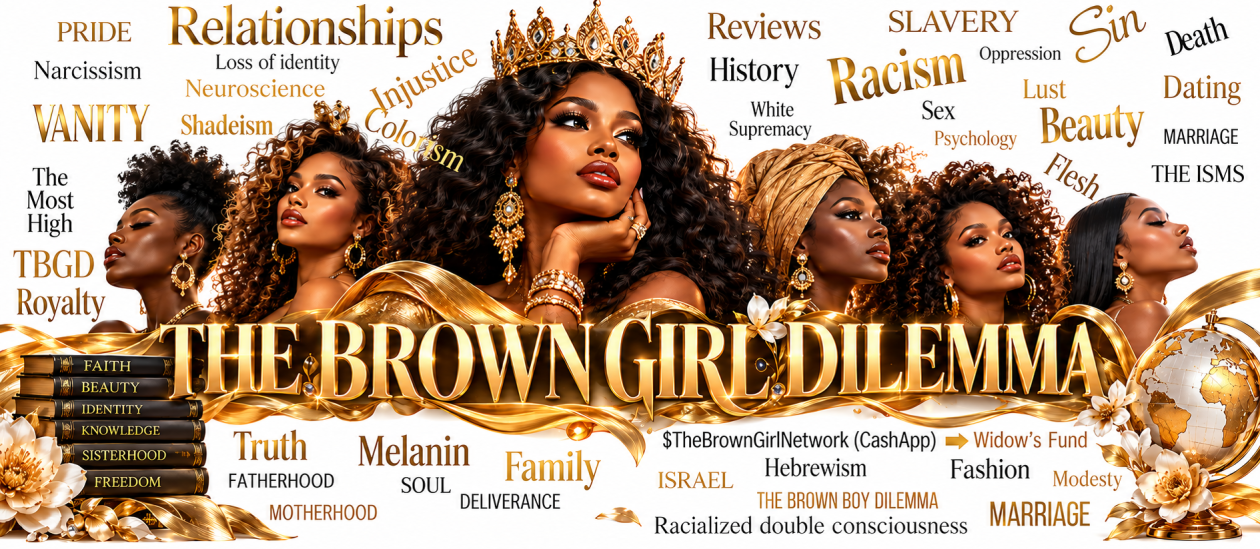
Velvet Skin, Invisible Tears

The surface of brown skin often evokes admiration, yet beneath the sheen lies untold sorrow. Society has historically fetishized or marginalized brownness, leaving many brown girls to navigate spaces where their pain is invisible. The softness of their skin is lauded, but the struggles behind their smiles remain unacknowledged. This duality—admired outwardly yet unseen inwardly—creates a silent tension, fostering resilience in some and quiet despair in others. Understanding this layered existence is crucial to recognizing the humanity of brown girls beyond aesthetic appeal.
Golden Melanin, Bruised Spirit

Melanin-rich skin is a source of natural beauty and pride, yet brown girls often experience the weight of historical and contemporary oppression. Colorism, systemic racism, and microaggressions inflict invisible wounds on their spirits, challenging their sense of self-worth. The physical radiance of their skin does not shield them from societal bruises, making their inner lives complex and frequently overlooked. Scholars like Hunter (2007) emphasize that colorism operates as both a social and psychological burden on women of African descent. Brown girls embody endurance, navigating spaces that simultaneously admire and diminish them.
A Love Letter to Forgotten Brown Girls

This essay serves as a tribute to brown girls whose voices are often muted by societal structures. Many grow up feeling unseen or undervalued, their contributions overlooked despite their innate strength and intelligence. Writing a love letter to them affirms their existence, validates their struggles, and celebrates their resilience. It acknowledges the histories of neglect while offering hope that recognition and affirmation are possible. By centering their stories, we confront a culture that too often prioritizes whiteness as the standard of worth.
Cocoa Skin and Closed Doors

Brown girls frequently encounter structural barriers in education, employment, and social mobility. The beauty of their cocoa-toned skin is insufficient to guarantee equal opportunity, as prejudice and systemic exclusion persist. These closed doors serve as stark reminders that physical appearance alone does not confer privilege or protection. Studies indicate that women with darker skin tones often face higher unemployment rates and lower earnings, highlighting the intersection of race, gender, and socioeconomic barriers (Keith & Herring, 1991). Brown girls navigate these challenges with determination, often carrying the weight of generational inequities.
She Carried Suns Inside Her

Despite external pressures, brown girls often harbor inner light and creative energy that fuels their perseverance. Their “suns” symbolize warmth, resilience, and the capacity to illuminate spaces that otherwise dismiss them. This internal radiance serves as both a coping mechanism and a means of self-affirmation, allowing them to thrive despite societal neglect. Such inner strength is often cultivated through cultural memory, spiritual practice, and community support. Recognizing these internal suns honors the often-unseen vitality that brown girls embody.
Brown Eyes, Heavy Skies

Brown eyes reflect both beauty and the weight of lived experience, a metaphor for the complex reality of brown girlhood. The “heavy skies” illustrate burdens carried, from racial microaggressions to familial and societal expectations. These pressures can contribute to mental health challenges, including anxiety and depression, which remain stigmatized in many communities. Yet, brown girls often transform these burdens into sources of wisdom, empathy, and resilience. Their gaze, reflective and discerning, speaks to generations of survival and endurance.
The Color of Endurance

Brown skin has historically symbolized both heritage and struggle, yet it is also emblematic of resilience. Endurance emerges from navigating discrimination, colorism, and systemic barriers while maintaining self-respect and dignity. Psychologists have highlighted the mental and emotional toll of these experiences, emphasizing the need for social and institutional support (Sellers et al., 2003). In celebrating endurance, we acknowledge the persistence and fortitude required for brown girls to claim their rightful place in society.
Her Skin Was Never the Problem

Society often misattributes social or economic marginalization to physical appearance, unfairly casting brown skin as a liability. In reality, systemic factors such as racism, sexism, and classism drive these inequities. Brown girls bear the weight of this misperception, forced to navigate prejudice while asserting their identity. Recognizing that her skin is not the problem shifts focus toward the societal structures that oppress her. This reorientation fosters self-acceptance and encourages a critique of external biases.
Beautiful in a World That Refused to See Her

Brown girls often grow up in environments that fail to celebrate their beauty and humanity fully. They confront standards that privilege lighter skin, European features, and Western ideals of attractiveness. Yet, their intrinsic beauty persists, demanding acknowledgment through scholarship, art, and representation. By foregrounding their aesthetic and cultural significance, society can begin to correct centuries of invisibility and misrepresentation (Russell-Cole et al., 2013). Recognizing their beauty is a radical act of affirmation in a world resistant to seeing them.
Navigating Dual Perceptions
Brown girls must reconcile admiration for their beauty with the prejudice associated with it. They exist in a dual reality where their presence is simultaneously celebrated and devalued. This constant negotiation fosters nuanced social skills but also imposes emotional labor. Educators and policymakers must understand these dynamics to create spaces that nurture rather than exploit brown girls. Awareness of dual perceptions helps cultivate empathy and effective support systems.
Cultural Memory and Identity Formation
Brown girls inherit histories of resilience, oppression, and triumph that shape their identity. Cultural memory, transmitted through storytelling, rituals, and communal practices, informs their sense of self and belonging. This heritage provides strength, yet it also carries the weight of generational trauma. Understanding the interplay between historical memory and contemporary identity is crucial in supporting brown girls’ holistic development.
The Psychological Toll of Invisibility
Invisibility, whether in media, education, or leadership spaces, exacts a psychological toll on brown girls. Chronic underrepresentation can contribute to feelings of inadequacy and diminished self-esteem. Mental health interventions must recognize these unique experiences and provide culturally sensitive support (Banks et al., 2006). Addressing invisibility not only affirms identity but also mitigates long-term psychological harm.
Colorism Within Communities
Brown girls face a paradoxical challenge: colorism exists not only externally but within their own communities. Preference for lighter skin can manifest in social hierarchies, romantic rejection, or familial bias. This internalized prejudice compounds external discrimination, making self-love both necessary and radical. Awareness of colorism’s intracommunity effects allows brown girls to cultivate resilience while challenging harmful norms.
Spiritual Resilience and Faith
Many brown girls draw strength from spiritual practice and faith traditions. Prayer, meditation, and religious community provide frameworks for understanding suffering, finding purpose, and maintaining hope. Spiritual resilience acts as a protective factor, buffering against systemic oppression and emotional strain (Mattis, 2002). By cultivating faith, brown girls reinforce their internal suns and sustain their endurance.
Creative Expression as Healing
Art, literature, and performance serve as vital outlets for brown girls to process pain and celebrate identity. Creative expression transforms invisibility into visibility, giving voice to experiences often dismissed. Studies show that engagement with the arts supports mental health and fosters self-efficacy among marginalized youth (Catterall et al., 1999). In creating, brown girls reclaim narrative authority and assert cultural presence.
Rewriting Narratives
Brown girls challenge dominant narratives that misrepresent or erase their existence. By telling their own stories, they disrupt stereotypes and offer alternative visions of beauty, strength, and intelligence. Media representation, scholarship, and activism serve as platforms for narrative reclamation. These efforts contribute to societal change while empowering brown girls to see themselves as agents of transformation.
The Role of Mentorship
Mentorship and role models play a critical role in affirming the worth of brown girls. Seeing successful individuals who share their experiences fosters ambition and resilience. Programs focused on mentoring marginalized youth demonstrate positive outcomes in education, self-esteem, and leadership (Rhodes et al., 2006). Access to mentorship creates a generational ripple effect, cultivating empowerment and opportunity.
Community as a Sanctuary
Brown girls thrive when supported by strong community networks that validate their experiences. Safe spaces provide emotional support, cultural affirmation, and guidance through systemic challenges. Community also offers opportunities for intergenerational learning and collective healing. These networks act as buffers against the isolation imposed by broader societal invisibility.
Advocacy and Social Change
Advocacy initiatives focusing on racial equity, anti-colorism, and inclusive representation are critical for the well-being of brown girls. Policy reform, educational programs, and media representation must work in tandem to dismantle barriers. By engaging in advocacy, brown girls participate in shaping a society that honors their full humanity. Their voices become catalysts for systemic transformation.
Legacy of the Brown Girl Beneath the Bronze

The experiences of brown girls form a legacy of resilience, creativity, and spiritual strength. Despite historical marginalization, their contributions shape culture, community, and identity across generations. Recognizing this legacy allows society to honor their enduring influence while addressing ongoing inequities. In celebrating the brown girl beneath the bronze, we affirm that her beauty, intellect, and spirit are inseparable from her history and potential.
References
Banks, K. H., Kohn-Wood, L. P., & Spencer, M. B. (2006). An examination of the African American experience of everyday discrimination and symptoms of psychological distress. Community Mental Health Journal, 42(6), 555–570.
Catterall, J. S., Chap
Discover more from THE BROWN GIRL DILEMMA
Subscribe to get the latest posts sent to your email.