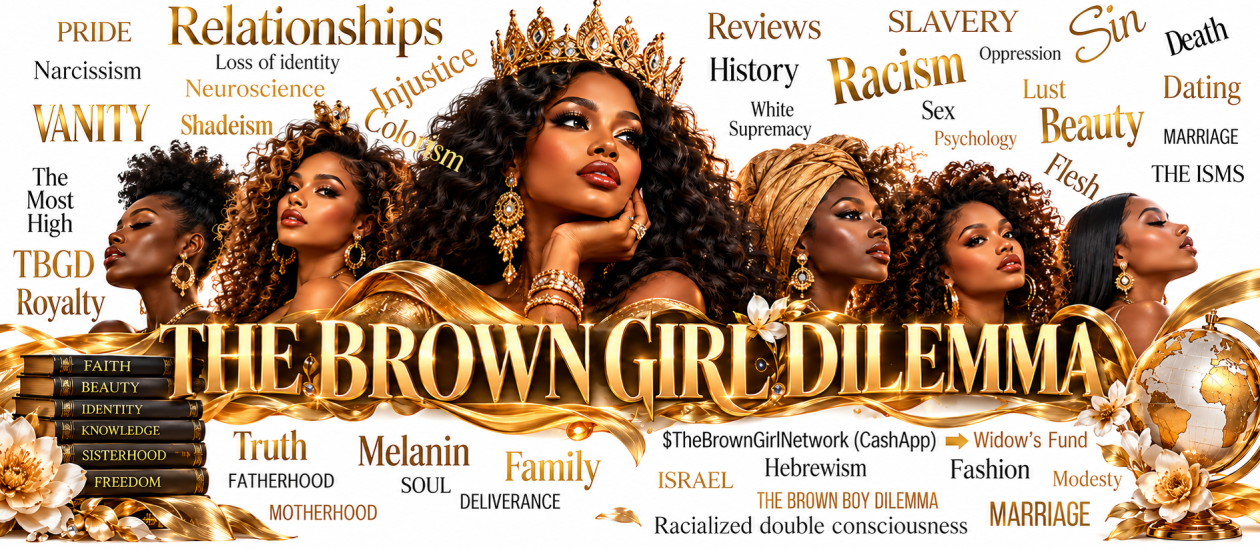

Physical attractiveness has long shaped the way people are treated in society. From classrooms to workplaces, from dating to social media, beauty often functions like an invisible currency. The phrase “pretty privilege” describes the advantages people receive because they are perceived as attractive according to societal standards. While many people resist admitting it exists, decades of psychological and sociological research suggest that appearance significantly affects human interaction and opportunity.
Pretty privilege begins early in life. Studies have shown that teachers may unconsciously perceive attractive children as more intelligent, capable, and socially gifted than their peers. These assumptions can influence grading, discipline, encouragement, and expectations. Children who receive more positive reinforcement often develop stronger self-esteem and confidence, creating a cycle where appearance affects emotional and academic development.
In adulthood, the effects become even more visible. Attractive individuals are often viewed as more trustworthy, competent, and likable. Researchers call this the “halo effect,” a cognitive bias where one positive trait—such as beauty—causes people to assume the presence of other positive characteristics. This phenomenon affects hiring decisions, salary negotiations, leadership opportunities, and interpersonal relationships.
Social media has intensified privilege in unprecedented ways. Platforms built around visual content reward beauty with attention, validation, sponsorships, and influence. Algorithms frequently amplify conventionally attractive faces, creating an economy where appearance can translate directly into money, fame, and social power. The rise of influencers has blurred the line between beauty and social status.
Beauty standards, however, are not neutral. They are deeply connected to race, class, gender, age, and colorism. Throughout history, Western beauty ideals often centered Eurocentric features such as lighter skin, straighter hair, narrow noses, and thinner body types. These standards marginalized many Black women and women of color, particularly darker-skinned women whose natural features were excluded from mainstream representation.
Colorism remains one of the most painful dimensions of pretty privilege within communities of color. Lighter skin has historically been associated with desirability, softness, and femininity, while darker skin has often been unfairly stigmatized. This hierarchy traces back to slavery, colonialism, and systemic racism, where proximity to whiteness was rewarded socially and economically. The emotional effects of these biases continue across generations.
The entertainment industry has played a major role in reinforcing these standards. For decades, Hollywood frequently cast lighter-skinned actresses or women with Eurocentric features as romantic leads, while darker-skinned women were often overlooked or stereotyped. Although representation has improved through figures such as Lupita Nyong’o and Viola Davis, many conversations about visibility and beauty inequality remain unresolved.
Pretty privilege also impacts men, though it often manifests differently. Attractive men are frequently perceived as more charismatic, successful, and authoritative. Height, facial symmetry, muscularity, and grooming can affect how men are treated professionally and romantically. Yet societal expectations also pressure men to suppress insecurity surrounding appearance, making honest discussions about beauty standards more difficult.
The psychological impact of pretty privilege extends beyond those who benefit from it. Many individuals who feel excluded from dominant beauty standards experience lower self-esteem, anxiety, depression, body dysmorphia, or social isolation. Constant exposure to curated online beauty can distort reality, making ordinary people feel inadequate compared to digitally enhanced images and filtered perfection.
Cosmetic industries profit heavily from insecurity. Billions of dollars are spent each year on makeup, skincare, cosmetic surgery, weight-loss products, hair treatments, and anti-aging procedures. While self-care and beauty practices are not inherently harmful, problems arise when worth becomes tied to appearance. Society often teaches people, especially women, that beauty determines value, desirability, and success.
There is also a racialized dimension to desirability politics in dating culture. Studies on dating apps consistently show disparities in matches and messaging patterns linked to race and appearance. Black women, particularly dark-skinned Black women, frequently face discrimination rooted in stereotypes and colorist assumptions. These experiences reveal how beauty standards intersect with systemic prejudice.
Pretty privilege can create complicated emotions even for those who benefit from it. Attractive individuals may struggle with being objectified, sexualized, underestimated intellectually, or valued only for their appearance. Some feel pressure to maintain perfection at all times, fearing rejection if their looks change due to aging, illness, or weight fluctuation. Beauty can open doors, but it can also become a prison of expectation.
Aging exposes another harsh truth about appearance-centered societies. Youth is often treated as the highest form of beauty, particularly for women. As people age, they may experience invisibility in industries, relationships, and media spaces that prioritize youthful aesthetics. This obsession fuels anti-aging marketing and reinforces unrealistic expectations about natural human development.
The rise of cosmetic surgery reflects growing dissatisfaction with natural appearance. Procedures once associated primarily with celebrities are now common among everyday individuals seeking social acceptance or competitive advantage. Filters and editing apps have even contributed to what psychologists call “Snapchat dysmorphia,” where people seek surgery to resemble altered digital versions of themselves.
Despite the reality of pretty privilege, beauty itself is subjective and culturally constructed. Standards evolve across time periods and societies. Features celebrated in one culture may not hold the same value in another. Understanding this fluidity helps dismantle the illusion that beauty standards are objective truths rather than social inventions shaped by power structures and media influence.
Inner character remains one of the most enduring forms of attractiveness. Kindness, wisdom, integrity, compassion, humility, and emotional intelligence create connections deeper than physical appearance alone. While outward beauty may attract attention, inner qualities sustain relationships, trust, and legacy. Many people eventually discover that physical attraction without character leads to disappointment.
The Bible repeatedly emphasizes the importance of the heart over outward appearance. In the Holy Bible, 1 Samuel 16:7 states that humanity looks on the outward appearance, but the Lord looks on the heart. This scripture challenges cultures obsessed with surface-level beauty and reminds believers that spiritual character carries eternal significance beyond temporary aesthetics.
Conversations about pretty privilege should not become opportunities for bitterness or shame. Rather, they should encourage awareness about unconscious bias and unfair treatment. Recognizing privilege allows society to examine how people are rewarded or marginalized based on appearance. Greater awareness can promote empathy, fairness, and more inclusive definitions of beauty.
Representation matters deeply in dismantling harmful beauty hierarchies. When the media showcases diverse skin tones, hair textures, body types, facial features, and ages, people gain healthier perspectives about human beauty. Visibility can help young people feel seen rather than erased by narrow standards that exclude their natural features and identities.
Ultimately, pretty privilege reveals something profound about human society: people are often judged long before they are understood. Yet true worth cannot be fully measured by symmetry, skin tone, popularity, or desirability. Beauty fades, trends change, and public opinion shifts. Character, faith, compassion, wisdom, and authenticity endure far longer than the temporary rewards of appearance.
References
Dion, K., Berscheid, E., & Walster, E. (1972). What is beautiful is good. Journal of Personality and Social Psychology, 24(3), 285–290.
Etcoff, N. (1999). Survival of the prettiest: The science of beauty. Anchor Books.
Hall, R. E. (2018). The bleaching syndrome: African Americans’ response to cultural domination vis-à-vis skin color. Routledge.
Hunter, M. (2007). The persistent problem of colorism: Skin tone, status, and inequality. Sociology Compass, 1(1), 237–254.
Langlois, J. H., et al. (2000). Maxims or myths of beauty? A meta-analytic review. Psychological Bulletin, 126(3), 390–423.
Patton, T. O. (2006). Hey girl, am I more than my hair? African American women and beauty. NWSA Journal, 18(2), 24–51.
Rhode, D. L. (2010). The beauty bias: The injustice of appearance in life and law. Oxford University Press.
Wade, L., & Tavris, C. (2017). Psychology. Pearson.
Wolf, N. (1991). The beauty myth: How images of beauty are used against women. Harper Perennial.
Discover more from THE BROWN GIRL DILEMMA
Subscribe to get the latest posts sent to your email.