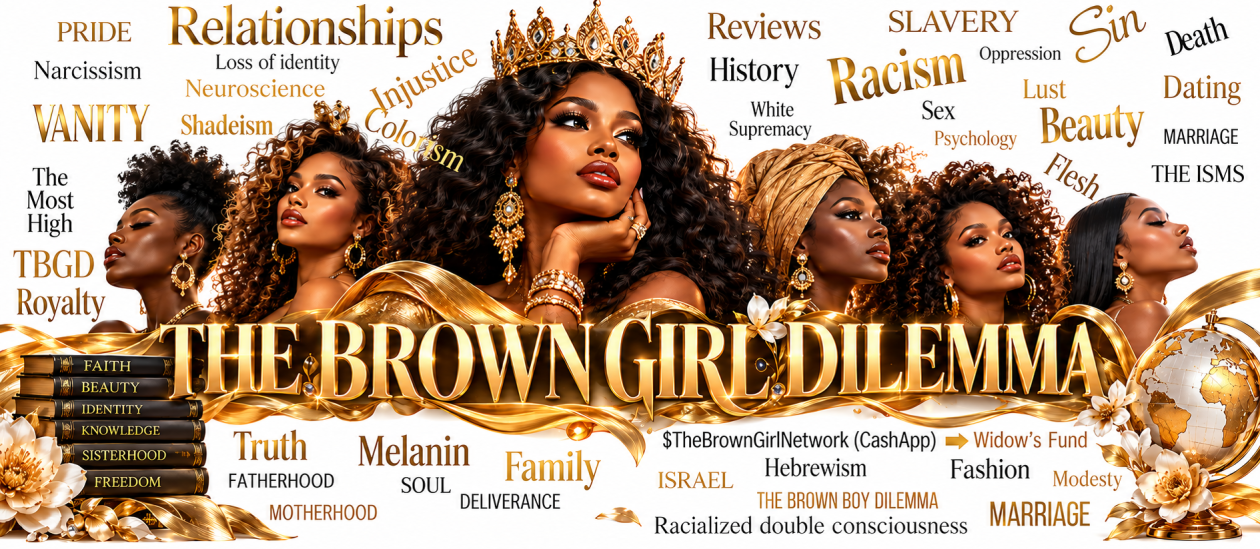

The concept of beauty has long been shaped by cultural narratives, historical power structures, and evolving aesthetic standards. Yet across continents and centuries, a recurring archetype emerges—one rooted in warm, goldish-brown skin tones that radiate vitality, depth, and balance. This hue, often found within diverse populations of African descent, reflects a harmony of undertones that visually embody richness, warmth, and life itself. It is not merely a color, but a symbolic convergence of biology, environment, and cultural identity.
From a scientific standpoint, melanin plays a central role in determining skin tone, particularly eumelanin, which produces brown to black pigmentation. Individuals with a goldish-brown hue often possess a balanced distribution of melanin that interacts with light in a way that creates a luminous effect. Studies in dermatology and visual perception suggest that even skin tone, combined with subtle warmth, is frequently perceived as healthy and attractive across cultures (Fink & Neave, 2005). This biological foundation contributes to the universal appeal of this complexion.
Historically, African civilizations revered deeper and warmer skin tones as symbols of fertility, strength, and divine favor. In ancient Kemet (Egypt), for example, depictions of people often included rich brown and gold undertones, emphasizing both realism and spiritual symbolism. Gold itself was associated with the divine, eternity, and the flesh of the gods. Thus, the goldish-brown hue was not only natural but sacred, linking human beauty to celestial identity.
In contrast, colonialism and Eurocentric beauty standards disrupted these indigenous perceptions, elevating lighter skin tones as the ideal. This shift created a hierarchy of colorism that marginalized deeper and warmer complexions. However, despite centuries of imposed standards, the goldish-brown hue has persisted as a quiet yet powerful archetype—resilient, radiant, and deeply rooted in ancestral identity. Modern movements are now reclaiming and celebrating this standard as both authentic and empowering.
Psychologically, color theory suggests that warm tones—particularly those resembling gold, amber, and bronze—evoke feelings of comfort, luxury, and vitality (Elliot & Maier, 2014). When applied to human skin, these tones can subconsciously signal health, warmth, and approachability. This may explain why individuals with goldish-brown complexions are often perceived as glowing or “sun-kissed,” even in the absence of artificial enhancement.
In media and popular culture, representation of this hue has grown significantly, though not without challenges. Celebrities, models, and public figures who embody this complexion have begun to redefine beauty standards, shifting the narrative toward inclusivity and authenticity. Their visibility challenges long-standing biases and introduces a broader, more accurate spectrum of beauty that resonates globally.
From a theological perspective, one could argue that the diversity of skin tones reflects divine creativity. Scriptural interpretations often emphasize that humanity was created in the image of God (Genesis 1:27, KJV), suggesting that all variations of human appearance carry inherent dignity and purpose. The goldish-brown hue, in this context, becomes not only aesthetically pleasing but spiritually meaningful—a reflection of divine artistry.
Genetically, populations originating from equatorial regions developed higher melanin levels as a natural adaptation to ultraviolet radiation. This adaptation not only protects against sun damage but also contributes to the rich spectrum of brown tones observed today (Jablonski & Chaplin, 2010). The goldish undertone, therefore, is not incidental—it is the result of evolutionary precision, shaped by environment and survival.
In contemporary beauty discourse, there is a growing appreciation for undertones rather than just surface color. The goldish-brown hue stands out because of its multidimensional quality—it shifts under different lighting, revealing layers of bronze, honey, and amber. This dynamic nature enhances visual interest and contributes to its classification as an archetype of beauty, rather than a static standard.
Ultimately, the goldish-brown hue represents more than aesthetics; it embodies history, science, resilience, and identity. As global perspectives continue to evolve, this complexion is increasingly recognized not as an alternative standard, but as a central expression of beauty itself. In reclaiming and celebrating this archetype, society moves closer to a more holistic and truthful understanding of what it means to be beautiful.
References
Elliot, A. J., & Maier, M. A. (2014). Color psychology: Effects of perceiving color on psychological functioning in humans. Annual Review of Psychology, 65, 95–120. https://doi.org/10.1146/annurev-psych-010213-115035
Fink, B., & Neave, N. (2005). The biology of facial beauty. International Journal of Cosmetic Science, 27(6), 317–325. https://doi.org/10.1111/j.1467-2494.2005.00286.x
Jablonski, N. G., & Chaplin, G. (2010). Human skin pigmentation as an adaptation to UV radiation. Proceedings of the National Academy of Sciences, 107(Supplement 2), 8962–8968. https://doi.org/10.1073/pnas.0914628107
The Holy Bible, King James Version. (1611). Genesis 1:27.
Discover more from THE BROWN GIRL DILEMMA
Subscribe to get the latest posts sent to your email.