
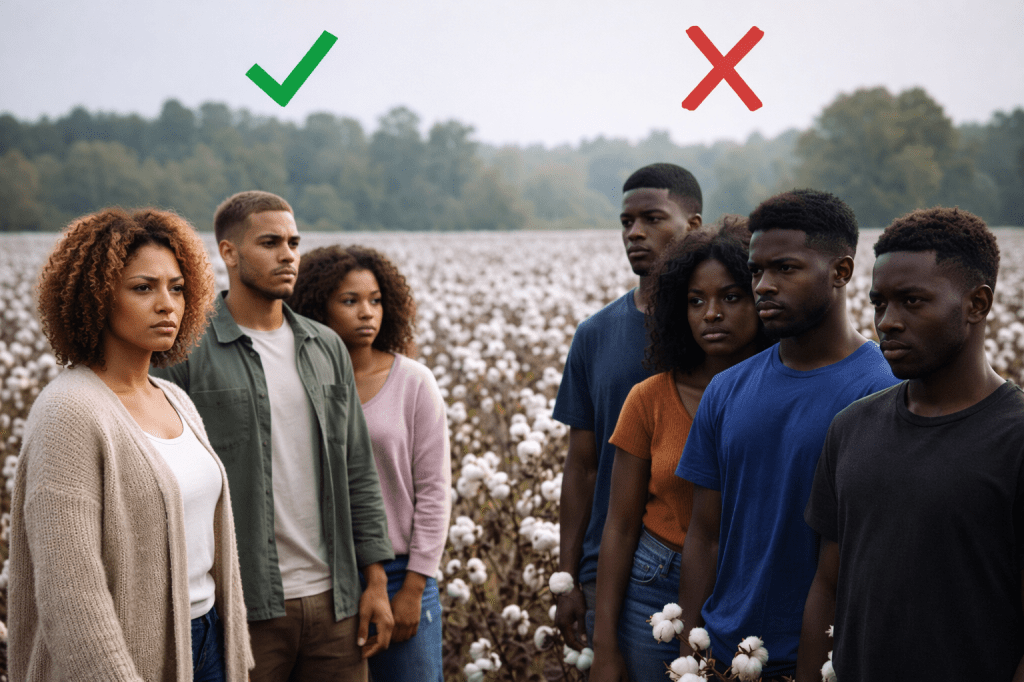
Colorism is a deeply rooted social phenomenon that continues to shape perceptions of beauty, worth, and opportunity within racial and ethnic communities. Unlike racism, which primarily operates across racial lines, colorism is the preferential treatment of lighter-skinned individuals over darker-skinned individuals within the same racial or ethnic group. It is a subtle yet pervasive force that influences personal identity, social mobility, and cultural norms.
The term “colorism” was popularized by Alice Walker in the 1980s, though the phenomenon existed long before it had a name. Walker defined it as a form of prejudice or discrimination in which people are treated differently based on the social meanings attached to skin color. Her work drew attention to the complex ways in which intra-racial discrimination intersects with historical oppression.
Colorism is sometimes referred to by other names, including “shadeism,” “toneism,” and “skin tone bias.” Each term highlights the focus on skin color rather than racial categorization, emphasizing the internalized hierarchies that exist within communities. These labels help distinguish colorism from broader racial prejudice.
While racism involves power dynamics between different racial groups, colorism operates primarily within racial communities, privileging lighter skin over darker skin. It often aligns with Eurocentric standards of beauty and social value, elevating those whose appearance more closely resembles the historically dominant group. This intra-racial discrimination can lead to unequal treatment in employment, relationships, and media representation.
The origins of colorism are deeply intertwined with colonialism, slavery, and the historical imposition of European standards. In the Americas, enslaved Africans were often subjected to differential treatment based on skin tone, with lighter-skinned individuals sometimes receiving preferential roles or treatment due to mixed ancestry with white enslavers. This historical precedent laid the groundwork for modern color hierarchies.
Colorism is reinforced by media and cultural representation. Television, film, advertising, and beauty industries often prioritize lighter-skinned models and actors, equating light skin with beauty, success, and desirability. This reinforces the perception that darker skin is less valuable, perpetuating social and psychological inequality.
Within families, colorism can manifest in preferential treatment of lighter-skinned children. Praise, attention, and expectations may be skewed toward those with lighter complexions, while darker-skinned siblings are subtly or overtly marginalized. These patterns of bias create internalized hierarchies from an early age.
Economic and professional opportunities are also affected by colorism. Studies show that lighter-skinned individuals often earn higher wages, experience fewer workplace biases, and receive more favorable treatment in professional settings than darker-skinned peers. This economic disparity illustrates how colorism extends beyond aesthetics to tangible social consequences.
Colorism intersects with gender, often compounding disadvantage for darker-skinned women. Historically, European beauty ideals equated lighter skin with femininity and desirability, marginalizing women whose appearance did not align with these norms. The pressure to conform to Eurocentric beauty standards has long-lasting social and psychological implications.
Educational opportunities have historically been influenced by colorism. In some communities, lighter-skinned individuals were prioritized for schooling or professional training, reflecting entrenched societal hierarchies that valorized proximity to whiteness. These disparities contributed to cycles of privilege and marginalization.
The perpetuation of colorism is often subtle and implicit, making it difficult to challenge. Compliments, social preferences, and assumptions about intelligence or behavior can all be influenced by skin tone. While often framed as benign or accidental, these biases accumulate over a lifetime to reinforce social inequality.
Colorism also shapes interpersonal relationships, influencing dating and marriage preferences. Lighter-skinned individuals are often deemed more desirable partners, while darker-skinned individuals may face stigma or reduced romantic opportunities. These biases reinforce the notion that worth and attractiveness are correlated with skin tone.
Global perspectives reveal that colorism is not confined to the United States or the African diaspora. Across Asia, Latin America, and the Caribbean, lighter skin is often associated with higher social status, wealth, and beauty. The global nature of colorism underscores its roots in historical power dynamics and colonization.
Education and awareness are critical in addressing colorism. Scholars, activists, and cultural commentators work to expose the ways color hierarchies are maintained and internalized. By naming and examining the phenomenon, communities can begin to challenge ingrained biases and foster more equitable social norms.
Toni Morrison, the acclaimed novelist, addressed colorism in her works, particularly in The Bluest Eye. Morrison explored how internalized racism and the valorization of Eurocentric beauty standards inflicted emotional and psychological harm on dark-skinned children. Her writings continue to illuminate the personal and societal consequences of colorism.
Media representation plays a dual role, both reinforcing and challenging colorism. While mainstream media often privileges lighter skin, contemporary Black media and cultural productions increasingly celebrate diverse shades of beauty. These shifts help challenge long-standing biases and expand cultural narratives around beauty and worth.
Colorism often affects self-esteem and identity formation. Darker-skinned individuals may internalize negative perceptions, experiencing shame or diminished confidence. Conversely, lighter-skinned individuals may experience privilege but also pressure to conform to external expectations, creating complex psychological dynamics.
The beauty industry has historically capitalized on colorism. Skin-lightening products, hair straightening, and other treatments marketed toward darker-skinned individuals reinforce the notion that lighter skin is superior. This commercialization both exploits and perpetuates color-based hierarchies.
Colorism can influence social mobility. Lighter-skinned individuals may gain access to elite social networks or higher-status opportunities more readily than darker-skinned peers. These advantages often accumulate across generations, reinforcing systemic disparities within communities.
Educational curricula and historical narratives can obscure the origins of colorism, leaving many unaware of its systemic roots. Understanding colorism as part of a larger history of colonialism, slavery, and European cultural dominance is crucial to dismantling it. Awareness fosters empathy and challenges internalized biases.
Colorism also affects leadership and representation. Lighter-skinned individuals are often more visible in political, cultural, and business leadership positions, creating role models who may not fully reflect the diversity of their communities. This disparity reinforces societal hierarchies and perpetuates bias.
Colorism influences fashion, music, and art, shaping aesthetic norms and cultural production. Historically, lighter-skinned performers were favored for commercial exposure, while darker-skinned artists faced barriers to mainstream acceptance. This dynamic both reflects and perpetuates cultural hierarchies based on skin tone.
Addressing colorism requires both individual and collective action. Self-awareness, open dialogue, and community initiatives can challenge bias. Encouraging inclusive representation and celebrating all shades fosters equity and cultural pride. Confronting colorism is an act of both social justice and personal liberation.
Ultimately, colorism reflects society’s struggle with internalized hierarchies, historical oppression, and beauty standards rooted in power. Recognizing the origins and effects of colorism is the first step toward equity, healing, and cultural transformation. By examining privilege, dismantling bias, and celebrating diversity, communities can move toward a future where skin tone does not dictate worth or opportunity.
References
Walker, A. (1983). In Search of Our Mothers’ Gardens: Womanist Prose. Harcourt Brace Jovanovich.
Morrison, T. (1970). The Bluest Eye. Holt, Rinehart & Winston.
Hunter, M. L. (2007). The Persistent Problem of Colorism: Skin Tone, Status, and Inequality. Sociology Compass, 1(1), 237–254.
Russell-Cole, K., Wilson, M., & Hall, R. E. (2013). The Color Complex: The Politics of Skin Color in a New Millennium. Anchor Books.
Bennett, L. (2020). Shadeism and Colorism: Historical Origins and Contemporary Effects. Journal of African American Studies, 24(2), 145–163.
Discover more from THE BROWN GIRL DILEMMA
Subscribe to get the latest posts sent to your email.
 THE BROWN GIRL DILEMMA