
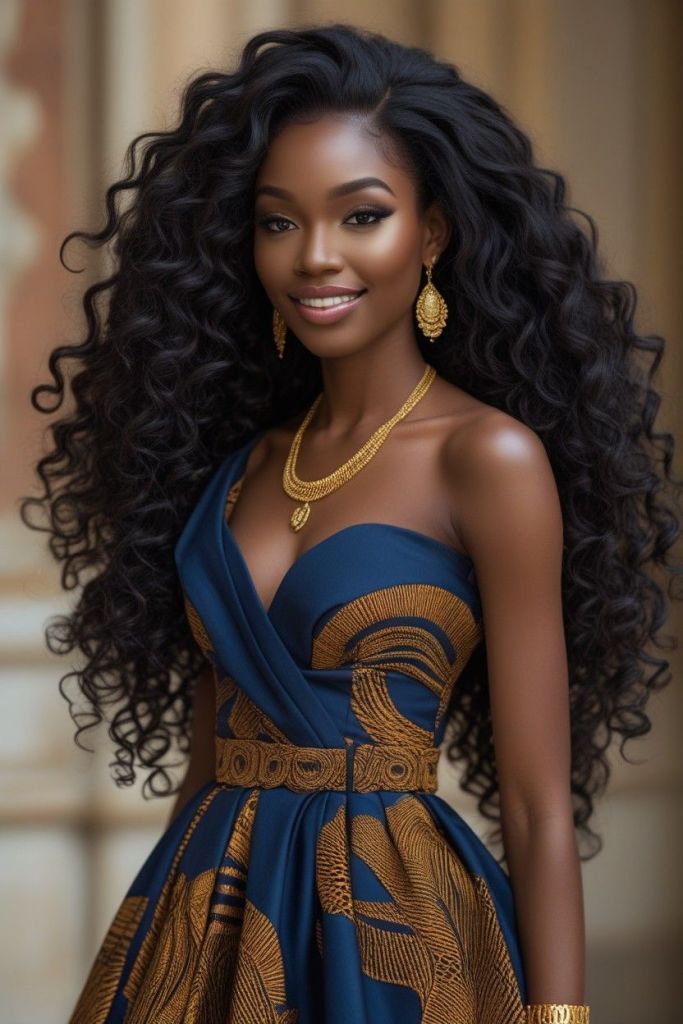
Throughout history, the concept of beauty has been manipulated, racialized, and hierarchized, leaving brown-skinned women in a liminal space between admiration and exclusion. The “rebirth of brown” signifies a profound cultural awakening—an emergence from centuries of internalized inferiority toward unapologetic self-celebration. This renaissance is not just aesthetic; it is spiritual, intellectual, and political. It represents the reclamation of a divine identity once diminished by colonial narratives and white supremacist beauty standards.
Colorism, the preferential treatment of lighter skin tones within communities of color, is one of the most insidious remnants of slavery and colonial rule. For generations, brown and dark-skinned women have been marginalized in favor of those with Eurocentric features. This marginalization extended into media, religion, and economics, shaping how entire populations viewed themselves (Hunter, 2007). Yet today, there is a growing movement of resistance, one that elevates the brown complexion as a symbol of resilience, heritage, and power.
The rebirth of brown begins with unlearning. For centuries, Black and brown girls were taught to see their features as flaws. They were told their skin was “too dark,” their hair “too coarse,” and their lips “too full.” Such language was not mere critique—it was psychological warfare designed to sever people of African descent from their sense of divine creation. The process of rebirth, therefore, is an act of healing—a spiritual resurrection of self-worth that challenges centuries of lies.
Representation has played a pivotal role in this transformation. When actresses like Lupita Nyong’o and Viola Davis graced magazine covers and red carpets, they did more than represent diversity; they shattered barriers that had long confined Black beauty to narrow ideals. Their success redefined global perceptions of elegance, creating space for brown girls worldwide to see themselves as inherently valuable.
The spiritual aspect of this rebirth cannot be ignored. In the Bible, the Song of Solomon declares, “I am black, but comely” (Song of Solomon 1:5, KJV). This verse has long been misinterpreted, yet in its true form, it celebrates melanin-rich beauty as divine. The reclamation of this scriptural affirmation reconnects brown women to their God-given identity—one that is not defined by colonial impositions but by divine design.
Historically, systems of oppression weaponized beauty as a means of control. During slavery and segregation, lighter skin often meant better treatment, education, or social mobility (Russell, Wilson, & Hall, 1992). This created divisions within the Black community that persist today. However, the rebirth movement dismantles this internalized oppression, asserting that beauty cannot be ranked or quantified—it is a reflection of culture, ancestry, and divine creativity.
The global reach of colorism—from Africa to Asia to Latin America—reveals how deeply colonial beauty ideals have been ingrained. Yet across the diaspora, brown women are reclaiming their narratives through art, film, fashion, and scholarship. Social media campaigns like #MelaninMagic and #UnfairAndLovely highlight this revolution of self-acceptance and solidarity. These movements remind the world that brown is not a compromise—it is completeness.
Education and visibility are key to sustaining this transformation. When school curriculums include diverse histories and celebrate African civilizations such as Kush, Nubia, and Mali, young brown students learn to associate their skin tone with greatness, not shame. The rebirth of brown, therefore, begins in the mind and blossoms through awareness and pride.
Media portrayal also plays a major role. For decades, films and advertisements favored fair-skinned women as love interests or symbols of sophistication. The “brown girl” was often cast as the friend, the sidekick, or the struggle narrative. Today, this trend is shifting. Black-owned media outlets and independent creators are producing content that centers brown-skinned women as protagonists—complex, desirable, and multidimensional.
The psychological effects of colorism run deep. Studies show that skin tone can influence self-esteem, social mobility, and even mental health (Hall, 2010). Overcoming this requires intentional affirmations of worth and systemic change in industries that profit from insecurity. The beauty industry, for example, must diversify its marketing and stop equating fairness with flawlessness.
Fashion has also become a battlefield of representation. Designers now celebrate brown hues as luxury tones, naming them “mocha,” “espresso,” and “caramel.” While this may seem commercial, it subtly repositions brownness as aspirational. The same tones once mocked are now coveted—a cultural reversal that illustrates the power of visibility.
Yet, this rebirth is not without tension. Some accuse movements of “melanin pride” of reversing discrimination or fostering exclusion. However, self-love among the historically oppressed is not supremacy—it is survival. As theologian Howard Thurman (1949) emphasized, affirming one’s dignity in a dehumanizing world is an act of divine resistance.
The economic implications of this renaissance are equally significant. Black-owned beauty and fashion brands—such as Fenty Beauty and The Lip Bar—have revolutionized inclusivity, proving that authenticity and diversity are profitable. The rebirth of brown extends beyond empowerment; it is also about reclaiming financial power in industries that once excluded us.
In literature, authors like Toni Morrison and Alice Walker have long chronicled the pain and power of brown womanhood. Their works remind readers that the journey toward self-acceptance is both personal and political. Morrison’s The Bluest Eye remains a haunting portrayal of how colorism can destroy the psyche, yet its continued relevance shows how necessary rebirth remains.
Religious imagery has also shifted. The traditional portrayal of a white Jesus, for instance, contributed to subconscious color bias in spiritual spaces. Reclaiming Afrocentric biblical imagery aligns theology with truth, reinforcing the sacredness of brownness. When faith affirms melanin, healing becomes holistic.
Social activism continues to be a driving force. Brown women at the forefront of movements like #BlackLivesMatter and #SayHerName demonstrate that visibility is not vanity—it is liberation. Their courage transforms pain into purpose, proving that brown women are not passive victims but powerful change-makers.
Healing generational trauma requires both community and consciousness. Support groups, cultural programs, and mentorship initiatives create safe spaces for brown girls to discuss self-image and identity without judgment. Collective affirmation rebuilds what centuries of oppression tried to destroy.
The rebirth of brown is not merely about complexion—it symbolizes the resurrection of truth. It is about remembering that brown women carry the DNA of queens, warriors, and scholars. Their existence defies erasure and reclaims glory. This awakening represents the intersection of beauty, history, and divine purpose.
In the future, the rebirth of brown will inspire a new cultural standard—one rooted in authenticity and pride. The next generation of brown girls will grow up seeing reflections of themselves in every field, from politics to entertainment, knowing they are magnificent by design.
From marginalized to magnificent, the brown woman’s story is one of redemption. She is no longer the shadow, but the light—radiant, regal, and reborn.
References
- Hall, R. E. (2010). An Historical Analysis of Skin Color Discrimination in America: Victimism in the Color Complex. Springer.
- Hunter, M. (2007). The Persistent Problem of Colorism: Skin Tone, Status, and Inequality. Sociology Compass, 1(1), 237–254.
- Russell, K., Wilson, M., & Hall, R. (1992). The Color Complex: The Politics of Skin Color Among African Americans. Anchor Books.
- Thurman, H. (1949). Jesus and the Disinherited. Beacon Press.
- The Holy Bible, King James Version (KJV).
Discover more from THE BROWN GIRL DILEMMA
Subscribe to get the latest posts sent to your email.
 THE BROWN GIRL DILEMMA