
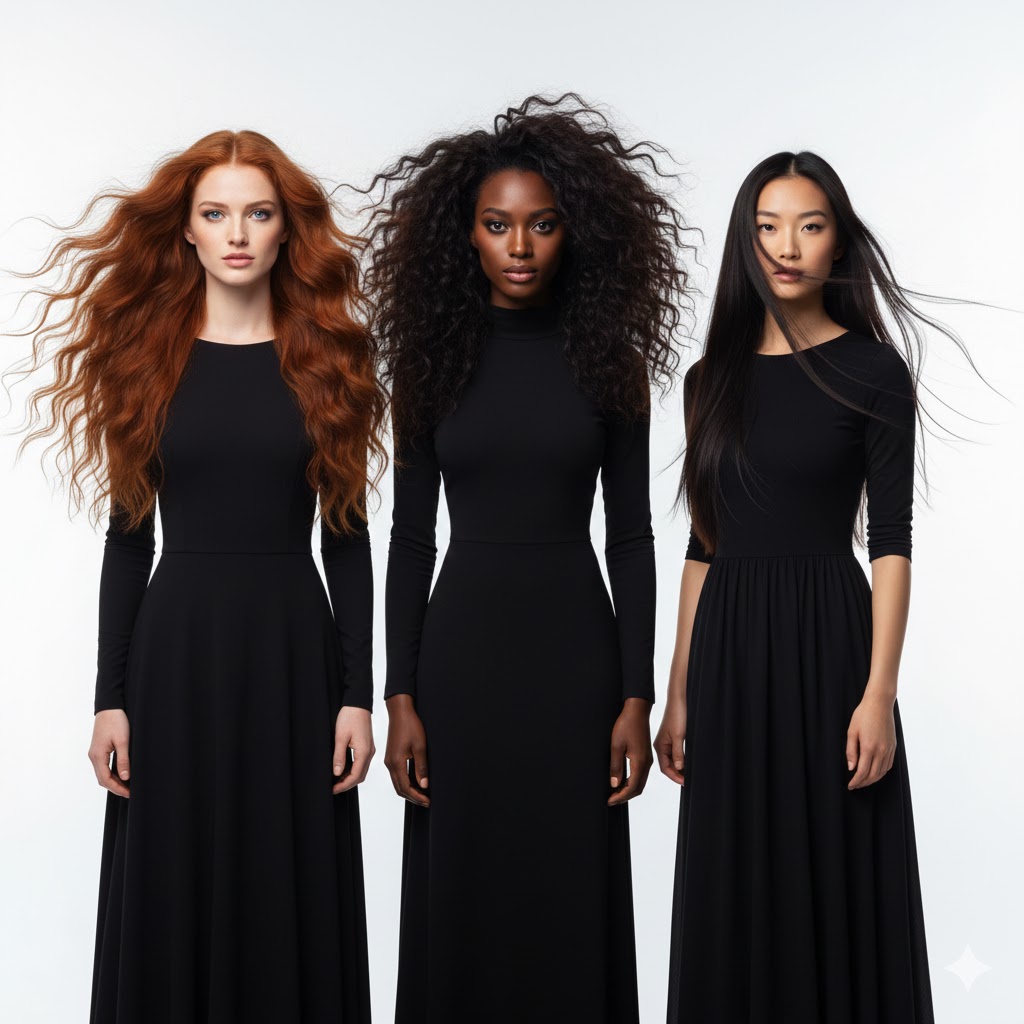
Beautyism, the systematic bias based on physical appearance, functions as a social and economic hierarchy that privileges certain aesthetic traits while marginalizing others. Unlike racism or sexism, beautyism often operates under the guise of “preference” or “merit,” making it less visible yet no less damaging. Cultural norms, media representation, and historical hierarchies have transformed beauty into a form of currency that dictates opportunity, influence, and social value.
The origins of beautyism are deeply entwined with colonialism and European imperialism. Eurocentric standards of beauty were exported globally, creating benchmarks for skin tone, facial features, and body proportions. These norms were framed as universal ideals, elevating certain traits while devaluing others. In effect, beauty became a marker of social hierarchy (Hamermesh & Biddle, 1994).
In professional environments, beautyism manifests as differential treatment in hiring, promotions, and salary. Research demonstrates that attractive individuals are more likely to be hired, perceived as competent, and receive higher wages. These advantages often operate unconsciously, reinforcing inequality in ostensibly meritocratic systems (Hosoda, Stone-Romero, & Coats, 2003).
Beautyism intersects with race, gender, and class, compounding advantage for those whose appearance aligns with dominant cultural norms. Lighter skin, Eurocentric facial features, and specific body types are disproportionately rewarded, while darker skin and Afrocentric features are often penalized. The result is an embedded social hierarchy that favors appearance in ways that mirror historical oppression (Hunter, 2007).
In social interactions, beautyism shapes perceived personality and character. The “halo effect” demonstrates that people attribute positive traits such as intelligence, kindness, and reliability to those deemed attractive. Conversely, individuals judged less attractive are more likely to face skepticism, distrust, or diminished respect (Eagly et al., 1991).
Romantic and relational dynamics are also shaped by beautyism. Culturally preferred features increase desirability, creating inequitable distribution of attention, marriage proposals, and social affirmation. Those outside the beauty hierarchy are frequently marginalized, fetishized, or objectified, reproducing social inequality.
Within families, beautyism can exacerbate favoritism. Children deemed more attractive may receive greater encouragement, resources, and protection, while those judged less appealing experience neglect or lower expectations. These early disparities influence self-esteem, ambition, and life outcomes.
Women face disproportionate consequences of beautyism due to gendered expectations. Societal pressure to conform to beauty norms imposes emotional, financial, and social labor. Women are more harshly judged for aging, body shape, and skin tone, making appearance a persistent determinant of perceived worth.
Media and culture perpetuate beautyism by normalizing narrow aesthetic ideals. Television, film, advertising, and social media consistently privilege certain body types, facial features, and skin tones, while underrepresenting or misrepresenting others. Repetition reinforces internalized bias and shapes public perception (Frisby, 2004).
Psychologically, beautyism contributes to low self-esteem, anxiety, and body dysmorphia. Internalized preference for certain appearances fosters shame and self-policing, disproportionately affecting marginalized groups whose natural features diverge from dominant standards.
Education systems also reflect beauty-based inequities. Attractive students are often perceived as more capable or motivated, receiving more encouragement and leniency. Less attractive students face higher scrutiny and lower expectations, which can impact long-term academic trajectories.
Economic impact of beautyism is measurable. Attractive individuals receive higher compensation, more promotions, and broader social networks. Beauty operates as a form of social and cultural capital, granting opportunities inaccessible to those outside the aesthetic norm (Hamermesh, 2011).
Beautyism functions as social mobility currency. Conformity to idealized aesthetics facilitates entry into elite spaces, mentorship networks, and influential social circles, while deviation can hinder progress, access, and visibility. Appearance thus becomes a gatekeeper for success.
Theologically, beautyism contradicts the principle that worth is determined by the heart rather than outward appearance. Scripture instructs, “Man looketh on the outward appearance, but the Lord looketh on the heart” (1 Samuel 16:7, KJV). Favoritism based on looks violates this divine standard.
Faith communities are not immune. Even where racial or socioeconomic partiality is rejected, appearance-based favoritism subtly influences leadership selection, visibility, and social validation. Spiritual integrity demands that beauty hierarchies be challenged.
Overcoming beautyism requires conscious awareness of bias and its structural implications. Individuals must interrogate personal preferences, institutions must audit policies, and media must diversify representation. Recognition of privilege tied to appearance is crucial for reform.
Internalized beautyism must be addressed to heal its psychological effects. Self-worth should be disentangled from societal standards, and programs emphasizing character, talent, and virtue over appearance can mitigate the impact of bias.
Collective action involves creating equitable environments where appearance does not dictate value or opportunity. Policies and practices must be scrutinized to prevent subtle favoritism based on looks, just as society addresses racial and gender inequities.
Beautyism is a social construct that entrenches inequality. Its dismantling requires intentional cultural, institutional, and personal reform, prioritizing character, skill, and virtue over conformity to aesthetic norms.
Ultimately, addressing beautyism affirms the inherent dignity and worth of all individuals. When societies reject hierarchical valuation based on appearance, they foster environments of justice, inclusion, and human flourishing.
References
The Holy Bible, King James Version. (1611). Various passages.
Hamermesh, D. S., & Biddle, J. E. (1994). Beauty and the labor market. American Economic Review, 84(5), 1174–1194.
Hosoda, M., Stone-Romero, E. F., & Coats, G. (2003). The effects of physical attractiveness on job-related outcomes: A meta-analysis of experimental studies. Personnel Psychology, 56(2), 431–462.
Hunter, M. (2007). The persistent problem of colorism: Skin tone, status, and inequality. Sociology Compass, 1(1), 237–254.
Eagly, A. H., Ashmore, R. D., Makhijani, M. G., & Longo, L. C. (1991). What is beautiful is good, but…: A meta-analytic review of research on the physical attractiveness stereotype. Psychological Bulletin, 110(1), 109–128.
Frisby, C. M. (2004). Does race or gender matter? Effects of media images on self-perception. Journal of Broadcasting & Electronic Media, 48(2), 301–317.
Hamermesh, D. S. (2011). Beauty pays: Why attractive people are more successful. Princeton University Press.
Discover more from THE BROWN GIRL DILEMMA
Subscribe to get the latest posts sent to your email.
 THE BROWN GIRL DILEMMA