
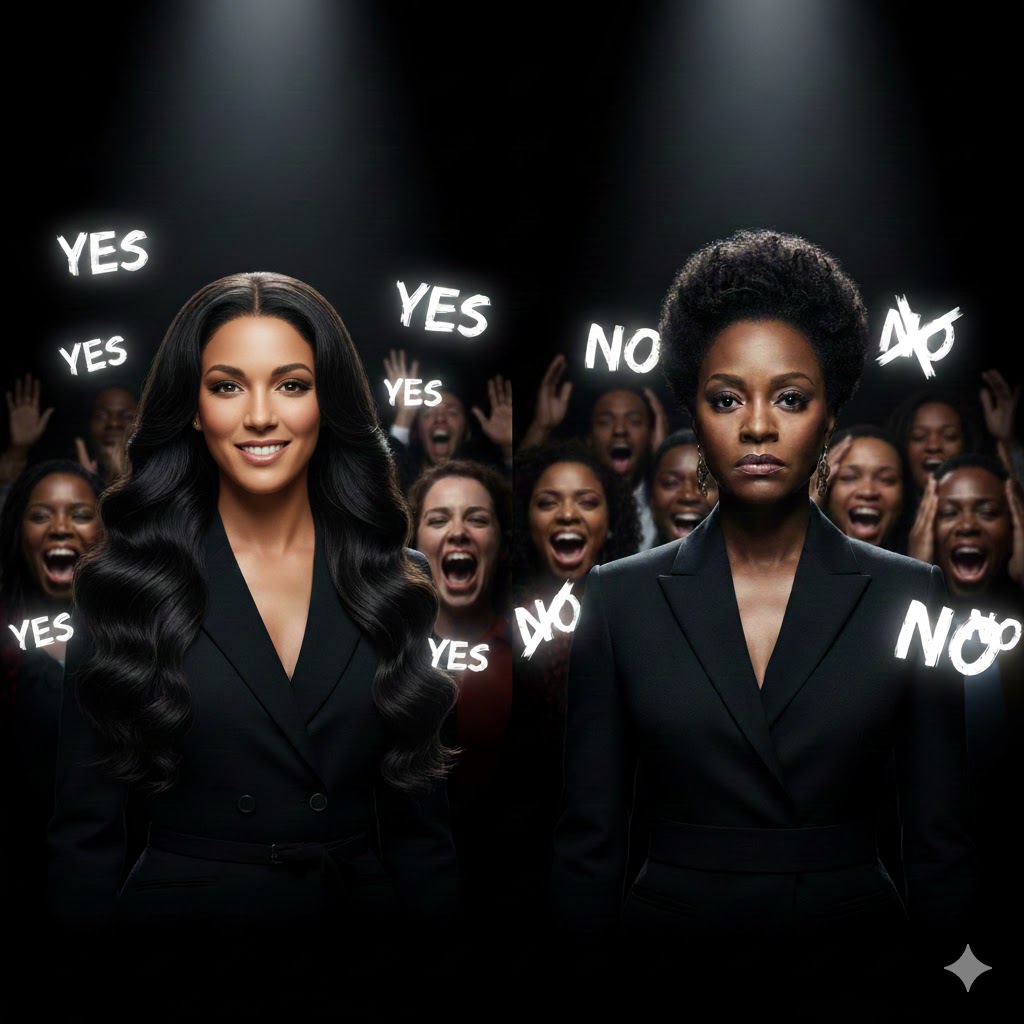
Colorism operates as an unspoken caste system within racialized communities, privileging proximity to whiteness while punishing darker skin. Unlike racism, which is imposed externally, colorism thrives internally, making it both more difficult to confront and more psychologically destructive. It functions quietly, shaping social outcomes while masquerading as “preference” or “aesthetic.”
Historically, colorism was engineered during slavery, where lighter-skinned enslaved people were granted marginal advantages such as indoor labor or literacy access. These privileges were not benevolence but strategy—designed to fracture solidarity and create internal hierarchies that mirrored white supremacy. Over generations, these imposed distinctions calcified into social norms.
The Bible warns against such partiality, stating, “But if ye have respect to persons, ye commit sin” (James 2:9, KJV). Colorism is precisely this sin—assigning value based on appearance rather than character or righteousness. When communities internalize this hierarchy, they replicate the logic of their oppressors.
Psychologically, colorism distorts self-concept. Darker-skinned individuals often internalize shame, while lighter-skinned individuals may experience conditional acceptance tied to appearance rather than identity. This dynamic reinforces anxiety, comparison, and alienation, aligning with Fanon’s analysis of racialized inferiority complexes (Fanon, 1952).
Sociologically, colorism influences hiring, sentencing, marriage markets, and media representation. Studies consistently show that lighter skin correlates with higher income and social mobility within Black populations (Hunter, 2007). These outcomes expose colorism as structural, not merely personal bias.
Spiritually, colorism contradicts the doctrine of creation. Scripture affirms that humanity is made in God’s image, not graded by shade (Genesis 1:27, KJV). Any hierarchy of skin tone is therefore a theological error, not a cultural quirk.
Until colorism is named as a system—rather than an attitude—it will continue to operate invisibly. Liberation requires dismantling not only white supremacy, but its internalized offspring.
References
The Holy Bible, King James Version.
Fanon, F. (1952). Black skin, white masks.
Hunter, M. (2007). “The persistent problem of colorism.” Sociology Compass.
Discover more from THE BROWN GIRL DILEMMA
Subscribe to get the latest posts sent to your email.
 THE BROWN GIRL DILEMMA