
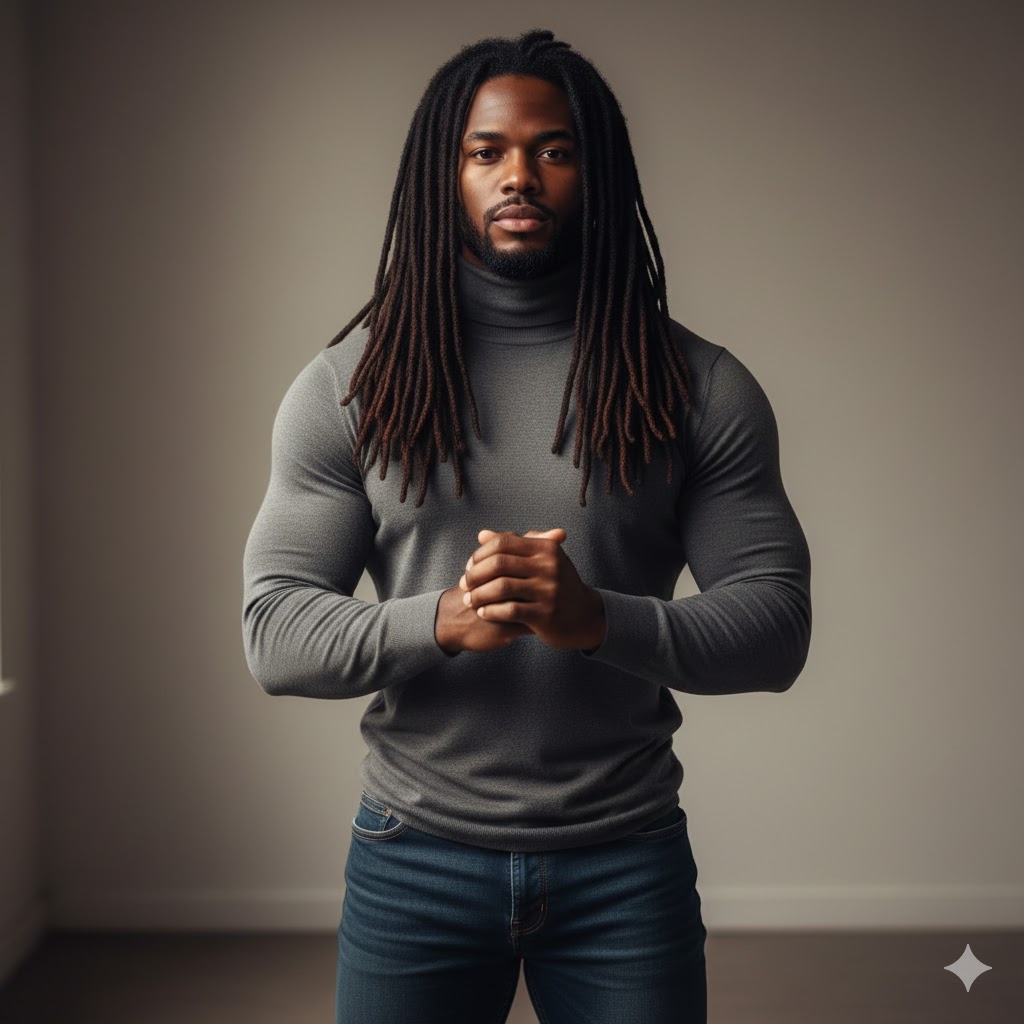
The modern man stands at a complex crossroads, expected to embody strength while simultaneously navigating an evolving cultural landscape that often misunderstands masculinity. What he carries is not merely personal—it is historical, emotional, and deeply shaped by societal expectations.
From childhood, boys are conditioned to suppress emotion, equating vulnerability with weakness. This early conditioning becomes a lifelong burden, limiting their ability to express pain, fear, or tenderness (Pollack, 1998).
As men grow older, they face contradictory messages about what masculinity should look like: be strong, but not too strong; be sensitive, but not emotional; be a leader, but not dominant. These conflicting expectations create confusion and internal conflict.
The pressure to provide financially is one of the heaviest weights men carry. In a society where worth is often measured by income, many men struggle with feelings of inadequacy when economic pressures rise or jobs are unstable (Mahalik et al., 2003).
Masculinity is frequently misunderstood as aggression or emotional detachment. In reality, these traits are often learned defenses developed to cope with environments that punish softness and reward stoicism (Connell, 2005).
Men also face isolation. While women are culturally encouraged to form supportive friendships, men are pushed toward independence, resulting in fewer emotional outlets and greater loneliness (Way, 2011).
Romantic relationships reveal another layer of struggle. Men are expected to protect and lead, yet are criticized when their leadership is perceived as controlling or outdated. The lack of clarity creates anxiety and self-doubt.
The media contributes to misunderstandings by portraying men as either hyper-masculine warriors or incompetent buffoons. These stereotypes leave little room for complexity or emotional nuance (Katz, 2011).
When men attempt to express their emotional needs, they are often dismissed as dramatic, weak, or incapable. This invalidation discourages emotional honesty and reinforces silence.
Mental health becomes a silent battlefield. Many men suffer from depression, anxiety, and trauma but avoid seeking help due to cultural stigma around therapy and vulnerability (Addis & Mahalik, 2003).
Fatherhood adds both joy and responsibility. Many men desire to be nurturing, present fathers, yet societal narratives often reduce them to mere providers rather than emotional anchors.
Black, brown, and marginalized men face additional challenges. Their masculinity is often criminalized, feared, or politicized, intensifying the misunderstanding and limiting their freedom to express their full humanity (hooks, 2004).
Economic shifts that devalue traditionally male occupations—like manufacturing—leave many men without clear roles, further complicating identity and purpose (Kimmel, 2017).
Spiritually, many men grapple with questions of worth, purpose, and identity. Faith—when embraced—offers grounding, reminding them that masculinity is not defined by culture but by divine intention and character.
Men often internalize the pain of failure more deeply than they admit. Whether they fail in relationships, careers, or personal goals, the shame they feel is compounded by the belief that men are supposed to be strong at all times.
Relationships improve when men feel safe to reveal their authentic selves. When partners, families, and communities embrace male vulnerability, healing becomes possible.
Healthy masculinity is not the absence of strength but the integration of strength with empathy, leadership with humility, and confidence with compassion. It is a balanced expression rather than a rigid mold.
The weight men carry becomes lighter when they are given language for their emotional experiences. Education around masculinity and mental health empowers men to navigate pain rather than suppress it.
Ultimately, masculinity is not broken—society’s understanding of it is. When men are allowed to be whole, emotional, spiritual, and complex beings, they rise into healthier expressions of manhood.
The man who learns to carry his weight with honesty, faith, and self-awareness discovers that he is stronger than he realized—not because he hides pain, but because he transforms it into purpose.
References
- Addis, M. E., & Mahalik, J. R. (2003). Men, masculinity, and the contexts of help seeking. American Psychologist, 58(1), 5–14.
- Connell, R. W. (2005). Masculinities (2nd ed.). University of California Press.
- hooks, bell. (2004). We real cool: Black men and masculinity. Routledge.
- Katz, J. (2011). The Macho Paradox: Why some men hurt women and how all men can help. Sourcebooks.
- Kimmel, M. (2017). Angry white men: American masculinity at the end of an era. Nation Books.
- Mahalik, J. R., Good, G. E., & Englar-Carlson, M. (2003). Masculinity scripts and men’s health. American Journal of Men’s Health, 2(2), 82–92.
- Pollack, W. (1998). Real boys: Rescuing our sons from the myths of boyhood. Henry Holt.
- Way, N. (2011). Deep secrets: Boys’ friendships and the crisis of connection. Harvard University Press.
Discover more from THE BROWN GIRL DILEMMA
Subscribe to get the latest posts sent to your email.
 THE BROWN GIRL DILEMMA