
A Critical Analysis of Ideology, Scripture, and Cultural Transformation
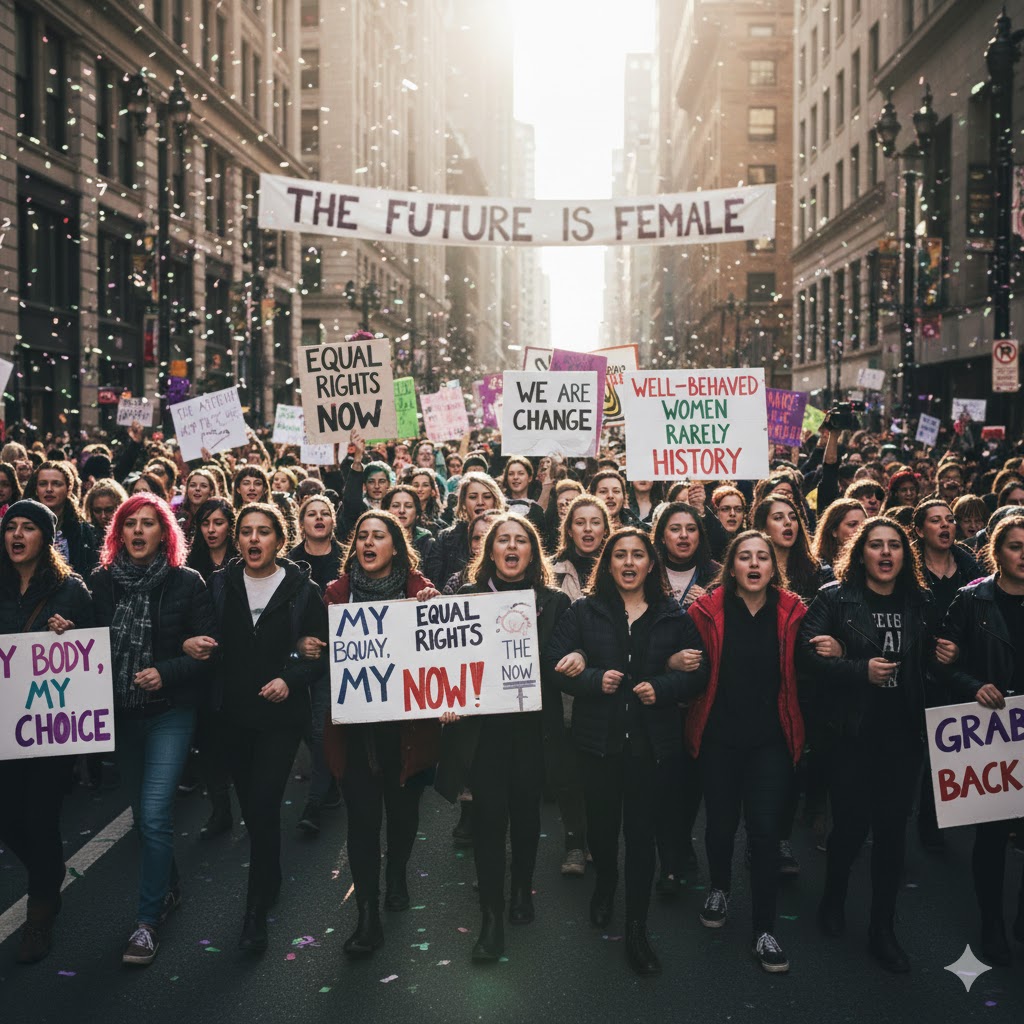
The modern feminist landscape is diverse, but a particular faction—often referred to as the Dark Feminist Movement—has emerged with sharper ideological stances that challenge traditional morality, biblical principles, and historical understandings of womanhood. This movement is characterized by its emphasis on radical autonomy, bodily sovereignty without ethical restriction, and the rejection of religious frameworks—particularly the Bible—as oppressive structures designed to limit female freedom. Yet Scripture affirms that “The fear of the Lord is the beginning of wisdom” (Proverbs 9:10), positioning God—not self—as the rightful source of authority.
At the heart of dark feminism is the belief that the Bible is fundamentally patriarchal. Proponents argue that Scripture reinforces male authority, female submission, and gender roles that they consider outdated. They view biblical instructions on marriage, sexuality, and family as relics of ancient societies rather than eternal moral truths. However, the Bible teaches that “All scripture is given by inspiration of God” (2 Timothy 3:16), asserting its timeless relevance.
One of the central pillars of the dark feminist worldview is abortion as ultimate bodily autonomy. This group sees reproductive freedom not merely as healthcare, but as a form of power—an assertion that a woman’s body, choices, and future must remain completely independent of religious moral codes. Scripture, however, affirms the sanctity of life: “Before I formed thee in the belly I knew thee” (Jeremiah 1:5), framing unborn life as God-ordained.
Dark feminists also critique the Bible’s teachings on sexual morality. They reject the biblical view that sexuality is sacred, covenantal, and bound by divine standards. Instead, they embrace a fluid, unrestricted sexual ethic where pleasure and personal fulfillment override spiritual or communal responsibility. Yet Scripture teaches that “Flee fornication” (1 Corinthians 6:18) and that the body is “the temple of the Holy Ghost” (1 Corinthians 6:19).
A significant component of this movement includes support for queer theory, which challenges the Bible’s teachings on gender and sexuality. Dark feminists argue that gender is socially constructed and fluid, whereas Scripture presents gender as intentionally designed and divinely ordered. Genesis 1:27 clearly states: “Male and female created he them,” anchoring gender in divine creation rather than cultural fluidity.
Dark feminism often critiques biblical womanhood as inherently repressive. Passages about submission, modesty, motherhood, and marital roles are interpreted as tools for maintaining male dominance. However, Scripture reveals submission as mutual and rooted in love, not control: “Submitting yourselves one to another in the fear of God” (Ephesians 5:21). Modesty is framed not as oppression but protection (1 Timothy 2:9–10).
The movement also resists biblical teachings on marriage. Instead of seeing marriage as covenantal and sacred, dark feminists frame it as a historical institution that restricted women’s economic and social power. Yet the Bible describes marriage as honorable (Hebrews 13:4) and rooted in sacrificial partnership: “Husbands, love your wives, even as Christ also loved the church” (Ephesians 5:25).
Another major theme is the rejection of male leadership—whether in the home, church, or society. Dark feminists argue that leadership roles historically given to men are products of patriarchal culture rather than divine order. However, Scripture presents leadership as responsibility, not dominance—“He that is greatest among you shall be your servant” (Matthew 23:11).
This movement also frequently critiques motherhood. While not universally anti-motherhood, dark feminism resists the idea that motherhood is a woman’s divine calling. Yet Scripture honors mothers with reverence: “Her children arise up, and call her blessed” (Proverbs 31:28). Motherhood is portrayed as ministry, not limitation.
Spiritually, dark feminists often embrace alternative belief systems—tarot, ancestor veneration, goddess worship, or metaphysical spirituality—as ways to reclaim feminine power outside the Bible. Scripture warns against such practices: “Regard not them that have familiar spirits” (Leviticus 19:31). Biblical spirituality places God—not self or mystical frameworks—at the center.
The movement is also rooted in social justice philosophies that sometimes conflict with biblical teachings. Issues like systemic oppression, reproductive justice, and queer liberation become moral priorities framed through a secular lens. The Bible teaches justice but ties it to righteousness: “To do justice and judgment is more acceptable to the Lord” (Proverbs 21:3).
Dark feminism promotes a worldview where self is supreme. Personal identity, desire, and self-definition hold more weight than external moral codes. This directly conflicts with biblical teaching that says: “Lean not unto thine own understanding” (Proverbs 3:5).
The movement also critiques biblical narratives such as Eve’s deception in Genesis. Dark feminists reinterpret Eve as a symbol of enlightenment. The Bible frames her as deceived (1 Timothy 2:14), not empowered, reminding believers that rebellion leads to brokenness, not liberation.
Another area of conflict involves forgiveness and reconciliation. The Bible emphasizes repentance, surrender, and restoration (Matthew 6:14–15), while dark feminism often promotes severing ties and prioritizing self-preservation. Scripture frames reconciliation as strength, not weakness.
Within the Dark Feminist Movement, masculinity is frequently depicted as inherently oppressive. The Bible differentiates between corrupt masculinity and godly masculinity, calling men to be protectors and providers (1 Corinthians 16:13–14).
Economically, dark feminists push for total financial independence from men. While empowerment is good, Scripture teaches interdependence within marriage: “Two are better than one” (Ecclesiastes 4:9).
The movement also influences media and cultural narratives. Films, music, and social platforms increasingly glorify self-worship, sexual liberation, and anti-marriage ideologies. Scripture warns: “Love not the world” (1 John 2:15–16), emphasizing holiness over cultural conformity.
Despite these tensions, it is important to acknowledge that dark feminism arises from real pain—historical oppression, gender inequality, domestic violence, and religious misuse. The Bible acknowledges these injustices and commands protection for women (Colossians 3:19; 1 Peter 3:7).
Ultimately, the conflict centers on authority: Who defines womanhood—God or the self? The Dark Feminist Movement elevates autonomy; the Bible elevates divine design. Joshua 24:15 declares, “Choose you this day whom ye will serve,” making the contrast clear.
The Biblical View of Womanhood
Biblical womanhood is not oppression—it is identity rooted in divine purpose, dignity, and sacred design.
- Women are created in God’s image (Genesis 1:27), carrying equal worth, value, and spiritual significance as men.
- Women possess divine strength modeled by Deborah (Judges 4), Esther (Esther 4), and the Proverbs 31 woman.
- Biblical womanhood honors wisdom, virtue, and inner beauty, as seen in 1 Peter 3:3–4.
- God honors the emotional depth of women, inviting them to cast their cares upon Him (1 Peter 5:7).
- Motherhood is divine, not mandatory, but honored as a godly calling (Psalm 127:3).
- Marriage is covenant partnership, not hierarchy, modeled after Christ’s sacrificial love (Ephesians 5:25).
- Women are called to spiritual strength, being “helpers” in the same sense that God is called our Helper (Psalm 46:1).
- Biblical womanhood encourages purpose, entrepreneurship, and productivity (Proverbs 31:16–24).
- Virtue is power, not weakness (Proverbs 31:10).
- God sees, honors, and defends women, especially the vulnerable (Psalm 68:5).
Biblical womanhood is not about silence, subservience, or suppression—it is about walking in God’s purpose, identity, grace, and strength with the dignity He designed.
Discover more from THE BROWN GIRL DILEMMA
Subscribe to get the latest posts sent to your email.
 THE BROWN GIRL DILEMMA