
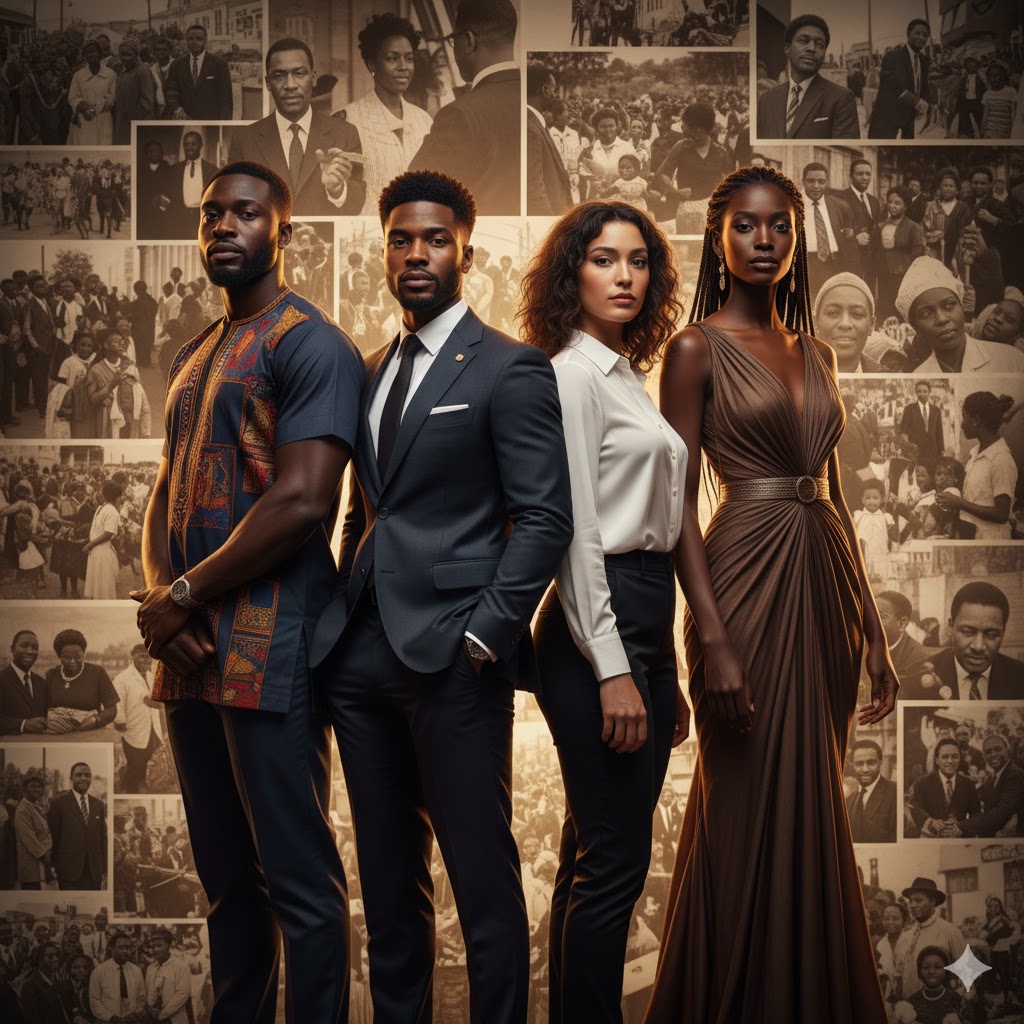
Black identity is a tapestry woven from centuries of history, culture, and resilience. It is not reducible to skin color; it is a multidimensional phenomenon encompassing heritage, creativity, spirituality, and self-definition.
The beauty of Black identity lies in its endurance. Despite centuries of enslavement, colonization, and systemic oppression, Black people preserved cultural knowledge, language, and traditions that continue to thrive today.
Historically, African kingdoms cultivated rich civilizations marked by art, scholarship, and governance. Figures such as Mansa Musa of Mali exemplify the wealth, intellect, and sophistication that were the foundation of Black cultural identity long before European interference.
The transatlantic slave trade attempted to erase identity, but Black people transformed oppression into cultural preservation. Spirituals, folktales, and oral histories became vessels for memory and hope, connecting generations across oceans and centuries.
Black identity expresses itself through art. From the Harlem Renaissance to contemporary visual arts, Black creativity reflects both struggle and triumph. Pain and resilience coexist in these works, creating a unique aesthetic language.
Music has been a cornerstone of Black identity. Jazz, blues, gospel, hip-hop, and R&B articulate joy, sorrow, and social critique. Each genre serves as a historical record and a tool of spiritual survival.
Language is a powerful marker of identity. African American Vernacular English (AAVE), Creole languages, and preserved African languages carry cultural meaning, community solidarity, and resistance to assimilation.
Fashion and style are also expressions of Black identity. From Kente cloth and African-inspired garments to modern streetwear, Black people assert individuality, creativity, and pride through dress and adornment.
Black identity is spiritual as well as cultural. Enslaved Africans integrated Christianity with African traditions, creating vibrant spiritual practices. Churches became spaces of education, community organizing, and cultural preservation.
Physical beauty is an integral part of Black identity. Hair, skin, and features have historically been politicized, yet Black people have reclaimed and celebrated these traits as symbols of pride and self-love.
Black identity is intellectual. Thinkers, scientists, and writers such as W.E.B. Du Bois, Zora Neale Hurston, and Katherine Johnson illustrate the intellectual legacy of Black communities that has challenged stereotypes and contributed globally.
Colorism complicates Black identity. The preference for lighter skin in certain societies stems from colonial hierarchies, but Black communities continue to resist these constructs, emphasizing that identity is spiritual, cultural, and personal, not merely visual.
Black identity is resilient in the face of systemic oppression. Black communities have developed institutions, businesses, and networks that sustain culture, foster economic empowerment, and create spaces for artistic and intellectual flourishing.
Family and community are central to Black identity. Extended families, churches, and community networks provide support, mentoring, and intergenerational transmission of cultural knowledge and values.
Black identity is global. The African diaspora connects Black communities across the Americas, Europe, and Africa. Shared histories of struggle and triumph create solidarity that transcends borders.
Black identity is expressed in literature. Writers like James Baldwin, Toni Morrison, and Chimamanda Ngozi Adichie explore the nuances of race, culture, and personal identity, revealing the complexity and richness of Black experience.
The intersection of Blackness and spirituality adds depth to identity. Faith traditions provide frameworks for ethics, social justice, and personal resilience, shaping both individual character and communal life.
Black identity is dynamic. Migration, globalization, and digital communication continue to expand its forms of expression, allowing younger generations to engage with heritage while innovating culturally and socially.
The beauty of Black identity also lies in joy. Music, dance, storytelling, and celebrations manifest resilience, hope, and communal connection, showing that Blackness encompasses both survival and flourishing.
Ultimately, Black identity is complex, multifaceted, and sacred. It embodies history, art, spirituality, intellect, and resilience. To honor Black identity is to recognize the profound contributions, enduring struggles, and eternal beauty of a people who have persevered against every attempt at erasure.
References
Diop, C. A. (1989). The African origin of civilization: Myth or reality. Lawrence Hill Books.
Gates, H. L. (2011). In search of our roots: How 19 extraordinary African Americans reclaimed their past. Crown.
Graves, J. L. (2017). The emperor’s new clothes: Biological theories of race at the millennium. Rutgers University Press.
Hine, D. C., McCluskey, A. T., & McDaniel, A. (2012). The African American odyssey. Pearson.
Woodson, C. G. (2021). The mis-education of the Negro. Dover.
Tutu, D., & Tutu, M. (2014). The book of forgiving: The fourfold path for healing ourselves and our world. HarperOne.
Discover more from THE BROWN GIRL DILEMMA
Subscribe to get the latest posts sent to your email.
 THE BROWN GIRL DILEMMA