
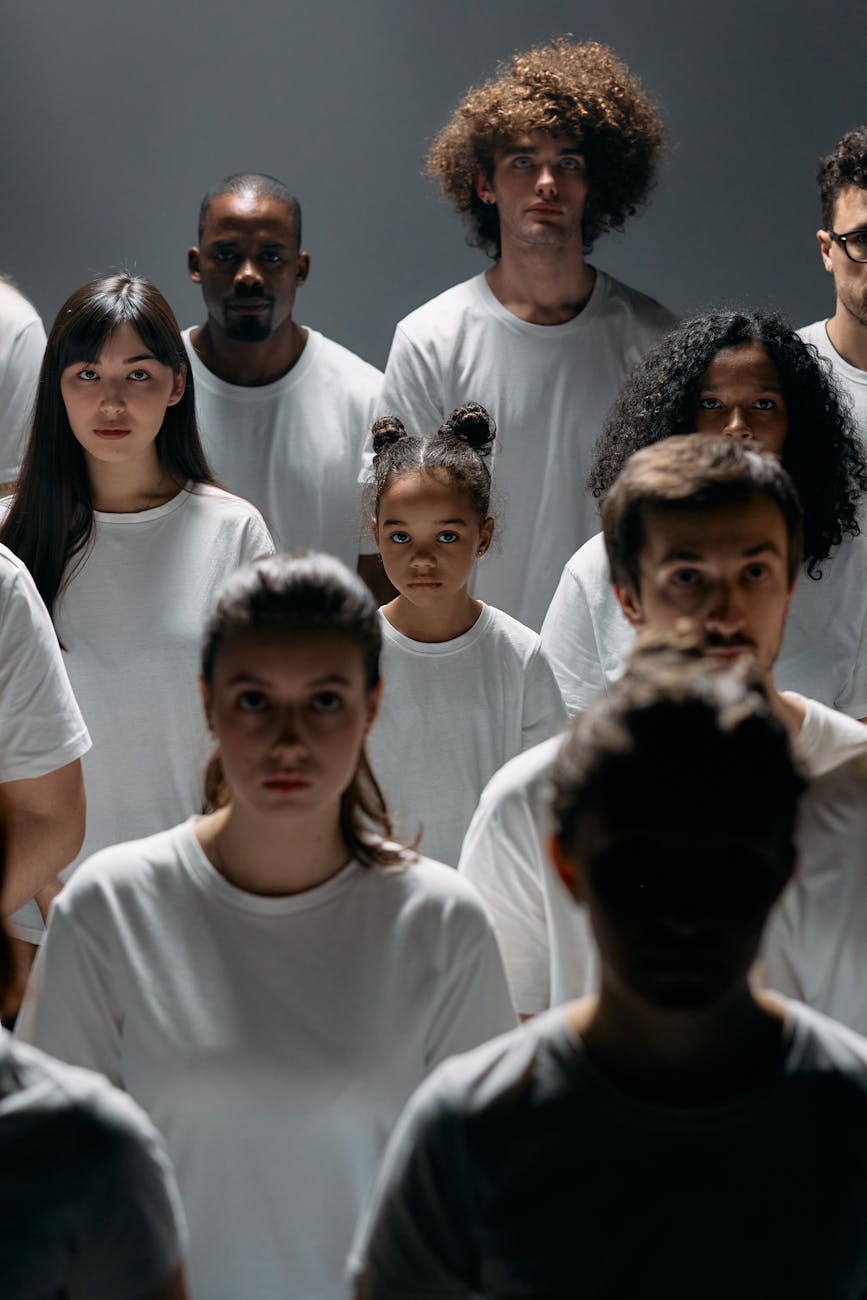
Colorism is a pervasive form of discrimination based on skin tone, often manifesting within the same racial or ethnic group. Unlike racism, which typically involves prejudice between different racial groups, colorism operates within groups, favoring lighter skin over darker tones. This phenomenon is deeply rooted in historical, social, and economic contexts, influenced by colonialism, media representation, and societal beauty standards.
Africa
- Countries: Nigeria, Ghana, South Africa, Kenya, Egypt, Senegal
- Communities affected: Black Africans, Afro-descendants
North America
- Countries: United States, Canada, Mexico
- Communities affected: African Americans, Indigenous peoples, Latinos/Hispanics
Latin America & Caribbean
- Countries: Brazil, Colombia, Dominican Republic, Puerto Rico, Cuba
- Communities affected: Afro-Latinos, Indigenous peoples, Mestizo populations
South Asia
- Countries: India, Pakistan, Bangladesh, Sri Lanka
- Communities affected: South Asians, Dalits, tribal groups
East Asia
- Countries: China, Japan, South Korea, Taiwan
- Communities affected: Han Chinese, Japanese, Koreans, other East Asian ethnic groups
Southeast Asia
- Countries: Philippines, Thailand, Indonesia, Malaysia, Vietnam
- Communities affected: Filipinos, Thais, Malay, Vietnamese, other Southeast Asian groups
Middle East
- Countries: Saudi Arabia, UAE, Iran, Iraq, Lebanon
- Communities affected: Arabs, Persians, Kurds, darker-skinned laborers and migrant communities
Europe
- Countries: United Kingdom, France, Spain, Germany, Italy
- Communities affected: Romani people, African and Asian immigrants, darker-skinned Europeans
Oceania
- Countries: Australia, New Zealand, Fiji, Papua New Guinea
- Communities affected: Indigenous Australians, Pacific Islanders, Maori
Across African American communities, colorism has manifested through practices such as the “brown paper bag test,” which historically determined social acceptance based on proximity of one’s skin tone to the light brown color of a paper bag. This practice often dictated access to social clubs, fraternities, and certain professional opportunities. Research indicates that even today, lighter-skinned African Americans tend to receive more favorable media representation, higher salaries, and more professional opportunities than their darker-skinned counterparts.
In Latin American and Hispanic communities, colorism is intricately tied to histories of colonization and racial mixing. Countries like Brazil and Mexico exhibit strong societal preferences for lighter skin, often equating fairer complexions with beauty, social status, and economic mobility. Media representation reinforces these biases, as lighter-skinned actors and models dominate television, film, and advertising, creating aspirational standards that marginalize darker-skinned individuals.
South Asian communities, particularly in India, demonstrate one of the most pronounced forms of colorism. Matrimonial advertisements frequently list fair skin as a desirable trait, reinforcing societal pressure to conform to lighter skin ideals. The skin-lightening industry thrives under these conditions, with products marketed as essential for beauty, social acceptance, and career advancement. This systemic preference has lasting psychological effects on individuals with darker skin tones.
East Asian nations such as Japan and South Korea similarly associate lighter skin with beauty, social privilege, and higher socioeconomic status. Historical norms have linked paler complexions to leisure and wealth, while tanned or darker skin is often connected to outdoor labor and lower social standing. This cultural preference has been amplified by media representation and the booming cosmetic industry, including skin-whitening products targeted at both women and men.
In African nations, colorism is prevalent due to both pre-colonial and colonial influences that elevated lighter skin as a marker of higher social status. Employment opportunities, marriage prospects, and media representation often favor lighter-skinned individuals, while darker-skinned persons may experience systemic disadvantage. The widespread use of skin-lightening products reflects the enduring societal preference for fairer skin.
Middle Eastern communities also demonstrate patterns of colorism, where lighter skin is often associated with beauty, wealth, and prestige. Darker skin, conversely, may be connected to lower socioeconomic status and labor-intensive occupations. Media portrayal of lighter-skinned individuals as idealized standards perpetuates these biases, influencing social perceptions and marriage prospects.
Indigenous populations worldwide frequently face colorism, often associating lighter skin with European ancestry and higher social mobility. Within indigenous communities, individuals with darker skin tones may encounter internalized bias, leading to challenges in education, employment, and social acceptance. Pressure to conform to lighter skin ideals remains a consistent societal influence.
Southeast Asian countries such as the Philippines and Thailand also exhibit colorism, with fair skin symbolizing beauty, prestige, and desirability. Media, advertising, and social interactions reinforce these standards, while darker-skinned individuals are often associated with lower socioeconomic status. The popularity of skin-lightening products in these regions underscores the depth of colorist attitudes.
In the Caribbean, colorism is an enduring issue stemming from colonial hierarchies. Lighter-skinned individuals often receive preferential treatment in social, economic, and cultural contexts. Media representation and beauty standards further reinforce these hierarchies, resulting in persistent disparities in opportunity and social perception.
Native American communities are not immune to colorism. Lighter skin is sometimes associated with European ancestry, higher social standing, and cultural assimilation. Those with darker skin may face discrimination both within indigenous communities and in broader society, affecting their social mobility, self-perception, and access to resources.
Pacific Islander communities, including populations in Hawaii and Polynesia, display colorist preferences linking lighter skin with beauty, leisure, and social advantage. Media representation and local beauty standards often marginalize darker skin tones, influencing individual self-esteem and societal interactions.
Jewish communities, particularly among Ashkenazi populations, sometimes demonstrate colorism based on European ancestry. Lighter skin may be associated with higher social status and social acceptance, while darker-skinned individuals can face subtle and overt discrimination affecting community inclusion and broader societal perception.
Romani communities, often referred to as “Gypsies,” exhibit similar colorist patterns. Lighter skin is linked to higher social status and acceptance, whereas darker-skinned Romani individuals may face both internal and external prejudice, limiting opportunities for social and economic mobility.
Globally, colorism affects employment, education, healthcare, and media representation. Lighter-skinned individuals frequently benefit from preferential treatment in hiring, wage determination, and promotional opportunities. Conversely, darker-skinned individuals may encounter systemic barriers that reinforce cycles of inequality.
Healthcare systems worldwide are not immune to colorism. Darker-skinned patients often face misdiagnoses or delayed treatment due to biases in medical research, diagnostic tools, and healthcare practices. Dermatological care, in particular, has historically been less accurate and effective for darker skin tones, highlighting the pervasive influence of skin color bias.
Psychologically, colorism has profound consequences. Individuals internalizing societal preferences for lighter skin may experience low self-esteem, anxiety, and identity conflicts. These internalized biases can impact mental health, social interactions, and professional aspirations, perpetuating cycles of discrimination and marginalization.
Media and entertainment industries continue to propagate colorist ideals. Films, television, and advertising often feature lighter-skinned actors and models, marginalizing darker-skinned performers. This unequal representation reinforces global beauty standards and shapes societal perceptions of desirability and competence.
Social media platforms have become powerful tools for challenging colorism. Movements promoting diversity and celebrating darker skin have gained traction, allowing individuals to share personal experiences, challenge societal norms, and advocate for inclusive beauty and representation standards.
Efforts to address colorism require a multifaceted approach. Education, media reform, policy changes, and public awareness campaigns can reduce bias and promote acceptance of diverse skin tones. By challenging entrenched prejudices, societies can foster equity, inclusivity, and a more accurate reflection of human diversity.
| Region / Country | Communities Affected | Examples of Colorism Impact |
|---|
| Africa: Nigeria, Ghana, South Africa, Kenya, Egypt, Senegal | Black Africans, Afro-descendants | Lighter-skinned individuals often have better marriage prospects, employment opportunities, and media representation; darker-skinned individuals may face discrimination and social marginalization. |
| North America: United States, Canada, Mexico | African Americans, Indigenous peoples, Latinos/Hispanics | Historical “brown paper bag” tests; lighter-skinned African Americans may receive higher wages and more positive media visibility; darker-skinned individuals may face systemic biases in employment, education, and criminal justice. |
| Latin America & Caribbean: Brazil, Colombia, Dominican Republic, Puerto Rico, Cuba | Afro-Latinos, Indigenous peoples, Mestizo populations | Preference for lighter skin in beauty standards and media; skin-lightening products widely used; darker-skinned individuals face social and economic disadvantage. |
| South Asia: India, Pakistan, Bangladesh, Sri Lanka | South Asians, Dalits, tribal groups | Fair skin emphasized in matrimonial ads; thriving skin-lightening industry; darker-skinned individuals often stigmatized socially and economically. |
| East Asia: China, Japan, South Korea, Taiwan | Han Chinese, Japanese, Koreans, other East Asian ethnic groups | Fair skin linked to beauty, status, and leisure; darker skin associated with outdoor labor; skin-whitening cosmetics highly popular; media favors lighter-skinned actors. |
| Southeast Asia: Philippines, Thailand, Indonesia, Malaysia, Vietnam | Filipinos, Thais, Malay, Vietnamese, other Southeast Asian groups | Lighter skin linked to beauty and social privilege; darker skin stigmatized as lower class; widespread use of whitening products; media representation favors lighter skin. |
| Middle East: Saudi Arabia, UAE, Iran, Iraq, Lebanon | Arabs, Persians, Kurds, darker-skinned laborers/migrant communities | Lighter skin associated with beauty, wealth, and social status; darker-skinned migrant workers often face discrimination; skin-lightening products commonly used. |
| Europe: UK, France, Spain, Germany, Italy | Romani people, African and Asian immigrants, darker-skinned Europeans | Romani and African/Asian communities face prejudice; lighter-skinned individuals often receive social privilege; darker skin linked to marginalization and limited media representation. |
| Oceania: Australia, New Zealand, Fiji, Papua New Guinea | Indigenous Australians, Pacific Islanders, Maori | Lighter skin associated with higher social acceptance; darker-skinned Indigenous and Pacific Islander communities face systemic discrimination and socioeconomic disparities. |
In conclusion, colorism is a global phenomenon with deep historical roots and contemporary consequences. Its impact spans social, economic, psychological, and cultural dimensions, affecting individuals of many racial and ethnic backgrounds. Addressing this pervasive issue requires sustained effort, systemic change, and a collective commitment to valuing all skin tones equally.
References
News.uga.edu. (n.d.). History of colorism sheds light on discrimination. University of Georgia. https://news.uga.edu/history-of-colorism-sheds-light-on-discrimination/?utm_source=chatgpt.com
PubMed. (2023). Health consequences of skin-lightening practices and biases in medical care. National Library of Medicine. https://pubmed.ncbi.nlm.nih.gov/40063294/?utm_source=chatgpt.com
Axios. (2020, September 8). Hollywood casting and colorism in global media. https://www.axios.com/2020/09/08/hollywood-casting-china-colorism-light-skinned?utm_source=chatgpt.com
Rohinianand.com. (n.d.). Colorism’s global manifestations. https://www.rohinianand.com/post/colorism-s-global-manifestations?utm_source=chatgpt.com
PMC. (n.d.). Psychological effects of colorism and internalized bias. https://pmc.ncbi.nlm.nih.gov/articles/PMC11696280/?utm_source=chatgpt.com
Teen Vogue. (n.d.). Celebrating Black and brown beauty on social media. https://www.teenvogue.com/story/black-and-brown-beauty-celebration-instagram-accounts-impact?utm_source=chatgpt.com
Discover more from THE BROWN GIRL DILEMMA
Subscribe to get the latest posts sent to your email.
 THE BROWN GIRL DILEMMA