
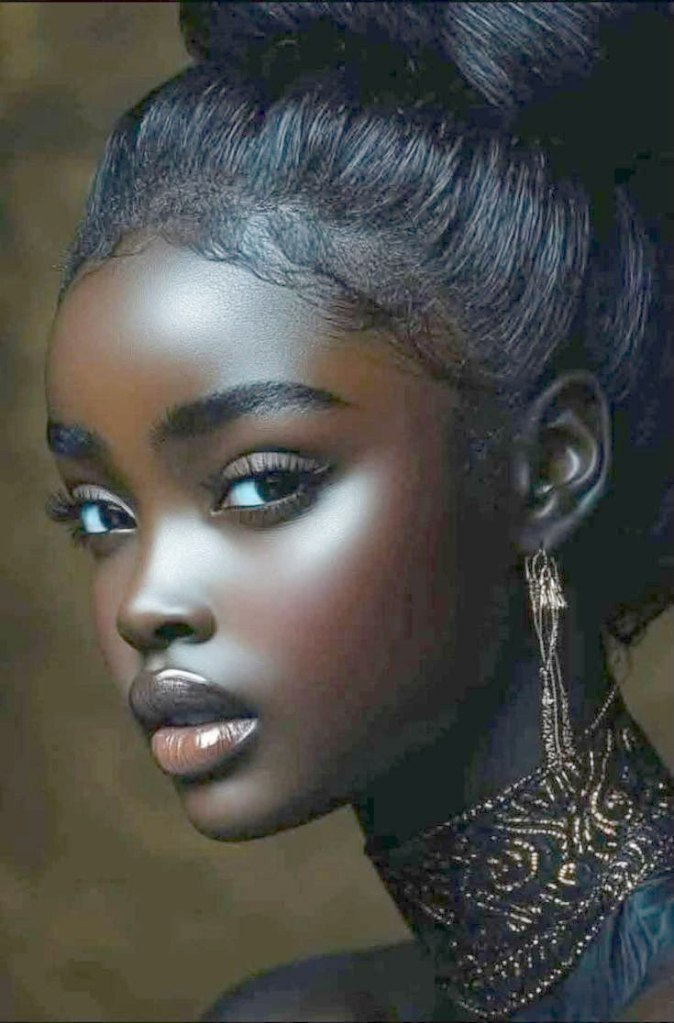
Beauty has long been defined through Eurocentric standards that valorize lighter skin, straight hair, and European facial features, marginalizing the diverse aesthetics inherent to African-descended peoples. Yet, in recent decades, there has been a resurgence of cultural pride that positions melanin—not as a marker of difference or inferiority—but as a symbol of magnificence, resilience, and heritage. This essay explores how Black communities are redefining beauty, reclaiming agency over self-image, and challenging the historical legacies of colonial aesthetics (Banks, 2019; Hunter, 2007).
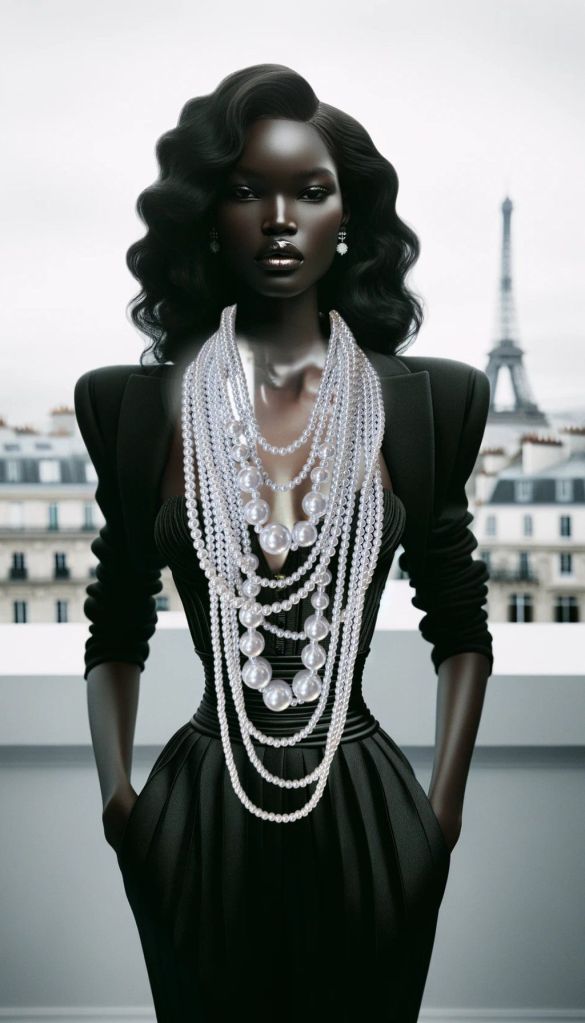
Historical Marginalization of Black Features
The privileging of European aesthetics originates in colonialism and the transatlantic slave trade, which systematically devalued African physical features. Skin tone hierarchies, hair texture biases, and facial feature preferences were not merely social preferences but tools of oppression, used to enforce racialized social stratification (Painter, 2010). Literature, early photography, and art often depicted lighter-skinned individuals with Eurocentric features as “civilized” or “desirable,” while darker-skinned individuals were framed as “other,” reinforcing internalized notions of inadequacy (Hall, 1997).
Psychological Implications of Eurocentric Standards
Internalization of Eurocentric beauty ideals has deep psychological consequences for Black communities. Studies show that colorism—favoring lighter skin over darker—affects self-esteem, social mobility, and mental health (Hunter, 2007). Children exposed to media that elevates European features may develop implicit biases against their own natural traits, associating their darker skin, full lips, or textured hair with undesirability or incompetence (Jones, 2018). This internalized bias contributes to identity conflict and social anxiety, perpetuating the very hierarchies these standards sought to enforce.
The Role of Media and Popular Culture
Modern media continues to reflect and reinforce Eurocentric beauty norms. Film, fashion, and advertising often present European features as aspirational, subtly pressuring Black individuals to conform through hair straightening, skin lightening, or cosmetic alteration (Hunter, 2011). Social media amplifies this effect, with algorithmic promotion frequently privileging lighter-skinned, Eurocentric beauty, generating both admiration and self-critique among viewers. Yet, these platforms also offer spaces for resistance and representation.
Reclaiming Beauty Through a Black Lens
Resistance to Eurocentric standards has been growing. Movements celebrating natural hair, darker skin tones, and Afrocentric aesthetics actively redefine beauty through a Black lens. Campaigns like #BlackGirlMagic and #MelaninPoppin celebrate traits historically marginalized, fostering psychological resilience, cultural pride, and communal affirmation (Thompson, 2020). Black-owned media outlets, fashion brands, and artistic platforms contribute to a paradigm shift that centers Blackness as inherently beautiful, powerful, and diverse.
The Significance of Melanin
Melanin—the pigment that gives skin its color—has become a symbol of magnificence, resilience, and heritage. Beyond its biological function, melanin represents historical survival against oppression, a legacy of strength, and an aesthetic of authenticity. Celebrating melanin challenges centuries of devaluation and reframes Black beauty not as an imitation of European ideals but as a unique, dignified, and powerful standard in its own right (Banks, 2019).
Global and Cultural Impact
Redefining beauty through a Black lens has implications beyond individual self-perception. It challenges global beauty industries to diversify representation, prompts policymakers to address hair and skin discrimination, and inspires cross-cultural appreciation of African aesthetics. The reclamation of beauty is both personal and political, confronting colonial legacies while fostering pride and inclusion in contemporary society (Hunter, 2011).
Conclusion
Melanin and magnificence are not merely aesthetic concepts—they are acts of reclamation, resistance, and empowerment. By redefining beauty through a Black lens, communities can dismantle centuries-old hierarchies that devalued their features and assert the inherent dignity, elegance, and diversity of Blackness. The celebration of melanin is a cultural, psychological, and spiritual affirmation: a declaration that Black beauty is magnificent, sovereign, and unassailable.
References
- Banks, I. (2019). Hair matters: Beauty, power, and Black women’s identity. NYU Press.
- Hall, S. (1997). Representation: Cultural representations and signifying practices. Sage.
- Hunter, M. L. (2007). The persistent problem of colorism: Skin tone, status, and inequality. Sociology Compass, 1(1), 237–254.
- Hunter, M. L. (2011). Race, gender, and the politics of skin tone. Routledge.
- Jones, A. (2018). Colorism and psychological effects in youth. Journal of Black Psychology, 44(2), 123–145.
- Painter, N. I. (2010). The history of White people. W. W. Norton & Company.
- Thompson, C. (2020). Afrocentric beauty and social media activism. Cultural Studies Review, 26(3), 55–74.
Discover more from THE BROWN GIRL DILEMMA
Subscribe to get the latest posts sent to your email.
 THE BROWN GIRL DILEMMA