
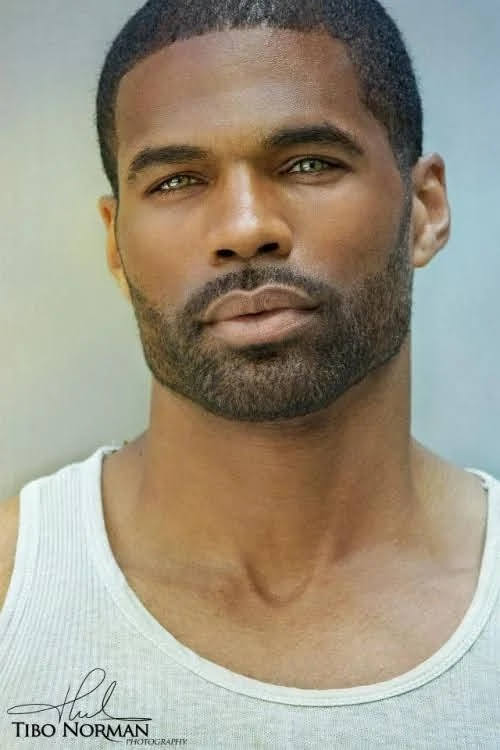
In today’s society, the valuation of men often hinges upon appearance, charisma, and physical appeal rather than depth of character. Media culture has conditioned both men and women to prioritize beauty over inner worth, even within male identity. The modern male is judged not by his moral integrity or wisdom, but by how closely he aligns with aesthetic ideals. This distortion of values reflects a growing superficiality that has not only infiltrated female beauty standards but has now taken men captive as well.
The obsession with male beauty is a recent cultural shift. Historically, masculinity was associated with strength, courage, and provision. Yet, in a postmodern, image-driven world, appearance has become currency. Men are increasingly commodified through fashion, fitness, and facial symmetry. Social media platforms reinforce these ideals, elevating certain looks as the standard of male desirability while silencing deeper traits such as compassion, patience, and faithfulness.
Beauty, for men, now functions as a social passport. A handsome face can open doors to admiration, privilege, and romantic interest. Conversely, men deemed “average” or “unattractive” often face discrimination, invisibility, or rejection. This reality echoes the experiences women have long endured—objectification based on physical traits rather than personality or virtue. The double standard has simply shifted its direction.
Hollywood and celebrity culture have fueled this phenomenon. Actors such as Travis Cure, Idris Elba, Shemar Moore, and Regé-Jean Page embody the archetype of the “perfect man”—tall, chiseled, and effortlessly confident. Their images dominate advertising and media narratives, subtly teaching that physical appeal equates to success and desirability. Meanwhile, the intellectual, kind, or spiritually grounded man is often portrayed as dull or irrelevant.
Social media further amplifies these ideals. Platforms like Instagram and TikTok reward visual perfection with validation—likes, followers, and admiration. Men now curate themselves like brands, promoting fitness routines, skin regimens, and fashion aesthetics. The self becomes a digital performance, crafted for approval rather than authenticity. As the Apostle Paul warned, “For men shall be lovers of their own selves, covetous, boasters, proud…” (2 Timothy 3:2, KJV).
This obsession with beauty reshapes identity and relationships. Many men internalize the belief that their worth is defined by how women perceive them, rather than who they are in God’s eyes. Such validation-based living breeds insecurity and competition rather than self-acceptance. It creates a fragile masculinity built on appearance instead of moral character.
The rise of “pretty boys” and “model men” reflects a cultural reversal of gendered vanity. Once, men criticized women for their beauty obsessions, yet now, they too stand before the mirror, enslaved by self-image. Grooming culture, cosmetic enhancement, and social comparison have merged into a new masculine aestheticism—one that values looks over legacy.
Spirituality offers a sobering contrast. Scripture teaches that true beauty is inward. “Man looketh on the outward appearance, but the Lord looketh on the heart” (1 Samuel 16:7, KJV). This verse underscores a divine principle: external attractiveness fades, but inner righteousness endures. The modern male must rediscover this truth to reclaim authentic manhood.
Men who rely on beauty alone often suffer silently. They may attract temporary admiration but rarely earn lasting respect. Relationships formed on appearance lack spiritual depth and emotional stability. The moment physical perfection fades or public attention shifts, these men feel abandoned and purposeless. This emotional void reveals the emptiness of external validation.
Historically, great men were defined by their deeds, not their looks. Figures such as Frederick Douglass, Martin Luther King Jr., and Nelson Mandela were revered for conviction and courage. Their moral beauty inspired transformation, proving that integrity leaves a greater legacy than physical appearance ever could. Today’s generation must return to that model of greatness.
Beauty without character is like gold-plated brass—it shines, but it lacks substance. In relationships, women may initially be drawn to a man’s physical appeal, but they ultimately seek strength, leadership, and spiritual maturity. Superficial attraction fades when trials test the soul. Personality and principle become the glue that sustains love beyond the surface.
Modern capitalism profits from male insecurity. Industries exploit appearance anxiety, selling fitness supplements, grooming products, and designer wardrobes under the illusion that beauty equals success. This consumer trap replaces spiritual confidence with material vanity, urging men to buy rather than build self-worth.
True manhood must return to its divine roots. The biblical man leads with wisdom, compassion, and self-control. He understands that appearance is fleeting, but legacy is eternal. As Proverbs 31:30 reminds us, “Favour is deceitful, and beauty is vain: but a woman that feareth the Lord, she shall be praised.” The same principle applies to men—those who fear God embody lasting beauty.
Personality—rooted in humility, courage, and faith—defines a man’s true worth. It is the light that remains when youthful glow fades. The world may idolize handsomeness, but heaven honors holiness. When men walk in purpose, their presence becomes radiant beyond physical measure.
The pressure of beauty over personality has also created mental health struggles among men. Depression, body dysmorphia, and social anxiety are rising as men chase unattainable perfection. This crisis reveals how far society has drifted from valuing authentic humanity. Healing begins when men detach their worth from worldly admiration.
Men must learn to see themselves through divine eyes, not digital ones. Social media filters and comparisons distort truth. God designed every man with intention, from his features to his purpose. Accepting this divine craftsmanship restores peace and dignity in an age obsessed with appearances.
Reclaiming personality over beauty means redefining success. The strong man is not the most handsome but the most honorable. He uplifts others, speaks truth, and walks in integrity. His smile may fade, but his character leaves a mark that time cannot erase.
The church and community play vital roles in reshaping male identity. Mentorship, discipleship, and open dialogue can counter the idol of beauty. By emphasizing moral leadership, empathy, and service, men can rediscover their God-given image and reject superficial validation.
Ultimately, the true beauty of a man lies in his spirit. His courage to love, his strength to forgive, and his devotion to God define his essence. In a culture that prizes image over integrity, the righteous man stands as a reflection of divine masculinity—beautiful not in body, but in soul.
References
- Holy Bible, King James Version. (1611/2017). Thomas Nelson.
- Paul, S. (2020). The Mask of Masculinity: How Image Replaced Integrity. Oxford University Press.
- hooks, b. (2004). The Will to Change: Men, Masculinity, and Love. Atria Books.
- Gill, R. (2009). Mediated Masculinities: Image, Body, and Culture. Routledge.
- Dines, G., & Humez, J. (2018). Gender, Race, and Class in Media. SAGE Publications.
- Twenge, J. M., & Campbell, W. K. (2018). The Narcissism Epidemic: Living in the Age of Entitlement. Atria Books.
- Anderson, E. (2014). Inclusive Masculinity: The Changing Nature of Masculinities. Routledge.
- Schwalbe, M. (2016). Manhood Acts: Gender and the Practices of Domination. Routledge.
- Pease, B. (2019). Reinventing Masculinity: The Power of Character over Appearance. Beacon Press.
Discover more from THE BROWN GIRL DILEMMA
Subscribe to get the latest posts sent to your email.
 THE BROWN GIRL DILEMMA