
Behind the romanticized myths of southern plantations lay a hidden reality—a world of suffering, endurance, and humanity often obscured by the economic narrative of cotton. Slavery in the American South was not a static institution; it was a geographical and cultural system that shaped landscapes, identities, and lives. From the rich deltas of Mississippi to the rice swamps of South Carolina and the sugarcane fields of Louisiana, the geography of slavery dictated not only labor but the very rhythm of existence for millions of enslaved Africans.
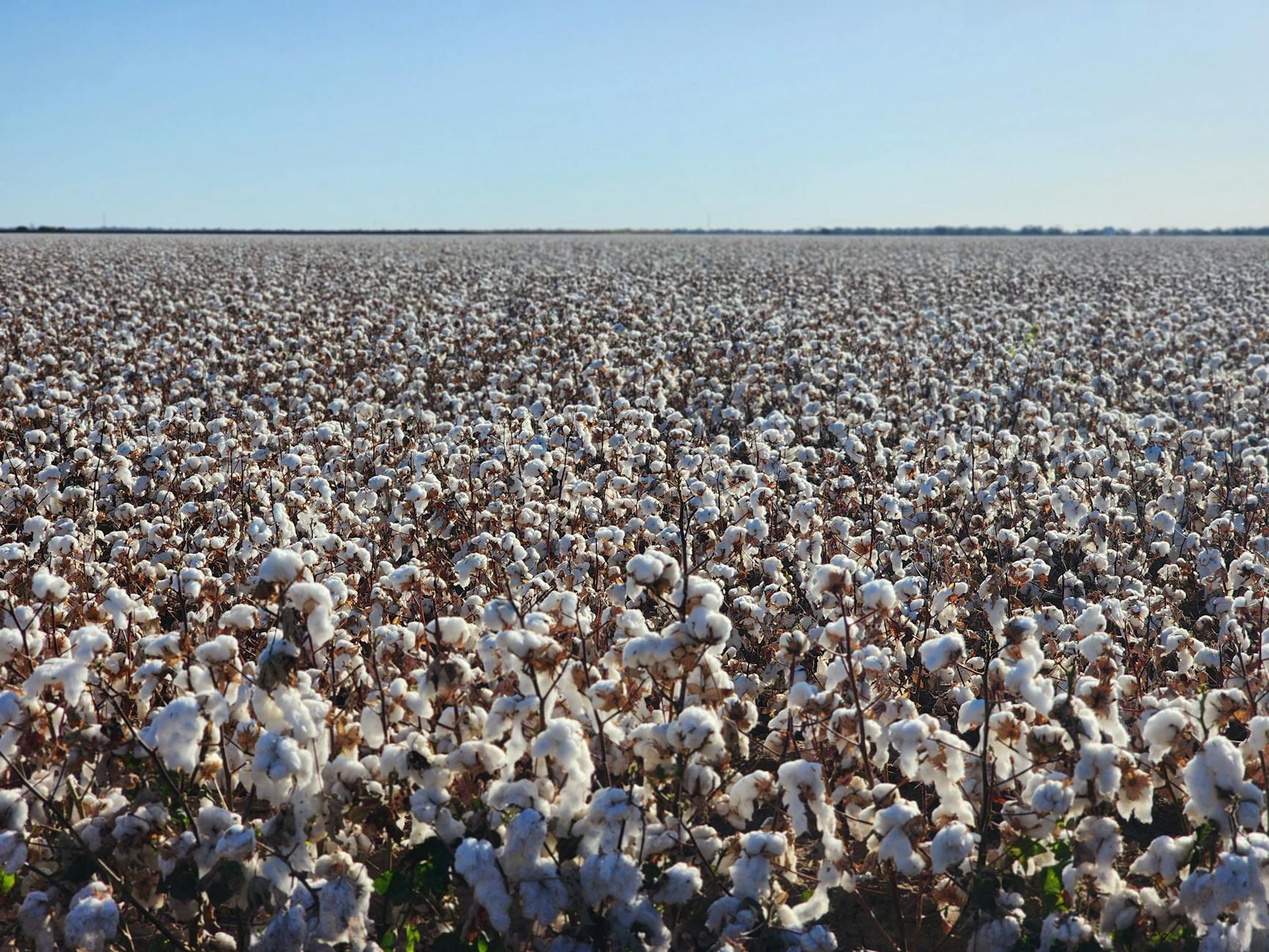
Cotton was king, but it ruled through chains. The geography of the Deep South—its humid climate and fertile soil—made it ideal for cotton cultivation, turning human lives into instruments of production. Enslaved laborers worked from dawn to dusk, their hands blistered by the very fiber that fueled global capitalism. Every cotton boll carried both economic profit and human pain (Baptist, 2014).
In coastal regions, such as the Sea Islands of Georgia and South Carolina, the Gullah-Geechee people developed unique cultural patterns. Because of their isolation and African majority, they preserved much of their ancestral heritage—language, cuisine, and spirituality. This community represented a living bridge between Africa and America, maintaining traditions that defied cultural erasure (Joyner, 1984).
The plantation system was a complete world unto itself, governed by rigid hierarchies and surveillance. Overseers, driven by quotas and cruelty, maintained order through fear. The daily routine began before sunrise and often ended only when the last light faded. Enslaved people labored under the watchful eye of white dominance, yet within these confines, they built an internal world of faith, kinship, and quiet resistance.
Housing reflected the social order. While the master’s mansion stood as a symbol of wealth and power, the slave quarters told another story. Built of wood or mud, with dirt floors and minimal furnishing, these cabins were cramped but alive with community. Within their walls, families prayed, sang, and strategized survival. It was here, behind the cotton fields, that the enslaved recreated a sense of belonging in a world that sought to strip it away.
Foodways also reveal the ingenuity of enslaved Africans. Given meager rations—cornmeal, lard, and scraps—they transformed survival into art, creating culinary traditions that remain central to African American identity. Dishes such as gumbo, hoppin’ john, and rice stews were cultural testaments to memory and adaptation. Through food, they maintained ancestral ties and expressed creative resilience (Opie, 2008).
Religion was the spiritual heart of plantation life. The “invisible church” thrived in secrecy, where enslaved men and women gathered in hush harbors to worship under moonlight. These gatherings were both spiritual and political acts—spaces of liberation where they reinterpreted Christianity through an African lens. The God of the enslaved was not the master’s God of submission, but the deliverer who freed the oppressed (Raboteau, 2004).
Music was omnipresent. The fields echoed with spirituals and work songs that expressed pain, coded hope, and communal strength. The rhythm of hoe and song was a form of communication that transcended language barriers. “Steal Away,” “Go Down, Moses,” and “Swing Low, Sweet Chariot” were not merely songs but sacred messages of endurance and escape.
Gender dynamics shaped experiences differently. Enslaved women carried the dual burden of labor and sexual exploitation. Their bodies became sites of violence and survival. Yet, they also held the community together through care, storytelling, and midwifery. Enslaved mothers resisted psychological destruction by nurturing identity and strength in their children (White, 1999).
Children, born into bondage, learned early the rules of survival. Play was limited; innocence was fleeting. Many were separated from their parents, sold to other plantations before adolescence. Yet, even in these fragmented spaces, children were taught songs, proverbs, and prayers—spiritual inheritances that preserved humanity across generations.
The hidden economy of slavery extended beyond the fields. Skilled artisans—blacksmiths, carpenters, seamstresses—labored in silence, often earning small wages or privileges. Their expertise built the infrastructure of the South, though their names remain lost to history. Labor, in every form, was both a curse and a source of dignity for the enslaved (Berlin, 2003).
Cultural expression flourished in the margins. Folktales, particularly the Br’er Rabbit stories, functioned as allegories of resistance. The cunning trickster who outwitted stronger adversaries symbolized the enslaved spirit—resourceful, patient, and subversive. Oral tradition became a psychological refuge, turning oppression into wisdom (Levine, 1977).
Geography also shaped rebellion. In the swamps of Florida and Louisiana, maroon communities—runaway slaves who formed free settlements—thrived beyond the reach of slave catchers. These hidden enclaves were testaments to defiance, combining African survival skills with the American wilderness. The landscape itself became a partner in resistance (Weaver, 2006).
Daily life was marked by constant negotiation between subservience and selfhood. The enslaved learned to navigate the master’s world with coded behavior—outward compliance masking inner freedom. They practiced what scholar James C. Scott (1990) called “the hidden transcript,” a secret resistance carried in whispers, gestures, and double meanings.
Festivals and dances provided rare spaces of release. On Sundays and holidays, enslaved people gathered to dance the juba, stomp rhythms, and share stories. These cultural gatherings were acts of joy and identity reclamation, affirming their collective humanity despite systematic dehumanization.
The physical geography of slavery also dictated mortality. The rice plantations of the Carolinas were death traps, breeding malaria and disease. The Louisiana sugar fields were even harsher—workers were literally worked to death during harvest. Geography was not just landscape; it was a silent accomplice to suffering (Morgan, 1998).
Despite unimaginable conditions, enslaved people forged emotional worlds of love and loyalty. Marriages, though unrecognized by law, were sacred vows in the eyes of God. Couples risked punishment to see one another across plantations. Love itself became an act of rebellion—a declaration that they were still human, still capable of tenderness.
The hidden lives behind the cotton fields were not defined by despair but by determination. Within every prayer, song, and whispered story was a prophecy of freedom. The enslaved refused to be reduced to property; they were people of vision, artistry, and faith, whose daily resistance laid the foundation for future generations.
When emancipation finally came, it was not granted—it was earned through centuries of survival. The legacy of those hidden lives continues to shape the cultural, spiritual, and moral identity of African Americans today. Behind the cotton fields, there existed a civilization of strength—a people unbroken, unseen, yet unforgettable.
References
Baptist, E. E. (2014). The half has never been told: Slavery and the making of American capitalism. Basic Books.
Berlin, I. (2003). Generations of captivity: A history of African-American slaves. Harvard University Press.
Joyner, C. (1984). Down by the riverside: A South Carolina slave community. University of Illinois Press.
Levine, L. W. (1977). Black culture and Black consciousness: Afro-American folk thought from slavery to freedom. Oxford University Press.
Morgan, P. D. (1998). Slave counterpoint: Black culture in the eighteenth-century Chesapeake and Lowcountry. University of North Carolina Press.
Opie, F. D. (2008). Hog and hominy: Soul food from Africa to America. Columbia University Press.
Raboteau, A. J. (2004). Slave religion: The “invisible institution” in the antebellum South. Oxford University Press.
Scott, J. C. (1990). Domination and the arts of resistance: Hidden transcripts. Yale University Press.
Weaver, J. C. (2006). The red Atlantic: American indigenes and the making of the modern world, 1000–1927. Cambridge University Press.
White, D. G. (1999). Ar’n’t I a woman? Female slaves in the plantation South. W. W. Norton.
Discover more from THE BROWN GIRL DILEMMA
Subscribe to get the latest posts sent to your email.
 THE BROWN GIRL DILEMMA