
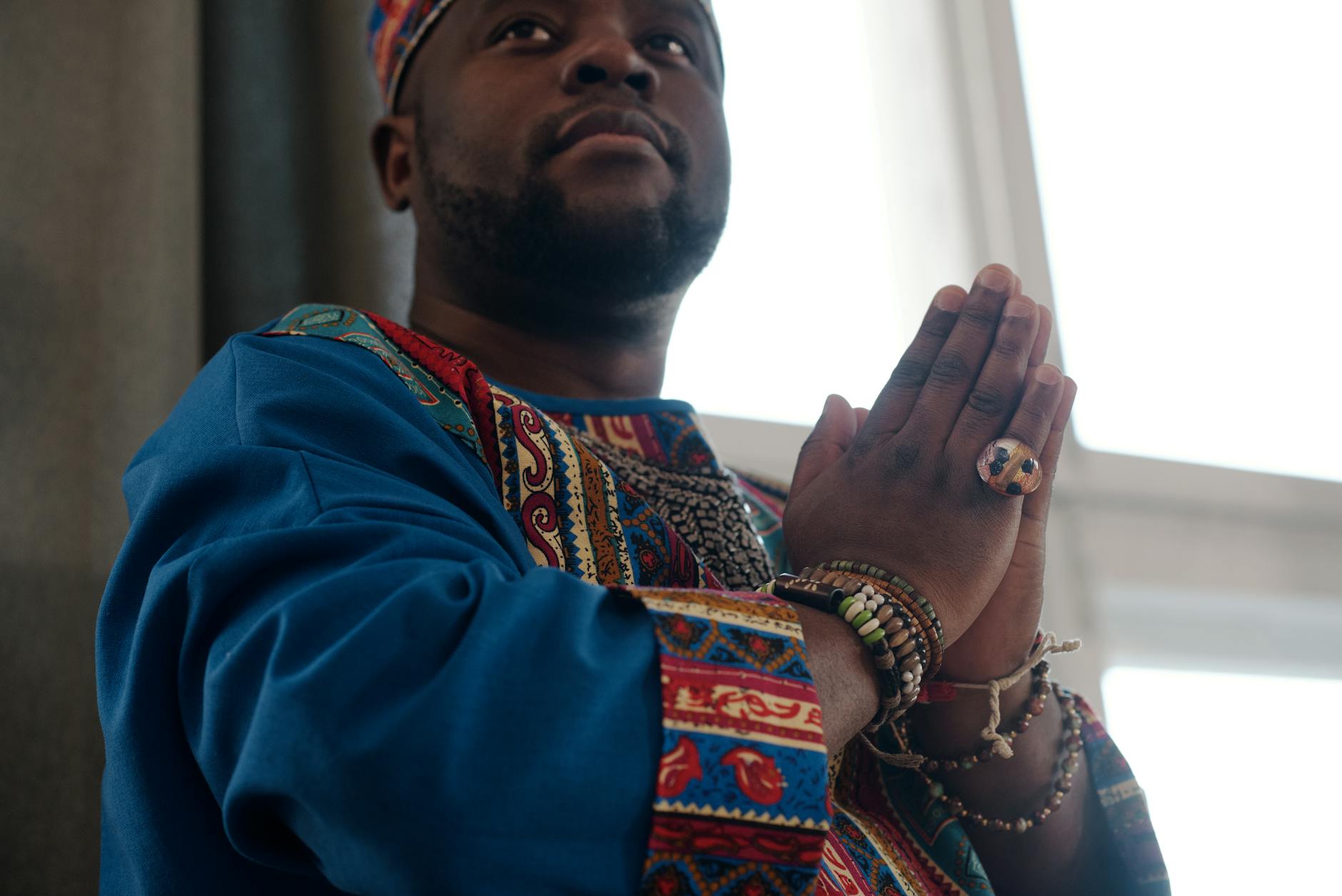
Faith and discipline are two foundational pillars for spiritual, personal, and professional growth. Faith is trust in God and His promises, often motivating action even in the absence of visible results. Discipline, on the other hand, is the consistent practice of self-control, habits, and effort that drives progress regardless of emotion or circumstance. Both are essential, but they operate differently and complement each other in achieving long-term success.
Faith involves believing in God’s plan, trusting His timing, and relying on divine guidance. Hebrews 11:1 (KJV) defines faith as “the substance of things hoped for, the evidence of things not seen.” Faith provides motivation, hope, and resilience, especially in situations beyond one’s control. Psychology highlights that faith can reduce anxiety, increase optimism, and foster emotional resilience (Pargament, 1997).
Discipline, conversely, requires consistent action and self-regulation. It is the ability to maintain focus, adhere to routines, and delay gratification for long-term goals. Proverbs 25:28 (KJV) warns, “He that hath no rule over his own spirit is like a city that is broken down, and without walls.” Psychological studies show that self-discipline predicts success, achievement, and mental well-being (Baumeister et al., 2007).
While faith motivates and provides purpose, discipline ensures execution. Faith alone without action can lead to passivity, whereas discipline without faith may lack direction and meaning. The Bible presents both as necessary: “Commit thy works unto the LORD, and thy thoughts shall be established” (Proverbs 16:3, KJV). Discipline structures action, while faith guides intention.
Faith empowers perseverance. When challenges arise, faith reminds individuals of God’s promises and ultimate purpose. For instance, Abraham trusted God’s promise to make him the father of nations despite long delays (Genesis 15:6, KJV). Psychology indicates that hope and belief in a greater purpose enhance persistence under adversity (Snyder, 2002).
Discipline fosters consistency. Small, repeated actions build habits that shape character and outcomes. 1 Corinthians 9:27 (KJV) illustrates this principle: “But I keep under my body, and bring it into subjection.” Discipline trains the mind and body to act toward goals, even when motivation wanes, complementing faith’s inspiration with tangible effort.
Together, faith and discipline create a balanced approach to growth. Faith directs and inspires, while discipline enforces consistency and accountability. James 2:17 (KJV) emphasizes this synergy: “Even so faith, if it hath not works, is dead, being alone.” Spiritual and psychological development thrives when belief and action co-exist.
Faith vs. Discipline: Balancing Trust and Action
1. Understand the Difference
- Faith: Belief and trust in God’s plan, even when outcomes are unseen.
- Hebrews 11:1 (KJV): “Now faith is the substance of things hoped for, the evidence of things not seen.”
- Discipline: Consistent effort, self-control, and structured action toward goals.
- 1 Corinthians 9:27 (KJV): “But I keep under my body, and bring it into subjection.”
2. Let Faith Inspire Purpose
- Use faith to define your “why” in life, your goals, and your moral direction.
- Psychology: Purpose-driven action enhances resilience and motivation (Snyder, 2002).
3. Let Discipline Enforce Consistency
- Structure daily routines, develop habits, and act even when motivation is low.
- Proverbs 25:28 (KJV): “He that hath no rule over his own spirit is like a city that is broken down, and without walls.”
- Psychology: Self-discipline predicts achievement and long-term success (Baumeister et al., 2007).
4. Combine Faith and Discipline in Daily Life
- Pray and seek God’s guidance for your goals.
- Take concrete steps toward them with planning and perseverance.
- James 2:17 (KJV): “Even so faith, if it hath not works, is dead, being alone.”
5. Overcome Challenges Through Both
- Faith gives hope in adversity; discipline keeps you moving forward.
- Abraham trusted God for the promised child; consistent obedience brought that promise to fruition (Genesis 15–21, KJV).
6. Monitor Your Progress and Adjust
- Reflect weekly: Are your actions aligned with God’s calling and your faith?
- Psychology: Reflection enhances self-regulation and goal attainment (Zimmerman, 2002).
7. Encourage Balance in Your Community
- Surround yourself with people who inspire faith and model discipline.
- Proverbs 27:17 (KJV): “Iron sharpeneth iron; so a man sharpeneth the countenance of his friend.”
- Mentorship and accountability amplify growth and spiritual alignment.
✨ Key Takeaway: Faith provides vision, purpose, and divine alignment. Discipline converts that faith into tangible action and measurable progress. When both work together, personal, spiritual, and professional growth is sustainable, resilient, and purposeful.
In conclusion, faith and discipline are distinct but interdependent. Faith provides purpose, hope, and divine alignment, while discipline delivers structure, consistency, and measurable progress. By integrating both, individuals can navigate challenges, pursue goals with intention, and fulfill God’s calling in their lives. Psychology and Scripture together affirm that the most effective growth combines trust in God with deliberate, disciplined effort.
References
- The Holy Bible, King James Version.
- Baumeister, R. F., Vohs, K. D., & Tice, D. M. (2007). The strength model of self-control. Current Directions in Psychological Science, 16(6), 351–355.
- Pargament, K. I. (1997). The psychology of religion and coping. Guilford Press.
- Snyder, C. R. (2002). Hope theory: Rainbows in the mind. Psychological Inquiry, 13(4), 249–275.
Discover more from THE BROWN GIRL DILEMMA
Subscribe to get the latest posts sent to your email.
 THE BROWN GIRL DILEMMA