
The Psychological Legacy of Slavery and Color Bias.
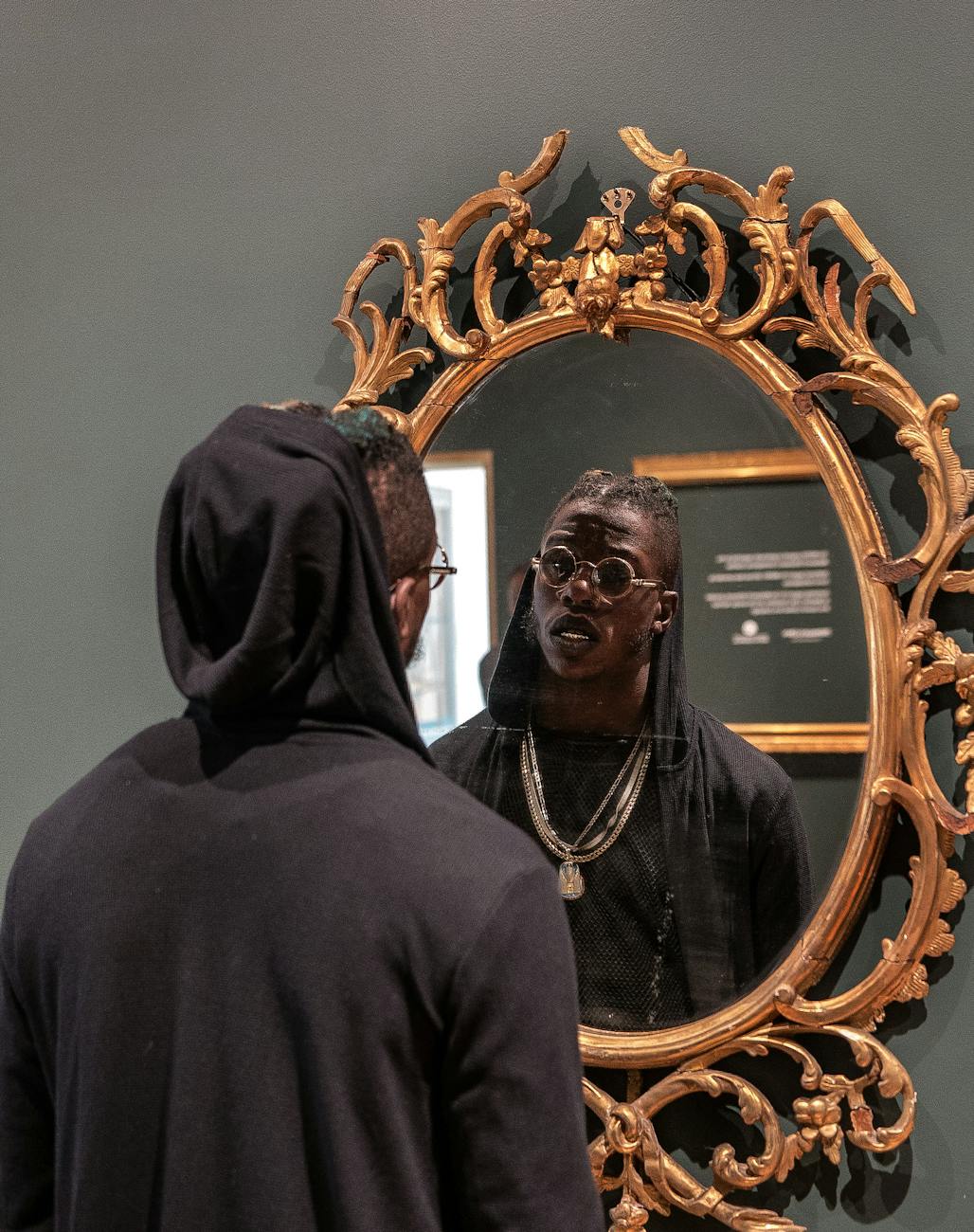
Self-hatred among Black people has deep historical roots, particularly stemming from the trauma of slavery and centuries of systemic oppression. This internalized disdain manifests in attitudes toward one’s skin, hair, and cultural features, and continues to affect Black people today. Psychologists identify self-hatred as a form of internalized oppression, where victims adopt the negative beliefs and stereotypes imposed by dominant groups (Welsing, 1991). Biblically, this contrasts with God’s perspective: “But the Lord said unto Samuel, Look not on his countenance, or on the height of his stature; for the Lord seeth not as man seeth; for man looketh on the outward appearance, but the Lord looketh on the heart” (1 Samuel 16:7, KJV).
Historical Roots: Slavery and Colorism
During slavery, lighter-skinned slaves—often children of European masters—were given preferential treatment, while darker-skinned individuals faced harsher labor and punishment. This created a color hierarchy within enslaved communities, instilling notions of inferiority based on skin tone. Hair texture was also stigmatized, and European beauty ideals were valorized. These historical realities laid the foundation for psychological wounds that persist across generations.
Psychological Effects
Self-hatred manifests as low self-esteem, anxiety, depression, and identity conflict. Psychologists note that internalized racism can result in imposter syndrome, social withdrawal, and preference for Eurocentric features (Hunter, 2007). Black girls and women may feel pressured to straighten hair, lighten skin, or alter features to fit societal ideals. The stress of trying to conform externally often exacerbates internal conflict and mental health challenges.
Contemporary Implications
Today, Black people still face discrimination in employment, education, and media representation. Lookism and lightism—preference for lighter skin and straighter hair—affect hiring decisions, casting in media, and social interactions. Colorism perpetuates inequality even within communities of color, while mainstream media continues to glorify Eurocentric beauty standards. The KJV Bible reminds believers to find value in spiritual and moral integrity rather than external appearance (1 Peter 3:3-4, KJV).
Self-Hatred Healing Guide: Overcoming the Legacy of Slavery and Colorism
1. Daily Affirmations and Spiritual Grounding
- “I am fearfully and wonderfully made” (Psalm 139:14, KJV).
- “God sees the heart; my worth is in Him, not in society’s standards” (1 Samuel 16:7, KJV).
- “My skin, hair, and features are beautiful and reflect God’s design.”
Practice: Repeat affirmations daily, write them in a journal, or post them where you see them regularly.
2. Cultural Pride and Representation
- Celebrate African, Caribbean, or Black American heritage.
- Engage with media that showcases Black beauty, culture, and achievements.
- Support Black-owned businesses, authors, artists, and creators to reinforce cultural pride.
3. Media Literacy
- Critically evaluate mainstream media for Eurocentric beauty standards.
- Avoid content that perpetuates negative stereotypes or color bias.
- Share and promote diverse representation that affirms dark and brown-skinned beauty.
4. Mental Health and Therapy
- Seek therapy with professionals trained in racial trauma and colorism.
- Journaling: Write thoughts, experiences, and victories to externalize and process internalized biases.
- Cognitive restructuring: Challenge negative self-talk and replace it with truth-based affirmations rooted in spirituality and personal value.
5. Faith and Spiritual Practices
- Pray daily for self-acceptance, healing, and guidance.
- Meditate on Scriptures emphasizing inner beauty and God’s perspective:
- 1 Samuel 16:7: God values the heart, not outward appearance.
- Psalm 139:14: Each person is wonderfully made.
- Use fasting, worship, and fellowship to strengthen spiritual resilience and emotional health.
6. Practical Beauty and Self-Care
- Embrace natural hair textures, skin tones, and facial features.
- Experiment with self-expression through fashion, makeup, and hairstyles that celebrate identity rather than conform to Eurocentric norms.
- Develop a self-care routine that nurtures mental, physical, and emotional well-being.
7. Community and Mentorship
- Join groups or networks that celebrate Black identity and provide emotional support.
- Seek mentorship from Black leaders, activists, and professionals who model confidence and self-love.
- Share experiences with peers to normalize challenges and reinforce empowerment.
8. Action Steps
- Begin each day with affirmations and prayer.
- Limit exposure to harmful media messages.
- Participate in cultural and community events that celebrate Black heritage.
- Engage in therapy, journaling, or spiritual counseling.
- Mentor or guide younger Black individuals to foster self-love and cultural pride.
Strategies for Change
- Cultural Affirmation: Celebrate Black features, hairstyles, and skin tones in media, education, and community spaces.
- Education: Teach the history of slavery, colorism, and its psychological effects to promote awareness.
- Therapy and Counseling: Encourage mental health support focused on racial trauma and self-worth.
- Faith-Based Empowerment: Scripture and spiritual practice can restore confidence and identity in God’s eyes (Psalm 139:14, KJV).
Role of White Society
White society can help dismantle systemic biases by:
- Confronting and correcting discriminatory policies in workplaces, schools, and media.
- Promoting diverse representation in leadership and media.
- Supporting initiatives that celebrate Black culture rather than co-opt or erase it.
- Recognizing the historical roots of self-hatred and advocating for reparative justice.
References
Biblical References (KJV)
- 1 Samuel 16:7
- 1 Peter 3:3-4
- Psalm 139:14
Psychology & Sociology References
- Welsing, F. C. (1991). The Isis Papers: The Keys to the Colors. Third World Press.
- Hunter, M. L. (2007). The Persistent Problem of Colorism: Skin Tone, Status, and Inequality. Sociology Compass, 1(1), 237–254.
- Clark, R., & Clark, K. (1947). Racial Identification and Preference in Negro Children. Journal of Negro Education, 16(3), 169–176.
Discover more from THE BROWN GIRL DILEMMA
Subscribe to get the latest posts sent to your email.
 THE BROWN GIRL DILEMMA