
“A people without the knowledge of their past history, origin, and culture is like a tree without roots.” — Marcus Garvey
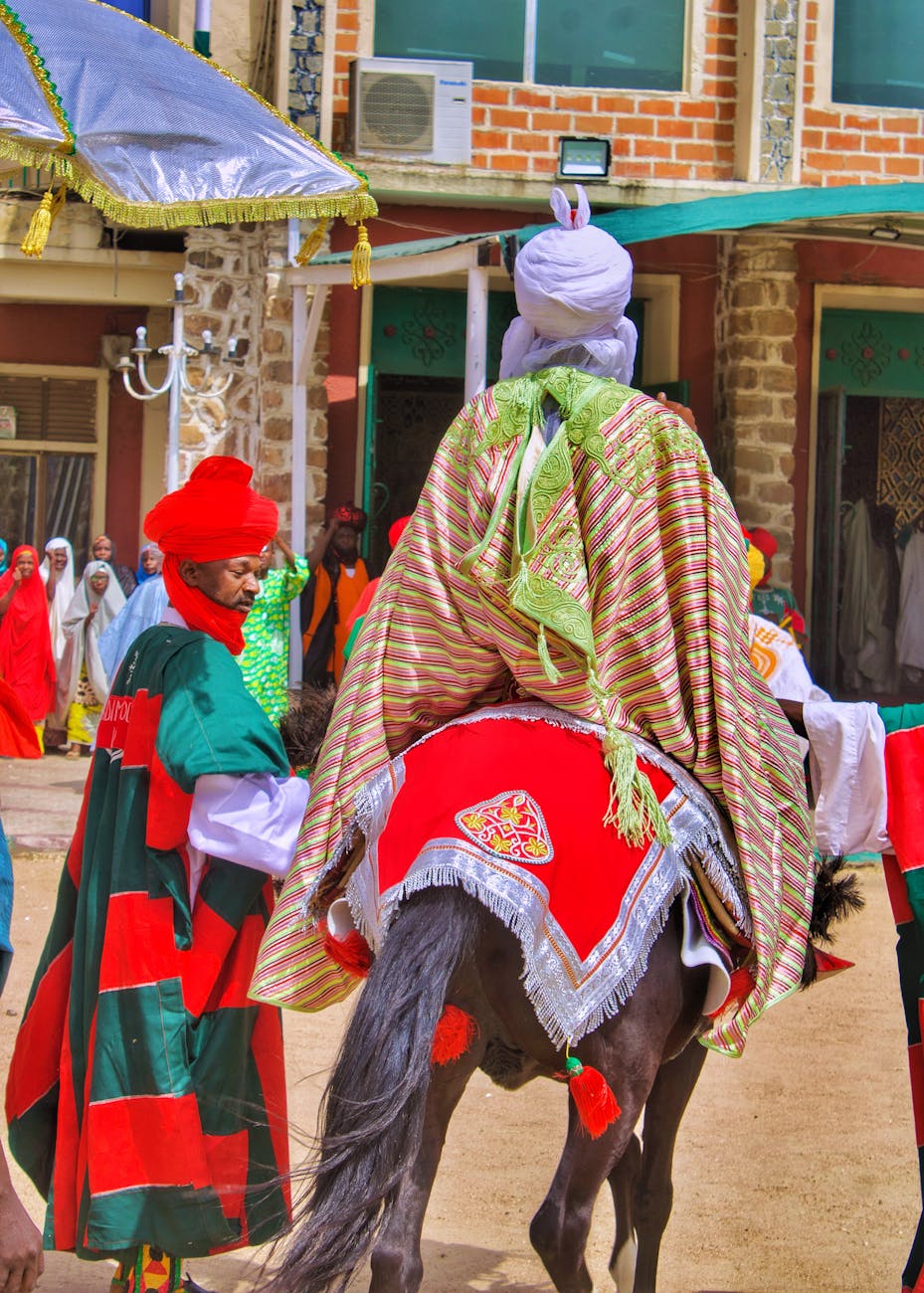
African history is rich with kingdoms, dynasties, and monarchies that predate many Western empires. Yet much of this history has been obscured, diminished, or erased due to the transatlantic slave trade, colonization, and the cultural manipulation of dominant powers. The “lost kings and queens” of Africa represent not only individuals but entire lineages of leadership, wisdom, and cultural stewardship. These rulers were custodians of knowledge, justice, and spiritual guidance, linking African peoples to God’s covenant and the biblical narrative of the twelve tribes of Israel. Reclaiming this royal lineage is a task of historical restoration, genealogical tracing, and spiritual awakening for the African diaspora.
Historical Context and Lost Lineages
The height of African civilization between 1000 BCE and 1600 CE produced kingdoms renowned for governance, culture, and wealth. Among these were the Kingdoms of Kush, Axum, Mali, Songhai, Benin, and Great Zimbabwe. Monarchs like Mansa Musa of Mali (14th century) and Queen Amanirenas of Kush exemplify the sophistication and authority of African royalty. The loss of these royal lineages was accelerated by European colonial conquest, internal warfare, and the forced displacement of Africans during the slave trade. These events fractured communities and obscured connections to ancestral leadership, creating a cultural amnesia that continues to affect African descendants globally.
Biblical Connections: The Kingdom of God and the 12 Tribes
The Bible provides a spiritual framework for understanding African royalty. The twelve tribes of Israel, as described in Genesis and the historical books of the KJV Bible, were originally led by patriarchs who exemplified godly leadership, wisdom, and covenantal responsibility. Scholars argue that Africans, particularly through the lineage of Cush and Ham (Genesis 10:6–8, KJV), share a spiritual and genealogical connection to these tribes. The “fall from grace” described in scripture—through disobedience, idolatry, and exile—mirrors the historical subjugation of African kingdoms, where colonial and imperial forces usurped authority and disrupted the governance and culture of African peoples.
The Original Black Royalty
Original African royalty was both political and spiritual. Kings and queens were custodians of law, morality, and religious practice. Pharaohs of Kemet, the monarchs of Kush, and the emperors of Axum exercised centralized authority while upholding societal and spiritual order. These leaders were often scholars, priests, and strategists, ensuring the prosperity and continuity of their people. Their legacy is reflected in architecture, oral traditions, and historical texts, but centuries of suppression have obscured their stories. Today, the remnants of these lineages are visible in royal families in Ethiopia, Morocco, and Nigeria, as well as through the cultural traditions that survived the diaspora.
The African Royal Diaspora
The African royal diaspora refers to descendants of African nobility and leadership displaced through slavery and colonialism. These “lost kings and queens” include both documented heirs and those whose genealogical ties were erased by systemic oppression. The diaspora’s disconnection from ancestral authority contributed to the cultural, social, and psychological challenges faced by African descendants. Reclaiming this royal identity involves education, genealogical research, and cultural restoration. Understanding one’s heritage is crucial for restoring dignity and spiritual continuity.
Reclaiming Royal Lineage
Reclamation of African royal lineage involves multiple strategies:
- Genealogical Research: Tracing family histories through oral tradition, DNA analysis (including Y-chromosome haplogroups like E1B1A), and archival records.
- Cultural Revival: Reviving languages, rituals, and governance practices that honor ancestral traditions.
- Education and Scholarship: Promoting African-centered curricula and research that document the accomplishments of African royalty and leadership.
- Spiritual Reconnection: Integrating biblical principles and ancestral teachings to restore the moral and spiritual authority once exercised by African monarchs.
Modern-Day Examples of African Royalty
Several modern African monarchs and traditional leaders continue to embody the legacy of African kingship:
- King Mohammed VI of Morocco maintains the Alaouite dynasty, a lineage dating back to the 17th century.
- Emperor of Ethiopia, Haile Selassie I (recently deceased) symbolized the Solomonic dynasty, tracing descent from King Solomon and the Queen of Sheba.
- Oba of Benin, Ewuare II preserves the heritage of the Benin Kingdom and cultural traditions of governance and spirituality.
These figures exemplify continuity, resilience, and the living presence of African royalty.
Evidence and Sources
Historical, archaeological, and genealogical evidence supports the existence and continuity of African royalty. Primary sources include inscriptions, royal decrees, architecture, oral histories, and lineage records maintained by traditional authorities. Scholarly works such as Ivan Van Sertima’s They Came Before Columbus and Cheikh Anta Diop’s The African Origin of Civilization provide detailed analysis of African monarchies and their contributions to global civilization. Combined with biblical texts (KJV) referencing Cush, Ham, and the covenantal tribes, these sources form a robust foundation for understanding African royal lineage.
Conclusion
The lost kings and queens of Africa represent a lineage of governance, spirituality, and cultural mastery that has been obscured by slavery, colonization, and systemic oppression. Reclaiming this heritage requires historical scholarship, genealogical research, cultural restoration, and spiritual reconnection. For the African diaspora, rediscovering royal ancestry is not merely an academic exercise—it is an act of identity reclamation, empowerment, and continuity with God’s covenantal people as described in the scriptures. As Marcus Garvey reminds us, knowledge of one’s roots is essential for strength, purpose, and collective destiny. By restoring awareness of African kings and queens, we reclaim a narrative of dignity, wisdom, and divine legacy that has endured despite centuries of erasure.
References
- Diop, C. A. (1974). The African Origin of Civilization: Myth or Reality. Chicago Review Press.
- Franklin, J. H., & Moss, A. A. (2000). From Slavery to Freedom: A History of African Americans (8th ed.). McGraw-Hill.
- Van Sertima, I. (1976). They Came Before Columbus: The African Presence in Ancient America. Random House.
- Garvey, M. (1920). Philosophy and Opinions of Marcus Garvey. Universal Negro Improvement Association.
- The Holy Bible, King James Version.
- Egharevba, J. U. (1968). A Short History of Benin. Ibadan University Press.
- Shillington, K. (2005). History of Africa (2nd ed.). Palgrave Macmillan.
Discover more from THE BROWN GIRL DILEMMA
Subscribe to get the latest posts sent to your email.
 THE BROWN GIRL DILEMMA