
Understanding the “-Isms”: Prejudice, Psychology, and Liberation
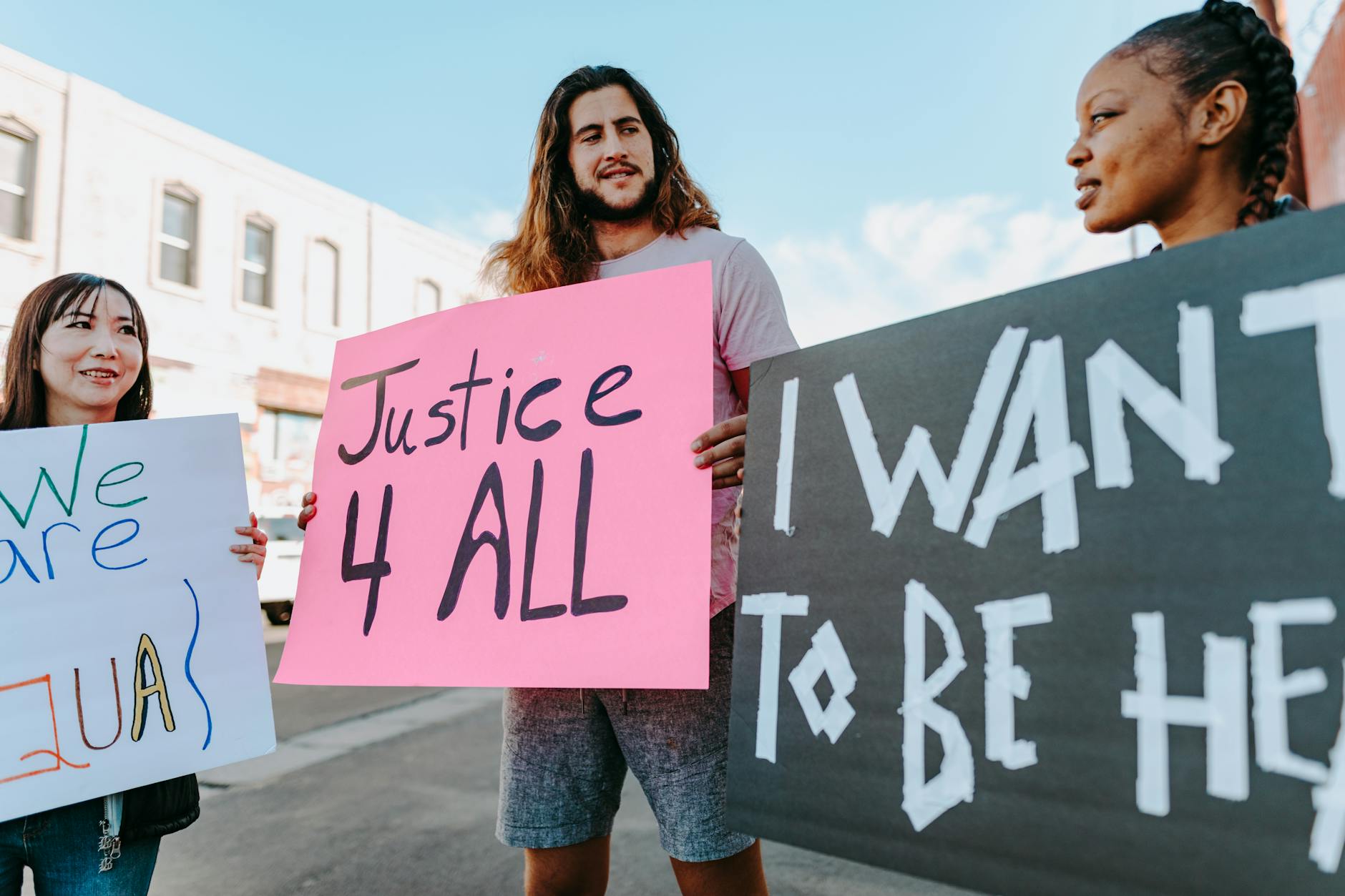
In modern discourse, the term “-isms” refers to a collection of belief systems rooted in prejudice, discrimination, and social hierarchy. These ideologies—racism, sexism, colorism, lookism, featurism, ableism, ageism, classism, and others—are not merely isolated biases; they are embedded in the structures of society, influencing everything from policy to personal interactions. Understanding these “-isms” requires an examination of their definitions, psychological roots, real-world implications, and the pathway toward liberation.
1. Defining the “-Isms” and Their Prejudicial Nature
Racism
Racism is the belief that one race is inherently superior to others. It manifests in systemic inequality, police brutality, housing discrimination, and educational disparities.
Example: The over-policing and incarceration of Black men in America reflect institutional racism.
Sexism
Sexism involves discrimination based on gender, particularly against women and gender-nonconforming individuals.
Example: Women being paid less than men for the same work or being underrepresented in leadership roles.
Colorism
Colorism refers to the preferential treatment of lighter skin over darker skin, often within the same racial group.
Example: Lighter-skinned Black individuals may be perceived as more “professional” or “attractive” than darker-skinned individuals.
Lookism
Lookism is the bias against individuals based on physical appearance, especially when they do not conform to societal standards of beauty.
Example: Attractive people are often more likely to be hired, promoted, or favored socially.
Featurism
Featurism involves discrimination based on facial or bodily features, often tied to Eurocentric beauty standards.
Example: Natural Black hairstyles or broader noses being considered “unprofessional” in workplaces.
Ableism
Ableism is prejudice against people with disabilities, whether physical, mental, or neurological.
Example: Buildings lacking ramps or employers assuming individuals with disabilities are less competent.
Ageism
Ageism includes biases against individuals based on age, whether young or elderly.
Example: Older adults being overlooked for jobs or leadership positions due to assumptions about technological incompetence.
Classism
Classism is discrimination based on socioeconomic status. It creates unjust barriers for low-income individuals in education, healthcare, and justice.
Example: Poor students attending underfunded schools, or being stereotyped as lazy or unmotivated.
2. Bias Behind the -Isms: Psychological Foundations
Psychologically, the “isms” stem from implicit bias, social conditioning, and in-group favoritism. According to social identity theory (Tajfel & Turner, 1979), individuals tend to categorize themselves and others into groups, favoring those like themselves. These biases are often unconscious and reinforced by media, culture, and family norms. Cognitive shortcuts (heuristics) also cause people to make rapid judgments, which can be tainted by stereotypes.
3. Impact on the Workforce, Decision-Making, and Society
The “isms” shape everything from hiring practices to healthcare access. For instance:
- Hiring Bias: A study by Bertrand & Mullainathan (2004) found that résumés with White-sounding names received 50% more callbacks than those with African American names.
- Healthcare Disparities: Black women are three to four times more likely to die from pregnancy-related complications than White women (CDC, 2021).
- Decision-Making: Boards, leadership teams, and policymakers often reflect majority cultures, perpetuating exclusion through unconscious bias and systemic design.
The result is structural inequality, where marginalized groups—especially Black communities—face barriers not due to individual lack of ability, but because of systemic oppression.
4. The “Isms” and the Black Community
The Black community bears a disproportionate burden of these intersecting prejudices:
- Racism leads to police violence, economic marginalization, and mass incarceration.
- Colorism and featurism create internalized self-hatred and divisions within the community.
- Classism affects access to wealth-building opportunities.
- Sexism and misogynoir (a term coined by Moya Bailey) harm Black women through unique forms of racialized sexism.
- Ableism and ageism leave vulnerable members of the community without support or representation.
The cumulative effect is intergenerational trauma, identity fragmentation, and a survival-based rather than thriving-based existence.
5. Deliverance and Rising Above the “Isms”
Liberation begins with conscious awareness, critical education, and spiritual transformation. Here are strategies to dismantle internal and external systems of prejudice:
1. Self-Education and Unlearning
- Read literature on race, gender, and equity (e.g., bell hooks, Audre Lorde, James Baldwin).
- Examine personal biases and deconstruct internalized oppression.
2. Community Empowerment
- Support community organizations that challenge systemic injustice.
- Create spaces for healing, mentorship, and economic growth.
3. Biblical Perspective on Liberation
The Bible calls for justice and equity:
“He has shown you, O man, what is good; and what does the Lord require of you but to do justly, to love mercy, and to walk humbly with your God?”
— Micah 6:8 (KJV)
Scripture affirms the dignity of every person, regardless of status or appearance. In Christ, “there is neither Jew nor Greek… male nor female… for you are all one” (Galatians 3:28). This does not erase identity but calls for unity in justice and love.
4. Role Models and Representation
Men and women with strong moral leadership—mentors, fathers, elders, and educators—play a crucial role in reestablishing values. Black male role models are especially vital to reframe narratives around fatherhood, manhood, and provision.
As author and activist Hill Harper said:
“Being a provider is not just about money. It’s about being emotionally, spiritually, and physically present.”
Conclusion: From Oppression to Empowerment
The “-isms” are not merely concepts—they are lived realities with devastating consequences. They shape how we see ourselves, how we treat others, and how systems operate. For the Black community, overcoming these barriers is not only a matter of survival but of revival. Through education, spiritual grounding, collective action, and love for self and community, it is possible to rise above the weight of prejudice and reclaim dignity, purpose, and liberation.
References:
- Bertrand, M., & Mullainathan, S. (2004). Are Emily and Greg More Employable than Lakisha and Jamal? American Economic Review.
- CDC (2021). Pregnancy Mortality Surveillance System.
- Tajfel, H., & Turner, J. (1979). An Integrative Theory of Intergroup Conflict.
- hooks, b. (2000). Feminism is for Everybody. South End Press.
- Bailey, M. (2010). Misogynoir: Black Women, Black Men, and Anti-Black Misogyny.
Discover more from THE BROWN GIRL DILEMMA
Subscribe to get the latest posts sent to your email.
 THE BROWN GIRL DILEMMA