
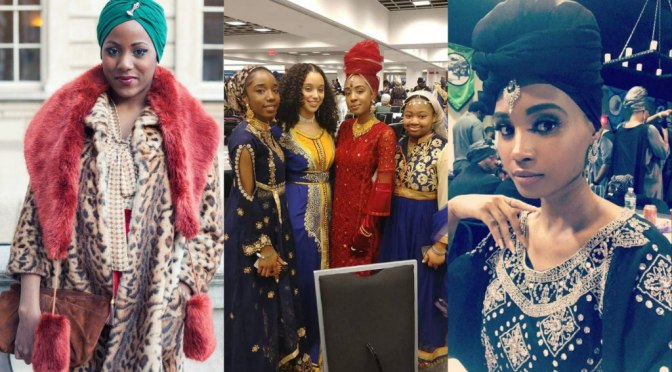
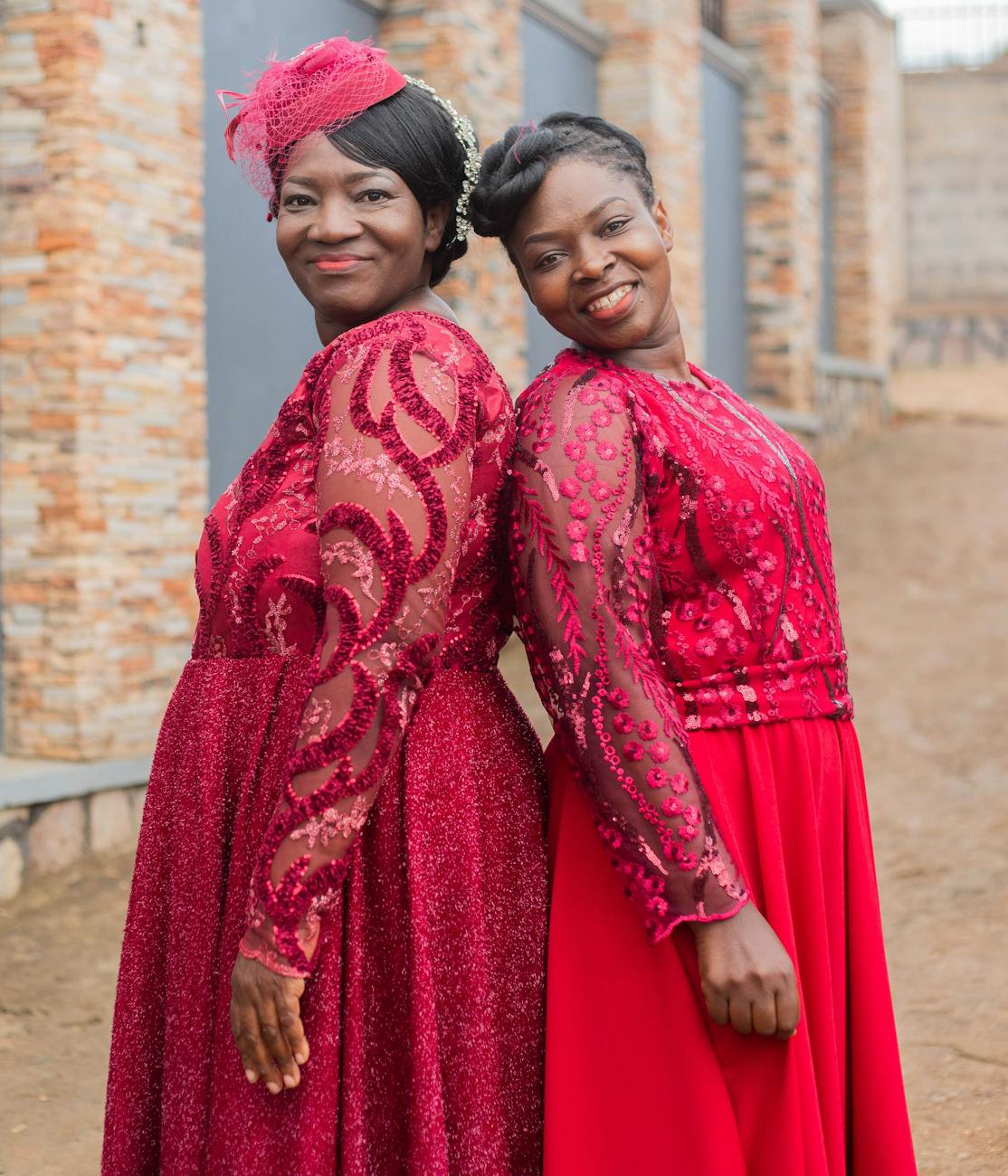
Modest dressing refers to clothing choices that express dignity, humility, and self-respect, avoiding overly revealing or provocative attire. It is a conscious effort to present oneself in a way that does not draw sexual attention or objectify the body, but instead honors one’s character, values, and spiritual identity.
From a biblical and moral standpoint, modesty is not merely about how much skin is covered—it is about intention, discretion, and the desire to reflect inner virtue. Modesty embodies a heart posture of reverence, especially before God.
“In like manner also, that women adorn themselves in modest apparel, with shamefacedness and sobriety; not with broided hair, or gold, or pearls, or costly array; but (which becometh women professing godliness) with good works.”
— 1 Timothy 2:9–10, KJV
Cultural Application & a Modern Example
In the age of hypersexualized media, modesty can feel countercultural. Yet, some women in the public eye maintain elegance and dignity through modest fashion.
One example is Meghan Markle, Duchess of Sussex (especially during her early royal years). She is often praised for wearing sophisticated, understated outfits—dresses with high necklines, long sleeves, and below-the-knee lengths—demonstrating that class and beauty are not mutually exclusive. Another consistent example is Lupita Nyong’o, whose red carpet appearances often exude grace, simplicity, and cultural pride while honoring her body and heritage.
Other notable figures include:
- Kate Middleton (Princess of Wales)
- Yuna (Malaysian singer) – who wears a hijab and stylish, full-coverage outfits
- Tabitha Brown – actress and influencer known for combining spirituality, kindness, and a modest appearance
These women illustrate that fashion can be beautiful and bold without being revealing.
The Power of Modesty: Respect from Men
When a woman dresses modestly, she often commands a different kind of attention—not one based on lust or fantasy, but on admiration, respect, and curiosity about her mind, values, and personality.
Modest clothing sends a message: “I am not for consumption—I am for covenant.”
It distinguishes a woman not by how much she reveals, but by what she reserves for the sacred.
“Let thine eyes look right on, and let thine eyelids look straight before thee. Ponder the path of thy feet, and let all thy ways be established.”
— Proverbs 4:25–26, KJV
A God-fearing man—one with integrity and vision—will be drawn to a woman’s discretion, not her display. He values character, not curves alone. When a woman covers her body, it invites honorable conversation, deeper connection, and reinforces self-worth.
The Apocrypha echoes this ideal:
“A modest wife adds charm to charm, and no balance can weigh the value of a chaste soul.”
— Ecclesiasticus (Sirach) 26:15, RSVCE / Similar in KJV Apocrypha
In an era where minimal clothing is often mistaken for confidence and empowerment, I find myself drawn to a different standard—one rooted in elegance, restraint, and self-respect. As Ayesha Curry once remarked, “Everyone’s into barely wearing clothes these days, huh? Not my style. I like to keep the good stuff covered up for the one who matters.” Her words echo a truth rarely celebrated in modern culture: modesty is not repression—it is discernment.
The classy woman still exists, even in the age of social media where visibility is often equated with value, and the exposure of skin is seen as a currency for attention. While such displays may attract fleeting admiration or superficial engagement, one must ask: how many of these individuals embody the qualities that build lasting relationships, emotional depth, or covenant-level commitment?
Rather than allowing Hollywood or popular culture to define femininity, I look to women like Audrey Hepburn, whose timeless style and modest sophistication continue to inspire across generations. I first encountered Hepburn in the late 1990s, unaware of her legacy, but her grace, poise, and understated beauty captivated me. She exemplifies a kind of feminine dignity that transcends trends—a quiet power rooted not in exposure, but in character.
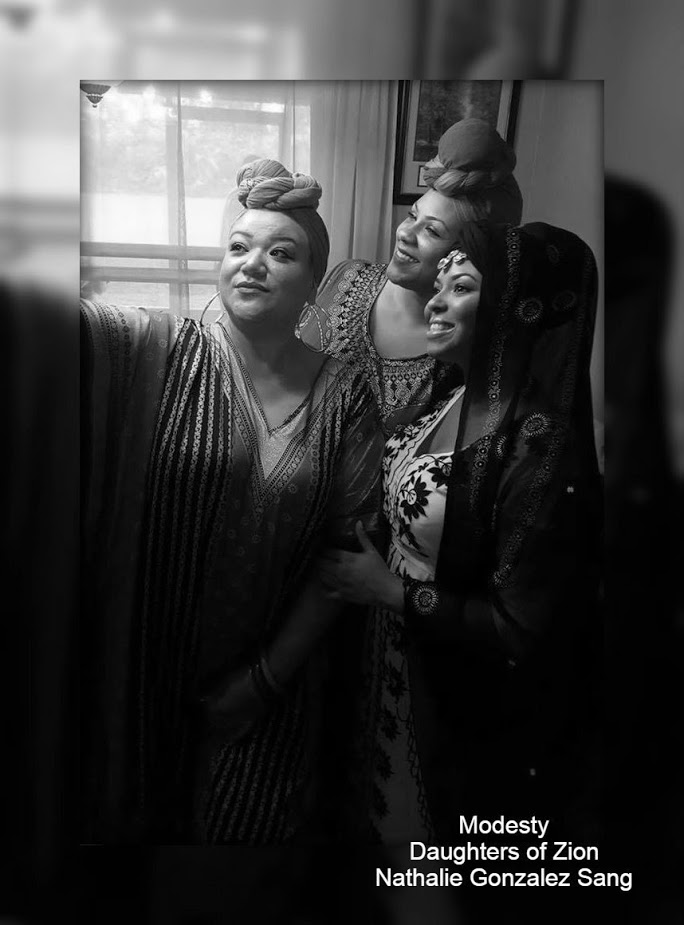
In today’s culture, women are often encouraged to equate their value with physical beauty, sensuality, and the strategic display of their bodies. Society subtly—and at times overtly—suggests that a woman’s influence lies in the sway of her hips, the exposure of her curves, and the ability to captivate a man’s attention with a single provocative glance. Even more troubling, this narrative is sometimes perpetuated by other women—even mothers—who advise young women to dress seductively as a means of gaining male validation.
Yet, there is something deeply admirable, even revolutionary, about a woman who chooses to present herself with humility, modesty, and reverence in a world obsessed with external appearance. To maintain dignity amid the noise of a culture that tells you to perform as if you have no Creator, no compass, and no soul—that is the mark of a rare and radiant spirit. Such a woman is a light in darkness, a witness to something greater than herself. Though she may be few in number, she exists—I am living proof.
To the woman who finds no shame in exposing her body through tight, revealing garments that draw attention to her chest, thighs, or even her intimate anatomy—please take a moment to reflect. Ask yourself honestly: What spirit is motivating these choices? Our actions, attire, and attitudes not only reflect our inner condition, but they influence others—especially the younger, more impressionable women and girls who look up to us, even if silently. Every young sister should be viewed as a daughter whose soul is worth protecting.
There is no virtue in flaunting what is common to all women. Breasts, thighs, and curves are not unique—what distinguishes you is not the physical, but the quality of your character. A man can find physical appeal anywhere, but what he cannot easily find is a woman who embodies both strength and virtue—a woman whose life reflects the attributes of the Most High. As the Scripture says:
“Favour is deceitful, and beauty is vain: but a woman that feareth the Lord, she shall be praised.”
— Proverbs 31:30, KJVCharacter will sustain a relationship where physical attraction alone cannot. If you observe closely, many women who project overt sensuality often lack stability in their relationships and homes. By contrast, a woman clothed in wisdom and modesty not only honors herself but fosters spiritual order and generational influence.
Clothing that leaves nothing to the imagination—tight jeans, leggings, short dresses—does not empower. Rather, it reduces a woman to mere visual consumption. This kind of gratuitous exposure is the fashion equivalent of oversharing, and while it may attract attention, it rarely commands respect. We must recognize this: you know what you are doing, and so does the Most High, who sees the heart and will judge accordingly.
“In like manner also, that women adorn themselves in modest apparel, with shamefacedness and sobriety…”
— 1 Timothy 2:9, KJVFashion, while often defended as self-expression, can be an outward manifestation of inner brokenness or rebellion. When our clothing choices are designed to provoke lust or manipulate attention, they reveal not freedom, but a spiritual disorder—a departure from our original, sacred design.
Let us then return to modesty, not as repression, but as a form of worship, a testimony of self-respect, and a reflection of the image of the Most High within us. May our beauty be inward, incorruptible, and timeless.
To be treated like a lady you must dress like a lady. Mothers teach your daughters to be respectful ladies to cover their bodies which is pleasing in the eyes of the Most High. This photograph is the property of its respective owners.
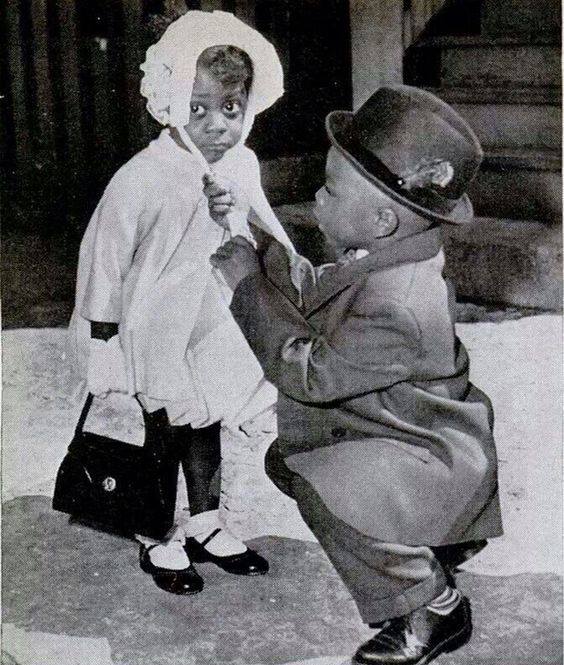
A Hidden Wisdom: Virtue Above Vanity
Let me unveil a timeless yet often unspoken truth: the superficial admiration of men—whether in social media comments or passing glances—does not equate to genuine respect. A multitude of likes from lustful men, mesmerized by curves, painted faces, and exposed thighs, does not signify honor. In reality, such attention frequently degrades rather than uplifts; in their carnal minds, the woman becomes not a cherished vessel of virtue, but an object for consumption—a “whore,” a “thot,” or a fleeting fantasy in the thoughts of whoremongers.
“Give not thy mind over to harlots, that thou lose not thine inheritance.”
— Ecclesiasticus (Sirach) 9:6, KJV Apocrypha
Many women today desire to feel beautiful and admired—it is natural. But the pursuit of respect, dignity, and lasting love must surpass the fleeting thrill of sexual validation. Beauty, in its most noble and sacred form, is found in modesty. A righteous man, one who fears the Most High, will never truly love a woman whose value is solely rooted in physical display. For a man who honors God seeks not the body alone, but the mind, the soul, and the spirit of a woman.
“Favour is deceitful, and beauty is vain: but a woman that feareth the Lord, she shall be praised.”
— Proverbs 31:30, KJV
Let this be known: true power is not found in the revealing of one’s body, but in the concealing of one’s worth for one deserving. A woman does not need to parade her flesh to prove her femininity. She need not sleep with a man to earn affection, nor should she raise her voice to be heard, nor lower a man to feel elevated. She does not need to argue to demonstrate intelligence, nor seduce to gain appreciation. Her worth is affirmed in silence, in virtue, and in her pursuit of righteousness.
“There is a shame which bringeth sin; and there is a shame which is glory and grace.”
— Ecclesiasticus (Sirach) 4:21, KJV Apocrypha
The woman of virtue is not moved by temporary admiration but is rooted in sacred discipline. She treasures chastity, guards her body, and seeks wisdom as her adornment.
“As the sun when it ariseth in the high heaven; so is the beauty of a good wife in the ordering of her house.”
— Ecclesiasticus (Sirach) 26:16, KJV Apocrypha
Dear sister, understand this: a man of God—a true king—does not chase sensual images. He is drawn to the woman who knows her worth and walks in the commandments of the Most High. He seeks a helpmeet, not a harlot; a Proverbs 31 woman, not an Instagram model.
“A silent and loving woman is a gift of the Lord; and there is nothing so much worth as a mind well instructed.”
— Ecclesiasticus (Sirach) 26:14, KJV Apocrypha
You do not need to unbutton your blouse to open a man’s heart. You do not need to spread your legs to be cherished. But you must open your Bible and saturate yourself in the Word of Life—for in that discipline, your king will find you.
True queens are not self-proclaimed—they are heaven-ordained.
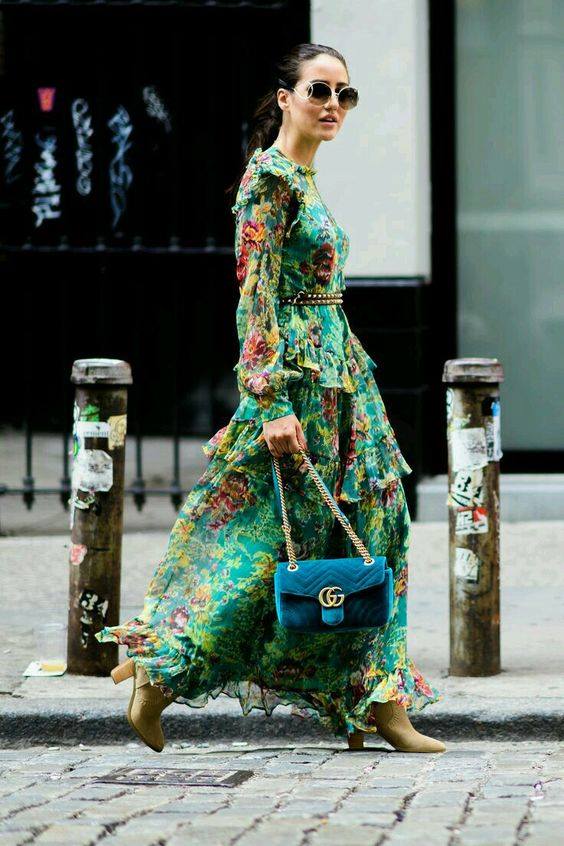
Examples of “Modest Dressing”
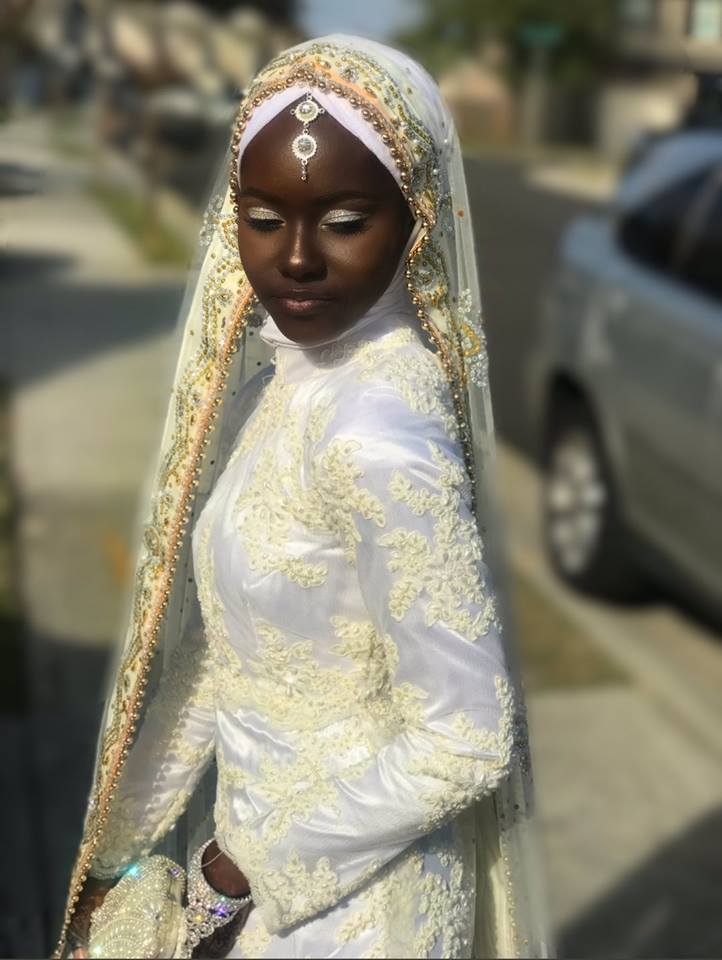 |
| All photographs are the property of their respective owners. |
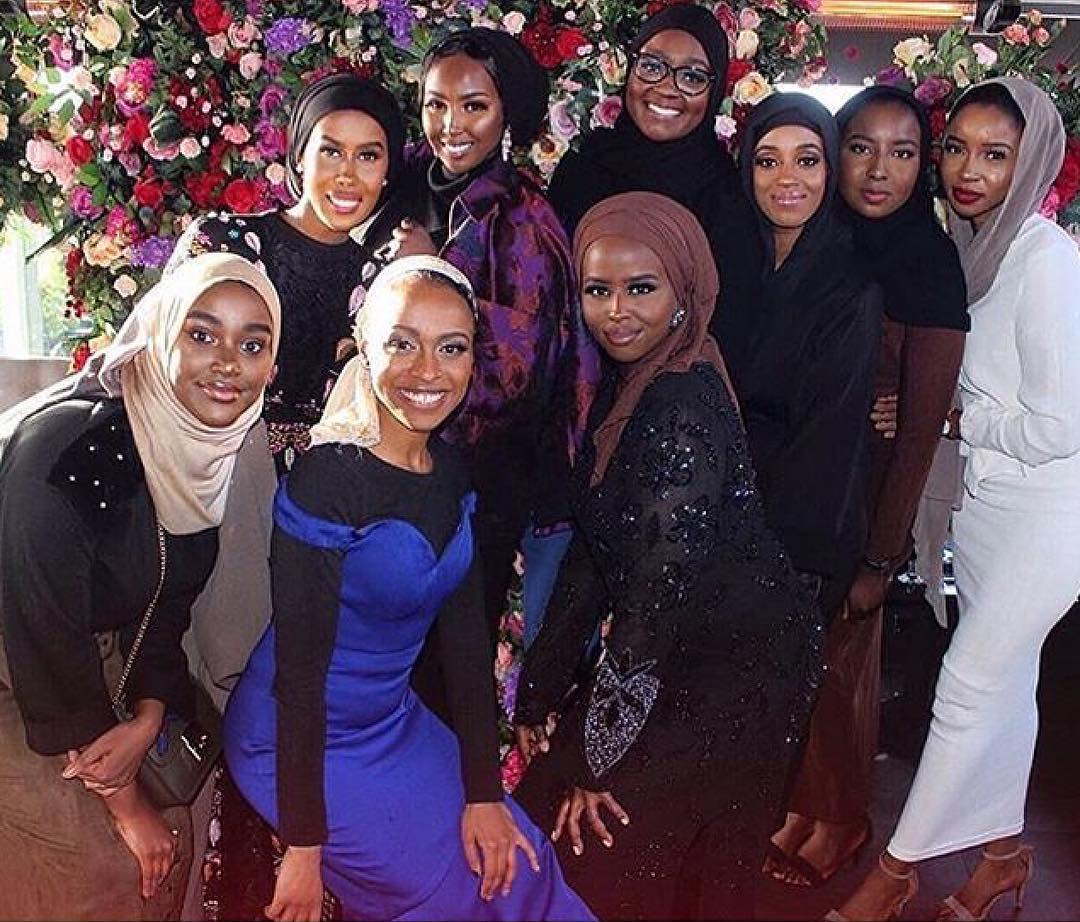
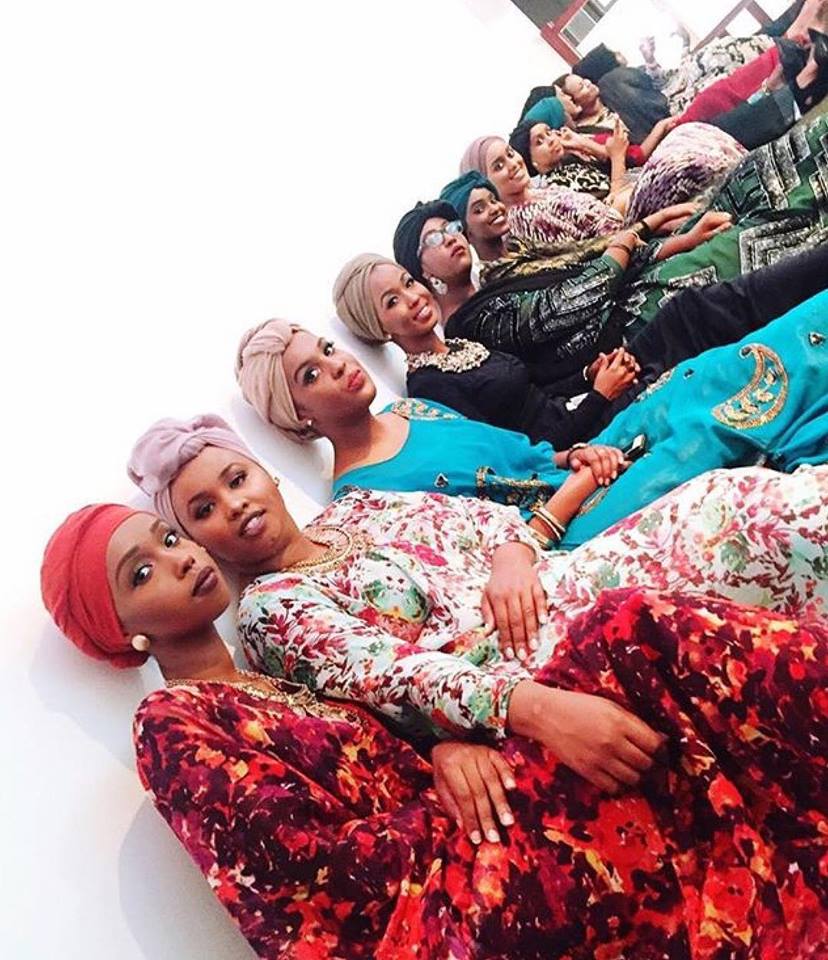
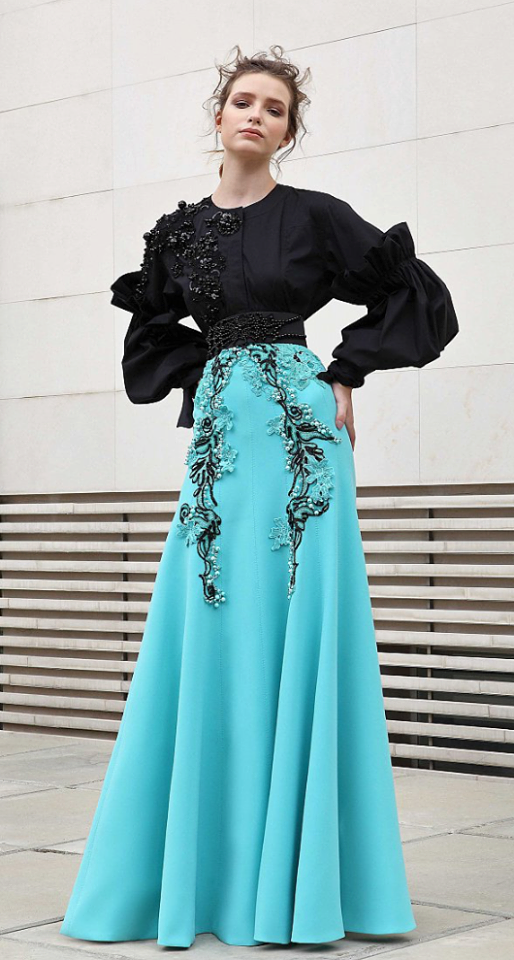
Conclusion
Modesty is not oppression; it is protection, preservation, and proclamation of one’s inner worth. In a world obsessed with exposure, the woman who veils her body unveils her value. She is a beacon of wisdom in a culture of vanity.
Discover more from THE BROWN GIRL DILEMMA
Subscribe to get the latest posts sent to your email.
 THE BROWN GIRL DILEMMA