

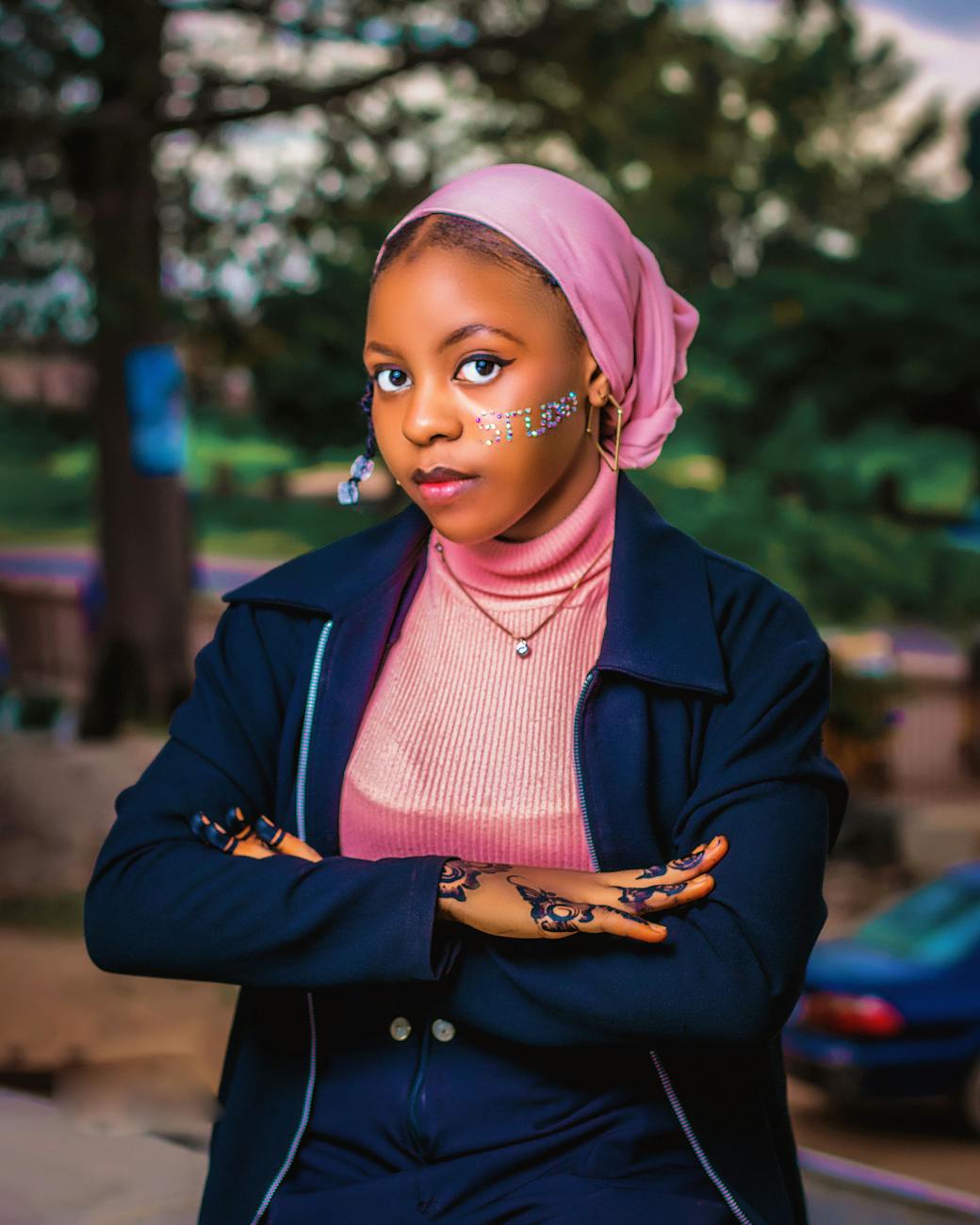
The Brown Girl Dilemma is a silent struggle faced by many young women whose skin tone does not conform to society’s often Eurocentric beauty ideals. From childhood, brown-skinned girls are confronted with implicit messages that lighter skin is more desirable, more loved, and more successful. This constant messaging can create internal conflict, where identity and self-worth are measured not by character or ability, but by melanin content. The Bible reminds us that God values the heart above appearance: “Man looketh on the outward appearance, but the Lord looketh on the heart” (1 Samuel 16:7, KJV).
Colorism, or bias based on skin tone within the same racial or ethnic group, has significant psychological impacts. Research shows that darker-skinned women experience higher levels of anxiety, depression, and low self-esteem compared to their lighter-skinned counterparts (Hunter, 2007). This “shade-based bias” creates a hierarchy that marginalizes brown girls, affecting their confidence, social interactions, and even opportunities in education and career. Over time, internalizing these societal preferences can lead to self-doubt and identity confusion.
The weight of melanin is often felt more acutely when media, fashion, and popular culture idolize lighter skin tones. Children absorb these cultural standards early, forming implicit biases about what is beautiful or desirable. Psychological theory suggests that repeated exposure to such biased imagery can reinforce negative self-concepts (Bandura, 2001). For brown girls, this can manifest in attempts to change natural hair, skin tone, or other features in order to gain acceptance, highlighting the intersection of cultural, psychological, and emotional pressures.
Spiritual guidance offers a powerful antidote to these pressures. Scripture teaches, “I will praise thee; for I am fearfully and wonderfully made” (Psalm 139:14, KJV). Embracing this truth allows brown girls to affirm their value independent of societal approval. When identity is anchored in God’s perspective rather than in shifting cultural standards, young women can cultivate self-worth, resilience, and confidence, seeing themselves as complete and beloved in God’s eyes.
Psychologically, interventions such as mindfulness, journaling, and counseling can help brown girls challenge internalized colorist beliefs. Cognitive Behavioral Therapy (CBT) techniques, for example, teach individuals to identify and restructure negative thought patterns about appearance, worth, and social acceptance. Therapy and spiritual reflection together promote holistic healing, allowing young women to reconcile identity, heritage, and personal worth.
Relationships are also influenced by colorism. Brown girls may experience bias in romantic, social, or professional contexts, where lighter skin is unconsciously preferred. This can impact self-esteem and relational choices. James 1:19 (KJV) encourages us to be “swift to hear, slow to speak, slow to wrath,” emphasizing discernment and patience. Recognizing bias, setting healthy boundaries, and surrounding oneself with affirming relationships help counteract the negative relational effects of colorism.
In educational and workplace settings, colorism can influence perceptions of competence, leadership potential, and opportunity. Studies indicate that lighter-skinned individuals often receive preferential treatment in hiring and promotions (Maddox & Perry, 2017). However, persistence, skill, and faithfulness remain powerful tools for overcoming systemic bias. Proverbs 16:3 (KJV) teaches, “Commit thy works unto the Lord, and thy thoughts shall be established,” reminding brown girls that dedication and integrity are ultimately recognized and rewarded by God.
Action Guide: Overcoming the Brown Girl Dilemma
Affirm Your Worth Daily
Start each day by speaking or meditating on Scriptures that affirm your value. Verses like Psalm 139:14 (“I am fearfully and wonderfully made”) and 1 Samuel 16:7 (“The Lord looketh on the heart”) remind you that God measures your worth by your character, not your skin tone.
Surround Yourself with Affirming Community
Build friendships, mentorships, and support networks that celebrate brown-skinned beauty and achievement. Social support increases self-esteem and buffers against internalized colorism (Cohen & Wills, 1985). Choose relationships that encourage, uplift, and reflect God’s love.
Engage in Self-Reflection and Healing
Practice journaling, prayer, or mindfulness to process negative experiences related to colorism. Cognitive Behavioral Therapy (CBT) can help identify and reframe harmful thoughts about appearance and self-worth. Combining psychological and spiritual reflection fosters emotional resilience.
Celebrate Your Natural Beauty
Embrace your natural hair, skin tone, and cultural features. Wearing your authentic appearance reinforces self-love and counters societal pressures to conform. Recognize that your unique beauty is a reflection of God’s creative design.
Educate Yourself and Others
Learn about the history of colorism and its effects on communities of color. Open conversations about bias, representation, and identity can dismantle harmful narratives and empower younger brown girls to embrace their identity.
Focus on Purpose Over Approval
Invest in your talents, education, and spiritual gifts rather than seeking validation from others. Proverbs 31:30 reminds us, “Favour is deceitful, and beauty is vain: but a woman that feareth the Lord, she shall be praised.” True worth is measured by faithfulness and integrity, not societal admiration.
Set Healthy Boundaries
In social, romantic, or professional contexts, learn to recognize microaggressions or biased treatment and protect your mental and emotional health. James 1:19 advises being “swift to hear, slow to speak, slow to wrath,” guiding thoughtful and respectful boundary-setting.
Seek Professional and Spiritual Guidance
If colorism impacts your mental health, consult qualified counselors or therapists, preferably those familiar with racial identity issues. Pair this with prayer, meditation, and fellowship to address both emotional and spiritual needs for holistic healing.
Ultimately, the Brown Girl Dilemma requires both personal resilience and societal awareness. Healing involves embracing one’s natural beauty, cultivating self-worth through spiritual and psychological support, and challenging systemic and cultural biases wherever possible. By anchoring identity in God’s truth and fostering pride in one’s heritage, brown girls can navigate a color-conscious world with strength, dignity, and confidence, turning what was once a silent battle into a testimony of courage and self-acceptance.
References
- Holy Bible, King James Version
- Bandura, A. (2001). Social cognitive theory: An agentic perspective. Annual Review of Psychology, 52(1), 1–26.
- Hunter, M. (2007). The persistent problem of colorism: Skin tone, status, and inequality. Sociology Compass, 1(1), 237–254.
- Maddox, K. B., & Perry, J. L. (2017). Skin tone, race, and the psychology of colorism. American Psychologist, 72(9), 996–1006.
- Williams, M. T., & Lewis, J. A. (2019). Microaggressions and discrimination: The experience of people of color. American Psychologist, 74(1), 77–89.
- Cohen, S., & Wills, T. A. (1985). Stress, social support, and the buffering hypothesis. Psychological Bulletin, 98(2), 310–357.

 THE BROWN GIRL DILEMMA