
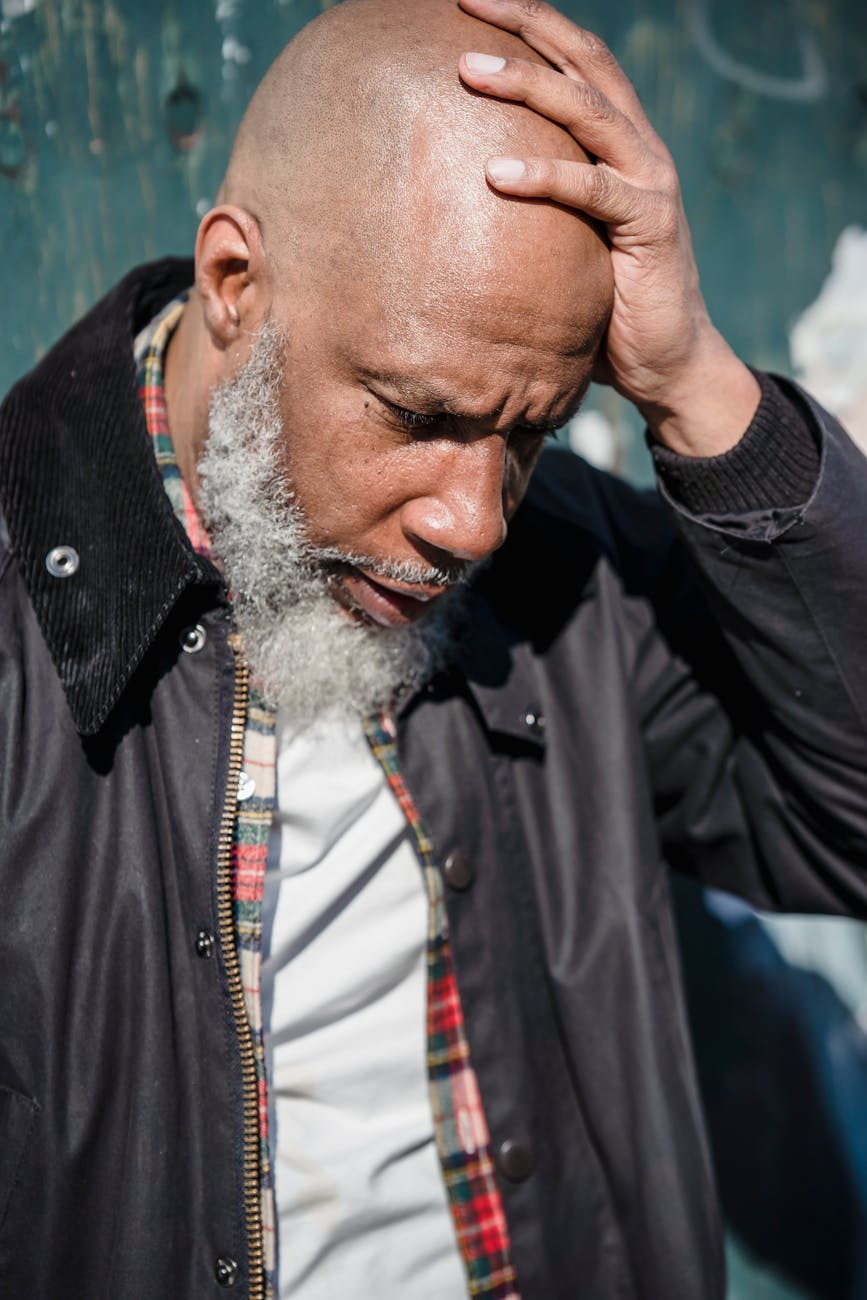
Trust and belief are central to the Godly walk, yet they are also some of the hardest virtues to practice in times of trial. The Bible reminds us in Proverbs 3:5–6 (KJV): “Trust in the Lord with all thine heart; and lean not unto thine own understanding. In all thy ways acknowledge him, and he shall direct thy paths.” To trust God means surrendering our worries and fears, believing that He is sovereign and faithful even when life appears uncertain.
Worry, from a psychological standpoint, is the mental rehearsal of potential negative outcomes. It stems from anxiety, fear, and a desire to control the uncontrollable. Jesus addressed this human tendency in Matthew 6:34 (KJV): “Take therefore no thought for the morrow: for the morrow shall take thought for the things of itself.” In other words, worrying drains us of today’s peace without solving tomorrow’s problems.
Trusting God requires faith in His promises and a willingness to release our anxieties into His hands. Psychology supports this idea through the concept of “cognitive reframing,” where we replace anxious thoughts with hopeful or faith-driven ones. Philippians 4:6–7 (KJV) assures us: “Be careful for nothing; but in every thing by prayer and supplication with thanksgiving let your requests be made known unto God. And the peace of God, which passeth all understanding, shall keep your hearts and minds through Christ Jesus.” Prayer, then, becomes both a spiritual and psychological tool to combat worry.
The Bible provides numerous examples of individuals who had to trust God against all odds. Abraham believed God’s promise of a son despite his old age (Genesis 15:6 KJV). His faith was not passive—it required daily trust while waiting for God’s timing. Similarly, Joseph trusted God through betrayal, slavery, and imprisonment, only to see those trials transform into divine positioning for leadership (Genesis 50:20 KJV).
Moses also had to learn trust when facing the Red Sea with Pharaoh’s army behind him. In Exodus 14:13 (KJV), he declared to the fearful Israelites: “Fear ye not, stand still, and see the salvation of the Lord.” His trust in God led to miraculous deliverance, teaching us that faith is not about seeing the way forward but believing the One who leads us.
The New Testament highlights Peter, who trusted Christ enough to step out of the boat and walk on water (Matthew 14:29 KJV). Yet when his focus shifted to the wind and waves, fear overtook him. This illustrates the psychological truth that trust grows when we fix our attention on God’s promises rather than our circumstances.
Another example is the woman with the issue of blood (Mark 5:34 KJV). Her faith in Christ’s power to heal propelled her to act boldly, touching the hem of His garment. Jesus responded, “Daughter, thy faith hath made thee whole.” Her story shows that trust is not passive—it involves action rooted in belief that God is able.
In today’s world, many believers face challenges that mirror these biblical tests of faith. A mother may trust God through her child’s illness, praying daily for healing while doctors work tirelessly. A family facing financial struggles may trust God by budgeting wisely, seeking provision, and leaning on His promises of daily bread (Matthew 6:11 KJV). Someone grieving the loss of a loved one may trust that God’s comfort will sustain them, echoing Psalm 34:18 (KJV): “The Lord is nigh unto them that are of a broken heart.” These examples demonstrate that trusting God is not passive resignation, but active faith in His sustaining power.
The moral lesson is clear: worry is wasted energy, while trust invites peace. Trusting and believing God allows us to live without the crippling weight of anxiety. Just as Abraham, Moses, Peter, and the woman with the issue of blood discovered, God rewards those who place their confidence in Him. Faith transforms fear into courage and worry into worship. When we learn to trust and believe, we discover the steady anchor of God’s unchanging love.
References
- The Holy Bible, King James Version.
- Beck, J. S. (2011). Cognitive Behavior Therapy: Basics and Beyond. New York: Guilford Press.
- Seligman, M. E. P. (2011). Flourish: A Visionary New Understanding of Happiness and Well-being. New York: Free Press.
- Koenig, H. G. (2012). Religion, spirituality, and health: The research and clinical implications. ISRN Psychiatry, 2012, 278730. https://doi.org/10.5402/2012/278730
 THE BROWN GIRL DILEMMA