
Chains rattled with the tide,
Names stolen, tongues tied.
On waters wide, hope sank deep,
Captivity carried—memories we keep.
The loss of identity is one of the most profound dilemmas endured by humanity, particularly among oppressed peoples. For African descendants in the Americas, this dilemma is not abstract but lived—a consequence of slavery, colonization, and systemic erasure. This struggle to know oneself is both a personal and collective burden, rooted in history yet carried into the present.
Slave Ships as Sites of Erasure
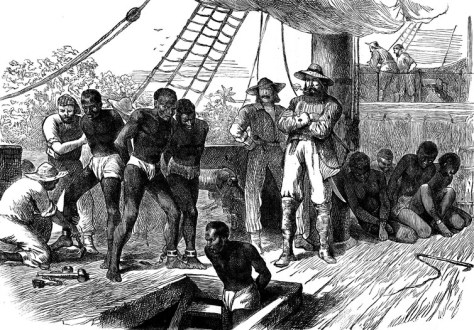
The transatlantic slave ships were more than vessels of transport; they were tools of identity annihilation. Families were torn apart, languages silenced, and cultural memories suppressed. Olaudah Equiano (1789/2001) described the Middle Passage as a space where people were treated as “commodities” rather than human beings. In this forced displacement, African men and women were stripped of their names, rituals, and belonging.
Captivity and Biblical Parallels
The Bible offers parallels to this historical tragedy. Deuteronomy 28:68 (KJV) prophesies, “And the LORD shall bring thee into Egypt again with ships… and there ye shall be sold unto your enemies for bondmen and bondwomen, and no man shall buy you.” This verse echoes the reality of Africans transported into captivity, linking the loss of identity to a spiritual dimension of exile and prophecy.
Identity as a Human Anchor
Psychologically, identity functions as an anchor. Erikson’s (1968) stages of psychosocial development emphasize identity formation as crucial to mental stability. When individuals are robbed of cultural markers, such as name, language, and ancestry, they experience fragmentation. Enslaved Africans and their descendants inherited this psychological wound across generations.
The Mask of Survival
In order to survive, many enslaved people were forced to adopt the identity of their oppressors. Names were replaced with European ones, religions were imposed, and cultural practices were punished. This masking of the true self aligns with W.E.B. Du Bois’s (1903/1994) concept of “double consciousness,” where African Americans lived with the tension of their authentic self and the imposed gaze of white society.
Spiritual Disconnection
Another dimension of identity loss was spiritual. Many Africans brought rich religious traditions, yet these were suppressed and replaced with distorted forms of Christianity that justified slavery. While the true liberating message of the Gospel offered hope, its manipulation by oppressors contributed to spiritual confusion, making faith itself a site of identity struggle (Raboteau, 2004).
The Generational Silence
The dilemma did not end with emancipation. Generations inherited silence rather than memory. Families often lacked knowledge of their origins beyond slavery, leading to fractured identities. This loss of ancestral connection created cultural amnesia, leaving African descendants vulnerable to assimilation and shame.
The Psychological Cost
Research shows that historical trauma can have intergenerational effects. Danieli (1998) observed how unresolved trauma in one generation transmits to the next, manifesting in depression, anxiety, or internalized oppression. For Black communities, the unresolved trauma of slavery contributed to identity confusion, cycles of poverty, and weakened family structures.
Identity and Racism
The external world reinforced this loss through systemic racism. Stereotypes, laws, and discriminatory practices labeled Black people as inferior, perpetuating the identity imposed during slavery. This external misrepresentation created internal conflict, where individuals wrestled with the lies of society versus the truth of their humanity.
The Role of Education
Carter G. Woodson (1933/2006) argued in The Mis-Education of the Negro that systemic erasure within education reinforced identity loss. Black history was omitted or distorted, causing generations to believe they had no legacy worth preserving. Education became a battleground for identity reclamation.
The Dilemma of Assimilation
In pursuit of acceptance, many African Americans adopted European standards of beauty, speech, and culture. While assimilation provided opportunities for survival, it deepened the dilemma of identity: to belong outwardly meant to deny inwardly. This paradox remains visible today in debates about hair, skin tone, and language.
The Bible as Restoration
Despite misuse by oppressors, Scripture also became a source of restoration. Psalms 137:1 (KJV) captures the lament of displaced people: “By the rivers of Babylon, there we sat down, yea, we wept, when we remembered Zion.” The cry of exiles resonates with African descendants longing for identity, showing that biblical narratives of captivity also carry promises of restoration.
Community as Healer
Identity is not rebuilt in isolation but in community. Black churches, cultural movements, and grassroots organizations became centers of identity reclamation. Through music, worship, and storytelling, fragments of identity were pieced back together, restoring dignity and hope.
The Role of Memory
Remembering is itself an act of resistance. By preserving oral histories, traditions, and genealogies, communities resist erasure. Isaiah 58:12 (KJV) promises, “And they that shall be of thee shall build the old waste places… thou shalt be called, The repairer of the breach.” Remembering builds bridges between past and future.
Cultural Reclamation Movements
The Harlem Renaissance, Black Power, and Pan-African movements sought to reclaim lost identity. By celebrating African heritage, art, and pride, these movements countered centuries of imposed inferiority. They demonstrated that cultural expression is not merely art but a tool of identity restoration.
Psychological Healing
Healing identity loss requires psychological and spiritual renewal. Romans 12:2 (KJV) urges believers to “be transformed by the renewing of your mind.” Therapy, cultural education, and spiritual grounding all contribute to rebuilding fragmented identities, offering freedom from internalized lies.
Modern Identity Struggles
Even today, Black communities wrestle with dilemmas of identity. From debates over African versus African American identity to struggles with colorism and beauty standards, the search for self continues. The legacy of slavery’s identity theft lingers in these ongoing struggles.
Toward Restoration
Restoration comes when individuals and communities reclaim their heritage, affirm their worth, and embrace their divine purpose. Identity is not only about ancestry but also about destiny. Recognizing oneself as created in the image of God (Genesis 1:27, KJV) provides the ultimate foundation for restored dignity.
Conclusion
The dilemma of loss of identity is both a wound and a call to healing. Though chains, ships, and systems sought to erase, the memory of a people endures. Through history, faith, and collective resilience, identity can be reclaimed. What was lost in captivity can be restored in truth, for identity rooted in God and heritage cannot be permanently destroyed.
References
- Danieli, Y. (1998). International handbook of multigenerational legacies of trauma. Springer.
- Du Bois, W. E. B. (1994). The souls of Black folk. Dover. (Original work published 1903)
- Equiano, O. (2001). The interesting narrative of the life of Olaudah Equiano. Bedford/St. Martin’s. (Original work published 1789)
- Erikson, E. H. (1968). Identity: Youth and crisis. Norton.
- Raboteau, A. (2004). Slave religion: The “invisible institution” in the antebellum South. Oxford University Press.
- Woodson, C. G. (2006). The mis-education of the Negro. Book Tree. (Original work published 1933)
- The Holy Bible, King James Version.
 THE BROWN GIRL DILEMMA