
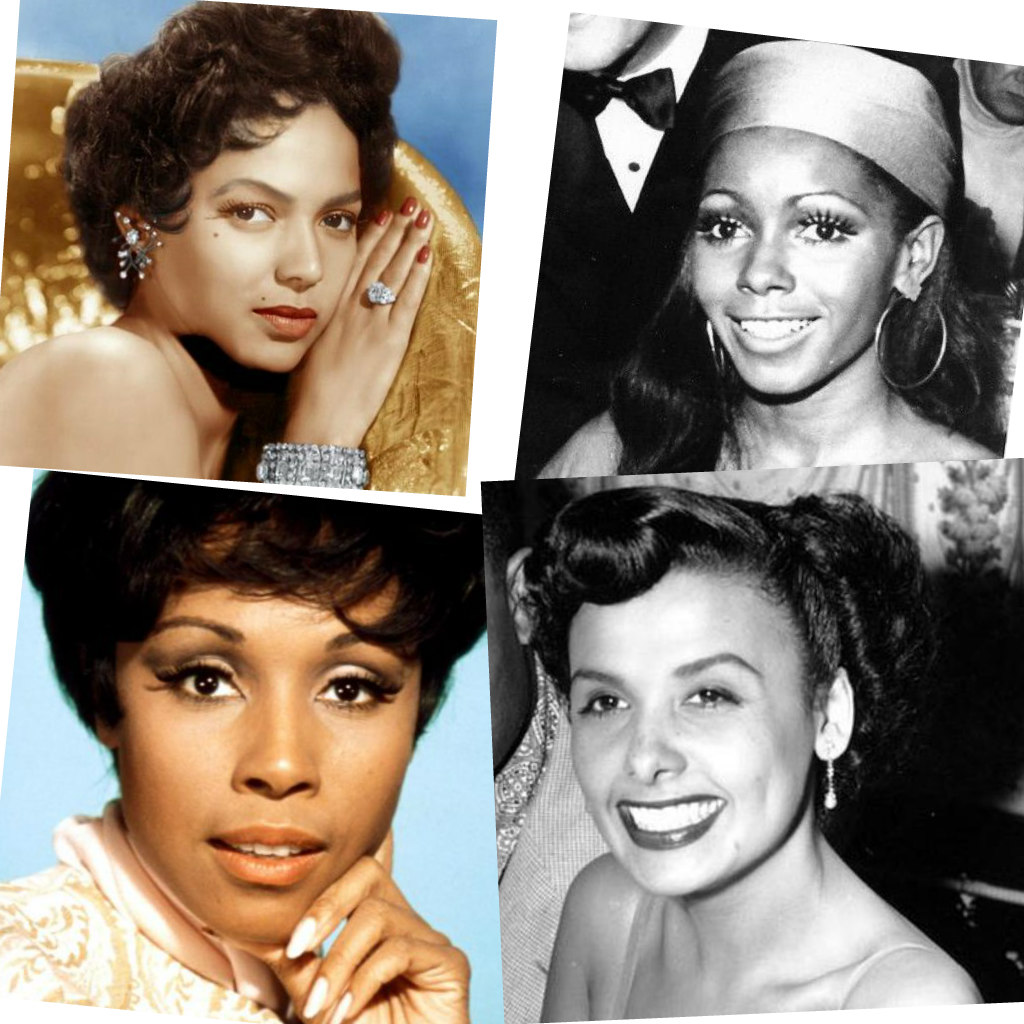
Colorism, the preferential treatment of lighter skin within communities of color and the entertainment industry, has long functioned as both a ladder and a cage for Black women. While it opened certain doors in Hollywood, it simultaneously confined actresses to narrow roles, stereotypes, and expectations. For legendary women such as Dorothy Dandridge, Lena Horne, and Diahann Carroll, their luminous beauty made them icons, but their careers were shaped and constrained by how closely their appearances aligned with Eurocentric ideals. At the same time, darker-skinned actresses like Judy Pace often faced underrepresentation and stereotyping, demonstrating how the “cage” of colorism traps women on both ends of the spectrum. Younger actresses like Nia Long and Sanaa Lathan inherited both the opportunities and burdens of this skin-tone hierarchy, proving that the cage still lingers today.
The Cage of Colorism: A Comparative View
| Lighter-Skinned Actresses | Darker-Skinned Actresses |
|---|---|
| Examples: Dorothy Dandridge, Lena Horne, Halle Berry | Examples: Judy Pace, Viola Davis, Gabourey Sidibe |
| Elevated as “acceptable” Black beauty by Hollywood | Often excluded from leading roles altogether |
| Cast in glamorous or “palatable” roles | Cast in stereotypical roles (sassy, tough, hypersexual) |
| Visibility increased, but freedom limited to narrow roles | Visibility decreased, opportunities scarce |
| They may win the awards but still face the same discrimination as their darker black peers. | Used as symbols of progress for diversity, but only on Hollywood’s terms. They may win awards, but they still face racism in Hollywood |
| Trapped in an image of exoticized yet safe Blackness | Trapped in invisibility or typecasting |
| Their beauty opened doors, but they were rarely fully embraced as equals to white peers | Their talent often overlooked despite equal or greater ability |
👉 This chart shows how colorism cages women on both sides of the spectrum:
- Lighter-skinned actresses were celebrated but restricted.
- Darker-skinned actresses were sidelined or stereotyped.
Dorothy Dandridge and Lena Horne: The “Acceptable” Faces of Black Beauty
Dorothy Dandridge, the first Black woman nominated for an Academy Award for Best Actress (Carmen Jones, 1954), embodied both progress and limitation. Hollywood celebrated her lighter complexion and Eurocentric features, casting her as the glamorous Black woman who could be exoticized yet palatable to white audiences (Levy, 2012). Lena Horne faced similar struggles. While MGM signed her to a long-term contract in the 1940s, the studio refused to cast her in leading roles opposite white actors. Instead, she was often placed in standalone musical numbers that could be cut from films when shown in segregated Southern theaters (Watkins, 1994). Their beauty allowed them entry, but their skin tone became a cage: they were “acceptable” but never fully embraced.
Diahann Carroll and Frieda Washington: Elegance in a Narrow Frame
Diahann Carroll, though groundbreaking as the first Black woman to star in a non-stereotypical television role (Julia, 1968), still found her career circumscribed by Hollywood’s narrow vision of Black femininity. Her elegance was celebrated, but darker-skinned actresses of equal talent were often excluded, revealing the industry’s entrenched bias (Hooks, 1992). Likewise, Frieda Washington, though talented and striking, was often overshadowed by Hollywood’s fixation on casting Black actresses who most resembled white ideals of beauty.
Judy Pace: The Other Side of the Cage
Unlike Dandridge and Horne, Judy Pace entered Hollywood in the late 1960s as a darker-skinned beauty. Best known for films like Cotton Comes to Harlem (1970) and for her role in the TV soap Peyton Place, Pace often found herself typecast in roles that leaned on stereotypes—the “sassy,” “dangerous,” or “seductive” Black woman. Her beauty was undeniable, but it did not grant her the same privileges as her lighter-skinned peers. Instead, colorism worked against her, limiting her access to leading romantic roles or “glamorous” portrayals reserved for actresses closer to Eurocentric standards. Her experience reveals how colorism cages darker-skinned women by reducing their range of opportunity, even as they carried immense talent and screen presence.
Nia Long, Sanaa Lathan, and the Modern Continuation of the Cage
In the 1990s and 2000s, actresses like Nia Long and Sanaa Lathan became household names, starring in films that defined Black romantic cinema (Love Jones, The Best Man). While they embodied a broader spectrum of beauty, colorism still influenced casting. These actresses were often positioned as “everywoman” love interests, while darker-skinned women were underrepresented or typecast into roles of hardship and struggle (Monk, 2014). Though progress has been made, the cage remains: opportunities are more accessible to women with complexions that fit within a certain range, while systemic bias continues to marginalize others.
How Did Skin Tone Become a Cage?
The origins of this cage lie not solely in Hollywood but in the long history of racial hierarchy in America. During slavery, lighter-skinned Black people were often granted preferential treatment as house slaves, while darker-skinned individuals were relegated to field labor (Hunter, 2007). This created a color-based caste system within the Black community, reinforced by white supremacy. Hollywood merely inherited and amplified this bias, shaping it into an industry-wide standard that continues to influence casting, beauty standards, and representation.
Racial Divide or Something Else?
While the racial divide rooted in white supremacy established the framework, it was internalized and perpetuated within the Black community through colorism. The divide was not just about race versus whiteness—it became intraracial, creating painful divisions based on shade. Colorism traps women in a paradox: lighter-skinned actresses were elevated but confined to roles that served Hollywood’s comfort with “palatable” Blackness, while darker-skinned actresses were sidelined, invisibilized, or limited to stereotypes. Thus, the cage was both racial and psychological, born of external oppression and internalized bias.
Conclusion: Breaking the Cage
The women named—Dandridge, Horne, Washington, Carroll, Pace, Long, and Lathan—demonstrate the painful duality of colorism. They were celebrated yet constrained, admired yet restricted, included yet never fully free. Their stories remind us that colorism is not just about aesthetics but about access, power, and systemic oppression. Breaking free from the cage requires both dismantling Eurocentric standards of beauty and celebrating the full spectrum of Blackness. Until then, the trap of colorism continues to shape how Black women are seen, cast, and valued in society.
References
- Hooks, b. (1992). Black looks: Race and representation. South End Press.
- Hunter, M. (2007). The persistent problem of colorism: Skin tone, status, and inequality. Sociology Compass, 1(1), 237–254.
- Levy, P. (2012). Dorothy Dandridge: A biography. Amistad.
- Monk, E. P. (2014). Skin tone stratification among Black Americans, 2001–2003. Social Forces, 92(4), 1313–1337.
- Watkins, M. (1994). On the real side: Laughing, lying, and signifying. Simon & Schuster.
 THE BROWN GIRL DILEMMA