
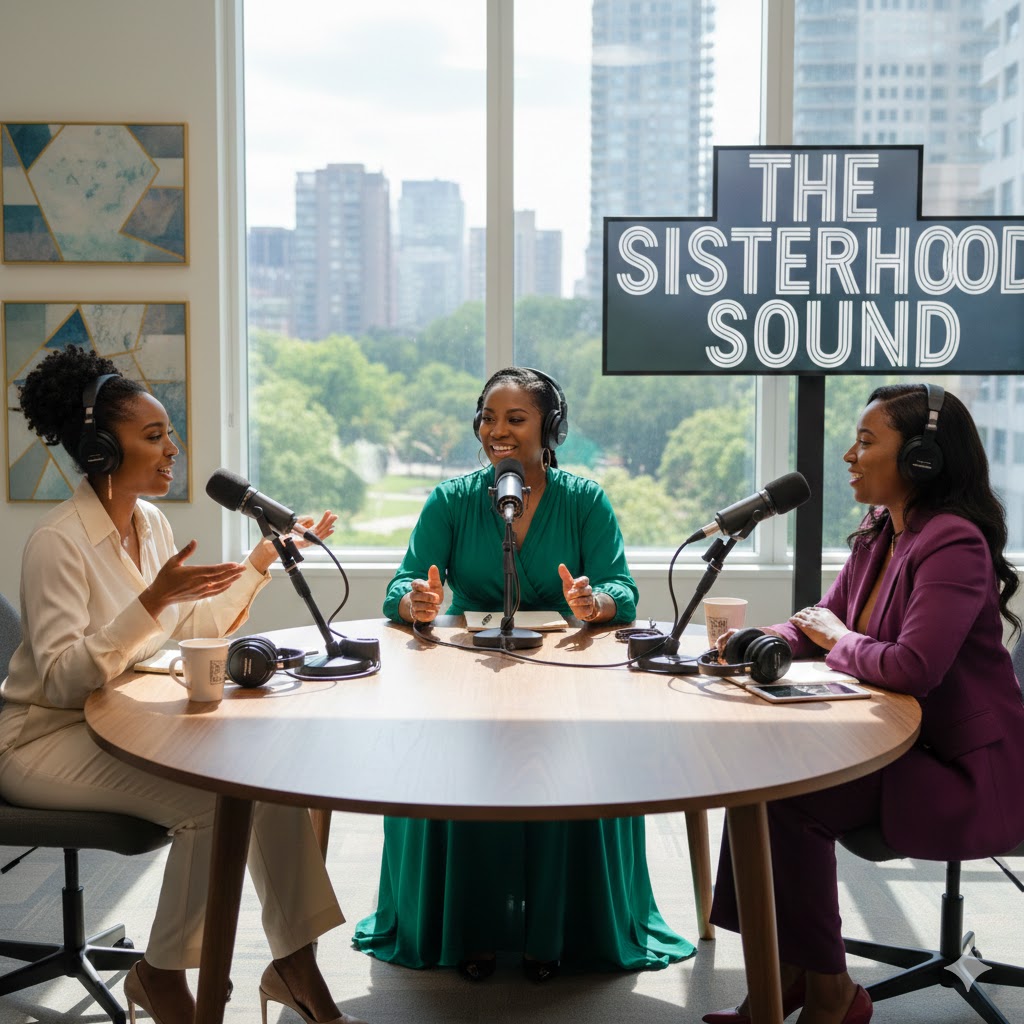
Love is one of the most misused words in modern culture. It is often confused with desire, attention, chemistry, or access to someone’s body. This confusion has caused many women to mistake emotional intensity for commitment and physical intimacy for proof of care. This conversation exists to clarify—not to shame, romanticize, or encourage—but to protect.
Before discussing what love is, it is necessary to warn women about what love is not. Love is not urgent. When a man pressures you to rush intimacy, commitment, or decisions, he is revealing impatience, not devotion. True love respects timing, boundaries, and the weight of consequences.
Sleeping with you is not love. Physical access is not a declaration of commitment, nor is it evidence of emotional investment. Desire is biological; love is intentional. Many men are willing to enjoy intimacy without responsibility, which is why actions must always outweigh words.
Love is not manipulation disguised as passion. Excessive flattery, future promises without follow-through, jealousy framed as protection, and guilt used to bypass your standards are all warning signs. Love does not coerce or corner; it invites and honors choice.
A man who truly loves you is willing to wait. Waiting for sex until marriage is not repression; it is restraint. It demonstrates discipline, foresight, and respect for the covenant. A man who can govern his desires is more likely to govern his character.
Biblically, love is patient. Patience is not passive—it is active self-control. A man waiting until marriage shows that he values your soul, your future, and the sacredness of union more than momentary pleasure. That kind of waiting is evidence of reverence, not weakness.
Love does not require you to prove yourself physically. You are not auditioning for commitment through intimacy. If access to your body becomes the price of staying, the relationship is transactional, not loving.
Love is consistent. It does not disappear when boundaries are enforced. A man who withdraws affection, attention, or kindness because you will not sleep with him has revealed his true motivation. Love does not punish purity.
Love is protective, not possessive. A man who loves you will care about your spiritual health, emotional well-being, and long-term stability. He will not place you in situations that compromise your values or peace.
Love involves responsibility. A man serious about love is also serious about provision, leadership, accountability, and legacy. Sex without covenant creates emotional and spiritual vulnerability without security. Love never asks you to accept risk alone.
Love is honest. It does not keep you confused or guessing. If a man says he loves you but avoids commitment, avoids clarity, or avoids future planning, his behavior contradicts his words. Love does not thrive in ambiguity.
Waiting until marriage is not about perfection; it is about alignment. It aligns intimacy with commitment, passion with protection, and desire with destiny. This alignment safeguards women emotionally, spiritually, and psychologically.
Psychological research supports what Scripture has long taught: delayed sexual involvement is associated with higher relationship satisfaction, stronger commitment, and lower rates of regret and emotional distress. Boundaries are not barriers to love; they are frameworks that support it.
Love does not exploit trauma. Men who rush intimacy often target emotional vulnerability, loneliness, or insecurity. Healing should precede bonding. Love contributes to healing; it does not capitalize on wounds.
Love allows room for growth without pressure. It does not rush milestones to secure control. It respects process, seasons, and readiness. What is built slowly is often built to last.
Marriage-centered love understands covenant. Sex within marriage is not merely physical—it is a spiritual union, trust, and responsibility. Love that leads toward marriage honors this reality rather than dismissing it.
A man who waits communicates long-term vision. He sees you as a wife, not an experience. He is willing to sacrifice immediate gratification for lasting union. That sacrifice is a form of love many women have been taught to undervalue.
Love does not ask women to lower their standards to be chosen. It rises to meet standards. If your boundaries repel someone, that person was not aligned with your future.
Women must be cautious not to romanticize struggle or confusion as passion. Peace, safety, and clarity are signs of healthy love. Chaos is not chemistry.
This conversation is not meant to encourage dating or desire but discernment. Love is serious. It is sacred. And it requires wisdom to recognize before intimacy clouds judgment.
Love is patient, disciplined, respectful, and accountable. Anything less—no matter how intense—falls short of what love truly is.
References
Holy Bible, King James Version. (1611/1769).
Gottman, J. M., & Silver, N. (2015). The seven principles for making marriage work. Harmony Books.
Stanley, S. M., Rhoades, G. K., & Markman, H. J. (2006). Sliding versus deciding: Inertia and the premarital cohabitation effect. Family Relations, 55(4), 499–509.
Regnerus, M. (2017). Cheap sex: The transformation of men, marriage, and monogamy. Oxford University Press.
Wilcox, W. B., & Dew, J. (2016). The social and cultural predictors of generosity in marriage. Journal of Family Issues, 37(2), 251–271.
Peplau, L. A., & Fingerhut, A. W. (2007). The close relationships of lesbians and gay men. Annual Review of Psychology, 58, 405–424.

 THE BROWN GIRL DILEMMA