
Beauty in Motion, Talent in Song
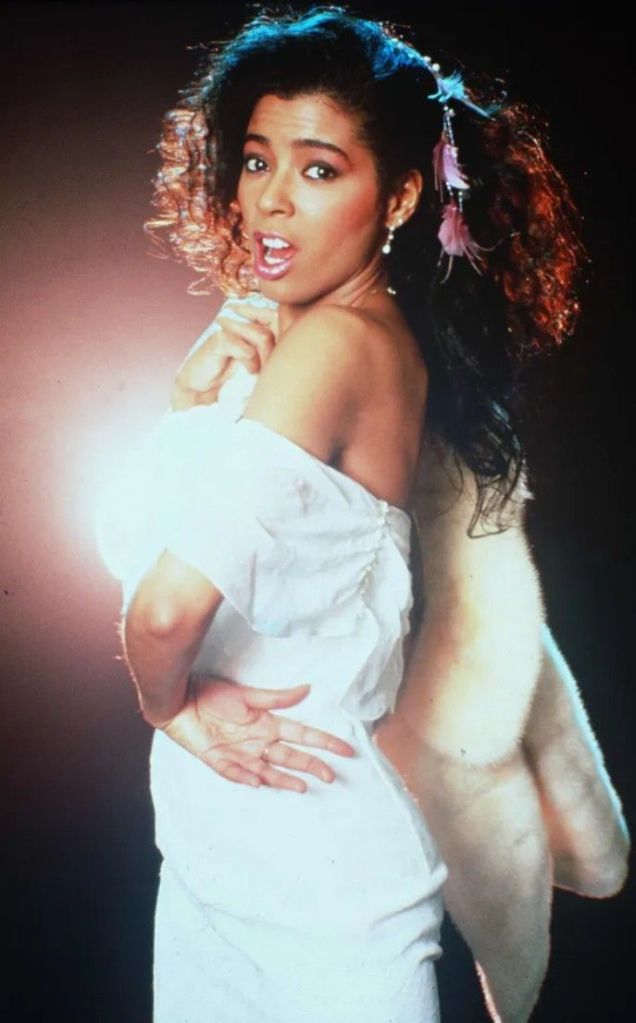
In the world of music and film, few women have embodied the combination of radiant talent, striking beauty, and cultural impact like Irene Cara. With her glowing skin, expressive features, and charismatic presence, Cara became a symbol of inspiration and elegance for young Black women during the late 1970s and 1980s. Her accomplishments as a singer, songwriter, and actress earned her a place as an “Ebony Doll”—a figure whose beauty, poise, and artistry appear almost sculpted, leaving an enduring mark on entertainment and popular culture.
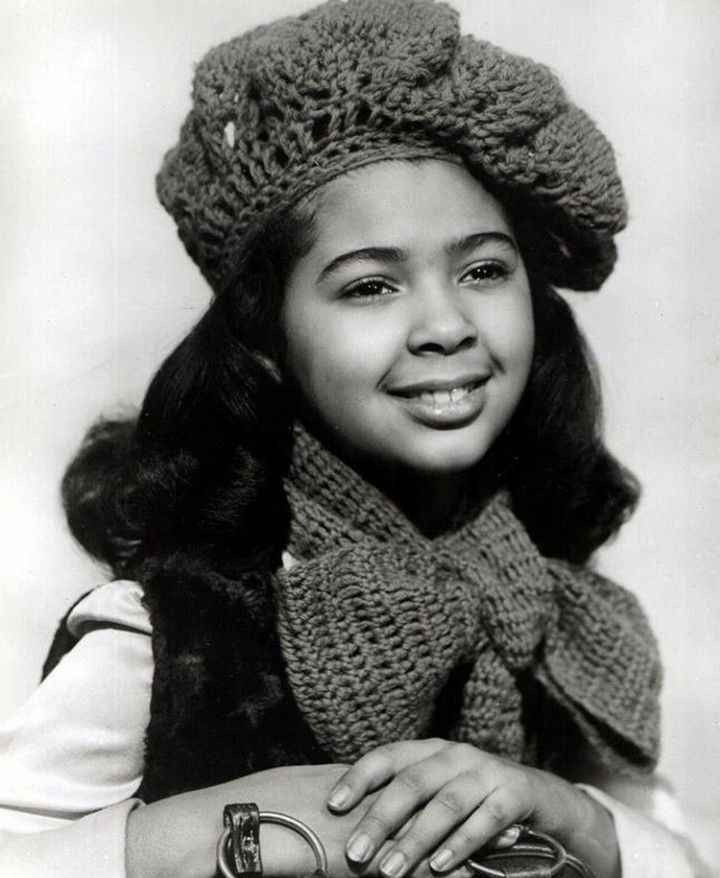
Irene Cara Escalera was born on March 18, 1959, in New York City. was of mixed racial heritage, primarily Afro-Puerto Rican. Her father, Irene Cara Sr., was Puerto Rican, and her mother, Lillie Margaret Escalera, was African American. Growing up in this multicultural household, Cara was exposed to a rich blend of musical, cultural, and artistic influences, which shaped both her musical talent and her cosmopolitan sense of style. Raised in a family that encouraged musical expression, she developed her artistic skills from an early age. She studied dance, acting, and music, eventually attending the High School of Performing Arts, where her talent began to flourish. Her early immersion in performing arts laid the foundation for a career that would span film, stage, and music.
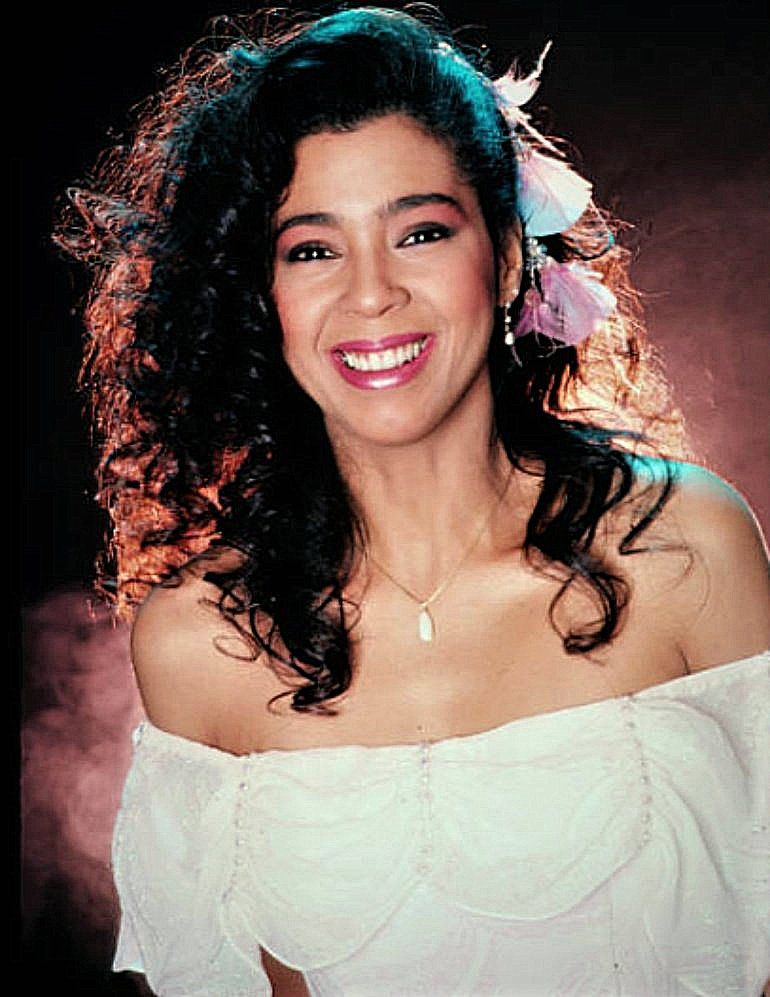
Cara’s beauty was immediately noticeable. Her radiant skin, symmetrical features, and bright smile captured attention both on stage and on camera. Her statuesque frame and graceful movements gave her a commanding presence that complemented her vocal and acting abilities. As an “Ebony Doll,” Cara’s appearance projected both strength and elegance, inspiring admiration from fans and peers alike.
She first gained major public recognition through her work on Broadway and in television musicals. One of her earliest successes was starring in the musical Sparkle (1976), where her combination of acting, singing, and dance skills showcased her versatility as a performer. The role allowed Cara to project youthful beauty, talent, and confidence in a way that resonated with audiences.
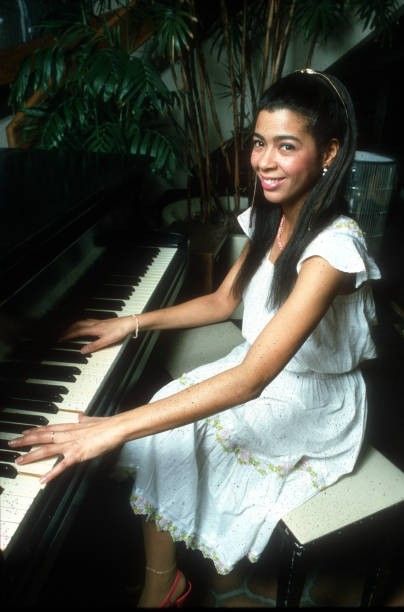
Cara’s career reached its peak in the early 1980s with her starring role in the film Fame (1980). She portrayed Coco Hernandez, an ambitious young performer attending a New York City performing arts high school. The role highlighted her dramatic range, dance skills, and vocal talent, while also emphasizing her radiant, statuesque presence on screen. Her performance earned widespread acclaim and became iconic in the history of musical films.
The film’s theme song, Fame, performed by Cara, became a global sensation. Her voice, full of energy and passion, helped cement the song as an anthem for aspiring artists around the world. Her success with this song, combined with her on-screen charisma, made her a role model for young women pursuing careers in music and performance.
Following Fame, Cara achieved further acclaim with the hit single Flashdance… What a Feeling (1983) from the film Flashdance. She co-wrote the song, which went on to win both an Academy Award for Best Original Song and a Grammy Award for Best Female Pop Vocal Performance. The success of this track not only demonstrated her musical genius but also reinforced her position as an iconic figure of beauty and talent.
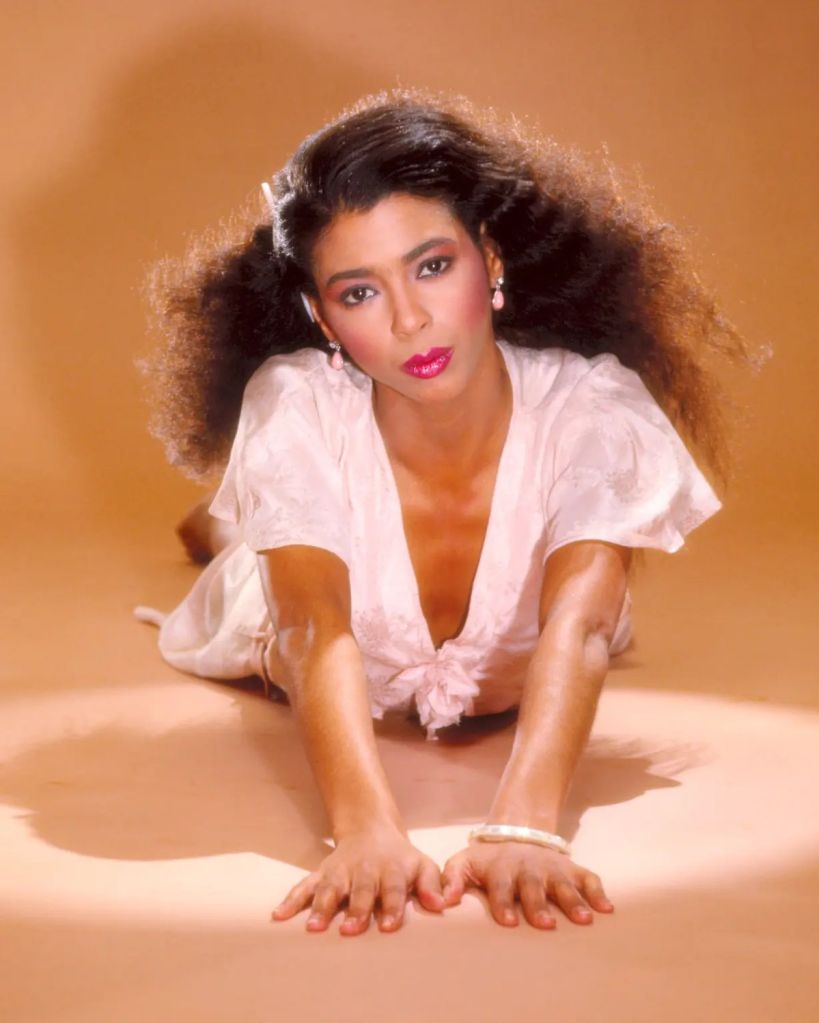
Cara’s combination of vocal power, on-screen presence, and expressive movements contributed to her “Ebony Doll” status. Her performances radiated elegance, energy, and confidence, qualities that fans admired and the media celebrated. She served as a representation of Black female beauty that was glamorous, athletic, and inspiring.
Throughout her career, Cara also remained connected to live performance, touring internationally and appearing on stage in musical productions. Her work in music and theater allowed her to maintain her artistry while continuing to inspire new audiences.
Her impact on fashion and style was also notable. Cara’s distinctive hairstyles, radiant skin, and elegant wardrobe choices in performances and public appearances helped define the aesthetic of early-1980s pop culture for Black women. She represented a modern, glamorous vision of Black femininity that combined sophistication with youthful energy.
Beyond her artistry, Cara’s life and career demonstrated resilience. She navigated a challenging music industry while maintaining her integrity as a performer and songwriter. Her ability to blend artistry with poise exemplifies the qualities of an “Ebony Doll”: beauty, talent, and self-possession.
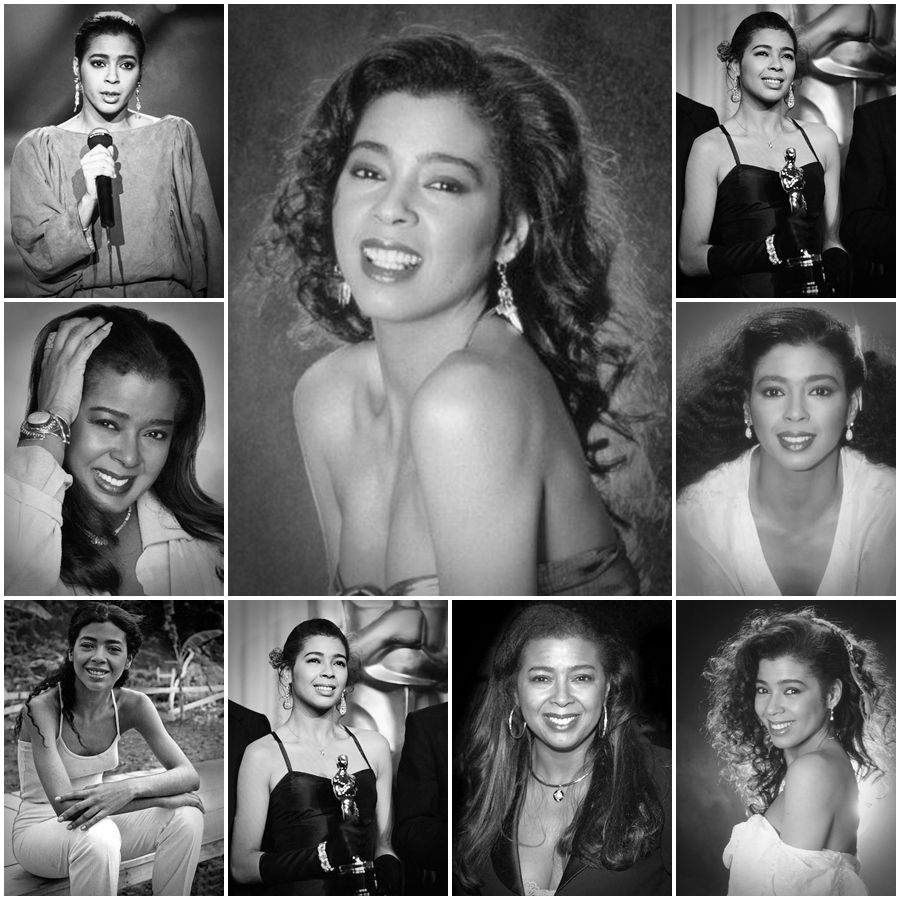
Even decades after her peak fame, Irene Cara remained a cultural touchstone for her contributions to music and film. Her performances in Fame and Flashdance continue to inspire aspiring artists, and her elegant, radiant image remains celebrated in retrospectives and media coverage.
What makes Cara an “Ebony Doll” is the fusion of her physical beauty, artistic talent, and inspiring presence. She embodied the ideal of Black glamour in a way that is both authentic and aspirational, representing strength, confidence, and elegance across multiple disciplines.
Ultimately, Irene Cara’s story was one of brilliance, artistry, and timeless beauty. She was and remains a symbol of excellence in performance, style, and cultural influence, embodying the “Ebony Doll” ethos for generations of admirers.
References
Cara, I. (Interviews and public statements).
IMDb. (2026). Irene Cara Filmography. IMDb Database.
Britannica. (2026). Irene Cara. Encyclopaedia Britannica.
Smith, S. (2018). Black Women in Television and Film: A Cultural History. New York University Press.
PopMatters. (2020). Remembering Irene Cara: Fame, Flashdance, and the Voice of a Generation.
 THE BROWN GIRL DILEMMA