
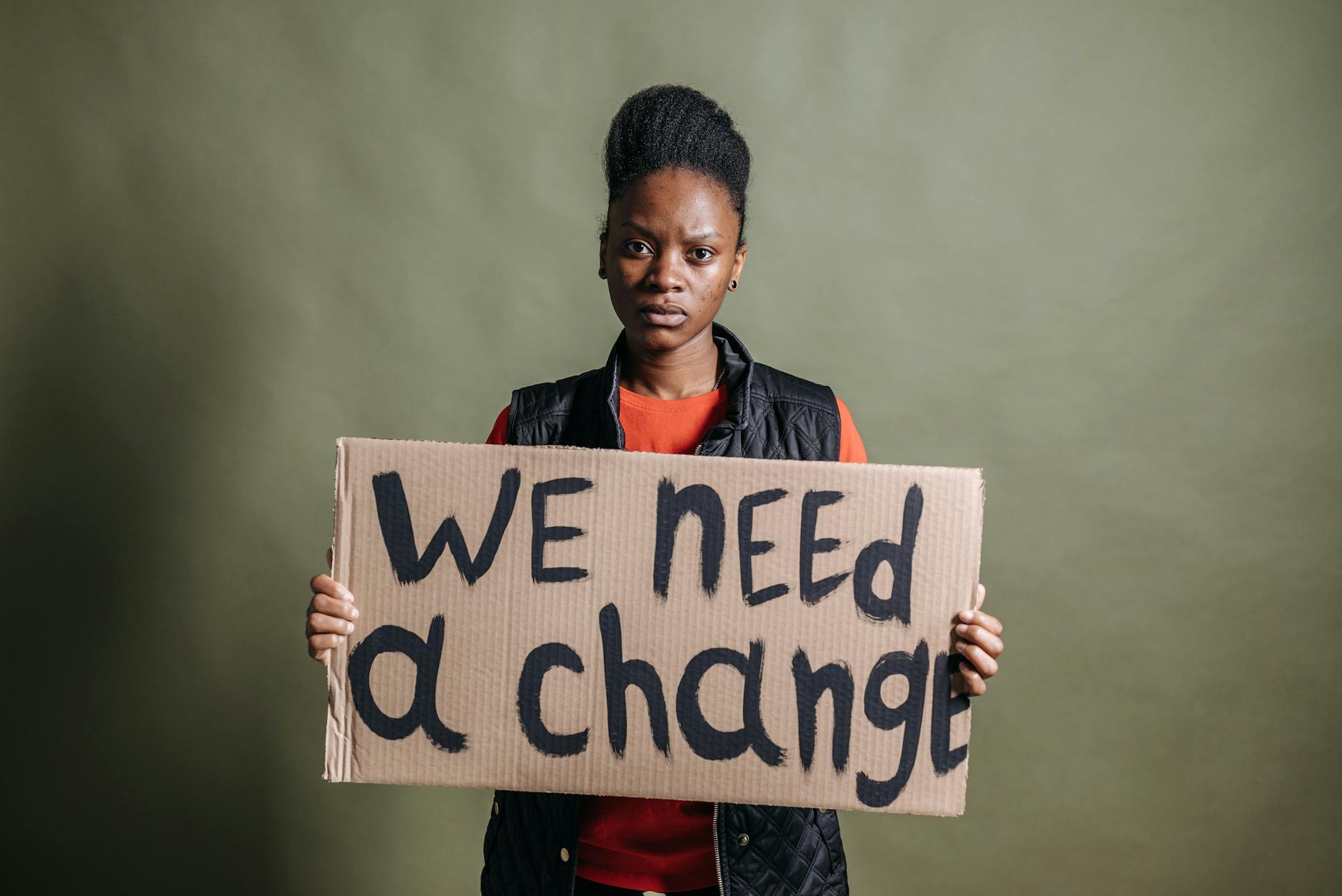
The National Association for the Advancement of Colored People (NAACP) is one of the most influential civil rights organizations in American history. Founded on February 12, 1909, in New York City, the NAACP was created in response to the ongoing violence and systemic discrimination faced by African Americans. The catalyst for its formation was the 1908 Springfield Race Riot in Illinois, which shocked the nation and revealed the urgent need for a coordinated civil rights movement (Lewis, 2009). The organization’s early founders included prominent Black and white activists such as W. E. B. Du Bois, Ida B. Wells-Barnett, Mary White Ovington, Moorfield Storey, and Oswald Garrison Villard (Meier & Rudwick, 1976). Together, they sought to combat racial prejudice, secure voting rights, and promote social equality through litigation, public advocacy, and grassroots mobilization.
The NAACP’s mission centers on ensuring the political, educational, social, and economic equality of rights for all persons, while eliminating race-based discrimination. Historically, the NAACP has played a crucial role in landmark legal victories for civil rights, most notably Brown v. Board of Education (1954), in which the Supreme Court declared racial segregation in public schools unconstitutional (Klarman, 2004). Over the decades, the organization has advocated for voting rights, challenged discriminatory laws, and fought against economic disparities that disproportionately affect the Black community.
In addition to its political and legal advocacy, the NAACP has sought to celebrate and uplift African American achievements through the NAACP Image Awards. First held in 1967, the awards honor outstanding performances in film, television, music, and literature, as well as achievements in activism and humanitarian efforts. Categories include Outstanding Actor/Actress in a Motion Picture, Outstanding Literary Work, Outstanding Comedy Series, and Entertainer of the Year. Artists such as Beyoncé, Denzel Washington, and Angela Bassett have won multiple NAACP awards, with Beyoncé holding the record for the most wins. This event not only celebrates excellence in Black artistry but also reinforces the NAACP’s mission to promote positive representation and challenge harmful stereotypes in media (Smith, 2017).
A significant chapter in the NAACP’s modern history involves the leadership of Kweisi Mfume, who served as President and CEO from 1996 to 2004. Born Frizzell Gerard Tate in Baltimore, Maryland, Mfume overcame a difficult childhood marked by poverty and dropping out of high school, later earning his GED and pursuing higher education. Before joining the NAACP, he served five terms in the U.S. House of Representatives and chaired the Congressional Black Caucus (Morrison, 2002). When Mfume took the helm of the NAACP, the organization was deeply in debt and struggling with internal governance issues. He implemented fiscal discipline, launched aggressive fundraising campaigns, and revitalized the NAACP’s advocacy efforts, focusing on voting rights, economic equity, and youth engagement. His tenure is credited with restoring the organization’s financial stability and public credibility during a critical period in its history.
Currently, the NAACP is led by Derrick Johnson, who became President and CEO in 2017. Johnson has continued the fight for civil rights in the modern era, addressing issues such as police brutality, voter suppression, and economic disparities in Black communities. The NAACP also remains active in high-profile legal cases, advocating for criminal justice reform and defending the Voting Rights Act in court. Throughout its existence, the NAACP has been at the forefront of securing civil rights legislation, providing legal defense in discrimination cases, and offering a platform for marginalized voices.
The NAACP’s enduring relevance lies in its adaptability—addressing systemic racism in each generation’s unique context while maintaining a steadfast commitment to equality. Its leaders, past and present, have embodied resilience, vision, and dedication to advancing justice for African Americans. From its legal triumphs to cultural recognition through the Image Awards, the NAACP stands as a testament to the power of organized advocacy in transforming society.
References
Klarman, M. J. (2004). From Jim Crow to civil rights: The Supreme Court and the struggle for racial equality. Oxford University Press.
Lewis, D. L. (2009). W. E. B. Du Bois: A biography. Henry Holt and Company.
Meier, A., & Rudwick, E. (1976). Along the color line: Explorations in the Black experience. University of Illinois Press.
Morrison, T. (2002). Conversations with African American leaders: Insights and perspectives. Black Classic Press.
Smith, S. (2017). Black excellence: The history and cultural impact of the NAACP Image Awards. HarperCollins.
 THE BROWN GIRL DILEMMA