
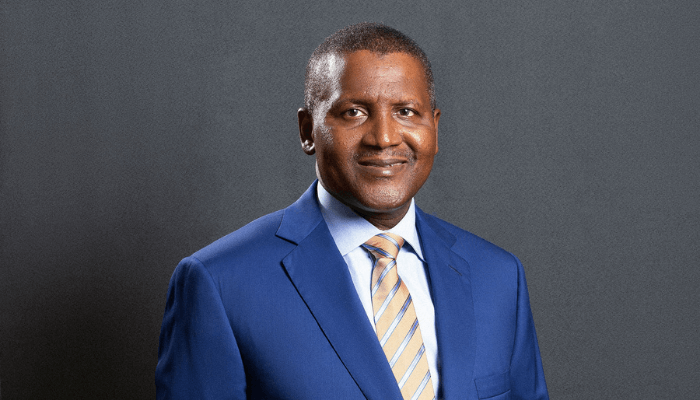
Aliko Mohammad Dangote is one of the most influential business figures on the African continent, known for his unmatched industrial footprint across multiple sectors. Born on April 10, 1957, in Kano, Nigeria, he emerged from a family whose legacy in commerce dates back generations. Growing up in a household connected to trade and entrepreneurship gave him early exposure to business fundamentals that would later inform his industrial empire.
His great-grandfather, Alhassan Dantata, was one of the wealthiest men in West Africa in the early 20th century, which placed Dangote within a lineage of economic leadership. Despite this background, Dangote’s ascent into modern global wealth was not inherited; instead, he built his conglomerate through strategic investments, reinvestment of profits, and a deep understanding of Africa’s economic needs.
Dangote’s business journey began in 1977 when he started a trading enterprise focused on importing sugar, rice, and other basic commodities. With a small loan from an uncle, he quickly found success by identifying gaps in Nigeria’s supply chain. This strength in commodity trading laid the foundation for more ambitious ventures in manufacturing and industrial production.
As Nigeria and other African nations faced growing demand for construction materials, Dangote shifted from trading to manufacturing. This move proved transformative. Cement production became the cornerstone of his wealth, with Dangote Cement rising to become the largest cement producer in Africa. The company expanded rapidly across borders and now operates in several African countries.
Sugar refining, flour milling, salt production, and logistics soon joined the portfolio, turning Dangote Group into a true continental powerhouse. Manufacturing enabled Dangote to reduce Nigeria’s reliance on imported goods, creating thousands of jobs and stimulating infrastructure growth across the region. This shift from trading to large-scale industrialisation is one of the defining aspects of his business success.
Dangote’s wealth surged as his companies grew, consistently placing him at the top of Africa’s wealth rankings. While fluctuations in currency and commodity prices occasionally shift positions, Dangote has held the title “richest man in Africa” for over a decade, according to major global wealth indexes. His dominance in multiple essential industries makes his economic influence both significant and stable.
A list of Africa’s wealthiest individuals often places Dangote first, followed by figures such as Johann Rupert, Nicky Oppenheimer, Nassef Sawiris, Naguib Sawiris, Abdul Samad Rabiu, and Mike Adenuga. These individuals represent diverse industries such as luxury goods, mining, telecommunications, and manufacturing, but Dangote stands out for building Africa’s largest home-grown industrial conglomerate.
His impact on Africa extends far beyond wealth. Dangote’s businesses have created millions of direct and indirect jobs, strengthened national economies, and brought vital infrastructure to regions that previously relied heavily on foreign imports. His companies have become symbols of African self-sufficiency and industrial capability, reshaping economic landscapes from West Africa to East Africa.
Dangote Cement alone revolutionized construction sectors across the continent, enabling more affordable housing, public works, and urban development. His entry into fertilizer production has had major implications for agricultural self-reliance, while his oil refinery—one of the largest privately owned refineries in the world—aims to significantly reduce Africa’s dependence on imported fuel.
For Nigeria specifically, Dangote is a monumental figure. His industries bolster the country’s GDP, expand its manufacturing sector, and contribute substantially to tax revenue. The refinery project is expected to change Nigeria’s fuel economy by transforming the nation from an importer to a potential exporter of refined petroleum products. This structural shift could reposition Nigeria’s economic identity globally.
Philanthropically, Dangote’s foundation supports healthcare, education, nutrition, and disaster relief across the continent. He has funded major campaigns against malnutrition, disease outbreaks, and pandemic emergencies. His charitable work reflects a commitment to human development alongside industrial progress.
His personal life is rooted in Northern Nigerian traditions. Dangote married early, divorced, remarried, and later divorced again. He has three daughters—Maria, Halima, and Fatima—and an adopted son, Abdulrahman. Despite his immense wealth, Dangote is known for his relatively private lifestyle, placing stronger emphasis on business growth than on public spectacle.
He was educated at schools in Kano before attending Al-Azhar University in Egypt, where he studied business. His education, combined with his family’s commercial influence, shaped his entrepreneurial outlook. From selling simple products as a child to controlling multibillion-dollar industries, his journey displays a consistent drive and business instinct.
Dangote’s rise was not without challenges. He maneuvered through Nigeria’s volatile economic environment, currency devaluations, changing government policies, and intense competition. Yet his strategic focus on essential goods—products people rely on daily—made his businesses recession-resistant and consistently profitable.
The history of his empire is also a history of African industrialisation. While many African billionaires derive wealth from inherited mining assets or globalized sectors, Dangote stands apart as a builder of factories, refineries, plants, and supply chains. His operations bring value directly to African soil, fostering development through manufacturing rather than raw-resource export.
Today, Dangote is not only a symbol of personal achievement but a symbol of African economic possibility. His success demonstrates the potential for African-led industrial transformation, inspiring entrepreneurs across the continent to invest locally and expand boldly.
In summary, Aliko Dangote is widely considered the richest man in Africa because of his vast industrial empire, dominant market position, and sustained economic influence. His contributions to Nigeria and the continent have been profound, reshaping industries, improving infrastructure, and setting a powerful example of African entrepreneurship. His life story—from a trading stall in Kano to global billionaire status—remains one of the most remarkable narratives in modern African history.
References
Britannica. (n.d.). Aliko Dangote.
Investopedia. (n.d.). How Aliko Dangote Became the Richest African.
Wikipedia. Aliko Dangote.
Wikipedia. Wealth of Aliko Dangote.
Wikipedia. List of Africans by Net Worth.
Dangote Group Official Website.
Bloomberg Billionaires Index.
Forbes Africa Billionaires List.
 THE BROWN GIRL DILEMMA