
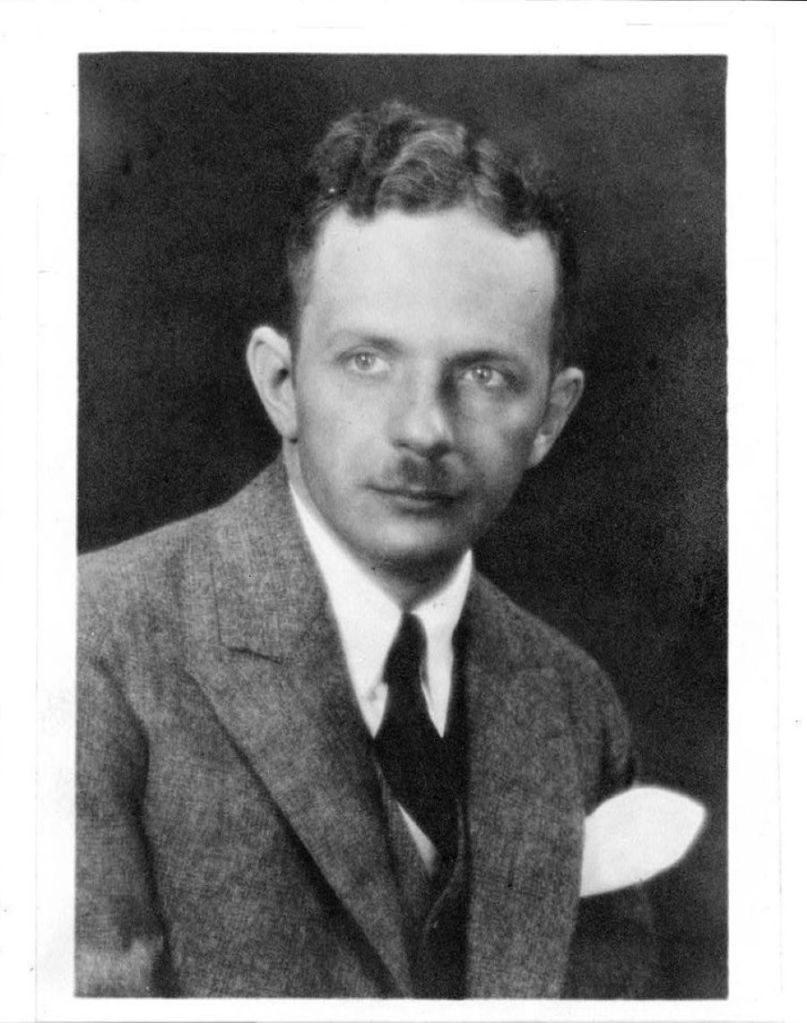
Walter White stands as one of the most extraordinary figures in American racial history, not because he abandoned Black identity, but because he weaponized whiteness against white supremacy. His life represents a rare inversion of racial passing, where appearing white became a tool of resistance rather than assimilation. In a society structured around racial terror, White used his phenotype to survive, infiltrate, and expose the very systems designed to destroy Black life.
Born in 1893 in Atlanta, Georgia, Walter Francis White was legally classified as Black, though he possessed blond hair, blue eyes, and fair skin. Both of his parents were African American of mixed ancestry, and despite his appearance, White identified fully and consciously as a Black man throughout his life. His physical ability to pass was not chosen, but inherited, and it placed him in a unique and dangerous position within Jim Crow America.
White joined the National Association for the Advancement of Colored People (NAACP) in 1918 and eventually became its executive secretary, serving from 1929 to 1955. During this period, he transformed the organization into a national civil rights force, expanding its reach, political influence, and investigative power in the fight against racial violence and segregation.
What made White historically distinct was his use of passing as an investigative weapon. He routinely entered segregated Southern towns posing as a white journalist, government official, or insurance agent. White supremacists, assuming he was white, openly spoke about lynchings, racial terror, and anti-Black violence in front of him, unknowingly confessing their crimes to a Black civil rights leader.
White personally investigated over forty lynchings, often visiting crime scenes within hours or days of the violence. He gathered testimonies from perpetrators, law enforcement, and witnesses, documenting patterns of racial murder that the federal government refused to acknowledge. His reports became some of the most important records of racial terrorism in early twentieth-century America.
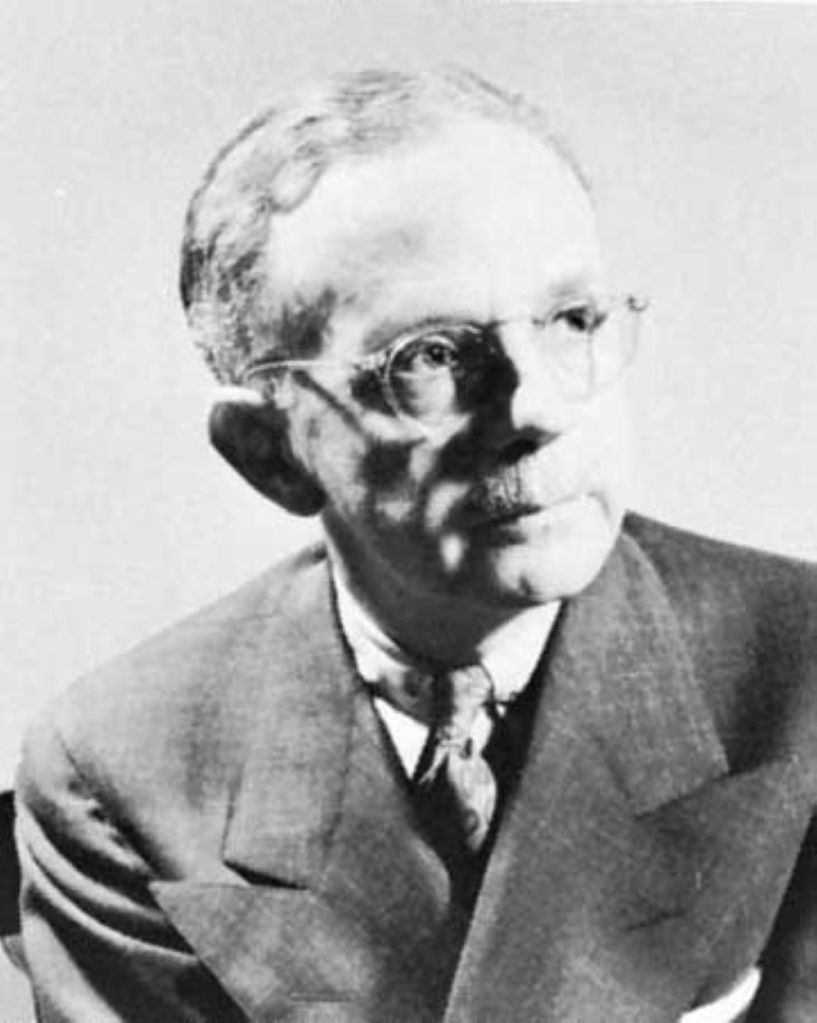
The psychological burden of this form of passing was immense. White had to listen to racist hatred, violent fantasies, and confessions of murder while maintaining the performance of white solidarity. At any moment, discovery could mean torture or death. His passing was not cosmetic; it was a constant negotiation with mortality.
Unlike Hollywood passing, White’s was not rooted in self-hatred or aspiration toward whiteness. He did not deny his family, ancestry, or community. Instead, he used racial ambiguity strategically to penetrate spaces that were otherwise lethal to Black people. This represents a form of radical racial espionage.
White also passed in elite white political circles, using his appearance to meet with senators, presidents, and power brokers who would have refused to speak to a visibly Black man. He advised multiple U.S. presidents on civil rights issues, including Franklin D. Roosevelt and Harry S. Truman, shaping national policy from behind a racial mask.
However, his ability to pass created internal tension within the Black community. Some critics accused him of being disconnected from the daily realities of darker-skinned Black Americans. Others questioned whether his appearance insulated him from the full psychological weight of racism. White himself acknowledged this contradiction and wrote extensively about the moral complexity of his position.
White’s life embodies W.E.B. Du Bois’ concept of double consciousness at its most extreme. He lived simultaneously as a Black man and as a perceived white man, navigating two incompatible realities. Yet unlike most cases of passing, his double consciousness was not an identity crisis, but a strategic consciousness.
His autobiography, A Man Called White, reveals how deeply he understood the absurdity and violence of racial classification. He described race as a social fiction enforced by terror, where identity was less about ancestry and more about power and perception.
Despite his contributions, White’s story remains largely absent from mainstream historical memory. This erasure reflects how uncomfortable American history is with narratives that destabilize racial categories and expose whiteness as a fragile social performance.
White died in 1955, just as the modern Civil Rights Movement was gaining momentum. His investigative methods, political strategies, and use of racial passing laid the groundwork for later activists and journalists who would expose institutional racism through documentation and infiltration.
Ultimately, Walter White represents the most radical form of passing in history. He did not pass to escape Blackness, but to dismantle the systems that criminalized it. His life proves that racial identity is not simply something you are, but something society forces you to perform, often under threat of death.
His story reframes passing not as betrayal, but as survival and resistance in a world where race was a weapon. Walter White did not become white to be free. He became “white” to make Black people free.
References
Bogle, D. (2016). Toms, coons, mulattoes, mammies, and bucks: An interpretive history of Blacks in American films (5th ed.). Bloomsbury.
Du Bois, W. E. B. (2007). The souls of Black folk. Oxford University Press. (Original work published 1903)
White, W. (1948). A man called White: The autobiography of Walter White. Viking Press.
Wilkerson, I. (2010). The warmth of other suns: The epic story of America’s Great Migration. Random House.
Litwack, L. F. (2009). Trouble in mind: Black southerners in the age of Jim Crow. Knopf.
 THE BROWN GIRL DILEMMA