
The 90s bombshell who turned blockbuster beauty into enduring Black Hollywood power.
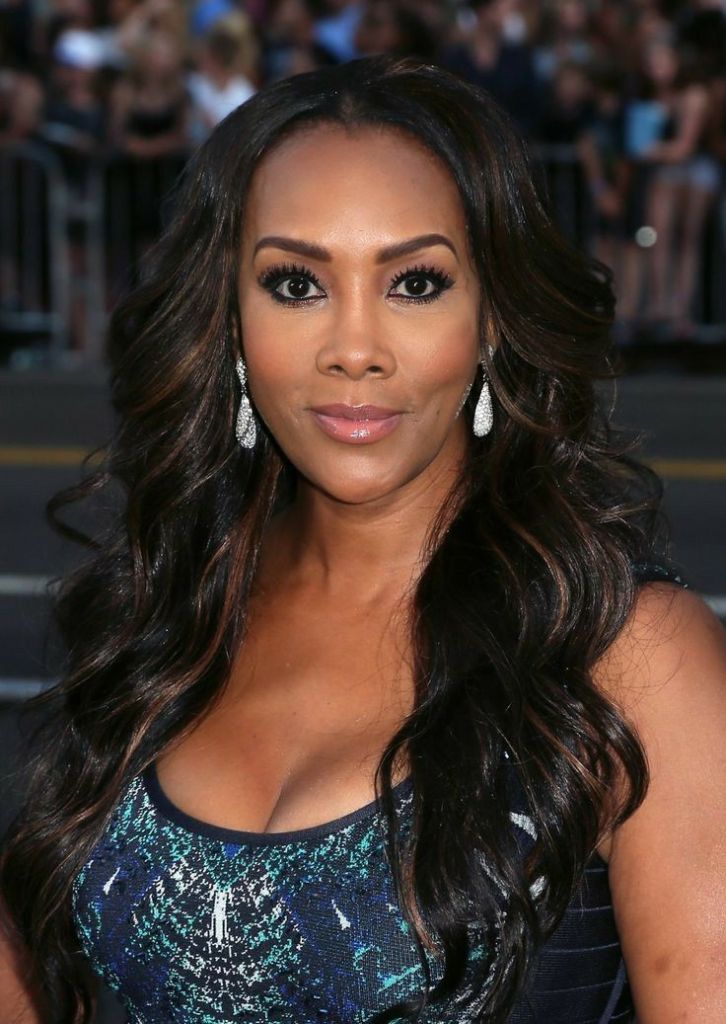
In the pantheon of Black Hollywood glamour, few women have embodied resilience, sensuality, and business acumen quite like Vivica A. Fox. With her radiant smile, honey-brown complexion, and unmistakable screen presence, Fox emerged in the 1990s as one of the definitive “It Girls” of her era. She was not merely beautiful—she was bankable. At a time when Hollywood often limited roles for Black actresses, Fox carved out a space where glamour met grit, and vulnerability met strength.
Born July 30, 1964, in South Bend, Indiana, and raised in Indianapolis, Fox earned a degree in social sciences from Golden West College before pursuing acting. Her early career included soap operas such as Days of Our Lives and Generations, where she honed the discipline and stamina required in the entertainment industry. These formative years shaped her work ethic and prepared her for the breakout that would redefine her trajectory.
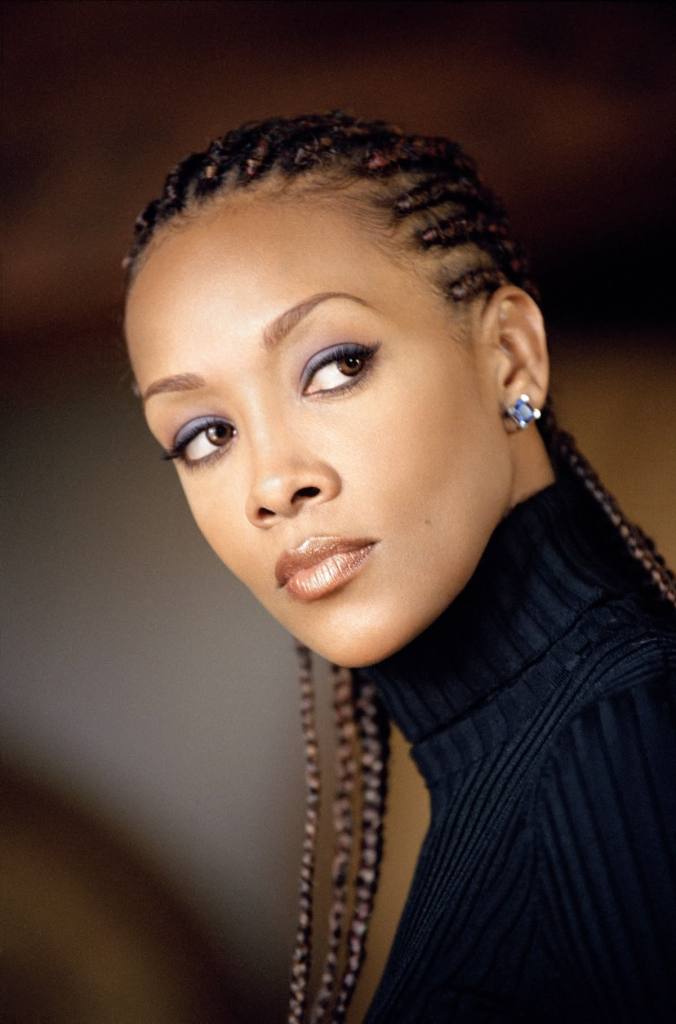
Fox’s ascension to mainstream fame arrived with her role as Jasmine Dubrow in Independence Day (1996). Acting alongside Will Smith, she portrayed a devoted girlfriend and single mother navigating apocalyptic chaos. The film grossed over $800 million worldwide, cementing Fox as a recognizable face in blockbuster cinema. That same year, she starred opposite Jada Pinkett Smith and Queen Latifah in Set It Off, a cultural landmark that remains one of the most significant portrayals of Black female antiheroes in American film history. Her performance as Frankie Sutton—loyal, fierce, and tragically vulnerable—demonstrated dramatic range and emotional depth.
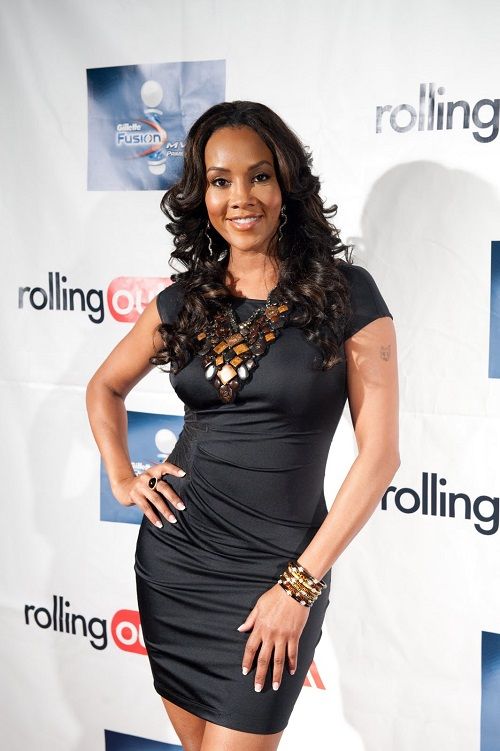
Throughout the late 1990s and early 2000s, Fox became synonymous with box office consistency and romantic allure. She starred in Soul Food, a film adaptation of the television series’ precursor, highlighting Black family dynamics, and appeared in Why Do Fools Fall in Love, portraying Elizabeth Waters opposite Halle Berry. Fox also displayed comedic brilliance in Booty Call and dramatic intensity in Kill Bill: Vol. 1, directed by Quentin Tarantino. As Vernita Green (Copperhead), she embodied physical power and maternal complexity, proving she could dominate action cinema alongside global stars.
In the 2010s, Vivica A. Fox strategically expanded her brand through a prolific partnership with Lifetime, becoming one of the network’s most recognizable leading ladies and executive producers. She headlined and produced multiple entries in the popular thriller franchise commonly known as “The Wrong” series—including titles such as The Wrong Roommate and The Wrong Fiancé—which centered on suspense-driven narratives involving deception, obsession, and betrayal. In 2020, Fox solidified her relationship with Lifetime and its parent company, A+E Networks, by signing a first-look development and producing deal. The agreement positioned her to both star in and executive produce original films for the network, effectively transitioning her from on-screen talent to creative architect. This deal underscored her business acumen, granting her expanded influence over storytelling while ensuring sustained visibility in a competitive industry.
Beyond acting, Fox evolved into a producer and entrepreneur, founding Foxy Brown Productions. She later became a staple of television, starring in and producing projects for networks such as Lifetime, often portraying sophisticated, high-powered women. Her longevity in the industry reflects not only talent but adaptability—an essential attribute for Black actresses navigating Hollywood’s shifting landscape.
Culturally, Fox’s beauty represented the quintessential “All-American” glamour filtered through a distinctly Black aesthetic. Her softly arched brows, almond-shaped eyes, and luminous skin tone positioned her within mainstream beauty discourse at a time when representation was limited. Yet her appeal transcended aesthetics. She carried herself with confidence, humor, and unapologetic femininity, influencing a generation of actresses and audiences alike.
Vivica A. Fox is an “It Girl” not because of fleeting popularity, but because of sustained visibility, cultural impact, and professional endurance. She represents the archetype of the 1990s Black Hollywood starlet who matured into a mogul—gracefully, strategically, and unapologetically. In a world that often sidelines women as they age, Fox has maintained relevance, embodying elegance and resilience.
Her legacy is one of survival and success. She is not simply remembered for her roles; she is remembered for her presence—bold, beautiful, and enduring.
References
Bogle, D. (2016). Toms, Coons, Mulattoes, Mammies, and Bucks: An interpretive history of Blacks in American films (Updated ed.). Bloomsbury Academic.
Guerrero, E. (1993). Framing Blackness: The African American image in film. Temple University Press.
IMDb. (n.d.). Vivica A. Fox. Retrieved from https://www.imdb.com
Mask, M. (2009). Divas on screen: Black women in American film. University of Illinois Press.
A+E Networks. (2020). Vivica A. Fox signs first-look development deal with Lifetime. Press release.
Deadline. (2020). Vivica A. Fox inks first-look deal with Lifetime.
IMDb. (n.d.). Vivica A. Fox filmography. Retrieved from https://www.imdb.com
Lifetime. (n.d.). Original movies featuring Vivica A. Fox. Retrieved from https://www.mylifetime.com
 THE BROWN GIRL DILEMMA