
Tag Archives: violence

The Violence of Beauty Standards

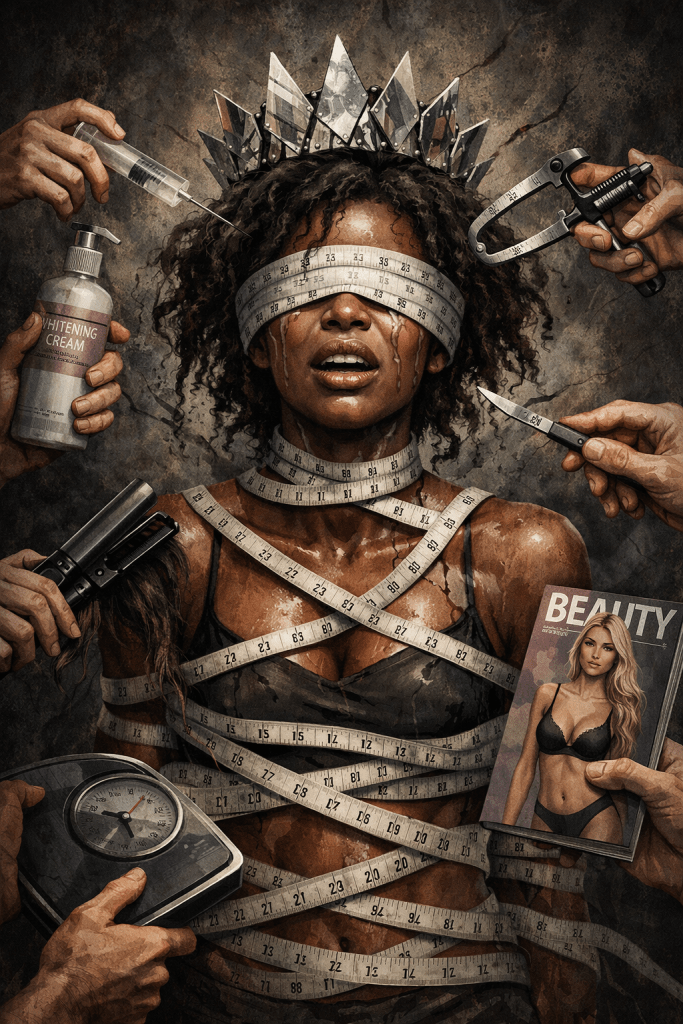
Beauty standards are often framed as harmless preferences or cultural aesthetics, yet their impact is anything but benign. They operate as a quiet, normalized form of violence—psychological, social, economic, and spiritual—imposed upon bodies that fall outside narrowly defined ideals. This violence is subtle enough to evade accountability and powerful enough to shape life outcomes, self-worth, and social hierarchies across generations.

The violence of beauty standards begins with definition. When a dominant culture determines which features are worthy of admiration and which are to be tolerated or erased, it establishes a hierarchy of human value. These hierarchies do not emerge organically; they are historically constructed through colonialism, slavery, class stratification, and racialized power relations that elevate proximity to whiteness, youth, thinness, and Eurocentric features.

For Black communities in particular, beauty standards have functioned as an extension of racial domination. During slavery and colonial rule, physical features were used to classify, rank, and commodify African-descended people. Lighter skin, straighter hair, and narrower features were rewarded with marginal privileges, while darker skin and African phenotypes were associated with labor, disposability, and dehumanization.

This legacy persists through colorism, a system in which skin tone operates as a social currency within and beyond racial groups. Colorism is not merely a preference; it is an internalized enforcement mechanism that reproduces racial hierarchy without the need for overt racism. Its violence lies in how it fractures communal bonds and assigns worth based on phenotype rather than character or humanity.

Beauty standards also enact violence through psychological harm. Repeated exposure to exclusionary ideals fosters chronic self-surveillance, body dissatisfaction, anxiety, and depression. Individuals learn to scrutinize their faces, hair, weight, and aging as problems to be fixed rather than natural expressions of life. This internalized gaze becomes a form of self-policing that mirrors external oppression.

The economic violence of beauty standards is equally profound. Entire industries profit from manufactured insecurity, extracting billions of dollars through skin-lightening products, cosmetic surgery, anti-aging treatments, and hair alteration. Those who can afford to approximate beauty ideals gain social and professional advantages, while those who cannot are penalized in employment, dating, media representation, and social mobility.

Gender intensifies this violence. Women and girls are disproportionately subjected to aesthetic regulation, with their value often tethered to attractiveness rather than intellect, integrity, or contribution. From childhood, girls are conditioned to equate beauty with worth, learning that visibility and validation are contingent upon meeting external standards that shift with trends yet remain rooted in patriarchal control.

Men are not immune to the violence of beauty standards, though it manifests differently. Rigid ideals of masculinity—height, muscularity, stoicism, dominance—discipline male bodies and emotions, discouraging vulnerability and self-acceptance. Men who deviate from these ideals face ridicule, emasculation, and social exclusion, revealing beauty standards as tools of behavioral conformity.

Media functions as a primary weapon in the enforcement of beauty norms. Through film, advertising, social media, and fashion, a narrow range of bodies and faces is repeatedly elevated as aspirational. Algorithmic amplification further entrenches these ideals, rewarding certain looks with visibility while rendering others invisible or stereotyped.

The violence intensifies in the digital age, where beauty standards are no longer distant images but interactive currencies. Likes, follows, and monetization transform appearance into measurable social capital. This quantification of beauty deepens comparison, fuels self-objectification, and accelerates the commodification of the self.

Beauty standards also operate as moral judgments. Attractive bodies are frequently associated with goodness, discipline, intelligence, and virtue, while those deemed unattractive are implicitly linked to laziness, moral failure, or incompetence. This phenomenon, often described as the halo effect, embeds aesthetic bias into decision-making processes that shape education, employment, and criminal justice outcomes.

The violence of beauty standards extends into spiritual dimensions. When individuals are taught to despise the bodies they inhabit, a rupture forms between self and creation. For faith traditions that affirm humanity as divinely made, beauty hierarchies function as theological distortions, subtly contradicting teachings about inherent worth and sacred design.

Historically marginalized bodies carry the heaviest burden of this violence. Disabled bodies, fat bodies, aging bodies, dark-skinned bodies, and gender-nonconforming bodies are treated as deviations rather than variations of human existence. The insistence on correction or concealment communicates that some lives are less deserving of comfort, desire, and dignity.

Resistance to beauty standards is often dismissed as oversensitivity or lack of self-esteem, yet such resistance is deeply political. To reject imposed ideals is to challenge systems that rely on comparison, insecurity, and consumption. It is an act of reclaiming agency over one’s body and narrative.

Cultural movements that celebrate diverse forms of beauty offer important counter-narratives, but they are not immune to co-optation. Inclusion is frequently aestheticized without dismantling underlying power structures, resulting in superficial diversity that leaves hierarchies intact. True liberation requires structural change, not symbolic representation alone.

Education plays a crucial role in disrupting the violence of beauty standards. Critical media literacy, historical context, and conversations about embodiment can equip individuals to recognize how ideals are constructed and whose interests they serve. Awareness does not erase harm, but it weakens its authority.

Healing from beauty-based violence is both personal and collective. Individually, it involves unlearning internalized contempt and cultivating self-regard beyond appearance. Collectively, it requires building communities that affirm worth independent of aesthetics and challenge discriminatory practices in institutions and media.

The language we use around beauty matters. Compliments, critiques, and casual comments can reinforce or resist harmful norms. Shifting language toward appreciation of character, creativity, resilience, and wisdom helps decenter appearance as the primary measure of value.

Ultimately, the violence of beauty standards lies in their ability to disguise domination as desire. They persuade individuals to participate in their own marginalization, to chase approval at the cost of peace, and to mistake conformity for empowerment. Naming this violence is the first step toward dismantling it.

A more just vision of beauty does not require the abandonment of aesthetics, but their reorientation. Beauty can be expansive, contextual, and humane when divorced from hierarchy and exclusion. In reclaiming beauty from violence, society moves closer to affirming the full dignity of every body.

References

Bordo, S. (2003). Unbearable weight: Feminism, Western culture, and the body. University of California Press.

Collins, P. H. (2004). Black sexual politics: African Americans, gender, and the new racism. Routledge.

Crenshaw, K. (1991). Mapping the margins: Intersectionality, identity politics, and violence against women of color. Stanford Law Review, 43(6), 1241–1299.

Dion, K., Berscheid, E., & Walster, E. (1972). What is beautiful is good. Journal of Personality and Social Psychology, 24(3), 285–290.

Hunter, M. (2007). The persistent problem of colorism: Skin tone, status, and inequality. Sociology Compass, 1(1), 237–254.

hooks, b. (1992). Black looks: Race and representation. South End Press.

Kaw, E. (1993). Medicalization of racial features: Asian American women and cosmetic surgery. Medical Anthropology Quarterly, 7(1), 74–89.

Wolf, N. (1991). The beauty myth: How images of beauty are used against women. HarperCollins.
Dilemma: Domestic Violence

Photo by Anete Lusina on Pexels.com

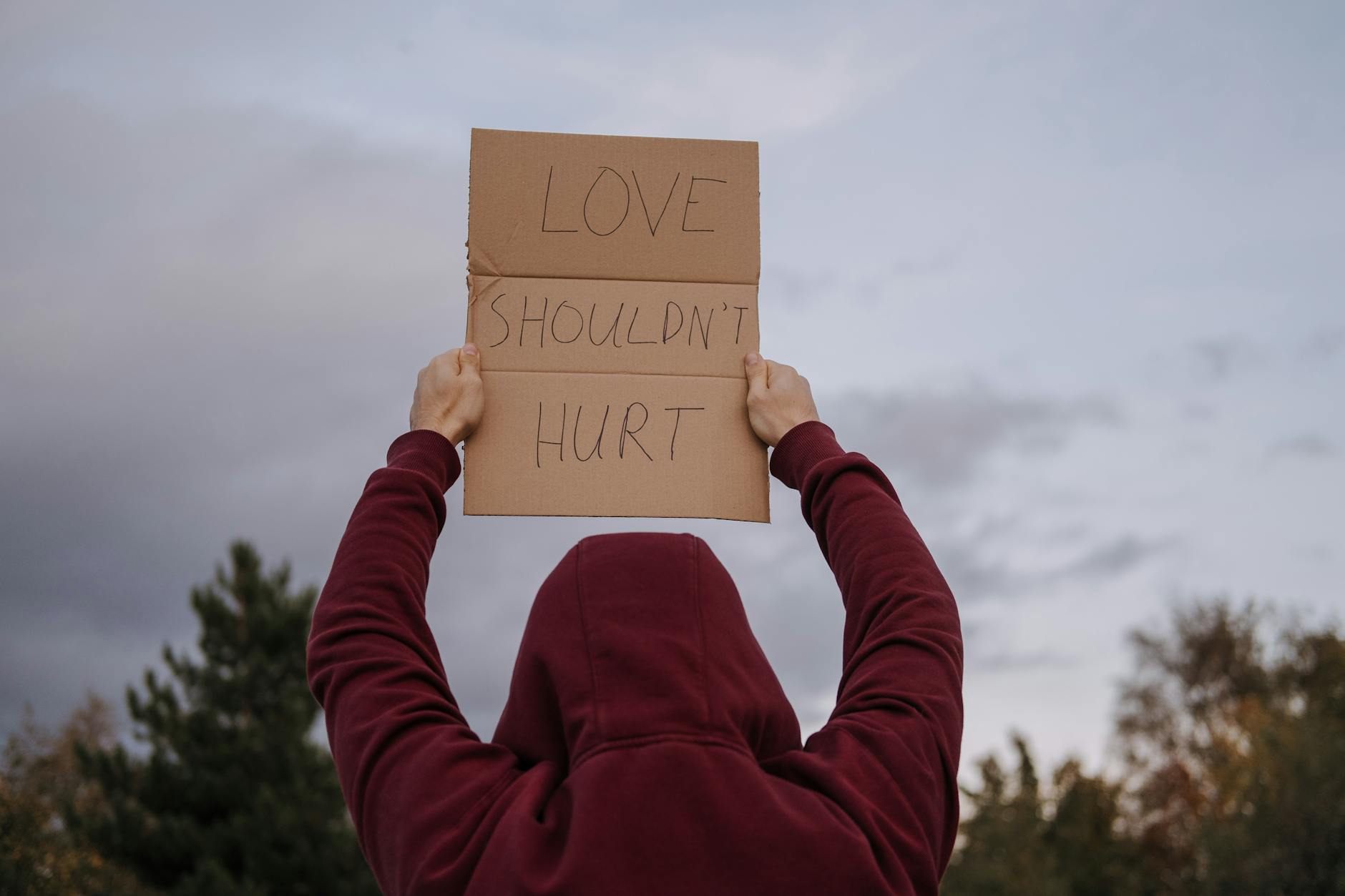
My dear friend Jacqueline, who tragically lost her life in 2011 at the hands of her husband, was a remarkable woman—a loving friend, devoted wife, and an exceptional mother. She carried herself with grace, always putting the needs of others before her own, and her warmth and kindness touched everyone who knew her. Behind closed doors, however, she suffered at the hands of a man who abused and controlled her. Her husband repeatedly beat her, and one day he went too far, taking her life. Jacqueline’s story is a stark and heartbreaking reminder that abuse can escalate quickly, and no one should stay in a relationship where fear and violence exist. I share her story to warn women everywhere: pay attention to warning signs, trust your instincts, and seek help immediately. No act of love or loyalty should ever cost you your life.

Domestic violence is a pattern of behavior in which one person seeks to gain power and control over another in an intimate relationship. It can include:

  • Physical abuse: hitting, slapping, choking, or any form of violence.
  • Emotional abuse: humiliation, intimidation, or verbal attacks.
  • Sexual abuse: coercion or assault.
  • Financial abuse: controlling money, preventing independence.
  • Psychological manipulation: gaslighting, threats, or isolation.

Domestic violence is not about anger alone; it is about control and dominance. Many abusers exhibit traits of narcissism, entitlement, or learned behavior from past trauma. Their actions escalate over time, often starting with verbal intimidation, emotional manipulation, and gradually moving to physical abuse.

Prevalence of Domestic Violence

Domestic violence is a pervasive issue affecting individuals worldwide. In the United States, approximately 1 in 3 women and 1 in 4 men have experienced rape, physical violence, or stalking by an intimate partner in their lifetime . Globally, the situation is equally alarming, with an estimated 140 women or girls killed every day by someone in their own family .


Psychology Behind Abusive Behavior

Understanding the psychology of abusers is crucial in addressing domestic violence. Abusers often exhibit behaviors rooted in a desire for control and power over their victims. Factors contributing to abusive behavior include:

  • Past Trauma: Many abusers have experienced abuse or neglect during childhood, which can influence their behavior in adulthood.
  • Cultural Norms: Societal beliefs about traditional gender roles and masculinity can perpetuate abusive behaviors.
  • Personality Disorders: Certain personality traits, such as narcissism or antisocial behavior, may be prevalent among abusers .

It’s important to note that these factors do not excuse abusive behavior but can provide insight into its origins.


How Does Domestic Violence Start?

  • Early warning signs: jealousy, controlling behavior, verbal insults, monitoring, isolation from friends or family.
  • Cycle of abuse: psychologists identify a recurring pattern—tension-building, incident of abuse, reconciliation or “honeymoon” phase, then calm before the cycle repeats.
  • Root causes: abuse can stem from a combination of social conditioning (to assert dominance), learned behaviors from family or culture, and personal psychological issues.

Important: No one “deserves” abuse. Responsibility always lies with the abuser.


Statistics show that leaving is the most dangerous time for victims. Many homicides occur when the victim attempts to leave.

Challenges in Leaving Abusive Relationships

Leaving an abusive relationship is often more complex than it appears. Survivors may face numerous barriers, including:

  • Fear of Retaliation: Abusers may threaten harm to the victim or their loved ones if they attempt to leave.
  • Financial Dependence: Victims may rely on their abuser for financial support, making independence challenging.
  • Emotional Manipulation: Abusers often use tactics like gaslighting or trauma bonding to maintain control over the victim.
  • Lack of Support: Victims may feel isolated or fear not being believed by friends, family, or authoriti

When Family and Law Enforcement Don’t Help

It can feel terrifying if authorities or family fail to act. However, there are options:

  • National Hotlines and Support Services:
    • U.S.: National Domestic Violence Hotline — 1-800-799-SAFE (7233) | Text “START” to 88788
    • International: Locate local domestic violence shelters or NGOs.
  • Safe Houses/Shelters: Many organizations provide emergency housing and resources for victims.
  • Legal Options: Protective orders, restraining orders, and reporting the abuser. In some cases, private legal advocacy services may assist if local police are unresponsive.
  • Community Support: Trusted neighbors, clergy, or friends can create safety plans, check in regularly, and provide escape routes.
  • If you or someone you know is experiencing domestic violence, it’s essential to seek help. In the United States, the National Domestic Violence Hotline provides confidential support 24/7. You can reach them at:
  • Phone: 1-800-799-SAFE (7233)
  • Text: Text “START” to 88788
  • Website: https://www.thehotline.org
  • For those outside the U.S., local shelters, community organizations, and law enforcement agencies can offer assistance.

Practical Steps to Help Yourself or a Friend

  1. Document everything: Keep records of threats, injuries, or abusive texts.
  2. Create a safety plan: Identify a safe place, pack essentials, and have emergency contacts ready.
  3. Reach out to professionals: Hotlines, shelters, and counselors can provide guidance.
  4. Build a support network: Friends, family, and community members can intervene when needed.
  5. Plan for the dangerous moments: If violence escalates, know how to exit safely and call for help immediately.

Safety Guide for Women Facing Domestic Violence

1. Recognize the Warning Signs

Early recognition is critical. Watch for patterns like:

  • Controlling behavior (who you see, where you go, what you wear)
  • Isolation from friends and family
  • Verbal or emotional abuse (insults, humiliation, threats)
  • Escalating anger or violent behavior
  • Financial control

Psychology insight: Abusers often use fear, intimidation, and manipulation to maintain control. Understanding this helps victims realize abuse is about power, not personal fault.


2. Create a Personal Safety Plan

Plan for both immediate danger and long-term escape. Include:

  • Safe locations: Identify a trusted friend’s home, shelter, or public place.
  • Escape route: Know exits in your home, workplace, or neighborhood.
  • Emergency kit: Pack essentials—ID, cash, keys, medication, and important documents.
  • Communication plan: Have a phone ready, consider a hidden or secondary phone. Memorize important numbers.

3. Document Abuse

Keep detailed records to protect yourself legally and emotionally:

  • Photos of injuries
  • Screenshots of abusive texts or messages
  • Written records of incidents (dates, times, witnesses)

This documentation can support legal action or protective orders.


4. Reach Out for Professional Help

  • Hotlines & Shelters:
  • Legal Advocacy: Seek attorneys or nonprofit organizations specializing in domestic violence cases.
  • Counseling & Support Groups: Therapy can provide emotional resilience and help break the trauma bond.

Global Resources: Local women’s shelters, NGOs, and consulates often provide assistance for non-U.S. residents.


5. Build a Trusted Support Network

  • Confide in friends, neighbors, or family you can trust.
  • Ask them to check in regularly or help you escape if necessary.
  • Consider connecting with faith-based organizations or community groups.

6. Know Your Rights

  • Protective Orders: Can legally prevent the abuser from approaching you.
  • Child Custody Considerations: Prioritize safety of children in all decisions.
  • Police Reporting: Even if initial responses are weak, repeated reporting and documentation are crucial.

7. Plan for High-Risk Situations

  • Most danger occurs when victims attempt to leave.
  • Always have an escape plan ready before confronting or leaving the abuser.
  • Keep essential items accessible and consider temporary relocation to a safe shelter.

8. Psychological Preparation

  • Understand that fear, guilt, or shame are natural but do not justify staying.
  • Trauma bonding may make leaving emotionally difficult; counseling can help.
  • Affirm your self-worth daily; you are not to blame for the abuse.

9. Learn from Survivors

  • Francine Hughes (“The Burning Bed”): Escaped years of abuse and became an advocate.
  • Kiranjit Ahluwalia: Survived decades of abuse; her story raised global awareness about domestic violence.

Lesson: Escape is possible, and no one should face abuse alone.


10. If No One Listens

  • Persist with legal and advocacy channels.
  • Reach out to multiple shelters, advocacy groups, or hotlines.
  • Consider media or faith-based organizations to amplify your case safely.

Biblical Encouragement

  • Proverbs 31:25 (KJV) – “Strength and honour are her clothing; and she shall rejoice in time to come.”
  • Psalm 34:18 (KJV) – “The Lord is nigh unto them that are of a broken heart; and saveth such as be of a contrite spirit.”

God values and protects the vulnerable; you are never alone in seeking safety.


How We Can Help Prevent Tragedies

  • Education and awareness: Recognize early signs of abuse.
  • Listen and believe survivors: Never blame the victim.
  • Advocate for accountability: Push for law enforcement and legal systems to respond to domestic violence reports.
  • Support policies and shelters: Funding and awareness campaigns save lives.
  • Be proactive in your community: Encourage neighbors, friends, and colleagues to check in with those who may be isolated.

Inspirational Stories of Survival

Francine Hughes (The Burning Bed):
In 1977, after enduring years of abuse, Francine Hughes set her husband’s bed on fire while he was asleep, resulting in his death. She was acquitted using the “battered woman syndrome” defense, a landmark case in domestic violence law.

Kiranjit Ahluwalia:
An Indian woman who suffered abuse for over a decade. After killing her husband in self-defense, she was initially convicted but later released after a successful appeal highlighted the severity of her abuse.

Jacqueline Davidson:
In 2020, Jacqueline Davidson died during a kayaking trip in Queensland, Australia. Initially ruled an accident, her husband’s subsequent actions and attempts to claim a large life insurance payout led to charges of murder and fraud against him.

Biblical Perspective

Scripture calls for justice and protection for the vulnerable. Proverbs 31:8–9 (KJV) says:
“Open thy mouth for the dumb in the cause of all such as are appointed to destruction. Open thy mouth, judge righteously, and plead the cause of the poor and needy.” From a follower of Christ’s viewpoint, the Bible emphasizes the inherent worth and dignity of every individual. Scriptures such as Proverbs 31:25 highlight the strength and honor of women, while Ephesians 5:25 calls for husbands to love their wives as Christ loves the church. These teachings advocate for mutual respect and love in relationships, condemning any form of abuse.

Conclusion

Domestic violence is a multifaceted issue requiring a comprehensive approach that includes understanding the psychology of abusers, recognizing the challenges victims face, and providing accessible support resources. By fostering awareness and compassion, society can work towards eradicating domestic violence and supporting survivors on their journey to healing and empowerment.