
The Exotic Muse of Fashion and Television
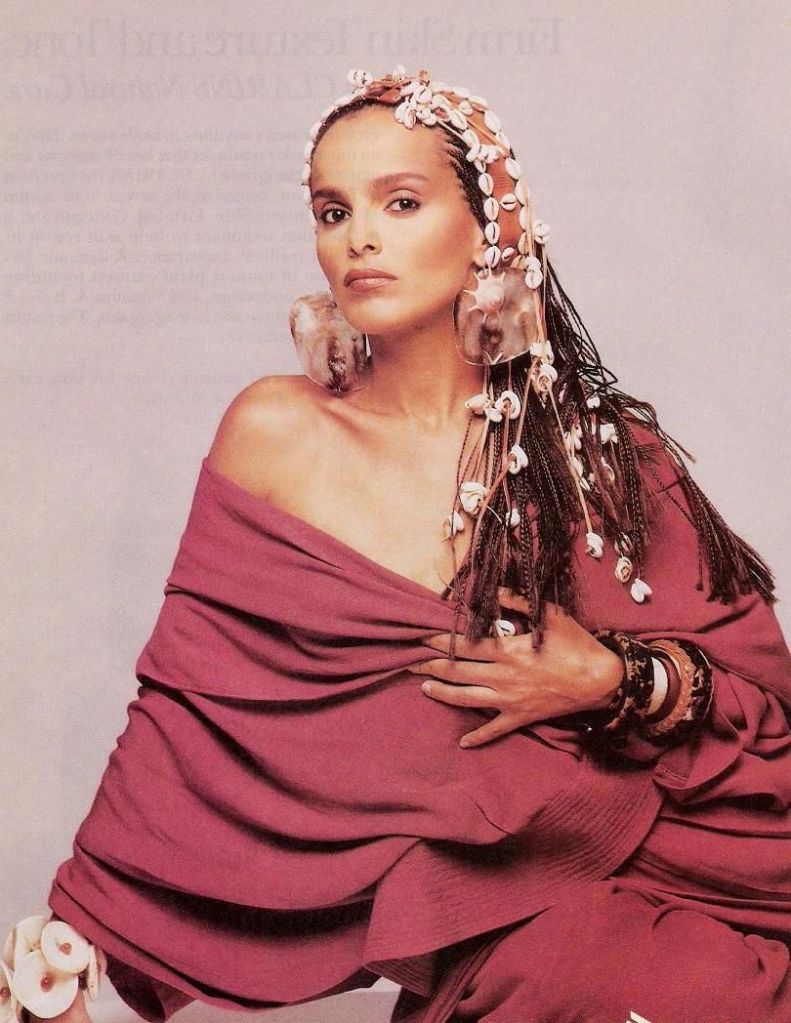
In the realm of fashion and television, certain women possess a rare combination of elegance, beauty, and cultural presence that captivates audiences across generations. Shari Belafonte is one of those women. With her luminous complexion, striking features, petite frame, and sophisticated style, Belafonte emerged in the 1980s as a striking symbol of refined Black beauty. Her graceful presence on magazine pages, television screens, and red carpets embodied a type of aesthetic often described in popular culture as the “Ebony Doll”—a woman whose beauty appears sculpted, radiant, and timeless, much like a living work of art.
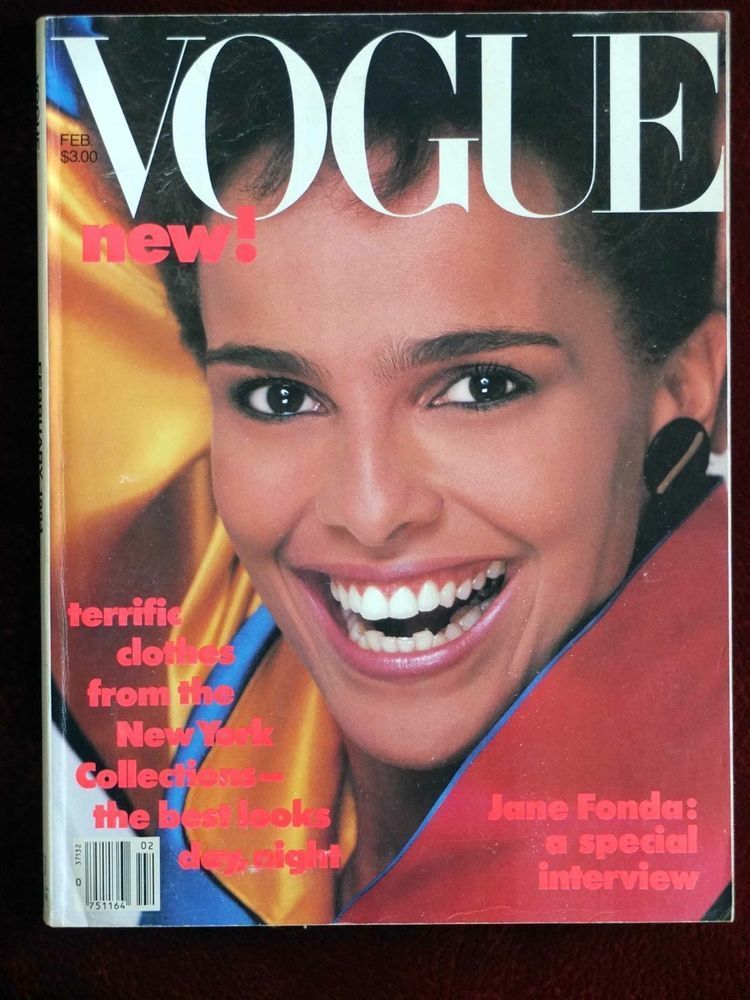
Shari Lynn Belafonte was born on September 22, 1954, in New York City. She is the daughter of legendary entertainer and civil rights activist Harry Belafonte and Marguerite Byrd. Growing up in a family deeply rooted in music, culture, and social activism gave Belafonte a unique upbringing that blended artistic creativity with global awareness. Her father’s influence exposed her to international culture and the power of representation in media.

Belafonte spent portions of her childhood traveling and experiencing diverse environments. These early experiences helped cultivate her polished demeanor and cosmopolitan outlook. Even at a young age, she carried herself with the poise and confidence that would later define her public image.
The term “Ebony Doll” has historically been used within Black culture to describe a woman whose beauty appears refined, polished, and almost sculptural. It celebrates deep, radiant skin tones, balanced facial symmetry, and elegant presentation. In Belafonte’s case, her smooth complexion, high cheekbones, almond-shaped eyes, and graceful posture strikingly embodied this aesthetic. Her presence evoked the elegance of classic fashion dolls, yet with the depth and authenticity of a living woman.
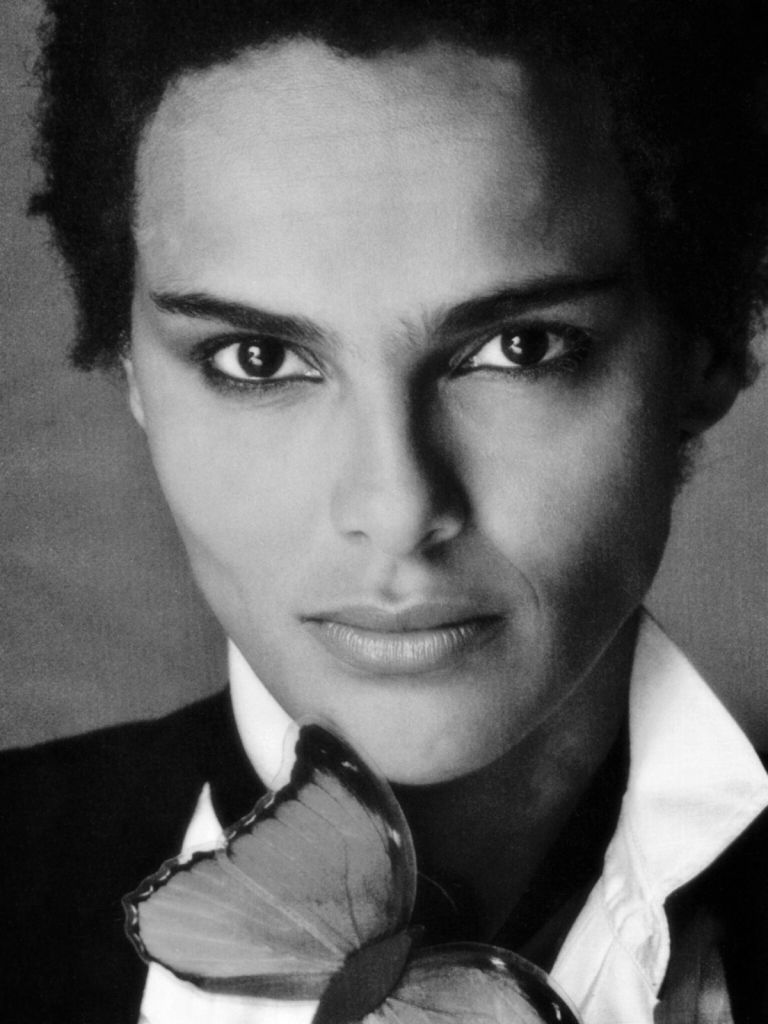
Belafonte first gained widespread attention through modeling. During the late 1970s and early 1980s, she appeared in major fashion magazines and advertising campaigns. Her statuesque beauty and confident gaze made her an ideal subject for high-fashion photography, where her natural elegance could shine through the lens.
In the fashion world, Belafonte quickly developed a reputation for sophisticated glamour. Her style combined classic femininity with contemporary edge, making her a standout figure in an industry still expanding its representation of Black beauty. At a time when mainstream fashion media often overlooked darker complexions, Belafonte’s visibility helped challenge narrow beauty standards.
Her modeling career also included collaborations with major fashion houses and cosmetics brands. Through these campaigns, she presented an image of refined glamour that resonated with audiences seeking broader representation in beauty and fashion imagery.
Belafonte’s transition from modeling to acting further elevated her visibility. She gained national recognition when she starred in the popular television drama Hotel during the 1980s. In the series, she portrayed Julie Gillette, the poised and intelligent assistant manager of a luxurious San Francisco hotel. The role showcased her natural sophistication and calm authority.
Her performance on Hotel helped redefine how Black women were portrayed on primetime television. Rather than limiting her character to stereotypical roles, the show presented Julie Gillette as professional, stylish, and capable. Belafonte’s elegance brought authenticity and credibility to the role.
While acting brought her fame, Belafonte continued exploring creative pursuits beyond television. She also pursued music, recording songs that reflected her artistic heritage and love for performance. Although her music career was more limited than her acting work, it demonstrated the versatility that runs through her artistic identity.
Belafonte eventually developed a deep passion for photography as well. Over time she became a respected photographer whose work has appeared in exhibitions and publications. Through photography she discovered another medium for storytelling and artistic expression.
Her photographic work reflects the same appreciation for beauty and composition that defined her modeling career. As both subject and artist, Belafonte understands how lighting, posture, and expression can create powerful visual narratives.
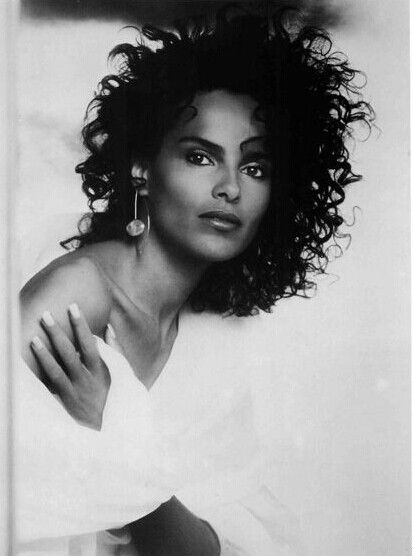
Throughout her career, Belafonte has maintained a reputation for refined style. Whether appearing at public events or in editorial photographs, she consistently projects elegance, grace, and quiet confidence. Her fashion choices often emphasize clean silhouettes, rich textures, and classic design.
The concept of the “Ebony Doll” also speaks to presentation. It reflects not only physical beauty but also the art of self-possession—the ability to carry oneself with dignity and composure. Belafonte exemplifies this quality through her calm demeanor and poised public presence.
Her cultural influence extends beyond fashion and television. Inspired by the activism of her father, Belafonte has also participated in charitable and humanitarian efforts. She has supported causes related to environmental protection, education, and social justice.
Belafonte’s longevity in entertainment reflects a career built on adaptability and artistic curiosity. From modeling to acting to photography, she has explored multiple creative paths while maintaining the elegance that first captivated audiences.
Her legacy also highlights the evolving representation of Black beauty in media. During the 1980s, when opportunities for Black models and actresses were still limited, Belafonte helped expand the visual vocabulary of glamour and sophistication.
Today, she continues to engage with artistic and cultural projects, sharing her photography and creative work with audiences. Her enduring presence reminds admirers that beauty, creativity, and intellect can coexist gracefully throughout life.

What makes Shari Belafonte an “Ebony Doll” is not merely her physical appearance but the harmony between elegance, artistry, and self-confidence. Her beauty feels sculptural yet warm, refined yet authentic.
In many ways, she represents a living portrait of Black elegance—an image that blends heritage, artistry, and timeless grace.
Ultimately, Shari Belafonte’s story is one of beauty, culture, and creative exploration. Her career reflects the power of representation and the importance of celebrating diverse expressions of glamour.
In every sense of the phrase, Shari Belafonte stands as a true “Ebony Doll”—a woman whose radiant beauty, sophistication, and artistic spirit continue to inspire admiration.
References
Belafonte, S. (Interviews and public statements).
Britannica. (2026). Harry Belafonte. Encyclopaedia Britannica.
IMDb. (2026). Shari Belafonte Filmography. IMDb Database.
Smith, S. (2018). Black Women in Television: A Cultural History. New York University Press.
Vogue Archive. (1980–1990). Fashion and modeling features. Vogue Magazine.
 THE BROWN GIRL DILEMMA