
Tag Archives: true beauty

Grace Over Glamour: Biblical Lessons on True Beauty in the Age of Eurocentric Pressure.

Photo by JEFERSON GOMES on Pexels.com

The idea of beauty in Western society has long been framed through Eurocentric ideals—fair skin, straight hair, narrow noses, and thin bodies. These standards, rooted in colonialism and white supremacy, continue to shape global perceptions of attractiveness, particularly among women of African descent. For many, the journey toward self-love has required unlearning the belief that divine beauty can only exist through proximity to whiteness.

The Bible reminds us that God’s measure of beauty is vastly different from the world’s. In 1 Samuel 16:7 (KJV), it is written, “For the Lord seeth not as man seeth; for man looketh on the outward appearance, but the Lord looketh on the heart.” This verse dismantles the social hierarchies of appearance that have long privileged Eurocentric features over the diverse expressions of God’s creation.

For centuries, Eurocentric ideals have been weaponized against Black and brown women, creating hierarchies within our own communities. The effects of colorism—favoring lighter skin tones and Euro-featured appearances—echo the psychological scars of slavery and colonization. These systems conditioned people of color to internalize shame about their features, skin, and hair, distorting the divine image within them.

The Apostle Peter’s admonition in 1 Peter 3:3–4 urges believers not to depend on outward adornment but to cultivate “the hidden man of the heart,” which is “of great price” in the sight of God. Yet, modern media continues to bombard women with images that glorify glamour over grace, leading many to chase validation through aesthetics rather than spiritual wholeness.

The global beauty industry profits from insecurity—especially among Black women—by marketing products that promise transformation toward Eurocentric ideals: skin-lightening creams, hair-straightening chemicals, and surgeries to alter African features. These pressures exploit spiritual and emotional wounds, turning self-hate into profit.

In Proverbs 31:30, it is written, “Favour is deceitful, and beauty is vain: but a woman that feareth the Lord, she shall be praised.” This passage reorients the definition of beauty away from social approval and toward godly reverence. The fear of the Lord, not the favor of man, is the foundation of true worth.

Biblical womanhood celebrates strength, dignity, and wisdom. Figures like Deborah, Esther, and Ruth illustrate that influence comes not from appearance but from purpose, courage, and obedience to God’s will. Deborah’s leadership was not enhanced by her beauty but by her discernment and faithfulness—qualities society rarely uplifts in women of color.

Eurocentric pressures have also distorted the psychology of beauty among men, shaping whom they view as desirable. Many have unconsciously absorbed colonial value systems, equating whiteness with purity and status. This internalized bias fractures relationships within the Black community and deepens gender divides.

For Black women, reclaiming divine beauty is an act of spiritual warfare. It requires rejecting false idols of appearance and replacing them with God’s truth. Psalm 139:14 affirms, “I will praise thee; for I am fearfully and wonderfully made.” Each coil, curve, and complexion is intentional, sacred, and reflective of the Creator’s artistry.

Natural hair, once stigmatized under Eurocentric standards, has become a powerful expression of identity and resistance. Wearing one’s natural texture is not merely aesthetic; it is theological. It affirms that God’s design needs no correction to be beautiful or professional.

The pursuit of glamour often masks deeper wounds—feelings of inadequacy, rejection, and alienation. Healing begins with spiritual renewal. Romans 12:2 calls believers to “be not conformed to this world, but be ye transformed by the renewing of your mind.” Freedom from Eurocentric validation starts with changing one’s thoughts about worth and divine design.

Black women’s beauty carries ancestral resonance. It tells stories of survival, innovation, and resilience under systems that sought to erase their humanity. To embrace this beauty is to honor those who came before—women who wore their grace under oppression, who embodied elegance without privilege or praise.

The Church must also confront its complicity in Eurocentric standards. Too often, depictions of biblical figures in Western art portray whitened versions of Christ, Mary, and the Israelites, reinforcing harmful beauty hierarchies. Reclaiming the Hebraic and Afro-Asiatic roots of Scripture restores both historical truth and cultural dignity.

Spiritual beauty is the fruit of the Spirit—love, joy, peace, patience, kindness, goodness, faithfulness, gentleness, and self-control (Galatians 5:22–23). These are qualities that outlast time, status, and fashion. They illuminate the soul in ways that no cosmetic can replicate.

In modern culture, social media amplifies vanity and comparison. Yet, platforms can also be used to affirm the diverse beauty of Black and brown people worldwide. Sharing images that celebrate melanin, natural hair, and authentic features creates digital ministry—testifying to the magnificence of God’s varied creation.

The myth of Eurocentric beauty is powerful because it promises belonging. But true belonging comes from identity in Christ, not conformity to oppressive ideals. When one’s self-worth is anchored in divine truth, glamour loses its grip. Grace becomes the new standard.

For mothers and mentors, modeling self-acceptance is sacred work. Every time a woman chooses authenticity over assimilation, she teaches the next generation to see holiness in their reflection. That spiritual inheritance dismantles centuries of distortion.

Grace over glamour means living with purpose, humility, and gratitude. It is to embody a light that radiates from within—one that cannot be dimmed by prejudice or societal expectation. It is beauty refined by faith, not defined by fashion.

In the end, beauty is not a competition but a calling. To reflect God’s image in all shades, shapes, and textures is an act of worship. The Eurocentric lens may distort, but grace restores clarity—revealing the sacred truth that all God’s creations are “very good” (Genesis 1:31).


References (APA 7th Edition):

  • The Holy Bible, King James Version.
  • Banks, I. (2000). Hair matters: Beauty, power, and Black women’s consciousness. New York University Press.
  • Craig, M. L. (2006). Race, beauty, and the tangled knot of a guilty pleasure. Feminist Theory, 7(2), 159–177.
  • hooks, b. (1992). Black looks: Race and representation. South End Press.
  • Tate, S. A. (2009). Black beauty: Aesthetics, stylization, politics. Ashgate.
  • Wolf, N. (1991). The beauty myth: How images of beauty are used against women. HarperCollins.
  • Wilder, J. (2015). Color stories: Black women and colorism in the 21st century. Praeger.
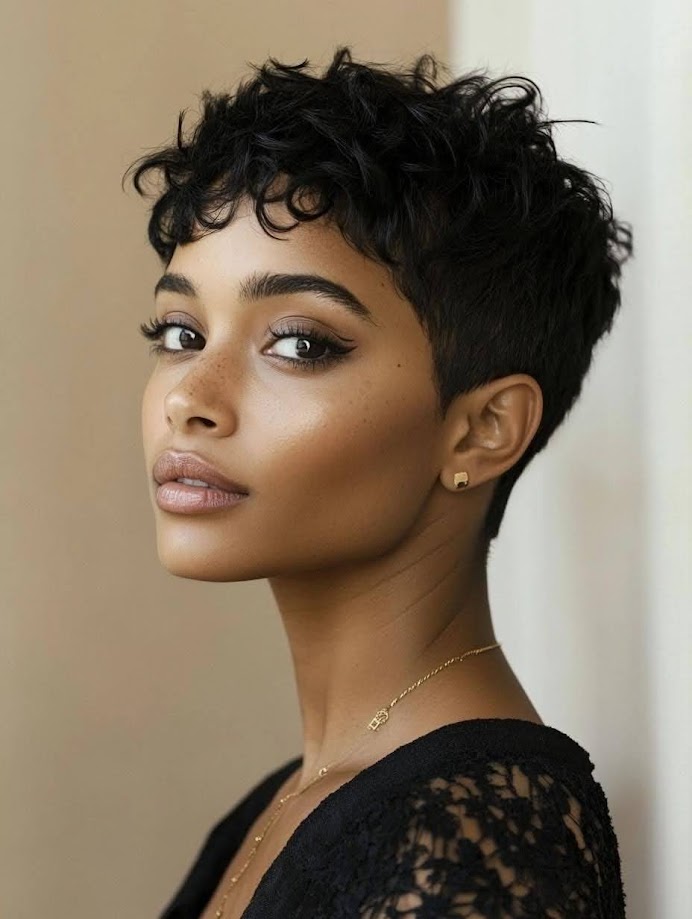
The Radiance Within: Understanding the Essence of True Beauty

Beauty has long been discussed, defined, redefined, and marketed, but its truest form can never be reduced to external features alone. “The Radiance Within” speaks to the inner light—the character, spirit, and emotional depth—that transcends physical appearance. While society often prioritizes surface-level aesthetics, inner beauty continues to shape how we connect, how we influence others, and how we see ourselves. True radiance is not a matter of bone structure, complexion, or perfect symmetry, but a reflection of one’s heart, values, and presence.

Inner beauty is rooted in authenticity. When individuals live truthfully—embracing their strengths, flaws, and growth—they emit a kind of confidence that cannot be artificially reproduced. Authentic people are grounded, and this grounding allows their presence to feel peaceful, trustworthy, and magnetic. In contrast, performative beauty is fragile because it depends on constant validation. Inner radiance thrives independently of public approval.

Character is a major component of true beauty. Traits such as integrity, compassion, patience, and humility create a spiritual glow that outer beauty cannot match. Someone who consistently treats others with respect builds a reputation that lasts beyond first impressions. Their beauty is experienced—not merely seen. In a world obsessed with image, character-based beauty remains timeless.

Another dimension of inner radiance is emotional intelligence. Individuals who understand their own emotions—and respond thoughtfully to the emotions of others—possess a maturity that adds depth to their presence. Their ability to empathize, resolve conflict, and communicate with clarity enhances both personal and professional relationships. Emotional intelligence transforms beauty from something decorative into something deeply functional.

Inner beauty also manifests through kindness. Acts of kindness can uplift others in a way that leaves a lasting impact. People rarely remember the outfits or hairstyles we wear, but they never forget how we made them feel. When kindness becomes habitual, it shapes reputation, relationships, and one’s overall aura. It becomes the face of one’s humanity.

Spiritual grounding is another essential part of inner radiance. Whether through faith, meditation, or personal reflection, individuals who nurture their spirits often carry a calming presence. Their beauty is not chaotic or performative—it is steady. Spiritual beauty reveals itself in wisdom, discernment, and the ability to endure challenges with grace.

Purpose is also connected to beauty. People who walk in their purpose exhibit passion, clarity, and drive. Their sense of direction becomes magnetic. When someone is aligned with their calling, others can sense it. Purpose adds life to the eyes, conviction to speech, and meaning to every step taken. This is a beauty that grows richer with time.

Confidence rooted in self-worth—not ego—also enhances inner radiance. When individuals understand their value, they no longer rely on external validation. They become self-assured without being arrogant. This quiet confidence is compelling because it invites admiration without demanding it.

Resilience contributes greatly to inner beauty. Those who have endured hardship and grown stronger from it carry a depth that cannot be imitated. Their beauty becomes a testimony—an inner light forged through endurance, healing, and wisdom. Resilience adds honor and dignity to one’s presence.

Compassion and service also elevate inner beauty. People who use their gifts to uplift others radiate a beauty that is both generous and healing. Service transforms beauty into a legacy. Through kindness, mentorship, and encouragement, individuals plant seeds of goodness that continue long after they are gone.

Humility is another attribute that enriches inner radiance. Humble individuals do not think less of themselves; they think of themselves less often. They elevate others and contribute positively to their environments without seeking praise. Humility makes beauty approachable rather than intimidating.

Gratitude enhances inner beauty by shifting perspective. People who practice gratitude experience life with appreciation rather than entitlement. This attitude produces joy, contentment, and emotional balance, all of which radiate outward. Gratitude-based beauty is warm, steady, and enduring.

Inner beauty also manifests in the ability to love deeply and genuinely. Love—expressed through patience, loyalty, thoughtfulness, and understanding—is one of the most powerful forms of radiance. When someone loves well, their presence becomes healing, comforting, and inspiring.

Wisdom enriches beauty by adding depth and discernment. Wise individuals bring clarity to chaos and insight to confusion. Their perspective becomes valuable, and their words carry weight. Wisdom beautifies the mind and soul, creating a radiance that draws others inward.

Creativity is another expression of inner beauty. Creative individuals bring color, imagination, and innovation into the world. Their ideas inspire others and contribute to art, culture, and transformation. Creativity reveals inner radiance through expression and originality.

Emotional vulnerability also adds to beauty. Vulnerable individuals are not weak—they are brave. They allow themselves to feel, to heal, and to be seen authentically. Vulnerability creates intimate connections and teaches others that imperfection is a part of the human experience.

Self-love is foundational to inner radiance. When individuals treat themselves with dignity and compassion, they develop healthier relationships and stronger emotional boundaries. Self-love beautifies the spirit by creating internal harmony. It teaches us that we are worthy of love, respect, and peace.

Growth and teachability make beauty dynamic rather than static. Individuals willing to learn, evolve, and confront their flaws demonstrate a rare form of beauty rooted in humility and courage. Growth ensures that inner radiance continues to expand.

Peacefulness is another dimension of inner beauty. Those who maintain emotional and spiritual peace despite external chaos bring calmness wherever they go. Their presence feels safe, steady, and refreshing. Peace is beauty at rest.

Ultimately, “The Radiance Within” teaches that beauty is not something we chase—it is something we cultivate. External beauty may open doors, but inner beauty builds legacies. It influences generations, strengthens communities, and transforms lives. True beauty does not fade, wrinkle, or age; it expands, deepens, and shines brighter with time.


References

Brown, B. (2012). Daring greatly: How the courage to be vulnerable transforms the way we live, love, parent, and lead. Gotham Books.

Goleman, D. (2006). Emotional intelligence. Bantam.

Hooks, B. (2000). All about love: New visions. William Morrow.

Seligman, M. E. P. (2011). Flourish: A visionary new understanding of happiness and well-being. Free Press.

Thurman, H. (1998). Meditations of the heart. Beacon Press.

Van Tongeren, D. R., & Showalter Van Tongeren, S. A. (2020). The courage to suffer: A new clinical framework for life’s greatest crises. Templeton Press.

Made in His Image: The Divine Reflection of a Man’s Beauty.

The Bible teaches that humanity is made in the image of God: “So God created man in his own image, in the image of God created he him; male and female created he them” (Genesis 1:27, KJV). This divine imprint reflects not only moral and spiritual qualities but also the inherent dignity and beauty of a man. True beauty in a man transcends physical appearance; it manifests in character, wisdom, integrity, and alignment with God’s will.

Physical beauty is a reflection of divine creativity. Just as God crafted nature with intricacy and balance, He has designed the human body with proportions, symmetry, and features that convey strength, harmony, and vitality. Yet, Scripture warns against idolizing outward appearance at the expense of inner character: “For the Lord seeth not as man seeth; for man looketh on the outward appearance, but the Lord looketh on the heart” (1 Samuel 16:7, KJV).

A man’s beauty is also expressed through strength tempered with humility. True masculinity honors God, protects the vulnerable, and nurtures relationships. Strength without virtue can become destructive, but strength rooted in divine guidance radiates beauty that captivates without superficiality. “A wise man is strong; yea, a man of knowledge increaseth strength” (Proverbs 24:5, KJV).

Wisdom is a cornerstone of divine beauty. The manner in which a man speaks, reasons, and governs his actions reflects God’s image. Eloquence, discernment, and prudence enhance his presence, making him admirable beyond mere physicality. “Let the wise hear, and increase in learning, and the man of understanding obtain guidance” (Proverbs 1:5, KJV).

Faithfulness and integrity also shape the reflection of God in a man. Honesty, loyalty, and moral steadfastness demonstrate an alignment with divine principles, creating a beauty that endures through trials and challenges. “He that walketh uprightly walketh surely: but he that perverteth his ways shall be known” (Proverbs 10:9, KJV).

A man’s beauty is seen in how he treats others. Gentleness, compassion, and respect for life mirror God’s character. Scripture elevates the heart’s posture over superficial appearance: “A soft answer turneth away wrath: but grievous words stir up anger” (Proverbs 15:1, KJV). True beauty lies in kindness and ethical conduct.

Discipline and self-control further reflect divine order. Physical fitness, grooming, and personal presentation demonstrate respect for the body, God’s temple: “Know ye not that your body is the temple of the Holy Ghost which is in you, which ye have of God, and ye are not your own?” (1 Corinthians 6:19, KJV). Attention to health and appearance is not vanity; it is stewardship.

Emotional intelligence enhances divine beauty. A man capable of empathy, understanding, and patience embodies a Christlike presence. Emotional stability and the ability to manage conflict are aspects of a beauty rooted in spiritual maturity. “He that is slow to anger is better than the mighty; and he that ruleth his spirit than he that taketh a city” (Proverbs 16:32, KJV).

Leadership and responsibility are part of God’s design. Men who serve as protectors, providers, and guides in families, communities, and workplaces reflect the image of God through purposeful action. Authority exercised with justice and mercy amplifies their attractiveness. “Where no counsel is, the people fall: but in the multitude of counsellors there is safety” (Proverbs 11:14, KJV).

A man’s beauty is enhanced by spiritual devotion. Prayer, worship, and obedience cultivate an inner radiance that transcends physical aesthetics. Holiness, humility, and reverence for God create a presence that commands respect and admiration. “But the path of the just is as the shining light, that shineth more and more unto the perfect day” (Proverbs 4:18, KJV).

Courage and perseverance reflect divine imprint. A man who faces adversity with faith and resilience mirrors God’s steadfastness. Enduring trials without compromising principles radiates a beauty that is both rare and compelling. “Be strong and of a good courage, fear not, nor be afraid of them: for the Lord thy God, he it is that doth go with thee” (Deuteronomy 31:6, KJV).

Humility grounds beauty in authenticity. Pride distorts perception, but humility aligns a man with divine intent. Recognizing dependence on God and valuing others’ worth enhances moral and social appeal. “Humble yourselves in the sight of the Lord, and he shall lift you up” (James 4:10, KJV).

A man’s beauty is reflected in faithful stewardship of talents. Creativity, skills, and gifts honed in service to God and community demonstrate purpose, discipline, and excellence. Such stewardship amplifies influence and inspires others. “As every man hath received the gift, even so minister the same one to another, as good stewards of the manifold grace of God” (1 Peter 4:10, KJV).

Integrity in relationships manifests divine beauty. Treating partners, family, and colleagues with respect, honesty, and honor reveals the man’s alignment with God’s image. “He that walketh uprightly walketh surely: but he that perverteth his ways shall be known” (Proverbs 10:9, KJV).

Gratitude and contentment further radiate beauty. A man who recognizes blessings and expresses thankfulness conveys joy, peace, and humility—qualities that reflect God’s goodness. “In every thing give thanks: for this is the will of God in Christ Jesus concerning you” (1 Thessalonians 5:18, KJV).

A man’s beauty is holistic, integrating body, mind, spirit, and character. Physical attractiveness may draw attention, but virtue, intelligence, and faith sustain admiration over a lifetime. “Let your light so shine before men, that they may see your good works, and glorify your Father which is in heaven” (Matthew 5:16, KJV).

Mentorship and guidance express beauty through legacy. Men who uplift others, model integrity, and teach godly principles reflect God’s image in society, passing on a standard of excellence and righteousness.

Patience and self-discipline in desires reflect divine reflection. By controlling impulses, avoiding lust, and living honorably, a man demonstrates obedience to God and moral beauty. “Flee fornication. Every sin that a man doeth is without the body; but he that committeth fornication sinneth against his own body” (1 Corinthians 6:18, KJV).

Ultimately, beauty is inseparable from purpose. Men created in God’s image are called to reflect His character, exercise wisdom, and honor Him in every facet of life. The combination of physical presence, moral excellence, spiritual devotion, and relational integrity forms a divine reflection that captivates both God and man.

A man who embraces his identity in Christ, cultivates virtue, and expresses love, humility, and strength, embodies true beauty, fulfilling the intent of being made in God’s image. This holistic expression reminds the world that man’s beauty is not superficial—it is sacred, purposeful, and eternal.

Girl Talk Series: What Is Beauty? 🌹Speaking to Women About True Worth.

Photo by Vitu00f3ria Santos on Pexels.com

Sisters, let us have a real conversation about beauty. From the moment we are born, society places us under a microscope: how we look, how we dress, the color of our skin, the shape of our bodies. Beauty is celebrated, envied, and even worshiped. Yet beauty can also be misunderstood, manipulated, and turned into a burden. So what is beauty really? Where does it come from, and what makes a woman truly beautiful—inside and out?


The Origin of Physical Beauty: Genetics and Inheritance

On a physical level, beauty has roots in genetics. Features such as symmetrical faces, clear skin, and healthy hair are linked to indicators of health and fertility (Rhodes, 2006). Science shows that facial symmetry and proportional features are often unconsciously perceived as “beautiful” because they reflect genetic stability. Our physical features—skin tone, hair texture, body type—are part of the inheritance of our ancestors. Black women, for example, carry unique genetic traits that the world both fetishizes and envies: melanin-rich skin, full lips, and natural curves that defy Western beauty ideals.

But while genetics play a role in shaping appearance, they do not define the fullness of beauty.


The Burden and Blessing of Beauty

Beauty can be both a blessing and a curse. It opens doors, captures attention, and even inspires admiration. Yet, it also provokes envy, jealousy, and objectification. Many women have learned that being considered beautiful can draw not only favor but also unwanted advances, superficial friendships, and false assumptions about character. Proverbs 31:30 reminds us: “Favour is deceitful, and beauty is vain: but a woman that feareth the Lord, she shall be praised” (KJV).


Why Men Worship Beauty

Across cultures and time, men have idolized beauty. In many cases, this “worship” is less about love and more about desire. Psychology calls this mate selection bias—men are often drawn to visible markers of health and fertility (Buss, 2019). Yet, when beauty is elevated above substance, it creates shallow relationships built on attraction rather than covenant.


Why Women Alter Themselves for Beauty

We live in an age where women feel pressured to modify themselves to fit an unattainable ideal. Cosmetic surgery, BBLs (Brazilian Butt Lifts), and fillers have grown into a multi-billion-dollar industry fueled by insecurity and comparison (American Society of Plastic Surgeons, 2023). Social media intensifies this pressure, showcasing airbrushed, filtered images that create unrealistic standards. Instead of celebrating natural uniqueness, society rewards conformity to artificial perfection.


Beauty According to the Bible

Scripture redirects our focus from the external to the eternal:

  • “Whose adorning let it not be that outward adorning of plaiting the hair, and of wearing of gold, or of putting on of apparel; But let it be the hidden man of the heart, in that which is not corruptible, even the ornament of a meek and quiet spirit, which is in the sight of God of great price” (1 Peter 3:3–4, KJV).
  • “Favour is deceitful, and beauty is vain: but a woman that feareth the Lord, she shall be praised” (Proverbs 31:30, KJV).
  • “Strength and honour are her clothing; and she shall rejoice in time to come” (Proverbs 31:25, KJV).

According to the Bible, true beauty is found in:

  1. A meek and quiet spirit (1 Peter 3:4).
  2. The fear of the Lord (Proverbs 31:30).
  3. Strength and honor (Proverbs 31:25).
  4. Wisdom and kindness (Proverbs 31:26).

🌸 Sarah: Beauty That Endured Through Age

Sarah, the wife of Abraham, is the first woman in Scripture described for her beauty. The Bible records that even in her old age, her beauty was so remarkable that Abraham feared men would kill him to take her.

  • Genesis 12:11–15 (KJV): “Behold now, I know that thou art a fair woman to look upon… the Egyptians beheld the woman that she was very fair.”
  • Genesis 20:2 (KJV): King Abimelech desired Sarah because of her beauty.

Her story reveals both the blessing and danger of physical attractiveness. Though admired, her beauty also placed her in vulnerable situations. Yet, Sarah’s true legacy was not her outward beauty but her faith—she became the mother of nations and is celebrated in Hebrews 11:11 for her belief in God’s promise.


🌸 Rachel: A Woman of Lovely Form and Countenance

Rachel, the beloved wife of Jacob, is described as both beautiful in form and face. Her beauty stirred deep love and devotion in Jacob, who labored 14 years to marry her.

  • Genesis 29:17 (KJV): “Leah was tender eyed; but Rachel was beautiful and well favoured.”
  • Genesis 29:20 (KJV): Jacob served seven years for Rachel, which “seemed unto him but a few days, for the love he had to her.”

Rachel’s beauty was undeniable, yet her story also shows that beauty alone does not protect from hardship. She endured barrenness, jealousy with her sister Leah, and eventually died giving birth to Benjamin (Genesis 35:16–19). Her beauty attracted love, but her life demonstrates that beauty cannot shield us from trials.


🌸 Judith: Beauty as a Weapon of Deliverance

Judith, from the Apocrypha (Book of Judith), is perhaps one of the most powerful examples of beauty being used by God for deliverance. She was a widow, known for her righteousness, wisdom, and striking appearance.

  • Judith 8:7 (KJV, Apocrypha): “Now Judith was a fair woman to look upon, and her husband left her gold, and silver, and menservants, and maidservants, and cattle, and lands: and she remained upon them.”
  • Judith 10:4 (KJV, Apocrypha): She adorned herself to appear even more beautiful before entering the Assyrian camp.
  • Judith 10:23 (KJV, Apocrypha): The Assyrian soldiers marveled, saying, “Who can despise this people, that have among them such women? Surely it is not good to leave one man of them alive, for if they be let go, they shall deceive the whole earth.”

Judith’s beauty captivated General Holofernes, but it was her courage, faith, and wisdom that saved Israel. She used beauty not for vanity but as a tool of deliverance ordained by God.


✨ Lessons from Their Beauty

  • Sarah shows us that beauty may endure across time, but faith leaves the truest legacy.
  • Rachel reminds us that beauty can inspire devotion, but it cannot prevent suffering.
  • Judith demonstrates that beauty coupled with faith and wisdom can be a powerful weapon for God’s purposes.

The Spiritual Dangers of Beauty

As much as beauty can be a gift, it can also be a snare when it leads to vanity, pride, or self-worship. Ezekiel 28 describes the downfall of Lucifer, who was corrupted by his own beauty and pride. Likewise, women today can fall into the trap of placing identity solely in appearance, chasing validation from men or social media instead of God.

  • Vanity: “Charm is deceitful” (Proverbs 31:30)—physical beauty fades, but women who idolize their looks risk losing focus on eternal values.
  • Pride: Excessive obsession with appearance breeds arrogance and comparison.
  • Idolatry of Self: When beauty becomes an idol, it replaces God with the worship of self, fame, or fleshly validation.

This is why Paul warned in Romans 1:25 about those who “worshipped and served the creature more than the Creator.” Beauty must never become a throne we sit on to exalt ourselves.


What Makes a Woman Truly Beautiful?

While the world elevates physical features, what endures is a woman’s mind, character, and spirit. Intelligence, kindness, resilience, and humility shine brighter than any physical trait. A beautiful woman is one who uplifts others, walks in purpose, and carries dignity. Her confidence is not rooted in her reflection but in her values.


The Most Beautiful Black Women and Their Reflections on Beauty

Throughout history, women like Cicely Tyson, Naomi Campbell, Halle Berry, and Lupita Nyong’o have redefined beauty. Lupita Nyong’o has spoken openly about overcoming colorism and learning to embrace her dark skin, calling beauty “something you have to cultivate yourself.” Cicely Tyson emphasized that beauty without purpose is shallow, while Halle Berry highlighted that true beauty is tied to kindness and authenticity.

These women remind us that Black beauty is not only physical—it is cultural, spiritual, and intellectual.


The Social Media Effect: Insecurity and Comparison

Platforms like Instagram and TikTok magnify beauty pressures. The constant stream of curated images fosters comparison, leading many women to feel inadequate. Studies show that excessive social media use is directly linked to body dissatisfaction and low self-esteem (Fardouly et al., 2018). Beauty has become performance-based, tied to likes, follows, and validation rather than authenticity.


Traits Greater Than Physical Beauty

A woman’s lasting legacy is not her looks but her personality traits and virtues:

  • Wisdom: Offering guidance rooted in truth.
  • Compassion: Seeing and serving others.
  • Integrity: Living with honesty and strength.
  • Resilience: Standing firm in trials.
  • Faith: Trusting God above all else.

These traits inspire respect and love that physical appearance alone can never secure.


Conclusion

Sisters, beauty is complex. It is part genetic, part cultural, and often a double-edged sword. While men may worship it, and while industries profit from our insecurities, the truth remains: beauty without character is empty. The Bible reminds us to seek the kind of beauty that cannot fade—the beauty of a God-fearing, wise, compassionate, and dignified spirit.

Let us not waste our energy chasing the world’s temporary standards but instead cultivate the eternal virtues that make us radiant in the sight of God.

“Strength and honour are her clothing; and she shall rejoice in time to come” (Proverbs 31:25, KJV).


References

  • American Society of Plastic Surgeons. (2023). Plastic surgery statistics report. https://www.plasticsurgery.org/
  • Buss, D. M. (2019). Evolutionary psychology: The new science of the mind. Routledge.
  • Fardouly, J., Diedrichs, P. C., Vartanian, L. R., & Halliwell, E. (2018). Social comparisons on social media: The impact of Facebook on young women’s body image concerns and mood. Body Image, 13, 38–45.
  • Rhodes, G. (2006). The evolutionary psychology of facial beauty. Annual Review of Psychology, 57, 199–226.