
Tag Archives: trailblazers

Celebrating Black Women in History: Activists and Trailblazers.

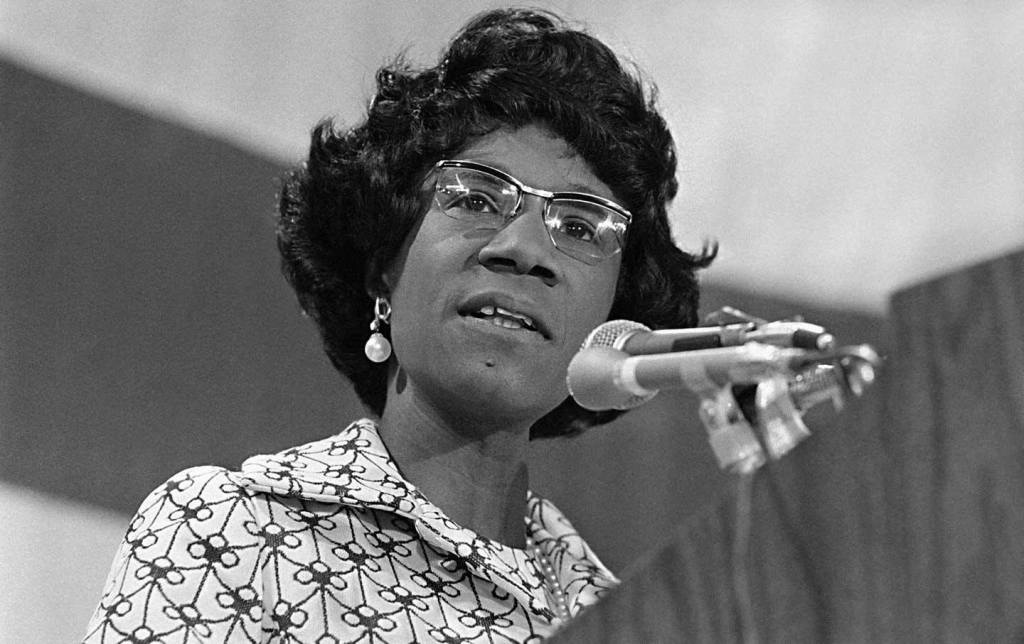
This photograph is the property of its respective owners. No copyright infringement intended.

Black women have been central to social, political, and cultural transformation throughout history, yet their contributions are often overlooked or minimized. From the era of slavery to modern times, Black women have demonstrated resilience, intellect, and leadership, challenging systemic oppression while paving the way for future generations. Recognizing and celebrating their accomplishments is essential for understanding history, inspiring social justice, and affirming the intrinsic value of Black womanhood.


Black Women in the Fight Against Slavery

Women such as Harriet Tubman and Sojourner Truth played pivotal roles in the abolitionist movement. Harriet Tubman’s courage in leading enslaved people to freedom via the Underground Railroad embodies fearless leadership. Sojourner Truth, through her speeches and activism, exposed the dual oppression of race and gender, most famously in her “Ain’t I a Woman?” address. Their legacy teaches that resistance and advocacy are intertwined with survival and faith

Pioneers in Civil Rights

In the 20th century, activists like Rosa Parks and Septima Clark reshaped the civil rights landscape. Rosa Parks’ refusal to give up her bus seat sparked the Montgomery Bus Boycott, a catalyst for nationwide action. Septima Clark, known as the “Mother of the Movement,” advanced citizenship education and literacy programs, empowering African Americans to exercise their voting rights. These women exemplify strategic courage, moral conviction, and community-focused leadership.


Trailblazers in Politics and Leadership

Black women have broken barriers in governance, challenging systemic exclusion. Figures like Shirley Chisholm, the first Black woman elected to Congress and a presidential candidate, redefined political possibility. Similarly, Barbara Jordan brought eloquence and moral authority to legislative processes, inspiring future generations of leaders. Their achievements highlight resilience, intellect, and the intersection of race and gender in public life.


Cultural and Artistic Revolutionaries

Beyond activism, Black women have transformed culture. Maya Angelou, Toni Morrison, and Nina Simone reshaped literature, music, and public consciousness, using their art as both personal expression and political commentary. Through storytelling, poetry, and song, they challenged racial stereotypes, inspired pride, and nurtured cultural identity.


Education and Empowerment Advocates

Black women like Mary McLeod Bethune dedicated their lives to education, founding institutions and programs that uplifted communities. Bethune’s emphasis on literacy, vocational training, and civic engagement demonstrates that education is both a tool for personal growth and societal change.


Modern Trailblazers

Contemporary leaders such as Alicia Garza, co-founder of the Black Lives Matter movement; Tarana Burke, founder of the MeToo movement; Misty Copeland, the first African American principal dancer at the American Ballet Theatre; Amanda Gorman, the youngest inaugural poet in U.S. history; Oprah Winfrey, media mogul and philanthropist; and Stacey Abrams, political leader and voting rights advocate, continue the legacy of activism, creativity, and cultural influence. Their visibility challenges stereotypes, advocates for equity, and inspires younger generations of Black women to embrace their talents, assert their voices, and claim their rightful place in society.


The Intersection of Faith and Activism

Many Black women activists grounded their work in faith. The KJV Bible repeatedly emphasizes justice and moral courage: “Learn to do well; seek judgment, relieve the oppressed” (Isaiah 1:17). Faith has often been a source of resilience, moral clarity, and community solidarity for Black women navigating oppression.


Overcoming Dual Oppression

Black women historically contend with both racial and gendered discrimination. Intersectionality—a term coined by Kimberlé Crenshaw—explains how overlapping systems of oppression shape lived experiences. Recognizing this helps illuminate why the achievements of Black women are particularly extraordinary and instructive.


Inspiring the Next Generation

Celebrating these trailblazers is not mere homage; it is a call to action. Mentorship programs, education, and media representation rooted in Black women’s histories foster self-worth, leadership, and civic engagement among youth.


Concluding Reflection

From Harriet Tubman to Kamala Harris, Black women’s contributions have been monumental, shaping history, culture, and society. Their resilience, intellect, and moral courage exemplify the power of faith, education, and activism. Honoring Black women in history affirms their intrinsic value, encourages social justice, and inspires generations to continue the work of liberation, leadership, and creativity.


References

  • Crenshaw, K. (1991). Mapping the margins: Intersectionality, identity politics, and violence against women of color. Stanford Law Review, 43(6), 1241–1299.
  • Collier-Thomas, B., & Franklin, V. P. (Eds.). (2001). Sisters in the struggle: African American women in the civil rights–black power movement. New York University Press.
  • Morris, A. D. (1999). Women’s work: The civil rights movement and the politics of gender. University of North Carolina Press.
  • Taylor, U. Y. (1998). The historical evolution of Black women in America. Black Women’s Studies Press.
Spike Lee: The Cinematic Trailblazer

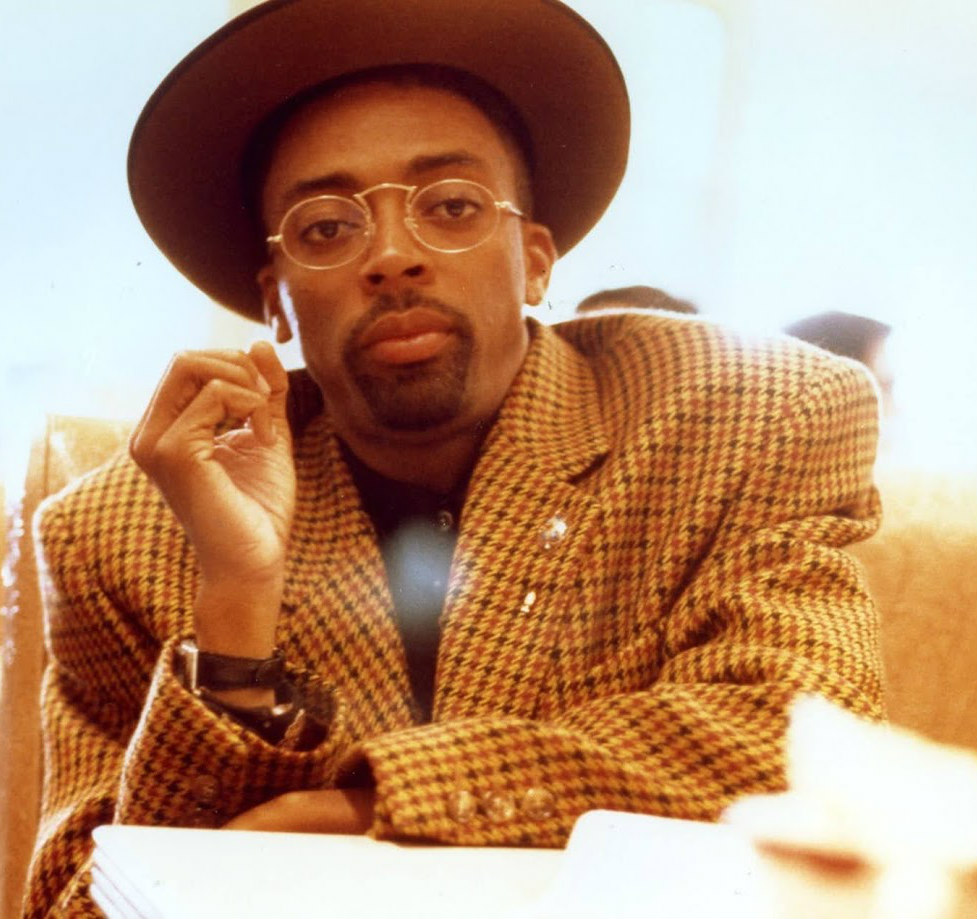
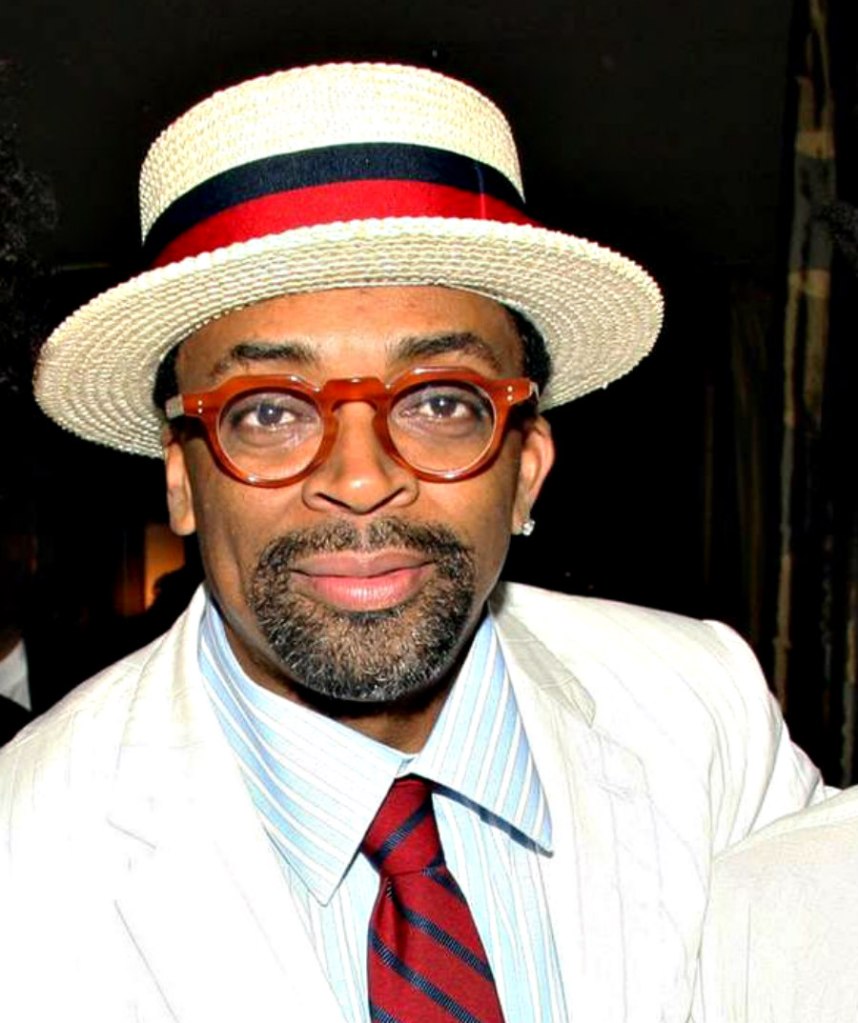
This photograph is the property of its respective owners. No infringement intended.

“It’s easier to be President of the United States as a Black person than to be head of a studio.” — Spike Lee, Governors Awards speech (2015).

Spike Lee is more than a filmmaker—he is the cinematic conscience of Black America. For nearly five decades, he has not only told stories but demanded that America listen to the voices it tried to silence. In the Black community of film, Lee stands as the best of the best because he refuses to separate artistry from accountability. His lens does not flatter injustice, nor does it dilute Black experience for mainstream comfort. Instead, it exposes truth with bold color, sharp dialogue, and uncompromising honesty. Where Hollywood often built walls, Lee carved doorways for others to walk through, ensuring that Denzel Washington, Samuel L. Jackson, and countless others could shine. His work reminds us that the measure of greatness is not only found in awards, but in how deeply one reshapes culture. Spike Lee is not just a director—he is a griot with a camera, a keeper of memory, and a visionary who has transformed film into a battleground for justice and a sanctuary for Black creativity.

Shelton Jackson “Spike” Lee, born on March 20, 1957, in Atlanta, Georgia, is widely recognized as one of the most influential filmmakers of the modern era. His career has been defined by an unwavering commitment to telling stories about race, justice, culture, and community. Lee studied at Morehouse College before earning his Master of Fine Arts in Film Production at New York University’s Tisch School of the Arts, where his student thesis film Joe’s Bed–Stuy Barbershop: We Cut Heads (1983) won a Student Academy Award. Soon after, he established his own production company, 40 Acres and a Mule Filmworks, a hub for creating authentic and unapologetically Black narratives. Married to producer and author Tonya Lewis Lee since 1993, Spike Lee is also a father of two children, Satchel and Jackson, who continue his family legacy of creativity and activism.

Spike Lee’s first feature-length film, She’s Gotta Have It (1986), was a breakthrough in independent cinema. Produced on a micro-budget of $175,000 and filmed in just 12 days, it grossed over $7 million at the box office. The story centered on Nola Darling, a sexually independent Brooklyn artist navigating relationships on her own terms. At a time when mainstream films rarely depicted such complex portrayals of Black women, Lee broke new ground in both narrative and representation. The film’s success not only launched his career but also cemented him as an innovative voice in American cinema.

Nearly five decades into his career, Spike Lee has directed films that dissect the nuances of race and American identity. His 1988 film School Daze drew directly from his experiences at Morehouse College and explored colorism, classism, and cultural hierarchies within the Black community. The following year, he directed Do the Right Thing (1989), inspired by the racially charged Howard Beach incident of 1986 and his observations of racial tension in New York City. Set during a sweltering Brooklyn summer, the film captures how ordinary frustrations can explode into violence under systemic injustice. These works positioned Lee as a truth-teller whose films function both as social critique and as artistic expressions of Black life.

Despite his success, Lee has faced persistent barriers in Hollywood, particularly in securing funding for his films. He has consistently spoken out about the racism and exclusion that plague the industry. In his 2015 Governors Awards speech, he remarked that it was “easier for a Black person to be President of the United States than to head a studio.” His decision to boycott the 2016 Oscars in solidarity with the #OscarsSoWhite movement reflected his long-standing critique of Hollywood’s failure to embrace diversity. For Lee, filmmaking has never been simply about entertainment—it has been a vehicle to confront injustice.

Lee’s inspirations are diverse, ranging from his upbringing in Brooklyn to his academic years at historically Black colleges, and the broader African American struggle for equality. His most enduring creative partnership has been with Denzel Washington, whom he cast in several landmark films including Mo’ Better Blues (1990), Malcolm X (1992), He Got Game (1998), and Inside Man (2006). Washington has praised Lee for opening doors for Black actors and redefining what representation in film could look like. Other frequent collaborators include Samuel L. Jackson, Delroy Lindo, Giancarlo Esposito, John Turturro, cinematographer Ernest Dickerson, and composer Terence Blanchard.

Actors who have worked with Lee consistently describe him as a visionary director who challenges them to give their best performances. Denzel Washington, introducing Lee at the 2015 Governors Awards, emphasized that Lee’s commitment to truth-telling has not only elevated his actors but has reshaped the landscape of American cinema. Many in Hollywood acknowledge that Lee’s films helped pave the way for a generation of Black filmmakers who now have greater opportunities to tell their own stories.

Over the course of his career, Spike Lee has been honored with numerous awards and accolades. He won the Academy Award for Best Adapted Screenplay for BlacKkKlansman (2019) and received an Honorary Oscar in 2015. He has also earned the Cannes Grand Prix, BAFTA Awards, two Primetime Emmy Awards for his documentary When the Levees Broke (2006), Peabody Awards, and the U.S. National Medal of Arts (2023). These honors are testaments to his artistry and his role as a cultural historian, documenting America’s triumphs and its deepest wounds through film.

Today, Spike Lee remains a force in Hollywood and beyond. His films continue to spark dialogue about racism, identity, and justice while celebrating Black resilience and creativity. His influence extends not only through his work but also through the countless artists he has mentored and inspired. For Lee, filmmaking has always been about more than the screen—it has been about shifting consciousness.

Feature Filmography (Director/Filmmaker)

1980s

  • She’s Gotta Have It (1986)
  • School Daze (1988)
  • Do the Right Thing (1989)

1990s

  • Mo’ Better Blues (1990)
  • Jungle Fever (1991)
  • Malcolm X (1992)
  • Crooklyn (1994)
  • Clockers (1995)
  • Get on the Bus (1996)
  • He Got Game (1998)
  • Summer of Sam (1999)

2000s

  • Bamboozled (2000)
  • 25th Hour (2002)
  • She Hate Me (2004)
  • Inside Man (2006)
  • Miracle at St. Anna (2008)

2010s

  • Red Hook Summer (2012)
  • Oldboy (2013)
  • Da Sweet Blood of Jesus (2014)
  • Chi-Raq (2015)
  • BlacKkKlansman (2018)

2020s

  • Da 5 Bloods (2020)

(In addition to feature films, Lee has directed numerous documentaries, including 4 Little Girls (1997), When the Levees Broke (2006), and If God Is Willing and da Creek Don’t Rise (2010).)


Selected Awards and Honors

  • Academy Awards (Oscars)
    • Winner: Best Adapted Screenplay – BlacKkKlansman (2019)
    • Honorary Oscar (2015)
    • Nominations: Best Director (BlacKkKlansman), Best Original Screenplay (Do the Right Thing)
  • Cannes Film Festival
    • Grand Prix: BlacKkKlansman (2018)
  • BAFTA Awards
    • Best Adapted Screenplay – BlacKkKlansman (2019)
  • Primetime Emmy Awards
    • Two wins for When the Levees Broke (2007)
  • Peabody Awards
    • Multiple awards including for When the Levees Broke
  • National Medal of Arts
    • Awarded by the U.S. Government (2023)

References

  • Cannes Film Festival. (2018). Grand Prix winners. Retrieved from [festival-cannes.com]
  • Lee, S. (2015). Governors Awards acceptance speech. Academy of Motion Picture Arts and Sciences.
  • NYU Tisch School of the Arts. (2020). Alumni achievements: Spike Lee. Retrieved from [tisch.nyu.edu]
  • Oscars.org. (2019). Spike Lee wins Best Adapted Screenplay for BlacKkKlansman. Retrieved from [oscars.org]
  • Smith, J. (2019). The films of Spike Lee: A cultural critique. Journal of Film Studies, 45(2), 122–138.
  • Washington, D. (2015). Tribute to Spike Lee at the Governors Awards. Academy of Motion Picture Arts and Sciences.
  • Young, S. (2023). Spike Lee awarded National Medal of Arts. The New York Times.