
Biblical Warnings and Psychological Realities
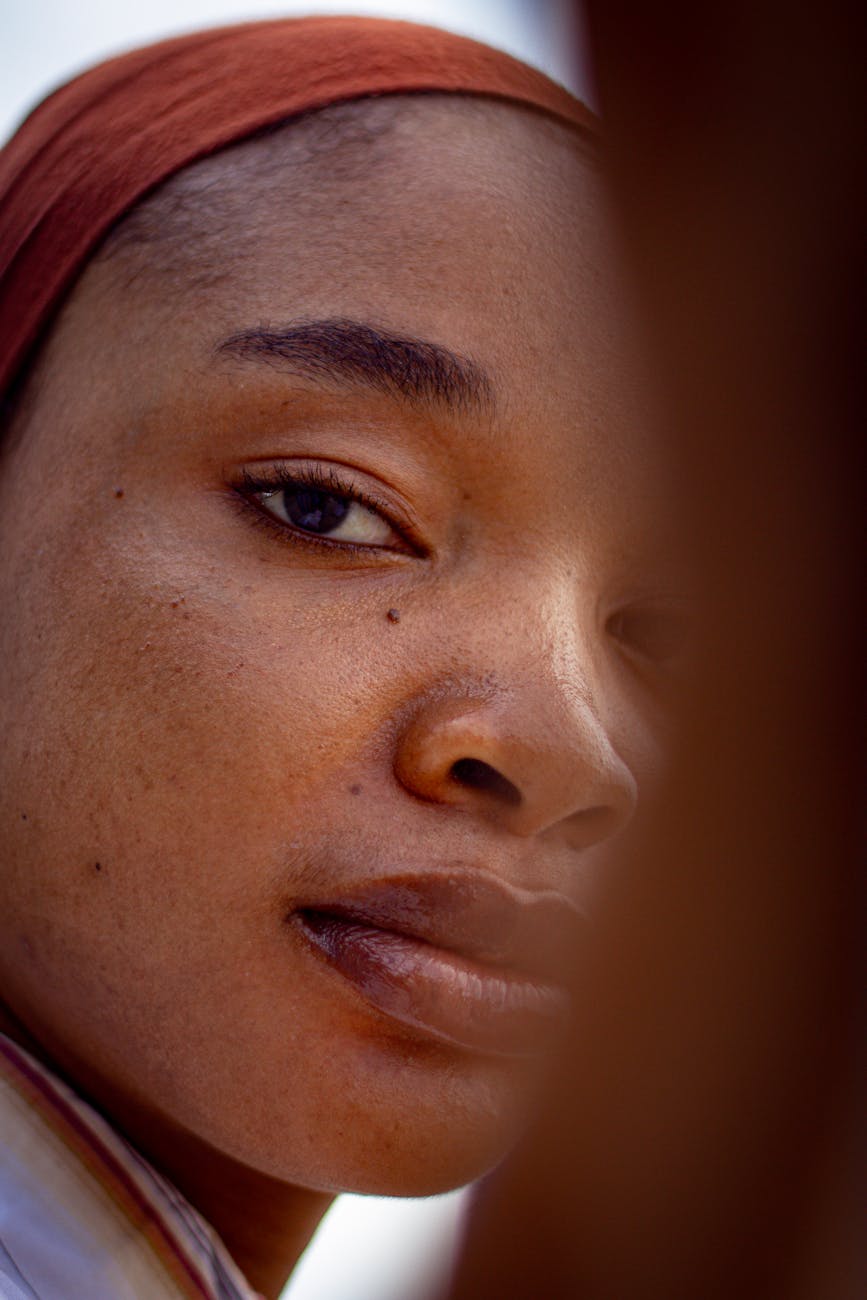
Throughout history, Black women have faced systemic plots designed to diminish their worth, distort their identity, and weaken their families. These strategies are not new; they echo the biblical pattern of oppression against God’s chosen people. Psalm 83:3 (KJV) declares, “They have taken crafty counsel against thy people, and consulted against thy hidden ones.” Black women, as the backbone of their families and communities, have often been targeted in these “crafty counsels” through slavery, media portrayals, institutional racism, and cultural stereotypes. Psychology reveals that such constant attacks on identity create long-term generational trauma, eroding self-worth while forcing resilience.
One of the most persistent plots against Black women is the distortion of beauty and femininity. Western society has historically elevated Eurocentric beauty standards, pressuring Black women to alter their natural hair, skin, or bodies to fit into systems of acceptance. 1 Peter 3:3–4 (KJV) reminds women that true beauty is “not that outward adorning…but the hidden man of the heart.” Yet psychologically, being excluded from dominant standards of beauty leads to internalized racism, body dysmorphia, and feelings of inferiority. By undervaluing natural Black beauty, society strategically undermines confidence and creates divisions within the community.
Another plot is the economic and familial destabilization of Black women. During slavery and Jim Crow, systemic efforts separated families and denied Black men the ability to provide, leaving women overburdened. Today, mass incarceration and discriminatory job markets continue this cycle. Scripture acknowledges the weight placed on women, noting in Lamentations 5:3 (KJV), “We are orphans and fatherless, our mothers are as widows.” Psychologically, this creates stress disorders, burnout, and the “strong Black woman” stereotype, where Black women are expected to endure excessive hardship without support. While resilience is admirable, the expectation of endless sacrifice without healing is itself a form of oppression.
Media representation forms another powerful plot, shaping how the world perceives Black women. The Jezebel stereotype hypersexualizes them, the Sapphire caricature portrays them as angry, and the Mammy image reduces them to servitude. These portrayals, rooted in slavery, persist in modern entertainment and social media. Proverbs 11:22 (KJV) warns, “As a jewel of gold in a swine’s snout, so is a fair woman which is without discretion.” These stereotypes strip away the dignity of Black women, making them objects of ridicule or desire rather than full human beings. Psychologically, constant negative imagery fosters stereotype threat, where Black women feel pressured to disprove false narratives at the expense of authenticity and peace.
Furthermore, the educational and health care systems reveal systemic neglect. Black women experience higher maternal mortality rates, are often dismissed in medical settings, and face biased disciplinary practices in schools. Hosea 4:6 (KJV) laments, “My people are destroyed for lack of knowledge.” Denial of proper care and knowledge is a modern-day plot that not only harms Black women physically but also perpetuates mistrust in institutions. From a psychological lens, such neglect leads to chronic stress, mistrust of authority, and intergenerational health disparities.
Quick Guide: 10 Strategic Plots Against Black Women
Biblical Truths and Psychological Insights
- Distortion of Beauty Standards
- 1 Peter 3:3–4 (KJV) – True beauty is inward, not outward.
- Eurocentric ideals pressure Black women to alter hair, skin, and body, leading to internalized racism and body-image struggles.
- Hypersexualization (Jezebel Stereotype)
- Proverbs 11:22 (KJV) – Beauty without discretion is devalued.
- Media reduces Black women to sexual objects, fostering harmful stereotypes and damaging self-worth.
- Angry Black Woman (Sapphire Stereotype)
- James 1:19 (KJV) – Be “slow to wrath.”
- Stereotyping Black women as hostile discourages authentic emotional expression and silences their voices.
- The Mammy Narrative
- Ecclesiastes 3:7 (KJV) – There is a time to serve, and a time to keep silence.
- Black women are reduced to caretakers for others, neglecting their own well-being.
- Economic Oppression
- Lamentations 5:3 (KJV) – Families broken, mothers burdened.
- Wage gaps, job discrimination, and economic instability place undue weight on Black women.
- Family Destabilization
- Malachi 4:6 (KJV) – Turning hearts of fathers to children is key.
- Mass incarceration and systemic barriers remove fathers, forcing women into overextended roles.
- Medical Neglect
- Hosea 4:6 (KJV) – Lack of knowledge destroys.
- Black women face high maternal mortality and medical dismissal, creating mistrust in healthcare systems.
- Educational Bias
- Proverbs 4:7 (KJV) – Wisdom is the principal thing.
- Black girls are disproportionately disciplined, stunting academic confidence and opportunity.
- Psychological Burden of “Strong Black Woman” Myth
- Matthew 11:28 (KJV) – “Come unto me… and I will give you rest.”
- Society expects Black women to endure without rest, leading to burnout, stress, and mental health struggles.
- Erasure of Spiritual and Cultural Identity
- Psalm 83:3 (KJV) – Enemies take “crafty counsel against thy hidden ones.”
- Black women’s Hebraic, African, and cultural roots are suppressed, disconnecting them from identity and heritage.
In conclusion, the strategic plots against Black women are both historical and ongoing, rooted in systemic oppression, distorted imagery, and institutional neglect. Yet, the Bible affirms their worth, resilience, and divine role in God’s plan. Proverbs 31:25 (KJV) declares, “Strength and honour are her clothing; and she shall rejoice in time to come.” Psychology confirms that reclaiming identity, healing trauma, and nurturing self-worth are essential strategies of resistance. Recognizing these plots equips Black women and their communities to resist deception, reclaim beauty, and walk in the power and dignity given by God.
📚 References
- The Holy Bible, King James Version.
- Collins, P. H. (2000). Black feminist thought: Knowledge, consciousness, and the politics of empowerment. Routledge.
- hooks, b. (1992). Black looks: Race and representation. South End Press.
- Steele, C. M. (1997). A threat in the air: How stereotypes shape intellectual identity and performance. American Psychologist, 52(6), 613–629.
 THE BROWN GIRL DILEMMA