

The human constitution, as divinely designed, consists of three distinct yet interwoven components: the spirit, the soul, and the body. The body is the earthly vessel, formed from dust, which enables our engagement with the physical world. The soul is the seat of our intellect, will, and emotions—our personal essence and moral identity. The spirit, breathed into man by God Himself (Genesis 2:7), is the eternal faculty by which we commune with the Divine. Together, these elements form the totality of our being, intricately woven to reflect the image of God (1 Thessalonians 5:23; Hebrews 4:12). To understand this triune nature is to begin grasping the sacred mystery of human life and destiny.”
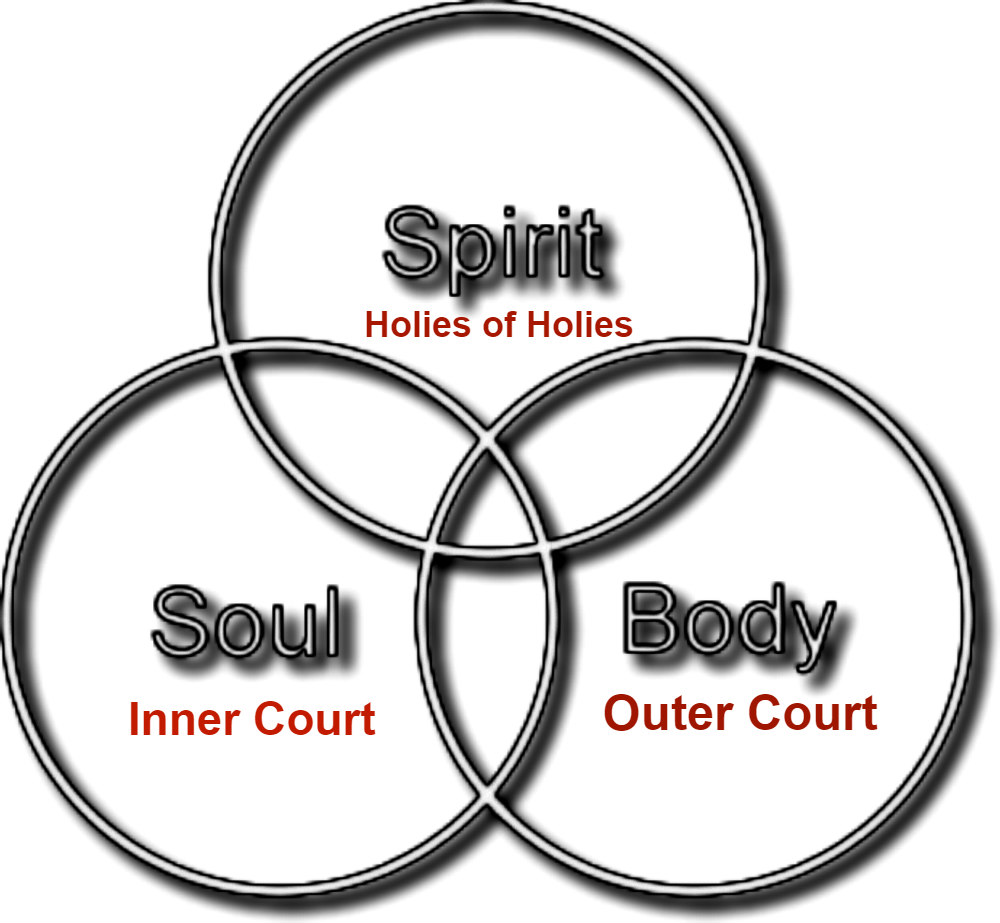
The Biblical Composition of Man: Spirit, Soul, and Body
The Bible presents man as a triune being made in the image of God (Genesis 1:26). According to 1 Thessalonians 5:23 (KJV), the Apostle Paul wrote:
“And the very God of peace sanctify you wholly; and I pray God your whole spirit and soul and body be preserved blameless unto the coming of our Lord Jesus Christ.”
This verse affirms that the human person consists of three distinct elements:
The Body – the physical, visible aspect.
The Soul – the seat of emotions, will, and personality.
The Spirit – the eternal, God-conscious part that allows communication with God.
Hebrews 4:12 also distinguishes between soul and spirit:
“For the word of God is quick, and powerful… piercing even to the dividing asunder of soul and spirit, and of the joints and marrow, and is a discerner of the thoughts and intents of the heart.”
(Hebrews 4:12, KJV)This clearly shows that soul and spirit are not the same. While often used interchangeably in modern speech, biblically they refer to different aspects of the human essence.
II. What Is the Spirit According to the KJV Bible?
The spirit (Hebrew: ruach; Greek: pneuma) is the life-giving breath from God.
“The spirit of man is the candle of the Lord, searching all the inward parts of the belly.”
(Proverbs 20:27, KJV)“Then shall the dust return to the earth as it was: and the spirit shall return unto God who gave it.”
(Ecclesiastes 12:7, KJV)Here, Scripture teaches that the spirit is what gives life and returns to God upon death. It is not the soul—it is the divine spark, the animating force from God.
III. What Is the Soul According to the KJV Bible?
The soul (Hebrew: nephesh; Greek: psuchē) is the seat of emotions, reasoning, and identity. It represents the “personhood” of a human.
“And the LORD God formed man of the dust of the ground, and breathed into his nostrils the breath of life; and man became a living soul.”
(Genesis 2:7, KJV)The soul is conscious, moral, and eternal. It experiences joy, sorrow, fear, and decision-making. After death, the soul continues to exist.
“Fear not them which kill the body, but are not able to kill the soul: but rather fear him which is able to destroy both soul and body in hell.”
(Matthew 10:28, KJV)This verse clearly distinguishes between body and soul, with the soul being capable of eternal destination—either heaven or hell.
IV. What Happens at Death?
The Bible teaches that death is the separation of the spirit from the body.
“For as the body without the spirit is dead, so faith without works is dead also.”
(James 2:26, KJV)At death:
The body returns to dust (Genesis 3:19).
The spirit returns to God (Ecclesiastes 12:7).
The soul enters a place of waiting, either comfort or torment.
V. Afterlife in the Apocrypha
The Apocryphal books, while not part of the canon for all denominations, offer deep insights into Jewish beliefs about the soul after death.
2 Esdras 7:78-88 (Apocrypha) outlines what happens to the soul:
“Now, concerning death, the teaching is: When the decisive decree has gone out from the Most High that a person shall die, as the spirit leaves the body… it returns to him who gave it, first adoring the glory of the Most High… the souls of the righteous are in the hand of God, and no torment shall touch them…”
In contrast:
“But the way of sinners is hard… they shall wander in torments and be in anguish seven ways…”
This aligns with Luke 16:19–31, the parable of the rich man and Lazarus, where Jesus describes two destinations after death: Abraham’s bosom (comfort) or Hades (torment).
VI. The Purpose of the Soul and Spirit
The soul is judged for moral and spiritual decisions, while the spirit connects with God.
“The soul that sinneth, it shall die.”
(Ezekiel 18:20, KJV)The spirit returns to God, but if the soul is unredeemed by Christ, it is condemned (John 3:18).
VII. Summary: Key Differences
Element Nature Function Destination After Death Body Physical World interaction Returns to dust (Genesis 3:19) Soul Emotional / Personal Identity, Emotion, Will Judgment: Heaven or Hell (Matthew 10:28) Spirit Spiritual Life-giving force; connection with God Returns to God (Ecclesiastes 12:7)
VIII. Conclusion
The KJV Bible and Apocryphal writings clearly present a tripartite view of humanity. The body decays, the spirit returns to God, and the soul awaits judgment. The spirit is not the same as the soul, although deeply connected. Understanding this distinction helps us grasp the eternal nature of our being and the urgency of repentance and spiritual transformation in this life. Ultimately, the destiny of the soul is determined not by status or knowledge, but by one’s relationship with God through Christ.
Key Scriptures to Meditate On (KJV)
Genesis 2:7
1 Thessalonians 5:23
Ecclesiastes 12:7
Matthew 10:28
Luke 16:19–31
2 Esdras 7:78–88 (Apocrypha)
 THE BROWN GIRL DILEMMA